 EN
EN

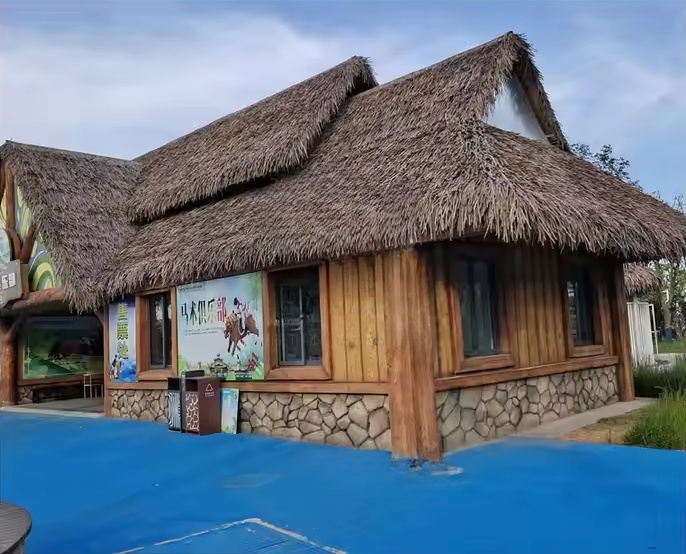
Implementing a thatched cottage in rural tourism projects requires careful planning and strategic integration to maximize both aesthetic appeal and functional value. These traditional structures offer tourists an authentic experience while providing property owners with unique accommodation options that command premium rates in the competitive rural tourism market.
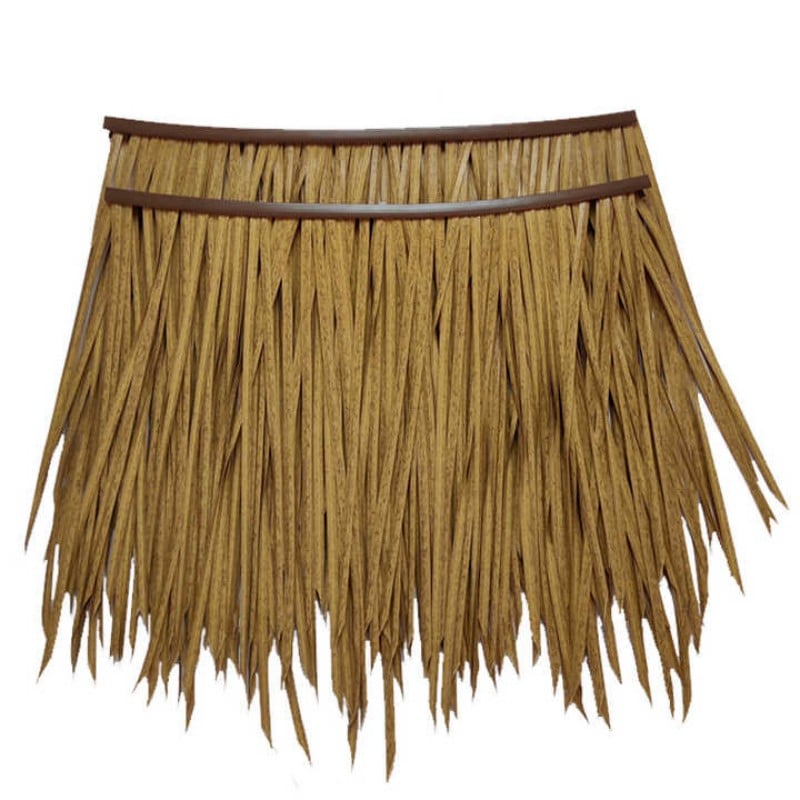
The process of incorporating a thatched cottage into rural tourism ventures involves understanding regulatory requirements, selecting appropriate locations, and ensuring the structure meets modern safety and comfort standards while maintaining traditional charm. Success depends on balancing historical authenticity with contemporary amenities that today's travelers expect from premium accommodations.
Planning and Site Selection for Thatched Cottage Tourism Projects
Location Assessment and Zoning Considerations
Selecting the optimal location for your thatched cottage requires thorough evaluation of local zoning regulations and building codes. Many rural areas have specific requirements for traditional structures, particularly regarding fire safety and accessibility compliance. Research local heritage preservation guidelines that may influence your thatched cottage design and construction approach.
Consider proximity to existing tourist attractions, natural features, and transportation infrastructure when positioning your thatched cottage. The structure should offer guests scenic views while maintaining reasonable access to parking areas and utility connections. Evaluate seasonal weather patterns and prevailing wind directions to ensure optimal positioning for both comfort and structural longevity.
Site drainage and soil conditions play crucial roles in foundation planning for your thatched cottage project. Conduct professional soil analysis to determine appropriate foundation design and ensure adequate drainage systems that protect both the structure and surrounding landscape. These factors significantly impact long-term maintenance requirements and guest comfort levels.
Design Integration with Rural Landscape
Your thatched cottage design should harmonize naturally with the surrounding rural environment while providing distinctive visual appeal for potential guests. Consider traditional architectural elements that reflect local building heritage, including window proportions, door styles, and exterior materials that complement the thatched roofing system.
Landscape integration extends beyond the thatched cottage structure itself to include pathways, gardens, and outdoor amenities that enhance the overall guest experience. Design walking paths using natural materials that connect your accommodation to key landscape features, creating opportunities for guests to explore the rural setting safely and comfortably.
Environmental impact assessment helps ensure your thatched cottage project aligns with sustainable tourism principles. Evaluate potential effects on local wildlife habitats, water resources, and vegetation patterns. Implement mitigation strategies that minimize environmental disruption while maximizing the educational and recreational value of your rural tourism offering.
Construction Methods and Material Selection
Traditional Versus Modern Thatching Techniques
Modern thatched cottage construction often combines traditional aesthetics with contemporary materials that offer improved durability and reduced maintenance requirements. Synthetic thatching materials provide fire resistance and longevity advantages over natural materials while maintaining the authentic appearance that attracts rural tourism guests.
Professional installation techniques ensure your thatched cottage meets current building standards while preserving traditional visual characteristics. Work with experienced contractors who understand both heritage building methods and modern safety requirements. Proper installation techniques significantly impact the long-term performance and maintenance costs of your tourism investment.
Quality control during construction phases prevents common issues that could affect guest satisfaction and operational efficiency. Regular inspections throughout the building process ensure workmanship meets specification standards and identifies potential problems before they become expensive corrections. Document construction details for future maintenance planning and insurance purposes.
Interior Design and Modern Amenity Integration
Interior planning for your thatched cottage requires balancing rustic charm with contemporary comfort expectations. Install modern heating, cooling, and electrical systems discretely to maintain traditional interior aesthetics while ensuring guest comfort throughout seasonal variations.
Kitchen and bathroom facilities must meet modern hygiene and safety standards while incorporating design elements that complement the thatched cottage theme. Consider space-efficient layouts that maximize functionality without overwhelming the intimate scale typical of traditional cottage interiors. Select fixtures and finishes that combine durability with period-appropriate styling.
Lighting design significantly impacts guest experience and property photography for marketing purposes. Combine natural lighting strategies with artificial lighting systems that create warm, inviting atmospheres during evening hours. Install appropriate electrical infrastructure that supports modern devices while maintaining the historic character of your thatched cottage accommodation.
Marketing and Guest Experience Optimization
Target Market Identification and Positioning
Identifying the optimal target market for your thatched cottage tourism project requires analysis of demographic trends and travel preferences in rural tourism segments. Focus on travelers seeking authentic cultural experiences, romantic getaways, and unique accommodation options that provide memorable stories and social media content opportunities.
Positioning your thatched cottage within the competitive rural tourism landscape requires emphasizing unique features and experiences that differentiate your property from standard accommodations. Develop compelling narratives around the historical significance, architectural craftsmanship, and cultural connections that enhance perceived value for potential guests.
Seasonal marketing strategies maximize occupancy rates throughout the year by highlighting different aspects of the thatched cottage experience during various seasons. Spring and summer marketing can emphasize garden settings and outdoor activities, while autumn and winter promotions focus on cozy interior atmospheres and traditional heating features like fireplaces.
Guest Services and Experience Enhancement
Developing comprehensive guest services enhances the overall thatched cottage experience and encourages positive reviews and repeat bookings. Provide detailed information about the cottage's history, construction methods, and local cultural significance to satisfy guest curiosity and create educational value.
Curated local experiences complement your thatched cottage accommodation by connecting guests with authentic rural activities and cultural attractions. Partner with local artisans, farmers, and tour operators to offer exclusive experiences that showcase regional traditions and natural features. These partnerships create additional revenue streams while supporting the local rural economy.
Technology integration should enhance rather than detract from the traditional thatched cottage atmosphere. Provide reliable internet connectivity and charging stations discretely integrated into the design. Consider smart home technologies that improve energy efficiency and security while remaining invisible to guests during their stay.
Operational Management and Maintenance
Preventive Maintenance Scheduling
Establishing systematic maintenance schedules ensures your thatched cottage remains in optimal condition while minimizing unexpected repair costs and guest disruptions. Regular inspections of roofing materials, structural components, and mechanical systems prevent minor issues from developing into expensive problems that could force closure during peak tourism seasons.
Seasonal maintenance tasks address specific challenges associated with thatched cottage operations in rural environments. Spring preparations focus on cleaning and repairs following winter weather, while autumn maintenance emphasizes weatherization and heating system servicing. Summer maintenance concentrates on landscaping and exterior preservation tasks.
Professional maintenance partnerships with specialized contractors familiar with traditional building techniques ensure proper care of unique thatched cottage features. Establish relationships with qualified roofers, stonemasons, and other craftspeople before problems arise. Regular professional assessments identify potential issues early and extend the operational lifespan of your tourism investment.
Financial Planning and Revenue Optimization
Revenue optimization for thatched cottage tourism projects requires strategic pricing that reflects the unique value proposition while remaining competitive within local accommodation markets. Monitor seasonal demand patterns and adjust pricing accordingly to maximize occupancy during peak periods while maintaining profitability during slower seasons.
Operating expense management focuses on controlling costs associated with specialty maintenance requirements and premium amenities that distinguish your thatched cottage from conventional accommodations. Develop detailed budgets that account for both routine operational expenses and periodic major maintenance projects specific to traditional building materials and methods.
Insurance considerations for thatched cottage tourism operations require specialized coverage that addresses unique risks associated with traditional construction materials and rural locations. Work with insurance providers familiar with heritage properties and tourism businesses to ensure adequate protection while managing premium costs through appropriate risk mitigation strategies.
FAQ
What permits are required for operating a thatched cottage as tourist accommodation?
Operating permits for thatched cottage tourism typically include building permits, business licenses, tourism accommodation permits, and potentially historic preservation approvals depending on local regulations. Contact local planning authorities early in the project development phase to understand specific requirements and approval timelines for your location.
How much does it cost to build a thatched cottage for tourism purposes?
Construction costs for tourism-ready thatched cottages vary significantly based on size, materials, location, and finish quality, typically ranging from moderate to premium price points depending on authenticity requirements and modern amenity integration. Factor in ongoing maintenance costs that may be higher than conventional buildings due to specialty materials and craftsmanship requirements.
What is the expected return on investment for thatched cottage tourism projects?
Return on investment for thatched cottage tourism depends on location, marketing effectiveness, operational efficiency, and local tourism demand patterns. Properties in established rural tourism destinations with strong marketing strategies typically achieve higher occupancy rates and premium pricing that can provide attractive returns over medium to long-term investment horizons.
How do I maintain authentic character while meeting modern safety standards?
Balancing authenticity with safety requires careful integration of modern systems using traditional materials and construction techniques where possible. Work with specialists in heritage building restoration who understand both preservation principles and contemporary building codes to achieve compliance without compromising the thatched cottage's historic character and tourist appeal.
Table of Contents
- Planning and Site Selection for Thatched Cottage Tourism Projects
- Construction Methods and Material Selection
- Marketing and Guest Experience Optimization
- Operational Management and Maintenance
-
FAQ
- What permits are required for operating a thatched cottage as tourist accommodation?
- How much does it cost to build a thatched cottage for tourism purposes?
- What is the expected return on investment for thatched cottage tourism projects?
- How do I maintain authentic character while meeting modern safety standards?