 EN
EN

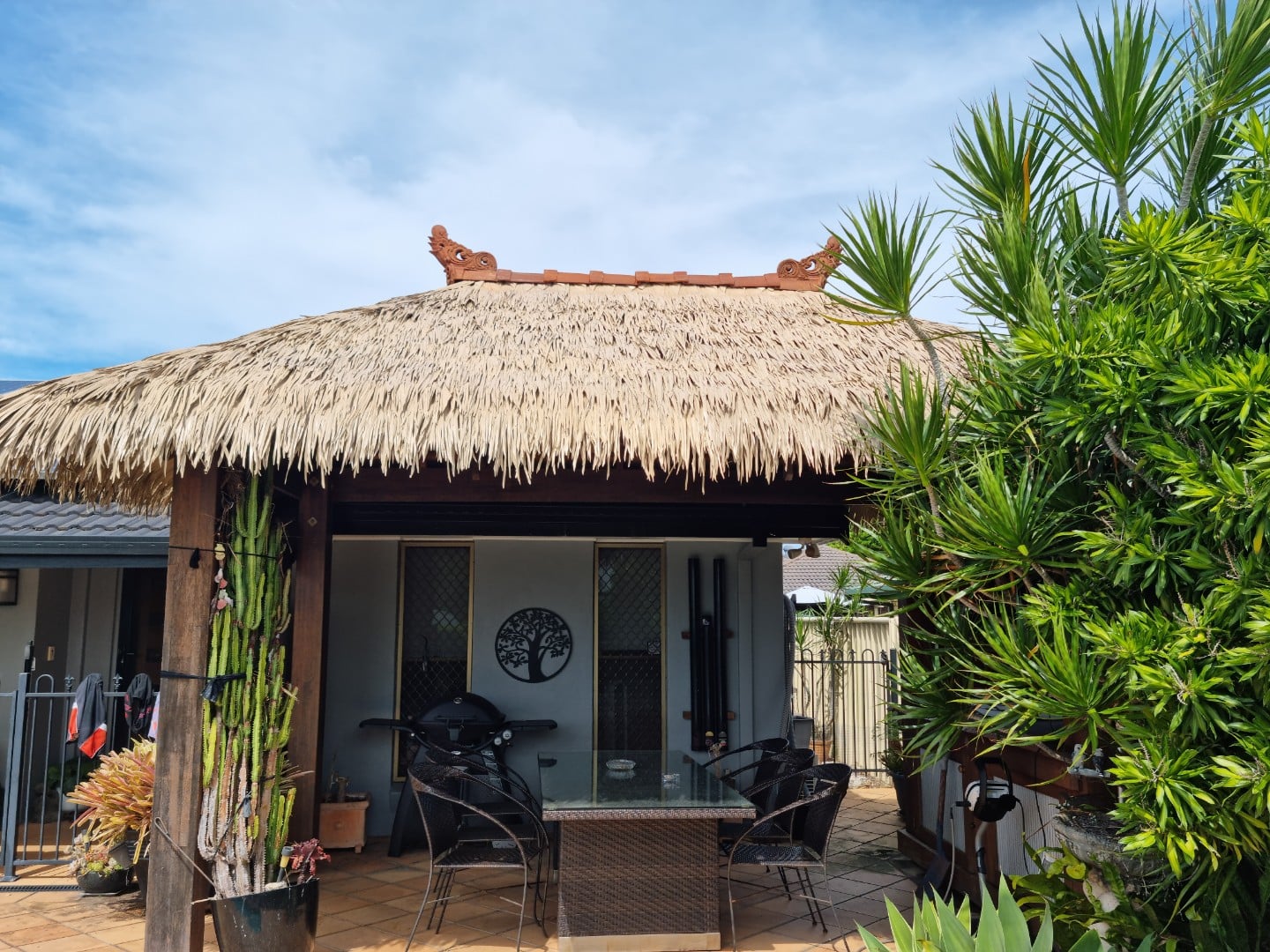
Building or renovating a thatched cottage requires careful consideration of materials that honor traditional aesthetics while meeting modern performance standards. The selection process involves evaluating natural versus synthetic thatching materials, understanding structural requirements, and implementing proper installation techniques that ensure longevity and weather resistance. These decisions directly impact the authenticity, durability, and maintenance requirements of your thatched cottage project.
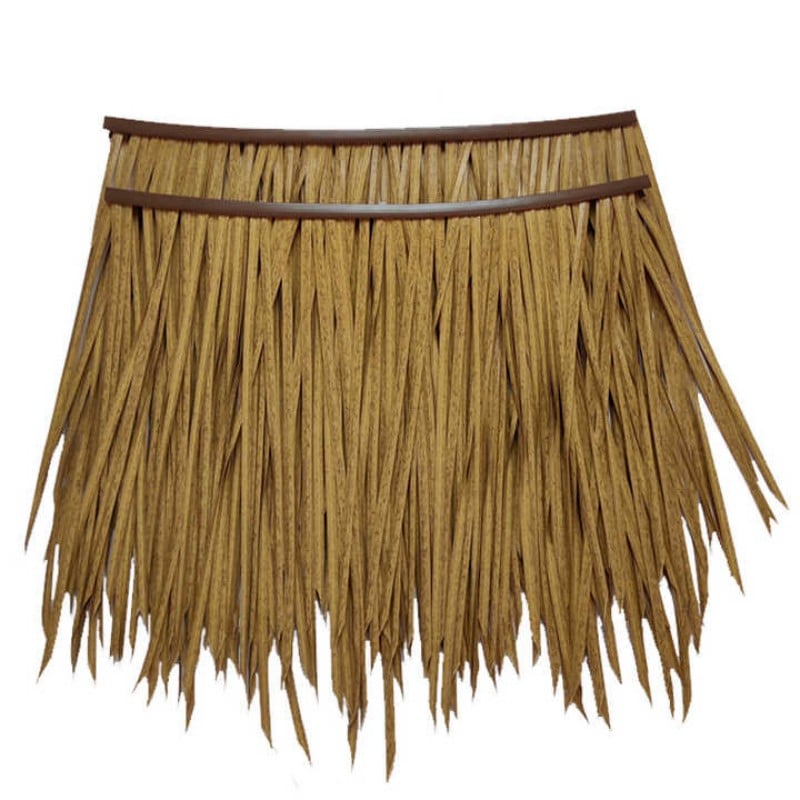
Proper material selection forms the foundation of any successful thatched cottage construction, affecting everything from initial costs to long-term maintenance schedules. Installation techniques must accommodate the unique properties of thatching materials while ensuring structural integrity and compliance with local building codes. Understanding these critical factors enables property owners to make informed decisions that balance traditional charm with practical performance requirements.
Understanding Thatched Cottage Material Options
Traditional Natural Thatching Materials
Natural thatching materials have been the cornerstone of thatched cottage construction for centuries, offering authentic appearance and proven performance characteristics. Wheat reed remains the most commonly used material for thatched cottage projects, providing excellent water-shedding properties when properly installed and maintained. The material's natural oils create a protective barrier against moisture while allowing proper ventilation throughout the roof structure.
Water reed presents another traditional option for thatched cottage construction, particularly valued for its exceptional durability and longevity. This material typically lasts longer than wheat reed, making it suitable for thatched cottage projects where minimal maintenance is desired. The dense structure of water reed provides superior protection against wind-driven rain and creates a distinctive textural appearance that many property owners prefer.
Longstraw thatching represents the most traditional approach to thatched cottage construction, utilizing the entire wheat stalk including the grain head. This technique creates the characteristic undulating surface associated with historic thatched cottage designs. However, longstraw requires skilled craftsmanship and regular maintenance to preserve its weatherproofing capabilities and visual appeal.
Modern Synthetic Alternatives
Synthetic thatching materials offer contemporary solutions for thatched cottage projects requiring enhanced durability and reduced maintenance requirements. High-density polyethylene panels provide excellent weather resistance while maintaining the visual characteristics of traditional thatch. These materials typically feature UV stabilization that prevents degradation under prolonged sun exposure, making them suitable for thatched cottage applications in various climatic conditions.
Fire-resistant synthetic materials address safety concerns associated with traditional thatched cottage construction while preserving aesthetic appeal. These advanced materials undergo rigorous testing to meet building code requirements for fire resistance without compromising the authentic appearance that defines thatched cottage architecture. The consistent quality of synthetic materials eliminates variations in natural materials that can affect installation outcomes.
Color-stable synthetic options ensure that thatched cottage roofing maintains its intended appearance throughout its service life. Unlike natural materials that weather and change color over time, synthetic alternatives retain their original coloration while developing subtle patina effects that enhance visual authenticity. This consistency proves particularly valuable for thatched cottage projects in commercial or resort applications where appearance standards must be maintained.
Structural Considerations for Installation
Roof Deck Preparation Requirements
Proper roof deck preparation forms the critical foundation for successful thatched cottage installation, regardless of material selection. The underlying structure must provide adequate support for the additional weight of thatching materials while allowing proper ventilation to prevent moisture accumulation. Standard roof decking materials may require reinforcement to accommodate the unique loading characteristics of thatched cottage construction.
Ventilation considerations become paramount when preparing roof decks for thatched cottage applications, as trapped moisture can compromise both structural integrity and material performance. Strategic placement of ventilation channels ensures continuous airflow throughout the roof assembly while maintaining the weather-resistant properties essential for thatched cottage durability. These channels must be integrated during the preparation phase to avoid compromising installation quality.
Substrate compatibility affects the bonding and attachment methods available for thatched cottage materials, influencing both installation techniques and long-term performance. Different thatching materials require specific substrate preparations to ensure proper adhesion and weather resistance. The roof deck must accommodate the expansion and contraction characteristics of the selected thatched cottage materials while maintaining structural stability.
Fastening and Attachment Methods
Traditional attachment methods for thatched cottage construction rely on binding techniques that secure materials without penetrating the underlying roof deck. Tarred twine and hazel rods provide time-tested fastening solutions that accommodate the natural movement of organic materials while maintaining weather resistance. These methods require specialized knowledge to execute properly and ensure long-term performance of the thatched cottage installation.
Modern fastening systems offer enhanced security and weather resistance for thatched cottage applications using contemporary materials. Corrosion-resistant screws and specialized clips provide reliable attachment while accommodating thermal movement and wind loads. These fastening systems must be selected based on the specific requirements of the chosen thatching material and local wind exposure conditions.
Hybrid attachment approaches combine traditional and modern fastening methods to optimize performance while maintaining authentic appearance in thatched cottage construction. Strategic use of mechanical fasteners in high-stress areas supplements traditional binding techniques to enhance overall system reliability. This approach proves particularly effective for thatched cottage projects in areas subject to severe weather conditions or high wind loads.
Installation Techniques and Best Practices
Layer Application Methods
Systematic layer application ensures proper water shedding and structural integrity in thatched cottage construction, beginning with the establishment of consistent thickness throughout the installation area. Each layer must overlap the previous layer by specific dimensions determined by the material type and local weather exposure conditions. Proper layering techniques prevent water infiltration while maintaining the characteristic appearance of thatched cottage roofing.
Compression techniques affect both the appearance and performance of thatched cottage installations, with optimal compression levels varying based on material selection and local climate conditions. Insufficient compression can result in poor weather resistance and premature material displacement, while excessive compression may restrict natural ventilation and cause material damage. Achieving proper compression requires experience with specific thatching materials and installation conditions.
Edge treatments require special attention during thatched cottage installation to ensure weather resistance and visual continuity with the main roof field. Properly executed edge details prevent water infiltration while maintaining the smooth transitions that characterize quality thatched cottage construction. These areas often experience the highest stress levels and require reinforcement techniques that preserve both function and appearance.
Weather Protection During Installation
Installation scheduling must account for weather conditions that can affect material performance and installation quality in thatched cottage projects. Natural materials are particularly susceptible to moisture during installation, requiring dry conditions and proper storage to maintain their structural properties. Synthetic materials offer greater flexibility in installation scheduling but still require protection from extreme weather conditions during the installation process.
Temporary weather protection systems enable thatched cottage installation to proceed during marginal weather conditions while protecting both materials and workers. These systems must provide adequate coverage without interfering with installation techniques or creating unsafe working conditions. Proper planning for weather protection can significantly reduce project delays and ensure consistent installation quality.
Material handling procedures during thatched cottage installation must account for weather sensitivity and storage requirements specific to each material type. Natural materials require protection from moisture and excessive heat that can affect their installation characteristics and long-term performance. Synthetic materials typically offer greater tolerance for weather exposure but still require proper handling to prevent damage and ensure optimal installation results.
Quality Control and Performance Optimization
Installation Inspection Criteria
Systematic inspection during thatched cottage installation identifies potential issues before they compromise overall system performance or require extensive remediation. Visual inspection criteria include uniform thickness, proper overlap dimensions, and consistent compression throughout the installation area. Regular inspection intervals ensure that installation quality standards are maintained throughout the project duration.
Performance testing procedures verify that installed thatched cottage systems meet design specifications for weather resistance and structural integrity. Water penetration testing confirms that installation techniques have achieved proper weather barrier performance without compromising the natural ventilation characteristics essential for material longevity. These tests should be conducted at critical installation milestones to identify and address issues promptly.
Documentation requirements for thatched cottage installations provide valuable records for warranty purposes and future maintenance planning. Detailed installation records should include material specifications, installation techniques, weather conditions during installation, and results of performance testing. This documentation proves essential for troubleshooting future issues and planning maintenance schedules that preserve thatched cottage performance.
Long-Term Performance Factors
Maintenance scheduling significantly impacts the long-term performance and appearance of thatched cottage installations, with requirements varying based on material selection and local environmental conditions. Proactive maintenance programs address minor issues before they develop into major problems that compromise system integrity or require extensive repairs. Understanding maintenance requirements during the material selection phase enables informed decisions about lifecycle costs and performance expectations.
Environmental factors affecting thatched cottage performance include UV exposure, temperature cycling, moisture exposure, and wind loads that vary based on geographic location and site-specific conditions. Material selection and installation techniques must account for these factors to ensure optimal performance throughout the intended service life. Regular monitoring of environmental impacts enables early identification of performance issues and implementation of corrective measures.
Performance monitoring systems provide ongoing assessment of thatched cottage condition and help optimize maintenance schedules for maximum cost-effectiveness. These systems may include visual inspection protocols, moisture monitoring, and structural assessments that identify potential issues before they affect occupant comfort or building integrity. Effective monitoring programs extend thatched cottage service life while minimizing unexpected maintenance costs.
FAQ
How long does a properly installed thatched cottage roof typically last?
The lifespan of a thatched cottage roof depends significantly on material selection and installation quality, with natural reed installations typically lasting 15-25 years for the main roof area and 8-12 years for ridge areas. Synthetic thatching materials can extend this lifespan to 30-50 years with proper installation and minimal maintenance requirements. Factors such as roof pitch, local climate conditions, and maintenance frequency significantly influence actual service life.
What are the main differences between natural and synthetic thatching materials for cottage applications?
Natural thatching materials offer authentic appearance and traditional installation methods but require regular maintenance and have limited fire resistance properties. Synthetic alternatives provide enhanced durability, fire resistance, and color stability while requiring specialized installation techniques to achieve authentic appearance. Cost considerations include higher initial material costs for synthetic options but potentially lower lifecycle costs due to reduced maintenance requirements and extended service life.
Can thatched cottage roofing be installed over existing roof structures?
Thatched cottage materials can often be installed over existing roof structures provided the underlying framework can support the additional weight and proper ventilation is maintained. The existing roof deck must be evaluated for structural adequacy and modified as necessary to accommodate thatching installation requirements. Building code compliance and permit requirements vary by location and may restrict retrofit applications in certain jurisdictions.
What special considerations apply to thatched cottage installation in different climate zones?
Climate considerations for thatched cottage installation include precipitation patterns, temperature extremes, wind exposure, and humidity levels that affect both material selection and installation techniques. High-moisture environments may require enhanced ventilation and moisture-resistant materials, while areas with intense UV exposure benefit from materials with superior color stability and degradation resistance. Local building codes often specify additional requirements for thatched cottage construction based on regional climate conditions and fire safety considerations.
Table of Contents
- Understanding Thatched Cottage Material Options
- Structural Considerations for Installation
- Installation Techniques and Best Practices
- Quality Control and Performance Optimization
-
FAQ
- How long does a properly installed thatched cottage roof typically last?
- What are the main differences between natural and synthetic thatching materials for cottage applications?
- Can thatched cottage roofing be installed over existing roof structures?
- What special considerations apply to thatched cottage installation in different climate zones?