Artificial Grass Hut Roof: Innovative Eco-Friendly Roofing Solutions for Modern Architecture

Get a Free Quote

Our representative will contact you soon.
Email
Name
Company Name
Message
0/1000

artificial grass hut roof

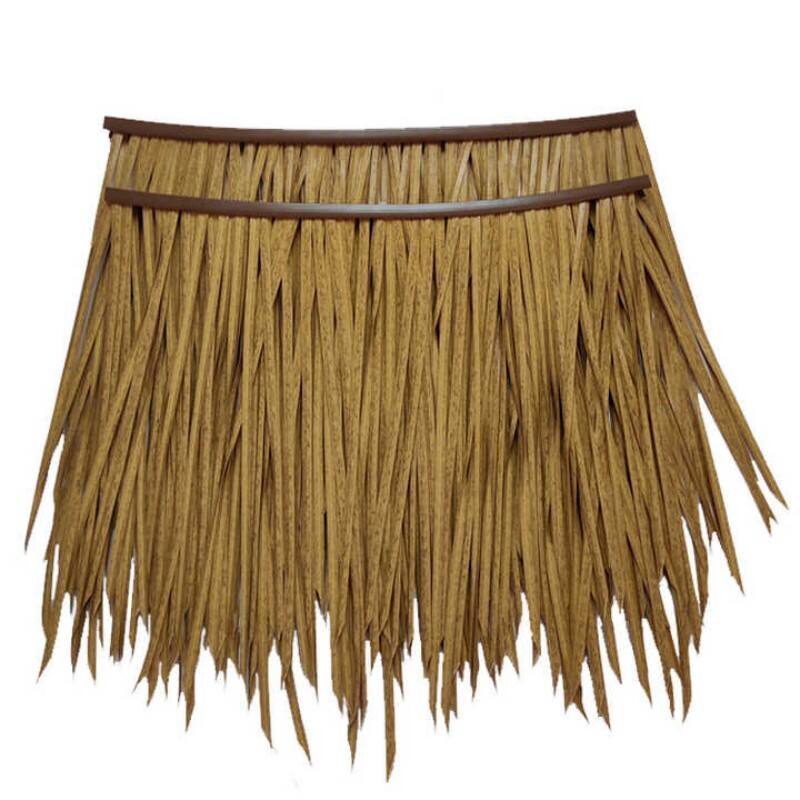
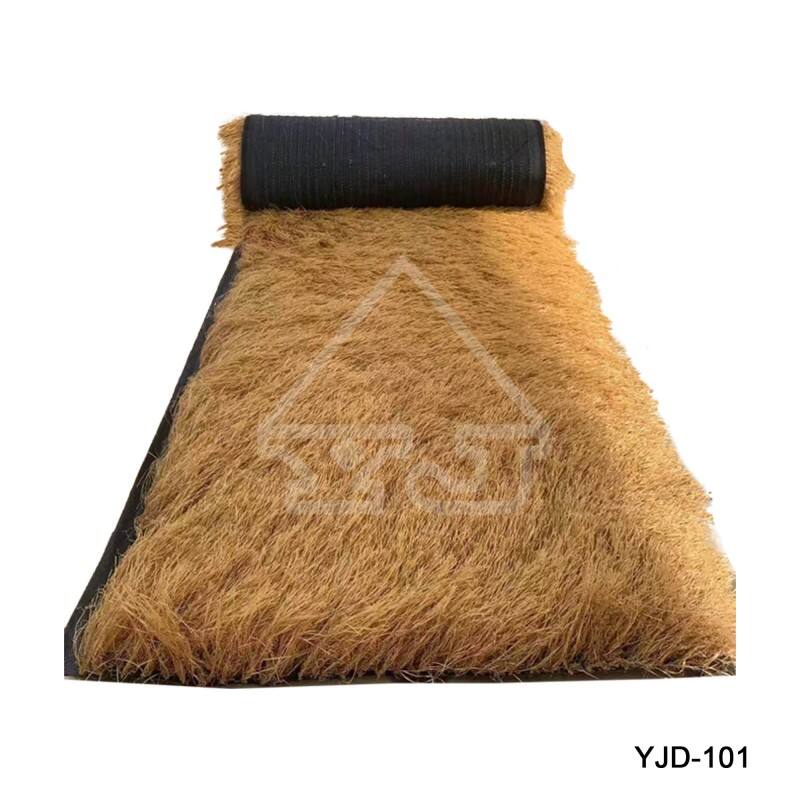
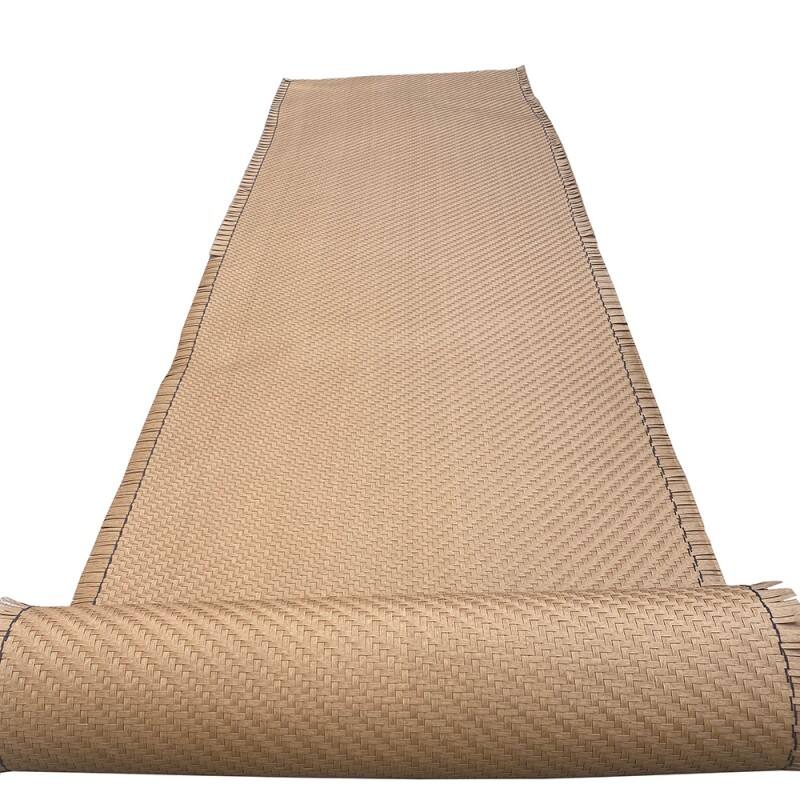
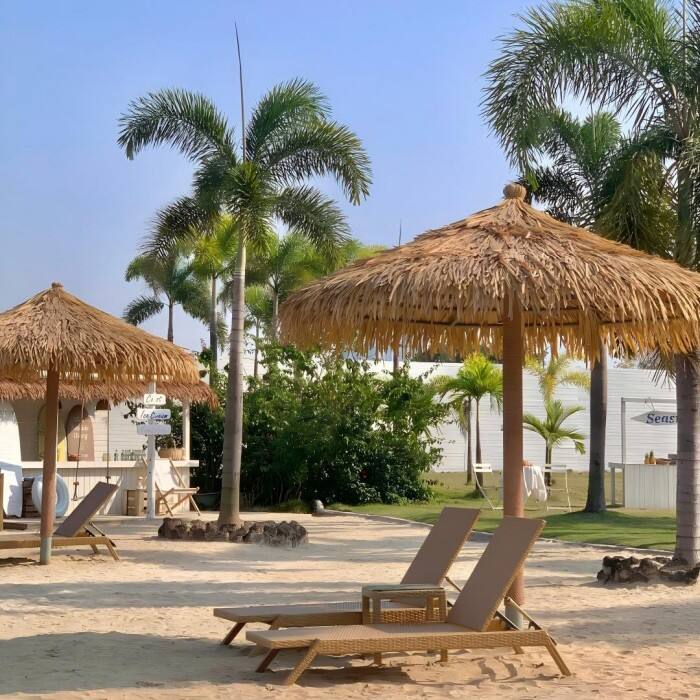
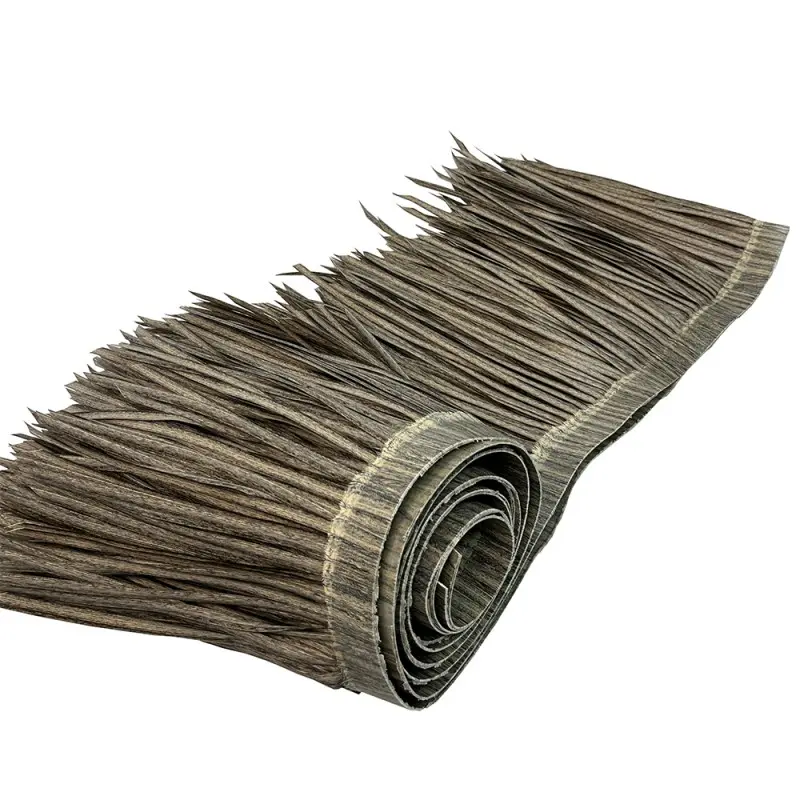
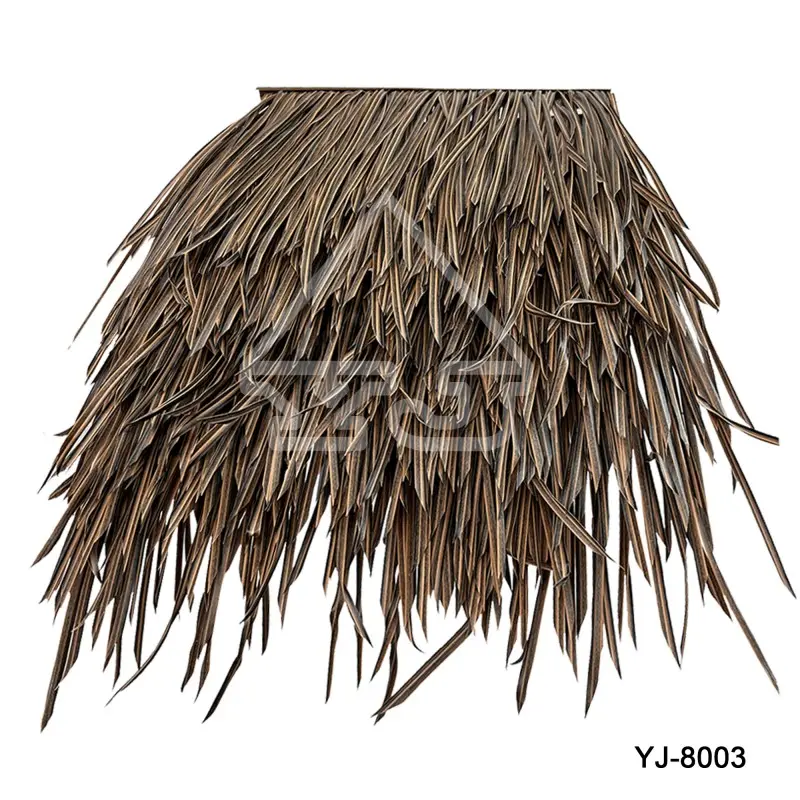
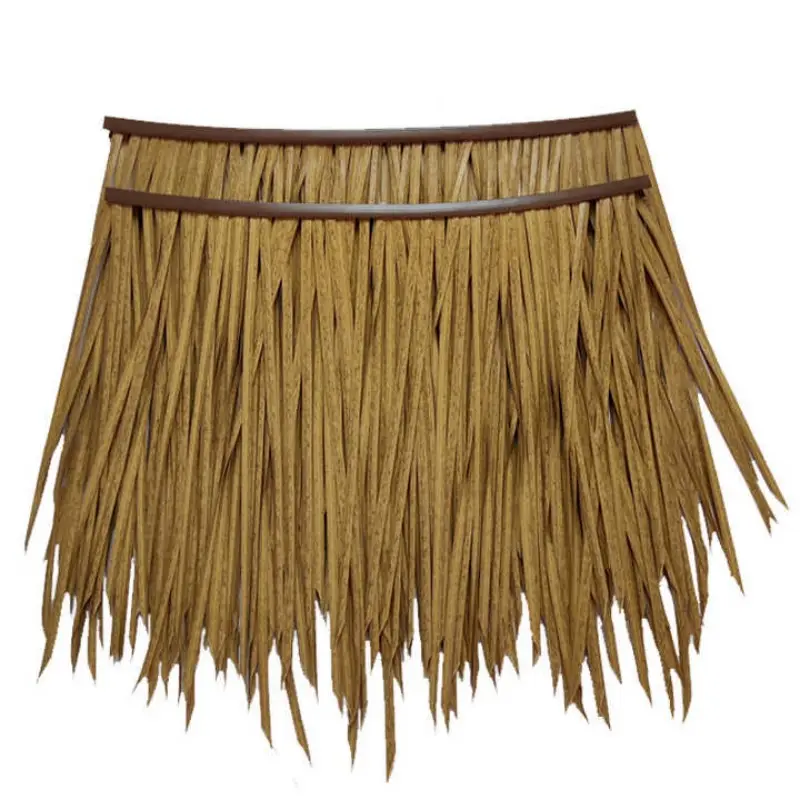
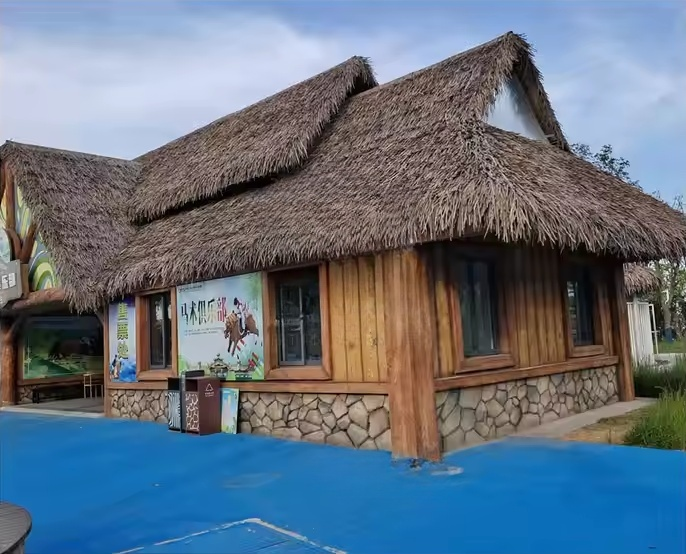
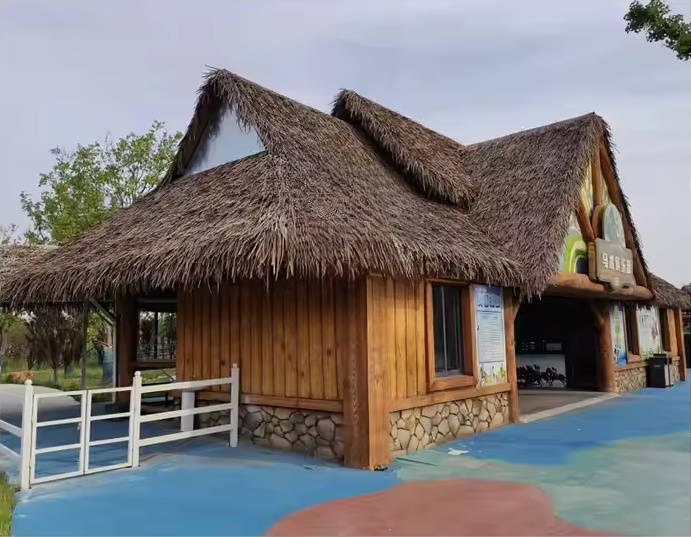
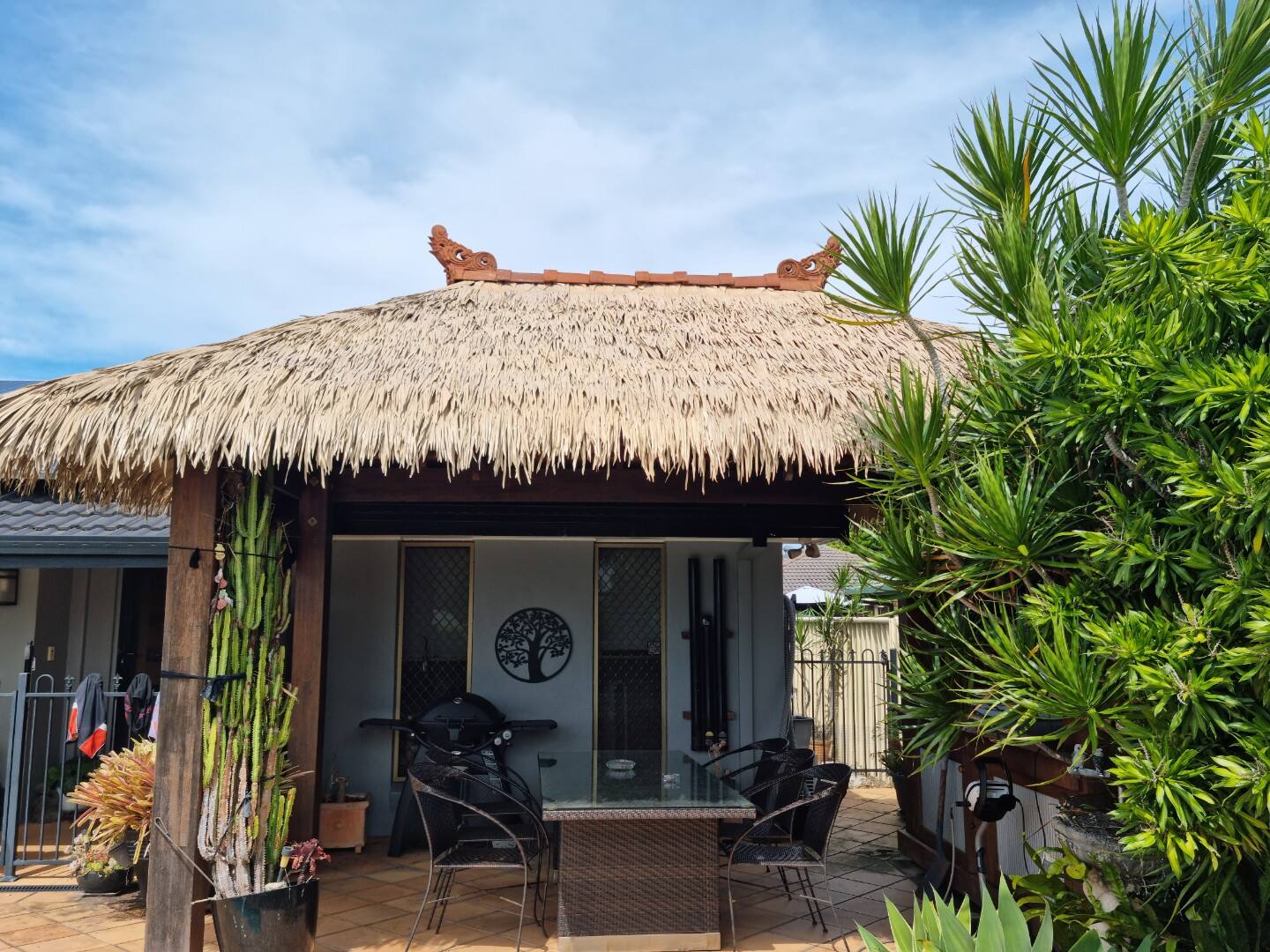
An artificial grass hut roof represents an innovative roofing solution that combines the aesthetic appeal of traditional thatched roofing with modern synthetic materials technology. This unique roofing system utilizes high-quality synthetic fibers designed to mimic natural grass while providing superior durability and weather resistance. The artificial grass hut roof offers homeowners and commercial property developers an opportunity to achieve rustic, natural-looking architecture without the maintenance challenges associated with organic materials. The primary functions of an artificial grass hut roof extend beyond mere protection from weather elements. These roofing systems provide excellent thermal insulation properties, helping maintain comfortable indoor temperatures throughout different seasons. The synthetic grass material creates an effective barrier against heat transfer, reducing energy costs for both heating and cooling systems. Additionally, the artificial grass hut roof serves as an acoustic insulator, significantly reducing noise pollution from rainfall, wind, and external environmental sounds. The technological features of artificial grass hut roof systems incorporate advanced polymer science and manufacturing techniques. Modern synthetic fibers used in these roofing applications undergo specialized UV treatment processes, ensuring long-term color retention and material integrity despite prolonged sun exposure. The grass fibers feature multi-directional weave patterns that enhance wind resistance and prevent material separation during severe weather conditions. Drainage systems integrated into artificial grass hut roof designs facilitate efficient water management, preventing moisture accumulation that could lead to structural damage or mold formation. Applications for artificial grass hut roof systems span residential, commercial, and recreational sectors. Eco-resorts frequently choose artificial grass hut roof installations to maintain authentic tropical aesthetics while ensuring guest comfort and safety. Theme parks, restaurants, and entertainment venues utilize these roofing solutions to create immersive environments that transport visitors to exotic locations. Residential applications include garden pavilions, outdoor entertainment areas, gazebos, and specialty architectural features where homeowners desire unique design elements that stand out from conventional roofing materials.

New Products

The artificial grass hut roof delivers numerous practical benefits that make it an attractive choice for property owners seeking innovative roofing solutions. One significant advantage involves the minimal maintenance requirements compared to traditional thatched roofing materials. Natural grass roofs demand regular replacement, pest control treatments, and constant monitoring for decay or weather damage. In contrast, artificial grass hut roof systems require only occasional cleaning with water and mild detergents to maintain their appearance and functionality. This low-maintenance characteristic translates into substantial cost savings over the roof's lifetime, as property owners avoid recurring expenses associated with material replacement and professional maintenance services. Weather resistance represents another compelling advantage of artificial grass hut roof installations. These synthetic roofing systems withstand extreme weather conditions including heavy rainfall, strong winds, hail, and prolonged sun exposure without deteriorating or losing their protective capabilities. The artificial grass materials resist moisture absorption, preventing rot, mold growth, and structural weakening that commonly affect organic roofing materials. This enhanced durability ensures consistent performance across diverse climate zones, from tropical regions with high humidity to arid environments with intense UV radiation. Fire safety constitutes a crucial advantage that sets artificial grass hut roof systems apart from natural alternatives. Modern synthetic grass materials undergo flame-retardant treatments that significantly reduce fire hazards compared to dried organic materials. This fire resistance provides enhanced safety for occupants and surrounding structures, particularly important in areas prone to wildfires or where building codes mandate specific fire safety standards. Insurance companies often recognize these safety benefits through reduced premiums for properties featuring fire-resistant roofing materials. Environmental sustainability emerges as an unexpected advantage of artificial grass hut roof systems. While synthetic materials might seem less environmentally friendly than natural alternatives, the longevity and durability of artificial grass actually create positive environmental impacts. The extended lifespan reduces waste generation and resource consumption associated with frequent roof replacements. Additionally, many manufacturers now produce artificial grass using recycled materials, further enhancing the environmental profile of these roofing solutions. Installation flexibility provides practical advantages for architects and builders working with artificial grass hut roof systems. Unlike natural thatching that requires specialized craftsmen with traditional skills, artificial grass installation can be completed by standard roofing contractors using conventional tools and techniques. This accessibility reduces installation costs and project timelines while ensuring consistent quality standards. The lightweight nature of synthetic materials also reduces structural load requirements, allowing installation on buildings that might not support heavier traditional roofing materials.

Practical Tips

How to Choose a High-Quality Synthetic Thatch Roof for Commercial Projects

24

Nov

How to Choose a High-Quality Synthetic Thatch Roof for Commercial Projects

Selecting the right roofing material for commercial projects requires careful consideration of durability, aesthetics, and long-term performance. A synthetic thatch roof offers an ideal solution for businesses seeking the authentic appearance of trad...
View More
Applications of Cottage Thatched in Rural Vacation Homes

23

Dec

Applications of Cottage Thatched in Rural Vacation Homes

Rural vacation homes have experienced a remarkable resurgence as travelers seek authentic experiences away from bustling urban centers. Among the most captivating architectural elements that define these retreats is the traditional cottage thatched r...
View More
Performance Differences Between Synthetic Thatch and Natural Thatch

11

Dec

Performance Differences Between Synthetic Thatch and Natural Thatch

Traditional thatched roofing has evolved significantly over the centuries, transitioning from purely natural materials to innovative synthetic alternatives that offer enhanced durability and performance. Modern construction projects increasingly face...
View More
Fire-Resistant and Waterproof Advantages of Synthetic Thatch Roof

05

Dec

Fire-Resistant and Waterproof Advantages of Synthetic Thatch Roof

Modern construction materials have revolutionized the roofing industry, offering innovative solutions that combine traditional aesthetics with contemporary performance standards. The synthetic thatch roof represents one of the most significant advanc...
View More

Get a Free Quote

Our representative will contact you soon.
Email
Name
Company Name
Message
0/1000

artificial grass hut roof

Superior Weather Protection and Longevity

Superior Weather Protection and Longevity

The artificial grass hut roof excels in providing exceptional weather protection that surpasses traditional roofing materials in both performance and longevity. This advanced roofing system incorporates cutting-edge synthetic fiber technology specifically engineered to withstand the harshest environmental conditions while maintaining structural integrity and aesthetic appeal for decades. Unlike natural thatching materials that deteriorate rapidly when exposed to moisture, UV radiation, and temperature fluctuations, the artificial grass hut roof utilizes specially treated polymer fibers that resist degradation from these environmental stressors. The weather protection capabilities of artificial grass hut roof systems stem from their sophisticated multi-layer construction design. The synthetic grass fibers form a dense, interlocking matrix that creates multiple barriers against water penetration while allowing proper ventilation to prevent moisture buildup beneath the roofing surface. This innovative design prevents common issues associated with traditional roofing materials, including water damage, ice dam formation, and thermal expansion problems that can compromise structural integrity over time. The artificial grass hut roof maintains consistent performance across extreme temperature ranges, from scorching desert heat exceeding 120 degrees Fahrenheit to frigid winter conditions below freezing, without cracking, warping, or losing protective properties. Longevity represents a fundamental value proposition of artificial grass hut roof installations, with manufacturers typically offering warranties spanning 15 to 25 years depending on specific material grades and installation conditions. This extended lifespan results from advanced UV stabilization treatments applied during the manufacturing process, which prevent color fading and material brittleness that affect lower-quality synthetic products. The artificial grass hut roof resists biological degradation that destroys organic roofing materials, including insect damage, rodent nesting, and fungal growth that can compromise structural integrity and create health hazards for building occupants. Property owners investing in artificial grass hut roof systems benefit from predictable maintenance schedules and replacement timelines that facilitate long-term budgeting and property management planning, unlike unpredictable failure patterns associated with natural materials subject to seasonal variations and pest infestations.
Energy Efficiency and Climate Control Benefits

Energy Efficiency and Climate Control Benefits

The artificial grass hut roof delivers exceptional energy efficiency benefits that significantly reduce heating and cooling costs while enhancing indoor comfort levels throughout all seasons. This innovative roofing solution incorporates advanced insulation properties inherent in the synthetic grass fiber construction, creating a natural thermal barrier that regulates heat transfer between interior and exterior environments. The unique structure of artificial grass hut roof systems traps air within the fiber matrix, forming an insulating layer that prevents unwanted heat gain during summer months and reduces heat loss during winter seasons. This thermal regulation capability allows property owners to maintain comfortable indoor temperatures with reduced reliance on mechanical heating and cooling systems, resulting in substantial energy cost savings and decreased environmental impact from reduced energy consumption. The energy efficiency of artificial grass hut roof installations extends beyond basic insulation properties to include advanced reflective characteristics that deflect solar radiation before it can penetrate the building envelope. The synthetic grass fibers incorporate light-colored backing materials and reflective particles that redirect harmful UV rays and excessive heat away from the structure, preventing solar heat gain that forces air conditioning systems to work harder and consume more electricity. This reflective technology proves particularly beneficial in hot climates where cooling costs represent a significant portion of total energy expenses, allowing artificial grass hut roof owners to achieve cooling cost reductions of 20 to 40 percent compared to conventional roofing materials. Climate control benefits of artificial grass hut roof systems include superior moisture management capabilities that prevent humidity-related comfort issues and potential health problems associated with excessive indoor moisture levels. The synthetic materials resist moisture absorption while allowing proper vapor transmission, maintaining optimal humidity balance within the building envelope. This moisture control prevents condensation problems that can lead to mold growth, wood rot, and indoor air quality issues that compromise occupant health and comfort. Additionally, the artificial grass hut roof provides excellent sound insulation properties that enhance indoor comfort by reducing noise pollution from rainfall, wind, aircraft, and other external sources that can disrupt sleep patterns and daily activities.
Aesthetic Versatility and Design Innovation

Aesthetic Versatility and Design Innovation

The artificial grass hut roof offers unparalleled aesthetic versatility and design innovation opportunities that enable architects, designers, and property owners to create distinctive architectural statements while maintaining practical functionality and long-term durability. This revolutionary roofing system breaks traditional design boundaries by providing authentic natural appearance without the limitations and constraints associated with organic thatching materials. The artificial grass hut roof allows creative professionals to incorporate tropical, rustic, or exotic design elements into projects regardless of geographic location or climate conditions, opening new possibilities for themed developments, resort properties, and distinctive residential architecture that stands out in competitive markets. Design innovation capabilities of artificial grass hut roof systems include extensive customization options that accommodate diverse architectural styles and aesthetic preferences. Manufacturers offer multiple grass lengths, fiber densities, and color variations that replicate different natural grass species and seasonal appearances, allowing designers to specify artificial grass hut roof configurations that complement surrounding landscapes and architectural themes. Advanced manufacturing techniques enable the production of artificial grass hut roof materials with varying textures, from fine residential lawn appearances to longer, more natural field grass aesthetics that suit different design objectives and visual preferences. The synthetic nature of these materials ensures consistent color and texture throughout the entire installation, eliminating the natural variations and seasonal changes that can create uneven or patchy appearances with organic roofing materials. Aesthetic versatility extends to installation flexibility that allows artificial grass hut roof systems to conform to complex architectural geometries and unconventional roof shapes that would be difficult or impossible to achieve with traditional thatching materials. The lightweight, flexible properties of synthetic grass fibers enable installation on curved surfaces, steep slopes, and irregular roof lines while maintaining uniform appearance and protective capabilities. This design flexibility empowers architects to explore innovative roof forms and dramatic architectural expressions that create memorable visual impact and distinctive property identity. The artificial grass hut roof maintains its aesthetic appeal throughout its extended service life, resisting fading, discoloration, and texture degradation that affect natural materials exposed to environmental stressors. Property owners benefit from consistent curb appeal and architectural character that enhances property values and creates lasting impressions on visitors, customers, and potential buyers who appreciate unique design elements and innovative building materials.

Get a Free Quote

Our representative will contact you soon.
Email
Name
Company Name
Message
0/1000