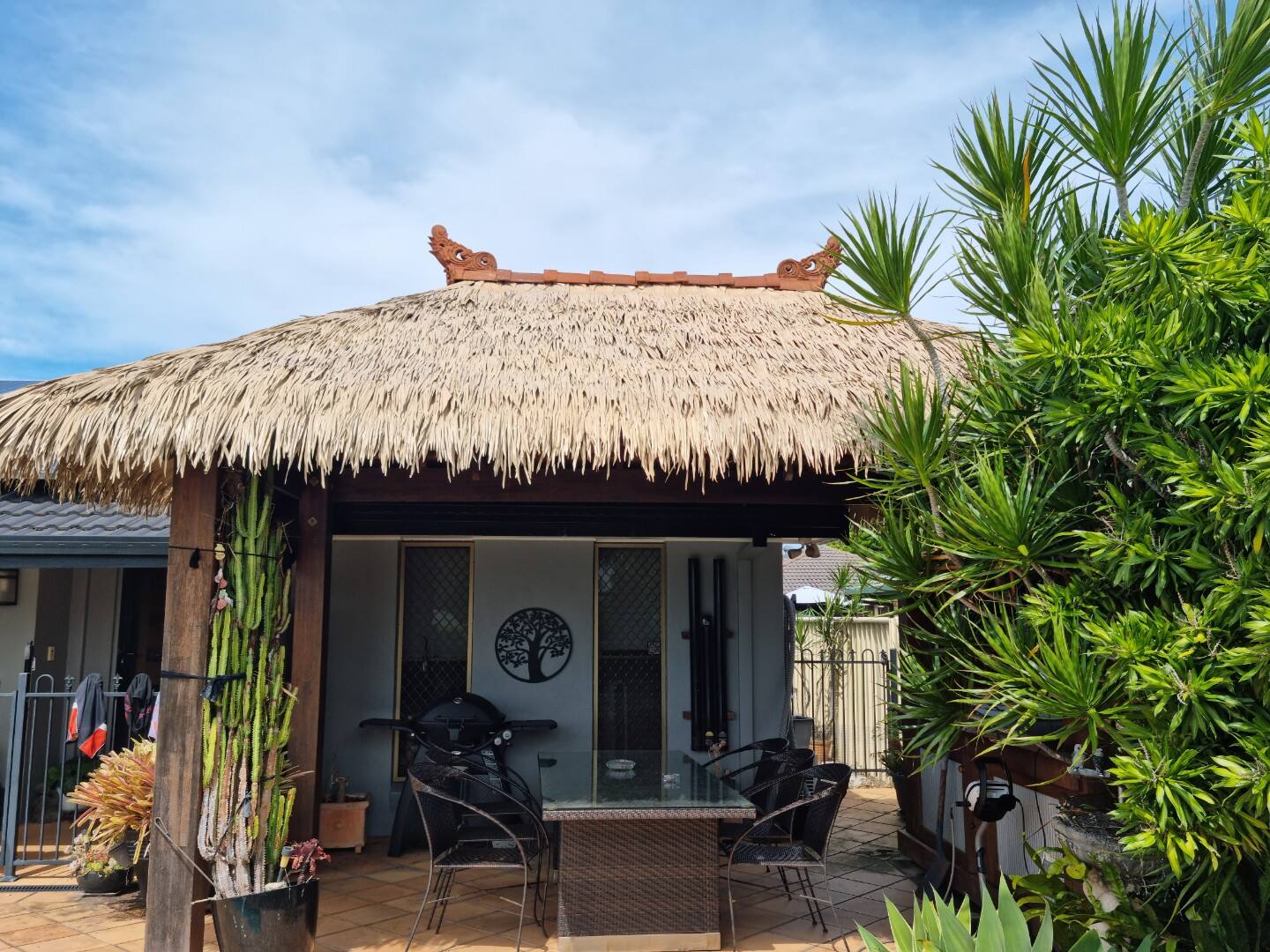
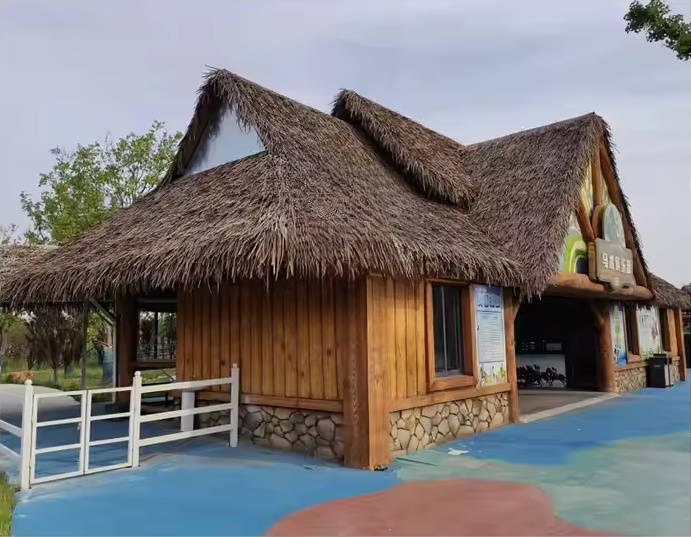
artificial thatch roofing exporter
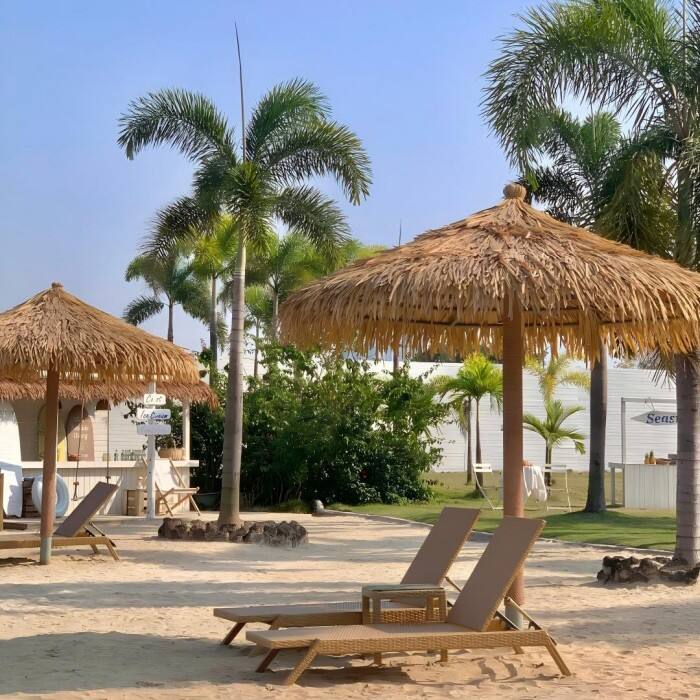
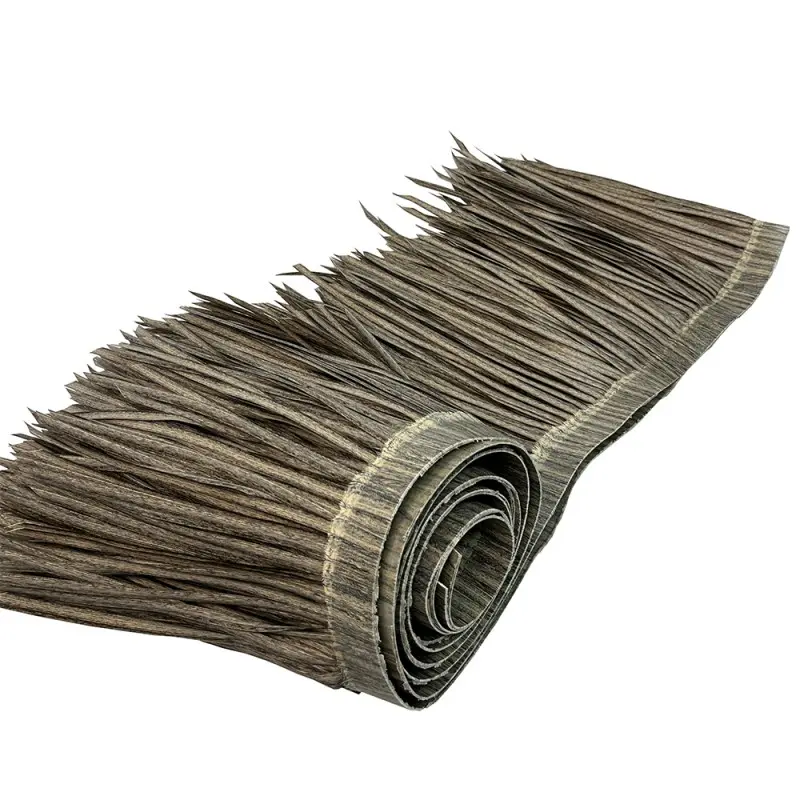
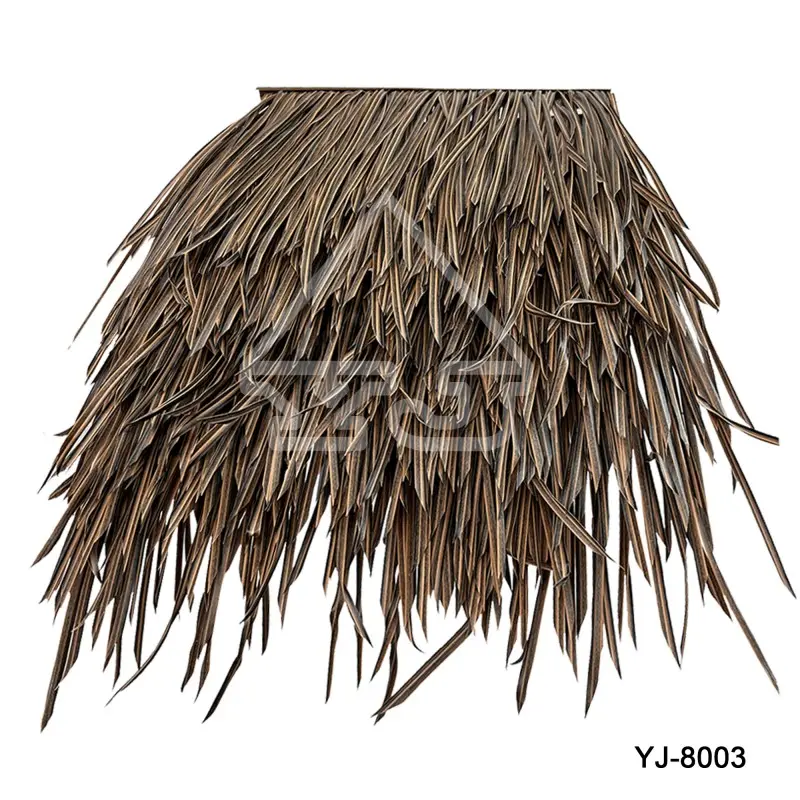
An artificial thatch roofing exporter serves as a crucial bridge between manufacturers and global markets, specializing in the distribution and supply of synthetic thatching materials worldwide. These specialized exporters focus on delivering high-quality artificial thatch products that replicate the authentic appearance of traditional natural thatch while offering superior durability and weather resistance. The primary function of an artificial thatch roofing exporter involves sourcing, quality control, logistics management, and international trade facilitation for synthetic roofing materials. Their technological expertise encompasses understanding advanced polymer compositions, UV-resistant treatments, and fire-retardant applications that make modern artificial thatch superior to conventional options. The exporter maintains comprehensive knowledge of various artificial thatch types, including synthetic reed, artificial palm, and polymer-based thatching systems designed for different climate conditions and architectural requirements. Quality assurance represents a fundamental aspect of their operations, ensuring products meet international building codes and environmental standards across diverse markets. The artificial thatch roofing exporter typically manages extensive supply chains, coordinating with manufacturing facilities to maintain consistent inventory levels while adapting to seasonal demand fluctuations in different regions. Their applications span residential construction, commercial hospitality projects, theme parks, restaurants, and resort developments seeking authentic aesthetic appeal without maintenance concerns. Advanced logistics capabilities enable these exporters to handle complex shipping requirements, including proper packaging to prevent damage during international transit and customs documentation for various countries. Many artificial thatch roofing exporters also provide technical support services, offering installation guidance, product specifications, and maintenance recommendations to ensure optimal performance in diverse environmental conditions. Their market expertise includes understanding regional preferences, local building regulations, and climate-specific requirements that influence product selection and customization needs for different international markets.
 EN
EN