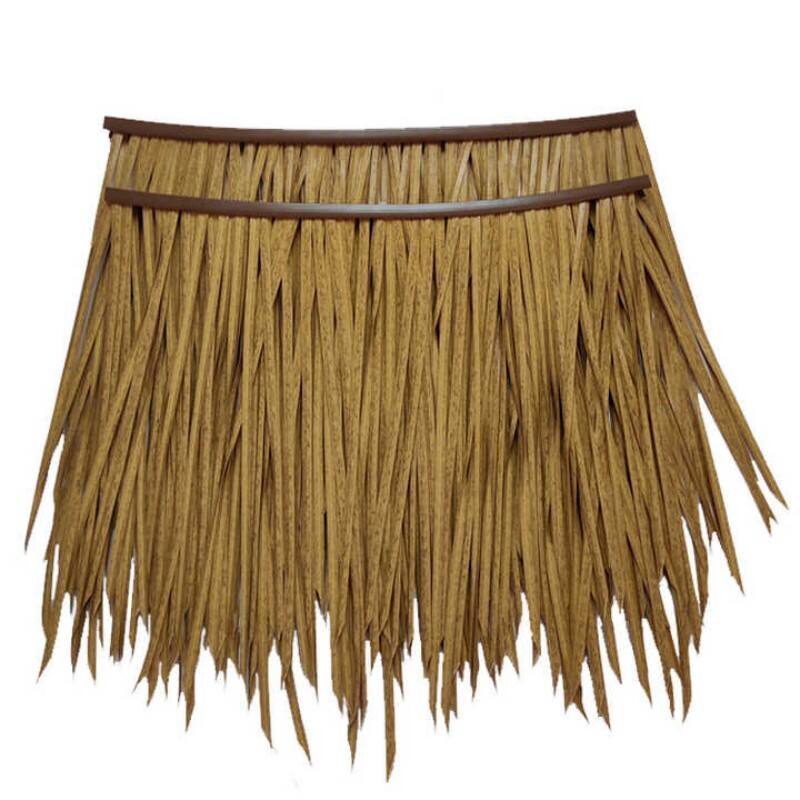
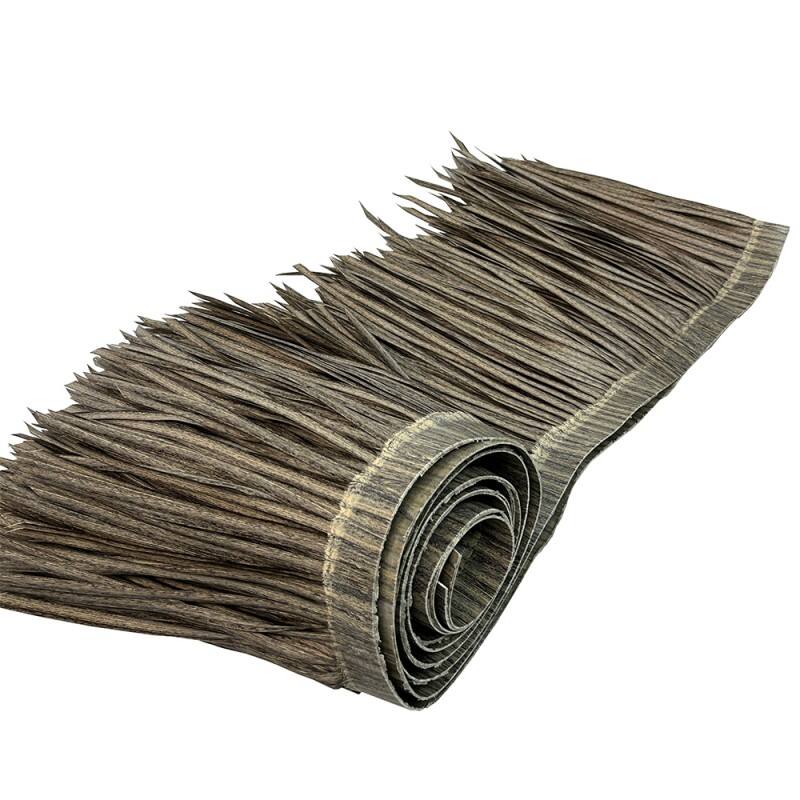
endureed synthetic thatch materials
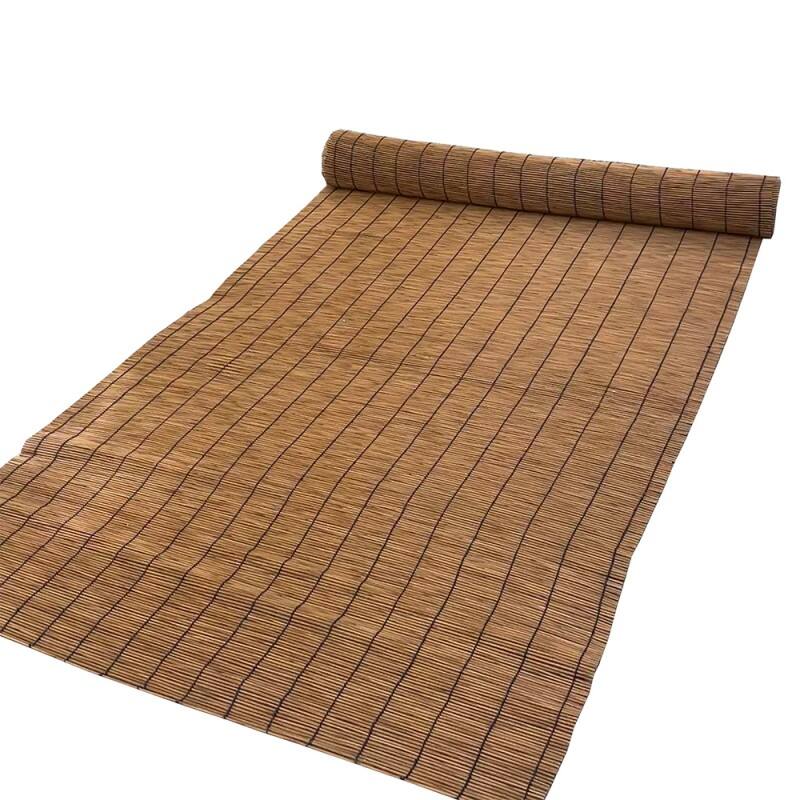
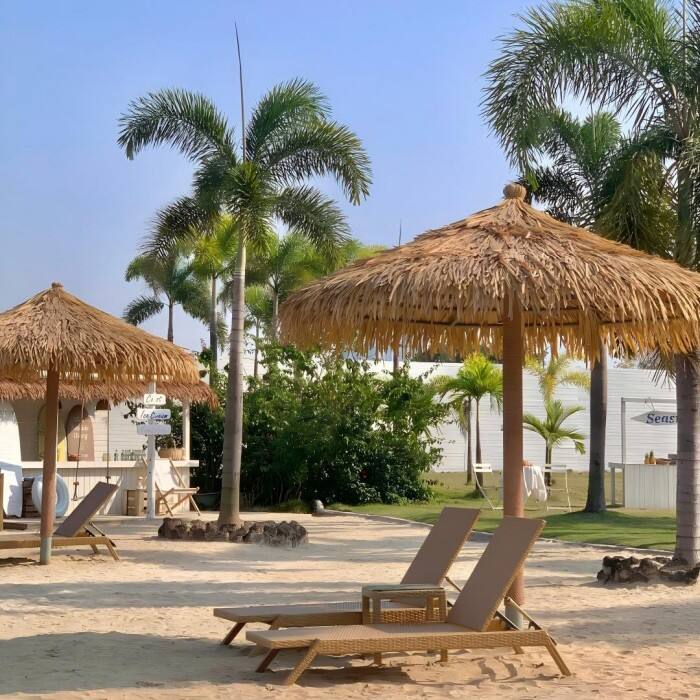
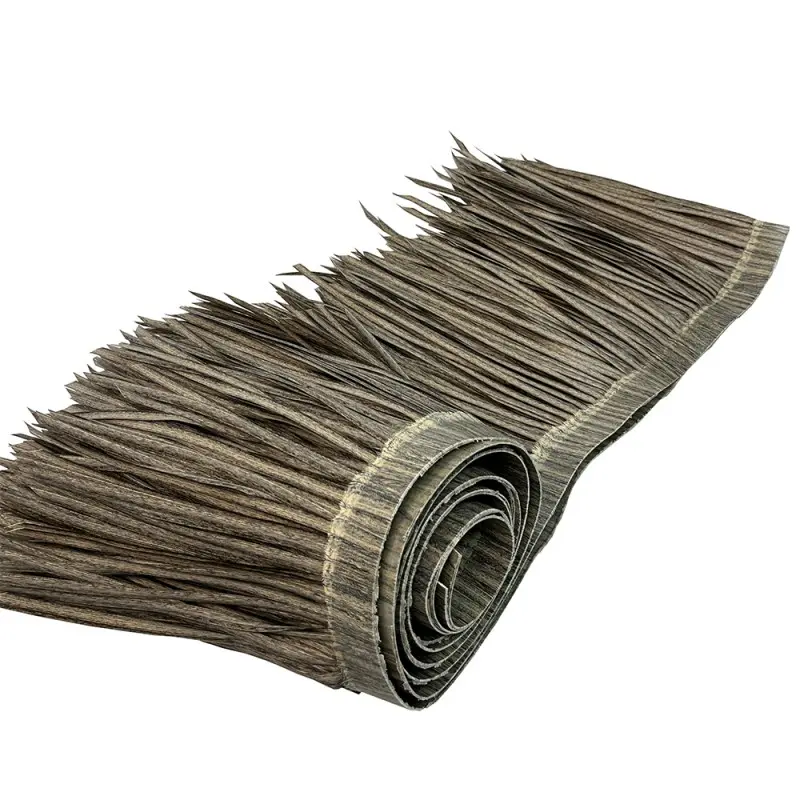
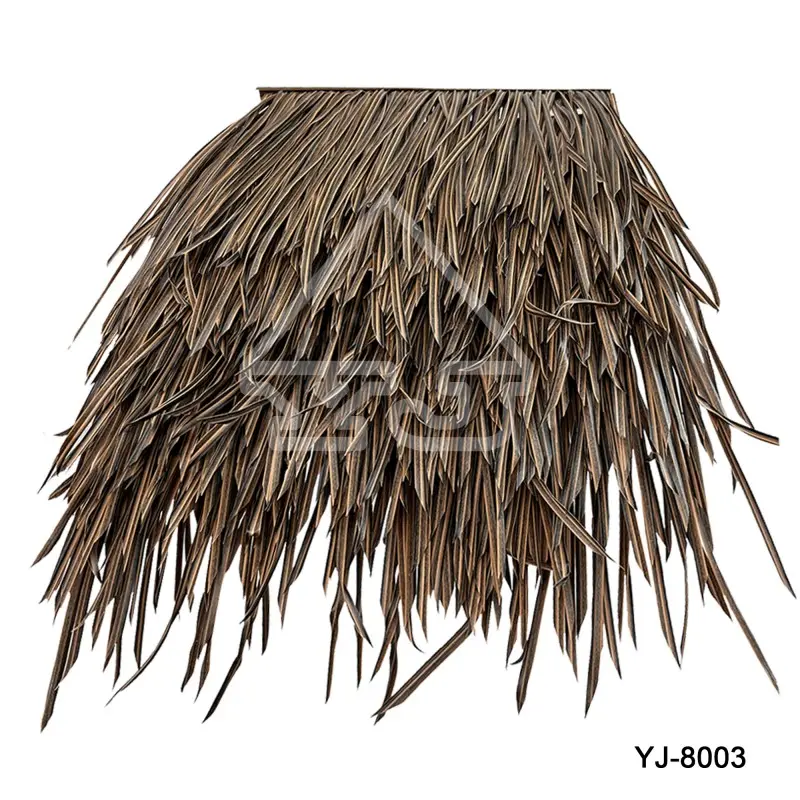
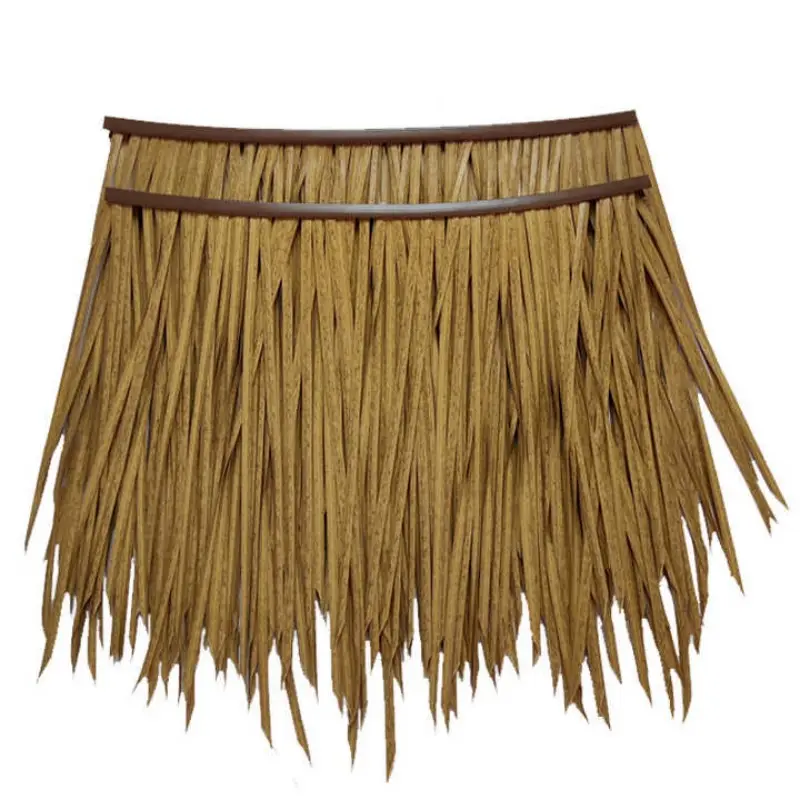
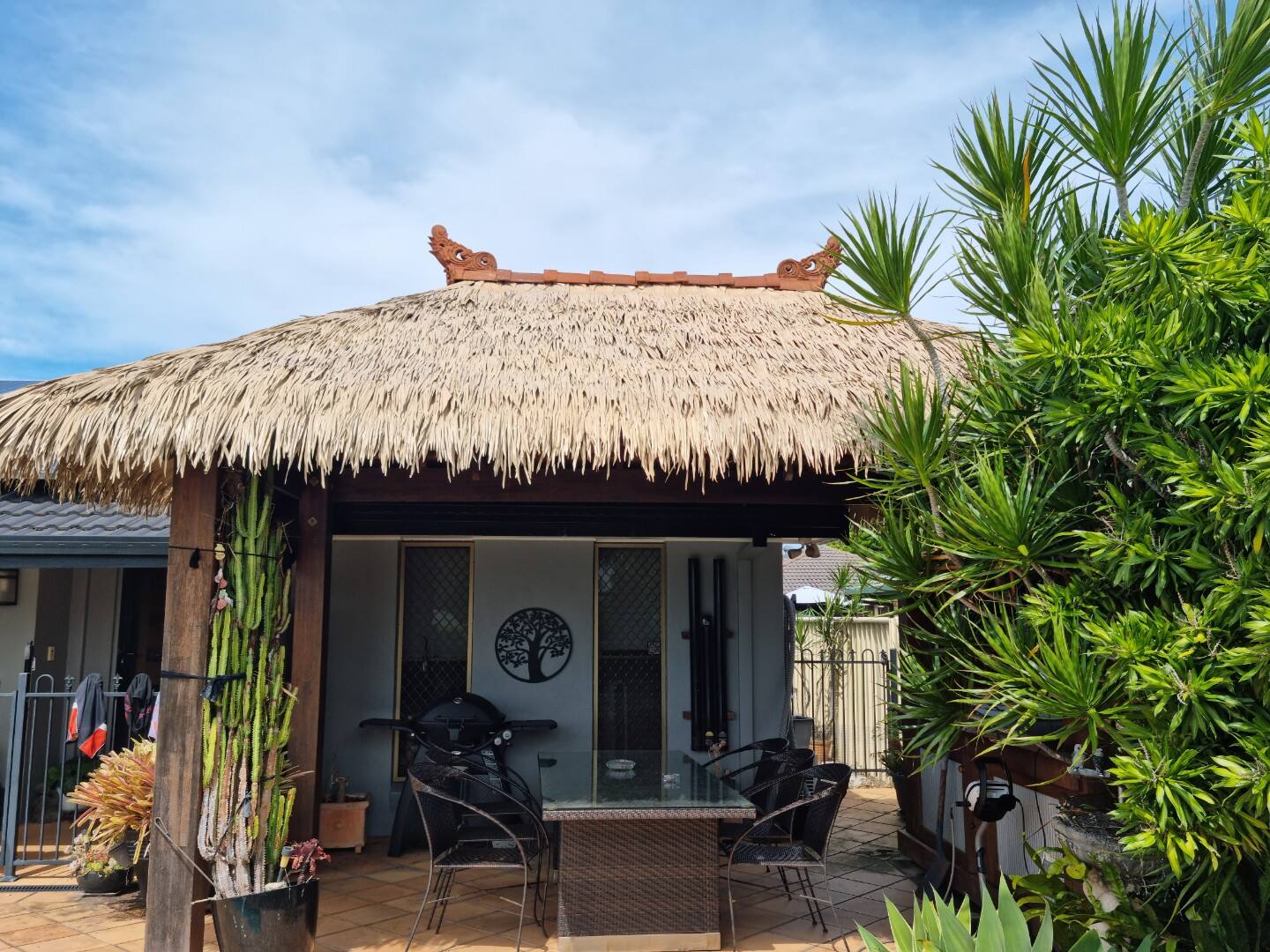
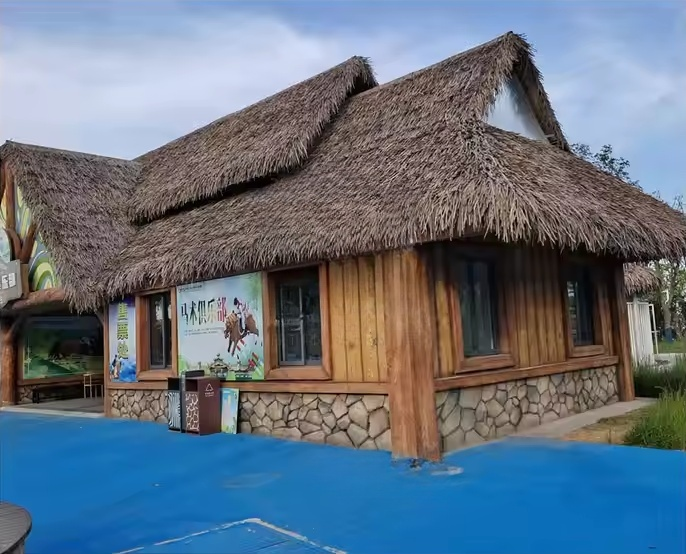
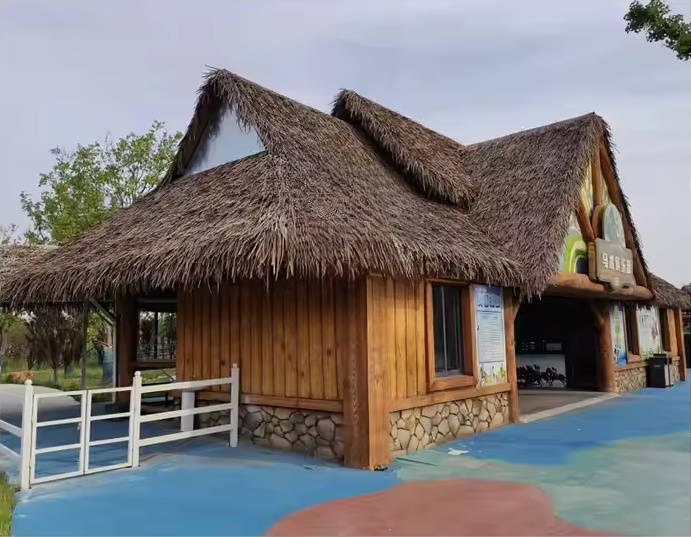
Endureed synthetic thatch materials represent a revolutionary advancement in sustainable roofing technology, combining the timeless aesthetic appeal of traditional natural thatch with cutting-edge synthetic engineering. These innovative roofing solutions are meticulously crafted using high-grade polymer compounds and advanced UV-resistant materials that replicate the organic texture, color variations, and visual charm of authentic reed, straw, or palm thatch. The primary function of endureed synthetic thatch materials extends beyond mere aesthetic enhancement, serving as comprehensive weather protection systems that shield structures from rain, wind, snow, and extreme temperature fluctuations while maintaining superior insulation properties. Technologically, these materials incorporate multi-layered construction featuring reinforced polymer cores, weather-resistant surface treatments, and interlocking installation systems that ensure seamless integration and long-term structural integrity. The manufacturing process utilizes precision molding techniques that capture intricate natural texturing patterns, creating authentic-looking surfaces that are virtually indistinguishable from genuine organic thatch. Fire-retardant additives are embedded throughout the material composition, providing enhanced safety characteristics that surpass traditional thatching materials. Applications for endureed synthetic thatch materials span diverse architectural projects including residential homes, commercial resorts, restaurants, theme parks, gazebos, poolside structures, and cultural heritage restoration projects. The versatility of these materials makes them particularly suitable for coastal environments, tropical climates, and regions where authentic thatch materials are scarce or prohibited due to fire safety regulations. Installation flexibility allows adaptation to various roof pitches, curved surfaces, and complex architectural geometries. The lightweight nature of endureed synthetic thatch materials reduces structural load requirements compared to traditional roofing materials, making them ideal for renovation projects and new construction where weight considerations are paramount. Environmental sustainability features include recyclable components and manufacturing processes that minimize ecological impact while delivering exceptional performance characteristics that extend far beyond the lifespan of natural alternatives.
 EN
EN