Premium Synthetic Thatch Tiles - Durable, Fire-Safe Roofing Solutions for Modern Architecture

Get a Free Quote

Our representative will contact you soon.
Email
Name
Company Name
Message
0/1000

synthetic thatch tiles

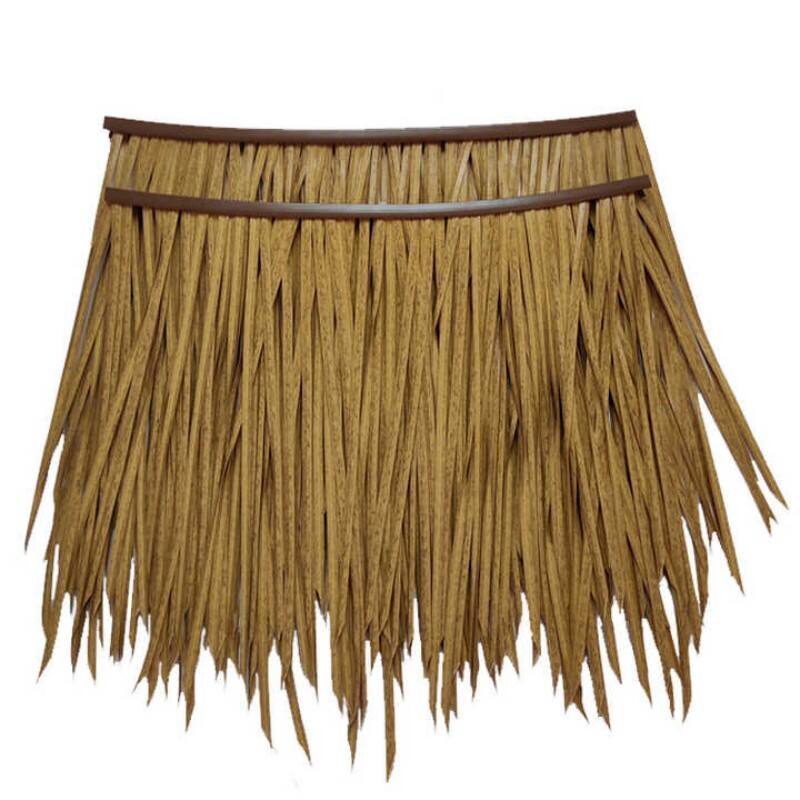
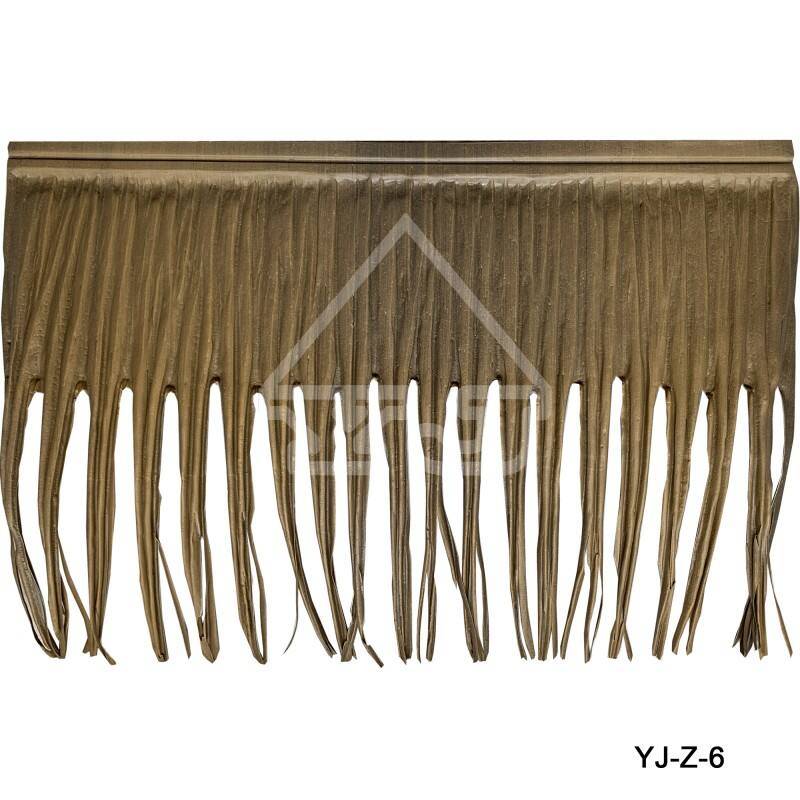
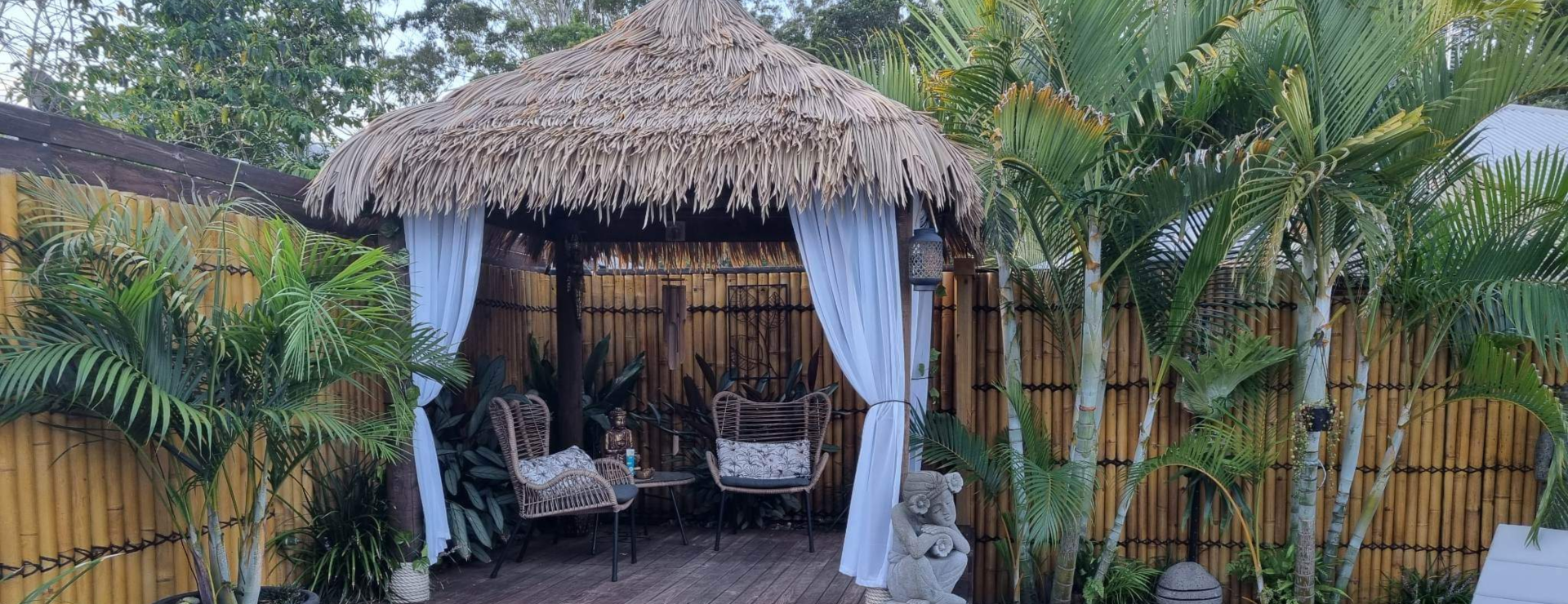
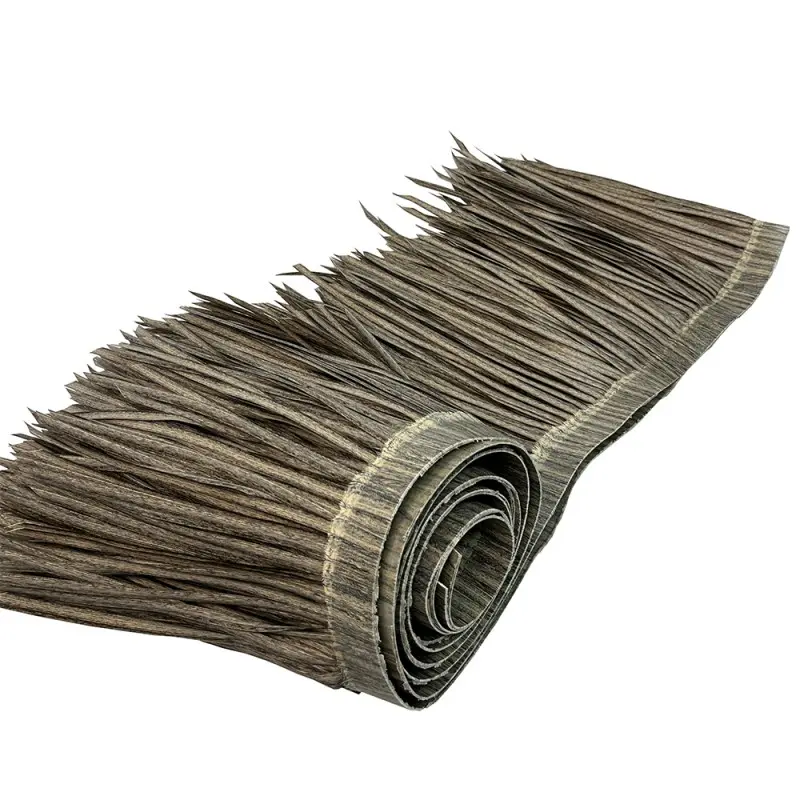
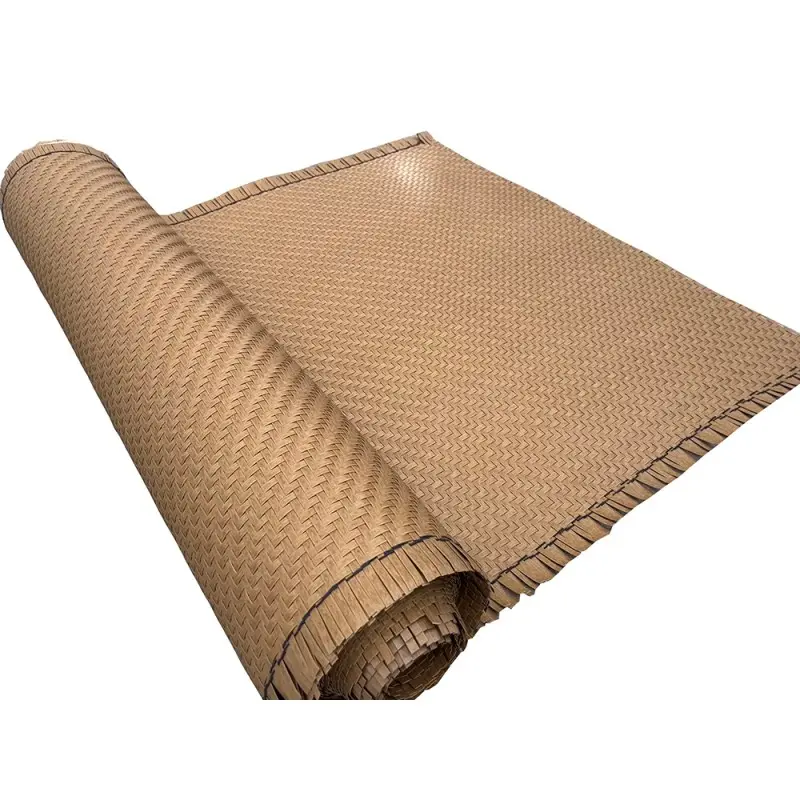
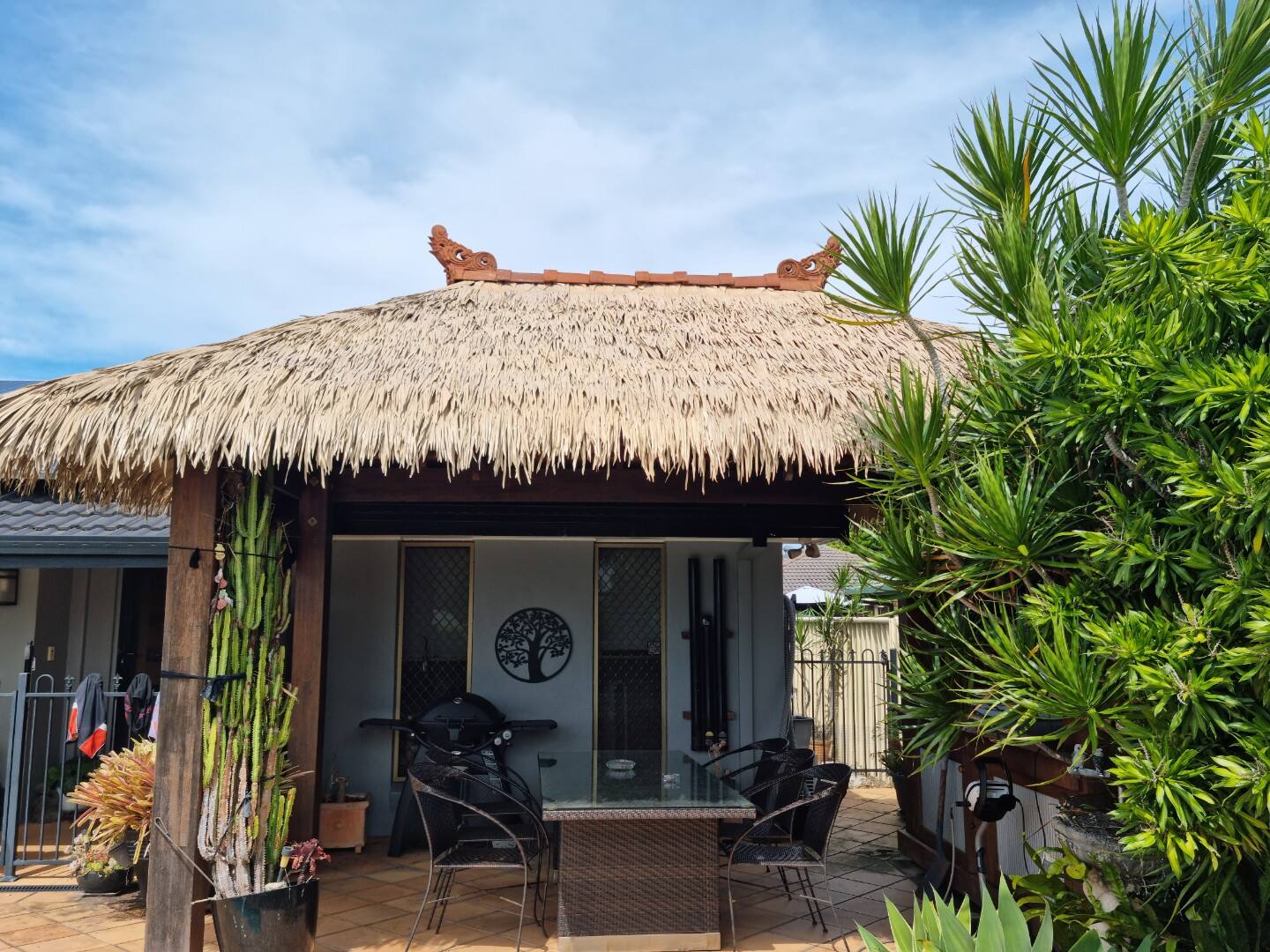
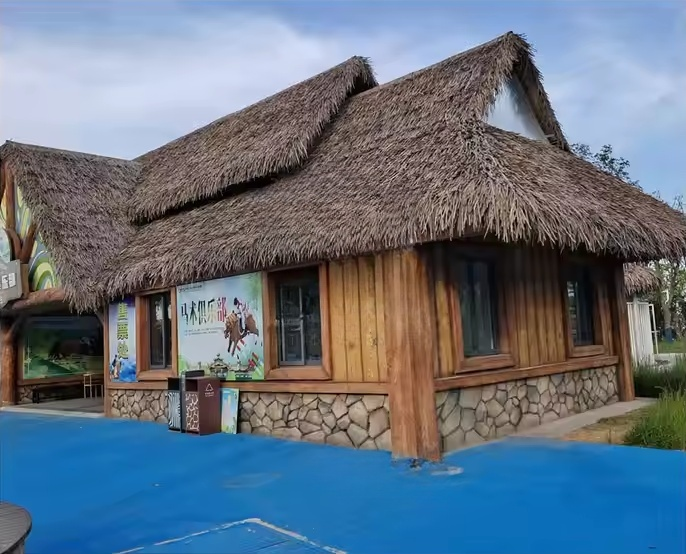
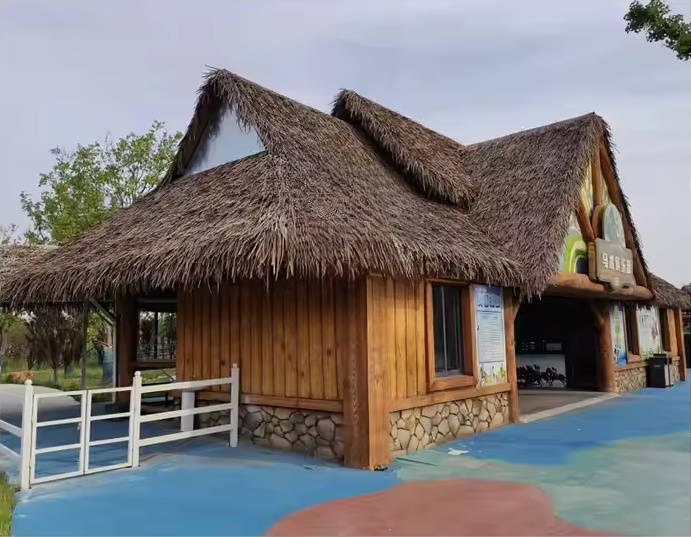
Synthetic thatch tiles represent a revolutionary advancement in roofing technology, combining the timeless aesthetic appeal of traditional thatching with modern durability and performance standards. These innovative roofing materials are engineered using high-quality synthetic polymers and advanced manufacturing processes to replicate the natural appearance of traditional thatch while eliminating the inherent drawbacks of organic materials. The primary function of synthetic thatch tiles extends beyond mere weather protection, serving as comprehensive roofing solutions that deliver exceptional longevity, fire resistance, and minimal maintenance requirements. Technologically, these tiles incorporate UV-stabilized materials that resist fading, cracking, and degradation from prolonged sun exposure. The manufacturing process involves precision molding techniques that create authentic textures and color variations mimicking natural reed, straw, or palm materials. Each synthetic thatch tile features interlocking mechanisms that ensure secure installation and superior wind resistance compared to traditional thatching methods. The tiles are designed with integrated drainage channels and ventilation properties that promote proper airflow and moisture management within roofing systems. Applications for synthetic thatch tiles span residential properties, commercial establishments, resort developments, and architectural projects requiring authentic tropical or rustic appearances. These versatile roofing materials excel in coastal environments, tropical climates, and regions with extreme weather conditions where traditional thatch would deteriorate rapidly. The tiles accommodate various roof slopes and architectural styles, making them suitable for new construction projects and renovation applications. Installation versatility allows integration with modern building systems while maintaining traditional aesthetic values. The synthetic composition ensures consistent quality control and eliminates concerns about pest infestation, rot, or fire hazards associated with natural thatching materials. Advanced color-matching technology produces authentic appearances that satisfy both residential homeowners and commercial developers seeking distinctive roofing solutions.

New Products

Synthetic thatch tiles deliver substantial advantages that make them superior alternatives to traditional thatching materials across multiple performance categories. Durability stands as the most significant benefit, with synthetic thatch tiles lasting 25 to 50 years compared to natural thatch requiring replacement every 5 to 15 years. This extended lifespan translates directly into reduced long-term costs and fewer disruptions to property owners. Weather resistance capabilities far exceed natural materials, with synthetic thatch tiles withstanding hurricane-force winds, heavy rainfall, hail, and extreme temperature fluctuations without deteriorating or requiring immediate repairs. Fire safety represents another critical advantage, as synthetic thatch tiles meet stringent building codes and insurance requirements that natural thatch cannot satisfy. The non-combustible properties eliminate fire hazard concerns while maintaining authentic visual appeal. Maintenance requirements decrease dramatically with synthetic alternatives, requiring only periodic cleaning and inspection rather than annual repairs, re-thatching, or pest control treatments. Cost-effectiveness becomes apparent through reduced installation time, lower labor requirements, and elimination of specialized thatching craftsmen who command premium rates. Synthetic thatch tiles install using conventional roofing techniques, making them accessible to standard roofing contractors and reducing project timelines significantly. Environmental benefits include reduced harvesting pressure on natural reed beds and elimination of transportation emissions associated with importing organic thatching materials from distant locations. Color consistency and fade resistance ensure roofing appearances remain vibrant and uniform throughout the product lifespan, unlike natural materials that weather unevenly. Pest resistance eliminates concerns about rodent infestation, bird nesting, and insect damage that commonly affect traditional thatch roofing. Weight advantages allow installation on structures that cannot support heavy natural thatch loads, expanding application possibilities for existing buildings. Quality control in manufacturing ensures every synthetic thatch tile meets exact specifications, eliminating variations in thickness, density, or performance characteristics that occur with natural materials. Insurance benefits often include reduced premiums due to improved fire ratings and storm resistance capabilities.

Practical Tips

How to Enhance Commercial Building Durability with Synthetic Palm Leaf Thatch

27

Nov

How to Enhance Commercial Building Durability with Synthetic Palm Leaf Thatch

Commercial buildings in tropical and subtropical regions face unique challenges when it comes to maintaining aesthetic appeal while ensuring long-term durability. Traditional roofing and decorative materials often fall short when exposed to intense U...
View More
Trends in Using Rattan Weave Materials for Furniture and Roof Decoration

06

Nov

Trends in Using Rattan Weave Materials for Furniture and Roof Decoration

The design world is experiencing a remarkable renaissance in natural materials, with rattan weave materials emerging as a dominant force in contemporary furniture and architectural applications. This revival represents more than just aesthetic prefer...
View More
Applications of Cottage Thatched in Rural Vacation Homes

23

Dec

Applications of Cottage Thatched in Rural Vacation Homes

Rural vacation homes have experienced a remarkable resurgence as travelers seek authentic experiences away from bustling urban centers. Among the most captivating architectural elements that define these retreats is the traditional cottage thatched r...
View More
Durability and Maintenance Methods of Rattan Weave

17

Dec

Durability and Maintenance Methods of Rattan Weave

Rattan weave has emerged as one of the most sought-after materials in contemporary architecture and interior design, offering a perfect blend of natural aesthetics and functional durability. This versatile material combines traditional craftsmanship ...
View More

Get a Free Quote

Our representative will contact you soon.
Email
Name
Company Name
Message
0/1000

synthetic thatch tiles

Unmatched Weather Performance and Structural Integrity

Unmatched Weather Performance and Structural Integrity

The exceptional weather performance of synthetic thatch tiles represents a fundamental breakthrough in roofing technology that addresses every climate challenge faced by traditional thatching materials. These advanced roofing systems undergo rigorous testing protocols that simulate decades of weather exposure, including UV radiation, thermal cycling, moisture penetration, and mechanical stress testing. The results demonstrate remarkable resilience across all weather conditions, from tropical storms to desert heat and arctic cold. Wind resistance capabilities exceed industry standards, with synthetic thatch tiles maintaining secure attachment during sustained winds exceeding 150 miles per hour, far surpassing the performance of natural thatch that begins deteriorating at much lower wind speeds. The interlocking design creates a unified roofing membrane that distributes wind loads evenly across the entire roof structure, preventing individual tile failure and subsequent water infiltration. Thermal expansion and contraction properties are carefully engineered to accommodate temperature variations without cracking, warping, or creating gaps between tiles. This thermal stability ensures consistent protection regardless of seasonal temperature swings or daily heating and cooling cycles. Moisture management represents another critical performance advantage, with integrated drainage channels directing water away from vulnerable areas while maintaining breathability for proper ventilation. The synthetic materials resist moisture absorption, preventing the swelling, shrinking, and degradation cycles that plague natural thatch in humid environments. UV stabilization technology prevents color fading and material degradation even under intense sunlight exposure, maintaining both appearance and structural integrity throughout the product lifespan. Impact resistance protects against hail damage, falling debris, and foot traffic during maintenance activities without compromising tile integrity or creating entry points for water infiltration. The combination of these weather performance characteristics creates roofing systems that provide reliable protection while maintaining authentic aesthetic appeal.
Revolutionary Fire Safety and Building Code Compliance

Revolutionary Fire Safety and Building Code Compliance

Fire safety advantages of synthetic thatch tiles fundamentally transform the feasibility of thatched roofing in modern construction by achieving building code compliance and insurance acceptability that traditional thatch cannot match. The synthetic materials undergo comprehensive fire testing protocols including flame spread ratings, smoke development measurements, and burn-through resistance evaluations that consistently demonstrate superior performance compared to organic thatching materials. Class A fire ratings represent the highest level of fire resistance available in roofing materials, providing property owners with peace of mind and insurance companies with actuarial confidence in risk assessment. The non-combustible properties eliminate the rapid flame propagation that makes traditional thatch extremely dangerous during fire emergencies, instead creating barriers that slow fire advancement and provide occupants with additional evacuation time. Self-extinguishing characteristics ensure that synthetic thatch tiles will not sustain combustion when external flame sources are removed, preventing isolated incidents from developing into catastrophic fires. Building code compliance opens construction possibilities in urban areas, historic districts, and high-density developments where traditional thatch is prohibited due to fire safety concerns. Insurance benefits include reduced premium costs, expanded coverage options, and elimination of exclusions commonly applied to natural thatch roofing systems. The fire safety advantages extend beyond the roofing materials themselves, as synthetic thatch tiles can be integrated with modern fire suppression systems, smoke detection equipment, and emergency response protocols that are incompatible with traditional thatching. Commercial applications benefit significantly from these safety improvements, allowing resort developments, restaurants, and hospitality facilities to achieve desired aesthetic goals without compromising guest safety or violating occupancy regulations. Professional liability considerations favor synthetic alternatives, as architects and contractors face reduced exposure to fire-related claims when specifying materials with proven safety records. Emergency responder safety improves substantially, as synthetic thatch tiles create more predictable fire behavior patterns and reduce risks associated with structural collapse during firefighting operations.
Superior Installation Efficiency and Long-Term Value Proposition

Superior Installation Efficiency and Long-Term Value Proposition

The installation efficiency and long-term value advantages of synthetic thatch tiles create compelling economic benefits that extend far beyond initial material costs, delivering substantial returns on investment through reduced labor expenses, accelerated project timelines, and minimized lifecycle maintenance requirements. Installation processes utilize conventional roofing techniques and standard tools, eliminating the need for specialized thatching craftsmen whose skills are increasingly rare and expensive in modern construction markets. Training requirements for installation crews are minimal, allowing experienced roofers to achieve proficiency quickly and complete projects efficiently without extended learning curves or specialized equipment investments. The precision manufacturing of synthetic thatch tiles ensures consistent dimensions and uniform quality, reducing waste factors and eliminating field modifications commonly required with natural materials that vary in size, thickness, and density. Project timelines decrease significantly compared to traditional thatching installations, with synthetic alternatives requiring 60 to 80 percent less installation time due to simplified attachment methods and elimination of layering techniques required for natural thatch applications. Labor cost savings become particularly significant in regions where skilled thatchers command premium rates or are unavailable entirely, making synthetic alternatives the only viable option for achieving desired aesthetic results. Quality control during installation is enhanced through standardized procedures and materials, reducing callbacks and warranty claims associated with installation defects or material inconsistencies. Long-term value propositions include elimination of periodic re-thatching expenses that can cost 70 to 90 percent of original installation costs every 10 to 15 years with natural materials. Maintenance schedules require only annual inspections and occasional cleaning, compared to semi-annual repairs and constant monitoring required for traditional thatch systems. Property value enhancements result from improved durability, reduced maintenance obligations, and enhanced insurance ratings that appeal to prospective buyers and increase resale marketability. Total cost of ownership calculations consistently favor synthetic thatch tiles when factoring installation savings, maintenance reductions, insurance benefits, and extended service life into comprehensive financial analyses.

Get a Free Quote

Our representative will contact you soon.
Email
Name
Company Name
Message
0/1000