artificial palapa thatch
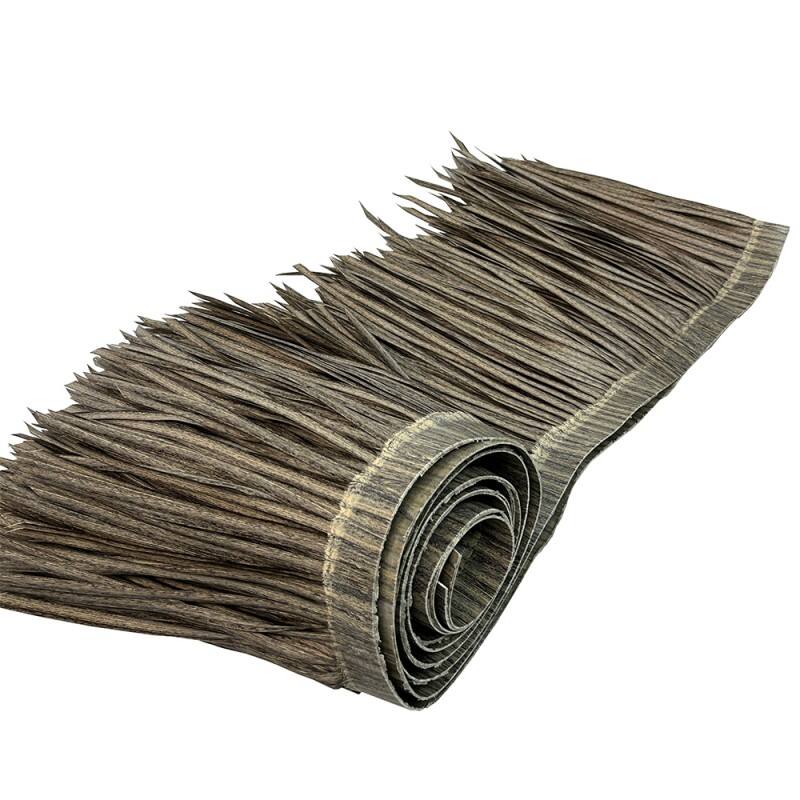
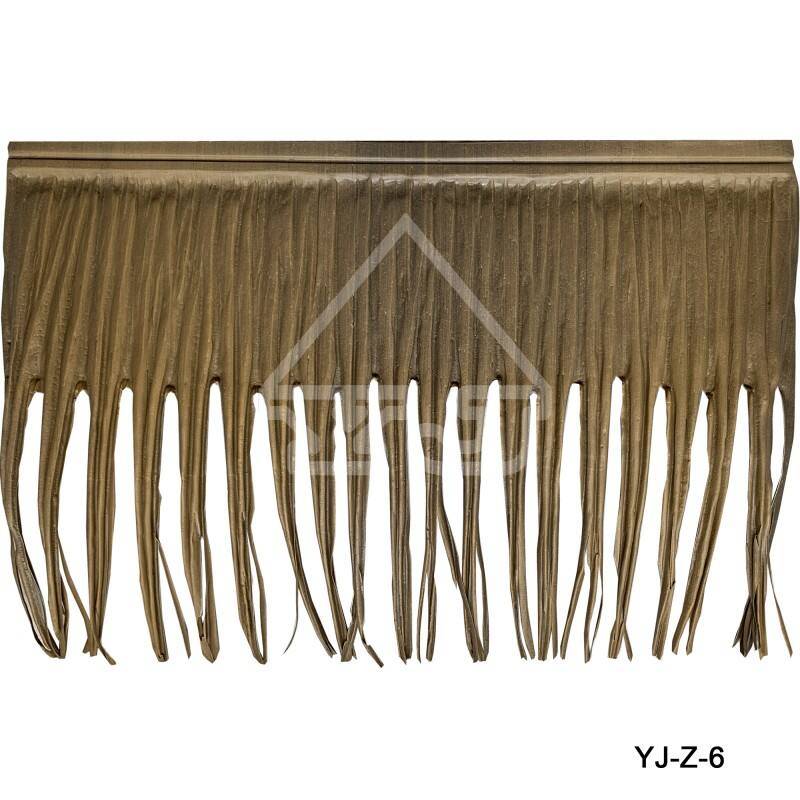
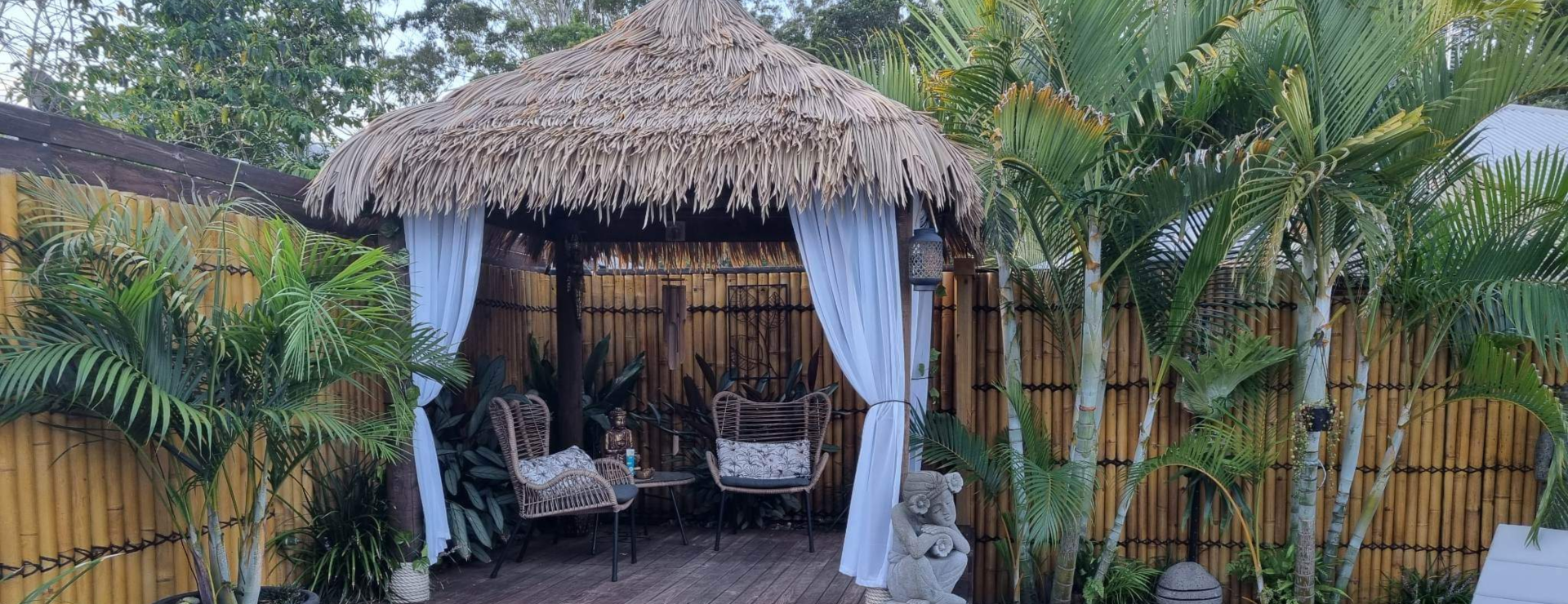
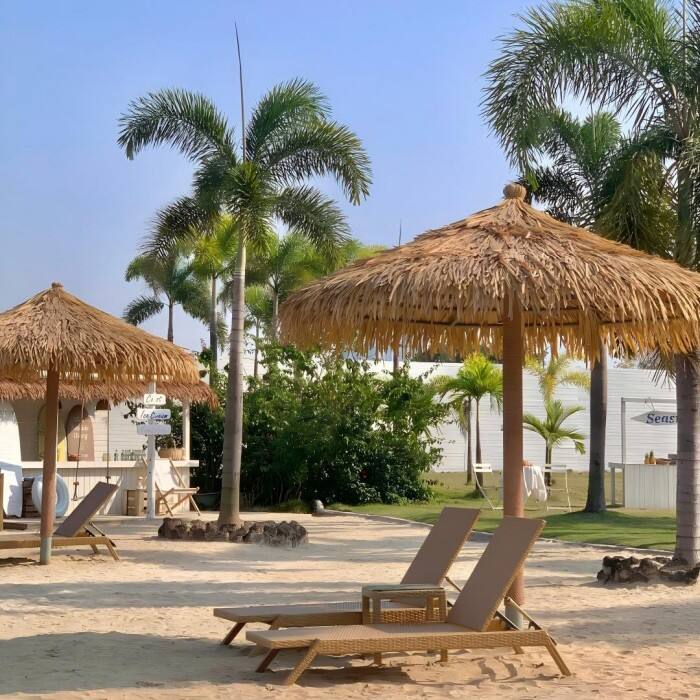
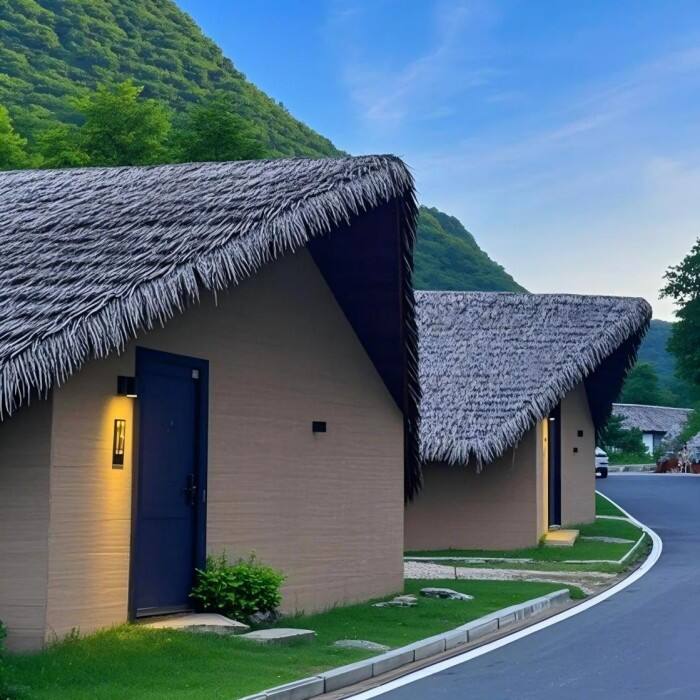
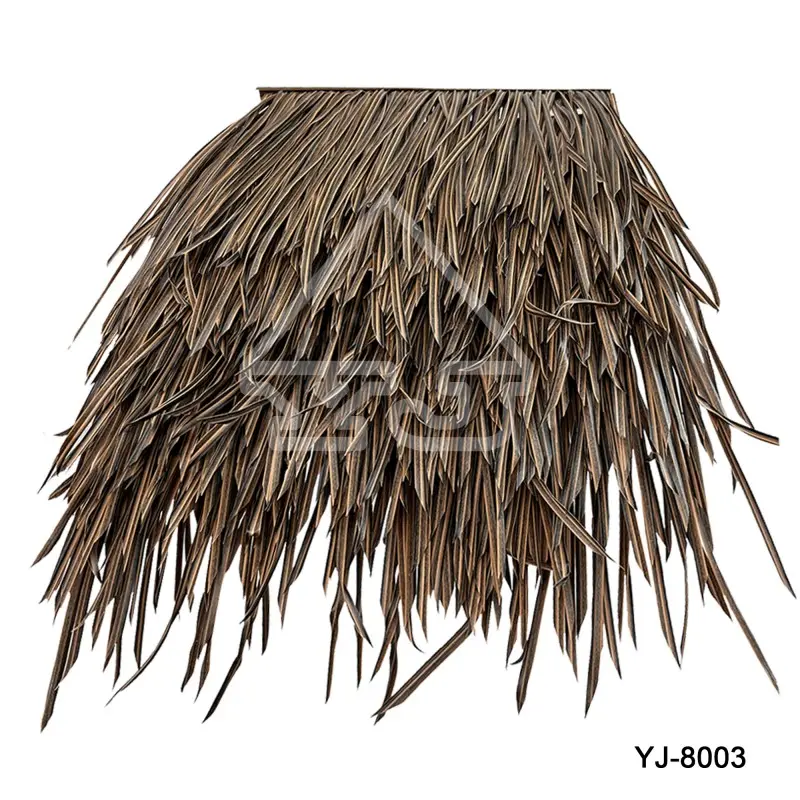
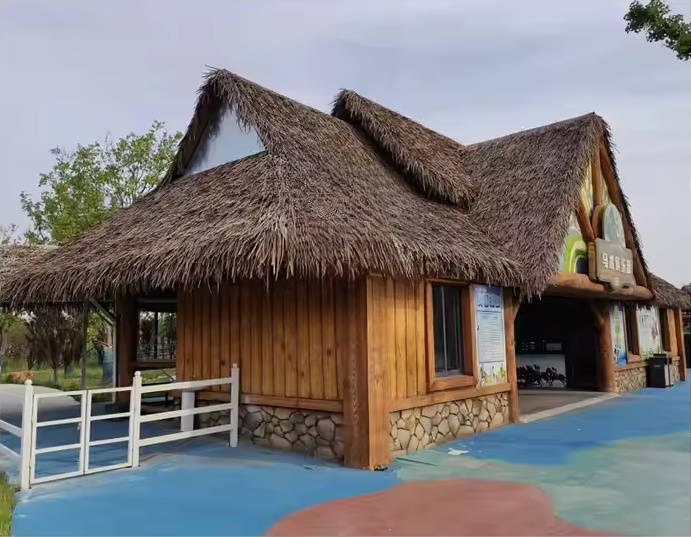
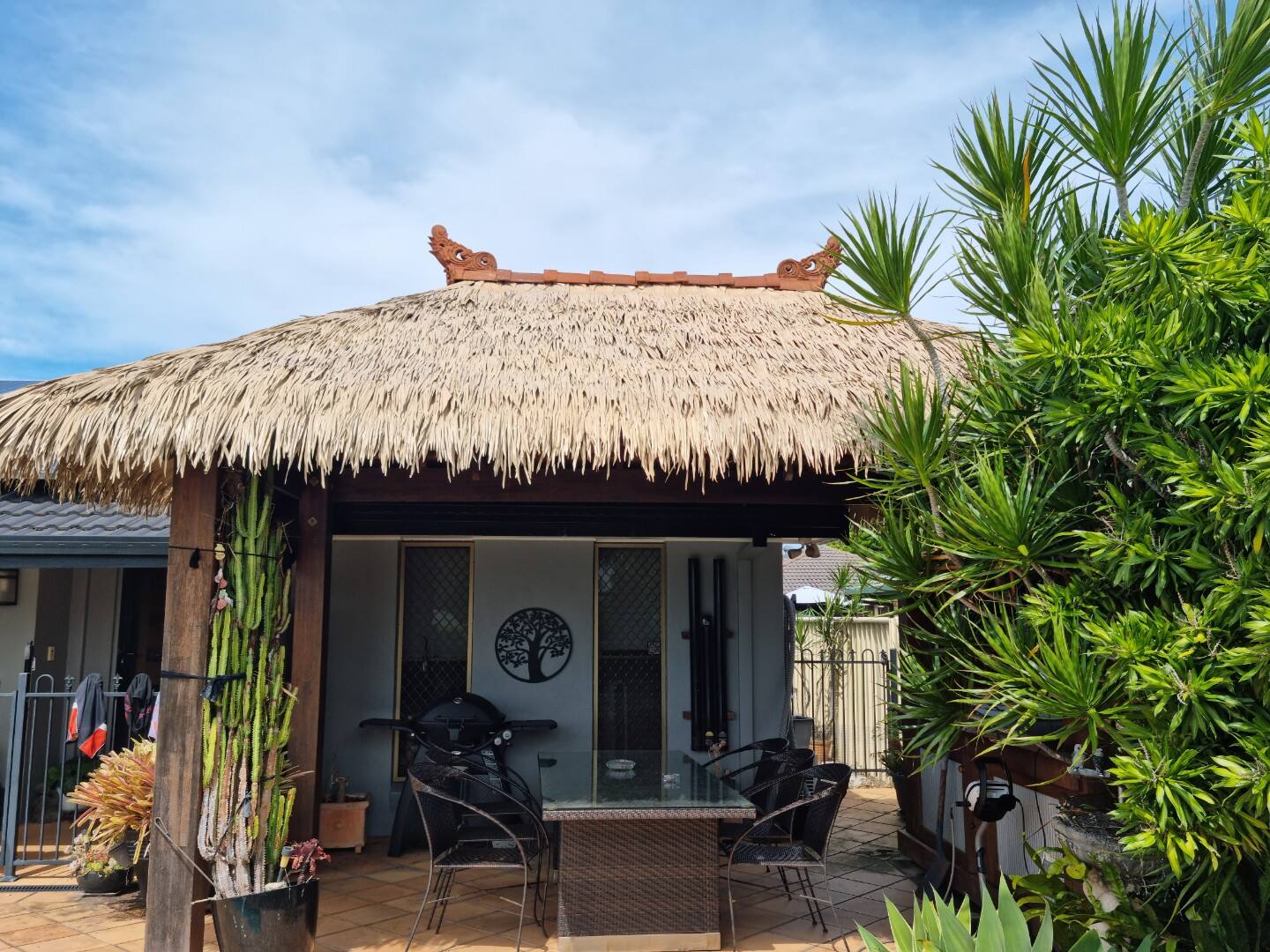
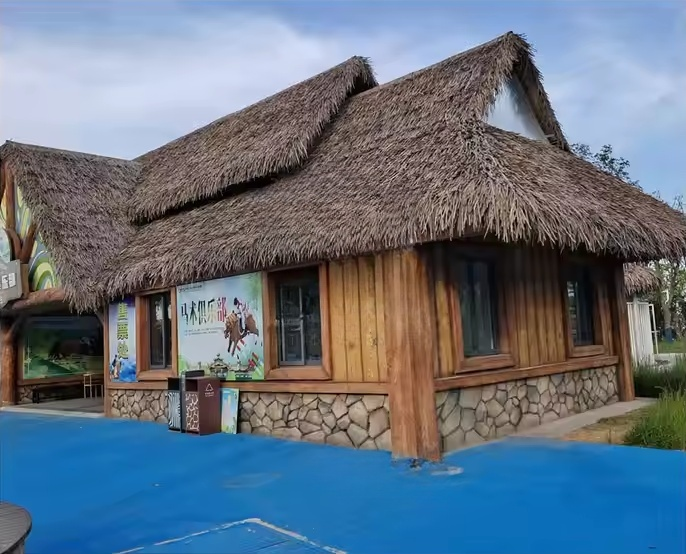
Artificial palapa thatch represents a revolutionary advancement in synthetic roofing materials, designed to replicate the natural beauty and functionality of traditional palm frond thatching while delivering superior performance and longevity. This innovative roofing solution combines cutting-edge polymer technology with meticulous craftsmanship to create an authentic-looking thatch that withstands harsh environmental conditions without compromising aesthetic appeal. The artificial palapa thatch serves multiple functions, primarily providing weather protection, thermal insulation, and visual enhancement for residential and commercial structures. Its main technological features include UV-resistant polymer construction, fire-retardant properties, and precision-molded textures that mirror natural palm fronds. The manufacturing process incorporates advanced extrusion techniques and specialized coloring agents that ensure color consistency and fade resistance over extended periods. These synthetic thatch panels integrate seamlessly with various architectural styles, from tropical resort buildings to residential pergolas and outdoor entertainment spaces. The artificial palapa thatch finds extensive applications across hospitality industries, residential landscaping, theme parks, restaurants, and commercial developments seeking tropical aesthetics. Installation professionals appreciate the lightweight nature and standardized dimensions that facilitate efficient mounting procedures. The material's non-porous surface prevents moisture absorption, eliminating common problems associated with organic thatching materials such as rot, mold, and pest infestations. Weather resistance capabilities extend to withstanding hurricane-force winds, heavy rainfall, and extreme temperature fluctuations without structural degradation. Maintenance requirements remain minimal compared to natural alternatives, requiring only periodic cleaning to maintain optimal appearance. The artificial palapa thatch delivers consistent performance across diverse climatic conditions, making it suitable for installations in coastal regions, desert environments, and urban settings where natural materials would deteriorate rapidly.
 EN
EN