Premium Artificial Palm Roofing - Durable Synthetic Thatch Solutions

Get a Free Quote

Our representative will contact you soon.
Email
Name
Company Name
Message
0/1000

artificial palm roofing

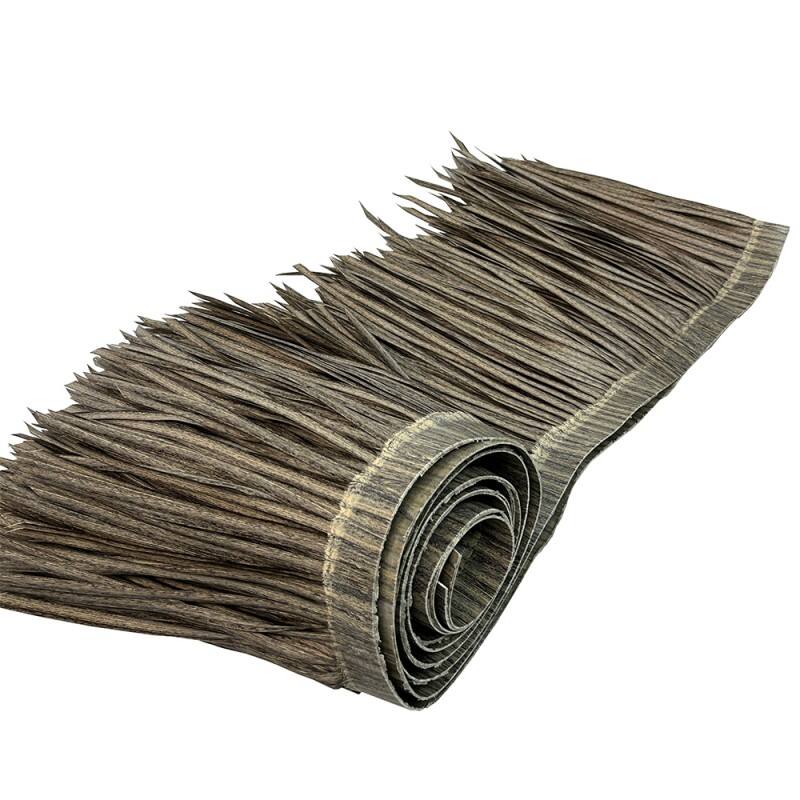
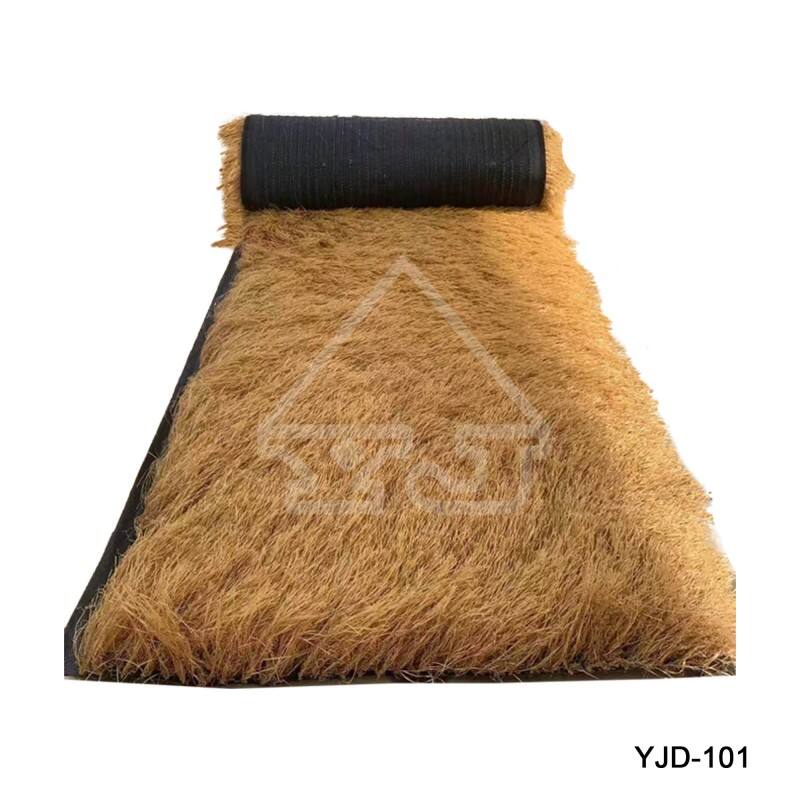
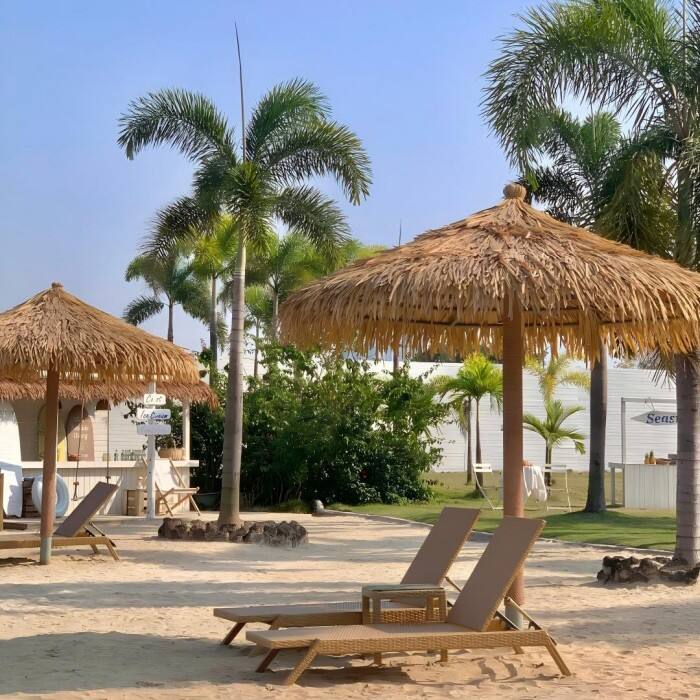
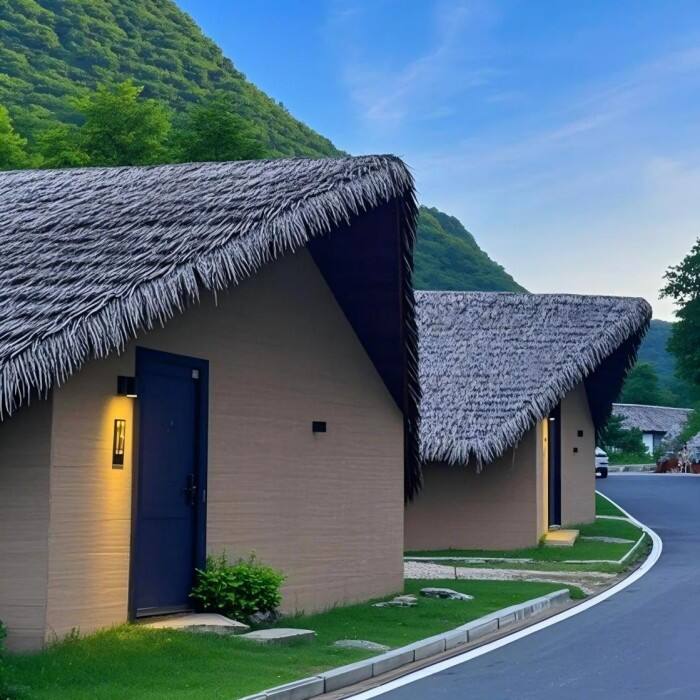
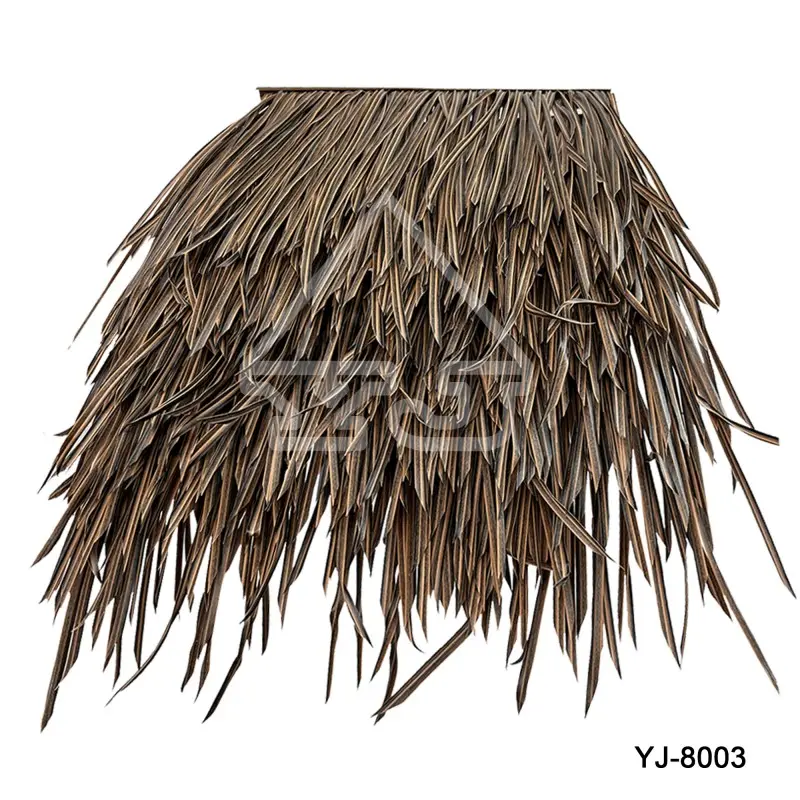
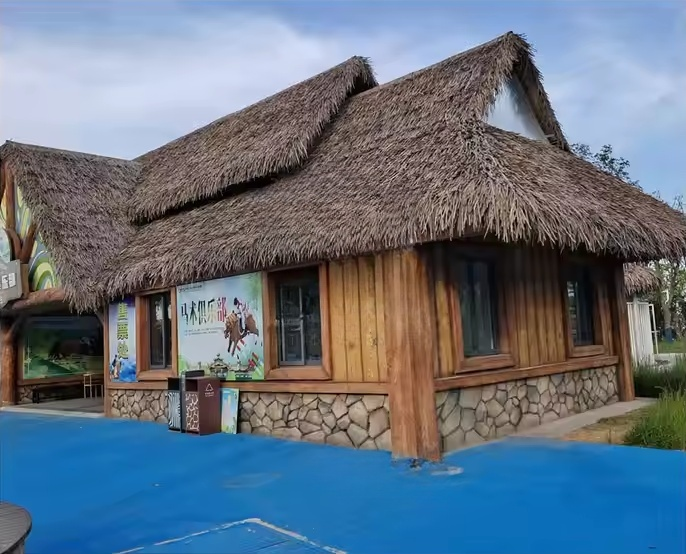
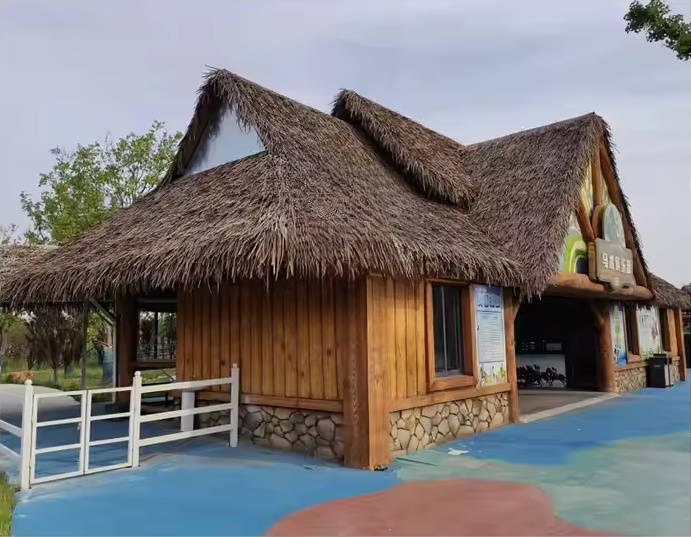
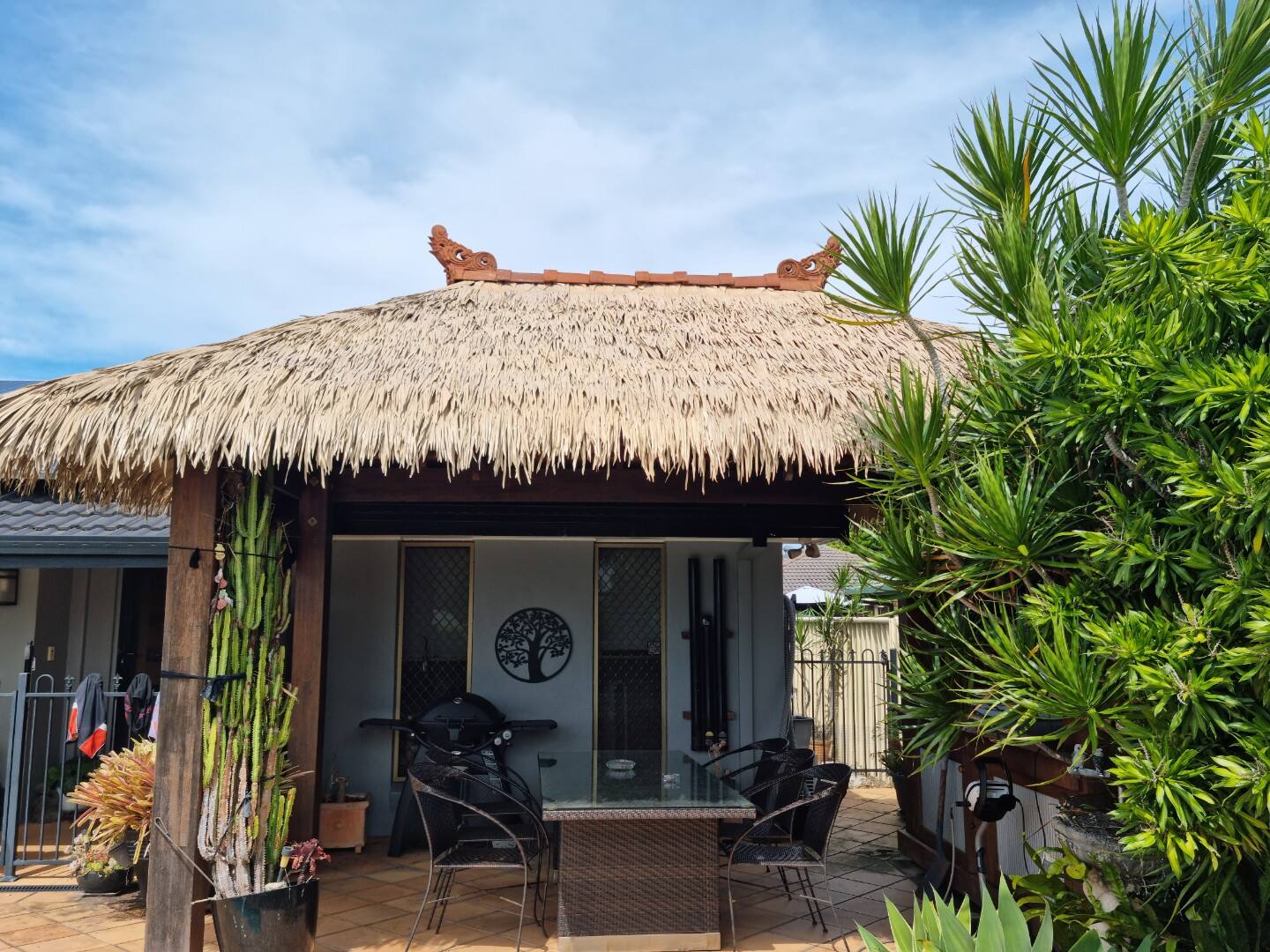
Artificial palm roofing represents a revolutionary advancement in sustainable building materials, combining the natural beauty of traditional palm thatching with modern manufacturing techniques. This innovative roofing solution utilizes high-quality synthetic materials that precisely replicate the appearance, texture, and aesthetic appeal of genuine palm fronds while delivering superior performance characteristics. The primary function of artificial palm roofing extends beyond mere shelter provision, serving as an architectural element that creates authentic tropical atmospheres in residential, commercial, and hospitality environments. The technological features of artificial palm roofing include UV-resistant polymer compositions that maintain color stability for decades, fire-retardant properties that meet stringent safety codes, and weather-resistant formulations that withstand extreme environmental conditions including hurricanes, heavy rainfall, and prolonged sun exposure. These synthetic palm materials incorporate advanced fiber technology that mimics the natural flexibility and movement of organic palm leaves while eliminating the structural weaknesses inherent in natural materials. The manufacturing process involves precision molding techniques that capture every detail of authentic palm fronds, from the characteristic ridges to the natural color variations that create realistic visual depth. Applications for artificial palm roofing span diverse market segments, including luxury resorts seeking to maintain pristine tropical aesthetics year-round, residential properties in coastal regions requiring hurricane-resistant yet beautiful roofing solutions, themed entertainment venues creating immersive tropical experiences, and commercial establishments such as tiki bars, restaurants, and retail spaces that depend on authentic tropical ambiance for customer attraction. The installation process accommodates both new construction projects and renovation applications, with compatibility across various structural systems including traditional wood framing, steel frameworks, and modern composite structures. This versatility makes artificial palm roofing suitable for gazebos, pergolas, pool houses, outdoor dining areas, and complete residential roofing systems where natural palm would prove impractical or require constant maintenance.

New Product Releases

Artificial palm roofing delivers exceptional value through its remarkable durability advantages that eliminate the frequent replacement cycles associated with natural palm materials. While traditional palm thatching requires replacement every two to three years due to deterioration from weather exposure, insects, and natural decay, artificial palm roofing maintains its structural integrity and visual appeal for decades without replacement. This longevity translates into substantial cost savings over time, as property owners avoid recurring material costs, labor expenses, and the disruption associated with frequent roof replacements. The maintenance requirements for artificial palm roofing are minimal compared to natural alternatives, requiring only periodic cleaning with standard pressure washing equipment to remove accumulated debris and maintain optimal appearance. Unlike natural palm that attracts insects, rodents, and birds that create nesting sites and potential pest problems, artificial palm roofing provides no organic material for pest habitation, eliminating infestations and associated extermination costs. Weather resistance represents another significant advantage, as artificial palm roofing withstands hurricane-force winds, torrential rains, and extreme temperature fluctuations without structural compromise or aesthetic degradation. The fire safety benefits of artificial palm roofing cannot be overstated, particularly in regions prone to wildfires or areas with strict fire codes, as these materials meet or exceed fire resistance standards while maintaining authentic tropical aesthetics that natural palm cannot provide safely. Installation efficiency provides immediate cost benefits, as artificial palm roofing systems install faster than natural materials due to standardized dimensions, lightweight properties, and elimination of sorting and preparation time required for organic materials. The consistent quality of artificial palm roofing ensures predictable installation timelines and eliminates delays caused by material defects or variations common with natural palm harvests. Environmental benefits extend beyond individual property advantages, as artificial palm roofing reduces demand for natural palm harvesting, protecting native palm ecosystems and supporting sustainable building practices. Color retention capabilities ensure that artificial palm roofing maintains its original appearance throughout its lifespan, while natural palm fades and becomes brittle within months of installation. The availability of artificial palm roofing eliminates supply chain uncertainties associated with natural palm sourcing, providing reliable material access regardless of seasonal variations, weather disruptions to palm growing regions, or regulatory restrictions on palm harvesting.

Tips And Tricks

How to Choose a High-Quality Synthetic Thatch Roof for Commercial Projects

24

Nov

How to Choose a High-Quality Synthetic Thatch Roof for Commercial Projects

Selecting the right roofing material for commercial projects requires careful consideration of durability, aesthetics, and long-term performance. A synthetic thatch roof offers an ideal solution for businesses seeking the authentic appearance of trad...
View More
How Material Choices Affect the Durability and Appearance of Synthetic Thatch

18

Nov

How Material Choices Affect the Durability and Appearance of Synthetic Thatch

The selection of materials in synthetic thatch manufacturing plays a crucial role in determining both the longevity and aesthetic appeal of these roofing solutions. Modern synthetic thatch products have revolutionized the construction industry by off...
View More
Trends in Using Rattan Weave Materials for Furniture and Roof Decoration

06

Nov

Trends in Using Rattan Weave Materials for Furniture and Roof Decoration

The design world is experiencing a remarkable renaissance in natural materials, with rattan weave materials emerging as a dominant force in contemporary furniture and architectural applications. This revival represents more than just aesthetic prefer...
View More
Performance Differences Between Synthetic Thatch and Natural Thatch

11

Dec

Performance Differences Between Synthetic Thatch and Natural Thatch

Traditional thatched roofing has evolved significantly over the centuries, transitioning from purely natural materials to innovative synthetic alternatives that offer enhanced durability and performance. Modern construction projects increasingly face...
View More

Get a Free Quote

Our representative will contact you soon.
Email
Name
Company Name
Message
0/1000

artificial palm roofing

Superior Weather Resistance and Structural Integrity

Superior Weather Resistance and Structural Integrity

The weather resistance capabilities of artificial palm roofing establish it as the premier choice for properties in challenging climatic conditions where natural materials consistently fail to provide adequate protection. Advanced polymer formulations used in artificial palm roofing undergo rigorous testing to ensure performance in extreme weather scenarios, including sustained winds exceeding 150 miles per hour, continuous exposure to saltwater environments, and temperature variations ranging from freezing conditions to intense tropical heat. The structural engineering behind artificial palm roofing incorporates flexible yet durable synthetic fibers that bend and flex with wind forces without breaking or detaching from mounting systems, unlike natural palm fronds that become brittle and break away during severe weather events. This flexibility prevents structural damage to underlying roofing systems while maintaining the aesthetic integrity that property owners desire. The UV stabilization technology integrated into artificial palm roofing materials prevents the photodegradation that causes natural palm to deteriorate rapidly under constant sun exposure, ensuring that color, texture, and structural properties remain consistent throughout the product lifespan. Water resistance properties of artificial palm roofing surpass those of natural materials through hydrophobic surface treatments that shed moisture quickly while preventing absorption that leads to rot, mold, and structural weakness in organic alternatives. The synthetic composition eliminates the cellular structure present in natural palm that provides pathways for moisture penetration and subsequent freeze-thaw damage in climates with seasonal temperature variations. Hurricane testing demonstrates that artificial palm roofing systems maintain attachment and structural integrity under conditions that completely destroy natural palm installations, providing property owners with confidence in their investment and reducing insurance premiums in high-risk coastal areas. The consistent performance of artificial palm roofing across diverse weather conditions eliminates the seasonal maintenance cycles required for natural materials, allowing property owners to enjoy reliable protection and consistent aesthetics regardless of environmental challenges.
Long-Term Cost Effectiveness and Maintenance Savings

Long-Term Cost Effectiveness and Maintenance Savings

The financial advantages of artificial palm roofing become increasingly apparent over time as property owners realize substantial savings compared to the ongoing expenses associated with natural palm roofing systems. Initial investment costs for artificial palm roofing may appear higher than natural alternatives, but comprehensive cost analysis reveals significant long-term savings through elimination of replacement cycles, reduced maintenance requirements, and avoided damage-related repairs that commonly affect natural palm installations. Natural palm roofing typically requires complete replacement every 24 to 36 months due to weathering, pest damage, and natural deterioration, creating recurring expenses that compound over time and disrupt property operations during replacement periods. Artificial palm roofing eliminates these replacement cycles, providing decades of service life with minimal maintenance intervention, resulting in total cost of ownership reductions of 60 to 80 percent compared to natural materials over a ten-year period. Maintenance savings extend beyond material replacement to include reduced labor costs, as artificial palm roofing requires no specialized treatment applications, pest control measures, or frequent inspection and repair services necessary for natural palm systems. The standardized manufacturing of artificial palm roofing ensures consistent quality and eliminates the sorting, grading, and preparation time required for natural palm installation, reducing labor costs during initial installation and any future repairs. Insurance benefits often accompany artificial palm roofing installations, as many insurance providers offer premium reductions for properties using fire-resistant and weather-resistant synthetic materials instead of natural organic materials that present higher risk profiles. The elimination of pest-related damage saves property owners from costly extermination services, structural repairs caused by nesting animals, and health hazard remediation associated with pest infestations in natural palm materials. Property value enhancement represents an additional financial benefit, as artificial palm roofing provides permanent tropical aesthetics that increase property appeal and marketability without the ongoing maintenance obligations that deter potential buyers from properties with natural palm roofing systems.
Authentic Aesthetics with Environmental Responsibility

Authentic Aesthetics with Environmental Responsibility

Artificial palm roofing achieves remarkable aesthetic authenticity while supporting environmental conservation efforts that protect natural palm ecosystems from over-harvesting and habitat destruction. Advanced manufacturing techniques capture the subtle variations in color, texture, and form that characterize natural palm fronds, creating synthetic alternatives that are virtually indistinguishable from organic materials when viewed from normal distances. The visual realism of artificial palm roofing stems from detailed analysis of natural palm specimens, with manufacturers using three-dimensional scanning technology and precision molding processes to replicate the intricate surface textures, natural curves, and organic irregularities that define authentic palm aesthetics. Color matching capabilities extend beyond surface appearance to include the natural aging patterns and subtle color variations found in healthy palm fronds, ensuring that artificial palm roofing installations maintain realistic visual characteristics throughout their service life. The environmental benefits of choosing artificial palm roofing contribute to global conservation efforts by reducing demand for natural palm harvesting, which often involves unsustainable practices that damage fragile tropical ecosystems and threaten biodiversity in palm-growing regions. Sustainable manufacturing processes used in artificial palm roofing production minimize environmental impact through efficient material utilization, reduced transportation requirements compared to natural palm sourcing, and elimination of chemical treatments often applied to natural palm materials for pest resistance and preservation. The longevity of artificial palm roofing amplifies its environmental benefits by eliminating the recurring environmental costs associated with frequent natural palm replacement, including transportation emissions, waste disposal, and new material harvesting every few years. Recycling capabilities built into modern artificial palm roofing materials ensure that end-of-life products can be processed into new materials rather than contributing to landfill waste, creating a circular economy approach to tropical roofing solutions. Wildlife protection represents an additional environmental benefit, as artificial palm roofing eliminates the habitat disruption caused by palm harvesting while providing synthetic alternatives that do not attract destructive pest species or create nesting sites that damage property structures.

Get a Free Quote

Our representative will contact you soon.
Email
Name
Company Name
Message
0/1000