African Thatched Roof: Sustainable Traditional Roofing Solutions for Modern Applications

Get a Free Quote

Our representative will contact you soon.
Email
Name
Company Name
Message
0/1000

african thatched roof

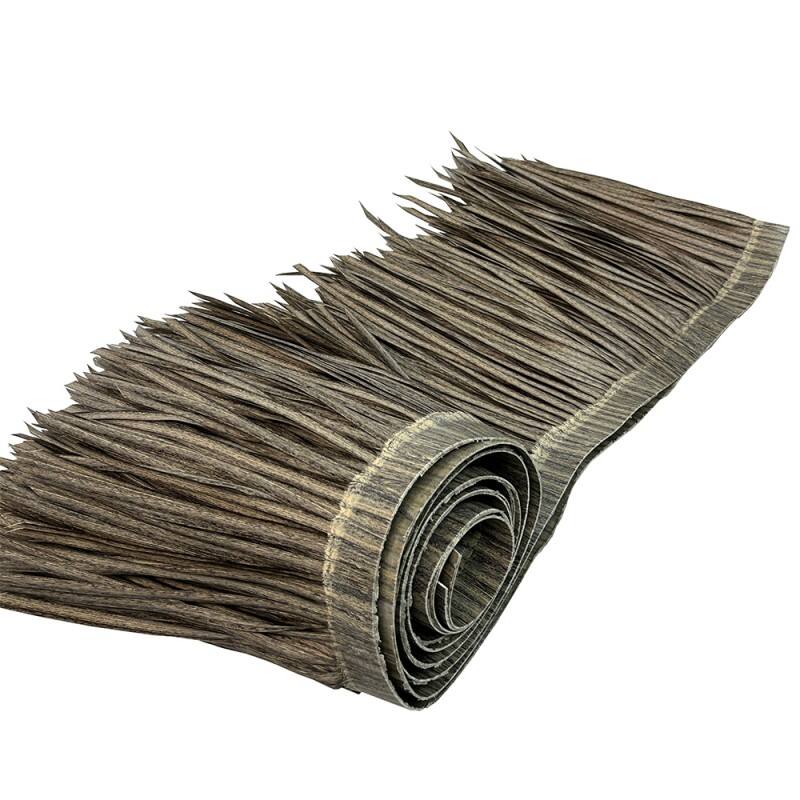
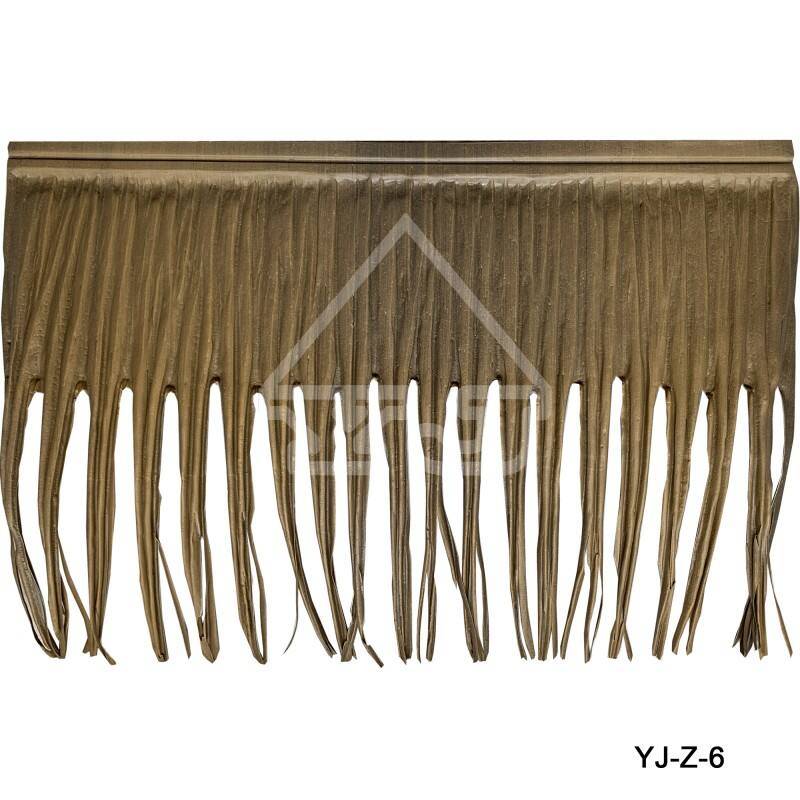
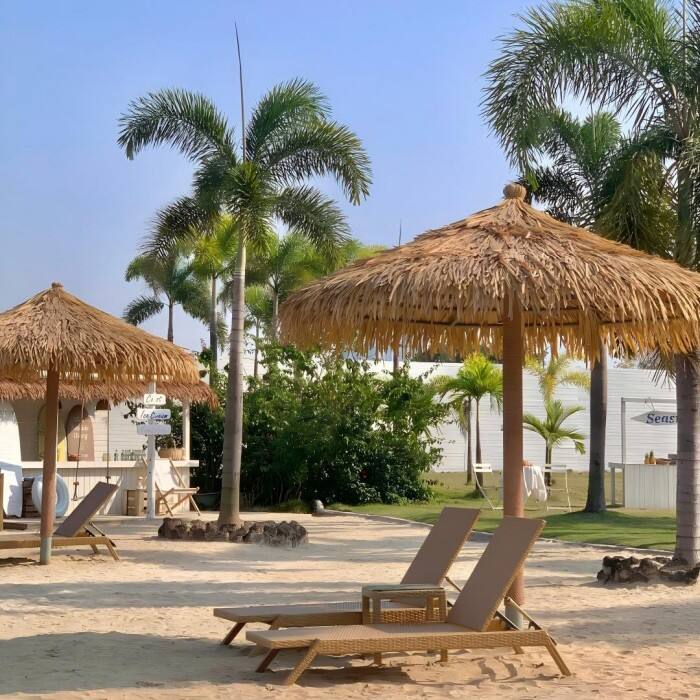
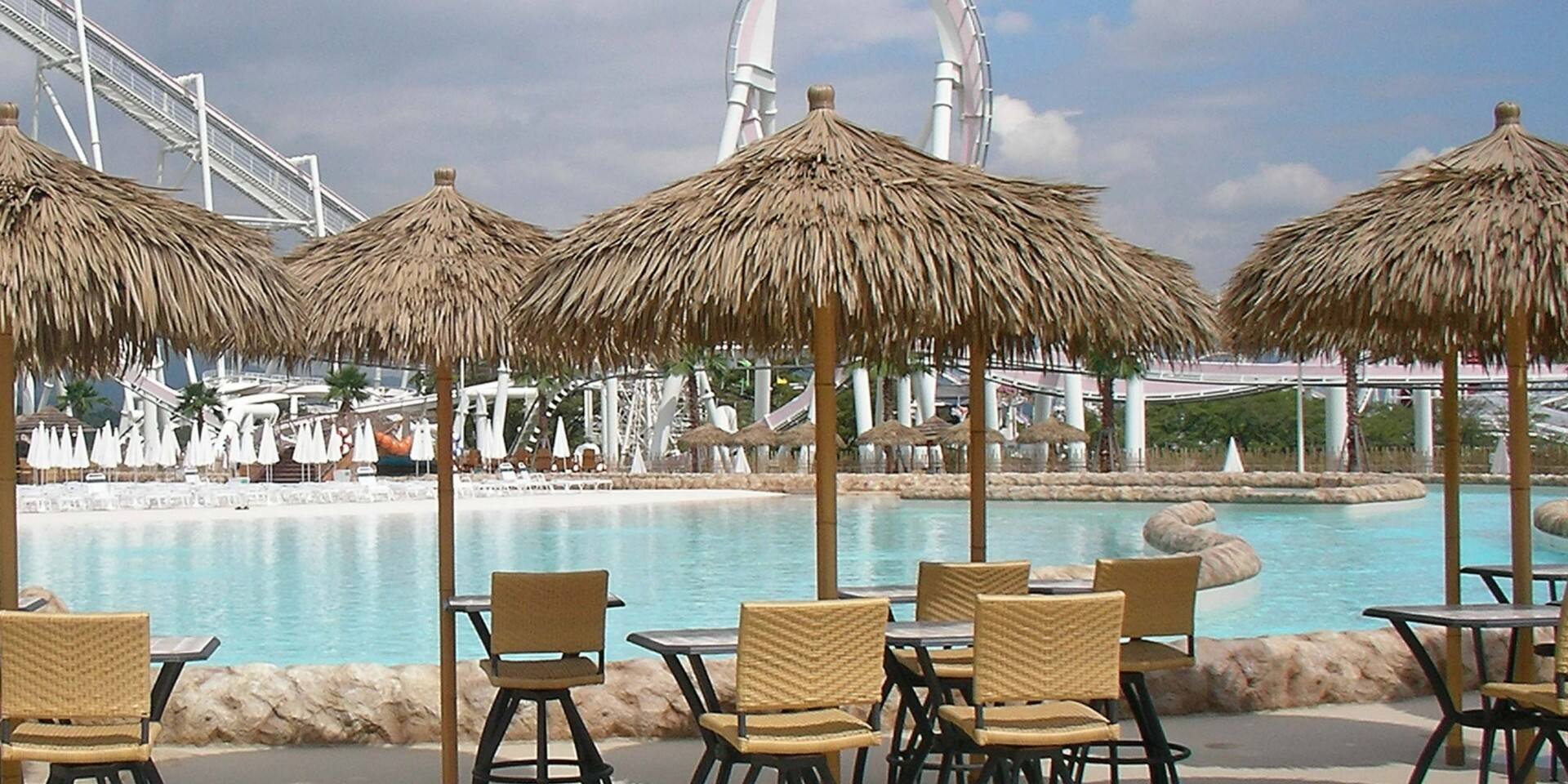
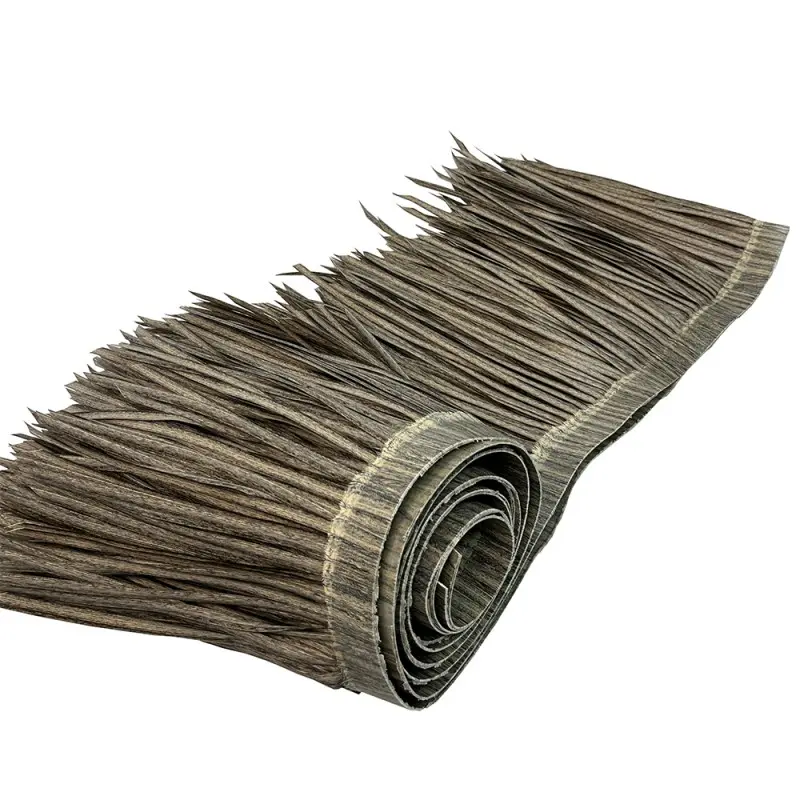
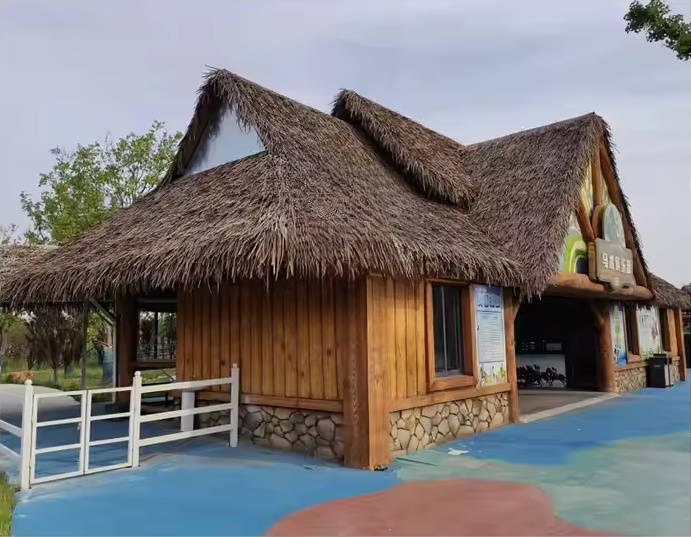
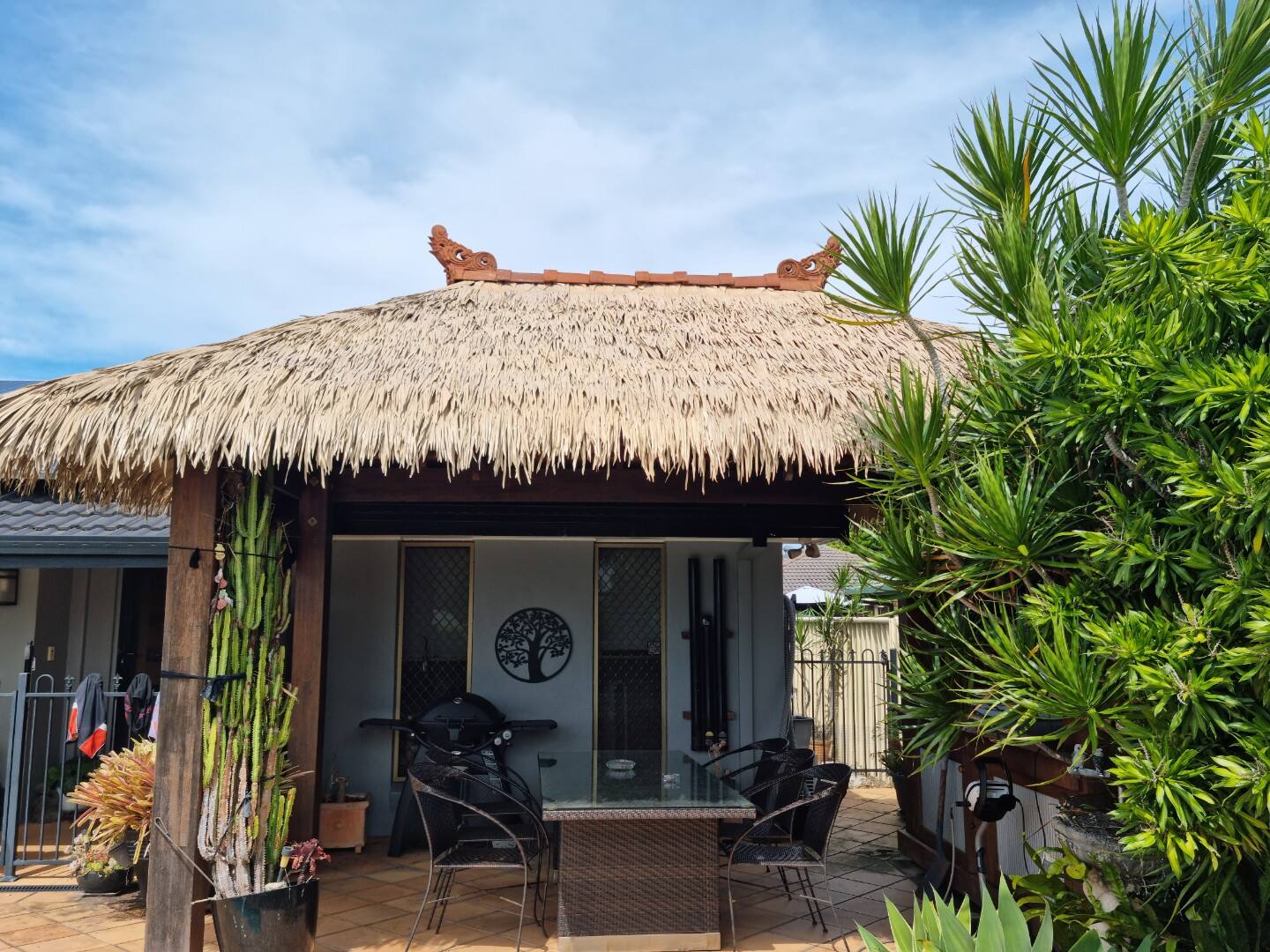
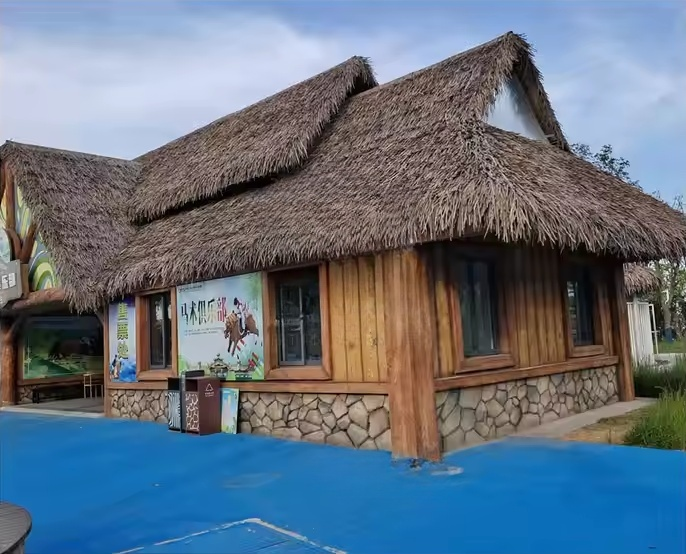
The african thatched roof represents one of humanity's oldest and most sophisticated roofing solutions, combining centuries of indigenous wisdom with remarkable engineering principles. This traditional roofing system utilizes locally sourced grass species, particularly elephant grass, dried palm fronds, and specialized thatching materials that have been carefully selected for their durability and weather resistance properties. The african thatched roof serves multiple essential functions beyond basic shelter, including natural temperature regulation, moisture management, and cultural preservation. The technological features of the african thatched roof demonstrate impressive engineering sophistication, incorporating layered construction techniques that channel rainwater effectively while providing superior insulation properties. The bundling and weaving methods employed in african thatched roof construction create a dense, interlocking system that withstands extreme weather conditions including heavy rainfall, strong winds, and intense solar radiation. The steep pitch angle typically ranging from 45 to 60 degrees ensures optimal water runoff while maximizing the roof's structural integrity. Applications of the african thatched roof extend across residential, commercial, and hospitality sectors, with modern architects increasingly incorporating these traditional elements into contemporary designs. Eco-lodges, safari camps, and sustainable housing projects frequently utilize african thatched roof systems to achieve both aesthetic appeal and environmental sustainability goals. The construction process involves skilled craftspeople who understand the intricate layering techniques required to achieve proper water-shedding angles and ventilation channels. The african thatched roof's modular design allows for easy maintenance and partial replacement without requiring complete reconstruction. This roofing system naturally accommodates thermal expansion and contraction, preventing structural stress that commonly affects rigid roofing materials in extreme temperature fluctuations characteristic of African climates.

New Product Releases

The african thatched roof delivers exceptional thermal performance that surpasses many modern roofing materials, providing natural cooling during scorching daytime temperatures while retaining warmth during cooler evening hours. This inherent temperature regulation reduces energy consumption for heating and cooling systems, resulting in significant cost savings for property owners throughout the year. The african thatched roof offers superior sound insulation properties, effectively dampening external noise from rainfall, wind, and environmental disturbances, creating peaceful indoor environments ideal for rest and relaxation. Environmental sustainability represents a major advantage of the african thatched roof, as construction materials are completely renewable, biodegradable, and locally sourced, minimizing transportation costs and carbon footprint impacts. The harvesting and processing of thatching materials supports local communities and traditional craftsmanship, contributing to economic development and cultural preservation initiatives. Installation costs for african thatched roof systems typically remain lower than conventional roofing materials when considering long-term maintenance requirements and material availability in rural areas. The african thatched roof demonstrates remarkable longevity when properly maintained, with quality installations lasting 15 to 25 years before requiring major renovation work. Water resistance properties of properly constructed african thatched roof systems prove exceptional, with the layered construction creating multiple barriers against moisture penetration while allowing natural ventilation to prevent condensation buildup. Flexibility in design allows african thatched roof systems to accommodate various architectural styles, from traditional round huts to contemporary angular structures, providing architects with creative freedom while maintaining authentic cultural connections. The african thatched roof requires minimal specialized tools for installation and maintenance, making repairs accessible to local communities without expensive equipment or imported materials. Fire resistance can be enhanced through proper treatment methods and installation techniques, while the natural materials pose lower toxic risks compared to synthetic roofing alternatives. Aesthetic appeal of the african thatched roof creates distinctive visual character that attracts tourists and enhances property values, particularly in hospitality and recreational developments where authentic cultural experiences are highly valued by visitors seeking immersive African adventures.

Latest News

How to Choose a High-Quality Synthetic Thatch Roof for Commercial Projects

24

Nov

How to Choose a High-Quality Synthetic Thatch Roof for Commercial Projects

Selecting the right roofing material for commercial projects requires careful consideration of durability, aesthetics, and long-term performance. A synthetic thatch roof offers an ideal solution for businesses seeking the authentic appearance of trad...
View More
How to Evaluate Cost-Effectiveness of Artificial Thatch Roof for Commercial Projects

12

Nov

How to Evaluate Cost-Effectiveness of Artificial Thatch Roof for Commercial Projects

Commercial property developers and architects increasingly turn to alternative roofing solutions that combine aesthetic appeal with long-term durability. The artificial thatch roof has emerged as a compelling option for tropical resorts, entertainmen...
View More
Trends in Using Rattan Weave Materials for Furniture and Roof Decoration

06

Nov

Trends in Using Rattan Weave Materials for Furniture and Roof Decoration

The design world is experiencing a remarkable renaissance in natural materials, with rattan weave materials emerging as a dominant force in contemporary furniture and architectural applications. This revival represents more than just aesthetic prefer...
View More
Applications of Cottage Thatched in Rural Vacation Homes

23

Dec

Applications of Cottage Thatched in Rural Vacation Homes

Rural vacation homes have experienced a remarkable resurgence as travelers seek authentic experiences away from bustling urban centers. Among the most captivating architectural elements that define these retreats is the traditional cottage thatched r...
View More

Get a Free Quote

Our representative will contact you soon.
Email
Name
Company Name
Message
0/1000

african thatched roof

Exceptional Natural Climate Control and Energy Efficiency

Exceptional Natural Climate Control and Energy Efficiency

The african thatched roof excels in providing unmatched natural climate control through its sophisticated multi-layered construction system that works harmoniously with environmental conditions. The dense grass bundles create thousands of tiny air pockets that function as natural insulation, effectively blocking heat transfer during hot days while preventing heat loss during cooler periods. This thermal mass effect of the african thatched roof maintains comfortable interior temperatures with minimal energy input, reducing reliance on mechanical heating and cooling systems by up to 70 percent compared to conventional roofing materials. The steep pitch characteristic of african thatched roof designs promotes natural convection currents that draw hot air upward and outward, creating passive ventilation systems that continuously circulate fresh air throughout interior spaces. During rainfall, the african thatched roof demonstrates remarkable performance by absorbing initial moisture while the layered structure channels excess water away from living areas, preventing humidity buildup that commonly occurs with impermeable roofing materials. The organic materials used in african thatched roof construction naturally regulate moisture levels, absorbing excess humidity during wet seasons and releasing it gradually during dry periods, maintaining optimal indoor comfort conditions year-round. This natural climate control capability translates into substantial long-term savings on utility bills, making the african thatched roof an economically attractive option for both residential and commercial applications. Property owners consistently report 40-60 percent reductions in energy costs after installing properly designed african thatched roof systems, with payback periods typically ranging from 3-5 years depending on local energy prices and climate conditions. The thermal performance of african thatched roof systems remains consistent over decades, unlike synthetic materials that may degrade and lose insulation properties over time, ensuring sustained energy efficiency throughout the roof's lifespan.
Superior Durability and Weather Resistance Performance

Superior Durability and Weather Resistance Performance

The african thatched roof exhibits extraordinary durability and weather resistance through time-tested construction techniques that have evolved over centuries to withstand Africa's diverse and challenging climate conditions. The layered installation method creates a self-draining system where each successive layer overlaps the previous one, forming multiple barriers against wind-driven rain while maintaining structural flexibility during severe weather events. High-quality african thatched roof installations demonstrate remarkable wind resistance, with properly secured bundles capable of withstanding gusts exceeding 100 kilometers per hour without structural failure or significant material loss. The natural elasticity of grass fibers allows the african thatched roof to flex and move with wind forces rather than resisting them rigidly, preventing the catastrophic failures common with brittle roofing materials during storms. UV resistance proves exceptional in african thatched roof systems, as the outer layer of thatch gradually weathers to form a protective barrier that shields underlying materials from solar degradation, extending overall roof lifespan significantly. The african thatched roof's resistance to temperature extremes stems from its organic composition and layered structure, which accommodates thermal expansion and contraction without developing cracks or gaps that compromise weather protection. Properly maintained african thatched roof systems regularly survive 20-25 years of continuous exposure to intense African sun, heavy seasonal rains, and temperature fluctuations exceeding 40 degrees Celsius without requiring major repairs or replacement. The natural oils and silica content in quality thatching grasses provide inherent water repellency that improves over time as the materials cure and compact, creating increasingly effective moisture barriers. Hail resistance of african thatched roof systems surpasses that of many conventional materials, as the cushioning effect of layered grass absorbs impact energy without transferring damaging forces to underlying structural elements, preventing costly repairs after severe weather events.
Sustainable Environmental Impact and Cultural Authenticity

Sustainable Environmental Impact and Cultural Authenticity

The african thatched roof represents the pinnacle of sustainable construction practices, utilizing 100 percent renewable materials that can be harvested annually without environmental degradation or ecosystem disruption. Grass species used for african thatched roof construction actually benefit from regular harvesting, which promotes healthy regrowth and prevents overmature stands that become fire hazards during dry seasons. The carbon footprint of african thatched roof systems remains minimal throughout their entire lifecycle, from material harvesting through installation to eventual biodegradation, contributing positively to climate change mitigation efforts. Local sourcing of african thatched roof materials eliminates transportation emissions while supporting rural economies and traditional land management practices that have sustained African communities for generations. The biodegradability of african thatched roof materials means that end-of-life disposal creates no environmental burden, as old thatch can be composted to enrich agricultural soils or used as mulch for landscaping applications. Water conservation benefits of african thatched roof systems include natural rainwater filtration and gradual release, reducing stormwater runoff that contributes to erosion and flooding in urban areas. The african thatched roof serves as habitat for beneficial insects and small birds, supporting biodiversity conservation efforts while providing natural pest control services for surrounding agricultural activities. Cultural authenticity achieved through african thatched roof installation preserves traditional architectural heritage while providing economic opportunities for skilled craftspeople who maintain ancestral knowledge and techniques. Tourism value generated by authentic african thatched roof structures creates sustainable income streams for communities while educating visitors about traditional building methods and environmental stewardship practices. The african thatched roof contributes to LEED certification and other green building standards, helping developers meet sustainability requirements while honoring cultural traditions and supporting local artisan communities through meaningful employment opportunities.

Get a Free Quote

Our representative will contact you soon.
Email
Name
Company Name
Message
0/1000