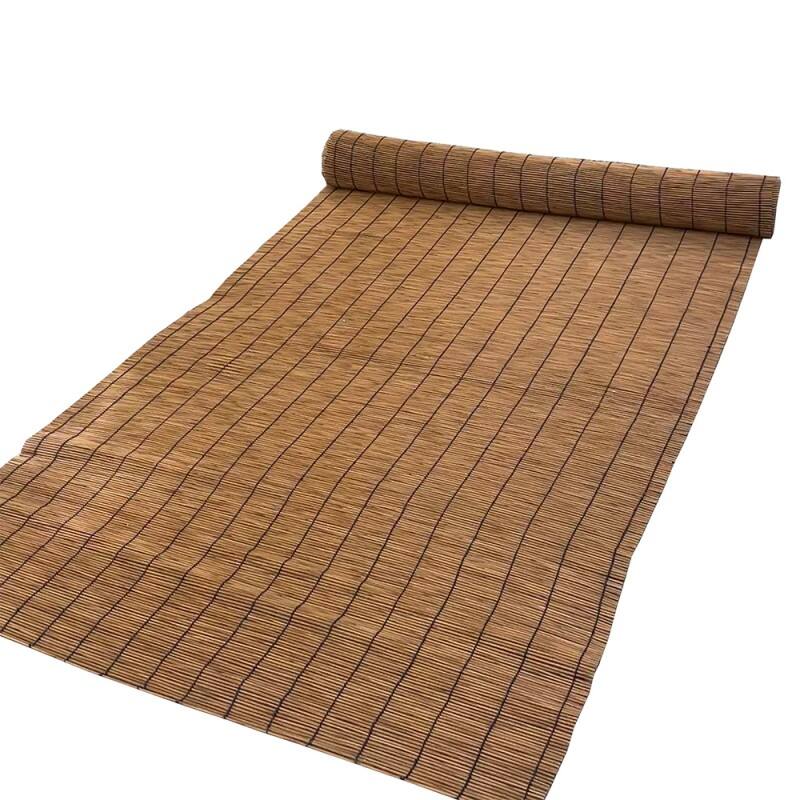
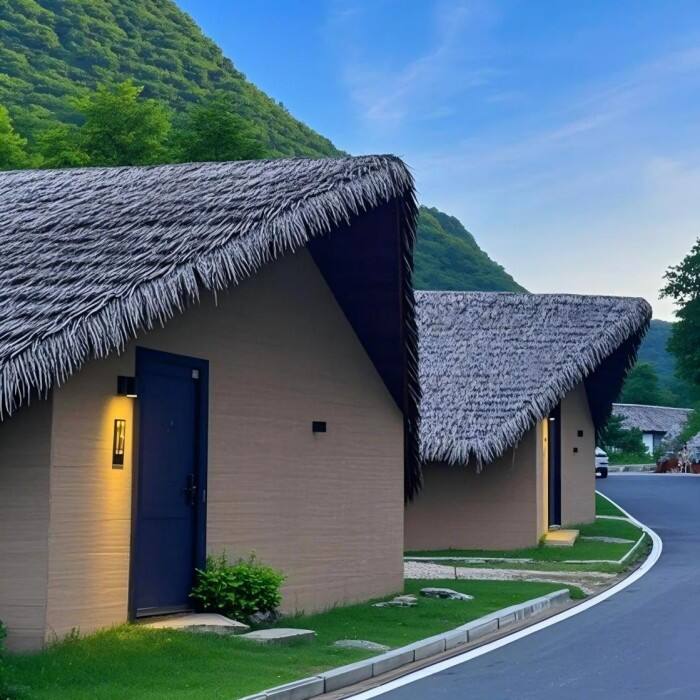
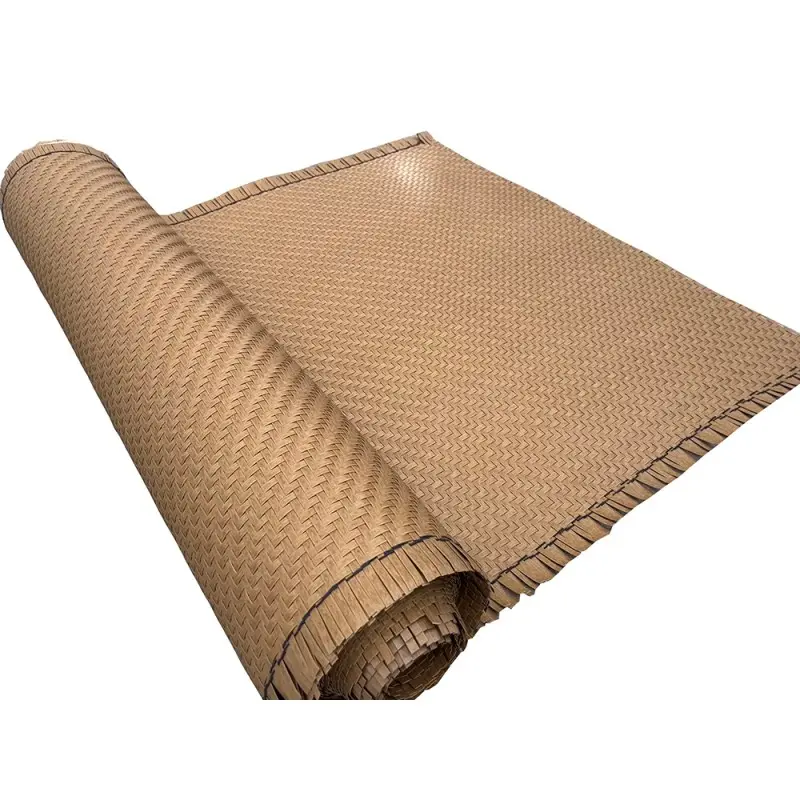
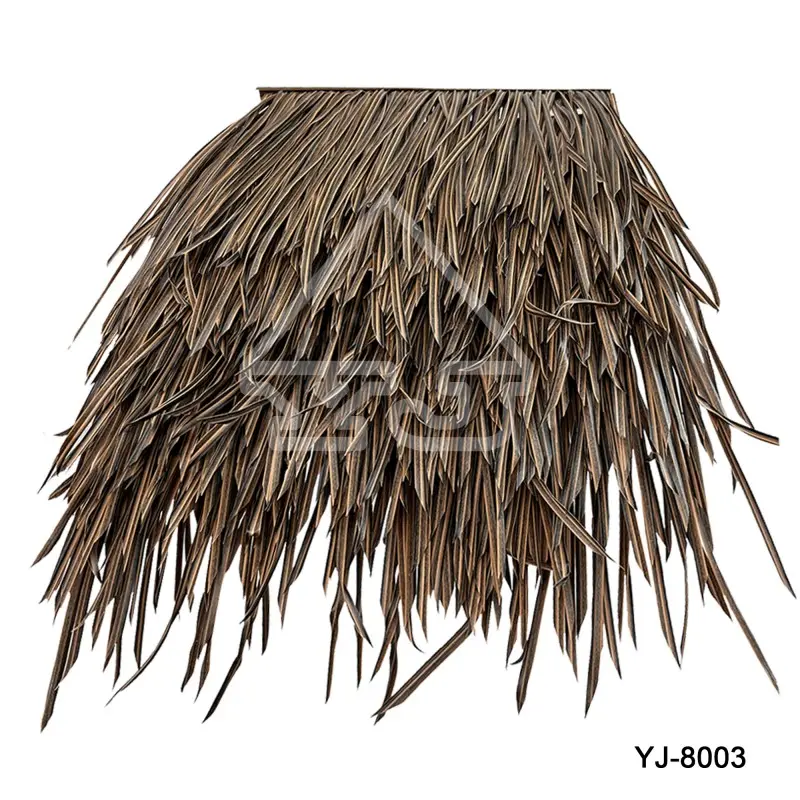
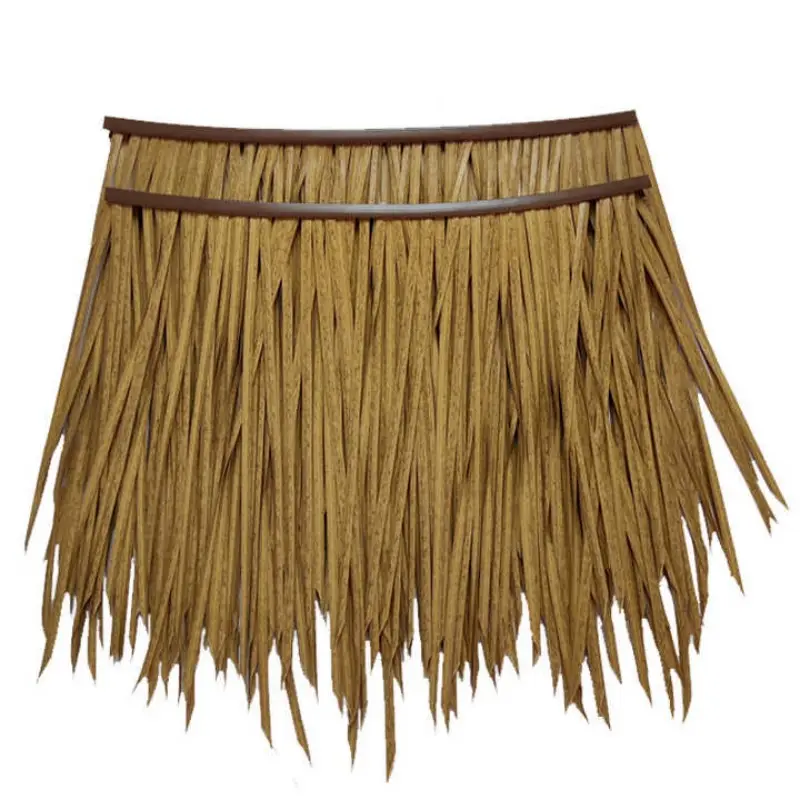
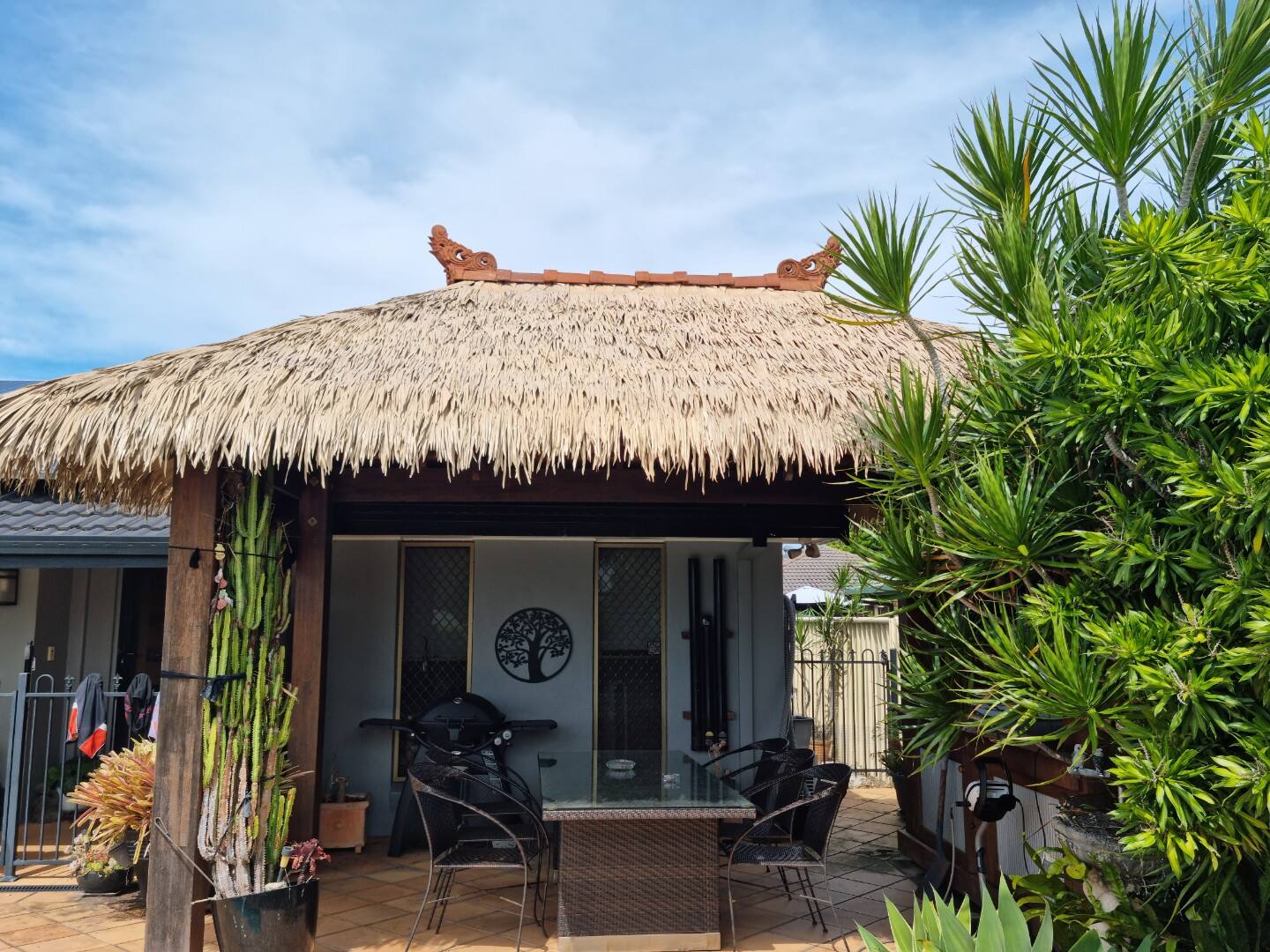
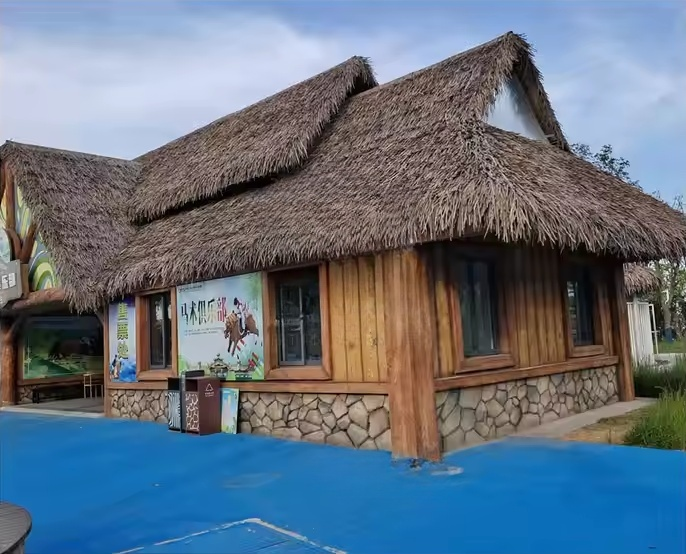
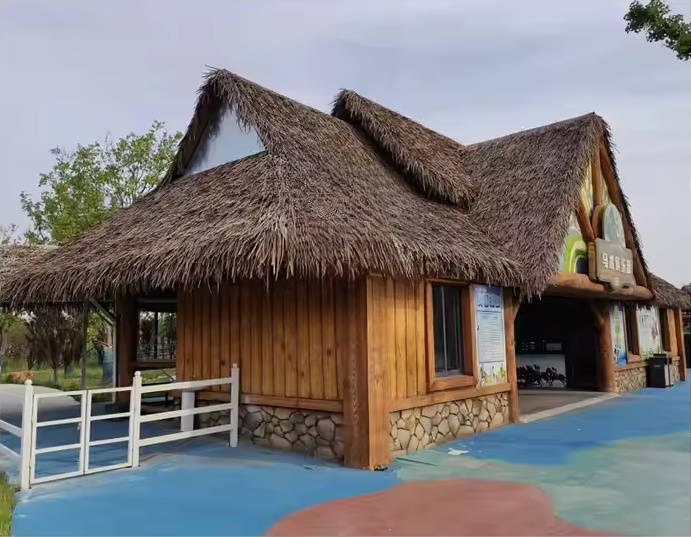
straw hut roof
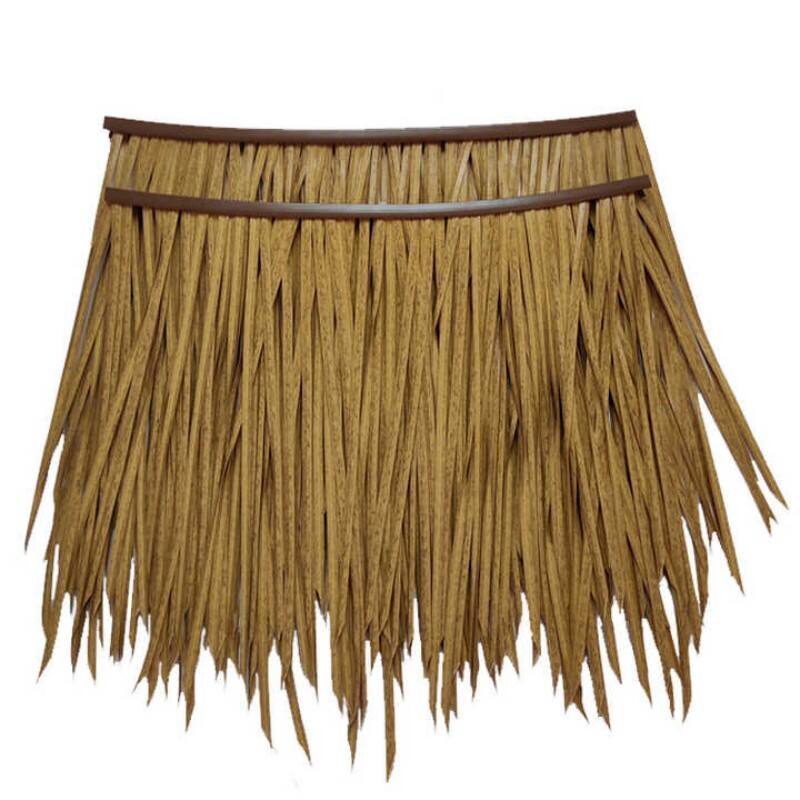
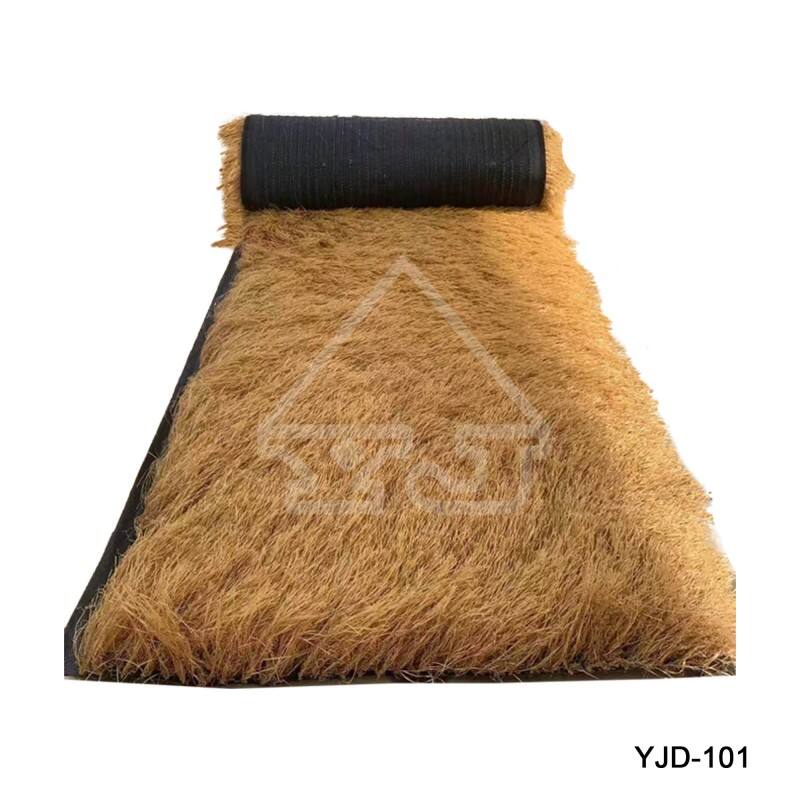
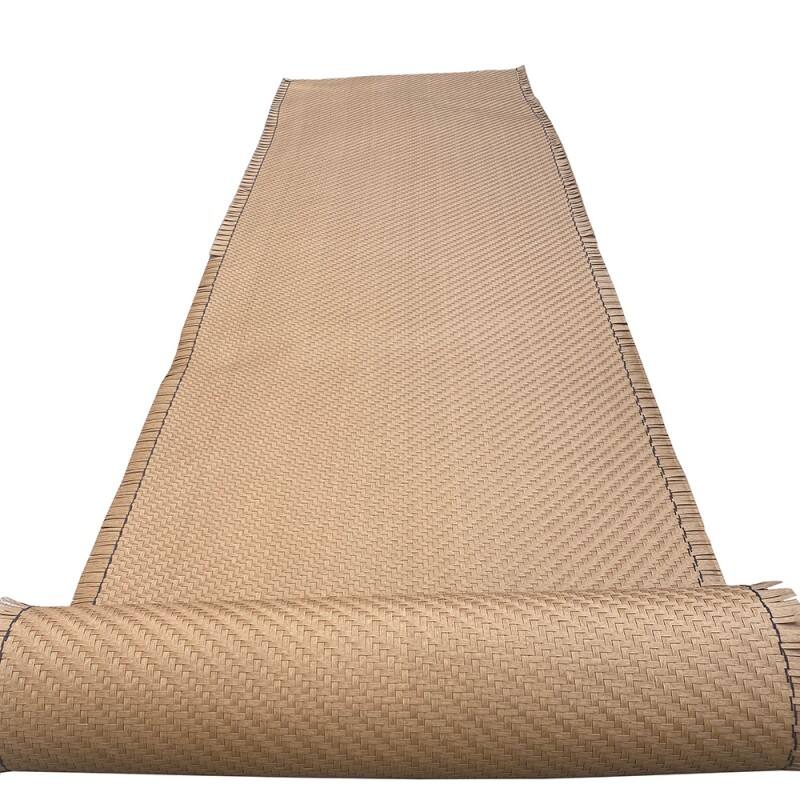
A straw hut roof represents one of humanity's oldest and most sustainable roofing solutions, combining traditional craftsmanship with remarkable environmental benefits. This natural roofing system utilizes dried grass, wheat straw, or reed materials to create a protective covering that has sheltered communities for thousands of years. The straw hut roof construction involves carefully layering and binding organic materials to form a dense, weather-resistant barrier that effectively repels rain while allowing proper ventilation. The technological features of a straw hut roof include its unique ability to provide excellent thermal insulation, naturally regulating indoor temperatures throughout seasonal changes. The thick layers of straw create air pockets that trap heat during winter months while reflecting solar radiation in summer, maintaining comfortable living conditions without relying on mechanical heating or cooling systems. Modern straw hut roof applications extend beyond traditional rural settings, finding popularity in eco-tourism resorts, sustainable architecture projects, and contemporary homes seeking environmentally conscious alternatives. The construction process involves selecting high-quality straw materials, typically wheat, rice, or barley stems that are completely dried and free from moisture content. Professional installers arrange these materials in overlapping layers, securing them with natural binding techniques or modern fastening systems. The pitch and angle of a straw hut roof play crucial roles in water drainage and structural integrity, requiring precise calculations to ensure optimal performance. Applications for straw hut roof systems include residential homes, agricultural buildings, recreational structures, and commercial establishments focused on sustainable practices. The natural properties of straw provide excellent sound insulation, creating peaceful indoor environments while contributing to overall building energy efficiency and reducing environmental impact through the use of renewable, biodegradable materials.
 EN
EN