thatch roof waterproofing
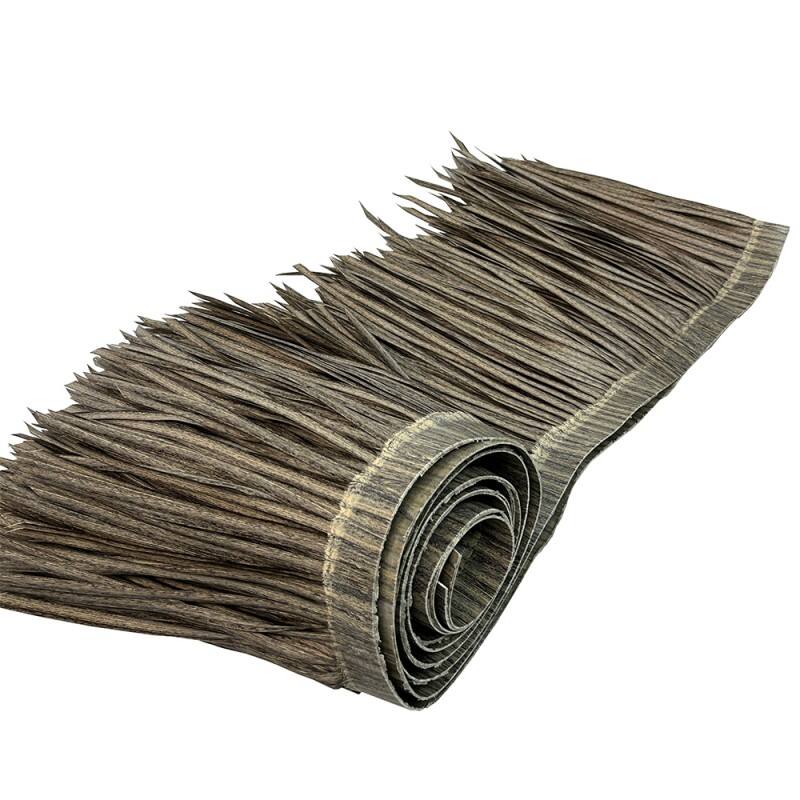
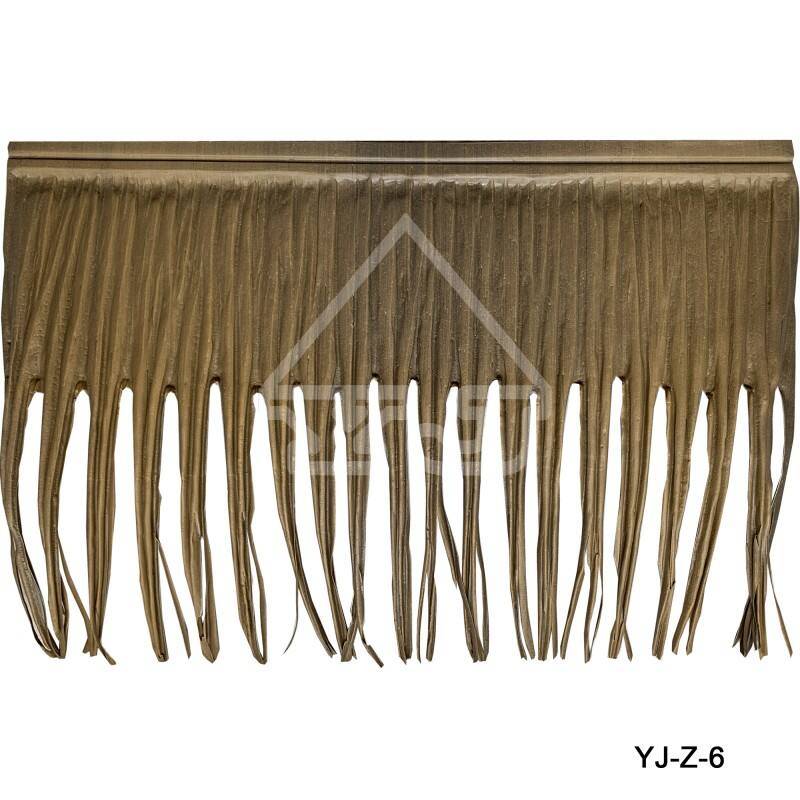
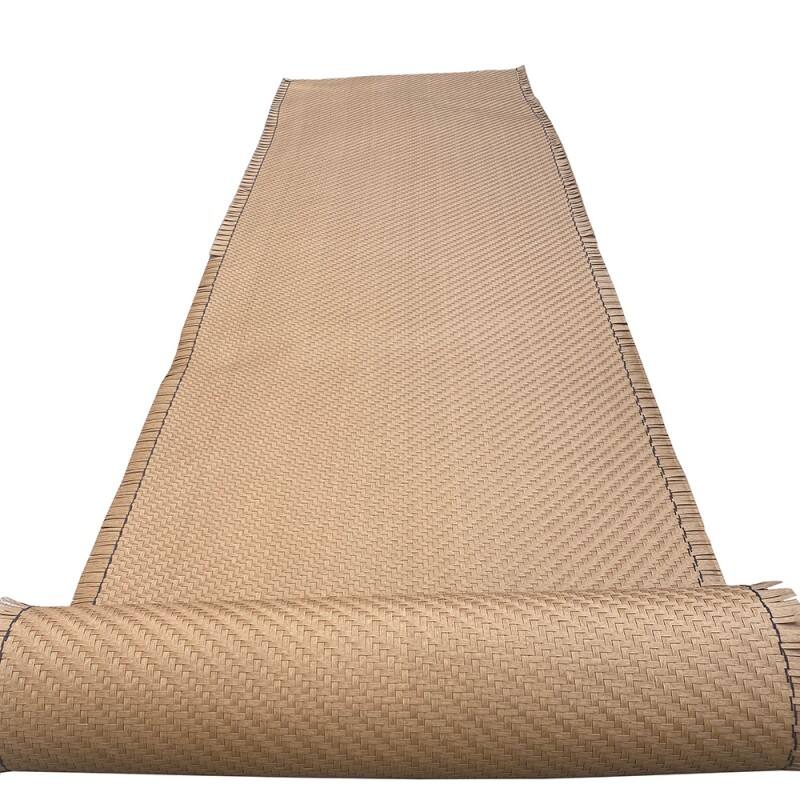
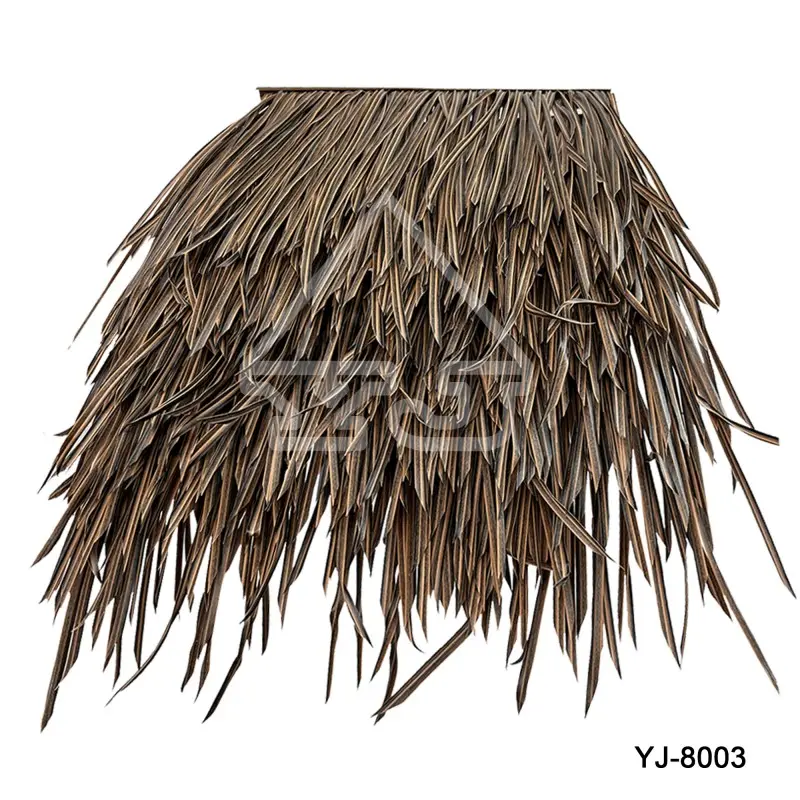
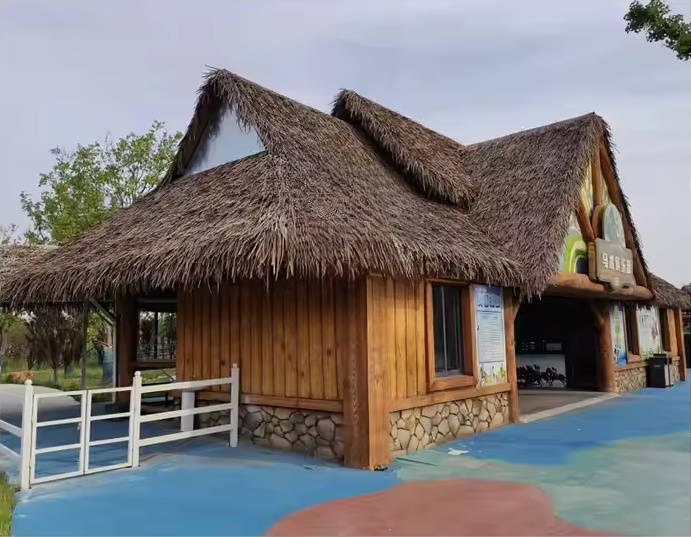
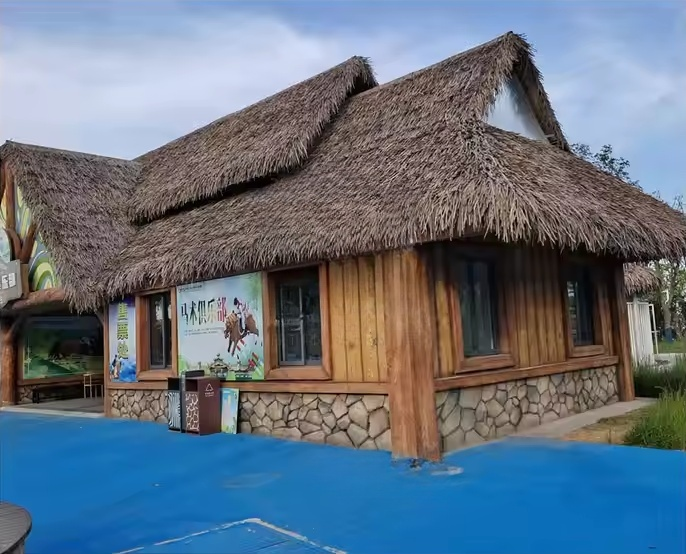
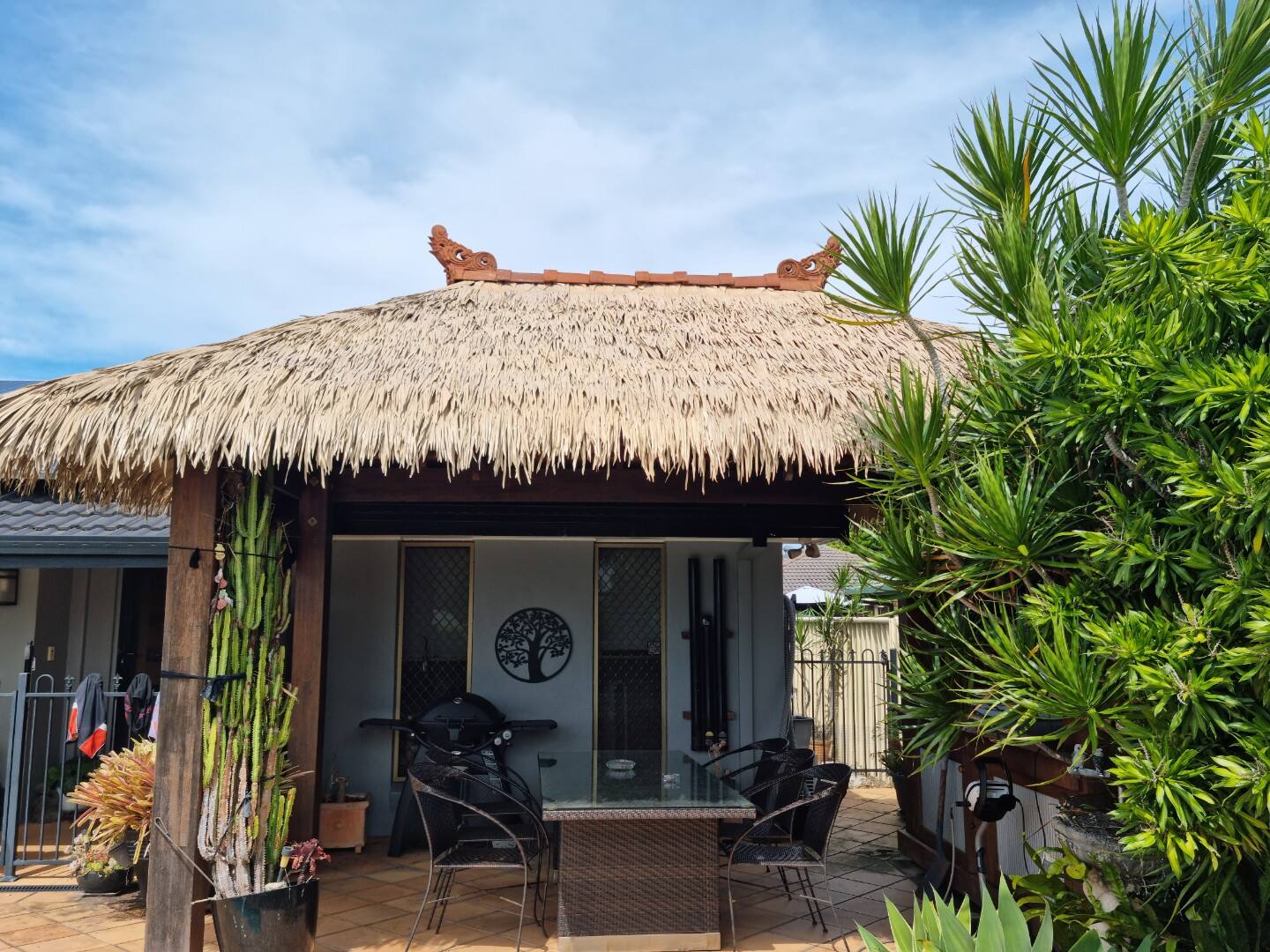
Thatch roof waterproofing represents a revolutionary advancement in protecting traditional thatched structures while preserving their authentic aesthetic appeal. This specialized waterproofing system combines cutting-edge polymer technology with time-tested roofing principles to create an invisible barrier that effectively shields thatch materials from moisture penetration. The primary function of thatch roof waterproofing involves creating a comprehensive protection layer that prevents water damage, extends roof lifespan, and maintains structural integrity without compromising the natural appearance of traditional thatching materials. The technological features of modern thatch roof waterproofing systems incorporate breathable membrane technology that allows natural air circulation while blocking moisture ingress. These advanced systems utilize specialized spray-on applications, membrane installations, and integrated drainage solutions designed specifically for organic roofing materials. The waterproofing process involves careful preparation of the thatch surface, application of primer coatings, installation of protective membranes, and final sealing treatments that work harmoniously with natural thatch fibers. Contemporary thatch roof waterproofing applications extend across residential properties, historic buildings, commercial structures, and cultural heritage sites where traditional roofing aesthetics must be preserved. The system proves particularly valuable for countryside cottages, heritage hotels, traditional pubs, and historic manor houses that require modern protection standards while maintaining authentic architectural character. Agricultural buildings, eco-friendly constructions, and sustainable housing projects also benefit significantly from thatch roof waterproofing solutions that enhance durability without sacrificing environmental credentials. The versatility of these waterproofing systems allows adaptation to various thatch materials including wheat straw, water reed, and combed wheat reed, ensuring comprehensive protection regardless of the specific organic roofing material employed in construction.
 EN
EN