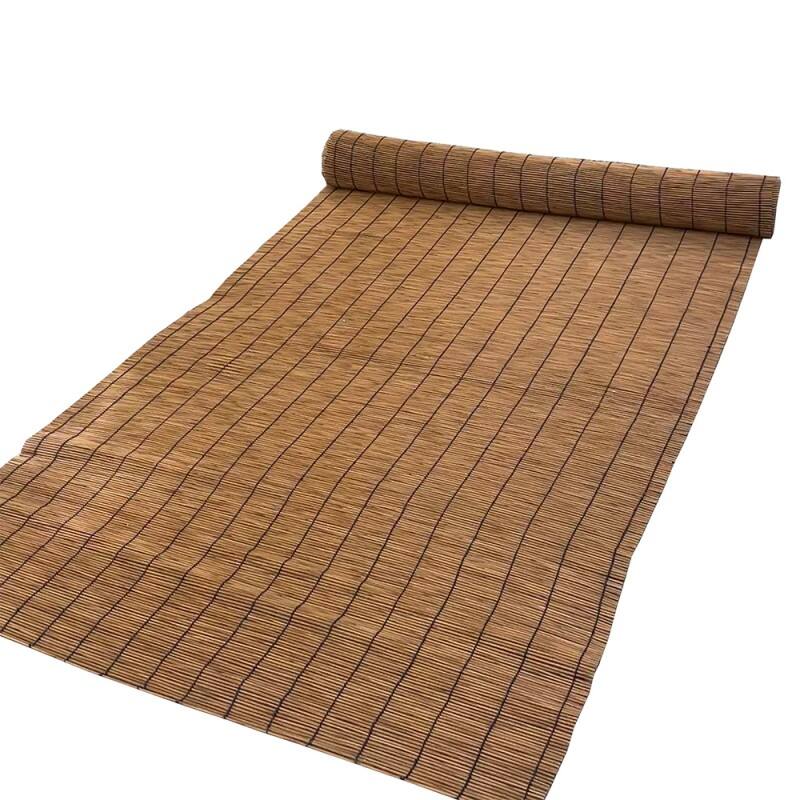
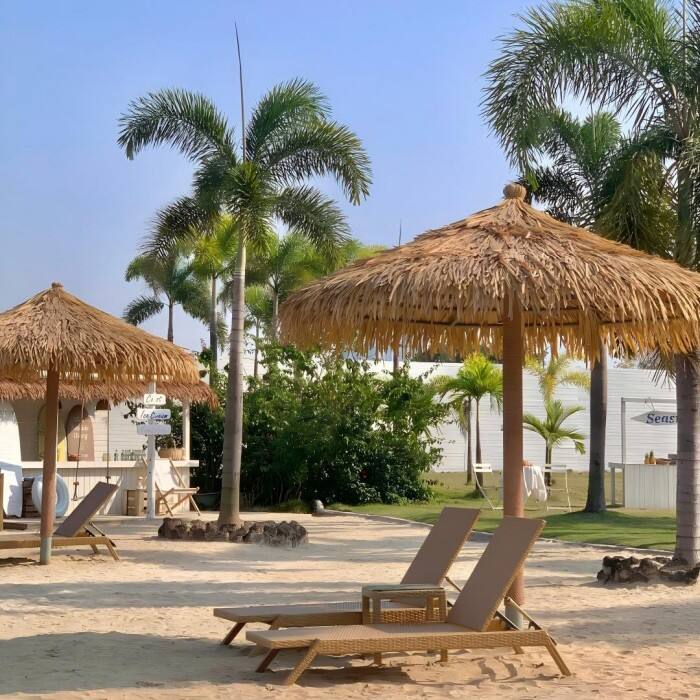
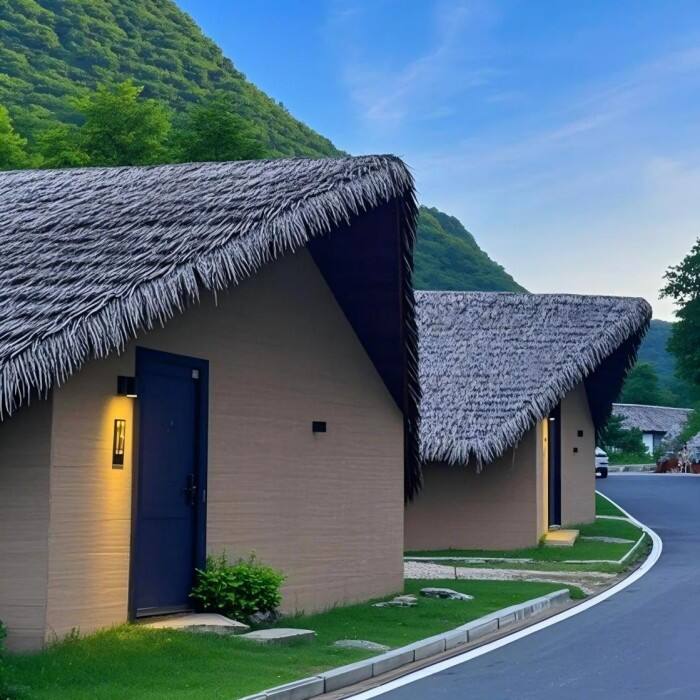
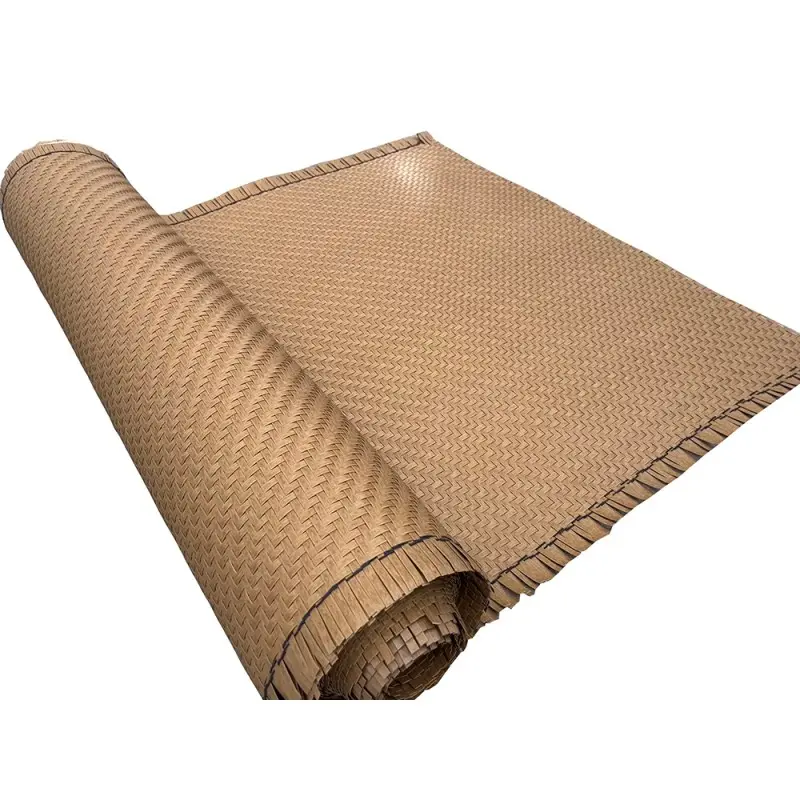
Thatched Roof Modern: Sustainable Contemporary Roofing Solutions with Traditional Craftsmanship

Get a Free Quote

Our representative will contact you soon.
Email
Name
Company Name
Message
0/1000

thatched roof modern

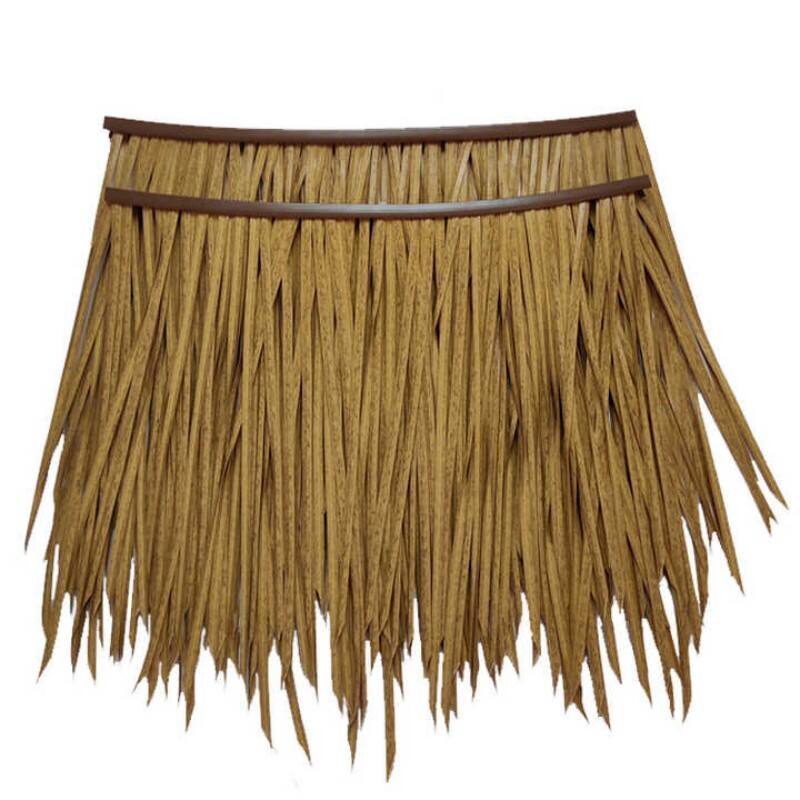
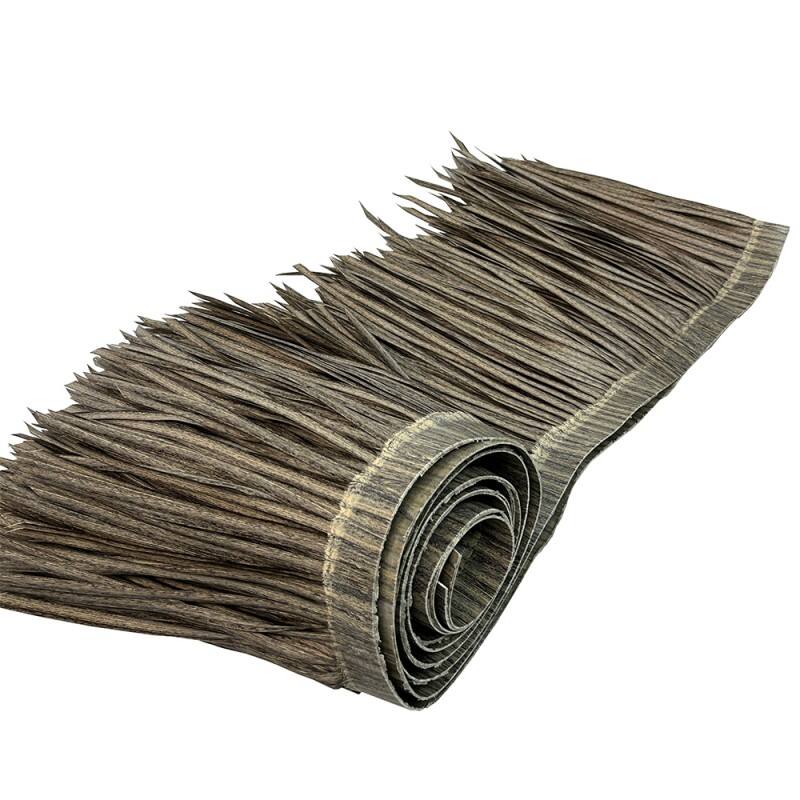
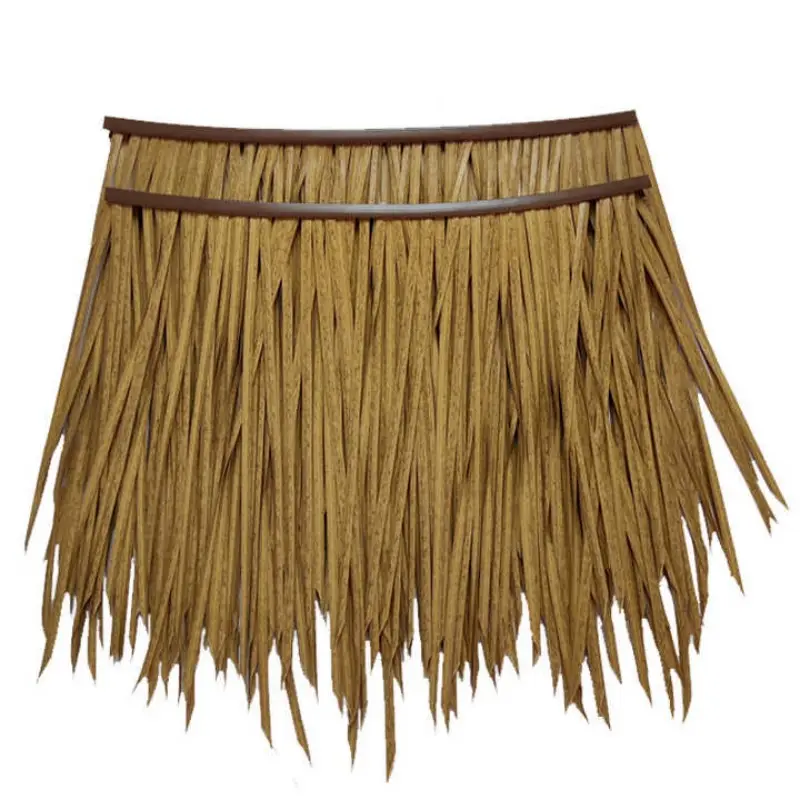
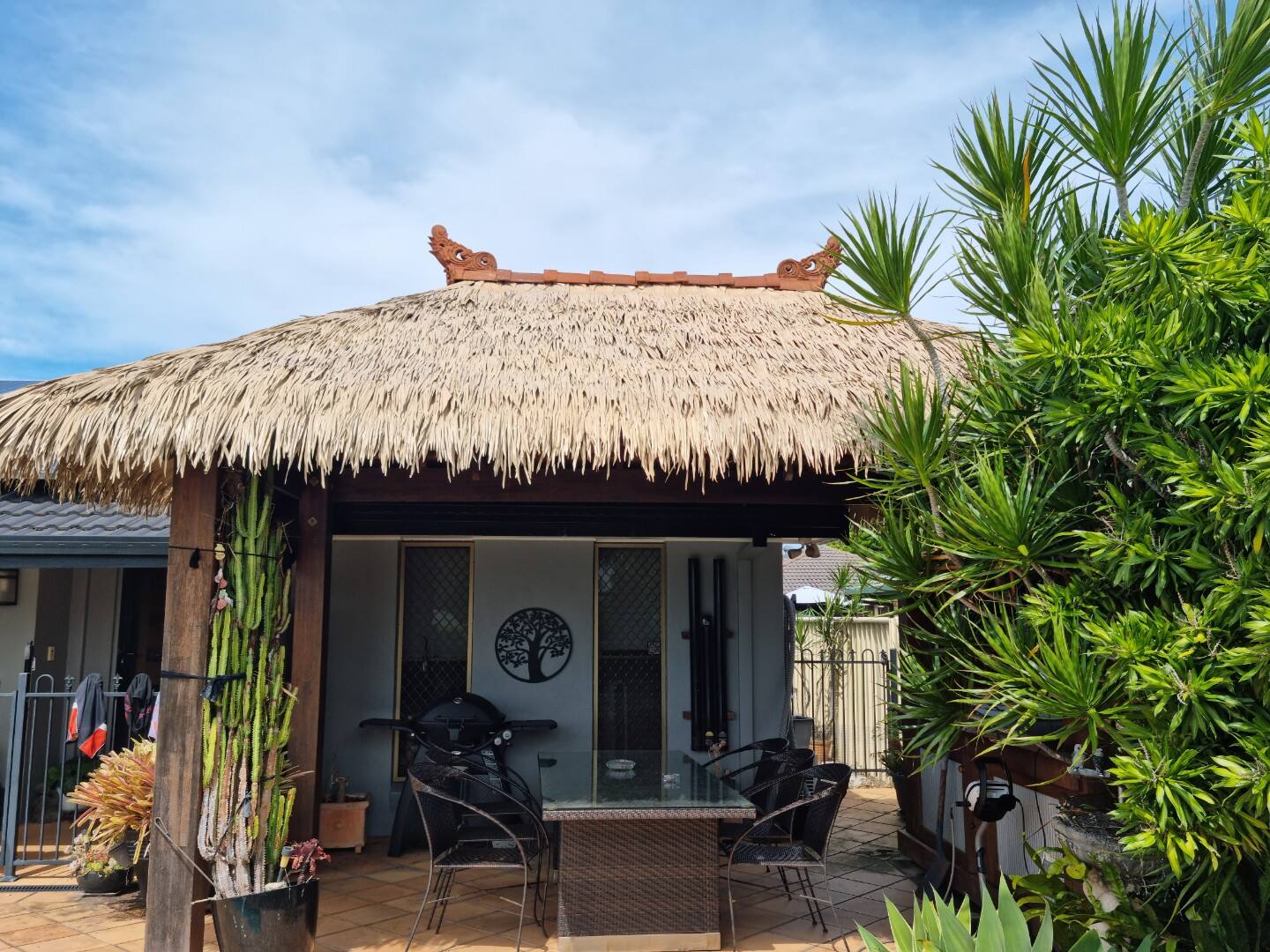
The thatched roof modern represents an innovative fusion of traditional craftsmanship and contemporary architectural design, bringing timeless aesthetics into the 21st century. This roofing solution combines natural materials like wheat straw, water reed, or longstraw with advanced construction techniques to create structures that are both environmentally sustainable and visually striking. Unlike conventional roofing systems, the thatched roof modern maintains the organic appeal of historical thatching while incorporating modern structural engineering principles for enhanced durability and performance. The primary function of a thatched roof modern system extends beyond simple weather protection. These roofs provide exceptional thermal insulation properties, naturally regulating indoor temperatures throughout changing seasons. The thick layers of organic material create an effective barrier against heat loss in winter and heat gain in summer, reducing energy consumption significantly. Additionally, these roofing systems offer superior acoustic insulation, minimizing external noise pollution and creating peaceful interior environments. Technologically, modern thatched roofing incorporates several advanced features that distinguish it from traditional methods. Fire-retardant treatments are applied to natural materials, dramatically improving safety standards while maintaining aesthetic integrity. Waterproofing membranes are strategically integrated beneath the thatch layers, preventing moisture penetration while allowing the roof structure to breathe naturally. Contemporary fixing systems utilize stainless steel wires and specialized clips rather than traditional hazel spars, ensuring longevity and structural stability. The applications of thatched roof modern systems span residential, commercial, and hospitality sectors. Luxury homes, eco-resorts, restaurants, and cultural centers frequently incorporate these roofing solutions to achieve distinctive architectural character while meeting modern building codes and environmental standards.

New Product Releases

The thatched roof modern offers numerous practical benefits that make it an attractive choice for discerning property owners and architects. Energy efficiency stands as one of the most compelling advantages, with these roofing systems providing natural insulation that outperforms many synthetic alternatives. The thick organic layers trap air effectively, creating thermal barriers that maintain comfortable indoor temperatures year-round without excessive reliance on heating or cooling systems. This translates to substantial reductions in energy bills and carbon footprint, making the thatched roof modern an economically and environmentally sound investment. Durability represents another significant advantage of modern thatched roofing systems. When properly installed and maintained, these roofs can last 25 to 40 years, comparable to or exceeding many conventional roofing materials. The natural materials used in thatched roof modern construction resist extreme weather conditions, including heavy rainfall, snow loads, and temperature fluctuations. Advanced treatment processes protect against pest infestation and fire hazards, addressing traditional concerns associated with organic roofing materials. The aesthetic appeal of thatched roof modern systems creates distinctive architectural statements that enhance property values substantially. These roofs provide unique textures, colors, and organic forms that cannot be replicated with manufactured materials. Property owners benefit from increased market value and visual distinction that sets their buildings apart from conventional structures. The natural aging process of thatched materials creates evolving color palettes and textures that add character over time rather than deteriorating in appearance. Environmental sustainability makes the thatched roof modern particularly appealing to environmentally conscious consumers. The materials used are renewable, biodegradable, and locally sourced in many regions, reducing transportation costs and environmental impact. These roofing systems contribute to carbon sequestration while in service and return to the earth harmlessly at the end of their lifecycle. Additionally, the manufacturing process requires minimal energy compared to synthetic roofing alternatives, further reducing environmental impact. Maintenance requirements for thatched roof modern systems are manageable and cost-effective when performed by qualified professionals. Regular inspections and minor repairs preserve roof integrity and extend service life significantly. The modular nature of thatching allows for localized repairs without complete roof replacement, making maintenance more economical than many conventional roofing systems.

Tips And Tricks

How to Choose a High-Quality Synthetic Thatch Roof for Commercial Projects

24

Nov

How to Choose a High-Quality Synthetic Thatch Roof for Commercial Projects

Selecting the right roofing material for commercial projects requires careful consideration of durability, aesthetics, and long-term performance. A synthetic thatch roof offers an ideal solution for businesses seeking the authentic appearance of trad...
View More
How Material Choices Affect the Durability and Appearance of Synthetic Thatch

18

Nov

How Material Choices Affect the Durability and Appearance of Synthetic Thatch

The selection of materials in synthetic thatch manufacturing plays a crucial role in determining both the longevity and aesthetic appeal of these roofing solutions. Modern synthetic thatch products have revolutionized the construction industry by off...
View More
Durability and Maintenance Methods of Rattan Weave

17

Dec

Durability and Maintenance Methods of Rattan Weave

Rattan weave has emerged as one of the most sought-after materials in contemporary architecture and interior design, offering a perfect blend of natural aesthetics and functional durability. This versatile material combines traditional craftsmanship ...
View More
Fire-Resistant and Waterproof Advantages of Synthetic Thatch Roof

05

Dec

Fire-Resistant and Waterproof Advantages of Synthetic Thatch Roof

Modern construction materials have revolutionized the roofing industry, offering innovative solutions that combine traditional aesthetics with contemporary performance standards. The synthetic thatch roof represents one of the most significant advanc...
View More

Get a Free Quote

Our representative will contact you soon.
Email
Name
Company Name
Message
0/1000

thatched roof modern

Superior Natural Insulation Performance

Superior Natural Insulation Performance

The thatched roof modern excels in thermal performance through its unique multi-layered construction that creates exceptional insulation properties. The organic materials used in modern thatched roofing, including specially selected water reed, wheat straw, or longstraw, form dense layers that trap air effectively within their cellular structure. This natural air-trapping mechanism provides thermal resistance values that often exceed those of conventional insulation materials. The thickness of a typical thatched roof modern installation ranges from 12 to 18 inches, creating substantial thermal mass that moderates temperature fluctuations throughout the day and across seasons. During winter months, the thatched roof modern prevents heat loss through its excellent insulation properties, reducing heating costs by up to 30 percent compared to standard roofing systems. The organic materials naturally resist thermal bridging, eliminating cold spots that commonly occur with metal or synthetic roofing components. In summer, these same properties prevent excessive heat gain, maintaining cooler indoor temperatures without over-reliance on air conditioning systems. The natural ventilation properties of thatched roof modern systems allow moisture vapor to escape while preventing water infiltration, creating healthy indoor air quality and preventing condensation issues. The acoustic benefits complement the thermal advantages, as the dense organic layers absorb sound waves effectively, reducing noise pollution from rainfall, aircraft, traffic, and other external sources. This sound dampening quality creates peaceful interior environments that enhance comfort and property value. The natural materials also provide electromagnetic shielding properties, reducing exposure to radio frequency interference in our increasingly connected world. Property owners who choose thatched roof modern systems report significant improvements in indoor comfort levels, with more stable temperatures, reduced drafts, and quieter living spaces. These performance characteristics translate directly into lower utility bills, improved quality of life, and enhanced property values that justify the initial investment over time.

Sustainable Environmental Design

Sustainable Environmental Design

The thatched roof modern represents the pinnacle of sustainable roofing technology, utilizing renewable natural materials that minimize environmental impact throughout their lifecycle. The primary materials used in modern thatched roofing are harvested from sustainable sources, including wheat straw from agricultural operations, water reed from managed wetlands, and longstraw from dedicated grass cultivation. These materials are renewable annually or biannually, creating a continuous supply that does not deplete natural resources. The carbon footprint of thatched roof modern systems remains minimal compared to manufactured roofing alternatives, as the organic materials actually sequester carbon dioxide during their growth phase and require minimal processing energy. Local sourcing of thatching materials reduces transportation costs and emissions while supporting regional agricultural economies. Many thatched roof modern installations utilize materials sourced within 50 miles of the construction site, dramatically reducing the environmental impact associated with long-distance shipping. The harvesting and processing of thatching materials follow traditional methods that require minimal mechanical intervention, preserving the natural structure and properties of the organic fibers. Modern treatment processes use environmentally friendly fire retardants and preservatives that protect the materials without introducing harmful chemicals into the ecosystem. At the end of their service life, thatched roof modern materials decompose naturally, returning nutrients to the soil without creating waste disposal problems. This biodegradability contrasts sharply with synthetic roofing materials that persist in landfills for decades or centuries. The installation process for thatched roof modern systems generates minimal waste, as skilled craftsmen utilize nearly every portion of the organic materials. Offcuts and trimmings can be composted or used for other applications, maintaining the zero-waste philosophy inherent in traditional thatching practices. Property owners who choose thatched roof modern systems contribute to biodiversity conservation, as the demand for thatching materials supports the maintenance of traditional agricultural landscapes and wetland habitats that provide homes for wildlife species. These environmental benefits align with growing consumer awareness of climate change and the importance of sustainable building practices.
Distinctive Architectural Character and Value Enhancement

Distinctive Architectural Character and Value Enhancement

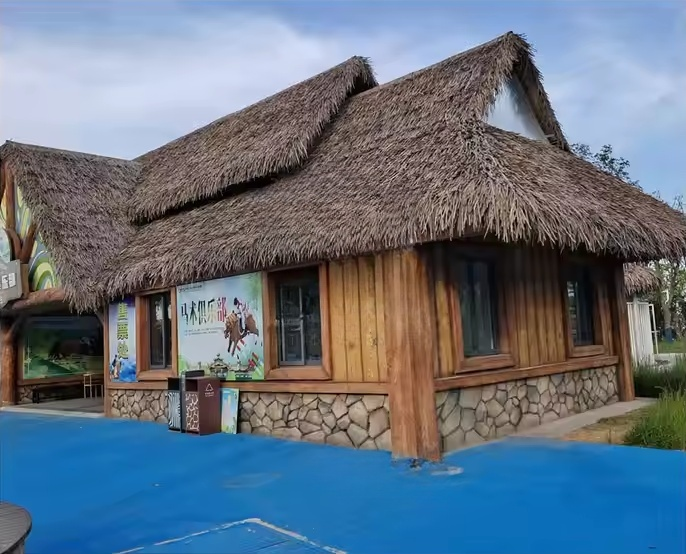
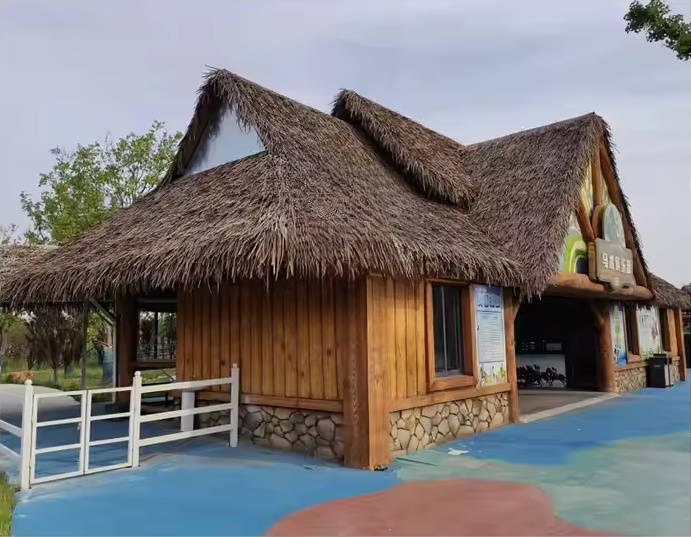
The thatched roof modern delivers unparalleled aesthetic appeal that transforms ordinary buildings into extraordinary architectural statements, significantly enhancing property values and market desirability. The organic nature of thatching materials creates unique textures, colors, and forms that cannot be replicated with manufactured roofing systems. Each thatched roof modern installation becomes a distinctive work of art, as natural variations in the organic materials ensure that no two roofs appear identical. The skilled craftsmanship required for proper installation adds artisanal quality that appeals to discerning property owners who appreciate traditional building techniques adapted for contemporary applications. The visual impact of a thatched roof modern extends beyond simple aesthetics to create emotional connections with viewers. The organic curves, natural color variations, and textured surfaces evoke feelings of comfort, authenticity, and connection to nature that synthetic materials cannot achieve. These psychological benefits translate into higher property values, with studies indicating that homes featuring thatched roof modern systems command premium prices of 15 to 25 percent above comparable properties with conventional roofing. The aging process of thatched roof modern materials enhances rather than diminishes their appearance, as natural weathering creates rich color palettes ranging from golden yellows to deep browns and silver grays. This natural patina development adds character and visual interest over time, contrasting with manufactured materials that often appear worn or faded after exposure to weather elements. The three-dimensional quality of thatched surfaces creates dramatic shadow patterns that change throughout the day, adding dynamic visual interest to building facades. Architectural flexibility represents another significant advantage of thatched roof modern systems, as the organic materials can be shaped around complex roof geometries, dormers, and architectural features with relative ease. This adaptability allows architects and designers to create unique rooflines and building profiles that would be difficult or impossible to achieve with rigid manufactured materials. The compatibility of thatched roof modern systems with various architectural styles, from contemporary minimalist designs to traditional country cottages, makes them versatile choices for diverse design applications. Professional installation by skilled craftsmen ensures that each thatched roof modern system meets contemporary building codes while preserving the artistic integrity and visual appeal that makes these roofing systems so desirable in today's market.

Get a Free Quote

Our representative will contact you soon.
Email
Name
Company Name
Message
0/1000