Flat Thatch Roof: Sustainable Roofing Solutions for Energy Efficient Homes

Get a Free Quote

Our representative will contact you soon.
Email
Name
Company Name
Message
0/1000

flat thatch roof

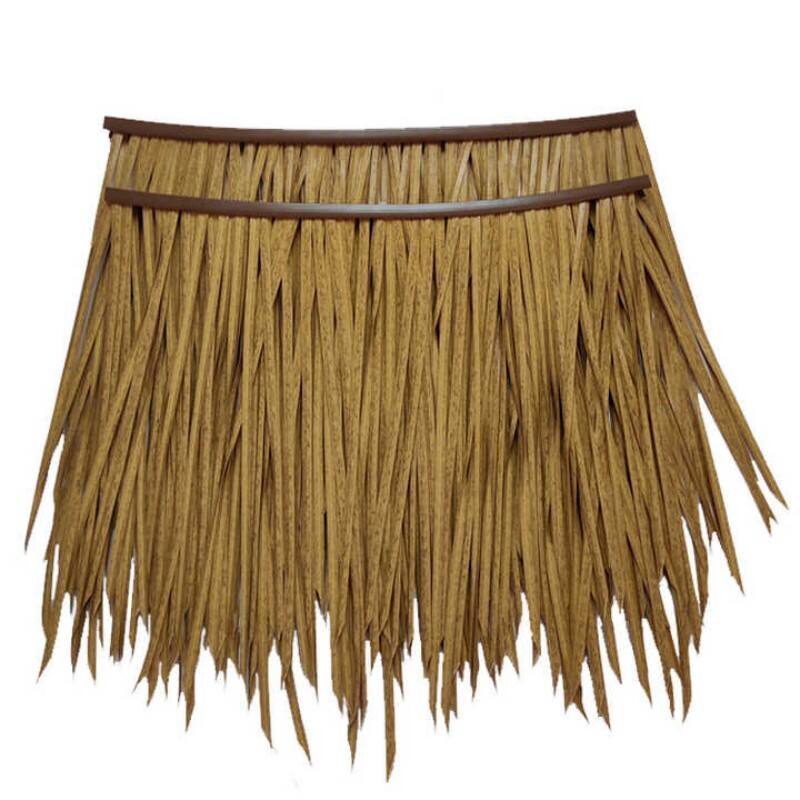
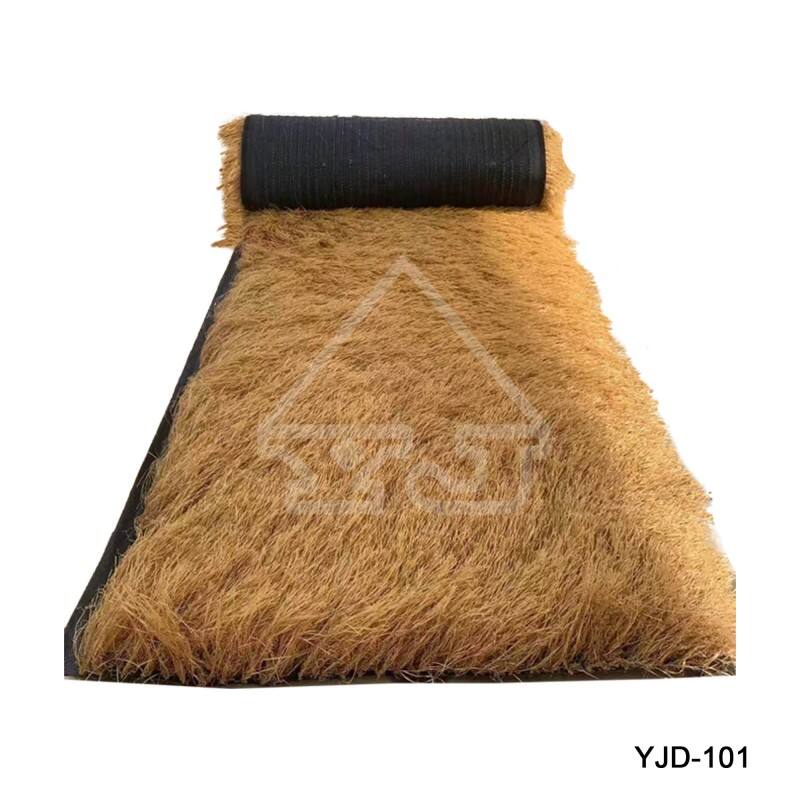
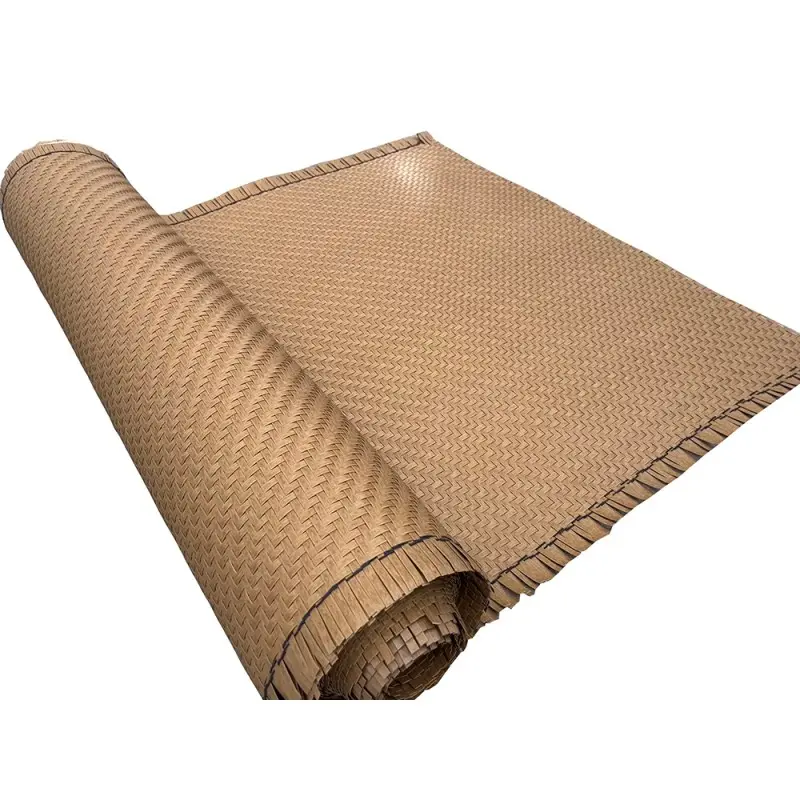
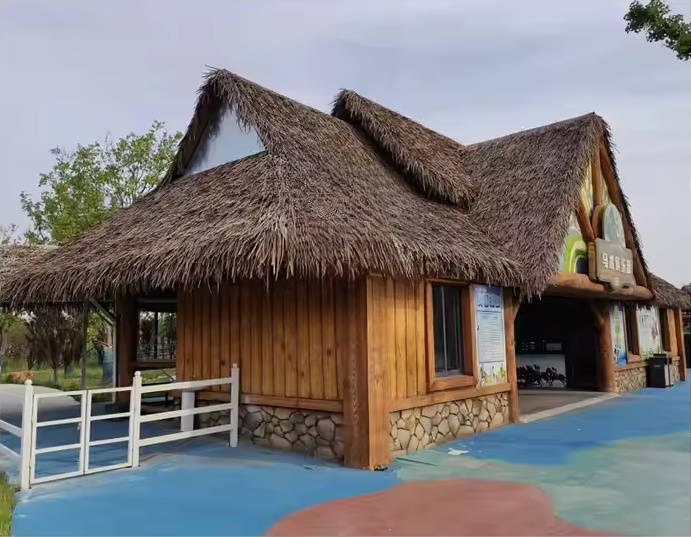
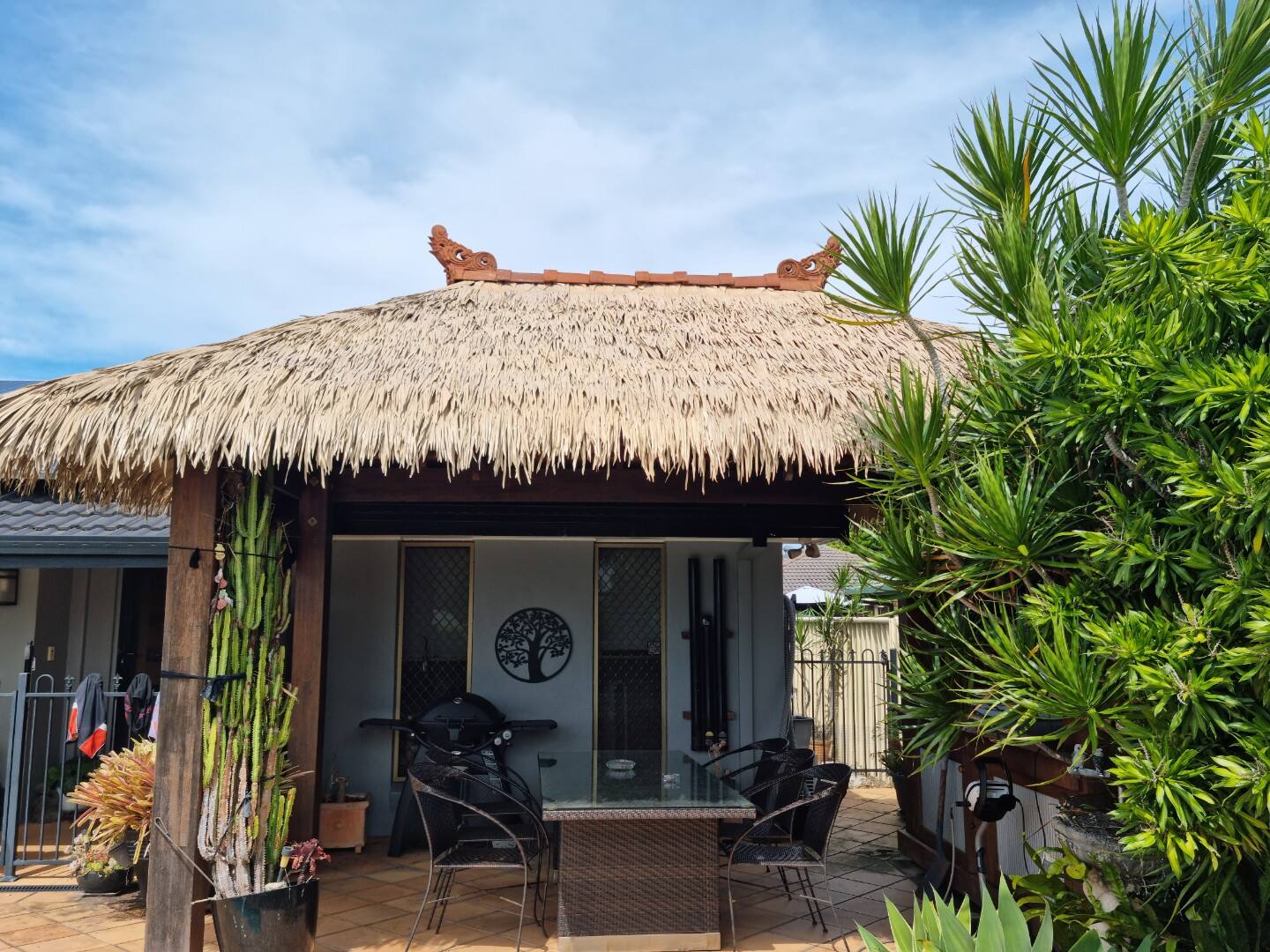
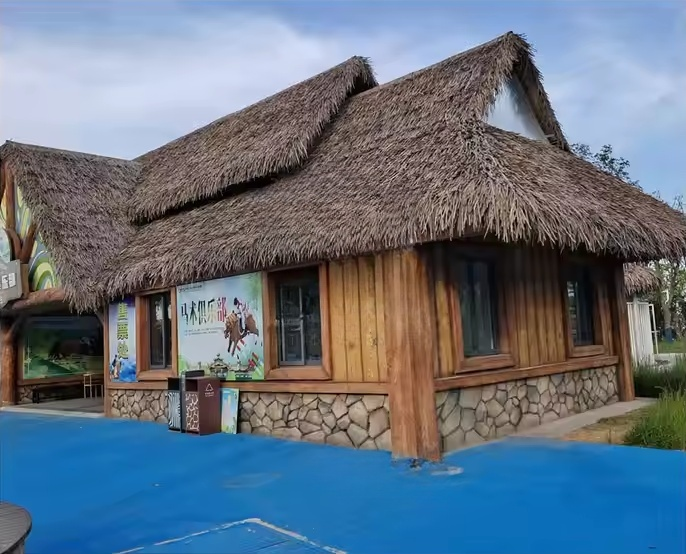
A flat thatch roof represents an innovative approach to traditional roofing methods, combining centuries-old thatching techniques with modern construction requirements. This distinctive roofing system utilizes natural materials such as straw, reed, or palm fronds arranged in carefully layered patterns to create a weatherproof barrier. The flat thatch roof design differs from conventional steep-pitched thatched roofs by maintaining a minimal slope while preserving the essential protective qualities that make thatching so enduring. The primary functions of a flat thatch roof encompass comprehensive weather protection, superior insulation properties, and aesthetic enhancement of residential and commercial structures. These roofing systems excel at shedding rainwater through their specially designed layering technique, where each bundle of thatch material overlaps the next, creating natural channels for water drainage. The technological features of flat thatch roof construction involve precise bundling methods, strategic placement of materials, and integration with modern waterproofing systems when necessary. Installation requires skilled craftspeople who understand both traditional thatching methods and contemporary building codes. The flat thatch roof applications span across various building types, including eco-friendly homes, resort accommodations, cultural centers, and sustainable commercial buildings. These roofs particularly suit structures in tropical and temperate climates where natural materials perform optimally. Modern flat thatch roof systems often incorporate synthetic backing materials or membrane systems to enhance durability while maintaining the authentic appearance of traditional thatching. The construction process involves careful selection of appropriate materials, proper preparation of the roof deck, and systematic installation of thatch bundles using time-tested securing methods. Quality flat thatch roof installations can withstand various weather conditions including moderate wind loads, rainfall, and temperature fluctuations when properly maintained and constructed according to established standards.

New Product Recommendations

The flat thatch roof delivers exceptional energy efficiency through its natural insulation properties, significantly reducing heating and cooling costs throughout the year. This roofing system creates a thermal barrier that keeps interiors cool during hot weather and warm during cold seasons, eliminating the need for excessive mechanical climate control. Property owners experience substantial utility bill reductions because the thick layer of natural materials provides superior thermal performance compared to conventional roofing materials. The environmental benefits of choosing a flat thatch roof include complete biodegradability and minimal carbon footprint during production and installation. Unlike synthetic roofing materials that require energy-intensive manufacturing processes, thatch materials grow naturally and require minimal processing before installation. This sustainable approach appeals to environmentally conscious consumers who prioritize green building practices and renewable resource utilization. The aesthetic appeal of flat thatch roof systems transforms ordinary buildings into distinctive architectural statements that blend harmoniously with natural surroundings. These roofs create warm, inviting atmospheres that enhance property values and attract positive attention from visitors and potential buyers. The natural texture and organic appearance of thatch materials provide visual interest that cannot be replicated with manufactured roofing products. Maintenance requirements for flat thatch roof systems remain manageable when property owners follow recommended care schedules and use qualified service providers. Regular inspection and minor repairs prevent major issues, making long-term ownership costs reasonable and predictable. The durability of properly installed flat thatch roof systems extends for decades with appropriate maintenance, providing excellent return on investment. Sound insulation represents another significant advantage, as the dense thatch material effectively dampens external noise including rain, wind, and urban sounds. This acoustic performance creates peaceful indoor environments that enhance comfort and quality of life. The fire resistance of modern flat thatch roof installations improves through proper treatment and installation techniques that meet current safety standards while preserving the natural characteristics of the materials.

Practical Tips

How to Enhance Commercial Building Durability with Synthetic Palm Leaf Thatch

27

Nov

How to Enhance Commercial Building Durability with Synthetic Palm Leaf Thatch

Commercial buildings in tropical and subtropical regions face unique challenges when it comes to maintaining aesthetic appeal while ensuring long-term durability. Traditional roofing and decorative materials often fall short when exposed to intense U...
View More
How to Choose a High-Quality Synthetic Thatch Roof for Commercial Projects

24

Nov

How to Choose a High-Quality Synthetic Thatch Roof for Commercial Projects

Selecting the right roofing material for commercial projects requires careful consideration of durability, aesthetics, and long-term performance. A synthetic thatch roof offers an ideal solution for businesses seeking the authentic appearance of trad...
View More
How Material Choices Affect the Durability and Appearance of Synthetic Thatch

18

Nov

How Material Choices Affect the Durability and Appearance of Synthetic Thatch

The selection of materials in synthetic thatch manufacturing plays a crucial role in determining both the longevity and aesthetic appeal of these roofing solutions. Modern synthetic thatch products have revolutionized the construction industry by off...
View More
Durability and Maintenance Methods of Rattan Weave

17

Dec

Durability and Maintenance Methods of Rattan Weave

Rattan weave has emerged as one of the most sought-after materials in contemporary architecture and interior design, offering a perfect blend of natural aesthetics and functional durability. This versatile material combines traditional craftsmanship ...
View More

Get a Free Quote

Our representative will contact you soon.
Email
Name
Company Name
Message
0/1000

flat thatch roof

Superior Thermal Performance and Energy Savings

Superior Thermal Performance and Energy Savings

The flat thatch roof excels in thermal regulation due to its unique natural composition and layered construction method. The dense arrangement of organic materials creates multiple air pockets that function as natural insulation chambers, maintaining consistent indoor temperatures regardless of external weather conditions. This thermal mass effect means that during hot summer days, the flat thatch roof absorbs and slowly releases heat, preventing rapid temperature fluctuations inside the building. During winter months, the same properties work in reverse, retaining warm air and preventing heat loss through the roof structure. Property owners typically observe energy cost reductions of twenty to thirty percent compared to conventional roofing systems because their HVAC systems operate less frequently and consume less electricity. The natural breathing quality of thatch materials allows moisture regulation, preventing condensation buildup that can damage interior structures and create unhealthy living conditions. This moisture management capability extends beyond simple vapor barrier functions, as the organic fibers actively absorb excess humidity during wet periods and release it gradually when conditions become drier. The flat thatch roof thermal performance remains consistent throughout its lifespan because natural materials do not degrade in the same manner as synthetic insulation products. Unlike foam or fiberglass insulation that can settle, compress, or lose effectiveness over time, properly maintained thatch materials maintain their insulating properties for decades. This long-term thermal stability provides predictable energy performance and helps property owners plan their utility budgets with confidence. The installation process for achieving optimal thermal performance involves careful attention to thickness consistency and proper layering techniques that maximize the insulating effect while maintaining structural integrity and weather resistance.
Sustainable Construction and Environmental Responsibility

Sustainable Construction and Environmental Responsibility

Environmental consciousness drives many property owners toward flat thatch roof systems because these installations represent truly sustainable building practices that minimize ecological impact. The raw materials for flat thatch roof construction grow naturally in renewable cycles, requiring no fossil fuel inputs or chemical processing that characterizes synthetic roofing manufacturing. Harvesting thatch materials actually benefits agricultural ecosystems by providing farmers with additional income streams from crops like wheat straw or specially grown reed materials. This agricultural connection creates positive economic cycles in rural communities while supplying construction markets with high-quality roofing materials. The carbon footprint of flat thatch roof production remains minimal because transportation distances stay short when materials are sourced locally, and no energy-intensive manufacturing processes are required to prepare materials for installation. Local sourcing also ensures that thatch materials are naturally adapted to regional climate conditions, improving performance and longevity. At the end of their service life, flat thatch roof materials decompose completely without leaving harmful residues or requiring special disposal procedures. This cradle-to-cradle lifecycle contrasts sharply with synthetic roofing materials that accumulate in landfills or require expensive recycling processes. The biodegradable nature of thatch materials means that roof replacement generates organic compost rather than waste, supporting circular economy principles that minimize resource consumption. Water management benefits include natural filtration of rainwater runoff, as thatch materials remove pollutants and sediments before water reaches ground systems. The porous structure of flat thatch roof installations allows gradual water release that reduces storm water management burdens on municipal infrastructure. Wildlife habitat creation represents an unexpected environmental benefit, as thatch roofs provide nesting opportunities for beneficial birds and insects that support local ecosystem health and biodiversity conservation.
Distinctive Architectural Character and Property Value Enhancement

Distinctive Architectural Character and Property Value Enhancement

The flat thatch roof transforms building aesthetics by introducing organic textures and natural color variations that create visual interest throughout changing seasons and weather conditions. This architectural distinctiveness sets properties apart in competitive real estate markets where unique features command premium values and attract discerning buyers who appreciate craftsmanship and natural materials. The handcrafted appearance of flat thatch roof installations reflects skilled artisanship that machine-made roofing products cannot replicate, adding authenticity and character that appeals to consumers seeking genuine rather than imitated natural effects. Property values increase measurably when flat thatch roof systems are properly installed and maintained because these roofs represent both functional superiority and aesthetic enhancement that buyers recognize and value. Real estate professionals consistently report that homes with authentic thatch roofing sell faster and command higher prices than comparable properties with conventional roofing materials. The timeless appeal of natural thatching transcends architectural trends, ensuring that flat thatch roof investments retain their value enhancement benefits over long periods. Cultural significance adds another dimension to property value, as thatch roofing connects modern buildings to historical building traditions that many communities celebrate and preserve. This heritage connection appeals particularly strongly to buyers interested in sustainable living and cultural preservation. The versatility of flat thatch roof design allows integration with various architectural styles, from traditional cottages to contemporary sustainable homes and commercial buildings. Design flexibility enables architects and builders to create custom appearances that complement specific site conditions and owner preferences while maintaining the essential protective and aesthetic benefits of natural thatching. Maintenance requirements that preserve the distinctive appearance remain straightforward when property owners work with qualified thatching professionals who understand both traditional techniques and modern performance standards. The aging process of flat thatch roof materials creates naturally beautiful patina effects that enhance rather than diminish visual appeal, unlike manufactured materials that often appear worn or deteriorated as they age.

Get a Free Quote

Our representative will contact you soon.
Email
Name
Company Name
Message
0/1000