open thatched roof hut
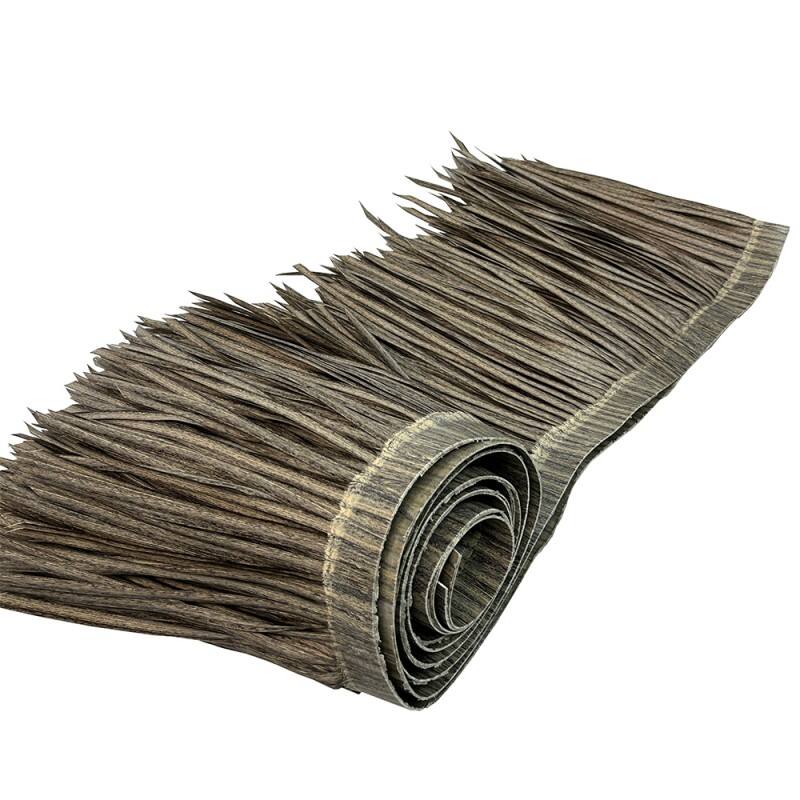
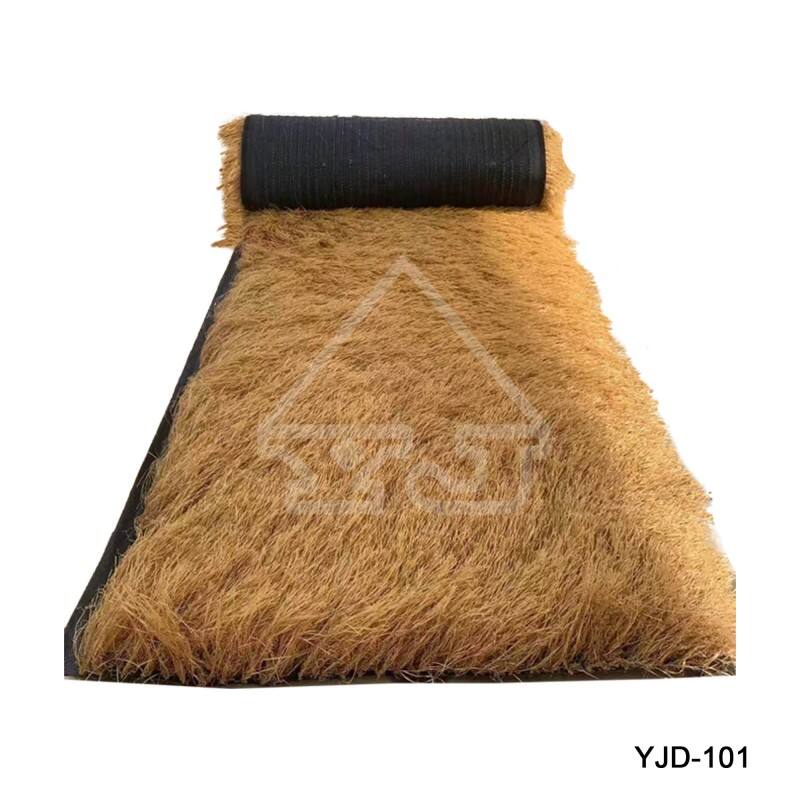
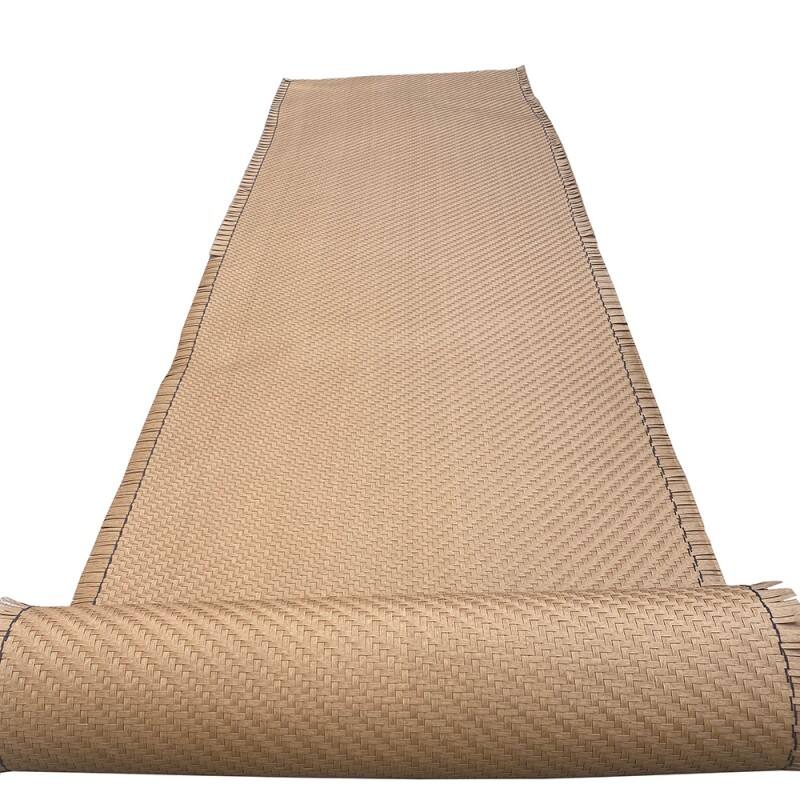
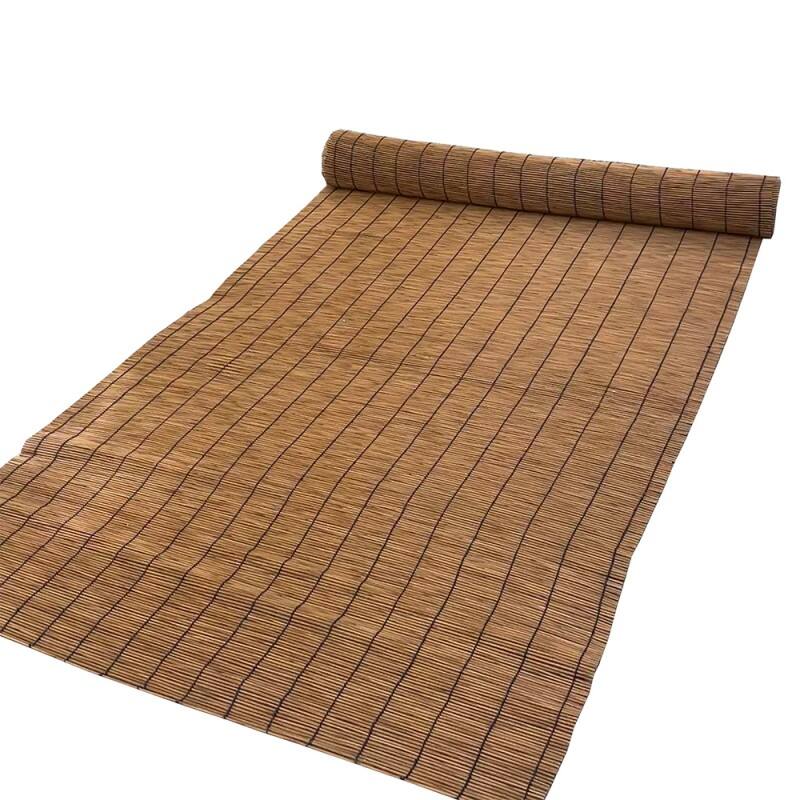
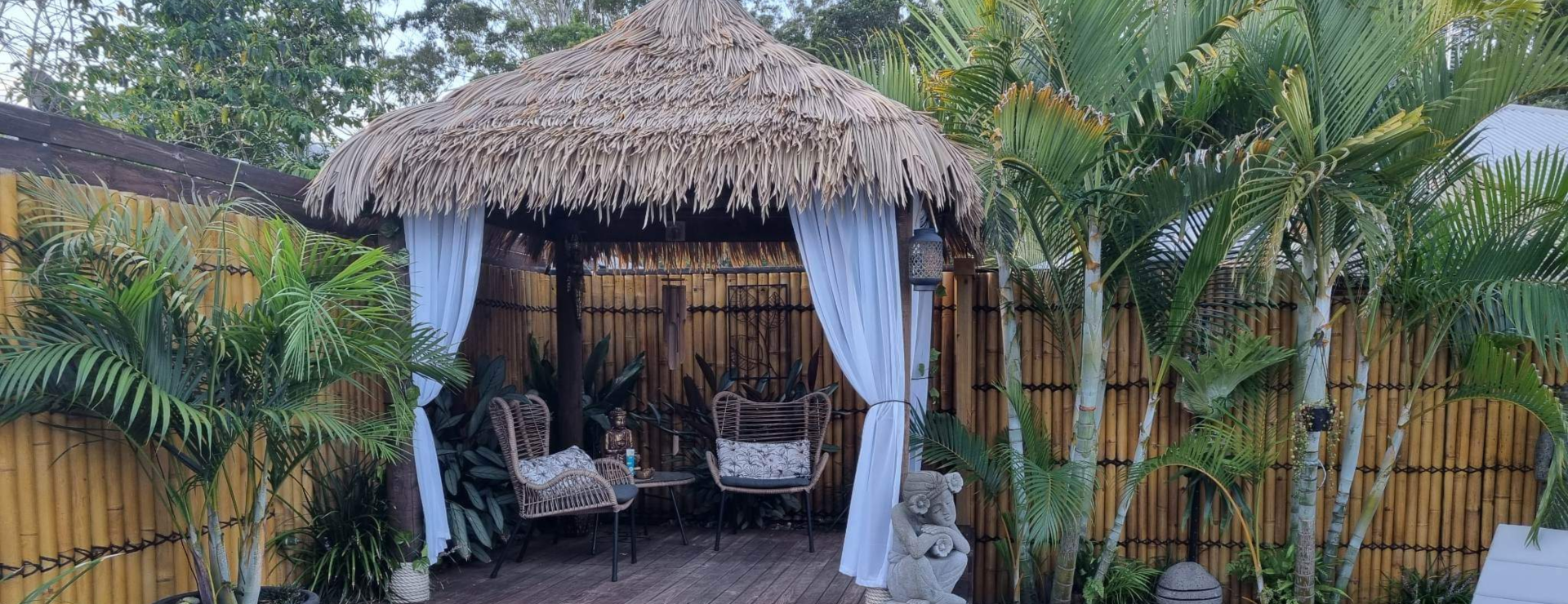
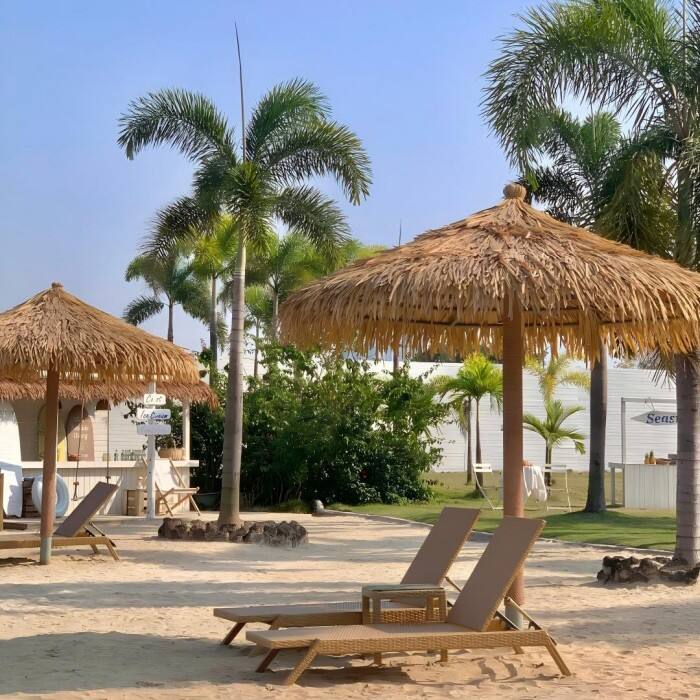
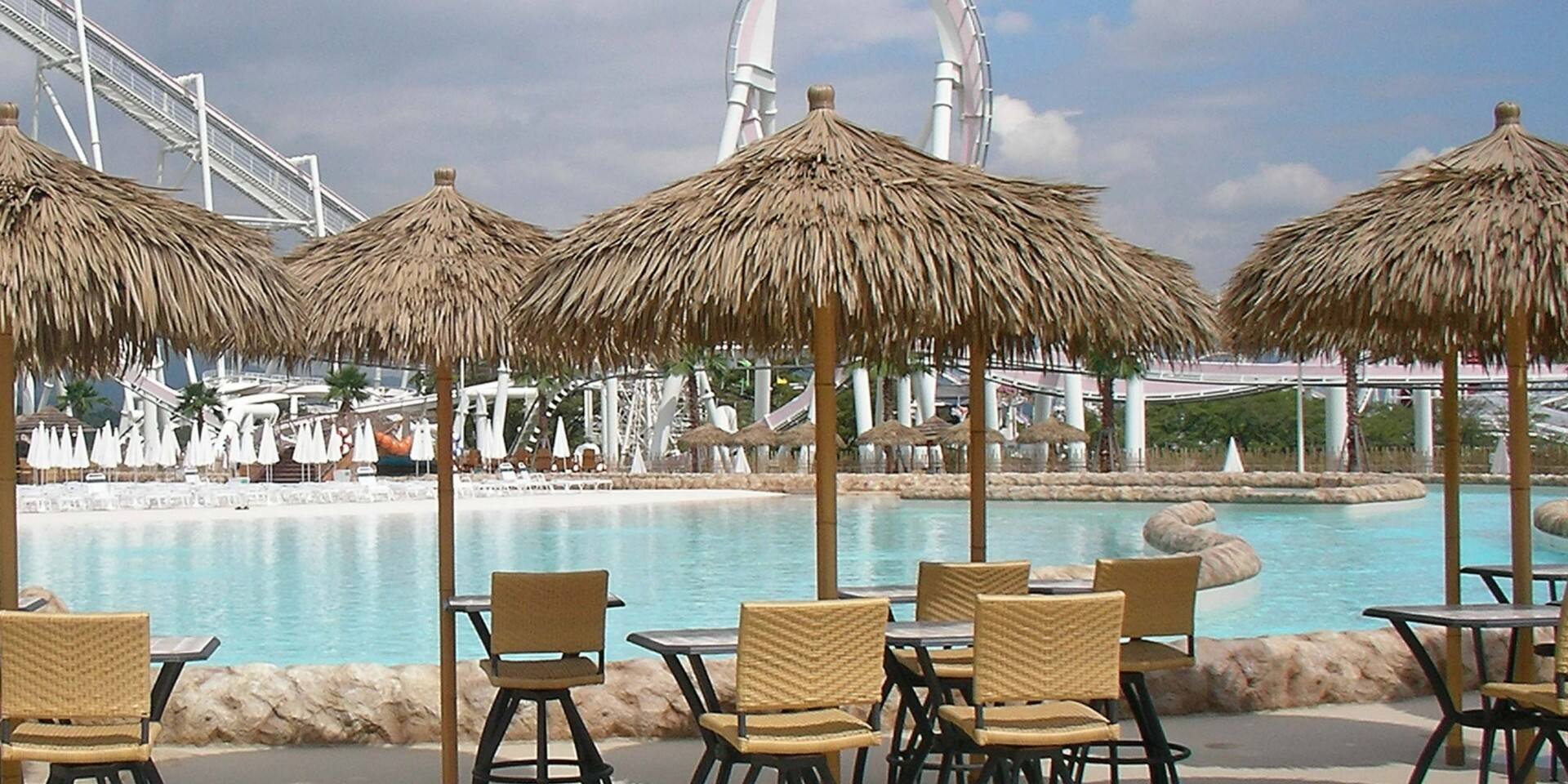
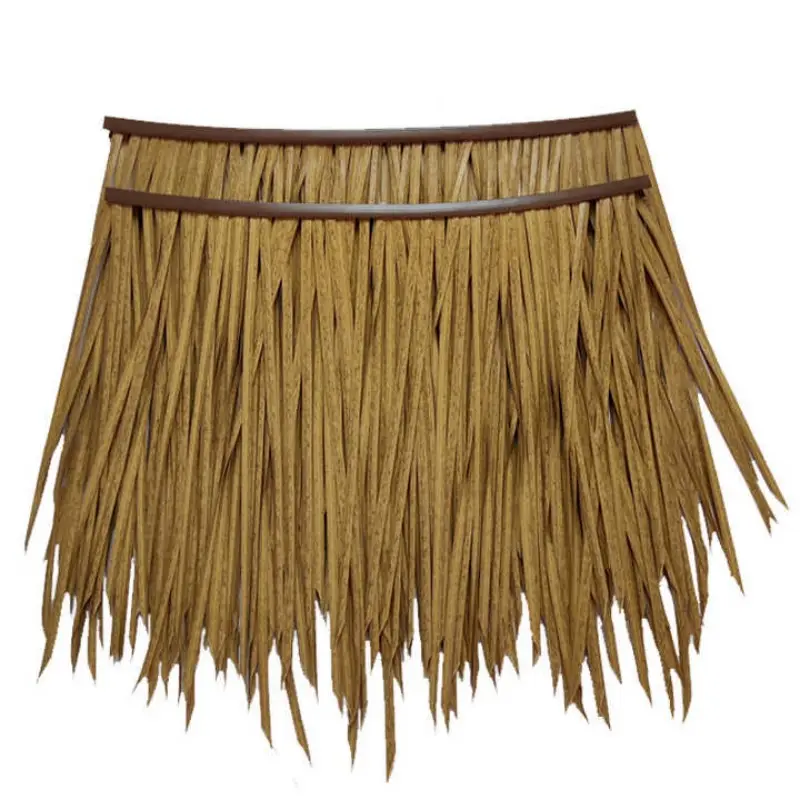
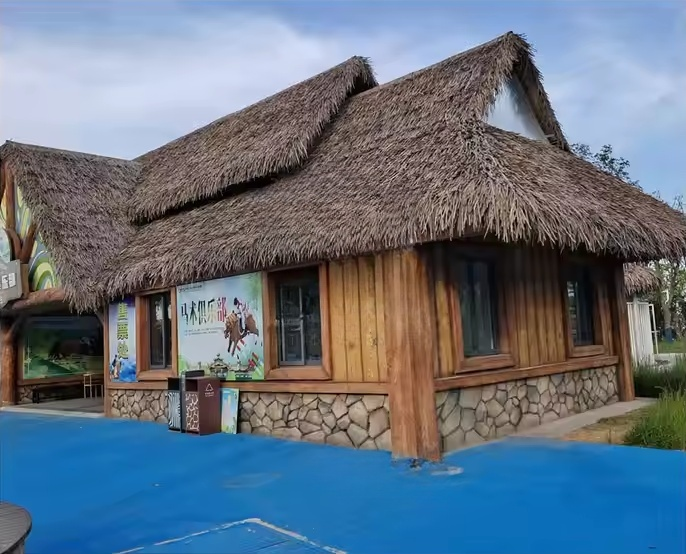
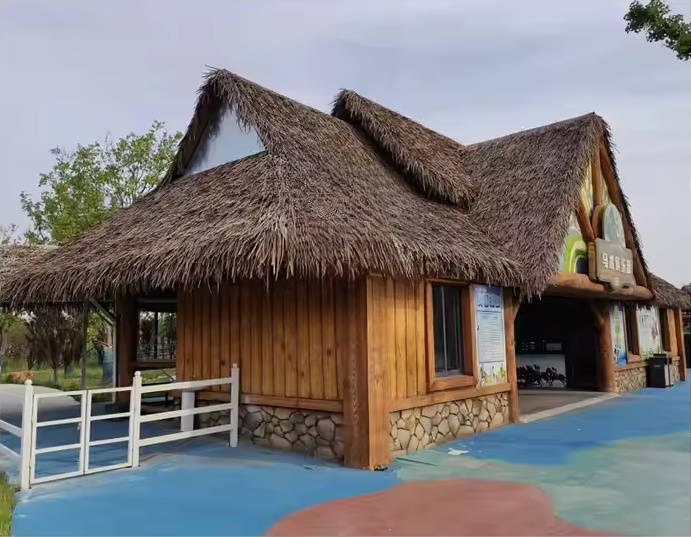
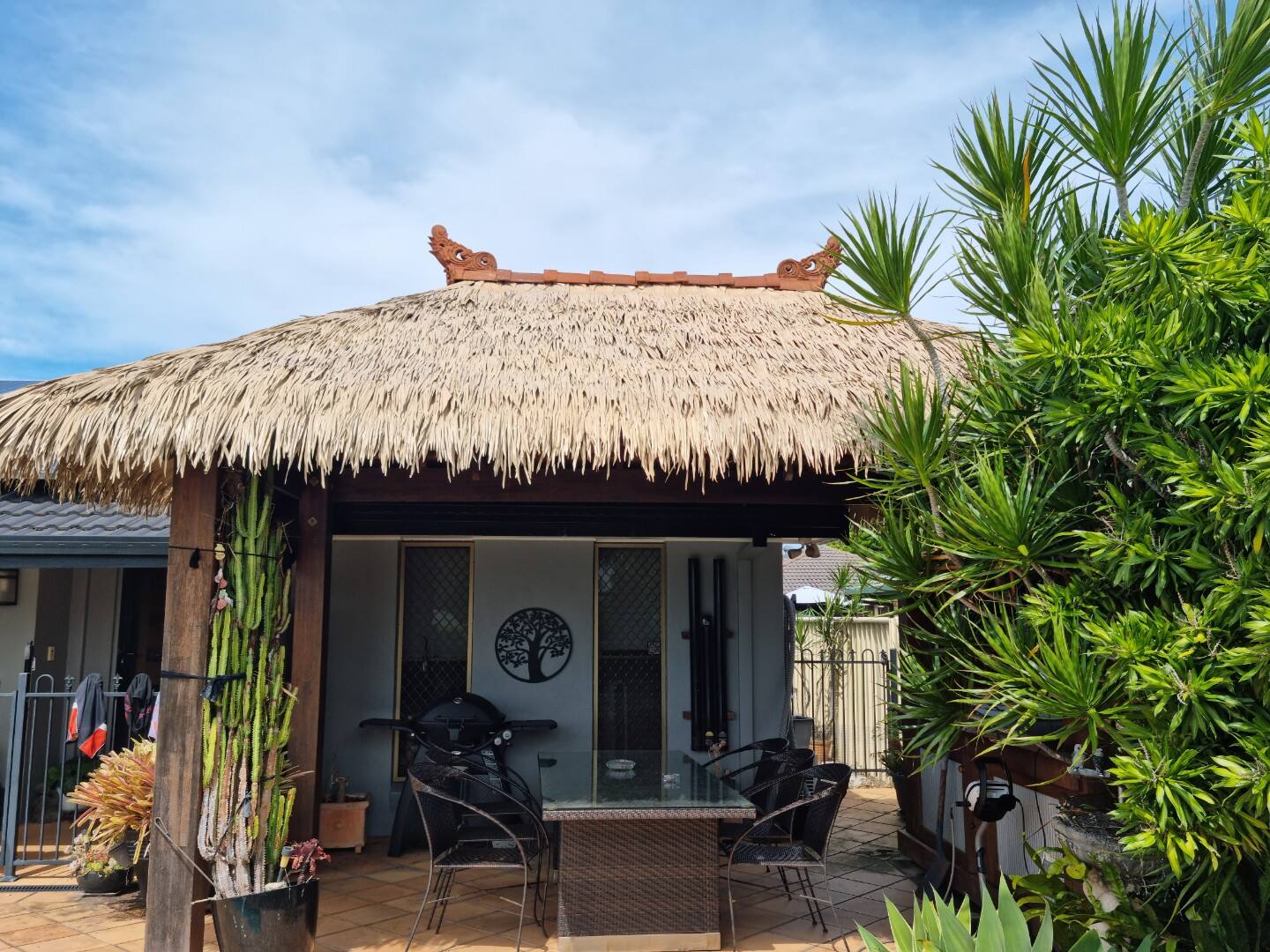
The open thatched roof hut represents a remarkable fusion of traditional craftsmanship and sustainable architecture that has evolved over centuries to meet diverse shelter needs. This distinctive structure features an exposed thatch roofing system that creates an inviting indoor-outdoor living experience while maintaining essential weather protection. The open thatched roof hut utilizes natural materials including straw, reed, palm fronds, or grass bundles, expertly woven and layered to form a durable covering that breathes with the environment. The technological features of this architectural marvel include advanced drainage systems that channel rainwater efficiently away from living spaces, while the open design promotes superior air circulation. The thatch material itself provides excellent insulation properties, keeping interiors cool during hot weather and retaining warmth in cooler conditions. Modern open thatched roof hut designs incorporate steel or wooden framework support systems that ensure structural integrity while maintaining the authentic aesthetic appeal. These structures find applications across various sectors including eco-tourism resorts, glamping sites, cultural centers, meditation retreats, outdoor dining venues, and sustainable housing projects. The open thatched roof hut serves as an ideal solution for locations requiring temporary or semi-permanent shelter while minimizing environmental impact. Construction techniques have been refined to include fire-retardant treatments and pest-resistant preparations that extend the lifespan significantly. The modular nature of many open thatched roof hut designs allows for easy assembly and disassembly, making them perfect for seasonal businesses or nomadic lifestyle enthusiasts. Advanced engineering has introduced innovative anchoring systems that secure these structures against strong winds while preserving their traditional appearance. The versatility of the open thatched roof hut extends to customization options that accommodate specific climate conditions, cultural preferences, and functional requirements across different geographic regions worldwide.
 EN
EN