Thatched Roof Shed: Premium Natural Storage Solutions with Superior Insulation

Get a Free Quote

Our representative will contact you soon.
Email
Name
Company Name
Message
0/1000

thatched roof shed

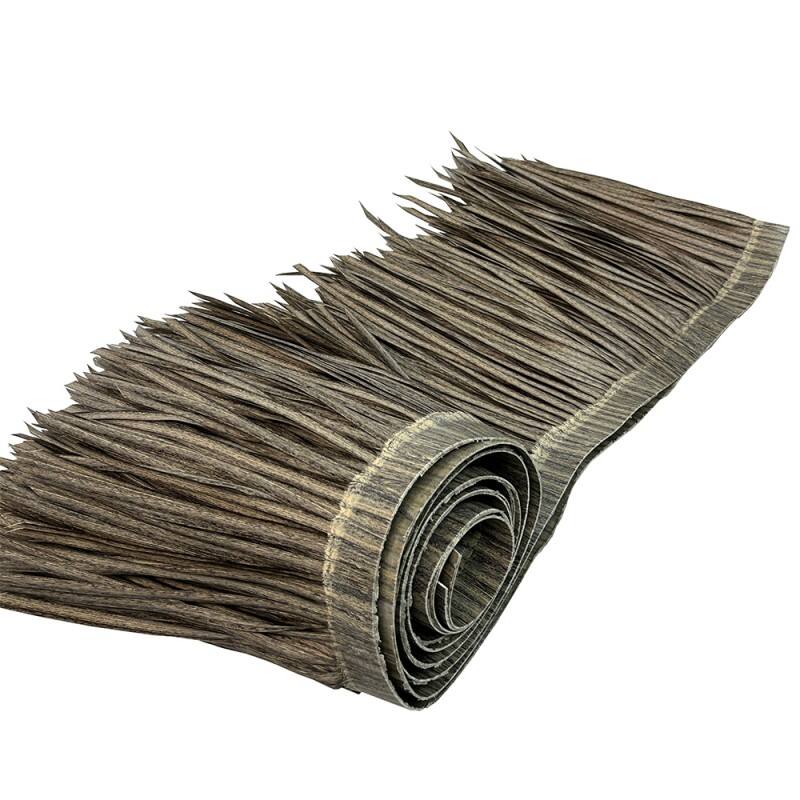
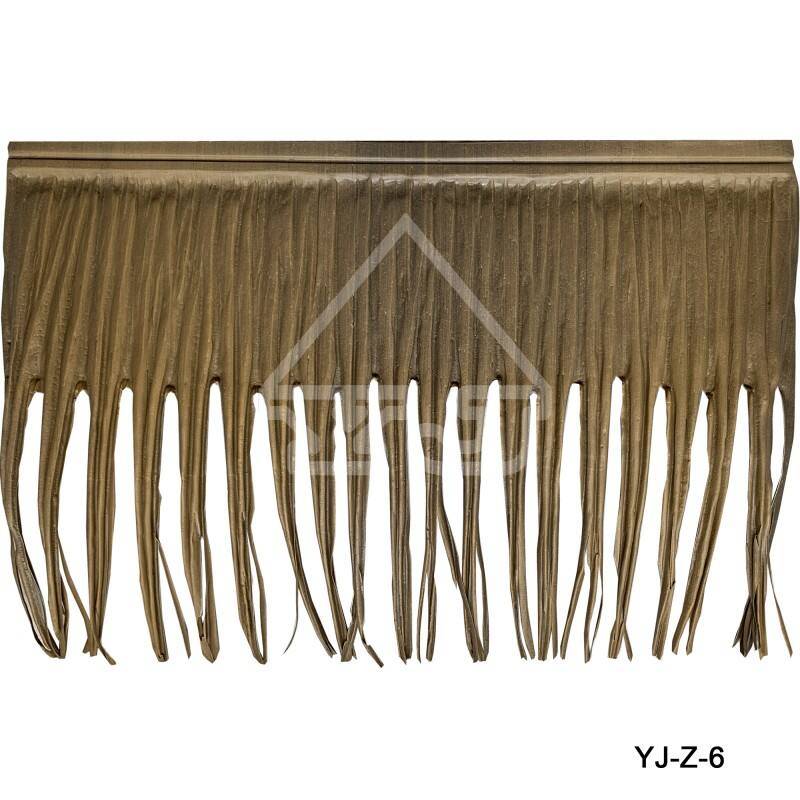
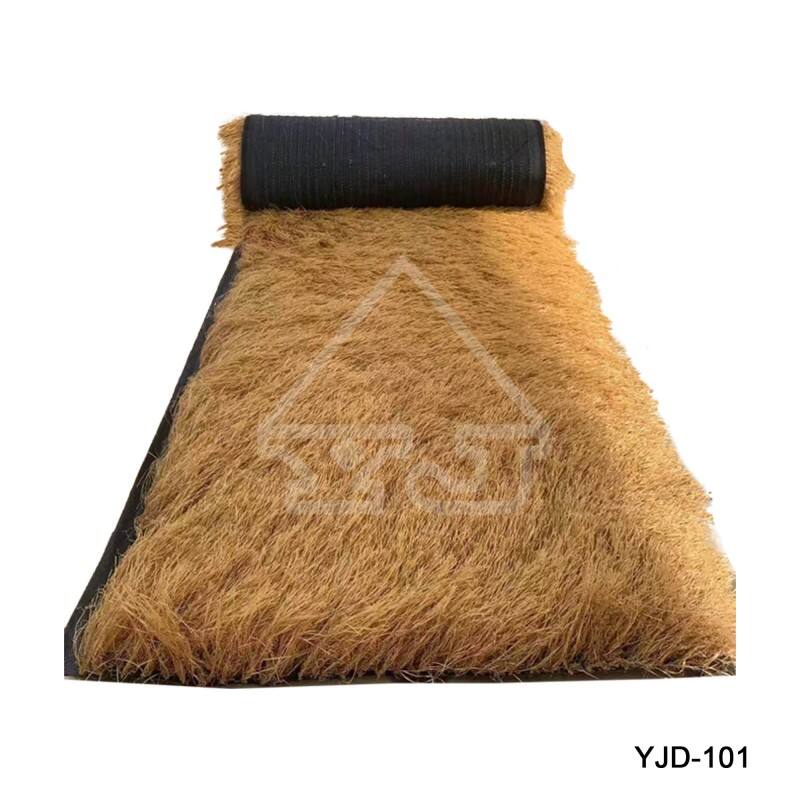
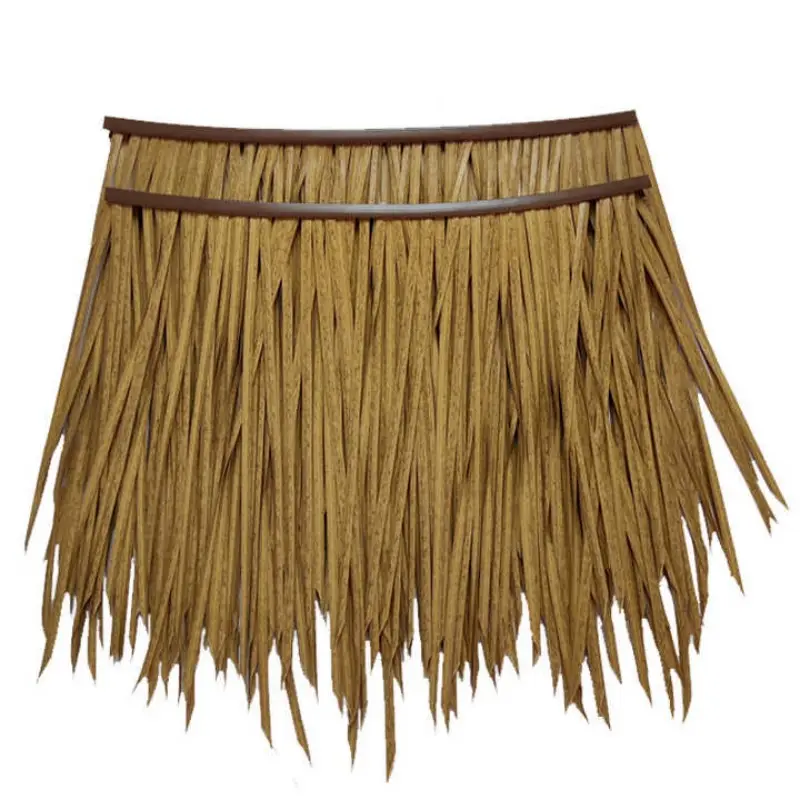
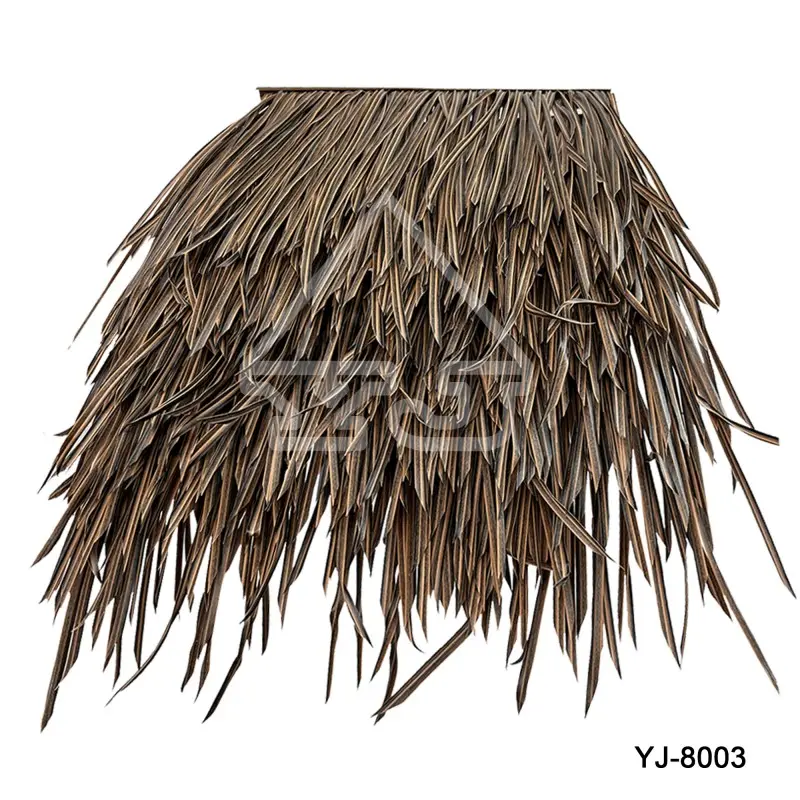
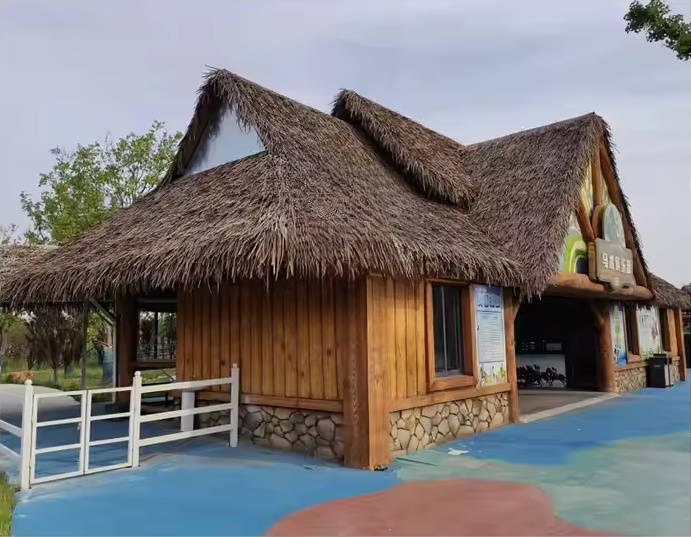
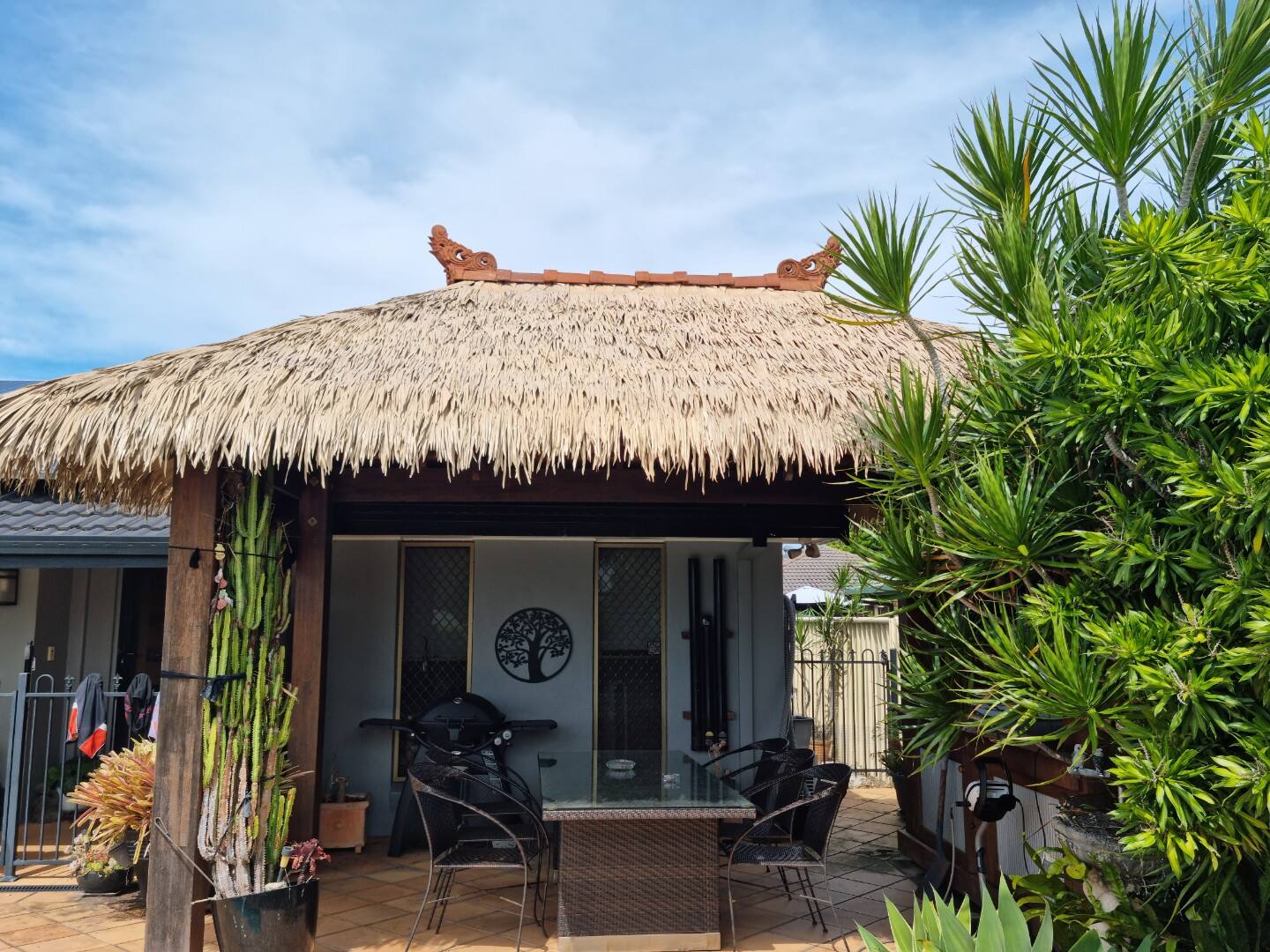
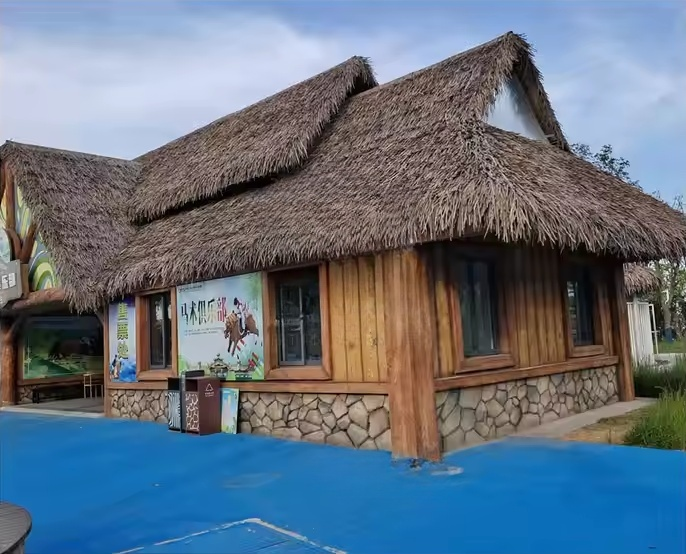
A thatched roof shed represents a perfect blend of traditional craftsmanship and modern functionality, offering property owners an elegant storage solution that seamlessly integrates with natural landscapes. This distinctive structure features a roof constructed from organic materials such as straw, reed, or water reed, carefully layered and secured to create a durable, weather-resistant covering. The thatched roof shed serves multiple purposes, from storing garden equipment and tools to housing lawn maintenance supplies, outdoor furniture, and seasonal decorations. The main functions of a thatched roof shed extend beyond simple storage, as these structures often serve as workshop spaces, hobby rooms, or even peaceful retreats within garden settings. The technological features of modern thatched roof shed construction incorporate time-tested techniques with contemporary improvements, including proper ventilation systems, moisture barriers, and reinforced framing that ensures structural integrity for decades. The natural insulation properties of thatch material help maintain consistent internal temperatures, protecting stored items from extreme weather conditions. Applications for thatched roof shed structures vary widely, from residential properties seeking authentic period charm to commercial establishments requiring atmospheric storage buildings. The versatility of thatched roof shed design allows for customization in size, shape, and finishing details to match existing architecture or landscape themes. These structures prove particularly valuable in rural settings, heritage properties, and locations where planning regulations favor traditional building materials and techniques. The environmental benefits of choosing a thatched roof shed include using renewable, biodegradable materials that support sustainable building practices while reducing carbon footprint compared to synthetic alternatives.

New Products

The advantages of choosing a thatched roof shed for your property extend far beyond aesthetic appeal, delivering practical benefits that make this investment worthwhile for discerning property owners. The exceptional insulation properties of thatch material create natural temperature regulation inside your thatched roof shed, keeping contents cooler during summer months and preventing freezing damage in winter conditions. This thermal efficiency reduces the need for artificial climate control systems, resulting in lower energy costs and maintenance requirements compared to conventional storage buildings. The durability of a properly constructed thatched roof shed surprises many people, as quality thatch installations can last thirty to fifty years with minimal maintenance, making them cost-effective long-term storage solutions. The natural water resistance of thatched roof shed construction comes from the steep pitch angle and layered installation technique, which allows rainwater to run off quickly without penetrating the interior space. This superior weather protection keeps stored items dry and prevents moisture-related damage that commonly affects metal or wooden storage structures. The acoustic benefits of thatched roof shed construction include excellent sound dampening properties, creating quieter interior environments ideal for workshops, studios, or peaceful storage areas. The aesthetic advantages of a thatched roof shed cannot be overstated, as these structures add significant visual appeal and character to any property while potentially increasing overall real estate value. The eco-friendly nature of thatched roof shed materials appeals to environmentally conscious consumers who prioritize sustainable building practices and renewable resource usage. The customization possibilities with thatched roof shed design allow property owners to create unique structures that perfectly complement existing architecture and landscape features. The low environmental impact of thatched roof shed construction involves using locally sourced, natural materials that require minimal processing and transportation, supporting regional economies and reducing carbon emissions associated with building projects.

Practical Tips

Trends in Using Rattan Weave Materials for Furniture and Roof Decoration

06

Nov

Trends in Using Rattan Weave Materials for Furniture and Roof Decoration

The design world is experiencing a remarkable renaissance in natural materials, with rattan weave materials emerging as a dominant force in contemporary furniture and architectural applications. This revival represents more than just aesthetic prefer...
View More
What Are the Trends in Cottage Thatched Construction for 2025

25

Dec

What Are the Trends in Cottage Thatched Construction for 2025

The cottage thatched construction industry is experiencing a remarkable transformation as we approach 2025, with innovative materials and sustainable practices reshaping traditional building methods. Modern homeowners and resort developers are increa...
View More
Durability and Maintenance Methods of Rattan Weave

17

Dec

Durability and Maintenance Methods of Rattan Weave

Rattan weave has emerged as one of the most sought-after materials in contemporary architecture and interior design, offering a perfect blend of natural aesthetics and functional durability. This versatile material combines traditional craftsmanship ...
View More
Performance Differences Between Synthetic Thatch and Natural Thatch

11

Dec

Performance Differences Between Synthetic Thatch and Natural Thatch

Traditional thatched roofing has evolved significantly over the centuries, transitioning from purely natural materials to innovative synthetic alternatives that offer enhanced durability and performance. Modern construction projects increasingly face...
View More

Get a Free Quote

Our representative will contact you soon.
Email
Name
Company Name
Message
0/1000

thatched roof shed

Superior Natural Insulation and Climate Control

Superior Natural Insulation and Climate Control

The exceptional insulation properties of a thatched roof shed create an ideal microclimate for storing sensitive items, tools, and equipment throughout all seasons. The unique structure of thatch material, whether composed of wheat straw, water reed, or long straw, forms countless air pockets that provide outstanding thermal resistance, keeping the interior of your thatched roof shed significantly cooler in summer and warmer in winter compared to metal or plastic alternatives. This natural climate control system proves invaluable for protecting wooden tools from cracking due to temperature fluctuations, preventing metal equipment from excessive condensation, and maintaining stable conditions for stored materials. The breathable nature of thatched roof shed construction allows for proper air circulation while maintaining thermal efficiency, preventing the stuffy, humid conditions that often plague sealed storage units. Property owners appreciate how this natural temperature regulation in their thatched roof shed reduces the need for expensive ventilation systems or climate control equipment, resulting in lower maintenance costs and energy consumption. The insulation effectiveness of a thatched roof shed remains consistent throughout its lifespan, unlike synthetic materials that may degrade or lose efficiency over time. This thermal performance makes thatched roof shed structures particularly suitable for storing temperature-sensitive items such as wine collections, artwork, musical instruments, or delicate garden supplies that require stable environmental conditions. The superior insulation of thatched roof shed construction also contributes to noise reduction, creating quieter storage environments that won't disturb neighbors or household activities, making these structures ideal for properties in close proximity to residential areas.
Exceptional Durability and Weather Resistance

Exceptional Durability and Weather Resistance

A professionally constructed thatched roof shed delivers remarkable longevity and weather protection that often exceeds the performance of modern synthetic roofing materials when properly maintained and installed according to traditional techniques. The steep pitch angle characteristic of thatched roof shed design, typically ranging from 45 to 55 degrees, ensures rapid water runoff that prevents moisture penetration and eliminates standing water issues that commonly affect flat or low-pitched roofing systems. The layered installation method used in thatched roof shed construction creates multiple barriers against wind-driven rain, with each layer of thatch material overlapping to form an impenetrable shield against harsh weather conditions. The natural flexibility of thatch materials allows a thatched roof shed to withstand high winds and storm conditions without the brittleness problems associated with rigid roofing materials that may crack or break under stress. The organic composition of thatched roof shed materials actually improves with age during the initial years, as natural settling and compression enhance weather resistance and structural integrity. Quality thatched roof shed construction can withstand decades of exposure to UV radiation, temperature extremes, and moisture cycles without significant deterioration, making replacement costs predictable and manageable over extended periods. The fire resistance of modern thatched roof shed installation has improved significantly through the use of fire-retardant treatments and proper ridge construction techniques that meet contemporary safety standards while maintaining traditional appearance. The proven track record of thatched roof shed durability spans centuries of European construction, with many historical examples still providing reliable weather protection after hundreds of years of service, demonstrating the long-term viability of this construction method for modern applications.
Sustainable Construction and Environmental Benefits

Sustainable Construction and Environmental Benefits

The environmental advantages of choosing a thatched roof shed align perfectly with contemporary sustainability goals while supporting traditional craftsmanship and local economies through the use of renewable, biodegradable building materials. The primary materials used in thatched roof shed construction, including wheat straw, water reed, and other organic thatching materials, represent completely renewable resources that can be harvested annually without depleting natural ecosystems or requiring intensive industrial processing. The carbon footprint of a thatched roof shed remains significantly lower than conventional storage buildings throughout the entire lifecycle, from material harvesting and transportation to construction and eventual decomposition at the end of useful life. The local sourcing opportunities for thatched roof shed materials support regional agriculture and traditional craft industries, reducing transportation emissions while preserving valuable skills and knowledge for future generations. The biodegradable nature of thatched roof shed materials means that when replacement becomes necessary, old thatch can be composted or used as garden mulch, creating zero waste and returning nutrients to the soil ecosystem. The manufacturing process for thatched roof shed materials requires minimal energy input compared to synthetic alternatives, avoiding the environmental costs associated with petroleum-based products, metal processing, or chemical treatments. The natural pest resistance of properly prepared thatching materials eliminates the need for chemical preservatives or toxic treatments that might leach into surrounding soil or groundwater systems around your thatched roof shed. The wildlife benefits of thatched roof shed construction include providing nesting opportunities for beneficial birds and insects while maintaining harmony with natural ecosystem cycles through the use of organic building materials that support rather than disrupt local environmental balance.

Get a Free Quote

Our representative will contact you soon.
Email
Name
Company Name
Message
0/1000