Palm Leaf Thatched Roof: Sustainable, Insulating, and Cost-Effective Natural Roofing Solutions

Get a Free Quote

Our representative will contact you soon.
Email
Name
Company Name
Message
0/1000

palm leaf thatched roof

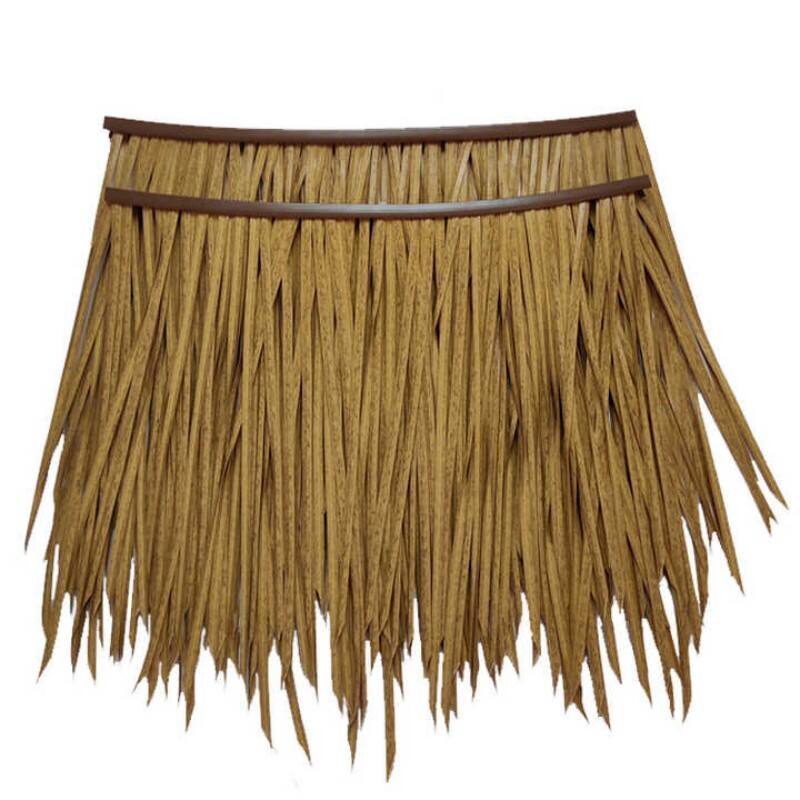
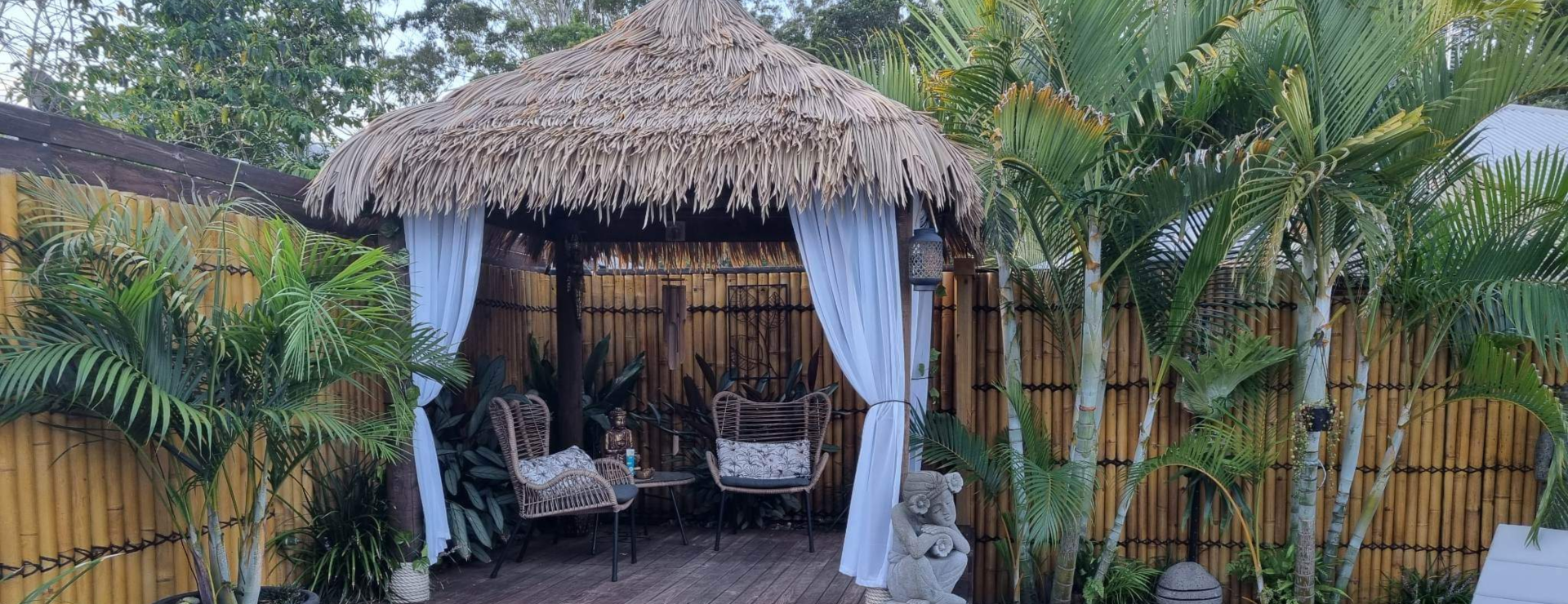
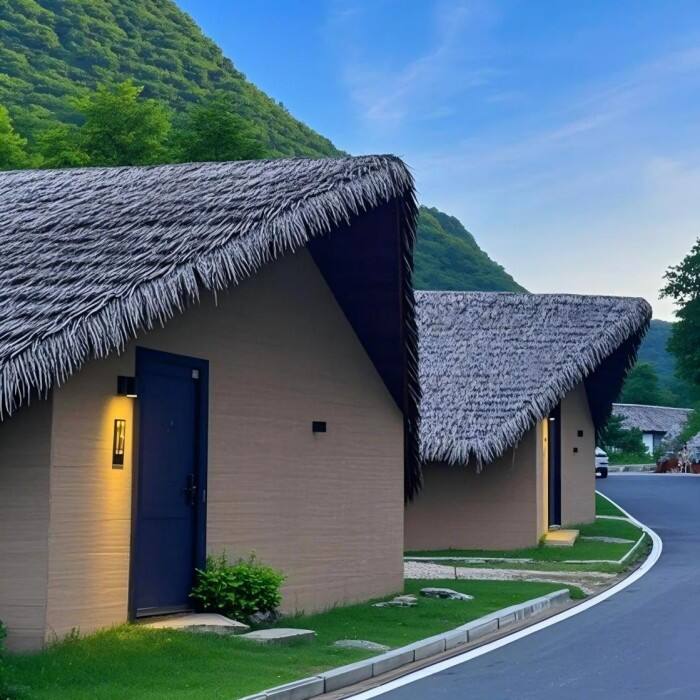
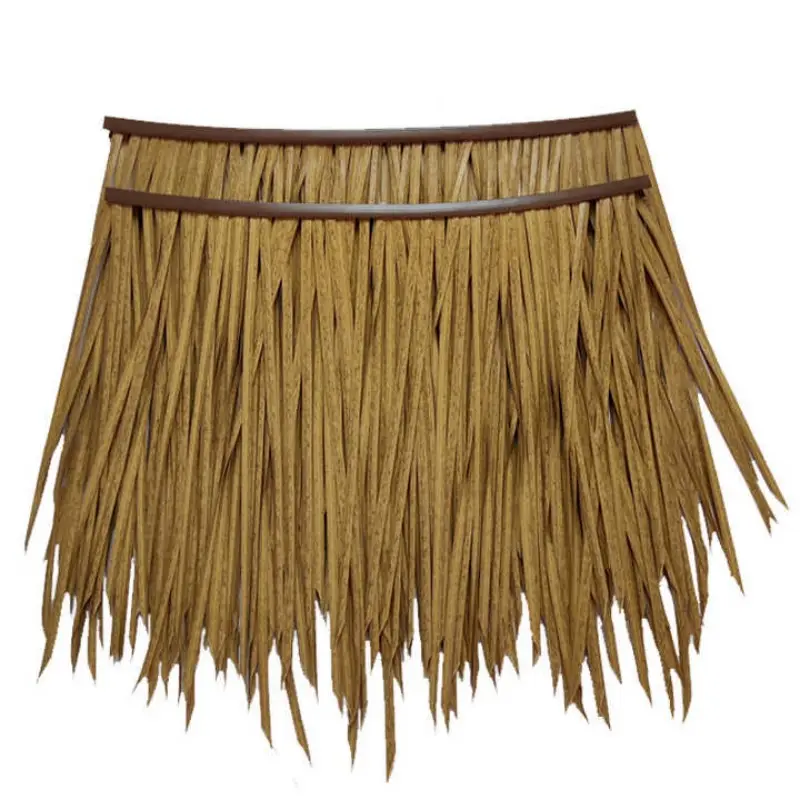
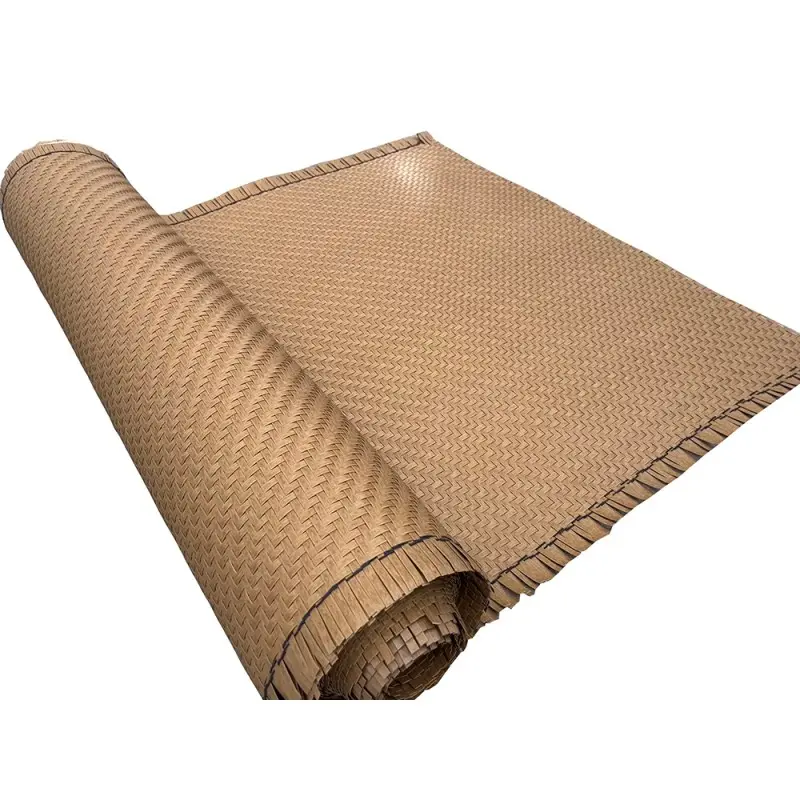
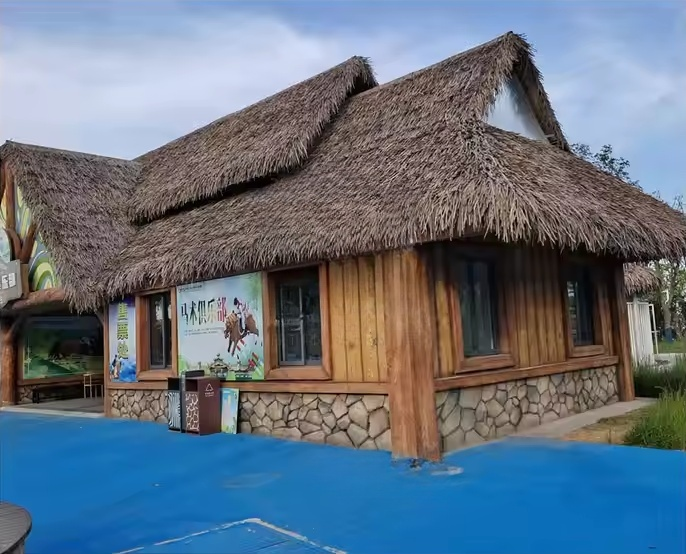
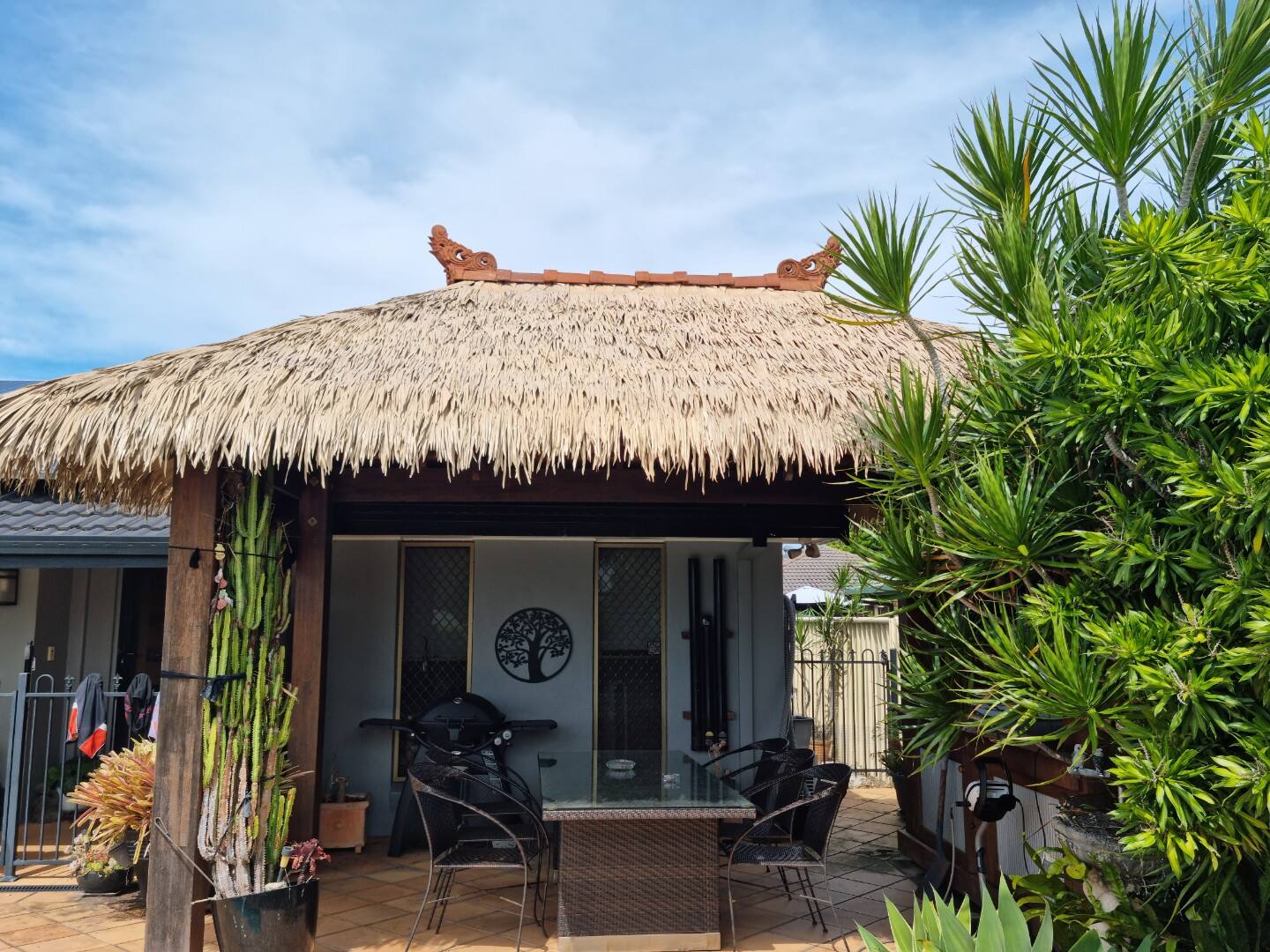
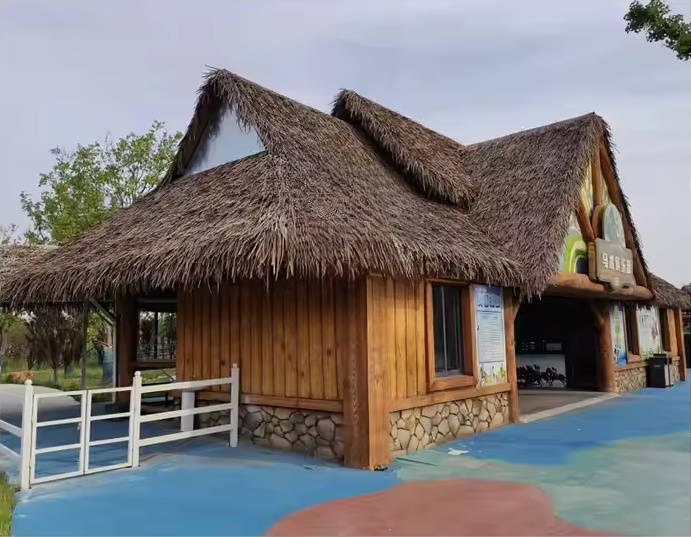
The palm leaf thatched roof represents a traditional roofing solution that combines natural materials with time-tested construction techniques to create sustainable and effective shelter systems. This roofing method utilizes carefully selected and processed palm leaves, typically from coconut palms, date palms, or other suitable palm species, which are woven and layered to form a waterproof barrier above residential and commercial structures. The palm leaf thatched roof serves multiple essential functions including weather protection, thermal insulation, and aesthetic enhancement of buildings in tropical and subtropical regions. The technological features of palm leaf thatched roof construction involve sophisticated weaving patterns that ensure proper water drainage while maintaining structural integrity. Skilled craftsmen arrange individual palm fronds in overlapping layers, creating a shingled effect that directs rainwater away from the interior spaces. The natural oils present in palm leaves provide inherent water resistance, while the fibrous structure allows for controlled ventilation that prevents moisture buildup beneath the roofing surface. Installation techniques for palm leaf thatched roof systems require expertise in traditional binding methods using natural cordage or modern synthetic materials that complement the organic nature of the palm leaves. Applications for palm leaf thatched roof installations span diverse architectural projects, from residential homes in coastal communities to resort accommodations, restaurants, and cultural centers seeking authentic tropical aesthetics. The palm leaf thatched roof excels in beachfront properties, eco-lodges, and sustainable building projects where environmental consciousness and visual appeal converge. Modern applications have expanded to include gazebos, outdoor pavilions, and decorative structures that benefit from the unique characteristics of palm leaf roofing materials.

New Product Recommendations

Palm leaf thatched roof systems deliver exceptional thermal performance that significantly reduces indoor temperatures during hot weather conditions, creating comfortable living environments without relying heavily on mechanical cooling systems. The natural insulation properties of layered palm leaves create air pockets that effectively block heat transfer while allowing moisture to evaporate naturally, resulting in energy savings and improved indoor comfort levels. Property owners who choose palm leaf thatched roof installations experience lower electricity bills due to reduced air conditioning requirements, particularly in tropical climates where cooling costs represent substantial portions of household budgets. The sustainable nature of palm leaf thatched roof materials appeals to environmentally conscious consumers who prioritize renewable resources and minimal environmental impact in their construction choices. Palm leaves are harvested without harming the parent trees, ensuring continuous availability of roofing materials while supporting local ecosystems and agricultural communities. The biodegradable characteristics of palm leaf thatched roof components mean that end-of-life disposal creates no harmful waste streams, unlike synthetic roofing materials that contribute to landfill accumulation. Installation costs for palm leaf thatched roof systems typically remain lower than conventional roofing materials, especially in regions where palm trees grow abundantly and skilled thatchers are readily available. The lightweight nature of palm leaf thatched roof assemblies reduces structural load requirements, potentially allowing for less expensive foundation and framing systems. Maintenance requirements for properly installed palm leaf thatched roof systems remain manageable, with periodic inspections and minor repairs extending service life significantly. The aesthetic appeal of palm leaf thatched roof installations creates distinctive architectural character that enhances property values and attracts visitors to commercial establishments. Sound dampening qualities of palm leaf thatched roof materials provide quiet interior environments by absorbing external noise from rain, wind, and surrounding activities. The flexibility of palm leaf thatched roof construction allows for creative architectural designs that incorporate curves and irregular shapes difficult to achieve with rigid roofing materials.

Practical Tips

How to Enhance Commercial Building Durability with Synthetic Palm Leaf Thatch

27

Nov

How to Enhance Commercial Building Durability with Synthetic Palm Leaf Thatch

Commercial buildings in tropical and subtropical regions face unique challenges when it comes to maintaining aesthetic appeal while ensuring long-term durability. Traditional roofing and decorative materials often fall short when exposed to intense U...
View More
How Material Choices Affect the Durability and Appearance of Synthetic Thatch

18

Nov

How Material Choices Affect the Durability and Appearance of Synthetic Thatch

The selection of materials in synthetic thatch manufacturing plays a crucial role in determining both the longevity and aesthetic appeal of these roofing solutions. Modern synthetic thatch products have revolutionized the construction industry by off...
View More
What Are the Trends in Cottage Thatched Construction for 2025

25

Dec

What Are the Trends in Cottage Thatched Construction for 2025

The cottage thatched construction industry is experiencing a remarkable transformation as we approach 2025, with innovative materials and sustainable practices reshaping traditional building methods. Modern homeowners and resort developers are increa...
View More
Durability and Maintenance Methods of Rattan Weave

17

Dec

Durability and Maintenance Methods of Rattan Weave

Rattan weave has emerged as one of the most sought-after materials in contemporary architecture and interior design, offering a perfect blend of natural aesthetics and functional durability. This versatile material combines traditional craftsmanship ...
View More

Get a Free Quote

Our representative will contact you soon.
Email
Name
Company Name
Message
0/1000

palm leaf thatched roof

Superior Natural Insulation and Climate Control

Superior Natural Insulation and Climate Control

The palm leaf thatched roof delivers outstanding thermal regulation through its unique multi-layered structure that harnesses natural ventilation principles while providing excellent insulation performance. Each palm leaf contains microscopic air chambers that create insulating barriers when properly layered during installation, resulting in interior temperatures that remain consistently cooler than those achieved with conventional roofing materials. The overlapping arrangement of palm fronds in a palm leaf thatched roof system creates multiple thermal breaks that prevent heat conduction from reaching interior spaces, while simultaneously allowing controlled air circulation that prevents humidity buildup. This natural climate control mechanism eliminates the stuffy conditions often experienced with sealed roofing systems, instead promoting healthy air exchange that maintains comfortable humidity levels throughout the day. The thermal mass properties of palm leaf thatched roof installations provide temperature stabilization that moderates extreme heat fluctuations, creating more consistent indoor environments that require less mechanical climate control intervention. Scientific studies have demonstrated that buildings with palm leaf thatched roof systems maintain interior temperatures up to fifteen degrees cooler than comparable structures with metal or asphalt roofing during peak summer conditions. The evapotranspiration process occurring within palm leaf thatched roof materials creates natural cooling effects similar to those produced by living vegetation, contributing additional temperature reduction benefits. Property owners investing in palm leaf thatched roof systems typically experience substantial reductions in cooling costs, with many reporting energy savings of thirty to fifty percent compared to conventional roofing alternatives. The breathable nature of palm leaf thatched roof construction prevents moisture accumulation that can lead to mold growth and structural deterioration, maintaining healthier indoor air quality while protecting building integrity.
Environmentally Sustainable and Renewable Resource Utilization

Environmentally Sustainable and Renewable Resource Utilization

Palm leaf thatched roof construction represents one of the most environmentally responsible roofing choices available, utilizing completely renewable materials harvested through sustainable practices that support rather than deplete natural ecosystems. The palm trees providing materials for palm leaf thatched roof installations continue producing harvestable fronds throughout their lifespans without requiring tree removal or causing environmental damage to source locations. This renewable harvesting cycle ensures continuous availability of palm leaf thatched roof materials while supporting biodiversity conservation and providing income opportunities for rural communities engaged in sustainable palm cultivation practices. The carbon footprint associated with palm leaf thatched roof production remains minimal compared to manufactured roofing materials, as the natural growth process of palm trees actively removes carbon dioxide from the atmosphere while producing the raw materials needed for construction. Transportation requirements for palm leaf thatched roof materials typically involve shorter distances than those required for industrial roofing products, further reducing environmental impact while supporting local economies and traditional craftsmanship skills. The biodegradable nature of palm leaf thatched roof components ensures that end-of-life disposal creates beneficial compost material rather than contributing to waste accumulation in landfills or requiring energy-intensive recycling processes. Manufacturing processes for conventional roofing materials often involve toxic chemicals and high energy consumption, while palm leaf thatched roof preparation requires only natural drying and simple processing techniques that produce no harmful byproducts or emissions. The installation of palm leaf thatched roof systems supports traditional building skills and cultural preservation while demonstrating commitment to environmental stewardship that appeals to eco-conscious consumers and sustainable tourism markets. Wildlife habitat benefits result from palm leaf thatched roof installations, as the natural materials provide nesting opportunities for beneficial insects and small animals that contribute to local ecosystem health and biodiversity maintenance.
Cost-Effective Installation and Long-Term Value

Cost-Effective Installation and Long-Term Value

Palm leaf thatched roof systems offer exceptional economic advantages through lower initial installation costs, reduced structural requirements, and significant long-term savings that make them attractive alternatives to expensive conventional roofing materials. The lightweight characteristics of palm leaf thatched roof assemblies reduce the structural load-bearing requirements for supporting frameworks, potentially eliminating the need for heavy-duty roof trusses and allowing builders to utilize more economical framing systems without compromising structural integrity. Installation labor costs for palm leaf thatched roof projects typically remain lower than those associated with complex manufactured roofing systems, particularly in regions where traditional thatching skills are preserved and readily available through local craftsmen. The modular nature of palm leaf thatched roof construction allows for phased installation approaches that spread costs over extended periods while enabling property owners to complete sections as budgets permit. Maintenance expenses for properly installed palm leaf thatched roof systems remain predictable and manageable, involving primarily periodic inspections and minor repairs using readily available materials rather than expensive replacement components required for synthetic roofing products. The natural water-shedding properties of palm leaf thatched roof installations eliminate the need for complex drainage systems and expensive waterproofing treatments that add substantial costs to conventional roofing projects. Energy savings achieved through the superior insulation properties of palm leaf thatched roof systems provide ongoing financial benefits that accumulate over the service life of the installation, often offsetting initial construction costs within several years. Property value enhancement resulting from the distinctive aesthetic appeal of palm leaf thatched roof installations creates long-term investment returns, particularly in markets where authentic tropical architecture commands premium prices. Insurance considerations may favor palm leaf thatched roof installations in certain markets due to their natural fire-resistant properties and reduced structural loads that minimize potential damage risks. The durability of properly maintained palm leaf thatched roof systems, often exceeding fifteen to twenty years with regular care, provides excellent return on investment compared to shorter-lived conventional roofing materials that require more frequent replacement cycles.

Get a Free Quote

Our representative will contact you soon.
Email
Name
Company Name
Message
0/1000