Premium Artificial Tiki Hut Thatch - Durable Synthetic Palm Roofing Solutions

Get a Free Quote

Our representative will contact you soon.
Email
Name
Company Name
Message
0/1000

artificial tiki hut thatch

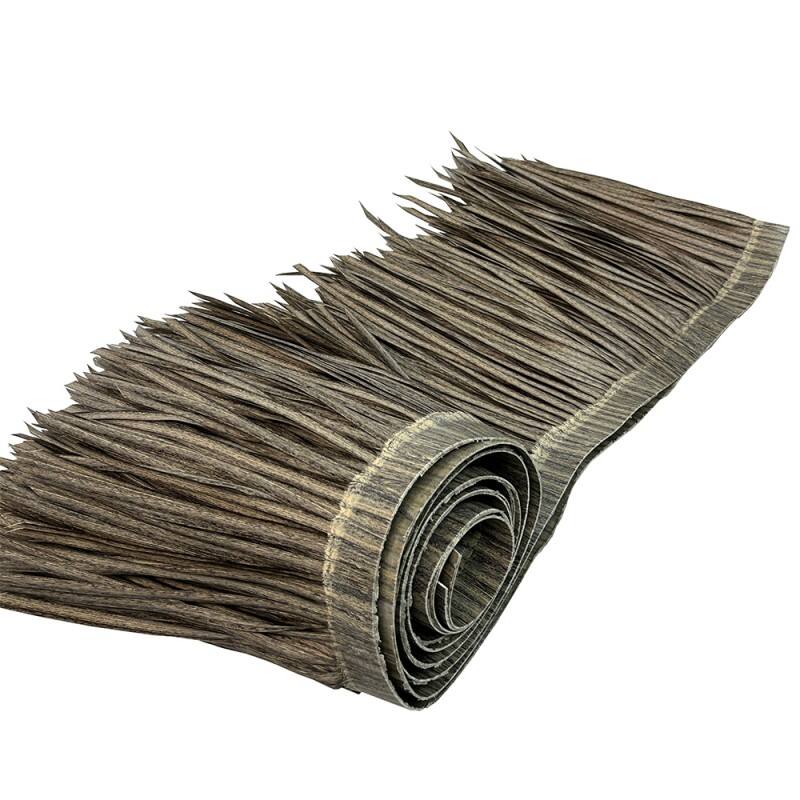
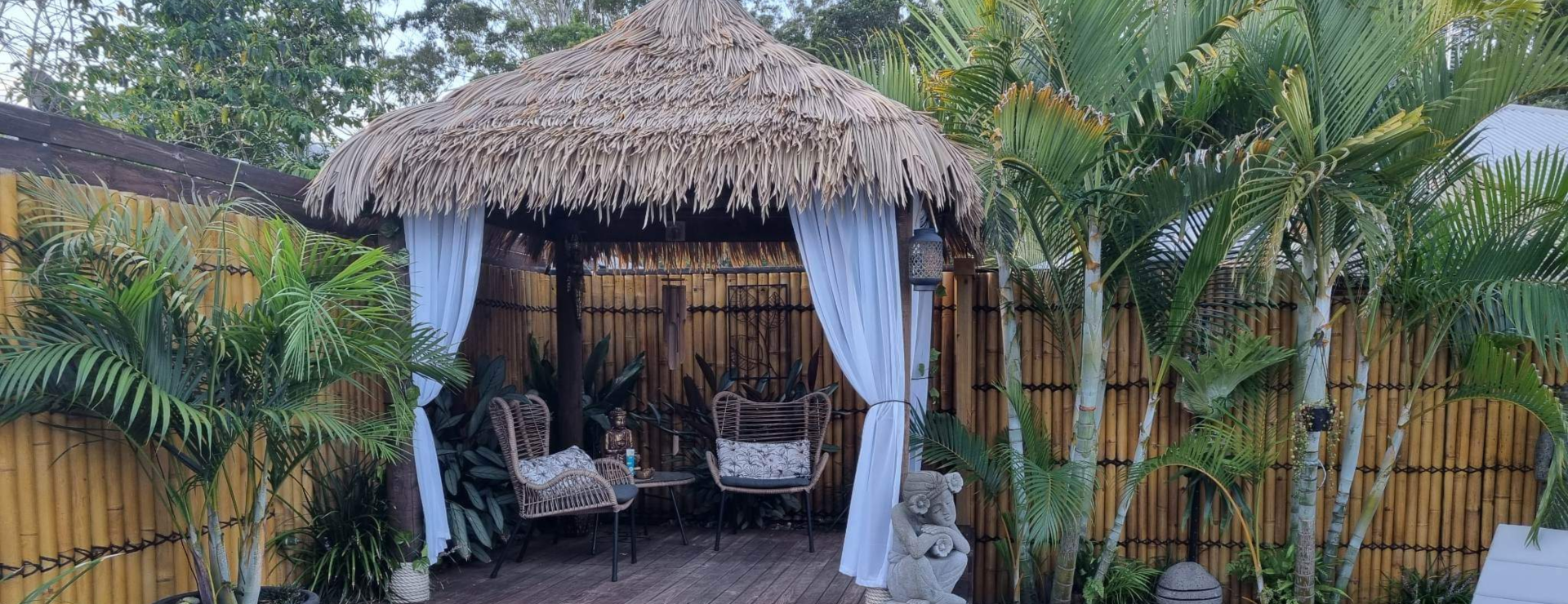
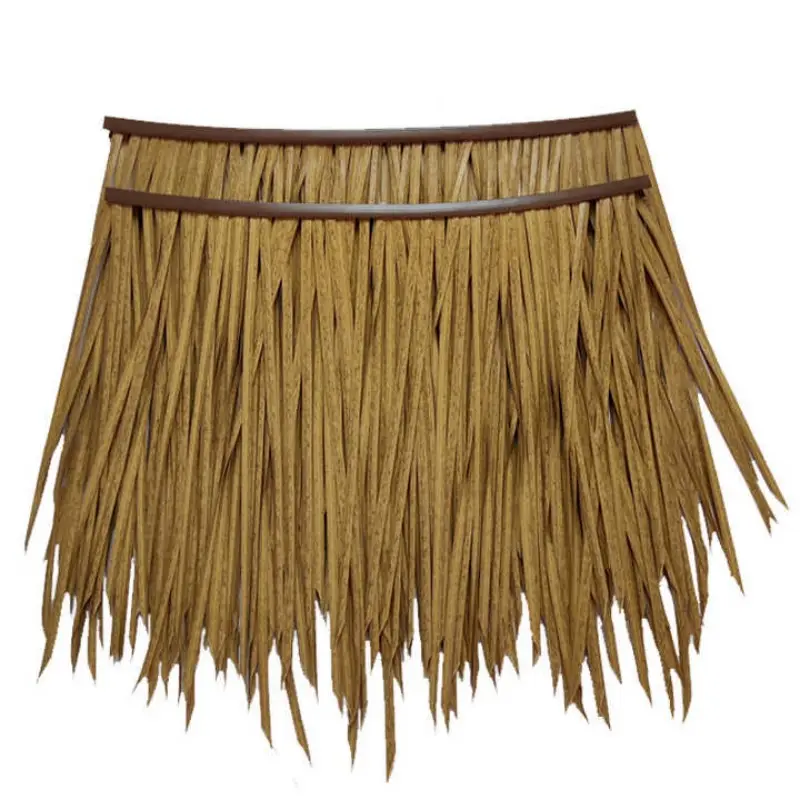
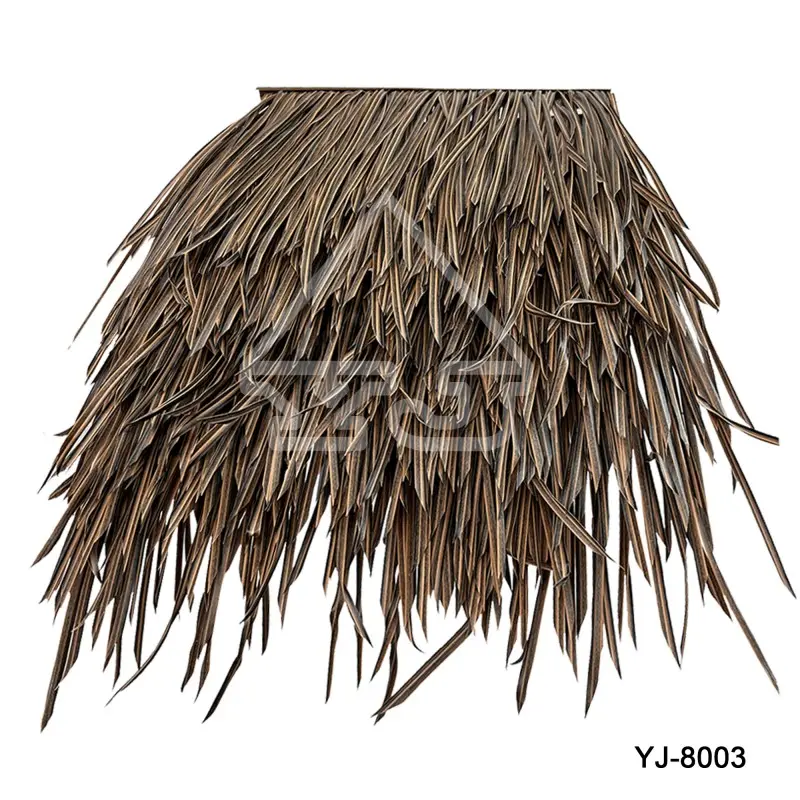
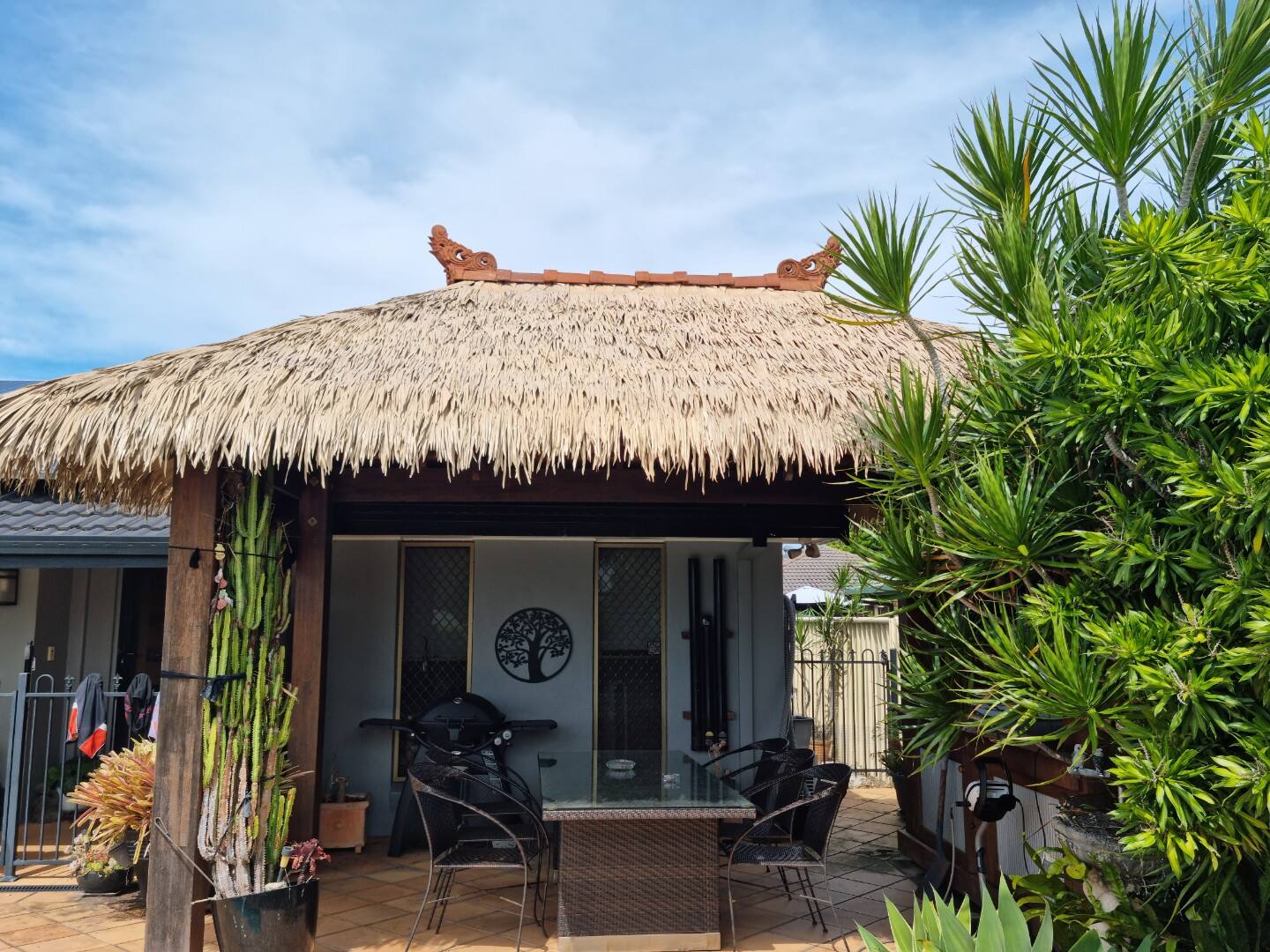
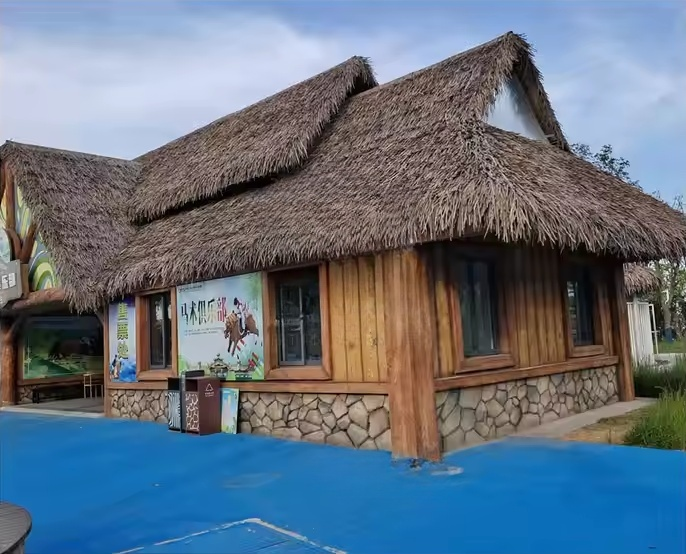
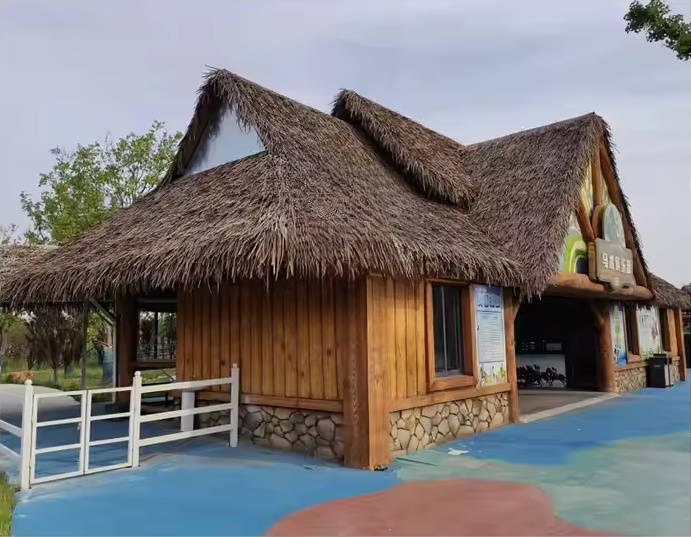
Artificial tiki hut thatch represents a revolutionary advancement in tropical-themed construction materials, offering property owners an authentic aesthetic without the maintenance challenges of natural palm fronds. This synthetic roofing solution combines cutting-edge polymer technology with traditional thatching appearance, creating durable structures that withstand harsh weather conditions while maintaining their tropical charm. The artificial tiki hut thatch system utilizes high-density polyethylene materials that resist UV degradation, moisture absorption, and insect damage. These technological innovations ensure long-term performance in coastal environments where salt air and intense sunlight typically deteriorate natural materials rapidly. The manufacturing process incorporates color-fast pigments that prevent fading, while the textured surface mimics genuine palm frond patterns with remarkable accuracy. Installation of artificial tiki hut thatch requires specialized techniques that ensure proper water drainage and wind resistance. The modular design allows for efficient replacement of individual sections without dismantling entire roof structures. Fire-resistant properties meet building codes in many jurisdictions, making this material suitable for commercial establishments including restaurants, hotels, and entertainment venues. The artificial tiki hut thatch system integrates seamlessly with various architectural styles beyond traditional Polynesian designs, adapting to contemporary resort developments and residential projects. Weight considerations favor artificial materials over natural alternatives, reducing structural load requirements and expanding installation possibilities. Surface treatments provide slip-resistant characteristics for maintenance personnel, while the non-porous nature prevents mold and mildew formation. Quality control measures ensure consistent thickness, color matching, and dimensional stability across production batches. The artificial tiki hut thatch market continues expanding as property developers recognize the long-term cost benefits and aesthetic consistency these synthetic materials provide for tropical-themed construction projects.

New Product Releases

The primary advantage of artificial tiki hut thatch lies in its exceptional durability compared to natural alternatives. Property owners save thousands of dollars annually by eliminating frequent replacement costs associated with traditional palm fronds, which typically deteriorate within twelve to eighteen months in tropical climates. This synthetic material maintains structural integrity for decades, providing predictable maintenance schedules and budget planning capabilities. Weather resistance stands as another significant benefit, as artificial tiki hut thatch withstands hurricane-force winds, torrential rains, and extreme temperature fluctuations without compromising performance. The material does not absorb moisture, preventing rot, decay, and pest infestations that plague natural thatching materials. Fire safety represents a crucial advantage for commercial applications, as artificial tiki hut thatch meets stringent building codes with flame-retardant properties that natural materials cannot match. Insurance companies often provide reduced premiums for structures utilizing fire-resistant synthetic thatching systems. Installation efficiency dramatically improves project timelines, as artificial tiki hut thatch arrives pre-manufactured with consistent dimensions and quality specifications. Contractors avoid delays caused by sourcing quality natural materials or dealing with seasonal availability issues. The lightweight characteristics reduce transportation costs and simplify handling procedures during construction phases. Color consistency eliminates the patchy appearance common with natural materials, ensuring uniform aesthetic appeal across entire structures. Maintenance requirements decrease substantially, requiring only periodic cleaning with standard equipment rather than specialized thatching repairs. Environmental benefits include reduced harvesting pressure on palm plantations and elimination of organic waste disposal issues. The artificial tiki hut thatch material resists algae growth and bird nesting, maintaining clean appearances with minimal intervention. Customization options allow property owners to select specific colors, textures, and patterns that complement their design vision while maintaining authentic tropical aesthetics. Cost predictability enables accurate project budgeting without concerns about material price fluctuations or seasonal supply shortages that affect natural thatching materials.

Tips And Tricks

How to Enhance Commercial Building Durability with Synthetic Palm Leaf Thatch

27

Nov

How to Enhance Commercial Building Durability with Synthetic Palm Leaf Thatch

Commercial buildings in tropical and subtropical regions face unique challenges when it comes to maintaining aesthetic appeal while ensuring long-term durability. Traditional roofing and decorative materials often fall short when exposed to intense U...
View More
What Are the Trends in Cottage Thatched Construction for 2025

25

Dec

What Are the Trends in Cottage Thatched Construction for 2025

The cottage thatched construction industry is experiencing a remarkable transformation as we approach 2025, with innovative materials and sustainable practices reshaping traditional building methods. Modern homeowners and resort developers are increa...
View More
Durability and Maintenance Methods of Rattan Weave

17

Dec

Durability and Maintenance Methods of Rattan Weave

Rattan weave has emerged as one of the most sought-after materials in contemporary architecture and interior design, offering a perfect blend of natural aesthetics and functional durability. This versatile material combines traditional craftsmanship ...
View More
Performance Differences Between Synthetic Thatch and Natural Thatch

11

Dec

Performance Differences Between Synthetic Thatch and Natural Thatch

Traditional thatched roofing has evolved significantly over the centuries, transitioning from purely natural materials to innovative synthetic alternatives that offer enhanced durability and performance. Modern construction projects increasingly face...
View More

Get a Free Quote

Our representative will contact you soon.
Email
Name
Company Name
Message
0/1000

artificial tiki hut thatch

Superior Weather Resistance and Longevity

Superior Weather Resistance and Longevity

The artificial tiki hut thatch system delivers unprecedented weather resistance through advanced polymer engineering that addresses every challenge faced by natural thatching materials in harsh outdoor environments. This synthetic solution withstands sustained winds exceeding 120 miles per hour without material degradation or structural failure, making it ideal for hurricane-prone coastal regions where traditional palm fronds quickly deteriorate. The UV-stabilized formulation prevents color fading and material breakdown even under intense tropical sunlight, maintaining aesthetic appeal for decades rather than months. Thermal expansion characteristics match building structure requirements, preventing cracking or separation during temperature cycles that range from freezing conditions to extreme heat. Moisture resistance eliminates the absorption issues that cause natural materials to rot, warp, and harbor harmful microorganisms. The artificial tiki hut thatch material demonstrates superior performance in salt air environments, resisting corrosive effects that rapidly destroy organic alternatives. Hail impact resistance protects against storm damage that typically requires complete re-thatching with natural materials. The manufacturing process incorporates anti-fungal and anti-bacterial additives that prevent biological growth, ensuring sanitary conditions for food service establishments and hospitality venues. Freeze-thaw cycling tests demonstrate material stability in temperate climates where seasonal temperature variations stress traditional thatching systems. Chemical resistance allows cleaning with industrial-grade disinfectants and sanitizers without material degradation, supporting health department requirements for commercial kitchens and dining areas. The artificial tiki hut thatch system maintains dimensional stability under varying humidity conditions, preventing gaps or overlaps that compromise weather protection. Quality assurance testing includes accelerated aging protocols that simulate decades of exposure in controlled laboratory environments, validating long-term performance claims. This comprehensive weather resistance translates into reduced insurance costs, eliminated emergency repairs, and predictable maintenance schedules that support profitable business operations for commercial property owners.
Low Maintenance and Cost-Effective Operations

Low Maintenance and Cost-Effective Operations

Artificial tiki hut thatch revolutionizes property maintenance by eliminating the labor-intensive upkeep required for natural thatching materials, delivering substantial cost savings and operational efficiency improvements. Traditional palm frond thatching demands skilled craftsmen for frequent repairs and replacements, creating ongoing labor expenses that artificial alternatives completely eliminate. The synthetic material requires only routine cleaning with standard pressure washing equipment, reducing maintenance staff requirements and specialized training costs. Property owners eliminate seasonal re-thatching expenses that can exceed several thousand dollars annually for medium-sized structures, redirecting these funds toward revenue-generating improvements. The artificial tiki hut thatch system prevents pest infiltration issues that plague natural materials, eliminating extermination costs and health department violations common in food service establishments. Cleaning protocols become simplified, as the non-porous surface prevents staining and organic matter accumulation that creates unsanitary conditions. Fire department inspections pass easily with synthetic materials that meet safety codes without additional treatments or protective systems required for natural alternatives. The artificial tiki hut thatch material resists wind uplift and storm damage, preventing emergency repair costs that disrupt business operations during peak revenue seasons. Insurance claims decrease dramatically due to improved weather resistance and fire safety characteristics, resulting in lower premium costs and better coverage terms. Replacement scheduling becomes predictable based on decades-long service life rather than unpredictable failure patterns of organic materials. Staff productivity increases as maintenance teams focus on revenue-generating activities instead of constant thatching repairs and replacements. The artificial tiki hut thatch system eliminates disposal costs for deteriorated natural materials, reducing waste management expenses and environmental compliance requirements. Quality consistency ensures uniform appearance without patchy replacements that require matching efforts with natural materials. Energy costs decrease through improved insulation properties and reduced air conditioning load from better thermal performance compared to traditional thatching systems.
Authentic Aesthetic Appeal with Design Flexibility

Authentic Aesthetic Appeal with Design Flexibility

The artificial tiki hut thatch system achieves remarkable visual authenticity while providing design flexibility impossible with natural materials, enabling architects and property owners to create stunning tropical environments with consistent quality and customizable features. Advanced manufacturing techniques replicate the intricate textures, color variations, and organic patterns found in premium palm fronds, ensuring visitors cannot distinguish synthetic materials from authentic thatching at normal viewing distances. Color options extend beyond natural limitations, allowing property owners to coordinate with specific branding requirements or architectural themes while maintaining tropical authenticity. The artificial tiki hut thatch material accepts custom dyeing processes that create unique color schemes impossible to achieve with organic materials, supporting creative design visions for themed restaurants, hotels, and entertainment venues. Texture variations include multiple palm species replications, from fine coconut palm patterns to broader banana leaf appearances, providing design versatility for different architectural styles. Installation patterns can incorporate geometric arrangements, color transitions, and artistic elements that natural materials cannot support due to structural limitations and organic irregularities. The artificial tiki hut thatch system enables precise edge finishing and corner details that create professional appearances superior to hand-tied natural materials. Weathering simulation options provide aged appearance characteristics for properties seeking vintage tropical aesthetics without waiting years for natural patina development. Dimensional consistency allows complex geometric patterns and architectural features that require precise measurements impossible to achieve with organic materials. The synthetic surface accepts architectural lighting integration, enabling dramatic nighttime presentations that highlight textural details and create ambient atmospheres. Custom printing capabilities can incorporate subtle branding elements or decorative patterns within the thatching material itself, supporting marketing objectives for commercial properties. Mixed media applications combine artificial tiki hut thatch with other synthetic materials like artificial bamboo or synthetic palm trees, creating comprehensive themed environments with coordinated aesthetics. Quality control ensures color matching across different production batches, preventing the patchwork appearance common when replacing sections of natural thatching materials. The design flexibility extends to unusual architectural applications where traditional thatching would be impractical or impossible, enabling creative interpretations of tropical themes in indoor settings or climate-controlled environments.

Get a Free Quote

Our representative will contact you soon.
Email
Name
Company Name
Message
0/1000