imitation thatch roofing
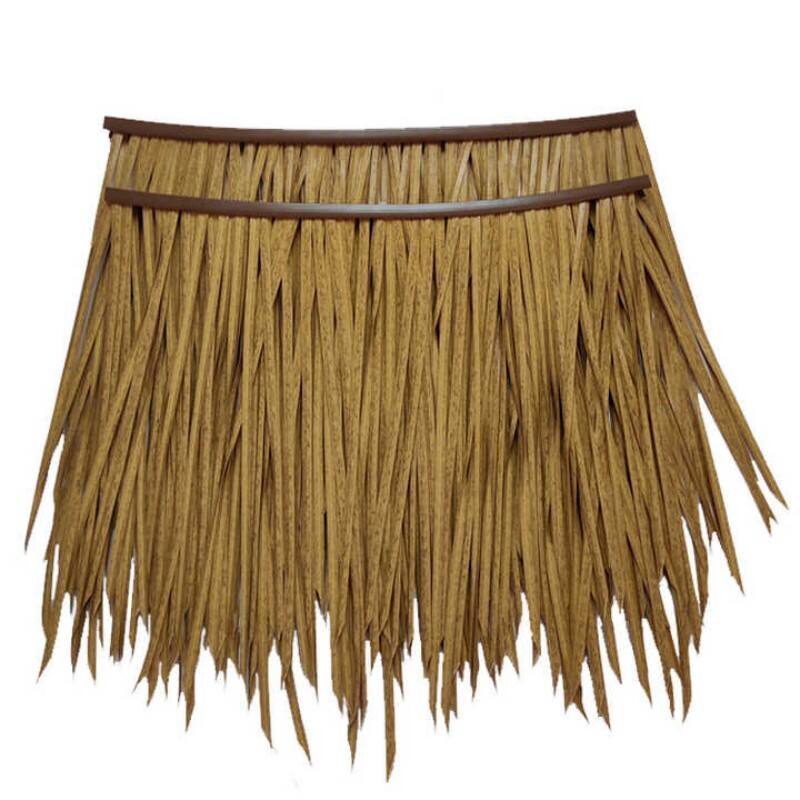
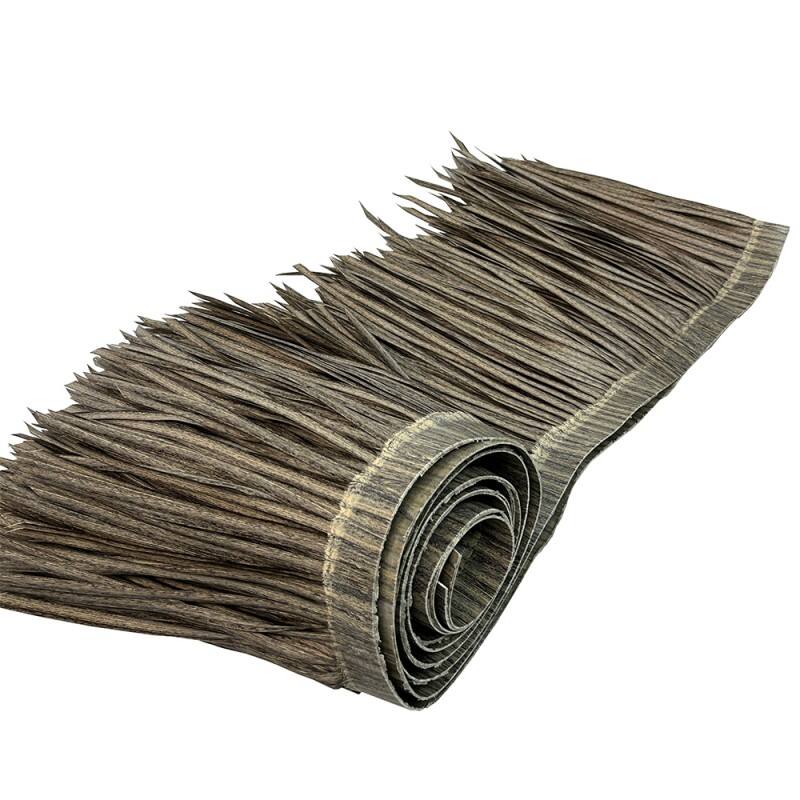
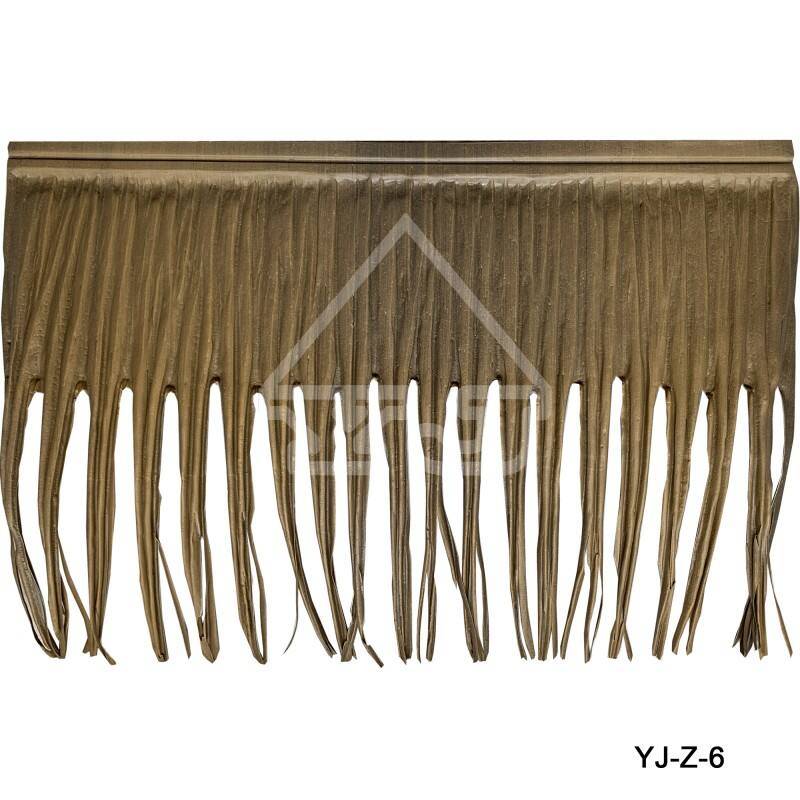
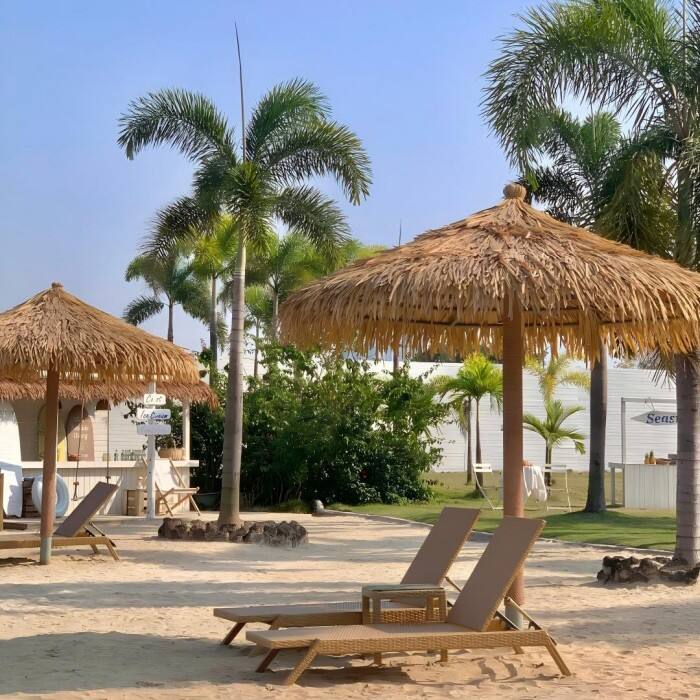
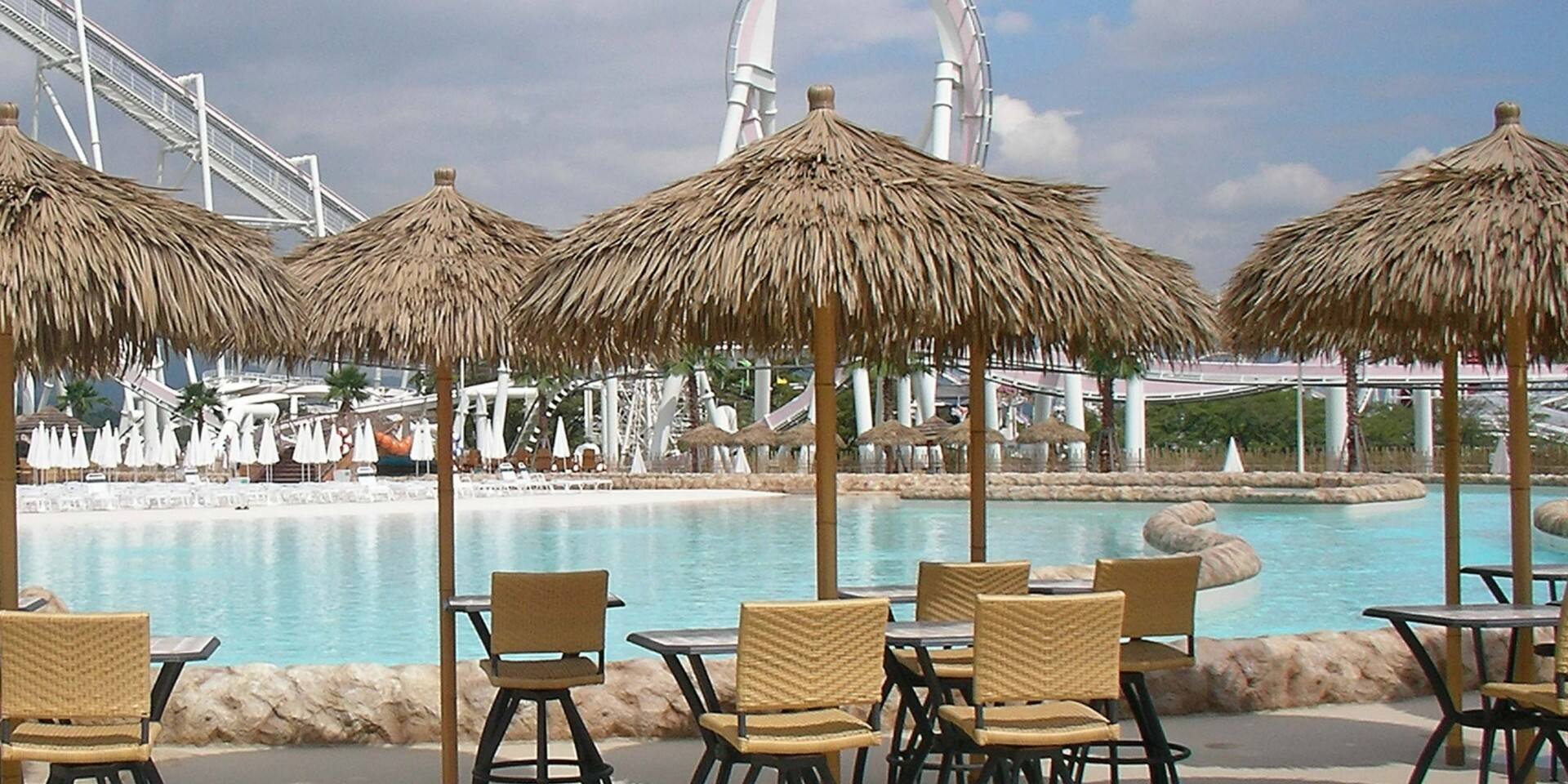
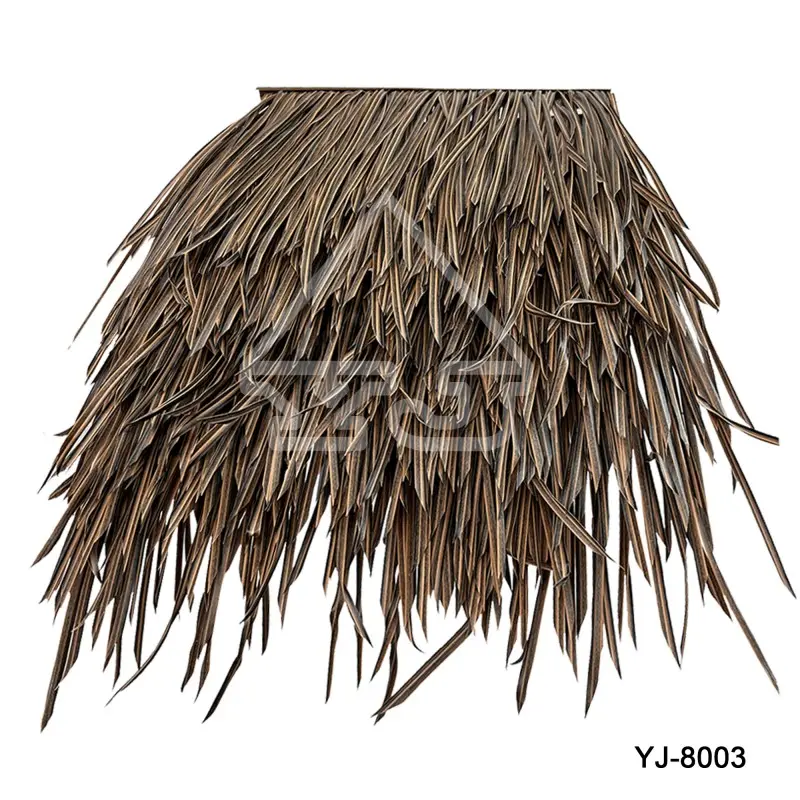
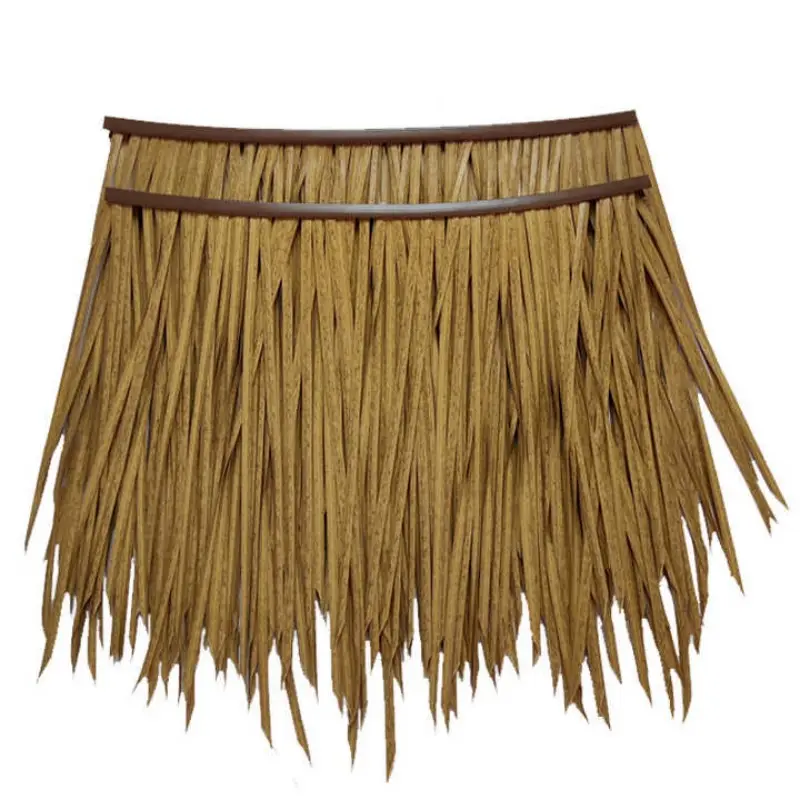
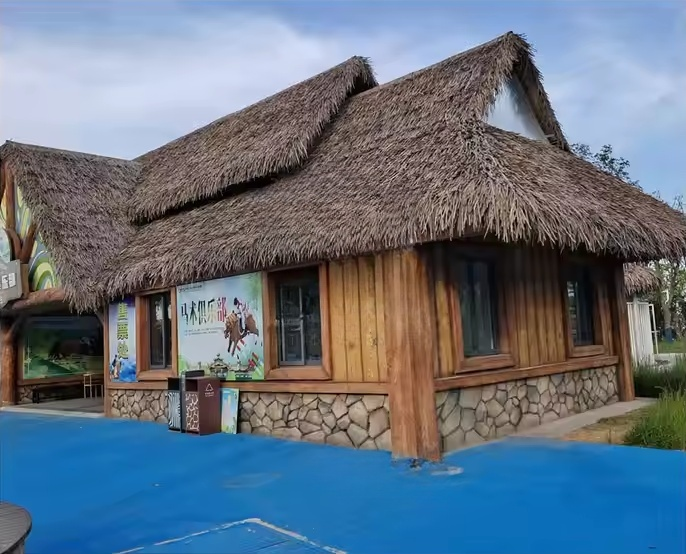
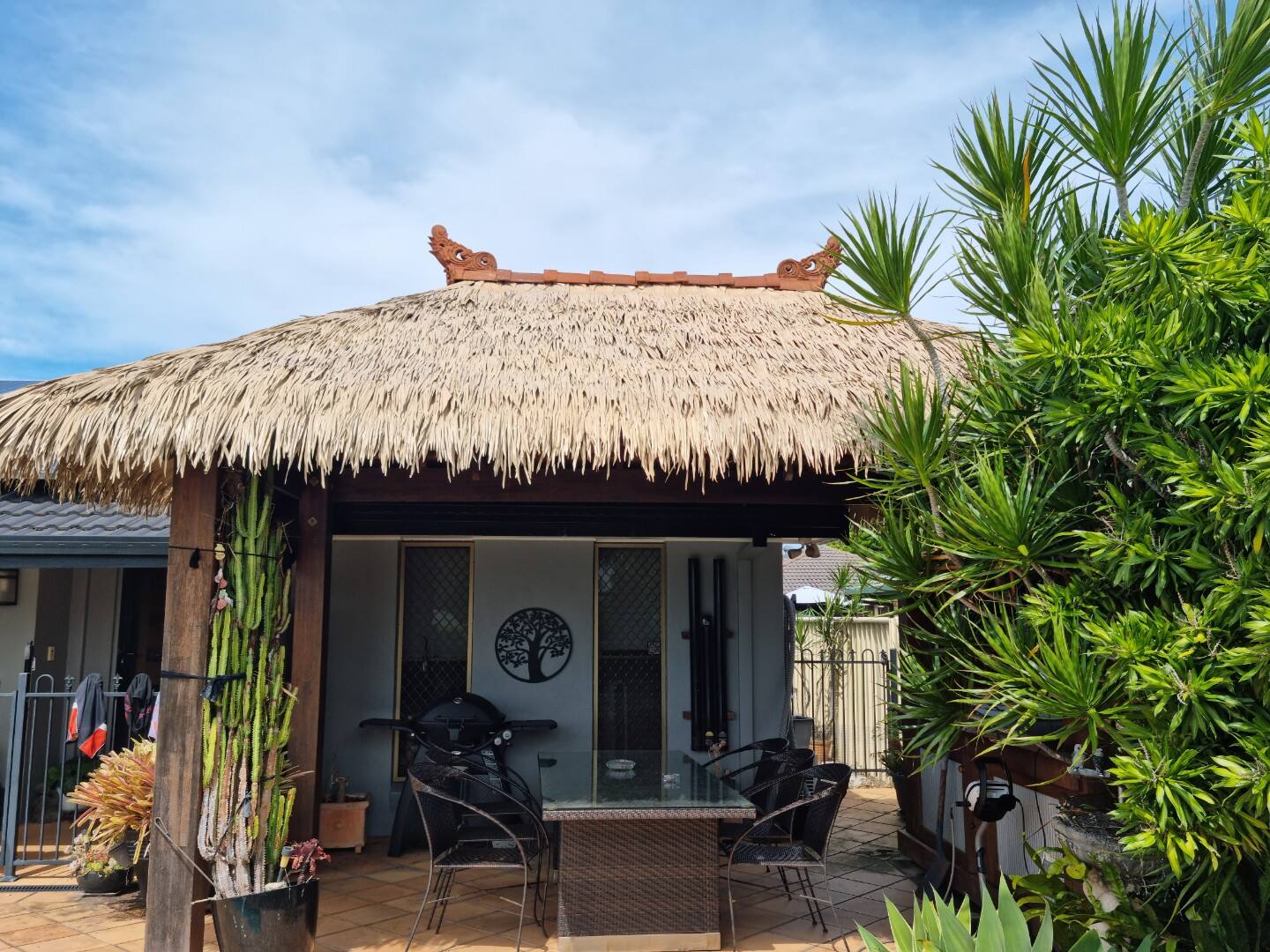
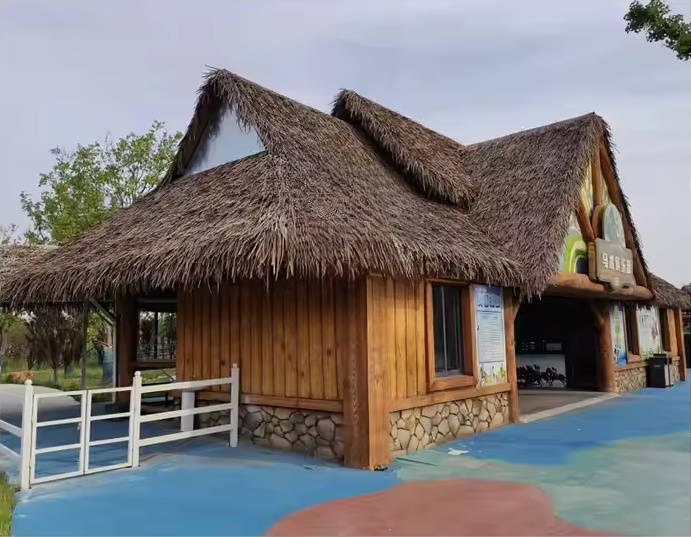
Imitation thatch roofing represents a revolutionary advancement in architectural materials that combines the timeless charm of traditional thatched roofs with modern engineering excellence. This innovative roofing solution replicates the natural appearance of authentic straw or reed thatching while delivering superior performance characteristics that address the limitations of conventional thatched materials. The primary function of imitation thatch roofing extends beyond mere aesthetic appeal, serving as a comprehensive protective system that shields structures from environmental elements while maintaining architectural authenticity. Modern imitation thatch roofing utilizes advanced synthetic materials including high-grade polymers, treated fibers, and specialized coatings that resist moisture penetration, UV degradation, and pest infestation. The technological features of this roofing system incorporate fire-resistant properties, dimensional stability, and enhanced durability that surpasses natural thatching materials by decades. Manufacturing processes involve precision molding techniques that create realistic textures and color variations mimicking authentic thatch patterns. The installation methodology employs lightweight construction principles that reduce structural load requirements while maintaining visual density and depth characteristic of traditional thatching. Applications for imitation thatch roofing span diverse architectural projects including residential homes, commercial establishments, resort facilities, theme parks, restaurants, and cultural heritage buildings. The versatility of imitation thatch roofing makes it particularly suitable for coastal properties, rural developments, eco-friendly constructions, and projects requiring compliance with historical preservation guidelines. Climate adaptability ensures optimal performance across various geographical regions, from tropical environments to temperate zones. The roofing system integrates seamlessly with modern building codes while preserving the rustic charm that property owners desire. Installation flexibility allows for customization in terms of ridge configurations, eave treatments, and color matching to complement existing architectural elements.
 EN
EN