Premium Straw for Thatched Roof - Sustainable, Durable & Energy-Efficient Roofing Solutions

Get a Free Quote

Our representative will contact you soon.
Email
Name
Company Name
Message
0/1000

straw for thatched roof

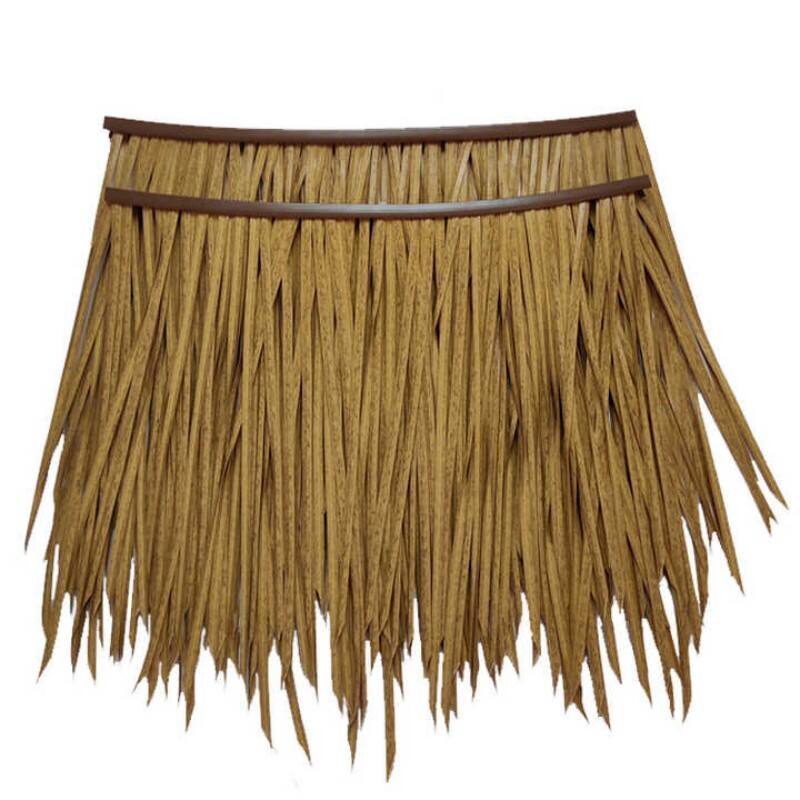
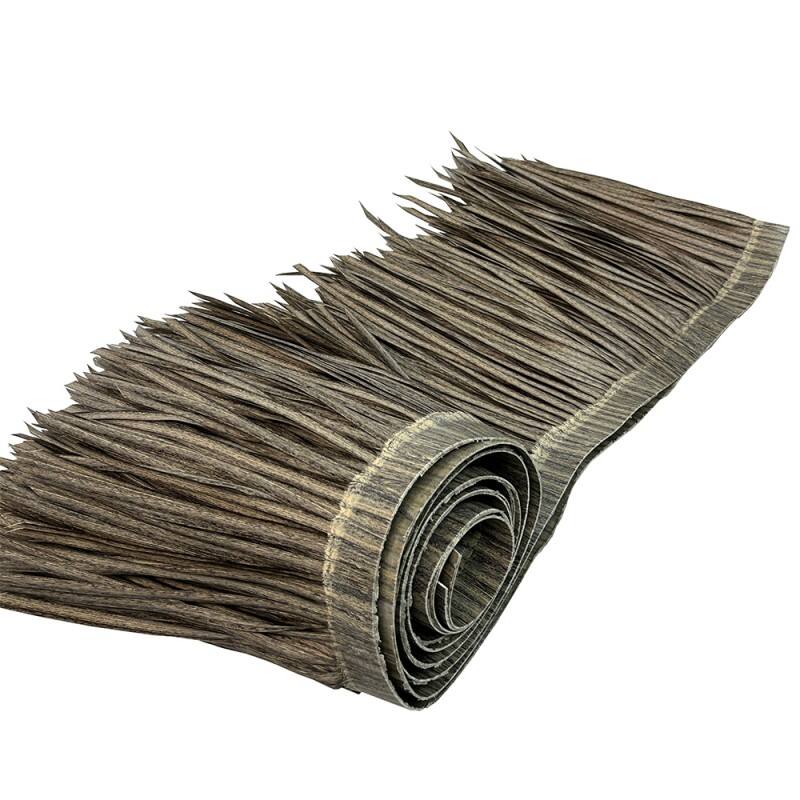
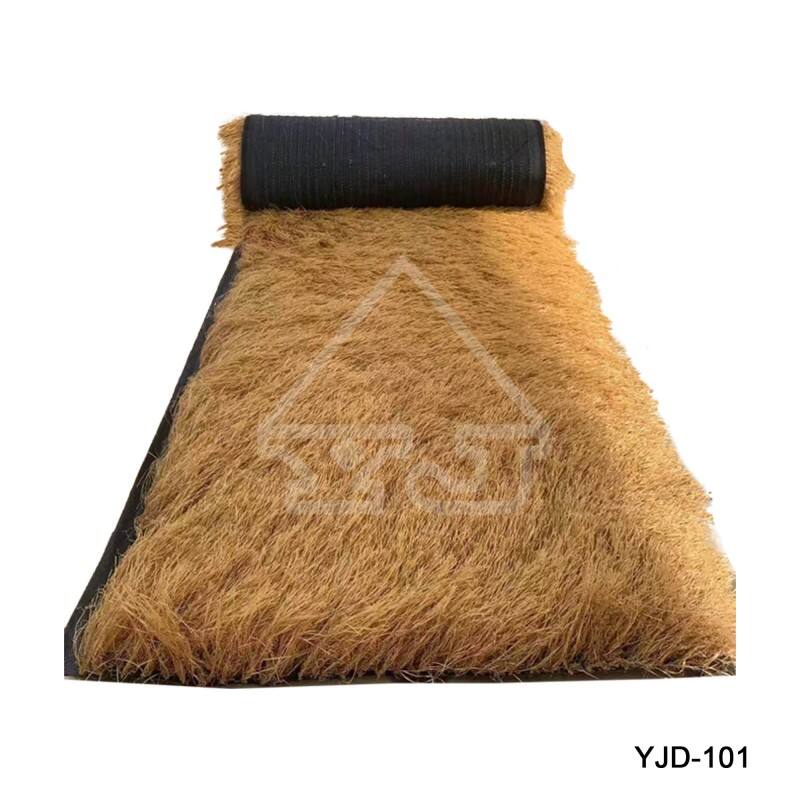
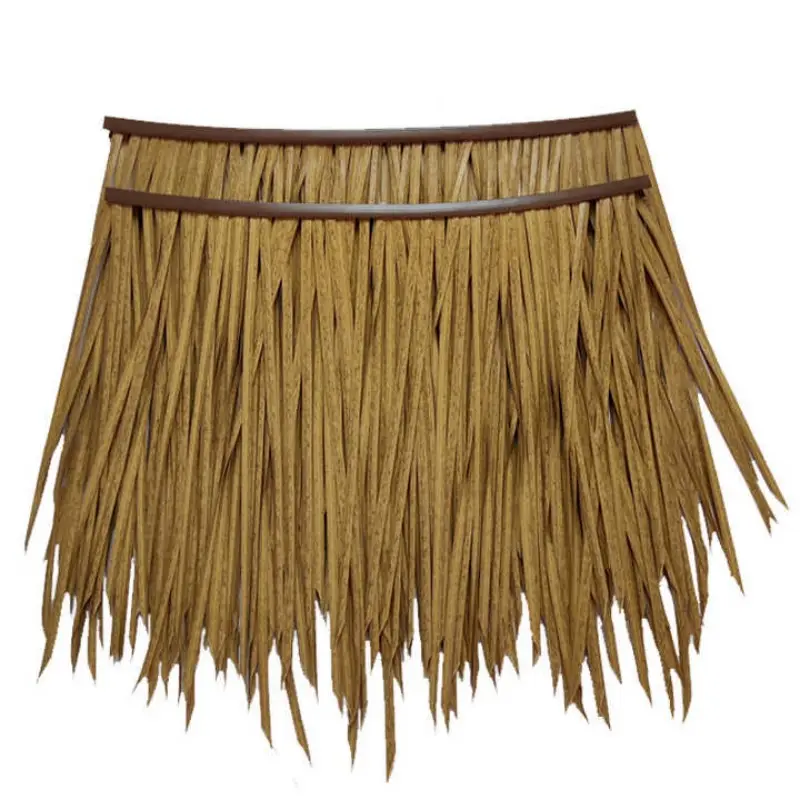
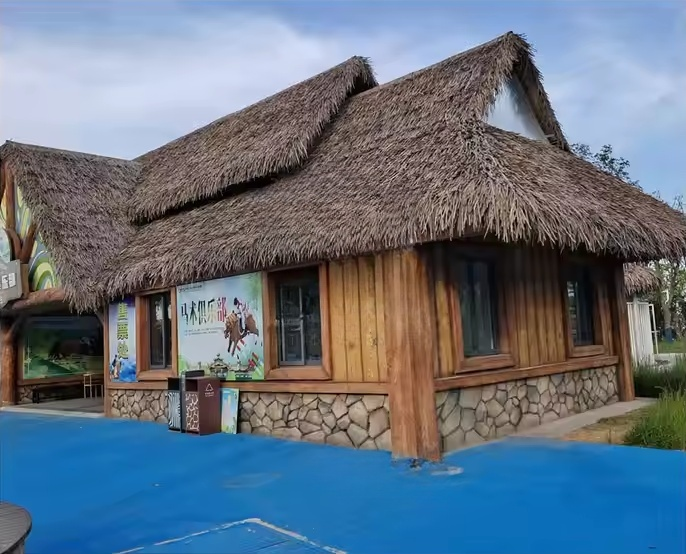
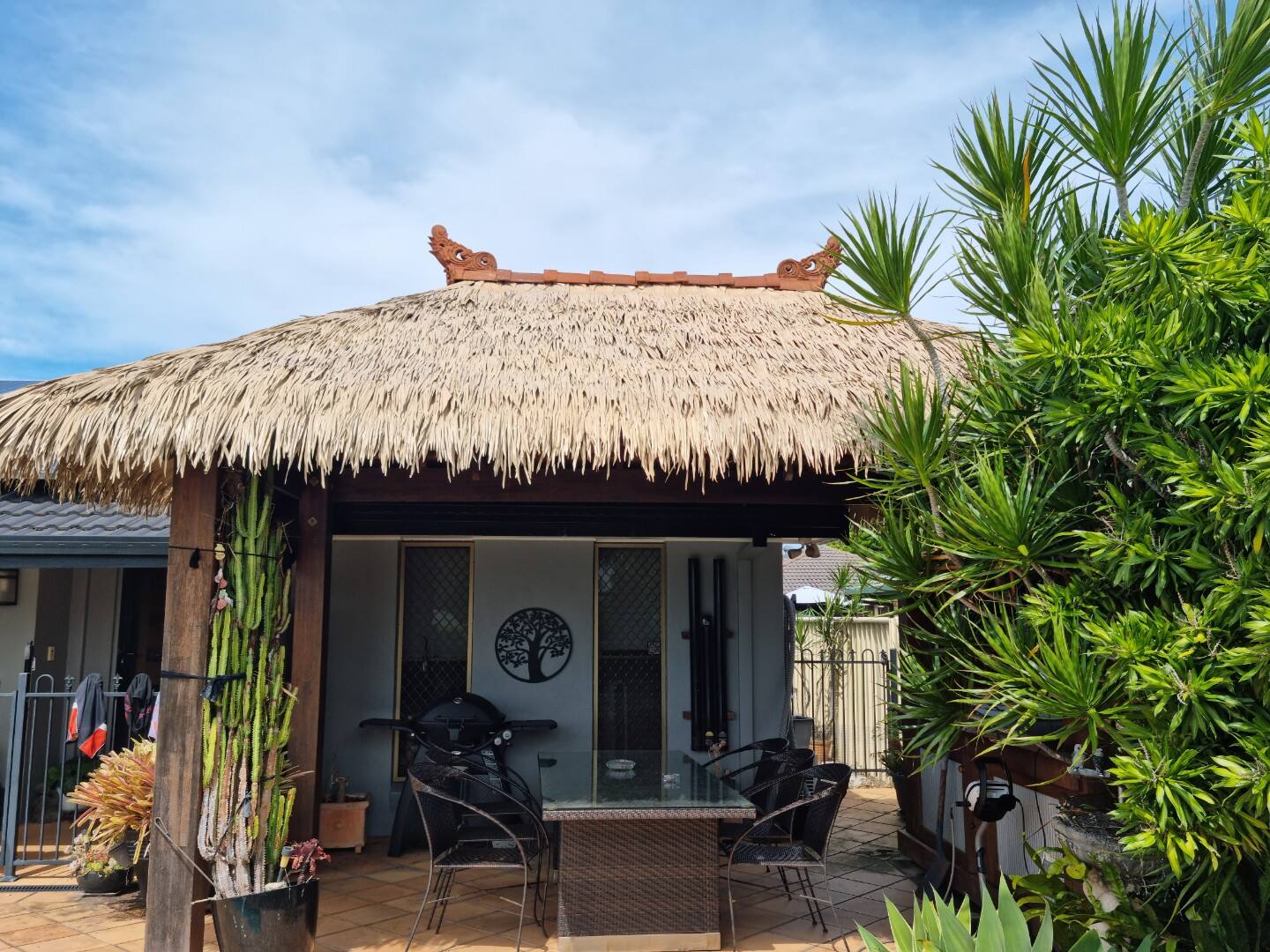
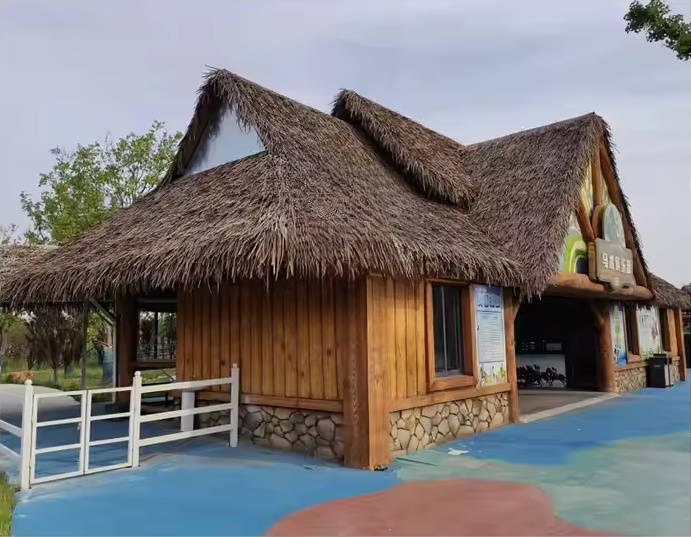
Straw for thatched roof represents one of humanity's oldest and most sustainable roofing materials, dating back thousands of years across various cultures worldwide. This natural building material consists of dried cereal stalks, typically wheat, barley, oats, or rye, carefully selected and processed for roofing applications. The primary function of straw for thatched roof lies in creating a waterproof barrier that protects buildings from rain, snow, and harsh weather conditions while maintaining excellent insulation properties. Modern straw for thatched roof incorporates advanced preparation techniques that enhance durability and fire resistance compared to traditional methods. The technological features include precise moisture content control, typically maintained between 15-20 percent, ensuring optimal preservation and structural integrity. Professional thatchers employ specialized bundling techniques that compress the straw for thatched roof into tight, overlapping layers, creating an impermeable surface that channels water away from the structure. The installation process involves laying straw for thatched roof in thick layers, usually 12-18 inches deep, with each layer carefully combed and secured using traditional methods or modern fixings. Applications for straw for thatched roof extend beyond residential homes to include commercial buildings, heritage restorations, eco-friendly constructions, and architectural projects seeking sustainable solutions. Contemporary straw for thatched roof systems integrate modern fire retardants and pest deterrents while preserving the material's natural characteristics. The versatility of straw for thatched roof makes it suitable for various architectural styles, from traditional cottages to contemporary eco-buildings. Quality straw for thatched roof undergoes rigorous selection processes, ensuring only the strongest, longest stalks are used for roofing applications. This ancient material continues to evolve with modern construction standards while maintaining its fundamental appeal as an environmentally conscious roofing choice that combines functionality with aesthetic beauty.

New Product Recommendations

Straw for thatched roof offers remarkable insulation capabilities that surpass many modern roofing materials, providing natural temperature regulation throughout all seasons. The thick layers of straw for thatched roof create air pockets that trap heat during winter months while keeping interiors cool during summer, resulting in significant energy savings for homeowners. This natural insulation property means buildings with straw for thatched roof require less artificial heating and cooling, reducing utility costs substantially over time. The environmental benefits of straw for thatched roof make it an exceptional choice for eco-conscious property owners seeking sustainable building solutions. Unlike synthetic roofing materials that contribute to landfill waste, straw for thatched roof is completely biodegradable and renewable, harvested annually from cereal crops without depleting natural resources. The production of straw for thatched roof generates minimal carbon emissions compared to manufactured roofing materials, supporting green building initiatives and reducing environmental impact. Maintenance requirements for straw for thatched roof are surprisingly manageable when properly installed by experienced professionals. Quality straw for thatched roof installations can last 25-50 years with proper care, making it a cost-effective long-term investment. Regular maintenance involves periodic ridge replacement and minor repairs, which skilled thatchers can perform efficiently. The aesthetic appeal of straw for thatched roof creates unique architectural character that enhances property values and attracts attention from potential buyers seeking distinctive homes. Weather resistance of properly installed straw for thatched roof exceeds expectations, with the natural water-shedding properties effectively protecting buildings from rain, snow, and wind damage. The dense layering technique used in straw for thatched roof installation creates a self-draining system that prevents water penetration while allowing the material to breathe naturally. Fire safety concerns regarding straw for thatched roof have been addressed through modern treatment methods that significantly reduce ignition risks while maintaining natural properties. Contemporary straw for thatched roof installations incorporate fire barriers and specialized ridge designs that enhance safety without compromising traditional appearance. The acoustic benefits of straw for thatched roof include excellent sound dampening properties that create peaceful indoor environments by reducing external noise pollution. Installation flexibility allows straw for thatched roof to accommodate various architectural designs and complex roof shapes that challenge conventional roofing materials.

Practical Tips

How to Choose a High-Quality Synthetic Thatch Roof for Commercial Projects

24

Nov

How to Choose a High-Quality Synthetic Thatch Roof for Commercial Projects

Selecting the right roofing material for commercial projects requires careful consideration of durability, aesthetics, and long-term performance. A synthetic thatch roof offers an ideal solution for businesses seeking the authentic appearance of trad...
View More
How Material Choices Affect the Durability and Appearance of Synthetic Thatch

18

Nov

How Material Choices Affect the Durability and Appearance of Synthetic Thatch

The selection of materials in synthetic thatch manufacturing plays a crucial role in determining both the longevity and aesthetic appeal of these roofing solutions. Modern synthetic thatch products have revolutionized the construction industry by off...
View More
Applications of Cottage Thatched in Rural Vacation Homes

23

Dec

Applications of Cottage Thatched in Rural Vacation Homes

Rural vacation homes have experienced a remarkable resurgence as travelers seek authentic experiences away from bustling urban centers. Among the most captivating architectural elements that define these retreats is the traditional cottage thatched r...
View More
Fire-Resistant and Waterproof Advantages of Synthetic Thatch Roof

05

Dec

Fire-Resistant and Waterproof Advantages of Synthetic Thatch Roof

Modern construction materials have revolutionized the roofing industry, offering innovative solutions that combine traditional aesthetics with contemporary performance standards. The synthetic thatch roof represents one of the most significant advanc...
View More

Get a Free Quote

Our representative will contact you soon.
Email
Name
Company Name
Message
0/1000

straw for thatched roof

Superior Natural Insulation Performance

Superior Natural Insulation Performance

The exceptional insulation properties of straw for thatched roof stem from its unique cellular structure and installation methodology, creating one of nature's most effective thermal barriers for residential and commercial buildings. When properly installed, straw for thatched roof forms multiple air chambers within its dense layers, providing outstanding thermal resistance that often exceeds modern synthetic insulation materials. The thick application of straw for thatched roof, typically ranging from 12 to 18 inches, creates substantial thermal mass that moderates interior temperatures throughout seasonal changes. During summer months, straw for thatched roof reflects solar radiation while allowing natural ventilation through its breathable structure, maintaining comfortable indoor climates without excessive air conditioning costs. Winter performance of straw for thatched roof demonstrates remarkable heat retention capabilities, trapping warm air within the building envelope and reducing heating requirements significantly. Independent thermal testing reveals that straw for thatched roof installations achieve R-values comparable to modern insulation systems while providing additional benefits like moisture regulation and acoustic dampening. The natural fiber composition of straw for thatched roof creates microscopic air pockets that function as thermal breaks, preventing heat transfer and maintaining consistent indoor temperatures. Property owners investing in straw for thatched roof systems typically experience 30-40 percent reductions in heating and cooling costs compared to conventional roofing materials. The insulation efficiency of straw for thatched roof improves over time as the material settles and compresses naturally, creating even tighter thermal barriers. Long-term performance studies demonstrate that well-maintained straw for thatched roof installations maintain their insulation properties for decades, providing consistent energy savings throughout the roof's lifespan. This superior thermal performance makes straw for thatched roof an ideal choice for energy-efficient building designs and green construction projects seeking sustainable solutions that deliver measurable environmental and financial benefits.
Exceptional Environmental Sustainability

Exceptional Environmental Sustainability

Straw for thatched roof represents the pinnacle of sustainable roofing materials, offering unparalleled environmental benefits that align with modern green building standards and carbon reduction initiatives. The production cycle of straw for thatched roof begins with annual cereal harvests, utilizing agricultural waste products that would otherwise be burned or discarded, transforming potential pollution sources into valuable construction materials. This circular economy approach makes straw for thatched roof a carbon-neutral building solution, as the material absorbs atmospheric carbon dioxide during plant growth and stores it within the roof structure for decades. Manufacturing processes for straw for thatched roof require minimal energy input, consisting primarily of harvesting, drying, and bundling operations that generate virtually no industrial emissions or chemical pollutants. The renewable nature of straw for thatched roof ensures continuous availability without depleting finite natural resources or disrupting ecological systems, supporting long-term environmental conservation efforts. Biodegradability stands as a crucial advantage of straw for thatched roof, as the material decomposes naturally at the end of its service life, returning nutrients to the soil without leaving permanent waste residues. Local sourcing opportunities for straw for thatched roof reduce transportation emissions while supporting regional agricultural economies and traditional craftsmanship skills. The installation process for straw for thatched roof utilizes minimal synthetic materials, relying primarily on natural binding techniques and traditional fastening methods that preserve the material's environmental integrity. Water management capabilities of straw for thatched roof include natural filtration properties that help manage rainwater runoff while preventing soil erosion around building foundations. Habitat creation represents an additional environmental benefit of straw for thatched roof, as mature installations provide nesting opportunities for birds and insects, contributing to local biodiversity conservation. Life cycle assessments consistently demonstrate that straw for thatched roof generates significantly lower environmental impacts compared to manufactured roofing materials, supporting sustainable construction practices and environmental stewardship goals for conscious property developers and homeowners.
Remarkable Durability and Weather Resistance

Remarkable Durability and Weather Resistance

The exceptional durability of straw for thatched roof challenges common misconceptions about natural building materials, demonstrating remarkable longevity when properly installed and maintained by skilled professionals. Quality straw for thatched roof installations routinely survive 25-50 years in various climatic conditions, with some historical examples lasting over a century with appropriate care and periodic maintenance. The secret to straw for thatched roof durability lies in the precise layering technique that creates overlapping barriers directing water away from the building structure while allowing natural ventilation to prevent moisture accumulation. Weather resistance properties of straw for thatched roof include excellent performance against heavy rainfall, with the dense surface layer forming an impermeable shield that sheds water effectively while maintaining structural integrity. Wind resistance capabilities of properly installed straw for thatched roof systems exceed expectations, as the flexible nature of the material allows it to move with strong gusts without suffering structural damage like rigid roofing materials. Snow load capacity of straw for thatched roof installations demonstrates impressive strength, with the thick layers distributing weight evenly across the roof structure while providing additional insulation during winter months. The self-healing properties of straw for thatched roof become apparent over time, as the material naturally compacts and settles into an increasingly weather-resistant configuration that improves protection capabilities. Maintenance requirements for straw for thatched roof focus on periodic ridge repairs and surface grooming, preventive measures that extend service life significantly and maintain optimal performance characteristics. Quality control measures for straw for thatched roof include careful material selection, proper moisture content management, and professional installation techniques that ensure maximum durability and weather protection. Modern treatments available for straw for thatched roof include natural preservatives and fire retardants that enhance durability without compromising environmental benefits or traditional appearance. Regional climate adaptation allows straw for thatched roof to perform effectively across diverse weather conditions, from temperate coastal environments to continental climates with extreme temperature variations, demonstrating versatility and resilience that makes this traditional roofing solution suitable for contemporary applications worldwide.

Get a Free Quote

Our representative will contact you soon.
Email
Name
Company Name
Message
0/1000