new thatched roof cost
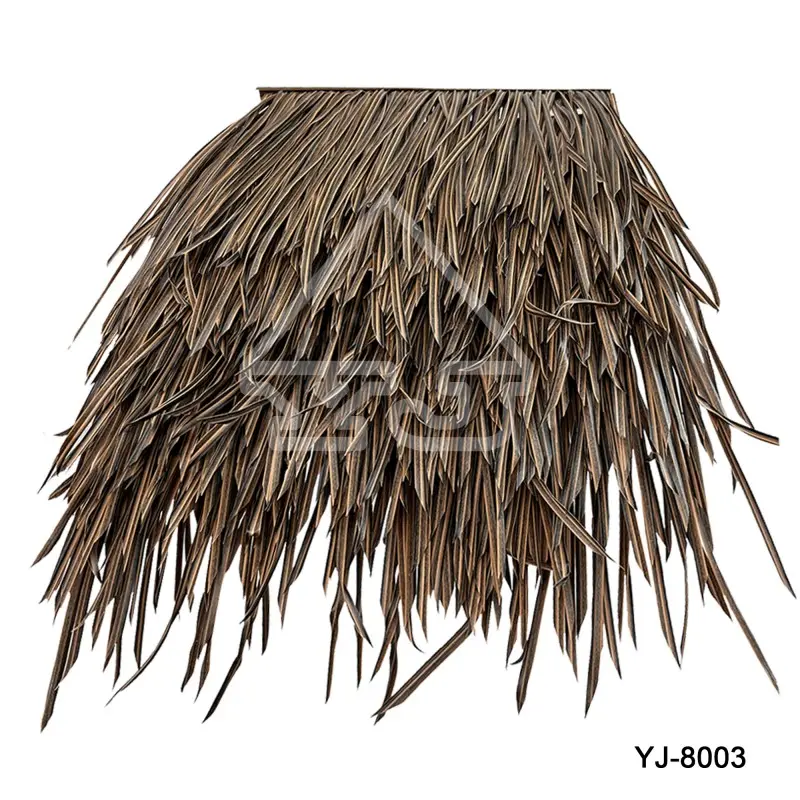
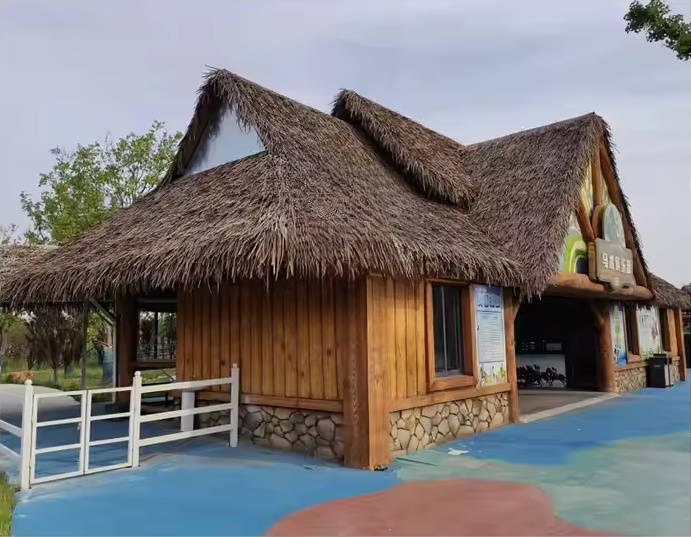
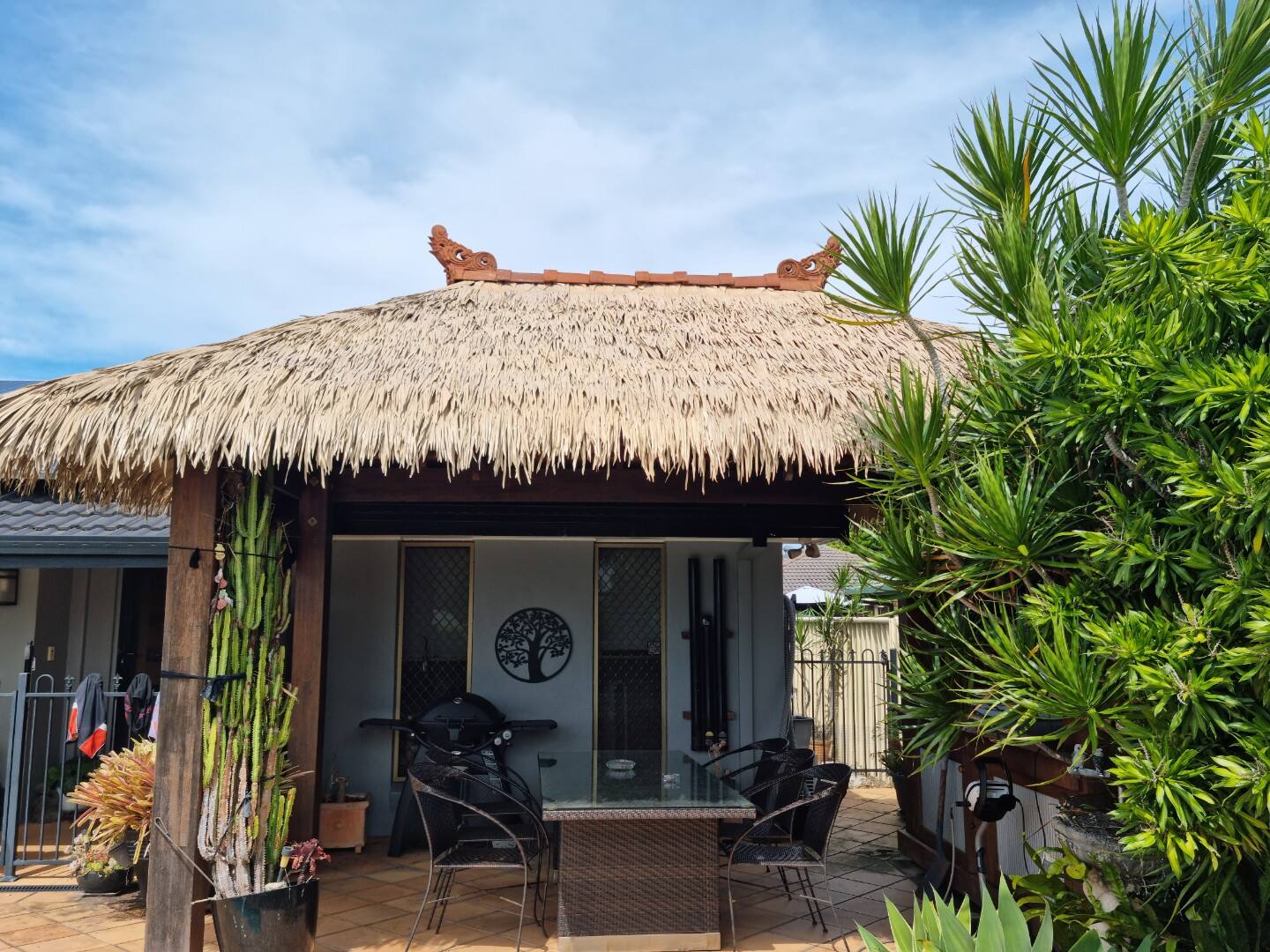
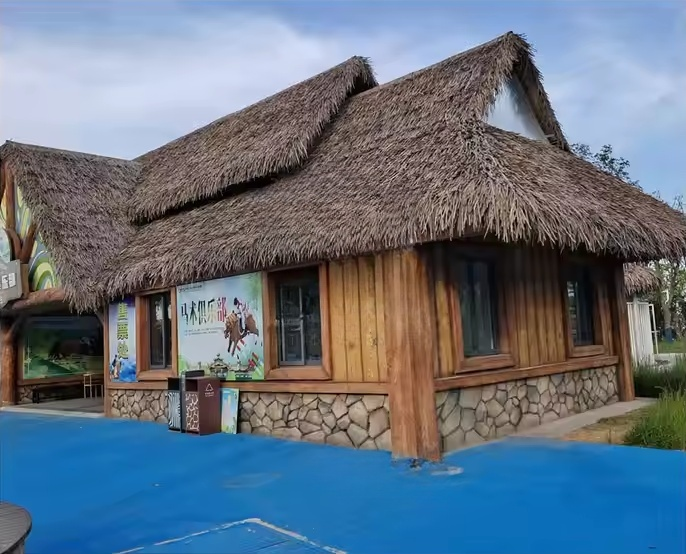
Understanding the new thatched roof cost represents a crucial investment decision for homeowners seeking sustainable, eco-friendly roofing solutions. Modern thatching combines traditional craftsmanship with contemporary materials and techniques, creating roofing systems that deliver exceptional performance while maintaining authentic aesthetic appeal. The new thatched roof cost varies significantly based on multiple factors including property size, material selection, regional labor rates, and specific design requirements. Traditional water reed thatching typically commands premium pricing due to material scarcity and specialized installation expertise required. However, innovative synthetic alternatives now offer comparable visual impact at reduced expense, making thatched roofing accessible to broader markets. The main functions of modern thatched roofing extend beyond mere weather protection to include superior thermal insulation, natural moisture regulation, and distinctive architectural character that enhances property value substantially. Technological features incorporated into contemporary thatched roof systems include fire-resistant treatments, integrated ventilation channels, and moisture barriers that prevent underlayment deterioration. These advances address historical concerns about durability and safety while preserving traditional appearance. Applications span residential properties, commercial establishments, heritage restoration projects, and eco-tourism facilities where authentic character proves essential. The new thatched roof cost reflects sophisticated engineering that maximizes longevity through improved base construction, premium underlay materials, and professional installation protocols. Modern thatching contractors employ advanced techniques including computer-aided design for complex roof configurations, specialized fixing methods that enhance wind resistance, and quality control measures ensuring consistent performance. The investment in new thatched roof cost delivers measurable returns through energy savings, reduced maintenance requirements, and substantial property value appreciation that often exceeds initial installation expenses within reasonable timeframes.
 EN
EN