Synthetic Thatch Roof Cost Guide: Affordable Premium Roofing Solutions with Long-Term Value

Get a Free Quote

Our representative will contact you soon.
Email
Name
Company Name
Message
0/1000

synthetic thatch roof cost

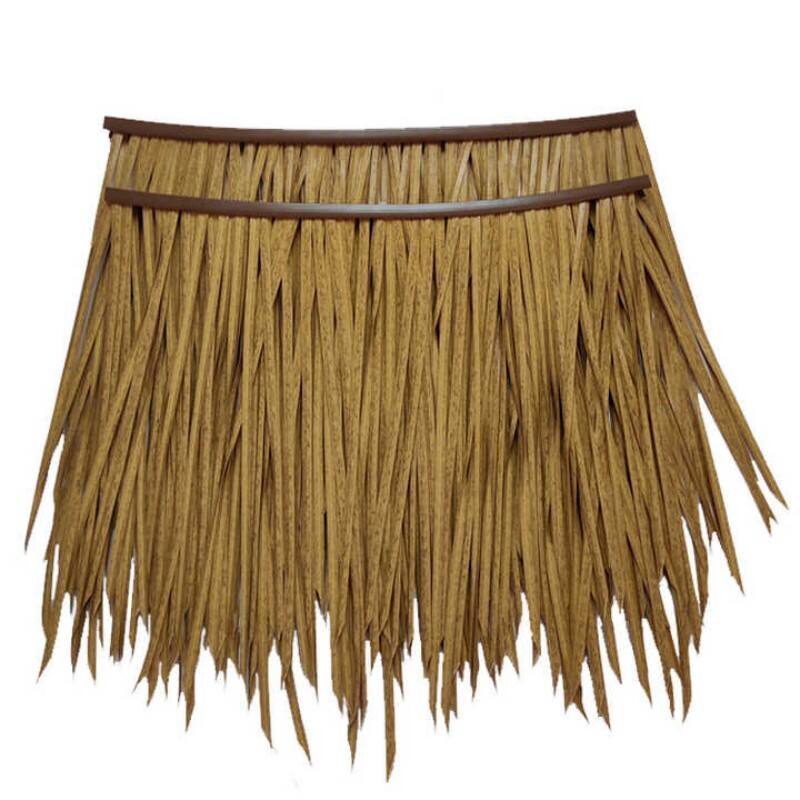
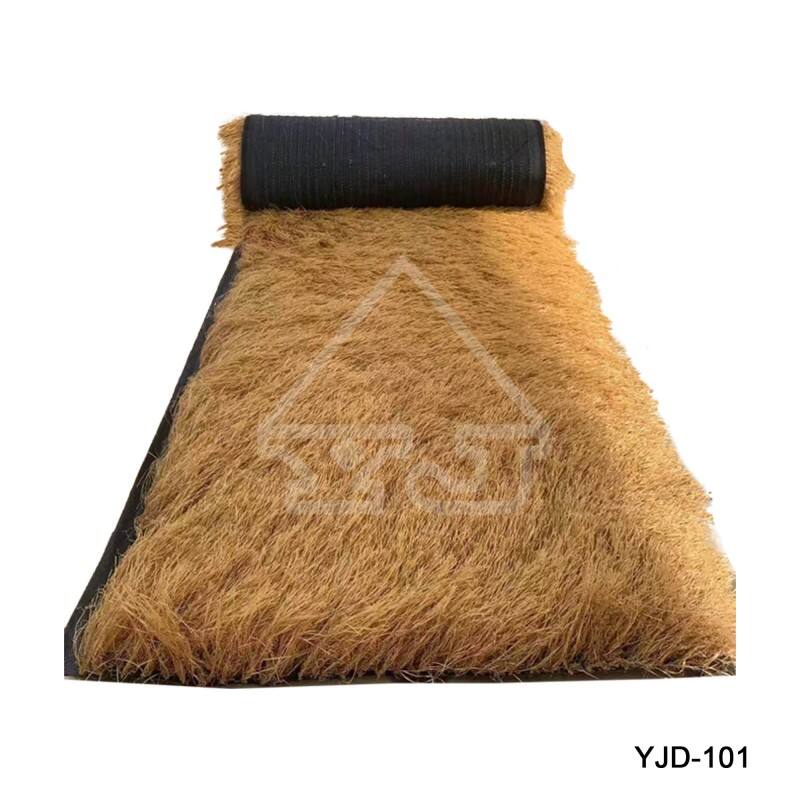
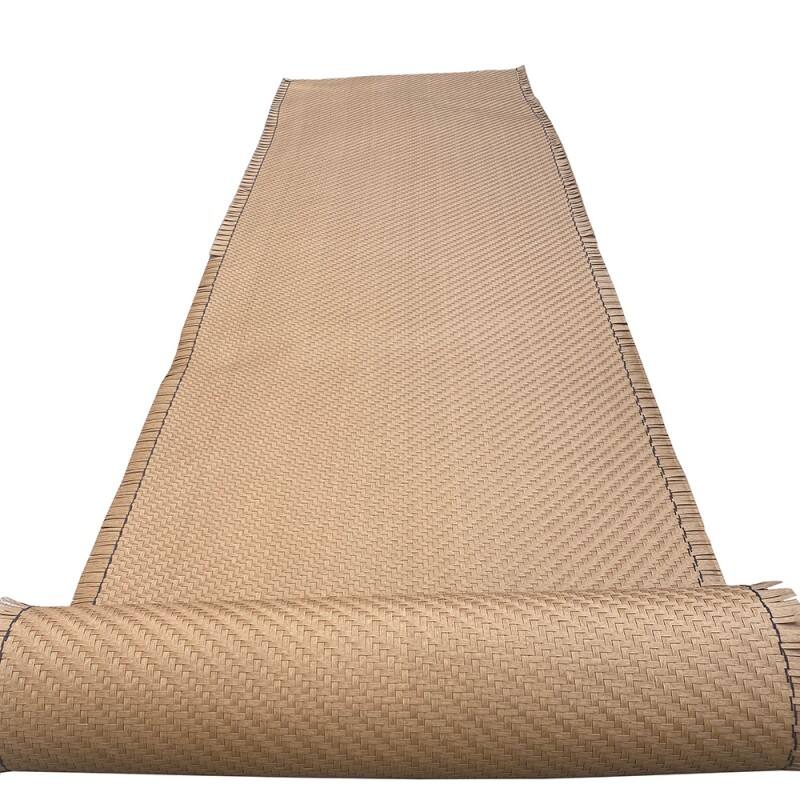
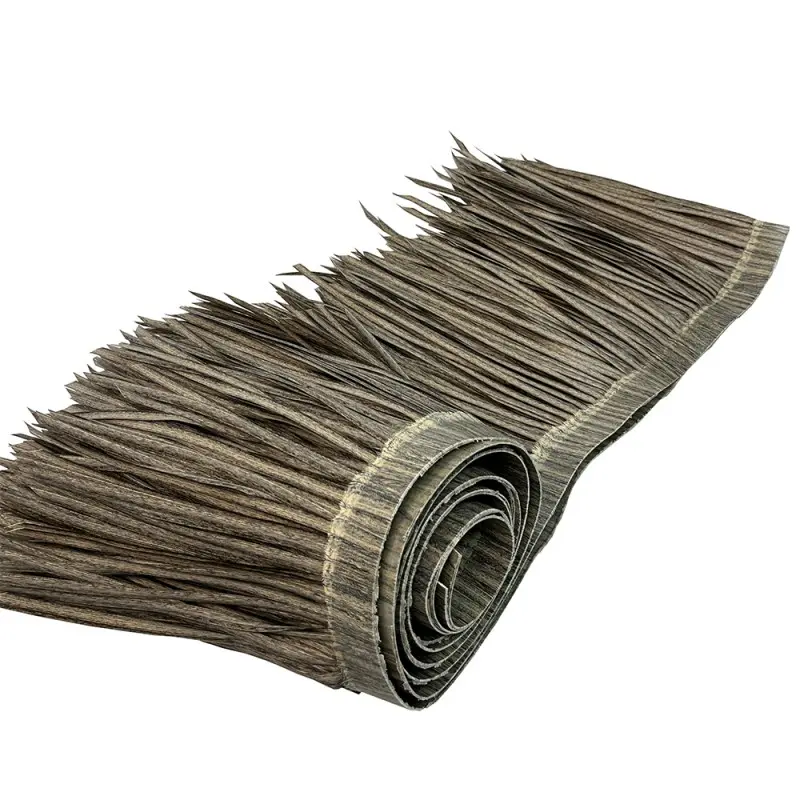
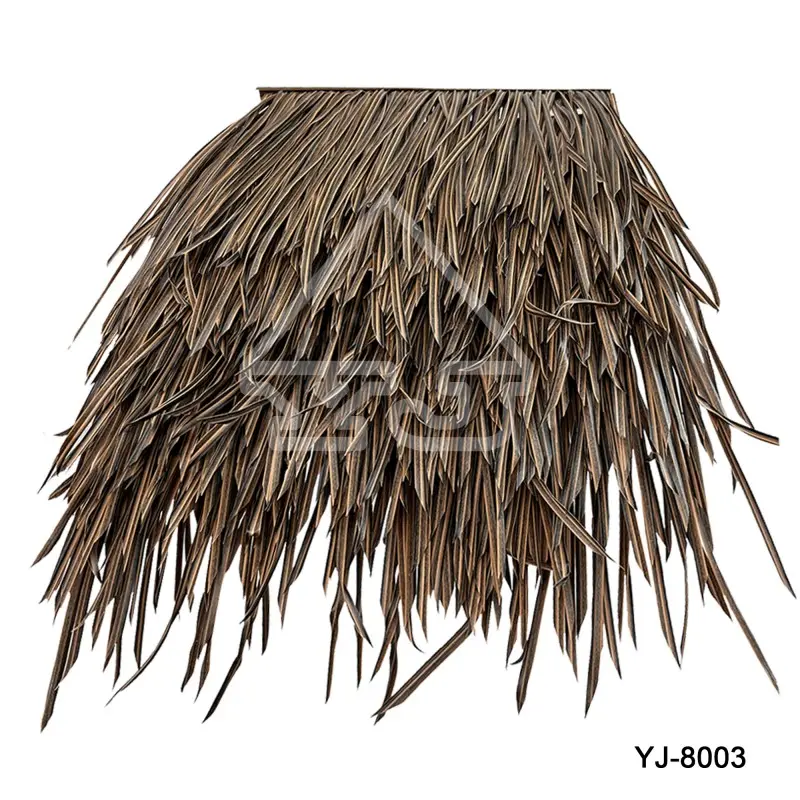
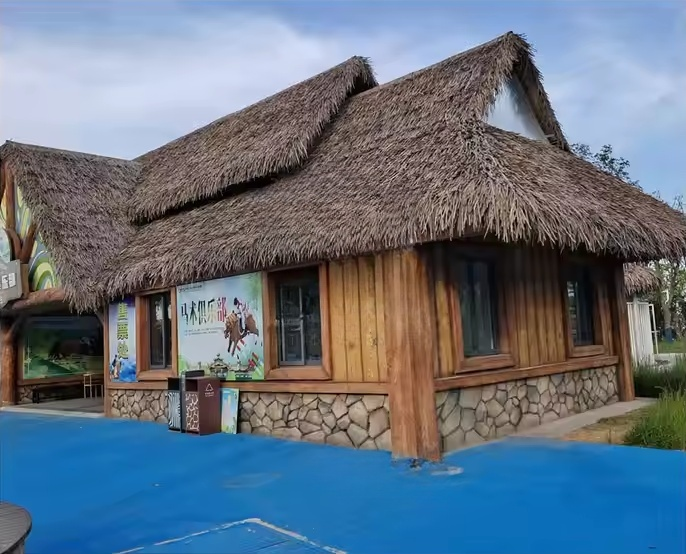
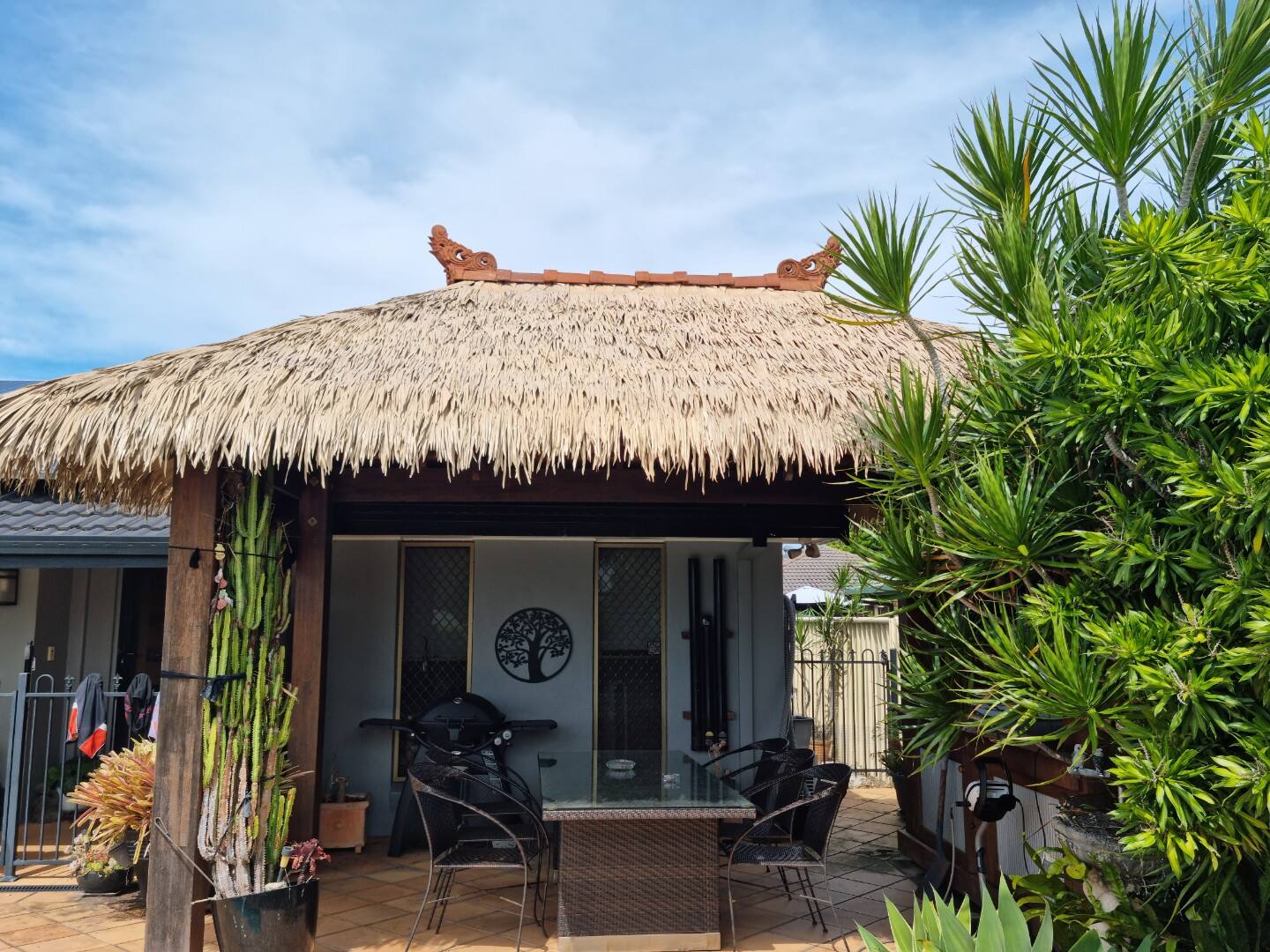
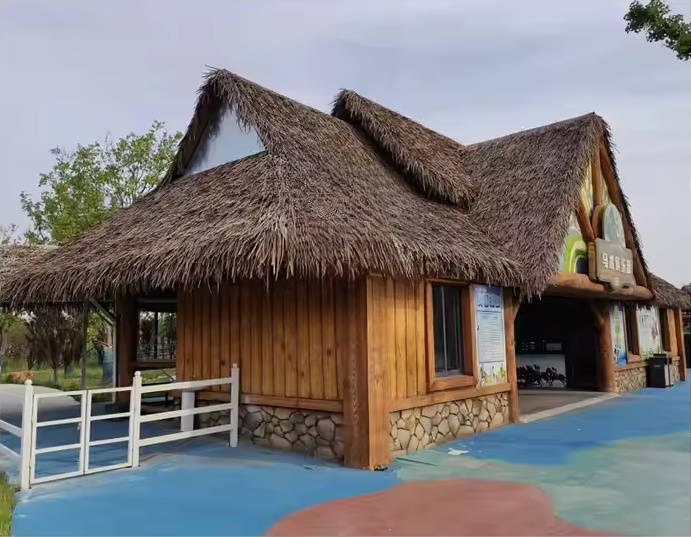
Understanding synthetic thatch roof cost involves examining a revolutionary roofing solution that combines traditional aesthetics with modern technology. Synthetic thatch roofing represents a significant advancement in building materials, offering property owners an authentic thatched appearance without the drawbacks of natural materials. The synthetic thatch roof cost varies depending on material quality, installation complexity, and regional factors, but generally provides exceptional value compared to natural alternatives. These innovative roofing systems utilize advanced polymer compounds, UV-resistant materials, and fire-retardant technologies to create durable, long-lasting installations. The main functions include weather protection, thermal insulation, and aesthetic enhancement while maintaining the rustic charm associated with traditional thatching. Technological features encompass lightweight construction, interlocking panel systems, and enhanced durability ratings that exceed natural thatch performance. The synthetic materials resist moisture penetration, prevent pest infestations, and eliminate fire hazards commonly associated with organic thatching. Installation processes have been streamlined through modular designs, reducing labor costs and project timelines significantly. Applications span residential properties, commercial developments, themed restaurants, resort facilities, and heritage restoration projects where authentic appearance matters. The synthetic thatch roof cost analysis reveals substantial savings in maintenance expenses, insurance premiums, and replacement frequency compared to natural alternatives. Manufacturing processes ensure consistent quality, color matching, and dimensional accuracy across production batches. Environmental benefits include reduced harvesting pressure on natural reed beds and elimination of chemical treatments required for organic materials. The synthetic thatch roof cost consideration extends beyond initial investment to encompass lifecycle value, including reduced maintenance requirements, enhanced fire safety ratings, and improved weather resistance. Regional availability and installation expertise influence overall project expenses, making proper planning essential for budget optimization.

New Product Releases

Synthetic thatch roofing delivers remarkable cost advantages that make it an intelligent investment for property owners seeking authentic aesthetics without traditional limitations. The synthetic thatch roof cost proves economical through dramatically reduced maintenance requirements, eliminating expensive annual inspections, pest treatments, and frequent repairs associated with natural materials. Insurance companies often provide significant premium reductions for synthetic installations due to superior fire resistance ratings, creating ongoing savings that compound over time. Labor costs decrease substantially during installation because synthetic materials weigh considerably less than natural thatch, requiring simpler structural support and faster installation procedures. Weather resistance capabilities eliminate costly damage repairs from storms, heavy rainfall, and extreme temperature fluctuations that frequently affect organic thatching materials. The synthetic thatch roof cost comparison reveals substantial savings in replacement frequency, with synthetic materials lasting decades longer than natural alternatives without deterioration. Property values increase through enhanced curb appeal and reduced maintenance concerns, making synthetic thatch an investment that appreciates rather than depreciates over time. Energy efficiency improvements result from superior insulation properties, reducing heating and cooling expenses throughout the building's operational lifetime. Fire safety compliance becomes achievable without expensive suppression systems, as synthetic materials meet stringent building codes without additional modifications. Seasonal maintenance elimination saves thousands annually in contractor fees, material replacements, and property damage prevention measures. Color consistency remains stable without fading or weathering, eliminating costly restoration treatments required for natural materials. Pest control expenses disappear completely, as synthetic materials provide no habitat for insects, rodents, or birds that commonly infest organic thatching. Installation scheduling becomes flexible regardless of weather conditions, reducing project delays and associated cost overruns. Regional material availability ensures competitive pricing without transportation premiums common with specialty natural materials. The synthetic thatch roof cost analysis demonstrates clear financial benefits through reduced total ownership expenses, enhanced property values, and elimination of ongoing maintenance burdens that plague traditional thatching installations.

Tips And Tricks

How to Enhance Commercial Building Durability with Synthetic Palm Leaf Thatch

27

Nov

How to Enhance Commercial Building Durability with Synthetic Palm Leaf Thatch

Commercial buildings in tropical and subtropical regions face unique challenges when it comes to maintaining aesthetic appeal while ensuring long-term durability. Traditional roofing and decorative materials often fall short when exposed to intense U...
View More
How Material Choices Affect the Durability and Appearance of Synthetic Thatch

18

Nov

How Material Choices Affect the Durability and Appearance of Synthetic Thatch

The selection of materials in synthetic thatch manufacturing plays a crucial role in determining both the longevity and aesthetic appeal of these roofing solutions. Modern synthetic thatch products have revolutionized the construction industry by off...
View More
Applications of Cottage Thatched in Rural Vacation Homes

23

Dec

Applications of Cottage Thatched in Rural Vacation Homes

Rural vacation homes have experienced a remarkable resurgence as travelers seek authentic experiences away from bustling urban centers. Among the most captivating architectural elements that define these retreats is the traditional cottage thatched r...
View More
Performance Differences Between Synthetic Thatch and Natural Thatch

11

Dec

Performance Differences Between Synthetic Thatch and Natural Thatch

Traditional thatched roofing has evolved significantly over the centuries, transitioning from purely natural materials to innovative synthetic alternatives that offer enhanced durability and performance. Modern construction projects increasingly face...
View More

Get a Free Quote

Our representative will contact you soon.
Email
Name
Company Name
Message
0/1000

synthetic thatch roof cost

Long-Term Durability Reduces Replacement Costs

Long-Term Durability Reduces Replacement Costs

The exceptional longevity of synthetic thatch roofing fundamentally transforms the economic equation surrounding thatched roof installations, making the synthetic thatch roof cost significantly more attractive over extended periods. Traditional natural thatch requires complete replacement every twelve to fifteen years, creating recurring major expenses that accumulate substantially over building lifespans. Synthetic alternatives deliver performance warranties extending twenty-five to thirty years, with many installations demonstrating excellent condition well beyond warranty periods. This extended lifespan directly impacts the synthetic thatch roof cost analysis by spreading initial investment across decades rather than requiring frequent capital expenditures for replacements. Advanced polymer formulations resist ultraviolet degradation, moisture penetration, and thermal cycling that destroys natural materials progressively. Manufacturing processes incorporate stabilizers and protective compounds that maintain structural integrity and aesthetic appeal throughout extended exposure periods. Quality synthetic materials demonstrate remarkable resistance to cracking, splitting, and dimensional changes that plague organic alternatives under varying weather conditions. The synthetic thatch roof cost becomes increasingly favorable as property owners avoid disruption, contractor scheduling, and material disposal expenses associated with frequent replacements. Installation improvements over original construction costs remain minimal compared to complete system replacements required for natural materials. Performance testing demonstrates maintained water resistance, thermal properties, and structural stability throughout warranty periods without significant degradation. Regional climate variations have minimal impact on synthetic material longevity, unlike natural thatch that deteriorates rapidly in humid or extreme temperature environments. The synthetic thatch roof cost calculation must include avoided replacement expenses, temporary accommodation costs during major renovations, and associated project management overhead. Property disruption minimization becomes valuable for commercial operations where roof replacement activities affect business continuity and revenue generation. Insurance considerations favor synthetic installations due to predictable performance characteristics and reduced claim frequency associated with material failures or weather damage.
Fire Safety Compliance Reduces Insurance Premiums

Fire Safety Compliance Reduces Insurance Premiums

Fire safety represents a critical advantage where synthetic thatch roof cost considerations extend far beyond initial material expenses to encompass insurance savings, regulatory compliance, and liability protection. Natural thatch materials present significant fire hazards that increase insurance premiums substantially and may even result in coverage limitations or exclusions in high-risk areas. Synthetic alternatives achieve fire resistance ratings that meet or exceed building code requirements without additional protective measures, making the synthetic thatch roof cost more attractive through reduced insurance expenses. Advanced flame-retardant formulations prevent ignition from common sources including electrical faults, lightning strikes, and neighboring property fires that easily ignite organic materials. Insurance providers recognize superior fire safety characteristics by offering premium reductions ranging from fifteen to thirty percent annually, creating substantial long-term savings. Building code compliance becomes straightforward with synthetic materials that achieve required fire ratings without expensive suppression systems, structural modifications, or ongoing inspection requirements. The synthetic thatch roof cost analysis must include avoided expenses for fire suppression equipment, monitoring systems, and specialized safety measures required for natural thatch installations. Liability protection improves significantly as property owners eliminate fire hazard exposure that could result in damage to neighboring properties or injury claims. Installation approval processes accelerate because synthetic materials meet safety standards without extensive documentation, engineering analysis, or special permits required for natural alternatives. Regional fire safety regulations increasingly favor synthetic installations, particularly in wildfire-prone areas where natural thatch may be prohibited entirely. Emergency response preparation becomes simplified as fire departments can treat synthetic installations using standard procedures without specialized equipment or techniques required for organic materials. Property resale value benefits from enhanced fire safety characteristics that appeal to safety-conscious buyers and facilitate mortgage approval processes. The synthetic thatch roof cost consideration extends to avoided business interruption expenses for commercial properties where fire safety violations could result in operational shutdowns or increased regulatory scrutiny. Insurance claim frequency decreases substantially with synthetic installations, maintaining favorable loss ratios that support continued coverage availability and competitive premium pricing over time.
Minimal Maintenance Requirements Eliminate Ongoing Expenses

Minimal Maintenance Requirements Eliminate Ongoing Expenses

The maintenance-free characteristics of synthetic thatch roofing create compelling economic advantages that make the synthetic thatch roof cost extremely competitive when evaluated across complete ownership periods. Natural thatch demands extensive annual maintenance including re-laying damaged sections, pest control treatments, moss removal, and ridge repairs that generate substantial ongoing expenses throughout building lifespans. Synthetic alternatives eliminate virtually all maintenance requirements beyond occasional cleaning, transforming the synthetic thatch roof cost from a recurring expense burden into a one-time investment with minimal ongoing obligations. Advanced material formulations resist biological growth, pest infestation, and weather degradation that necessitate constant attention with organic alternatives. Professional maintenance contracts for natural thatch often exceed several thousand dollars annually, while synthetic installations require only periodic inspection and basic cleaning procedures. The synthetic thatch roof cost comparison becomes increasingly favorable as maintenance savings accumulate over decades, often exceeding initial material price differences within the first maintenance cycle. Specialized contractor availability becomes irrelevant with synthetic materials, eliminating scheduling challenges and premium pricing associated with traditional thatching expertise requirements. Seasonal maintenance timing restrictions disappear because synthetic materials perform consistently regardless of weather conditions, allowing flexible scheduling that reduces contractor premium charges. Material replacement inventory costs eliminate completely as synthetic installations maintain structural integrity without gradual deterioration requiring ongoing material additions. The synthetic thatch roof cost analysis should include avoided expenses for scaffolding rental, contractor insurance, and property protection measures required during frequent maintenance procedures. Pest control elimination saves substantial annual expenses while protecting property interiors from damage caused by insects and rodents that commonly infest natural materials. Water damage prevention becomes inherent with synthetic materials that maintain weather resistance without ongoing treatment applications required for organic alternatives. Property accessibility remains uncompromised as synthetic installations eliminate safety hazards associated with deteriorating natural materials that could create liability exposure. The synthetic thatch roof cost evaluation must consider avoided disruption expenses for occupied buildings where frequent maintenance activities affect tenant satisfaction, business operations, and property utilization efficiency over extended periods.

Get a Free Quote

Our representative will contact you soon.
Email
Name
Company Name
Message
0/1000