Premium Thatch Roof Palm Leaves - Sustainable Tropical Roofing Solutions for Eco-Friendly Construction

Get a Free Quote

Our representative will contact you soon.
Email
Name
Company Name
Message
0/1000

thatch roof palm leaves

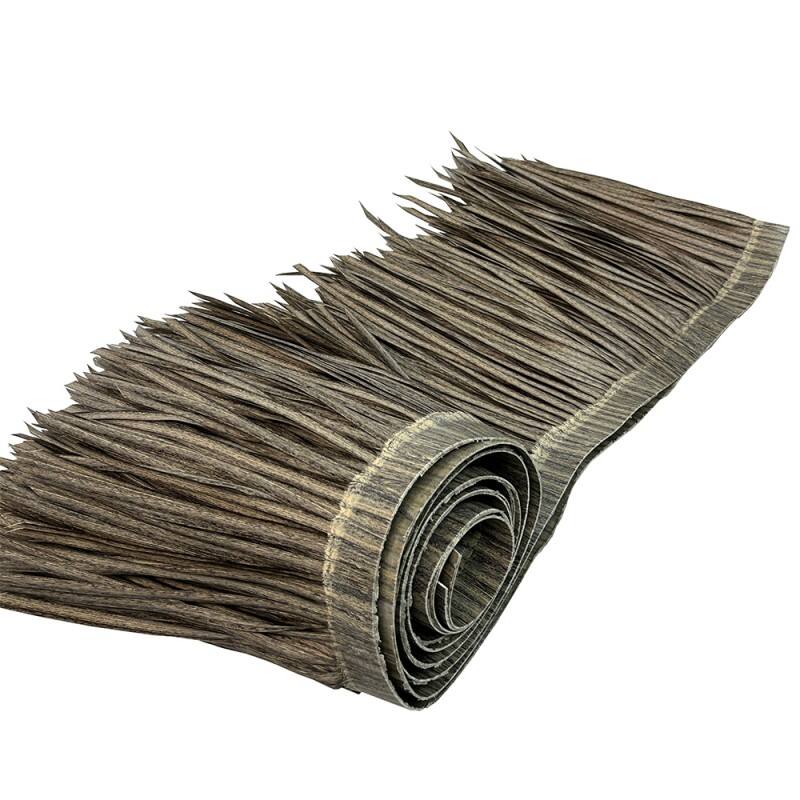
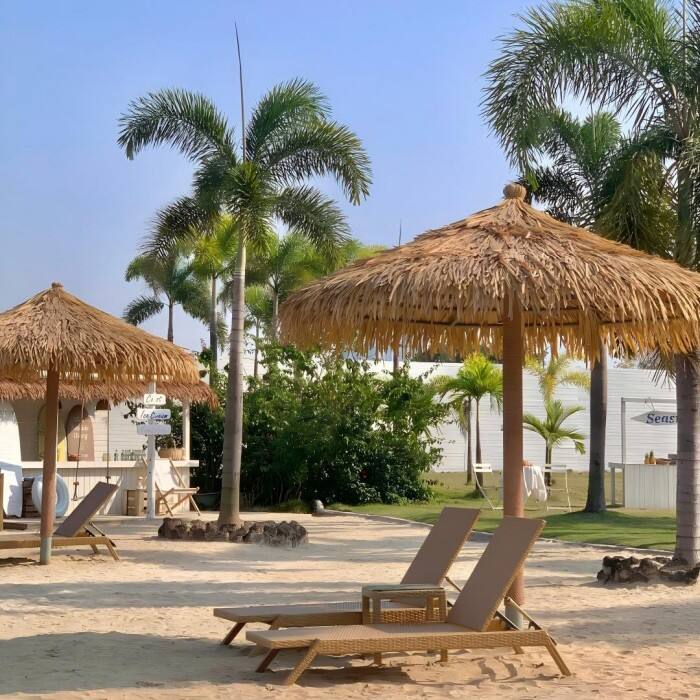
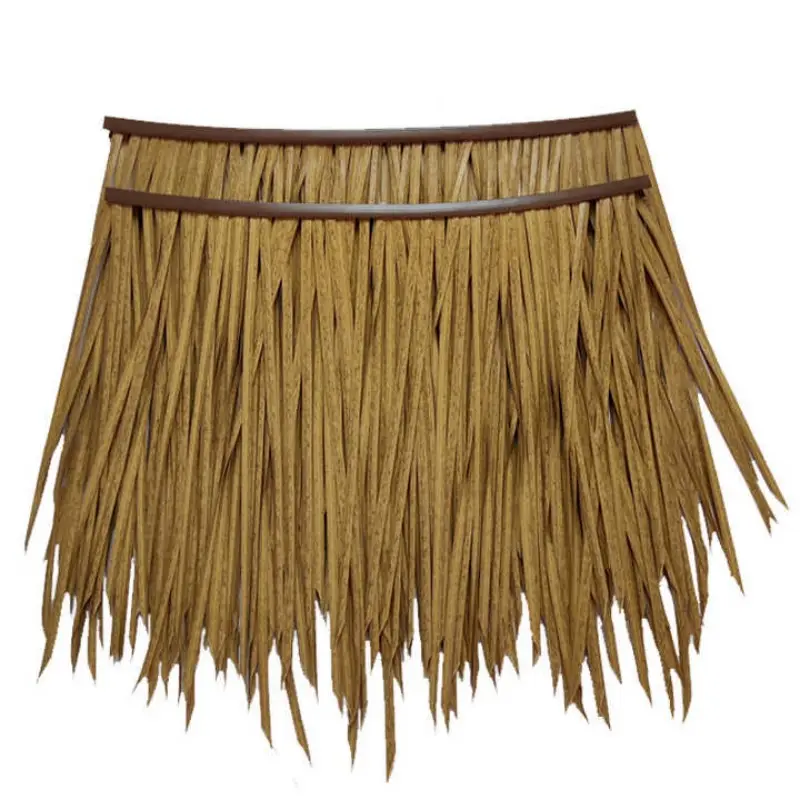
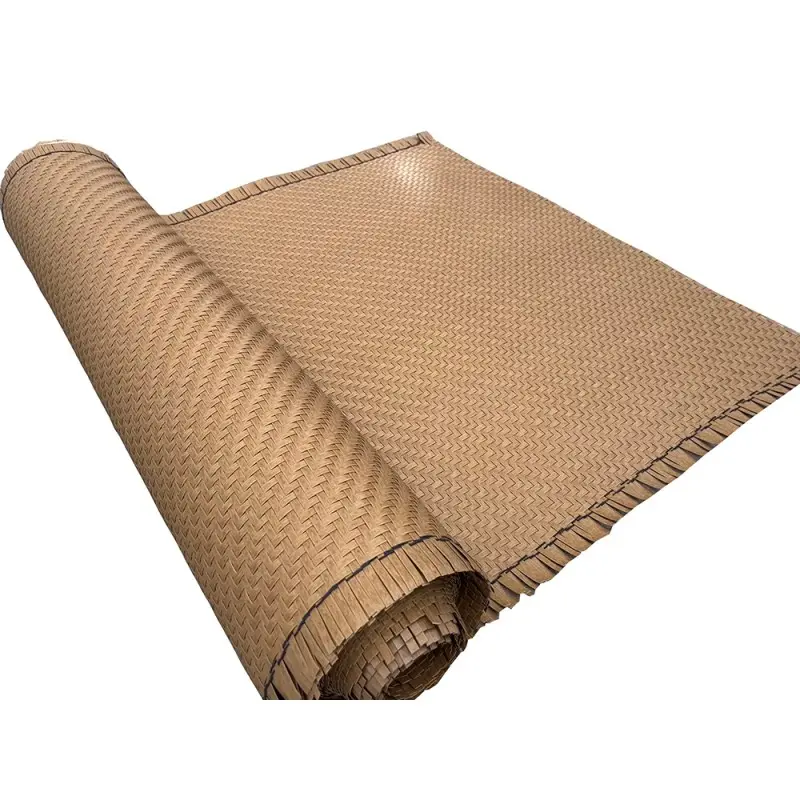
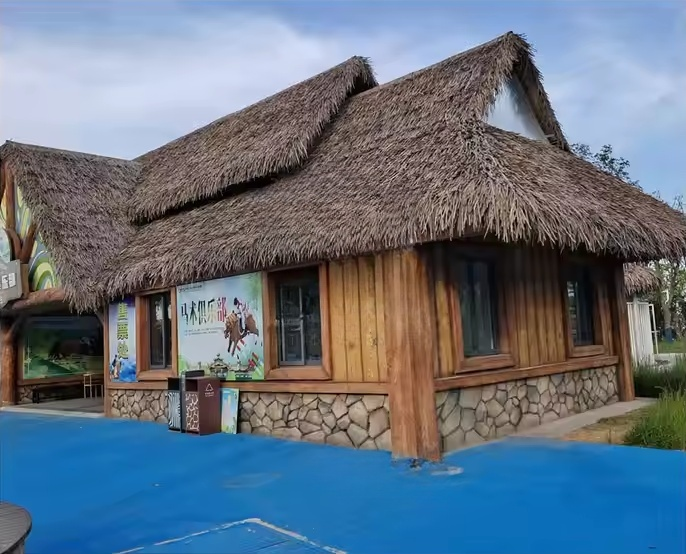
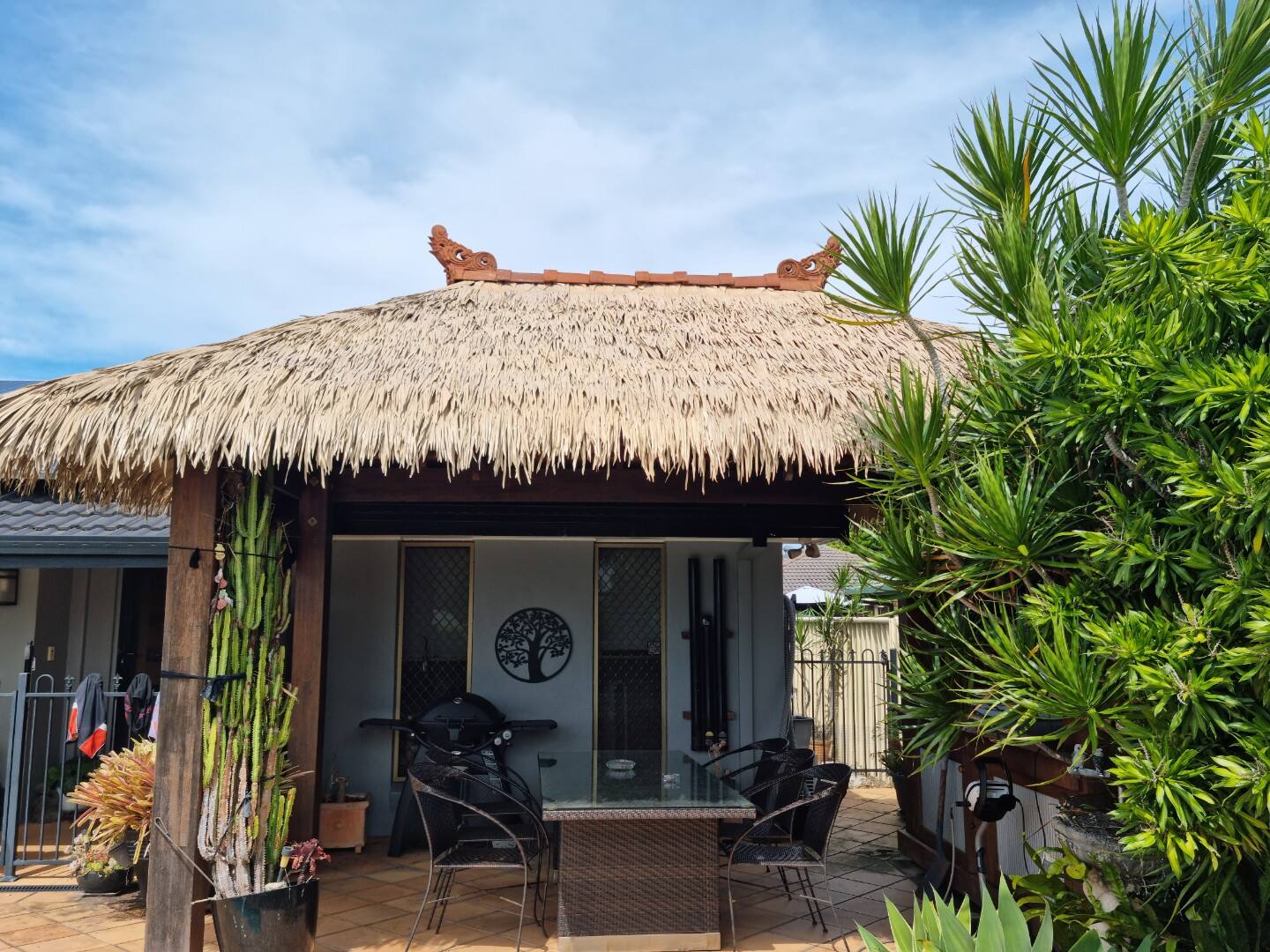
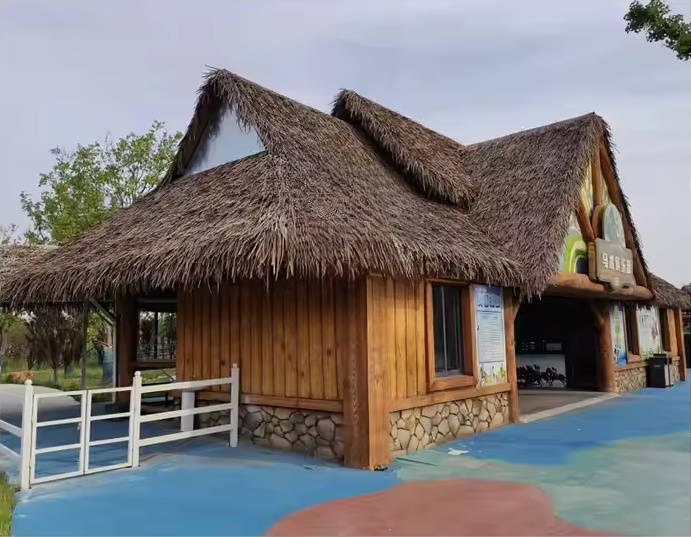
Thatch roof palm leaves represent a revolutionary roofing solution that combines traditional craftsmanship with modern sustainability principles. These specialized palm fronds are carefully selected, processed, and treated to create durable roofing materials that provide exceptional protection against the elements while maintaining an authentic tropical aesthetic. The primary function of thatch roof palm leaves involves creating waterproof barriers that effectively shed rainwater while allowing natural ventilation to regulate indoor temperatures. The technological features of these materials include enhanced UV resistance through natural oils present in the palm fibers, superior flexibility that allows adaptation to various roof contours, and inherent antimicrobial properties that prevent mold and mildew growth. The processing techniques employed in preparing thatch roof palm leaves involve careful harvesting at optimal maturity levels, systematic drying procedures that preserve structural integrity, and specialized bundling methods that ensure consistent coverage density. Applications for these materials span residential construction, commercial resort developments, outdoor pavilions, and architectural projects requiring authentic tropical styling. The installation process utilizes traditional thatching techniques adapted for contemporary building standards, ensuring both aesthetic appeal and structural reliability. Quality thatch roof palm leaves demonstrate remarkable longevity when properly maintained, with lifespans extending 10-15 years under normal weather conditions. The natural properties of palm leaves include excellent insulation characteristics that reduce energy consumption, inherent fire resistance when properly treated, and biodegradable composition that minimizes environmental impact. Modern preparation methods enhance these natural benefits through controlled moisture content management, integrated pest deterrent treatments, and standardized sizing for efficient installation. The versatility of thatch roof palm leaves makes them suitable for diverse architectural styles, from traditional tropical designs to contemporary eco-friendly constructions seeking sustainable roofing alternatives.

Popular Products

Thatch roof palm leaves offer substantial cost savings compared to conventional roofing materials while delivering superior performance characteristics that benefit property owners in multiple ways. The natural insulation properties of these materials significantly reduce cooling costs by maintaining comfortable interior temperatures without excessive air conditioning usage. Installation costs remain minimal since thatch roof palm leaves require basic tools and techniques rather than specialized equipment or extensive labor teams. The lightweight nature of palm leaf thatching reduces structural load requirements, eliminating the need for reinforced support systems that add expense to construction projects. Maintenance expenses stay low throughout the lifespan of thatch roof palm leaves because repairs involve simple patch work rather than complete section replacements. The weather resistance of properly prepared palm leaves prevents water damage, wind uplift, and UV degradation that commonly affect synthetic roofing materials. Environmental benefits include carbon neutrality since palm leaves absorb CO2 during growth and release minimal emissions during production and disposal phases. The renewable nature of palm leaf resources ensures sustainable harvesting practices that support local economies while providing consistent material supplies. Aesthetic appeal creates significant property value increases as thatch roof palm leaves deliver authentic tropical ambiance that attracts buyers and guests. The natural ventilation properties reduce humidity levels inside buildings, preventing moisture-related structural damage and improving indoor air quality. Acoustic benefits include excellent sound dampening that reduces noise pollution from rain, wind, and external disturbances. The flexibility of thatch roof palm leaves accommodates building settling and thermal expansion without cracking or compromising waterproof integrity. Installation speed exceeds traditional roofing methods since palm leaves can be applied quickly without curing times or weather delays that affect other materials. The compatibility with various architectural styles allows creative design freedom while maintaining structural functionality. Local sourcing opportunities reduce transportation costs and support regional suppliers, creating economic benefits for communities while ensuring fresh, high-quality materials. The proven durability of thatch roof palm leaves in tropical climates demonstrates reliable performance under extreme weather conditions including high winds, heavy rainfall, and intense solar exposure.

Practical Tips

How to Choose a High-Quality Synthetic Thatch Roof for Commercial Projects

24

Nov

How to Choose a High-Quality Synthetic Thatch Roof for Commercial Projects

Selecting the right roofing material for commercial projects requires careful consideration of durability, aesthetics, and long-term performance. A synthetic thatch roof offers an ideal solution for businesses seeking the authentic appearance of trad...
View More
Trends in Using Rattan Weave Materials for Furniture and Roof Decoration

06

Nov

Trends in Using Rattan Weave Materials for Furniture and Roof Decoration

The design world is experiencing a remarkable renaissance in natural materials, with rattan weave materials emerging as a dominant force in contemporary furniture and architectural applications. This revival represents more than just aesthetic prefer...
View More
What Are the Trends in Cottage Thatched Construction for 2025

25

Dec

What Are the Trends in Cottage Thatched Construction for 2025

The cottage thatched construction industry is experiencing a remarkable transformation as we approach 2025, with innovative materials and sustainable practices reshaping traditional building methods. Modern homeowners and resort developers are increa...
View More
Durability and Maintenance Methods of Rattan Weave

17

Dec

Durability and Maintenance Methods of Rattan Weave

Rattan weave has emerged as one of the most sought-after materials in contemporary architecture and interior design, offering a perfect blend of natural aesthetics and functional durability. This versatile material combines traditional craftsmanship ...
View More

Get a Free Quote

Our representative will contact you soon.
Email
Name
Company Name
Message
0/1000

thatch roof palm leaves

Exceptional Weather Resistance and Durability

Exceptional Weather Resistance and Durability

The superior weather resistance of thatch roof palm leaves stems from their unique cellular structure and natural chemical composition that provides outstanding protection against diverse environmental challenges. These materials demonstrate remarkable resilience during hurricane-force winds due to their flexible fiber arrangement that allows controlled movement without structural failure. The overlapping installation pattern creates multiple protective layers that effectively channel rainwater away from vulnerable areas while preventing wind-driven moisture penetration. Natural oils within palm leaf fibers provide inherent water repellency that maintains effectiveness even after years of exposure to tropical storms and seasonal weather patterns. The UV resistance of thatch roof palm leaves surpasses many synthetic alternatives because palm fibers contain natural compounds that absorb and dissipate harmful solar radiation without degrading the underlying structural matrix. Temperature fluctuations that cause expansion and contraction in rigid roofing materials have minimal impact on palm leaf thatching due to the organic flexibility that accommodates thermal stress without cracking or separation. The salt air resistance makes thatch roof palm leaves particularly valuable for coastal installations where corrosive marine environments quickly deteriorate metal and composite roofing systems. Hail impact resistance results from the cushioning effect of layered palm fronds that absorb kinetic energy and distribute impact forces across wider surface areas. The self-healing properties of organic palm fibers allow minor damage to seal naturally as the materials adjust and compress over time. Quality control measures ensure that only mature palm leaves with optimal moisture content and fiber density are selected for roofing applications, guaranteeing consistent performance standards. The natural antimicrobial properties prevent bacterial growth and fungal infestations that commonly compromise other organic roofing materials in humid environments. Professional installation techniques maximize the weather resistance potential of thatch roof palm leaves through proper overlap sequences, secure fastening methods, and strategic ventilation integration that prevents moisture accumulation beneath the thatched surface.
Outstanding Thermal Insulation and Energy Efficiency

Outstanding Thermal Insulation and Energy Efficiency

The thermal insulation capabilities of thatch roof palm leaves create significant energy savings by naturally regulating building temperatures through innovative design principles that leverage organic material properties. The multi-layered structure of properly installed palm leaf thatching creates insulating air pockets that effectively resist heat transfer while maintaining breathability for moisture management. The cellular composition of palm fibers includes hollow chambers that trap air and provide thermal barriers comparable to manufactured insulation materials but with superior humidity regulation characteristics. Solar heat absorption remains minimal because the natural color and texture of thatch roof palm leaves reflect rather than absorb excessive thermal radiation during peak daylight hours. The evaporation cooling effect occurs as residual moisture within palm leaf structures gradually releases during hot weather, creating natural temperature reduction similar to swamp cooler principles. Thermal mass properties help stabilize indoor temperatures by gradually absorbing heat during warm periods and slowly releasing stored thermal energy when exterior temperatures drop. The ventilation integration possible with thatch roof palm leaves allows strategic air circulation that enhances cooling efficiency without compromising weather protection or structural integrity. Energy consumption reductions of 30-40 percent are commonly achieved in tropical climates where conventional roofing materials create heat island effects that increase cooling costs. The seasonal adaptation characteristics of palm leaf thatching respond to changing weather patterns by adjusting insulation properties through natural expansion and contraction cycles. Installation techniques can optimize thermal performance by varying thickness levels, adjusting overlap patterns, and incorporating ventilation channels that enhance natural cooling effects. The long-term energy savings from thatch roof palm leaves often exceed initial material costs within 2-3 years of installation, providing substantial return on investment throughout the material lifespan. Quality thatch roof palm leaves maintain insulation effectiveness even as they age because the organic degradation process occurs gradually without sudden performance drops that affect synthetic materials. Professional energy audits consistently demonstrate superior thermal efficiency ratings for buildings utilizing properly installed palm leaf thatching compared to conventional roofing systems.
Sustainable Environmental Impact and Eco-Friendly Benefits

Sustainable Environmental Impact and Eco-Friendly Benefits

The environmental sustainability of thatch roof palm leaves represents a cornerstone benefit that aligns with modern green building practices while supporting ecological conservation and responsible resource management. The renewable harvesting cycle for palm leaves typically ranges from 6-12 months, allowing continuous material production without depleting natural resources or harming palm tree health and productivity. The carbon footprint of thatch roof palm leaves remains exceptionally low because production processes require minimal energy input, transportation distances stay short for locally sourced materials, and manufacturing emissions are virtually nonexistent compared to synthetic alternatives. Biodegradable decomposition ensures that end-of-life disposal creates compost material rather than landfill waste, supporting circular economy principles that minimize environmental burden. The habitat preservation benefits include supporting palm tree cultivation that provides wildlife shelter, soil stabilization, and oxygen production while generating sustainable income for local communities. Water conservation advantages result from natural rainwater collection capabilities of thatched roofs that can be integrated with cistern systems for irrigation and household use. The chemical-free processing methods used for preparing thatch roof palm leaves eliminate toxic runoff and air pollution associated with synthetic roofing material production. Local economic support creates positive environmental impacts by reducing transportation emissions, supporting sustainable agriculture practices, and maintaining traditional crafts knowledge within indigenous communities. The ecosystem integration of palm plantations provides multiple environmental services including erosion control, carbon sequestration, and biodiversity habitat that extend beyond roofing material production. Waste stream reduction occurs because palm leaf harvesting utilizes agricultural byproducts that would otherwise require disposal or burning, converting potential waste into valuable building materials. The natural pest resistance of properly processed palm leaves eliminates the need for chemical treatments that can harm surrounding ecosystems and water supplies. Life cycle assessment studies consistently demonstrate superior environmental performance ratings for thatch roof palm leaves compared to conventional roofing materials across all impact categories including resource depletion, emissions generation, and waste production. The regenerative agriculture potential of palm cultivation for thatching materials creates opportunities for soil improvement, water table enhancement, and microclimate stabilization that benefit entire regional ecosystems.

Get a Free Quote

Our representative will contact you soon.
Email
Name
Company Name
Message
0/1000