Palm Leaf Thatch Roof: Sustainable, Durable Natural Roofing Solutions for Tropical Buildings

Get a Free Quote

Our representative will contact you soon.
Email
Name
Company Name
Message
0/1000

palm leaf thatch roof

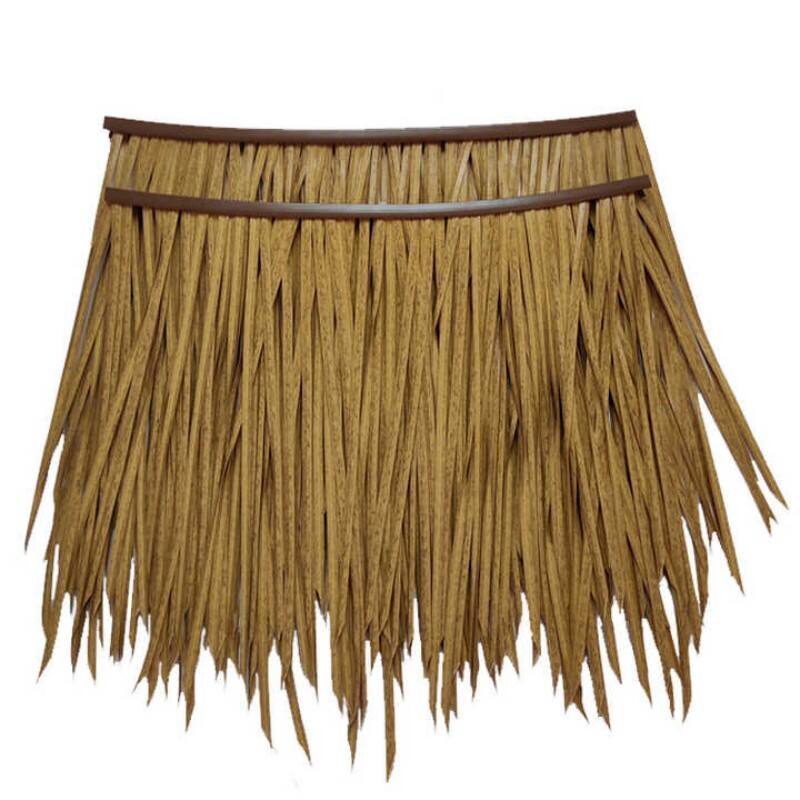
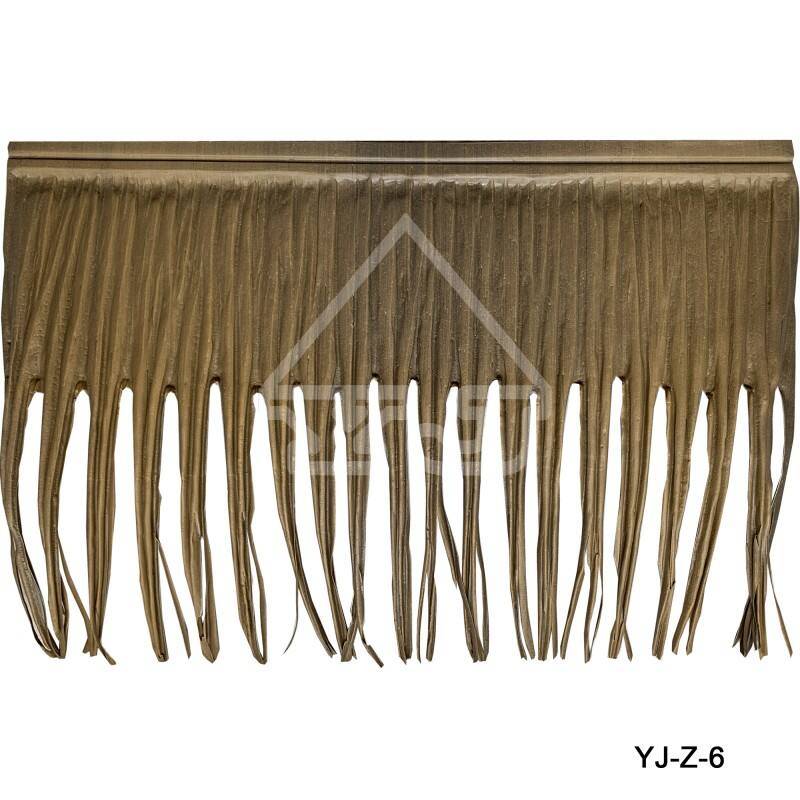
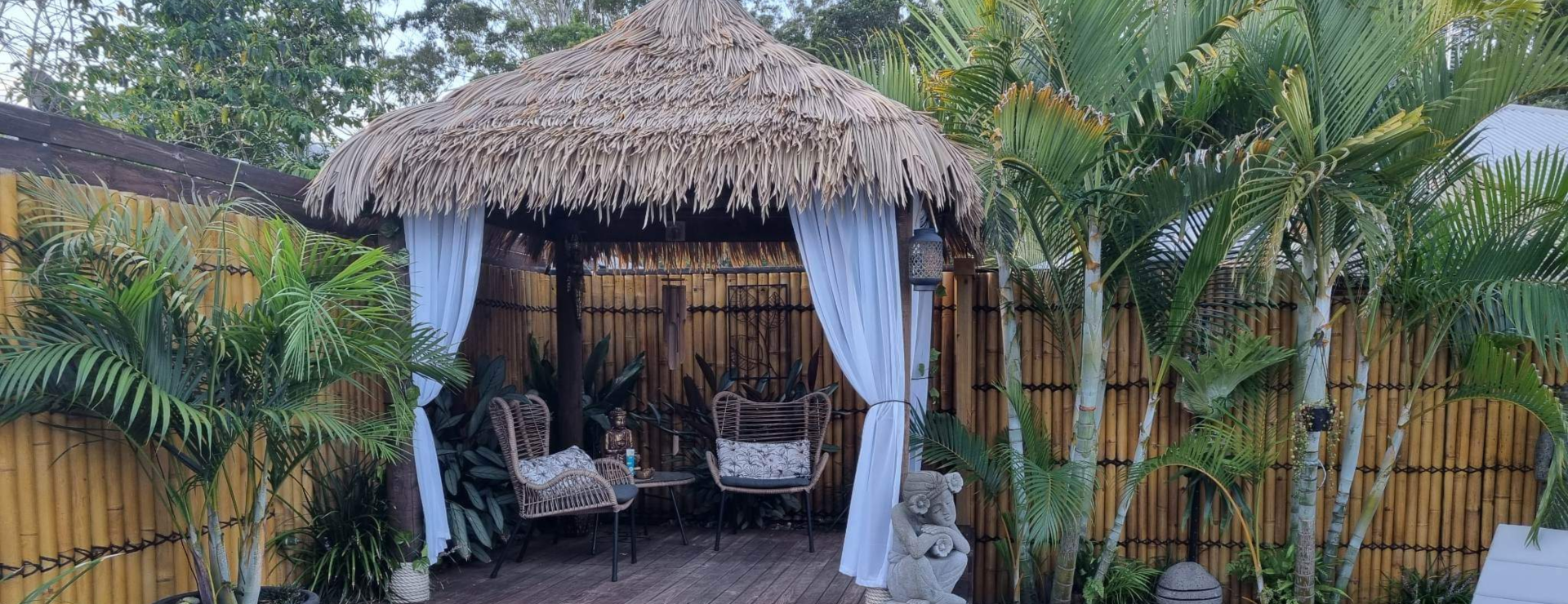
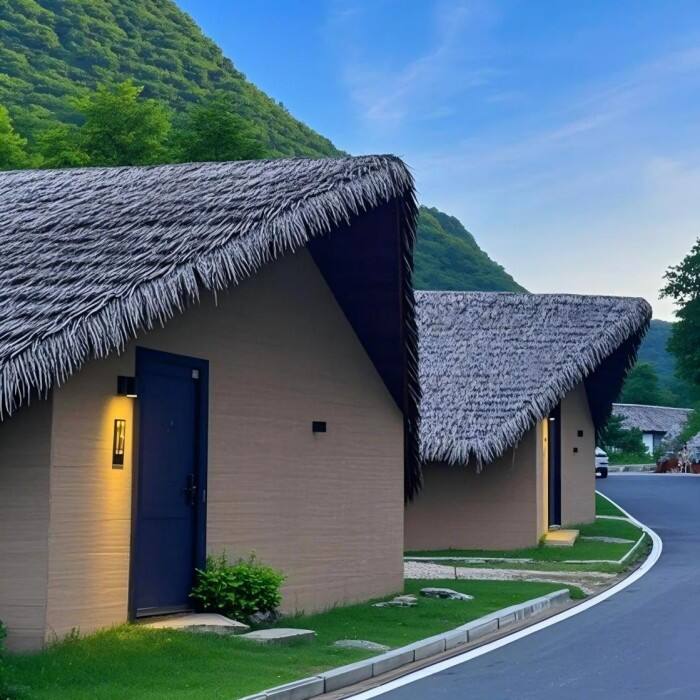
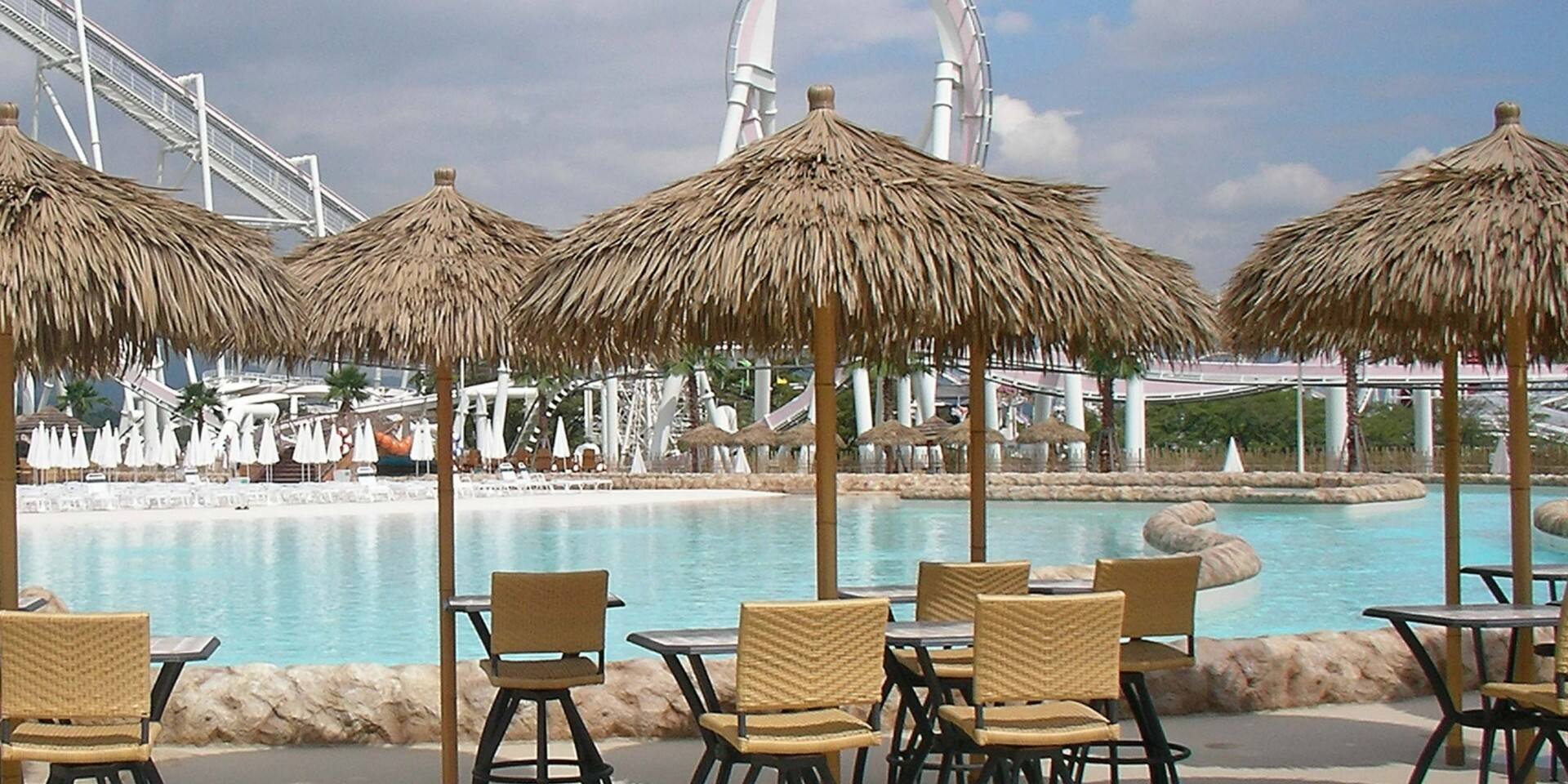
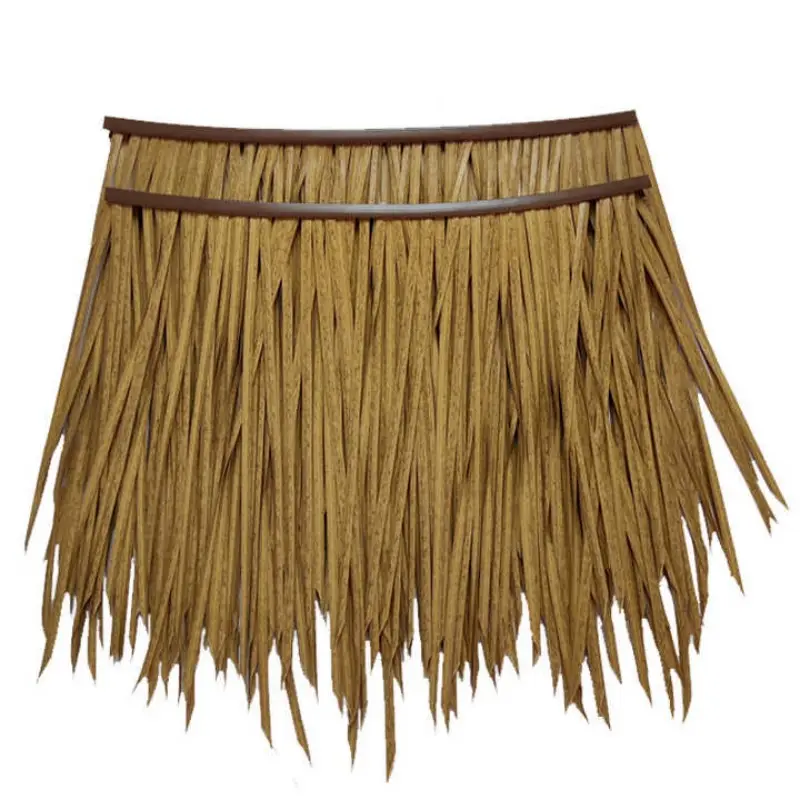
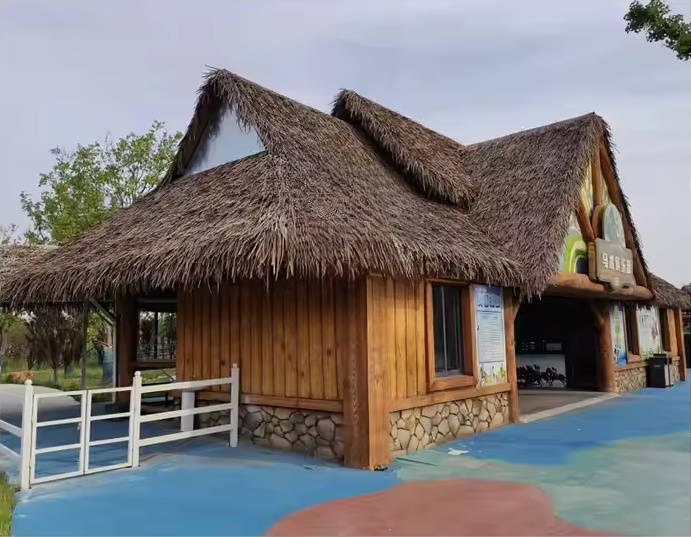
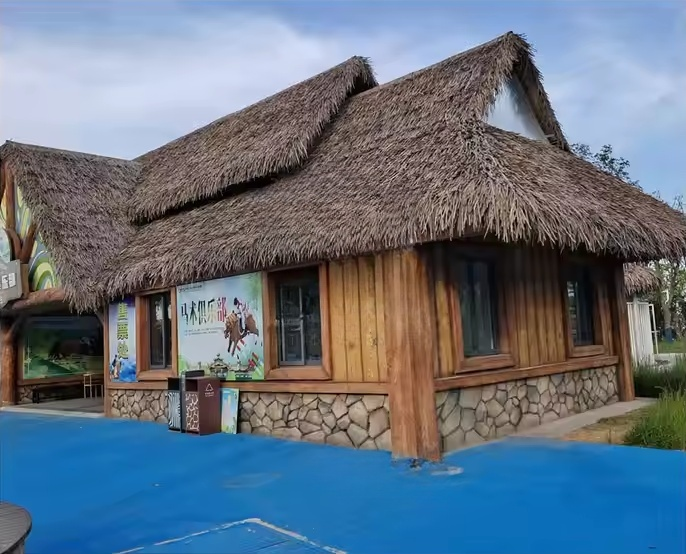
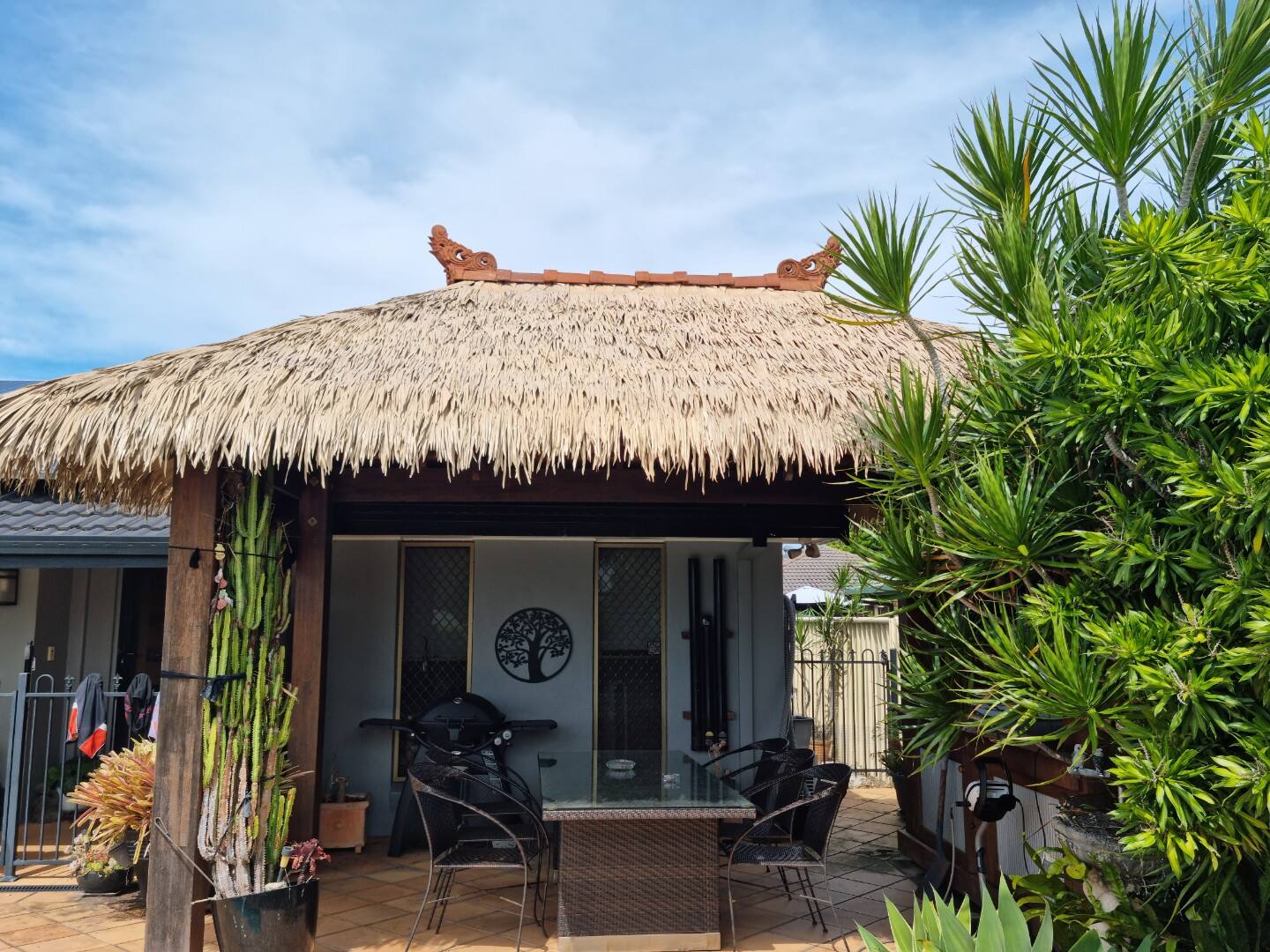
Palm leaf thatch roof represents a time-tested roofing solution that combines natural materials with practical functionality for residential and commercial buildings. This traditional roofing system utilizes carefully prepared palm fronds that are woven and layered to create a durable, weather-resistant covering. The palm leaf thatch roof construction process involves selecting mature palm leaves, drying them properly, and arranging them in overlapping patterns that ensure optimal water drainage and structural integrity. The main functions of palm leaf thatch roof systems include protecting buildings from rain, providing excellent insulation against heat, and creating an aesthetically pleasing natural appearance that blends harmoniously with tropical and subtropical environments. Technologically, palm leaf thatch roof installations feature sophisticated layering techniques that have been refined over centuries. The leaves are positioned at specific angles to maximize water runoff while minimizing wind uplift. Each layer of palm fronds creates air pockets that enhance thermal insulation properties, making indoor spaces naturally cooler during hot weather. The technological features also include specialized fastening methods that secure the palm leaf thatch roof to underlying support structures using traditional ties or modern hardware. Installation requires skilled craftsmanship to ensure proper overlap ratios, ventilation channels, and ridge treatments that prevent water penetration. Applications for palm leaf thatch roof systems span diverse building types, including residential homes, resort accommodations, restaurant pavilions, beach huts, and cultural centers. The versatility of palm leaf thatch roof construction makes it suitable for both permanent structures and temporary installations. Many eco-resorts choose palm leaf thatch roof solutions to create authentic tropical atmospheres while maintaining sustainable building practices. The material's natural properties make it particularly well-suited for coastal environments where traditional roofing materials might suffer from salt air corrosion.

New Products

The palm leaf thatch roof delivers exceptional benefits that make it an intelligent choice for property owners seeking sustainable and cost-effective roofing solutions. Natural insulation stands as the primary advantage of palm leaf thatch roof systems, providing superior thermal regulation that keeps buildings naturally cool without requiring extensive air conditioning. This insulation capability stems from the organic structure of palm fronds, which creates multiple air layers that block heat transfer effectively. Property owners experience significant energy savings throughout the year, as palm leaf thatch roof installations maintain comfortable interior temperatures even during peak summer months. The environmental benefits of choosing palm leaf thatch roof materials cannot be overstated, as these systems utilize completely renewable resources that grow abundantly in tropical regions. Unlike synthetic roofing materials that require energy-intensive manufacturing processes, palm leaf thatch roof production has minimal environmental impact and actually supports sustainable forestry practices. When properly maintained, palm leaf thatch roof installations can last between fifteen to twenty-five years, providing excellent long-term value for the initial investment. The durability of palm leaf thatch roof systems depends on proper installation techniques and regular maintenance, but the material naturally resists common roofing problems like thermal expansion and contraction. Cost-effectiveness represents another compelling advantage, as palm leaf thatch roof materials typically cost significantly less than conventional roofing options like tile, metal, or composite materials. Installation costs also remain reasonable because palm leaf thatch roof systems require less structural support than heavy traditional materials. The lightweight nature of palm leaf thatch roof construction reduces stress on building frameworks, potentially lowering overall construction costs and allowing for more creative architectural designs. Aesthetic appeal creates additional value for property owners, as palm leaf thatch roof installations provide an authentic tropical appearance that enhances property values and creates inviting atmospheres. Many hotels and restaurants specifically choose palm leaf thatch roof systems to establish distinctive visual identities that attract customers and create memorable experiences. The natural weathering process of palm leaf thatch roof materials develops attractive silver-gray patinas that become more beautiful over time.

Latest News

How to Enhance Commercial Building Durability with Synthetic Palm Leaf Thatch

27

Nov

How to Enhance Commercial Building Durability with Synthetic Palm Leaf Thatch

Commercial buildings in tropical and subtropical regions face unique challenges when it comes to maintaining aesthetic appeal while ensuring long-term durability. Traditional roofing and decorative materials often fall short when exposed to intense U...
View More
How Material Choices Affect the Durability and Appearance of Synthetic Thatch

18

Nov

How Material Choices Affect the Durability and Appearance of Synthetic Thatch

The selection of materials in synthetic thatch manufacturing plays a crucial role in determining both the longevity and aesthetic appeal of these roofing solutions. Modern synthetic thatch products have revolutionized the construction industry by off...
View More
How to Evaluate Cost-Effectiveness of Artificial Thatch Roof for Commercial Projects

12

Nov

How to Evaluate Cost-Effectiveness of Artificial Thatch Roof for Commercial Projects

Commercial property developers and architects increasingly turn to alternative roofing solutions that combine aesthetic appeal with long-term durability. The artificial thatch roof has emerged as a compelling option for tropical resorts, entertainmen...
View More
What Are the Trends in Cottage Thatched Construction for 2025

25

Dec

What Are the Trends in Cottage Thatched Construction for 2025

The cottage thatched construction industry is experiencing a remarkable transformation as we approach 2025, with innovative materials and sustainable practices reshaping traditional building methods. Modern homeowners and resort developers are increa...
View More

Get a Free Quote

Our representative will contact you soon.
Email
Name
Company Name
Message
0/1000

palm leaf thatch roof

Superior Natural Insulation and Energy Efficiency

Superior Natural Insulation and Energy Efficiency

The palm leaf thatch roof excels in providing outstanding thermal insulation that dramatically reduces energy consumption and creates comfortable living environments throughout the year. This natural insulation capability results from the unique cellular structure of palm fronds, which creates countless air pockets that effectively block heat transfer from exterior surfaces to interior spaces. When properly installed, a palm leaf thatch roof can reduce interior temperatures by up to fifteen degrees compared to conventional roofing materials, eliminating the need for excessive air conditioning and resulting in substantial utility bill savings. The insulation properties of palm leaf thatch roof systems work bidirectionally, keeping buildings cool during hot weather and retaining warmth during cooler periods. This thermal regulation occurs naturally without requiring additional insulation materials or complex ventilation systems. Property owners who invest in palm leaf thatch roof installations report energy savings of thirty to fifty percent compared to buildings with traditional roofing materials. The insulation effectiveness stems from the layered construction method, where overlapping palm fronds create multiple barrier layers that prevent heat penetration. These natural air gaps function similarly to modern insulation materials but provide additional benefits like moisture regulation and natural ventilation. The palm leaf thatch roof also reflects significant amounts of solar radiation due to its organic composition and natural color variations. Unlike dark-colored roofing materials that absorb heat and transfer it into buildings, palm leaf thatch roof surfaces remain relatively cool even under direct sunlight. This reflective property, combined with the material's natural insulation characteristics, creates a highly efficient thermal barrier that maintains comfortable indoor temperatures. Additionally, the breathable nature of palm leaf thatch roof construction allows moisture vapor to escape naturally, preventing condensation problems that commonly affect buildings with synthetic roofing materials. This natural moisture management contributes to healthier indoor air quality and reduces the risk of mold or mildew development in ceiling areas.
Exceptional Durability and Weather Resistance

Exceptional Durability and Weather Resistance

Palm leaf thatch roof systems demonstrate remarkable durability and weather resistance when properly constructed and maintained, making them suitable for challenging tropical and subtropical climates. The natural flexibility of palm fronds allows palm leaf thatch roof installations to withstand strong winds that might damage rigid roofing materials. During storms, the individual leaves flex and bend rather than breaking, enabling the entire palm leaf thatch roof system to maintain structural integrity under adverse conditions. This flexibility proves particularly valuable in hurricane-prone regions where conventional roofing materials often suffer catastrophic damage. The water-shedding capabilities of palm leaf thatch roof construction rival those of modern materials when properly installed with appropriate slope angles and overlap patterns. The natural waxy coating on palm fronds provides inherent water resistance, while the layered installation method creates multiple drainage pathways that quickly channel rainwater away from the structure. Even during heavy downpours, a well-constructed palm leaf thatch roof effectively prevents water penetration while allowing the roofing system to dry quickly afterward. The longevity of palm leaf thatch roof installations depends largely on the quality of materials and installation techniques, but properly maintained systems regularly achieve lifespans of twenty to twenty-five years. Regular maintenance involves replacing worn sections and ensuring proper ventilation, but these requirements are typically less demanding and expensive than maintaining conventional roofing systems. The natural aging process of palm leaf thatch roof materials actually enhances certain performance characteristics, as weathered leaves become more tightly interwoven and develop increased water resistance. Fire resistance represents another important aspect of palm leaf thatch roof durability, particularly when leaves are properly cured and maintained at appropriate moisture levels. While fresh palm leaves contain natural moisture that provides fire resistance, properly dried thatch materials can be treated with natural fire retardants to enhance safety. The organic composition of palm leaf thatch roof systems also means they resist corrosion, rust, and degradation from salt air exposure, making them ideal for coastal installations where metal roofing materials might fail prematurely.
Sustainable Environmental Impact and Renewable Resource Utilization

Sustainable Environmental Impact and Renewable Resource Utilization

The environmental advantages of palm leaf thatch roof systems position them as exemplary sustainable building materials that support ecological conservation while providing superior roofing performance. Palm trees used for palm leaf thatch roof production grow rapidly and regenerate naturally, making this roofing solution completely renewable and environmentally responsible. Harvesting palm fronds for palm leaf thatch roof construction actually benefits palm tree health by removing older leaves and encouraging new growth, creating a sustainable cycle that supports both human needs and environmental conservation. The production process for palm leaf thatch roof materials requires minimal energy consumption compared to manufacturing synthetic roofing products, resulting in significantly lower carbon footprints. Traditional palm leaf thatch roof preparation involves natural drying and weaving techniques that rely on solar energy and manual labor rather than fossil fuels or industrial processes. This low-impact production method means choosing palm leaf thatch roof systems actively reduces environmental damage associated with conventional roofing material manufacturing. At the end of their service life, palm leaf thatch roof materials decompose naturally without creating waste disposal problems or environmental contamination. Unlike synthetic roofing materials that require special disposal methods and contribute to landfill accumulation, old palm leaf thatch roof components can be composted or simply allowed to decompose naturally, returning nutrients to the soil. This complete biodegradability makes palm leaf thatch roof systems truly sustainable from production through disposal. The carbon sequestration benefits of palm leaf thatch roof installations contribute positively to climate change mitigation efforts. Palm trees naturally absorb carbon dioxide during growth, and this carbon remains stored in the palm leaf thatch roof materials throughout their service life. Additionally, the excellent insulation properties of palm leaf thatch roof systems reduce energy consumption for heating and cooling, further decreasing the carbon footprint of buildings. Many environmental certification programs recognize palm leaf thatch roof installations as contributing to sustainable building practices and green construction goals. Property owners seeking LEED certification or other environmental building standards often find that palm leaf thatch roof systems help achieve required sustainability points while providing practical roofing performance that meets or exceeds conventional alternatives.

Get a Free Quote

Our representative will contact you soon.
Email
Name
Company Name
Message
0/1000