Premium Thatch Roof for Shed: Eco-Friendly, Durable & Beautiful Roofing Solutions

Get a Free Quote

Our representative will contact you soon.
Email
Name
Company Name
Message
0/1000

thatch roof for shed

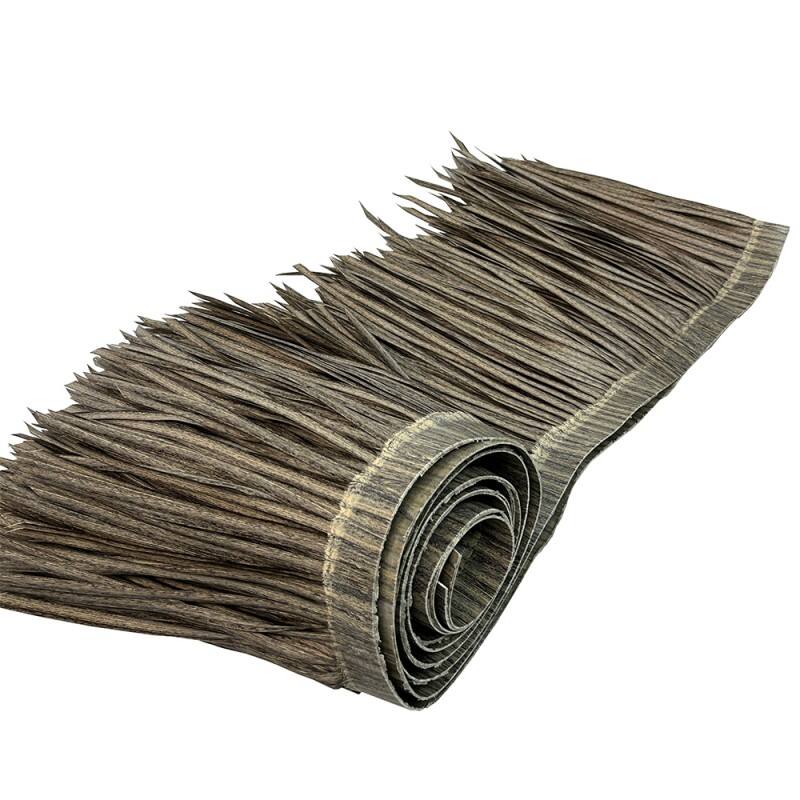
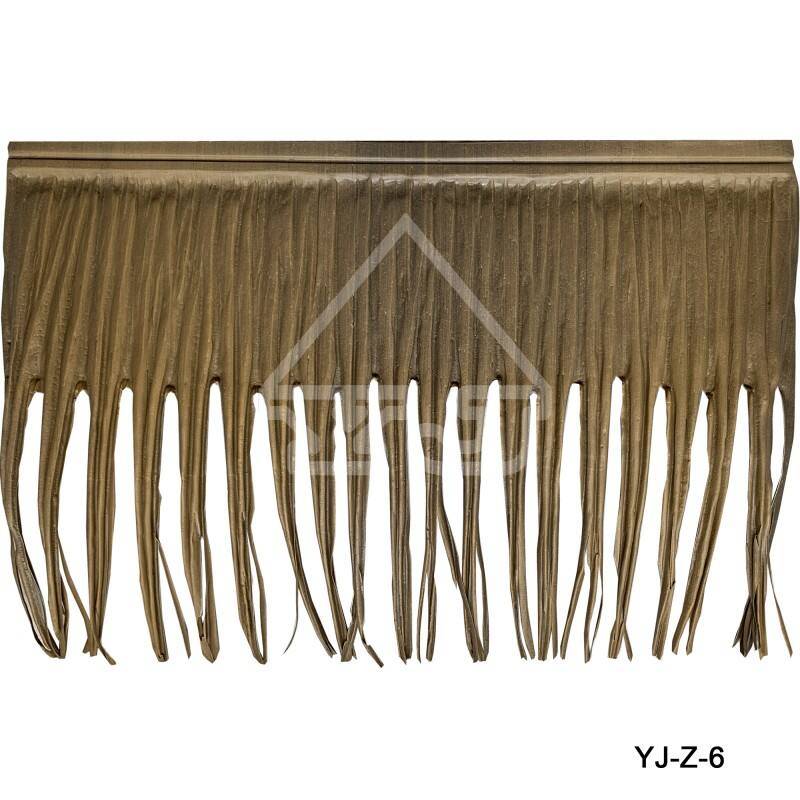
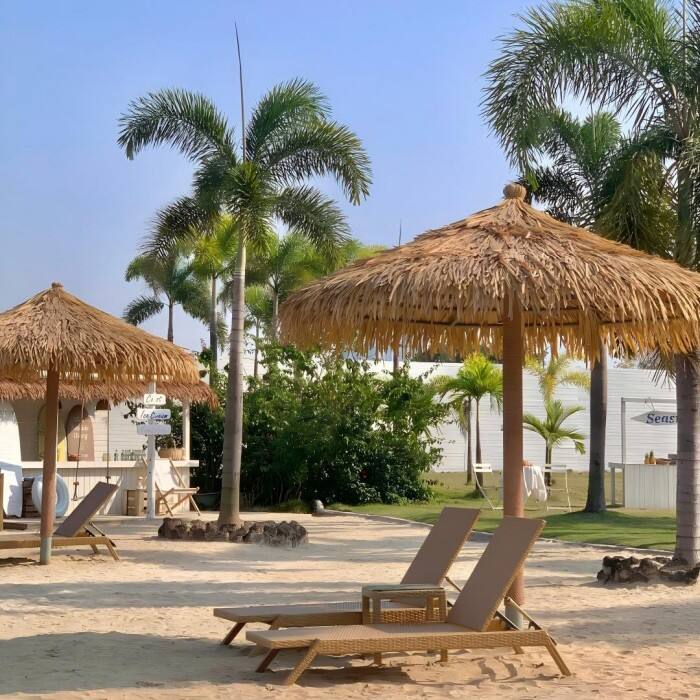
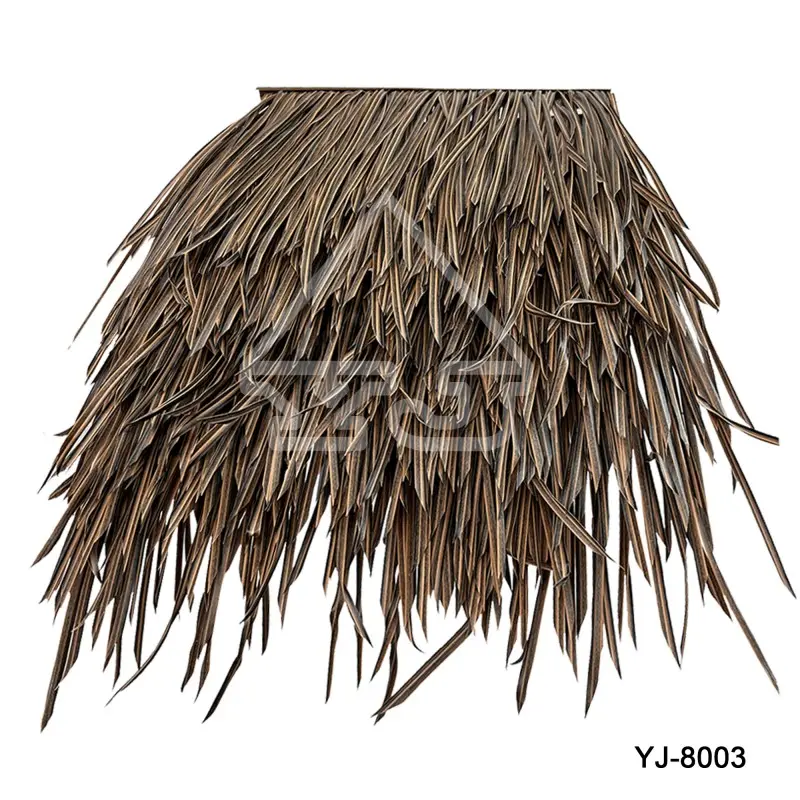
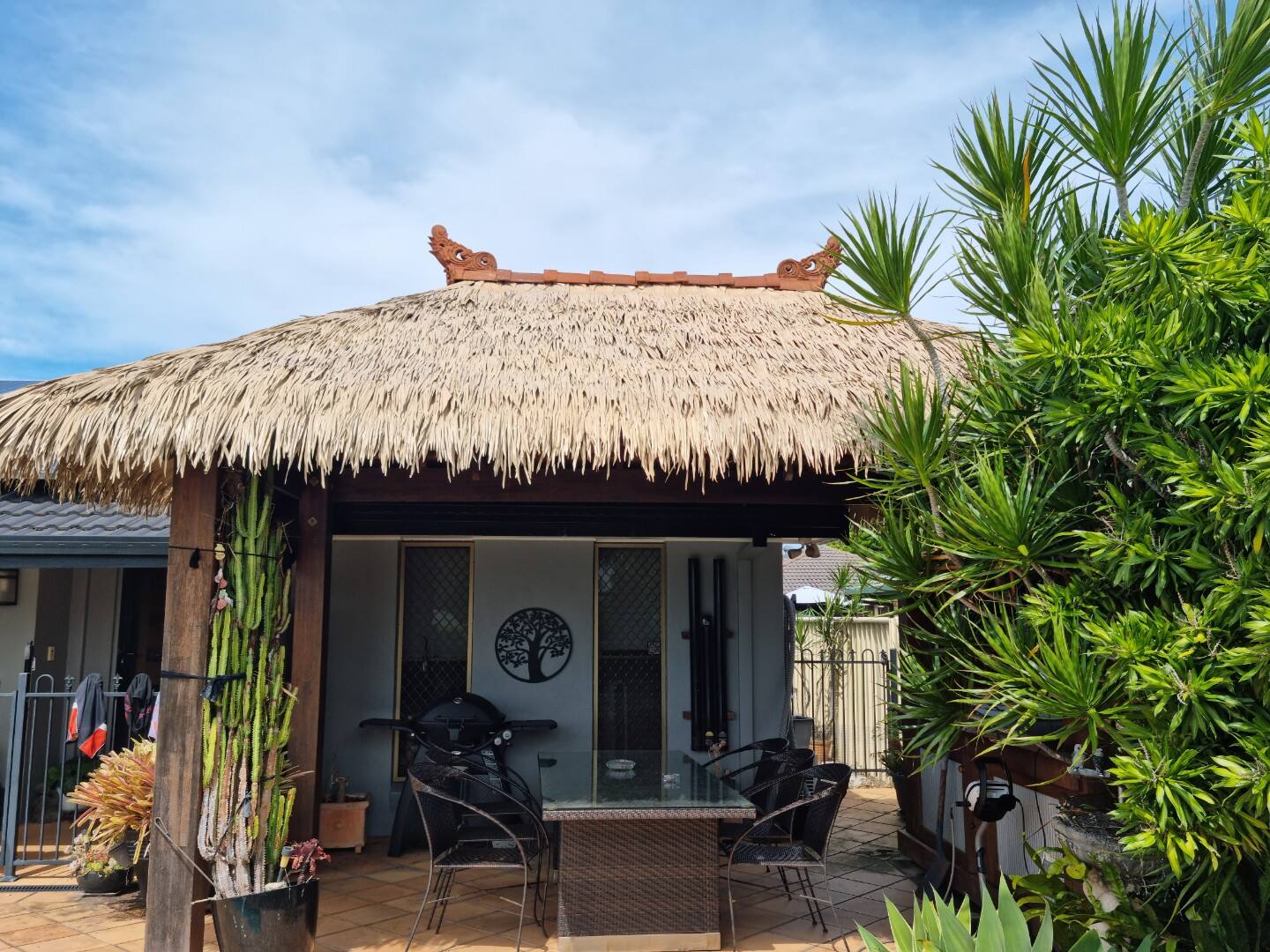
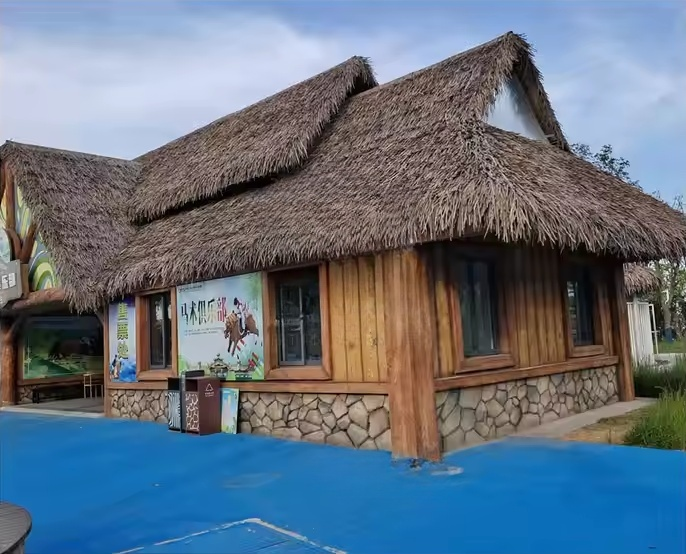
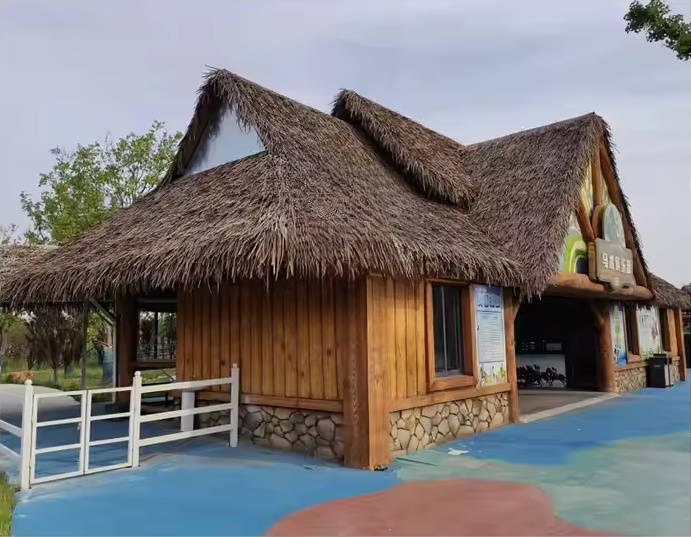
A thatch roof for shed represents one of the most time-honored and environmentally sustainable roofing solutions available for outdoor storage structures. This traditional roofing method utilizes natural materials such as straw, reed, palm leaves, or other dried vegetation to create a protective covering that has served human settlements for thousands of years. The thatch roof for shed combines ancient craftsmanship with modern functionality, offering property owners an attractive alternative to conventional roofing materials. The primary function of a thatch roof for shed involves providing comprehensive weather protection while maintaining excellent thermal properties. The dense layering of natural materials creates multiple barriers against rain, wind, and snow, ensuring your stored items remain dry and secure. The technological features of a thatch roof for shed include superior insulation capabilities, natural ventilation properties, and remarkable durability when properly maintained. The organic materials used in thatch roof for shed construction possess inherent insulating qualities that help regulate internal temperatures throughout different seasons. Applications for thatch roof for shed extend across residential, agricultural, and commercial properties where owners seek authentic, eco-friendly roofing solutions. Garden sheds, tool storage buildings, workshop spaces, and recreational structures all benefit from the distinctive appearance and practical advantages of a thatch roof for shed. The installation process requires specialized knowledge and skilled craftsmen who understand the proper layering techniques and material preparation necessary for optimal performance. Modern thatch roof for shed installations often incorporate contemporary underlayment systems and improved drainage solutions while maintaining traditional aesthetic appeal. Property owners choose thatch roof for shed installations to enhance their landscape design while investing in sustainable building practices that reduce environmental impact and create unique architectural focal points.

New Product Releases

The advantages of choosing a thatch roof for shed applications extend far beyond mere aesthetic appeal, delivering tangible benefits that make this roofing solution increasingly popular among discerning property owners. One significant advantage of a thatch roof for shed lies in its exceptional insulation properties, which naturally regulate internal temperatures without requiring additional heating or cooling systems. This thermal efficiency stems from the air pockets trapped within the layered organic materials, creating a natural barrier that keeps sheds cooler during summer months and warmer during winter periods. Environmental sustainability represents another compelling advantage of thatch roof for shed installations, as these roofing systems utilize renewable, biodegradable materials that minimize ecological footprint. Unlike synthetic roofing materials that contribute to landfill waste, a thatch roof for shed eventually decomposes naturally, returning nutrients to the soil. The longevity advantage of properly installed thatch roof for shed systems often surprises property owners, with well-maintained installations lasting 30 to 50 years or longer. This durability stems from the natural preservative qualities found in many thatching materials and the traditional installation techniques that have been refined over centuries. Cost-effectiveness emerges as a practical advantage when considering the lifespan and minimal maintenance requirements of a thatch roof for shed. While initial installation costs may exceed conventional roofing materials, the long-term value proposition becomes evident through reduced replacement frequency and minimal ongoing maintenance needs. Weather resistance capabilities of a thatch roof for shed prove exceptional when properly constructed, with the overlapping layers creating multiple waterproof barriers that effectively shed rainwater while allowing natural ventilation. The unique drainage characteristics prevent water accumulation and reduce the risk of structural damage from moisture infiltration. Sound insulation benefits of thatch roof for shed installations create quieter internal environments, reducing noise from rain, wind, and external activities. This acoustic advantage proves particularly valuable for workshop sheds or recreational spaces where noise reduction enhances usability and comfort.

Latest News

How to Choose a High-Quality Synthetic Thatch Roof for Commercial Projects

24

Nov

How to Choose a High-Quality Synthetic Thatch Roof for Commercial Projects

Selecting the right roofing material for commercial projects requires careful consideration of durability, aesthetics, and long-term performance. A synthetic thatch roof offers an ideal solution for businesses seeking the authentic appearance of trad...
View More
How to Evaluate Cost-Effectiveness of Artificial Thatch Roof for Commercial Projects

12

Nov

How to Evaluate Cost-Effectiveness of Artificial Thatch Roof for Commercial Projects

Commercial property developers and architects increasingly turn to alternative roofing solutions that combine aesthetic appeal with long-term durability. The artificial thatch roof has emerged as a compelling option for tropical resorts, entertainmen...
View More
Applications of Cottage Thatched in Rural Vacation Homes

23

Dec

Applications of Cottage Thatched in Rural Vacation Homes

Rural vacation homes have experienced a remarkable resurgence as travelers seek authentic experiences away from bustling urban centers. Among the most captivating architectural elements that define these retreats is the traditional cottage thatched r...
View More
Performance Differences Between Synthetic Thatch and Natural Thatch

11

Dec

Performance Differences Between Synthetic Thatch and Natural Thatch

Traditional thatched roofing has evolved significantly over the centuries, transitioning from purely natural materials to innovative synthetic alternatives that offer enhanced durability and performance. Modern construction projects increasingly face...
View More

Get a Free Quote

Our representative will contact you soon.
Email
Name
Company Name
Message
0/1000

thatch roof for shed

Superior Thermal Regulation and Energy Efficiency

Superior Thermal Regulation and Energy Efficiency

The thermal regulation capabilities of a thatch roof for shed represent one of its most impressive and scientifically fascinating features, delivering year-round comfort and energy efficiency that surpasses many modern roofing materials. The unique structure of a thatch roof for shed creates a complex network of air pockets and natural insulation layers that work together to maintain stable internal temperatures regardless of external weather conditions. During hot summer months, the thick thatch roof for shed acts as a natural cooling system, preventing heat buildup and reducing internal temperatures by up to 15 degrees compared to metal or asphalt roofing alternatives. This cooling effect occurs because the organic materials in a thatch roof for shed naturally breathe, allowing warm air to escape while preventing direct solar heat transfer through the roofing structure. The layered construction of a thatch roof for shed traps countless pockets of still air, which serves as one of nature's most effective insulation materials. This thermal mass effect means that a thatch roof for shed slowly absorbs heat during the day and gradually releases it at night, creating a natural temperature regulation system that maintains comfortable conditions without mechanical intervention. During winter months, the insulating properties of a thatch roof for shed become even more apparent, as the dense organic materials prevent heat loss and create a warm, comfortable environment inside the shed. Property owners consistently report reduced condensation issues with thatch roof for shed installations, as the natural materials allow moisture to escape while preventing drafts and cold spots. The energy efficiency benefits of a thatch roof for shed extend beyond temperature control to include reduced need for artificial lighting, as the natural materials filter sunlight in a way that creates pleasant, diffused illumination inside the structure. This combination of thermal regulation and natural lighting makes a thatch roof for shed an ideal choice for workshop spaces, storage areas, or recreational buildings where comfort and functionality are paramount considerations.
Exceptional Weather Resistance and Longevity

Exceptional Weather Resistance and Longevity

The weather resistance capabilities of a thatch roof for shed have been proven through centuries of use in diverse climatic conditions, demonstrating remarkable durability and protective qualities that continue to impress modern property owners. The sophisticated water-shedding design of a thatch roof for shed relies on the natural shape and arrangement of organic materials, which create overlapping layers that direct rainwater away from the structure while preventing penetration. Each individual piece of thatching material in a thatch roof for shed is positioned at a precise angle that allows water to flow quickly from one layer to the next, creating a cascading effect that efficiently removes moisture from the roof surface. The natural oils and waxy coatings found in many thatching materials provide additional water resistance, creating a protective barrier that repels moisture while allowing the thatch roof for shed to breathe and prevent trapped humidity. Wind resistance represents another remarkable characteristic of a thatch roof for shed, as the flexible nature of the organic materials allows the roofing system to bend and flex with strong winds rather than breaking or becoming damaged. The traditional installation methods used for a thatch roof for shed involve securing materials in multiple layers with overlapping joints, creating a roofing system that becomes stronger and more weather-resistant as it ages and settles. Snow load capabilities of a thatch roof for shed often exceed those of conventional roofing materials, as the thick, dense construction naturally distributes weight and prevents accumulation of heavy snow loads that could cause structural damage. The longevity of a properly installed and maintained thatch roof for shed typically ranges from 30 to 50 years, with some exceptional installations lasting much longer when constructed with high-quality materials and expert craftsmanship. Regular maintenance requirements for a thatch roof for shed are minimal, typically involving annual inspections and occasional replacement of small sections that show signs of wear or damage. The natural preservative qualities found in many thatching materials help protect a thatch roof for shed from insect damage, fungal growth, and other common roofing problems that plague synthetic alternatives.
Authentic Aesthetic Appeal and Environmental Sustainability

Authentic Aesthetic Appeal and Environmental Sustainability

The authentic aesthetic appeal of a thatch roof for shed creates an unmatched visual impact that transforms ordinary storage structures into charming architectural features that enhance property value and curb appeal. The natural, rustic appearance of a thatch roof for shed evokes images of pastoral countryside and traditional craftsmanship, providing a timeless beauty that never goes out of style and complements both historic and contemporary landscape designs. The organic textures and earth-tone colors of a thatch roof for shed create visual interest and depth that cannot be replicated with manufactured roofing materials, making each installation unique and artistically distinctive. Property owners consistently report that their thatch roof for shed becomes a focal point of their landscape design, attracting positive attention from visitors and neighbors while increasing overall property desirability. The handcrafted nature of a thatch roof for shed installation means that no two roofs are exactly alike, with subtle variations in pattern, texture, and color that reflect the skill and artistic vision of the craftsman who created it. Environmental sustainability represents a crucial advantage of choosing a thatch roof for shed, as these roofing systems utilize completely renewable materials that can be harvested without causing environmental damage. The carbon footprint of a thatch roof for shed is significantly lower than synthetic alternatives, as the organic materials actually sequester carbon during their growth phase and require minimal energy for processing and installation. Biodegradability ensures that a thatch roof for shed will not contribute to landfill waste at the end of its useful life, instead decomposing naturally and returning valuable nutrients to the soil. The harvesting practices associated with thatch roof for shed materials often support sustainable agriculture and traditional rural industries, creating positive economic impacts in farming communities while preserving ancient skills and knowledge. Wildlife habitat benefits of a thatch roof for shed include providing nesting opportunities for beneficial birds and insects, contributing to local ecosystem health and biodiversity. The natural materials used in a thatch roof for shed are free from toxic chemicals, volatile organic compounds, and other harmful substances commonly found in synthetic roofing materials, creating healthier environments for both humans and wildlife.

Get a Free Quote

Our representative will contact you soon.
Email
Name
Company Name
Message
0/1000