Premium Thatched Roofing for Gazebos: Sustainable, Durable & Beautiful Natural Roof Solutions

Get a Free Quote

Our representative will contact you soon.
Email
Name
Company Name
Message
0/1000

thatched roofing for gazebos

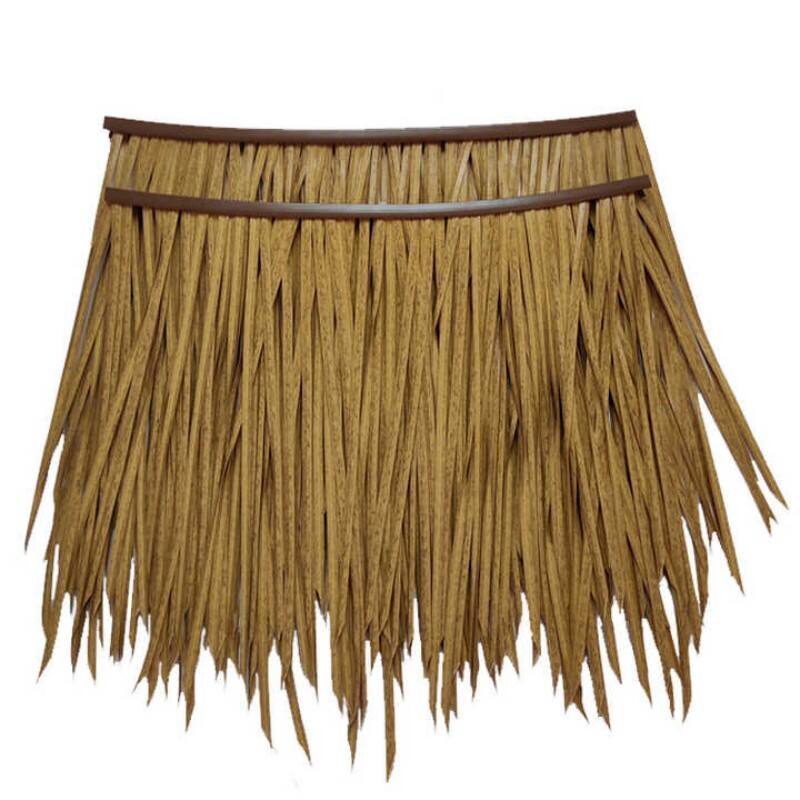
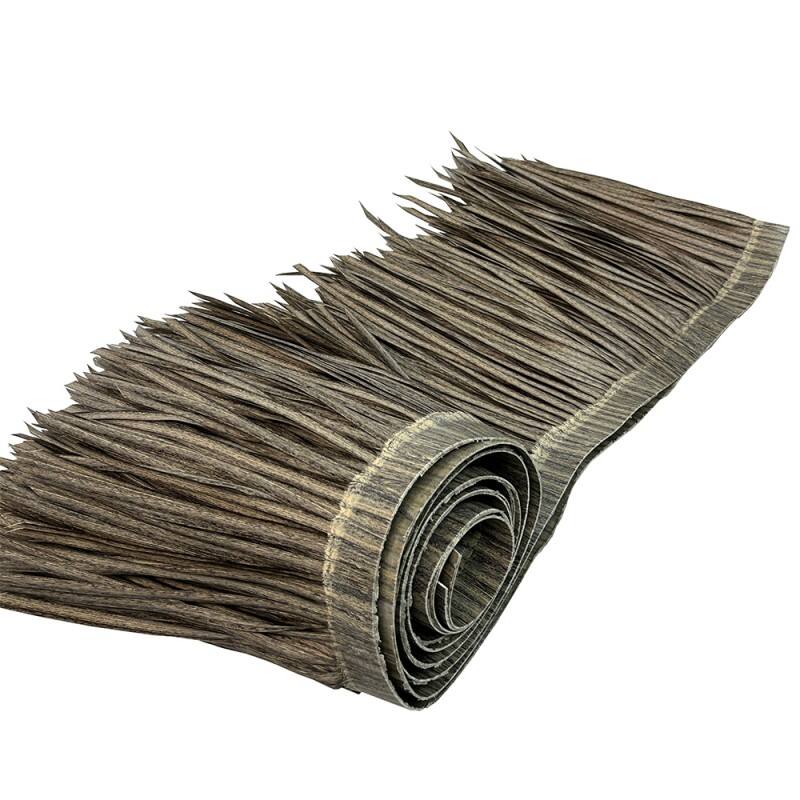
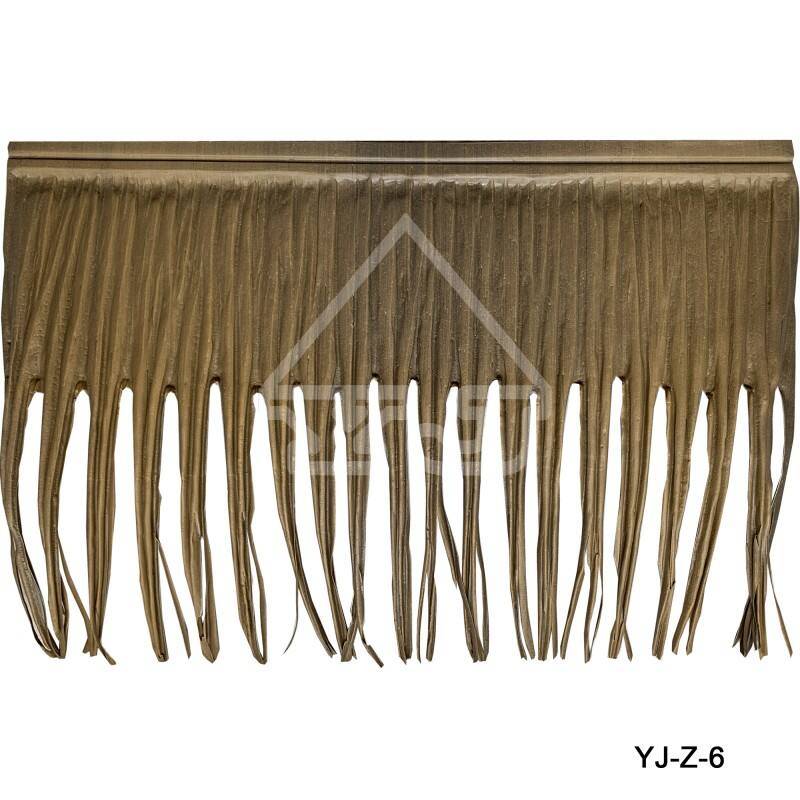
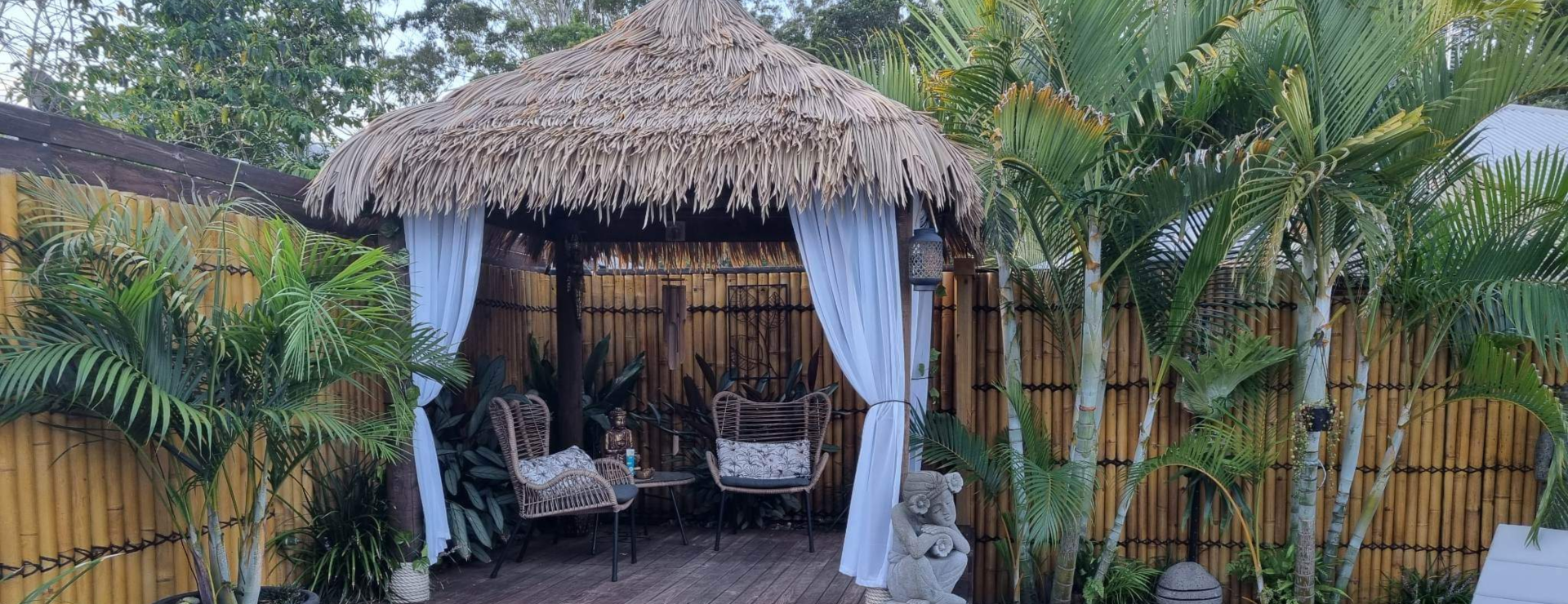
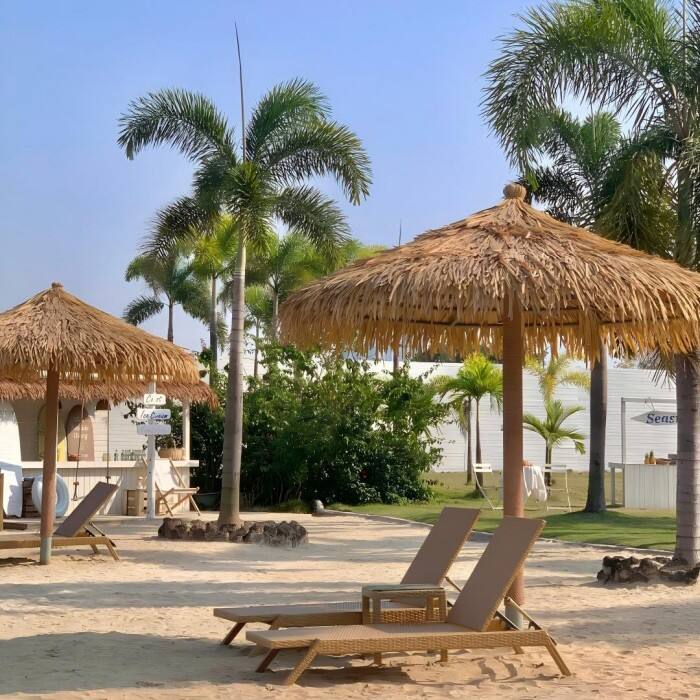
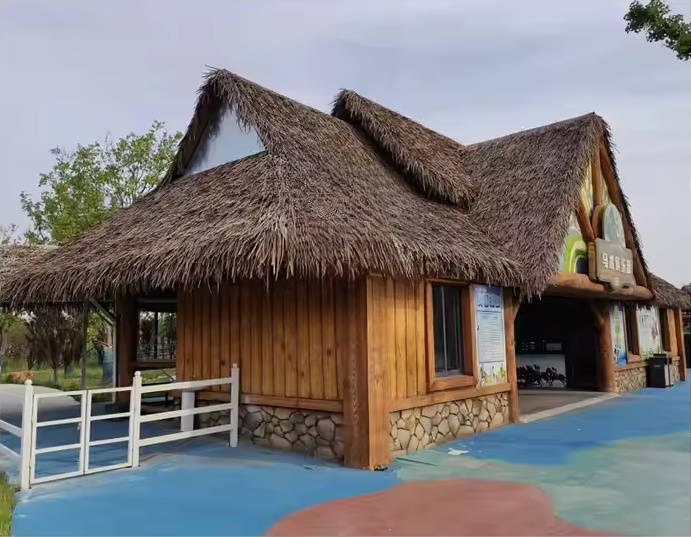
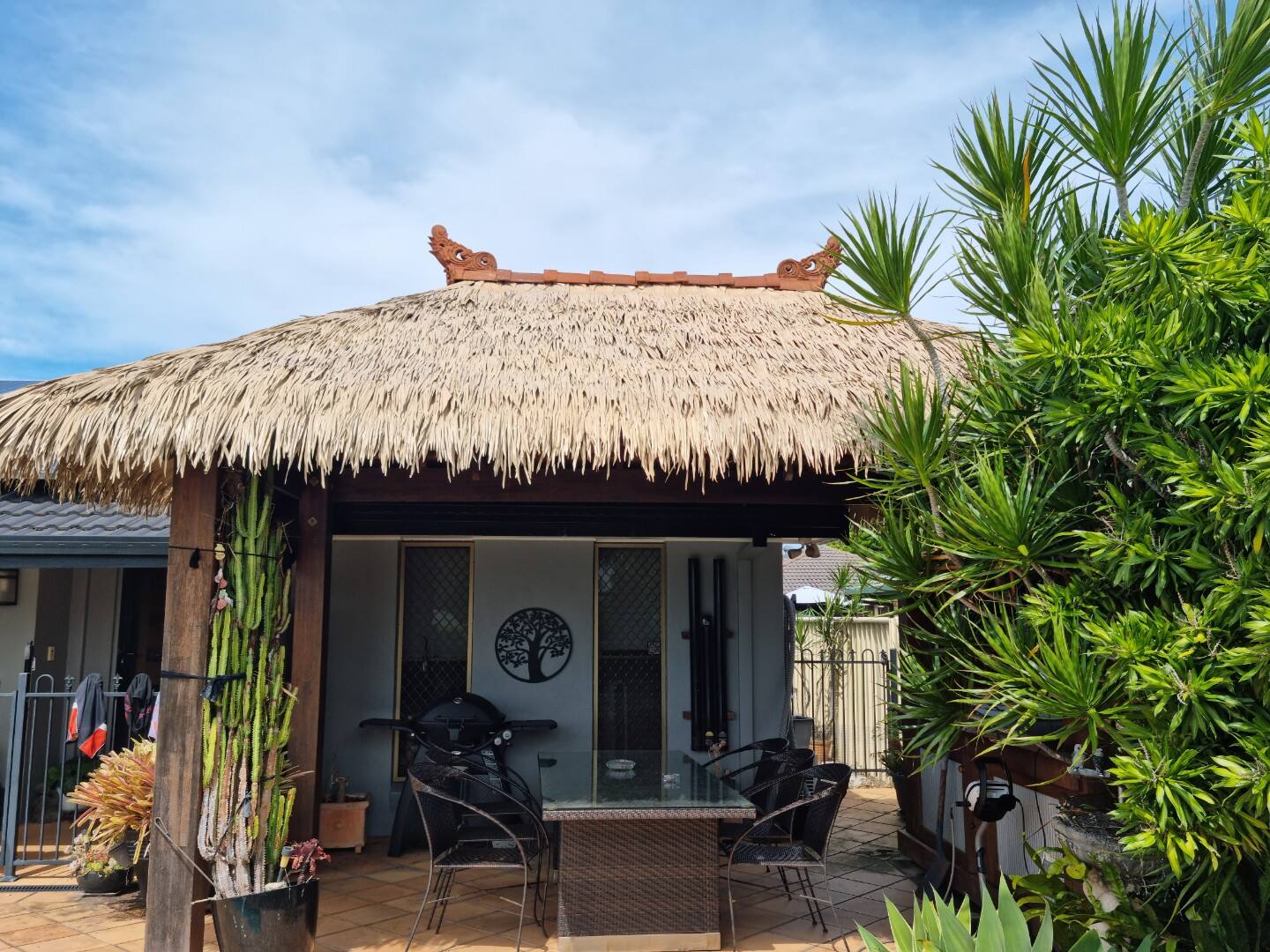
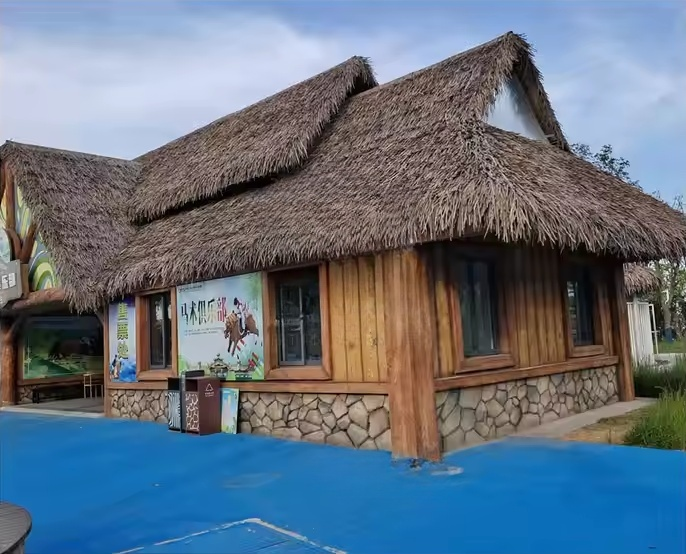
Thatched roofing for gazebos represents a timeless architectural solution that combines traditional craftsmanship with modern outdoor living requirements. This natural roofing system utilizes carefully selected organic materials such as water reed, wheat straw, or long straw to create a distinctive covering that transforms ordinary gazebo structures into captivating focal points. The primary function of thatched roofing for gazebos extends beyond mere weather protection, serving as an effective insulation barrier that maintains comfortable temperatures throughout different seasons while providing exceptional durability when properly installed and maintained. The technological features of thatched roofing for gazebos incorporate centuries-old techniques adapted for contemporary applications. Master thatchers employ specialized laying methods that ensure proper water drainage and wind resistance, creating overlapping layers that form a waterproof barrier. The material density and angle of installation play crucial roles in the system's effectiveness, with optimal thickness ranging from eight to twelve inches depending on local climate conditions and material type. Modern thatched roofing for gazebos often incorporates fire-retardant treatments and pest-resistant solutions while maintaining the authentic appearance and natural properties that make this roofing choice so appealing. Applications for thatched roofing for gazebos span residential gardens, commercial hospitality venues, theme parks, and cultural heritage sites. Property owners choose this roofing solution for creating romantic wedding venues, peaceful meditation spaces, or entertaining areas that blend seamlessly with natural surroundings. The versatility of thatched roofing for gazebos allows for various architectural styles, from traditional English cottage aesthetics to tropical resort designs. Installation requires skilled craftspeople who understand the specific requirements of working with natural materials, ensuring proper ventilation, structural support, and adherence to local building codes. The growing popularity of sustainable building practices has renewed interest in thatched roofing for gazebos as an environmentally responsible choice that reduces carbon footprint while delivering exceptional visual appeal and functional performance for outdoor structures.

New Product Releases

The advantages of thatched roofing for gazebos extend far beyond aesthetic appeal, delivering practical benefits that enhance outdoor living experiences while providing long-term value for property owners. Natural insulation properties make thatched roofing for gazebos exceptionally energy-efficient, keeping spaces cool during hot summer months and providing warmth during cooler periods without requiring additional heating or cooling systems. This thermal regulation occurs through the natural air pockets within the thatch material, creating a comfortable microclimate that encourages year-round use of gazebo spaces. The sound-dampening qualities of thatched roofing for gazebos create peaceful environments ideal for relaxation, conversation, or meditation by significantly reducing external noise from rain, wind, or nearby activities. Environmental sustainability represents another compelling advantage of thatched roofing for gazebos, as the materials are completely biodegradable and sourced from renewable crops that actually benefit ecosystems through responsible harvesting practices. Property owners appreciate the low carbon footprint associated with thatched roofing for gazebos, especially when materials are sourced locally, reducing transportation costs and supporting regional agricultural communities. Durability proves exceptional when thatched roofing for gazebos receives proper installation and routine maintenance, with well-constructed roofs lasting thirty to fifty years or more. The self-shedding nature of quality thatch materials means that damaged sections naturally weather away while the underlying structure remains intact, allowing for targeted repairs rather than complete roof replacement. Weather resistance surpasses many conventional roofing materials, as thatched roofing for gazebos effectively sheds water while allowing natural ventilation that prevents moisture accumulation and associated problems. The flexibility of thatch materials accommodates structural movement and settling without cracking or failing, making thatched roofing for gazebos suitable for various foundation types and soil conditions. Maintenance requirements remain manageable for thatched roofing for gazebos when property owners follow recommended care schedules, including periodic ridge repairs and moss removal. Cost-effectiveness emerges over time as the longevity and repairability of thatched roofing for gazebos offset initial installation expenses, while the timeless appeal maintains or increases property values. Fire safety concerns, while valid, can be addressed through modern treatment options and proper installation techniques that meet contemporary building standards without compromising the natural character of thatched roofing for gazebos.

Practical Tips

How to Enhance Commercial Building Durability with Synthetic Palm Leaf Thatch

27

Nov

How to Enhance Commercial Building Durability with Synthetic Palm Leaf Thatch

Commercial buildings in tropical and subtropical regions face unique challenges when it comes to maintaining aesthetic appeal while ensuring long-term durability. Traditional roofing and decorative materials often fall short when exposed to intense U...
View More
How to Choose a High-Quality Synthetic Thatch Roof for Commercial Projects

24

Nov

How to Choose a High-Quality Synthetic Thatch Roof for Commercial Projects

Selecting the right roofing material for commercial projects requires careful consideration of durability, aesthetics, and long-term performance. A synthetic thatch roof offers an ideal solution for businesses seeking the authentic appearance of trad...
View More
How Material Choices Affect the Durability and Appearance of Synthetic Thatch

18

Nov

How Material Choices Affect the Durability and Appearance of Synthetic Thatch

The selection of materials in synthetic thatch manufacturing plays a crucial role in determining both the longevity and aesthetic appeal of these roofing solutions. Modern synthetic thatch products have revolutionized the construction industry by off...
View More
Trends in Using Rattan Weave Materials for Furniture and Roof Decoration

06

Nov

Trends in Using Rattan Weave Materials for Furniture and Roof Decoration

The design world is experiencing a remarkable renaissance in natural materials, with rattan weave materials emerging as a dominant force in contemporary furniture and architectural applications. This revival represents more than just aesthetic prefer...
View More

Get a Free Quote

Our representative will contact you soon.
Email
Name
Company Name
Message
0/1000

thatched roofing for gazebos

Exceptional Weather Protection and Longevity

Exceptional Weather Protection and Longevity

The superior weather protection capabilities of thatched roofing for gazebos stem from the unique structural properties of natural thatch materials and time-tested installation techniques that have evolved over centuries. Water reed, the premium material used in high-quality thatched roofing for gazebos, contains natural silica deposits that create an inherently waterproof surface when properly layered and positioned at optimal angles. This natural water resistance surpasses many synthetic materials because each reed acts as an individual drainage channel, directing moisture away from the structure while allowing air circulation that prevents moisture accumulation and associated rot or mildew problems. The overlapping installation method used in thatched roofing for gazebos creates multiple protective layers that function like fish scales, with each successive layer covering the joints of those beneath, eliminating potential leak points that plague other roofing systems. Wind resistance proves remarkable in properly constructed thatched roofing for gazebos, as the flexible nature of thatch materials allows them to bend rather than break under extreme weather conditions, while the interlocking structure distributes wind loads across the entire roof surface rather than concentrating stress at specific points. Professional thatchers secure thatched roofing for gazebos using traditional techniques such as spar pointing and liggers that create mechanical bonds strong enough to withstand hurricane-force winds while maintaining the roof's ability to breathe and flex naturally. Longevity expectations for thatched roofing for gazebos regularly exceed those of conventional materials when quality craftsmanship meets appropriate material selection and proper maintenance protocols. The outer layer of thatch sacrificially weathers to protect underlying materials, creating a self-renewing system where natural weathering actually enhances the roof's protective capabilities over time. UV resistance proves exceptional in thatched roofing for gazebos as the natural lignins and cellulose structures in quality thatch materials resist degradation from solar exposure better than many synthetic alternatives, maintaining structural integrity and appearance for decades. Temperature fluctuations pose no threat to thatched roofing for gazebos since natural materials expand and contract gradually without creating stress points that cause cracking or separation, ensuring consistent protection regardless of seasonal weather variations.
Sustainable and Eco-Friendly Construction Solution

Sustainable and Eco-Friendly Construction Solution

The environmental sustainability of thatched roofing for gazebos represents a cornerstone benefit that aligns with contemporary green building practices and responsible resource management while delivering exceptional performance characteristics. Renewable resource utilization makes thatched roofing for gazebos an environmentally responsible choice, as the primary materials come from fast-growing crops like water reed, wheat straw, and long straw that can be harvested annually or biennially without depleting natural resources or requiring intensive agricultural inputs. Carbon sequestration occurs naturally in thatched roofing for gazebos as the organic materials continue to store atmospheric carbon throughout their service life, effectively reducing the building's overall carbon footprint while providing superior functionality. The production process for thatched roofing for gazebos requires minimal energy input compared to manufactured roofing materials, as harvesting, drying, and preparation rely primarily on natural processes and manual labor rather than energy-intensive manufacturing operations that generate significant greenhouse gas emissions. Biodegradability ensures that thatched roofing for gazebos creates no long-term waste disposal challenges, as materials naturally decompose into beneficial soil amendments when replacement becomes necessary, contrasting sharply with synthetic roofing materials that persist in landfills for decades or centuries. Local sourcing opportunities for thatched roofing for gazebos reduce transportation-related environmental impacts while supporting regional agricultural economies and preserving traditional harvesting and craft skills that might otherwise disappear. Habitat creation represents an unexpected environmental benefit of thatched roofing for gazebos, as the natural materials provide nesting sites for beneficial birds and insects that contribute to local ecosystem health and biodiversity. Water management advantages emerge from thatched roofing for gazebos through natural absorption and gradual release of rainfall, reducing stormwater runoff that can cause erosion and flooding while recharging local groundwater supplies. Air quality improvements result from the natural filtration properties of thatched roofing for gazebos, as the organic materials absorb airborne pollutants and release oxygen, creating healthier outdoor environments for occupants and visitors. Chemical-free maintenance protocols for thatched roofing for gazebos eliminate the need for harmful preservatives, sealers, or treatments that can leach into soil and water systems, ensuring that this roofing choice supports rather than compromises environmental health throughout its lifecycle.
Distinctive Aesthetic Appeal and Customization Options

Distinctive Aesthetic Appeal and Customization Options

The unparalleled aesthetic appeal of thatched roofing for gazebos creates distinctive architectural statements that enhance property values while providing unlimited customization opportunities to match diverse design preferences and landscape themes. Natural beauty emerges from the organic textures and warm golden tones of thatched roofing for gazebos, creating visual interest that changes subtly with lighting conditions and seasons, offering dynamic appearances that synthetic materials cannot replicate. Artisan craftsmanship evident in quality thatched roofing for gazebos showcases traditional skills and attention to detail that elevate ordinary structures into architectural masterpieces worthy of admiration and photography. Ridge design variations allow property owners to personalize thatched roofing for gazebos through decorative elements such as sculptured animals, geometric patterns, or family crests that reflect individual tastes while maintaining structural integrity and weather protection capabilities. Color variation possibilities in thatched roofing for gazebos range from pale wheat tones to rich golden browns, depending on material selection and aging processes, with natural weathering creating subtle color transitions that add depth and character to the overall appearance. Texture diversity within thatched roofing for gazebos can be achieved through different laying techniques and material combinations, creating smooth, uniform surfaces for contemporary aesthetics or deliberately rustic textures for traditional or cottage-style applications. Architectural integration capabilities make thatched roofing for gazebos suitable for various design themes, from English countryside cottages to tropical resort pavilions, Mediterranean villas, or modern eco-friendly structures that prioritize natural materials and sustainable design principles. Seasonal transformation occurs naturally in thatched roofing for gazebos as weathering processes create evolving appearances that complement changing landscape conditions, ensuring that the structure remains visually harmonious with its surroundings throughout the year. Photogenic qualities of thatched roofing for gazebos make these structures popular choices for wedding venues, photography studios, and hospitality businesses that rely on visual appeal to attract customers and create memorable experiences. Landscaping compatibility proves exceptional with thatched roofing for gazebos, as the natural materials complement gardens, water features, and outdoor living spaces without creating visual conflicts or requiring landscape modifications to achieve cohesive design integration. Cultural authenticity can be achieved through thatched roofing for gazebos that replicate historical building methods and regional styles, creating educational opportunities and preserving traditional architectural heritage while serving contemporary functional requirements.

Get a Free Quote

Our representative will contact you soon.
Email
Name
Company Name
Message
0/1000