Roofs Thatched with Straw: Sustainable, Energy-Efficient Natural Roofing Solutions

Get a Free Quote

Our representative will contact you soon.
Email
Name
Company Name
Message
0/1000

roofs thatched with straw

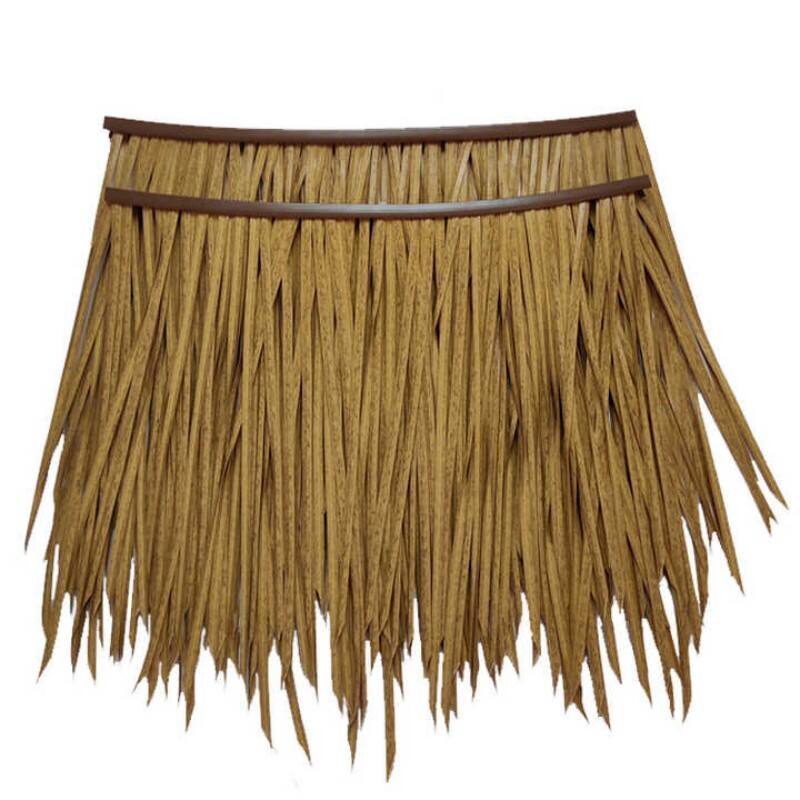
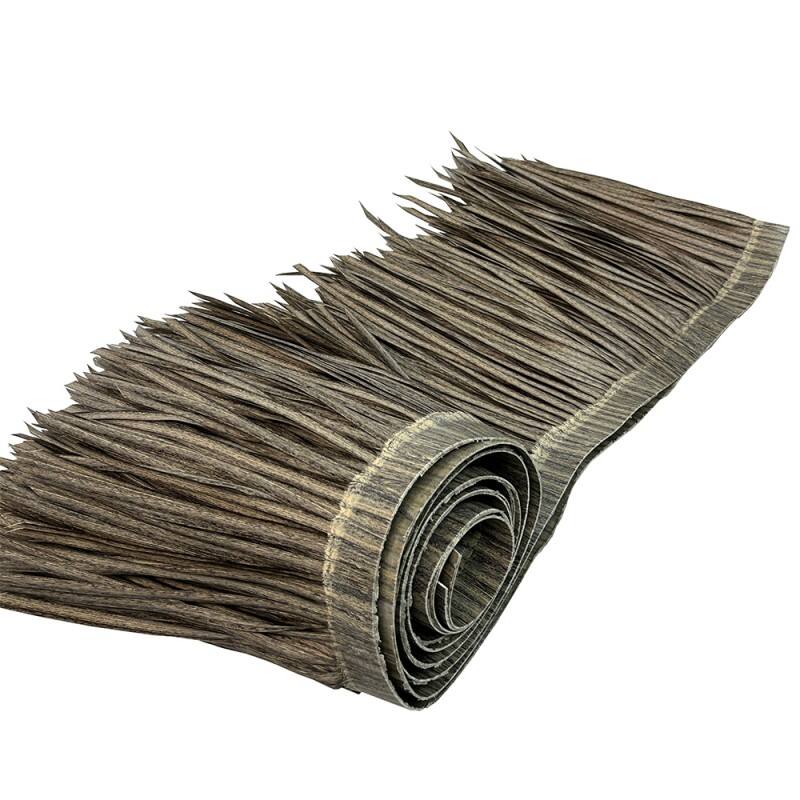
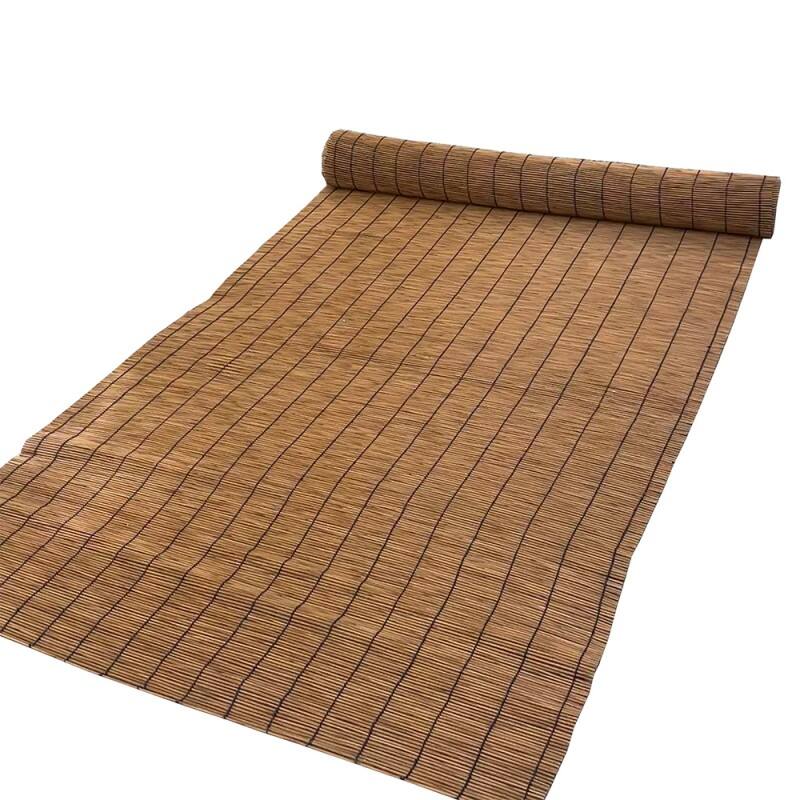
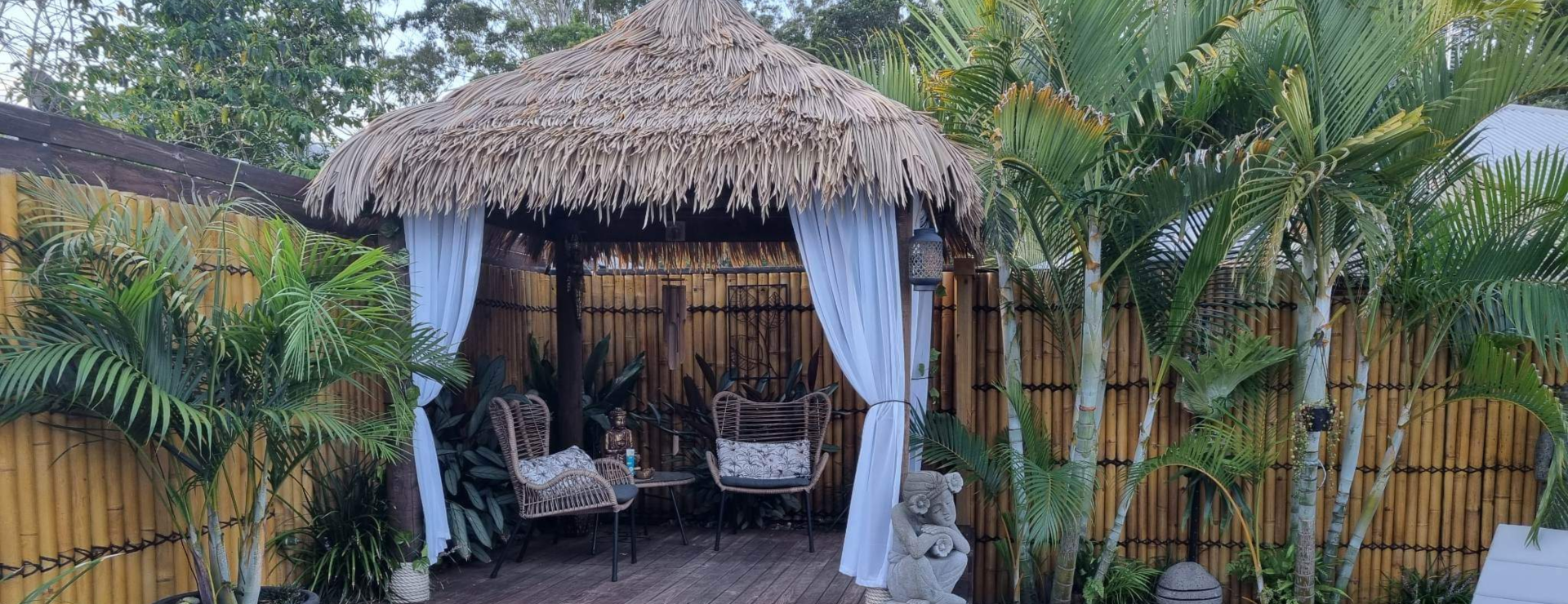
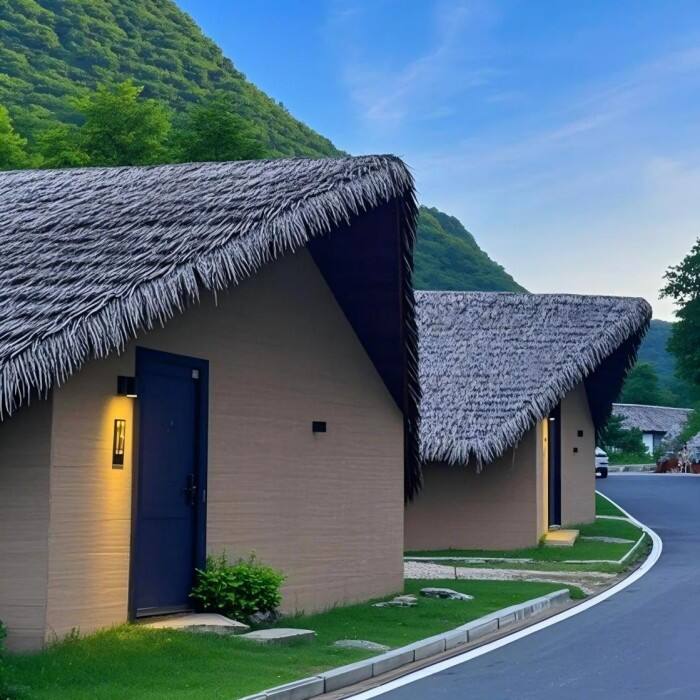
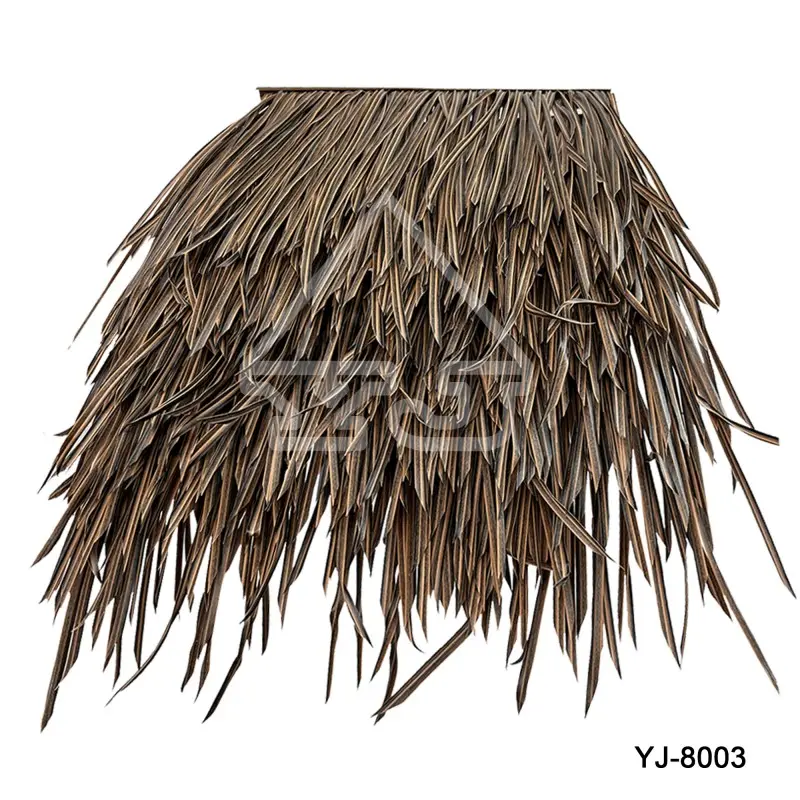
Roofs thatched with straw represent one of humanity's oldest and most enduring roofing solutions, combining traditional craftsmanship with remarkable functionality. This ancient technique involves layering dried grasses, reeds, or wheat straw in overlapping patterns to create a weatherproof barrier that has protected homes for centuries. The primary function of roofs thatched with straw centers on providing superior insulation and weather protection while maintaining breathability that prevents moisture buildup within the structure. The technological features of straw thatching involve precise layering techniques where craftsmen arrange bundles at specific angles, typically between 45 to 50 degrees, ensuring optimal water runoff while maintaining structural integrity. The thickness of roofs thatched with straw usually ranges from 12 to 15 inches, creating an effective thermal barrier that keeps interiors cool during summer and warm throughout winter months. Modern applications of roofs thatched with straw extend beyond rural cottages to include luxury resorts, eco-friendly developments, and heritage restoration projects. Contemporary thatching incorporates fire-retardant treatments and improved binding techniques while preserving traditional aesthetics. The water-shedding properties of properly installed roofs thatched with straw rely on the natural oils present in straw materials, which create a protective coating that repels moisture effectively. Installation requires specialized knowledge of local climate conditions, as different regions may require specific straw varieties or additional weatherproofing measures. The lifespan of roofs thatched with straw typically extends 25 to 40 years with proper maintenance, making them a sustainable long-term investment. Quality control measures include selecting mature, dry straw materials and employing experienced thatchers who understand the intricate techniques required for durable construction. These roofing systems integrate seamlessly with various architectural styles while providing exceptional environmental benefits through their use of renewable materials.

New Products

Roofs thatched with straw deliver exceptional thermal performance that surpasses many modern insulation materials. The natural air pockets within straw create outstanding insulation properties, reducing heating costs by up to 30 percent compared to conventional roofing systems. This energy efficiency stems from the organic structure of straw, which traps air effectively while allowing moisture vapor to escape, preventing condensation problems that plague synthetic materials. Homeowners benefit from consistent indoor temperatures year-round without relying heavily on mechanical heating or cooling systems. The acoustic benefits of roofs thatched with straw provide remarkable sound dampening, creating peaceful living environments free from external noise pollution. Rain, wind, and urban sounds become muted, enhancing comfort levels significantly. Environmental advantages make roofs thatched with straw an excellent choice for sustainable construction projects. These roofing systems utilize completely renewable materials that require minimal processing, reducing carbon footprints substantially. When replacement becomes necessary, old thatch decomposes naturally, returning nutrients to soil without creating waste disposal concerns. The biodegradable nature eliminates long-term environmental impact, unlike synthetic roofing materials that persist in landfills indefinitely. Aesthetic appeal represents another compelling advantage, as roofs thatched with straw provide timeless charm that enhances property values considerably. The organic textures and warm golden colors create visual interest that synthetic materials cannot replicate. Customization options allow homeowners to achieve unique appearances through different straw varieties and laying patterns. Maintenance requirements prove surprisingly manageable when proper installation techniques are employed. Regular inspections and minor repairs extend lifespan significantly, while complete re-thatching occurs infrequently. Local availability of materials in agricultural regions reduces transportation costs and supports regional economies. Fire resistance improves through modern treatment methods, addressing historical concerns about combustibility. Professional installation ensures optimal performance, with experienced thatchers providing warranties that protect investments. Weather resistance of properly constructed roofs thatched with straw withstands severe storms, high winds, and temperature extremes effectively, providing reliable protection for decades.

Tips And Tricks

How to Enhance Commercial Building Durability with Synthetic Palm Leaf Thatch

27

Nov

How to Enhance Commercial Building Durability with Synthetic Palm Leaf Thatch

Commercial buildings in tropical and subtropical regions face unique challenges when it comes to maintaining aesthetic appeal while ensuring long-term durability. Traditional roofing and decorative materials often fall short when exposed to intense U...
View More
How Material Choices Affect the Durability and Appearance of Synthetic Thatch

18

Nov

How Material Choices Affect the Durability and Appearance of Synthetic Thatch

The selection of materials in synthetic thatch manufacturing plays a crucial role in determining both the longevity and aesthetic appeal of these roofing solutions. Modern synthetic thatch products have revolutionized the construction industry by off...
View More
Durability and Maintenance Methods of Rattan Weave

17

Dec

Durability and Maintenance Methods of Rattan Weave

Rattan weave has emerged as one of the most sought-after materials in contemporary architecture and interior design, offering a perfect blend of natural aesthetics and functional durability. This versatile material combines traditional craftsmanship ...
View More
Performance Differences Between Synthetic Thatch and Natural Thatch

11

Dec

Performance Differences Between Synthetic Thatch and Natural Thatch

Traditional thatched roofing has evolved significantly over the centuries, transitioning from purely natural materials to innovative synthetic alternatives that offer enhanced durability and performance. Modern construction projects increasingly face...
View More

Get a Free Quote

Our representative will contact you soon.
Email
Name
Company Name
Message
0/1000

roofs thatched with straw

Superior Natural Insulation Performance

Superior Natural Insulation Performance

The insulation capabilities of roofs thatched with straw significantly outperform conventional roofing materials through their unique cellular structure and layering methodology. Each straw stem contains microscopic air chambers that create natural thermal barriers, while the overlapping installation pattern forms multiple insulation layers throughout the roof thickness. This multi-layered approach results in R-values comparable to modern foam insulation systems while providing superior breathability that prevents moisture accumulation. Homeowners experience dramatic reductions in energy consumption, with heating bills decreasing by 25 to 35 percent during winter months and cooling costs dropping substantially during summer periods. The thermal mass properties of roofs thatched with straw help regulate indoor temperatures by absorbing heat during warm periods and releasing it gradually as temperatures drop. This natural temperature regulation reduces dependency on mechanical HVAC systems, lowering utility expenses while improving indoor air quality. Unlike synthetic insulation materials that may degrade over time or harbor allergens, straw maintains its insulating properties throughout its lifespan while remaining completely hypoallergenic. The breathable nature prevents ice dam formation during winter months, as moisture vapor escapes naturally rather than condensing and freezing at roof edges. Professional installation ensures optimal insulation performance by maintaining proper density and avoiding compression that could reduce effectiveness. Quality control measures include moisture content testing and proper curing to guarantee long-term thermal performance. The investment in roofs thatched with straw pays dividends through reduced energy costs, improved comfort levels, and enhanced property values that appreciate over time.
Exceptional Environmental Sustainability

Exceptional Environmental Sustainability

Roofs thatched with straw exemplify sustainable construction practices through their complete reliance on renewable agricultural byproducts and minimal environmental impact throughout their lifecycle. The raw materials consist entirely of agricultural waste products like wheat straw, rice straw, or specially grown thatching materials that would otherwise require disposal or burning, transforming waste into valuable building components. This circular economy approach reduces agricultural waste while creating useful products, supporting both environmental conservation and rural economies. Carbon sequestration occurs naturally as straw materials store atmospheric carbon within roof structures for decades, contributing to climate change mitigation efforts. Manufacturing processes require minimal energy input compared to synthetic roofing materials, as straw needs only harvesting, drying, and bundling rather than energy-intensive industrial processing. Transportation impacts remain minimal when materials are sourced locally, reducing fuel consumption and emissions associated with long-distance shipping. End-of-life disposal presents no environmental challenges, as old roofs thatched with straw decompose naturally into nutrient-rich compost that enhances soil fertility. This biodegradability eliminates landfill accumulation problems associated with synthetic roofing materials that persist for centuries. Water management benefits include natural filtration capabilities and reduced stormwater runoff rates compared to impermeable roofing systems. The porous structure allows gradual water release, reducing flood risks and supporting groundwater recharge. Habitat creation opportunities arise as thatched roofs provide nesting sites for beneficial birds and insects, supporting local biodiversity. Life cycle assessments consistently demonstrate lower environmental impacts compared to conventional roofing options, making roofs thatched with straw ideal choices for green building certifications and environmentally conscious homeowners.
Timeless Aesthetic Appeal and Cultural Heritage

Timeless Aesthetic Appeal and Cultural Heritage

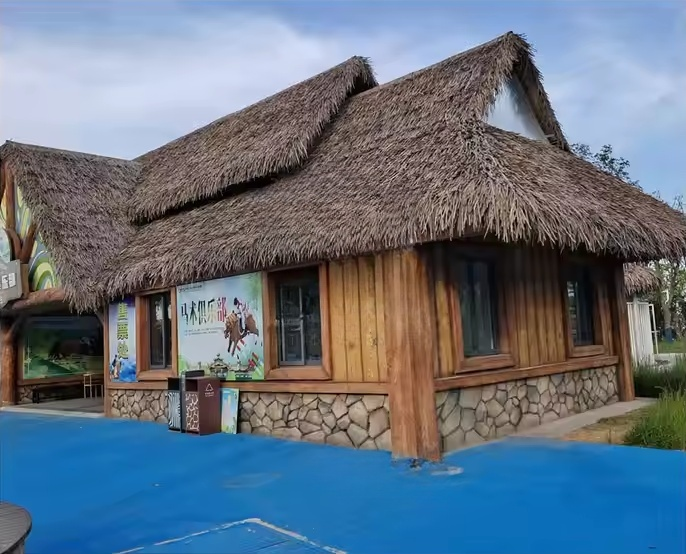
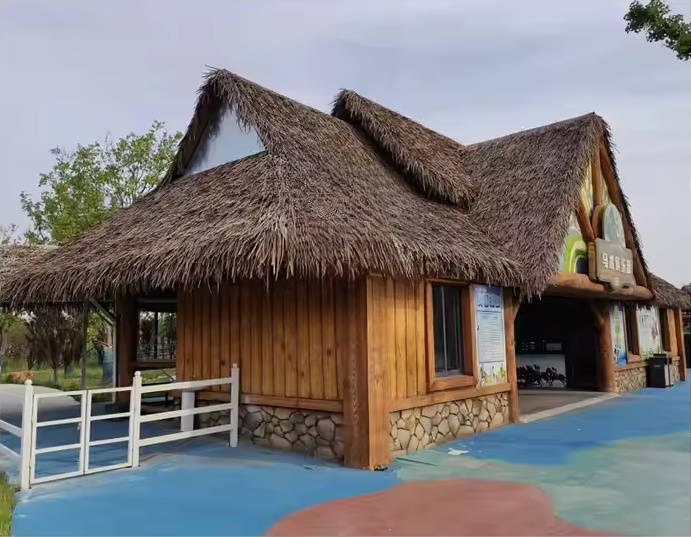
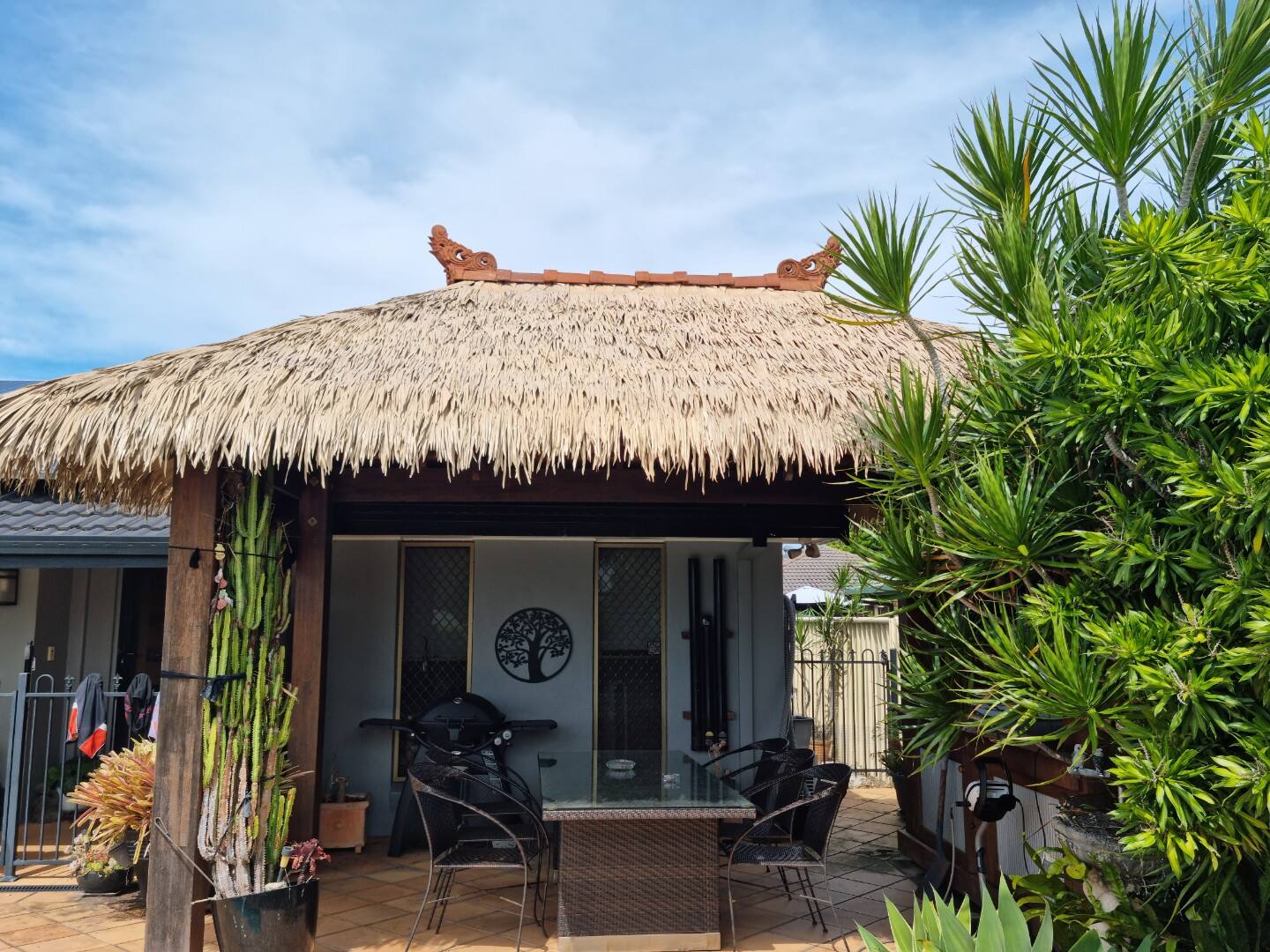
The visual impact of roofs thatched with straw creates distinctive architectural character that enhances property appeal while preserving cultural building traditions spanning millennia. These roofing systems provide organic textures and warm color palettes that synthetic materials cannot replicate, featuring natural golden hues that weather gracefully into rich patinas over time. The handcrafted nature ensures each installation possesses unique characteristics, as skilled thatchers create subtle variations in ridge details, edge treatments, and surface textures that reflect individual artistry. Architectural integration capabilities allow roofs thatched with straw to complement various design styles, from traditional cottages and farmhouses to contemporary eco-friendly homes and luxury resorts. The organic curves and flowing lines soften harsh architectural angles while creating visual harmony with natural landscapes. Customization options include different laying patterns, ridge decorations, and material selections that allow homeowners to achieve personalized appearances. Property value enhancement occurs consistently, as homes featuring roofs thatched with straw command premium prices due to their distinctive appeal and perceived luxury status. Real estate studies demonstrate appreciation rates exceeding conventional properties by 15 to 25 percent in suitable markets. Tourism benefits extend to communities featuring thatched architecture, as these distinctive rooflines attract visitors seeking authentic cultural experiences. Heritage preservation aspects make roofs thatched with straw essential for maintaining historical building integrity during restoration projects. Skilled craftsmen preserve traditional techniques while incorporating modern improvements, ensuring cultural continuity for future generations. The romantic associations with pastoral lifestyles and simpler times create emotional connections that transcend mere functional considerations. Photogenic qualities make these roofs popular subjects for artistic and commercial photography, further enhancing their desirability and cultural significance within architectural heritage.

Get a Free Quote

Our representative will contact you soon.
Email
Name
Company Name
Message
0/1000