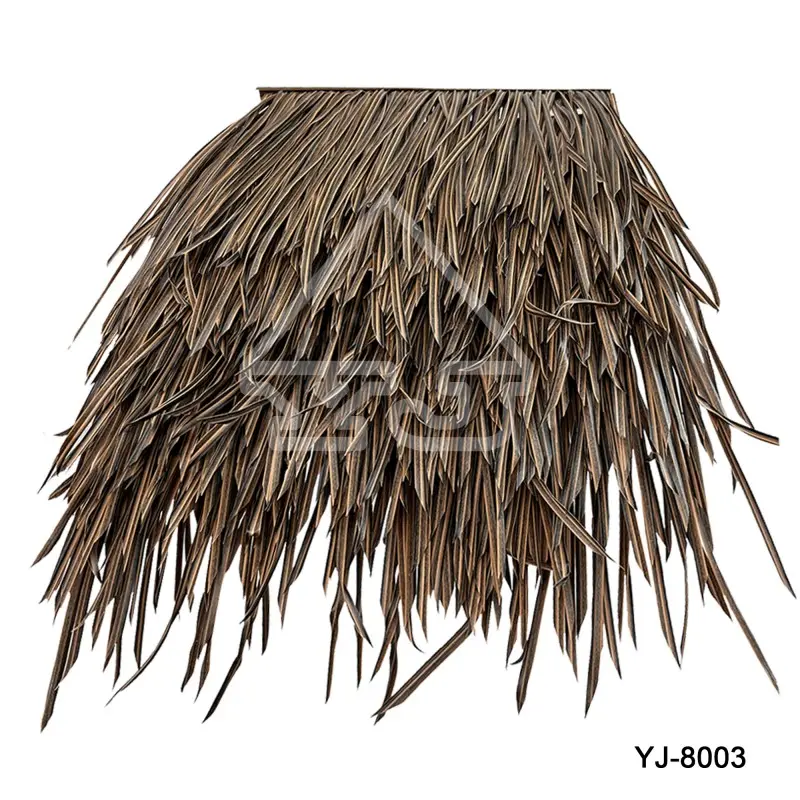
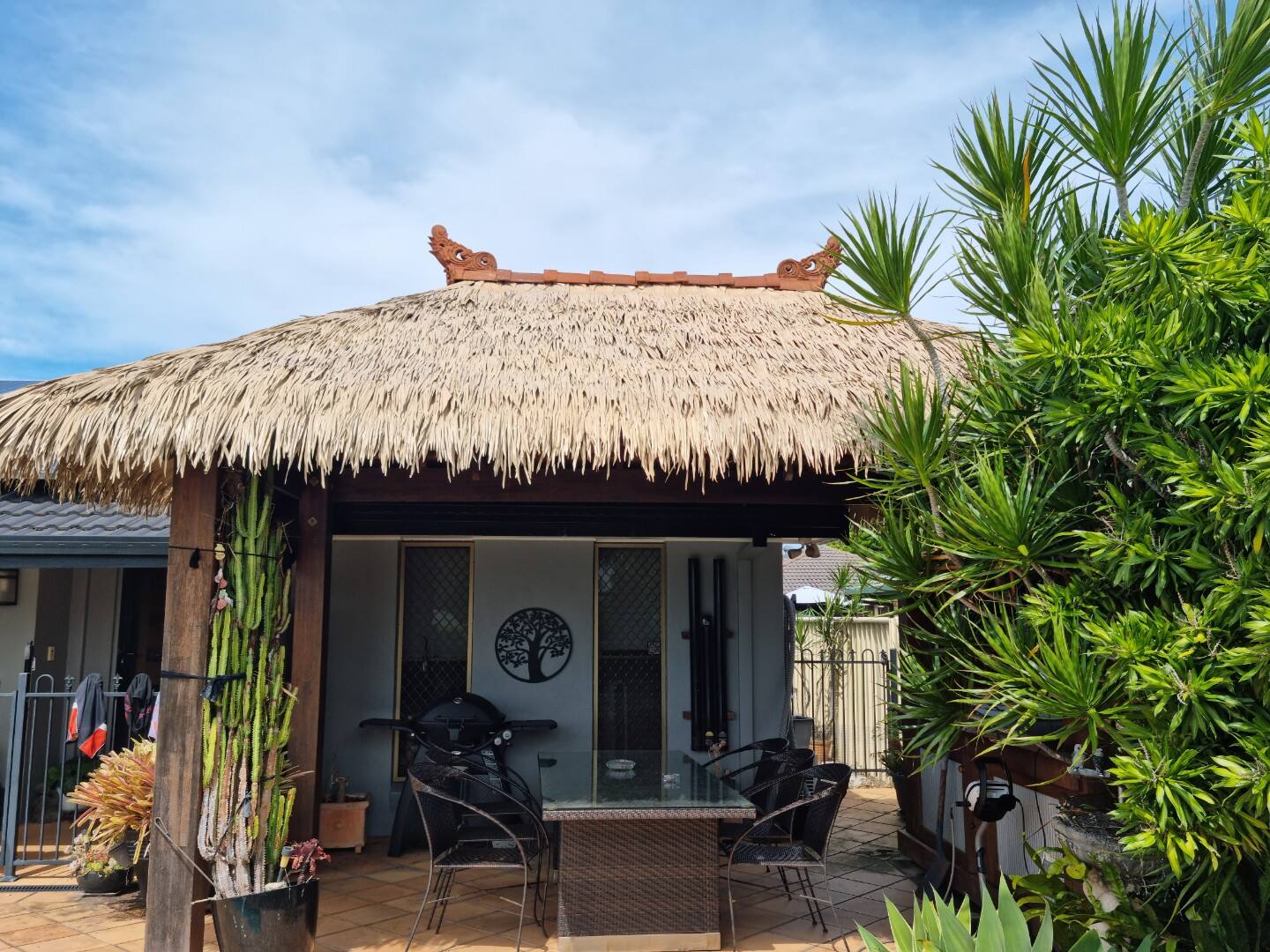
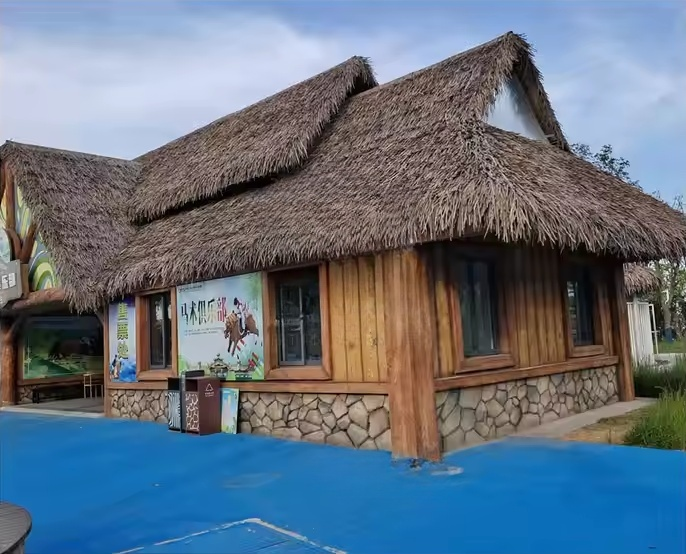
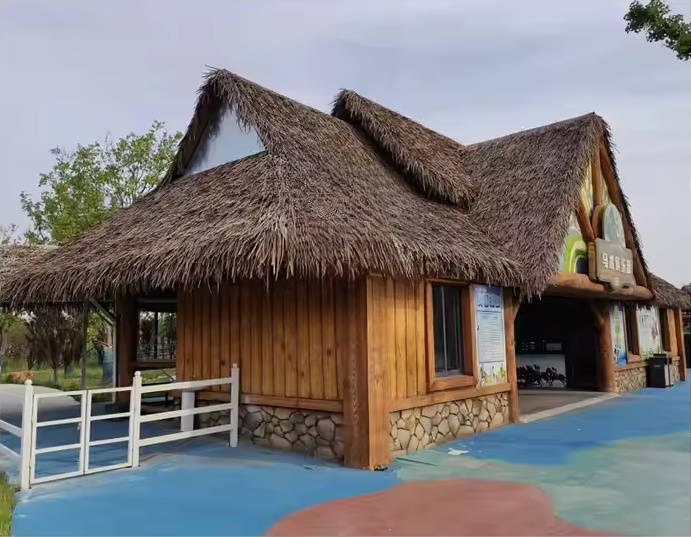
artificial roof covering
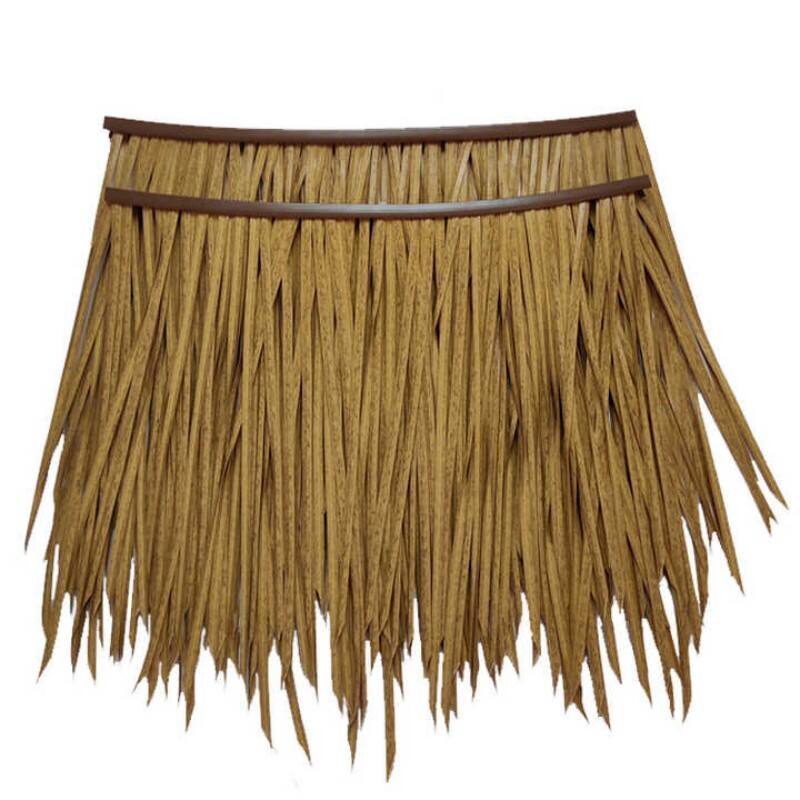
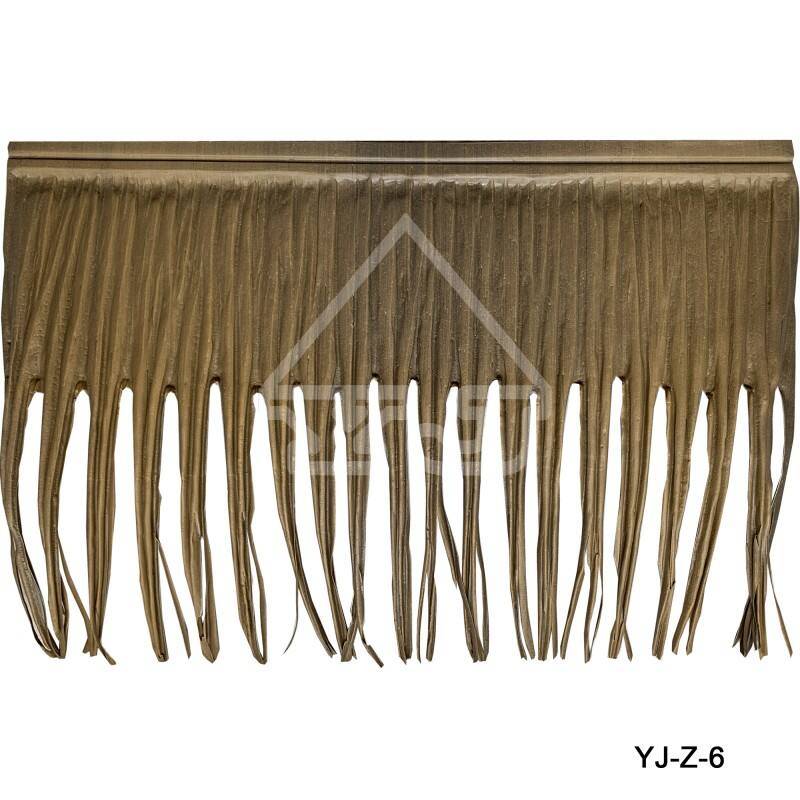
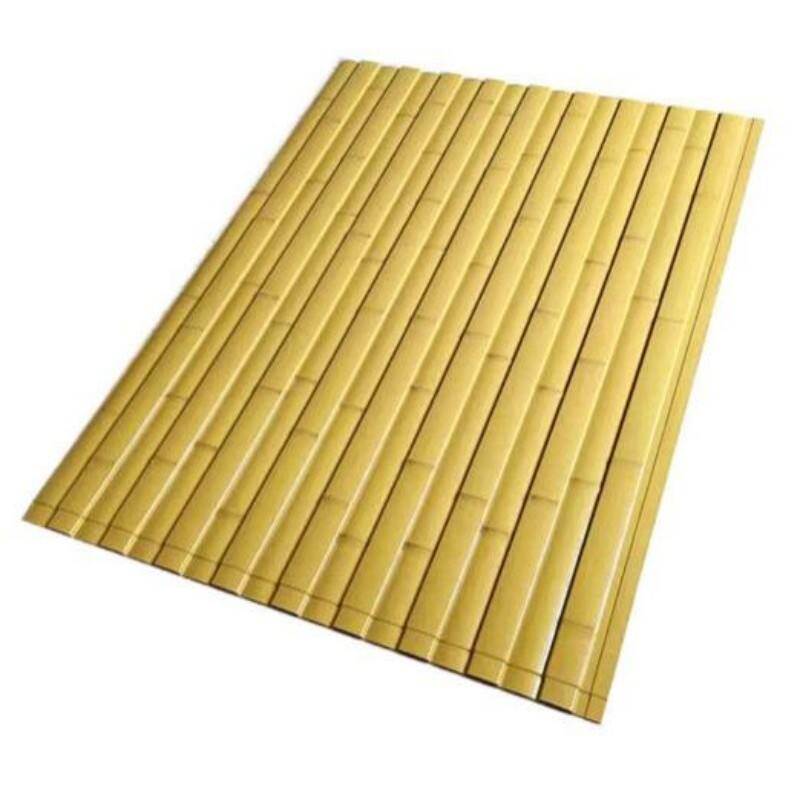
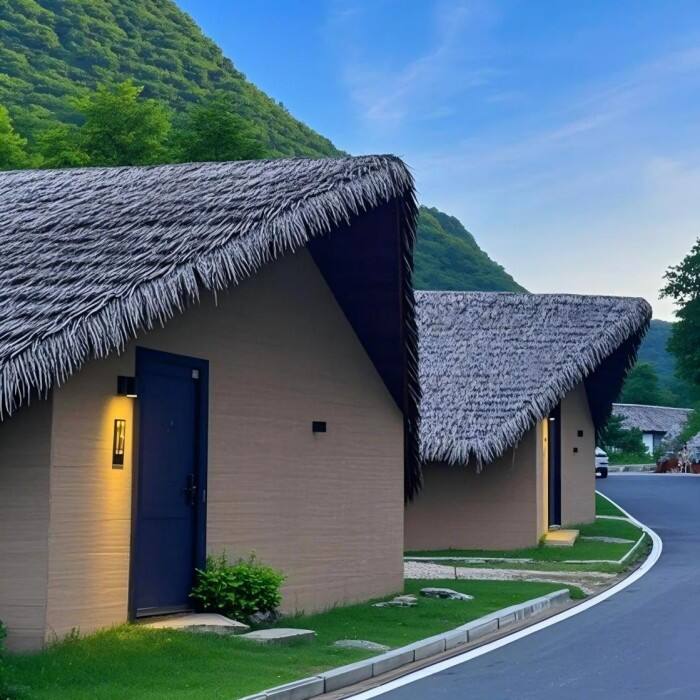
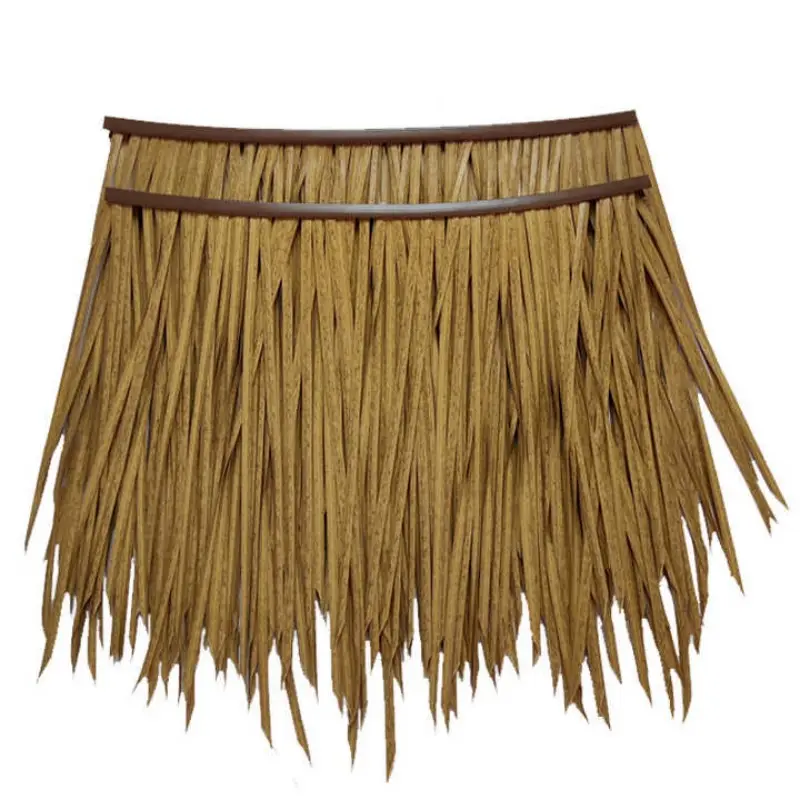
An artificial roof covering represents a modern solution designed to protect buildings from environmental elements while delivering superior performance compared to traditional roofing materials. This innovative roofing system combines advanced synthetic materials with cutting-edge manufacturing processes to create durable, weather-resistant surfaces that maintain their integrity across diverse climate conditions. The artificial roof covering serves as the primary barrier between indoor spaces and external weather patterns, effectively preventing water infiltration, wind damage, and temperature fluctuations that could compromise structural stability. The technological features of artificial roof covering include enhanced UV resistance, superior thermal insulation properties, and exceptional flexibility that allows the material to expand and contract without cracking or deteriorating. These coverings incorporate specialized polymers and reinforcement fibers that create a robust membrane capable of withstanding extreme temperatures, heavy rainfall, snow loads, and high-velocity winds. The manufacturing process involves multi-layer construction where each layer serves a specific protective function, resulting in a comprehensive roofing solution that addresses multiple environmental challenges simultaneously. Applications for artificial roof covering span residential, commercial, and industrial sectors, making them versatile solutions for various building types. Residential properties benefit from improved energy efficiency and reduced maintenance requirements, while commercial buildings gain enhanced protection against weather-related damages and lower long-term operational costs. Industrial facilities utilize artificial roof covering for chemical resistance and fire retardant properties that provide additional safety measures. The installation process of artificial roof covering typically requires specialized techniques that ensure proper adhesion and seamless integration with existing building structures, creating watertight seals that prevent moisture penetration and maintain indoor climate control effectiveness throughout the building's operational lifespan.
 EN
EN