Premium Artificial Thatch Roof Material - Durable, Fire-Resistant Synthetic Roofing Solutions

Get a Free Quote

Our representative will contact you soon.
Email
Name
Company Name
Message
0/1000

artificial thatch roof material

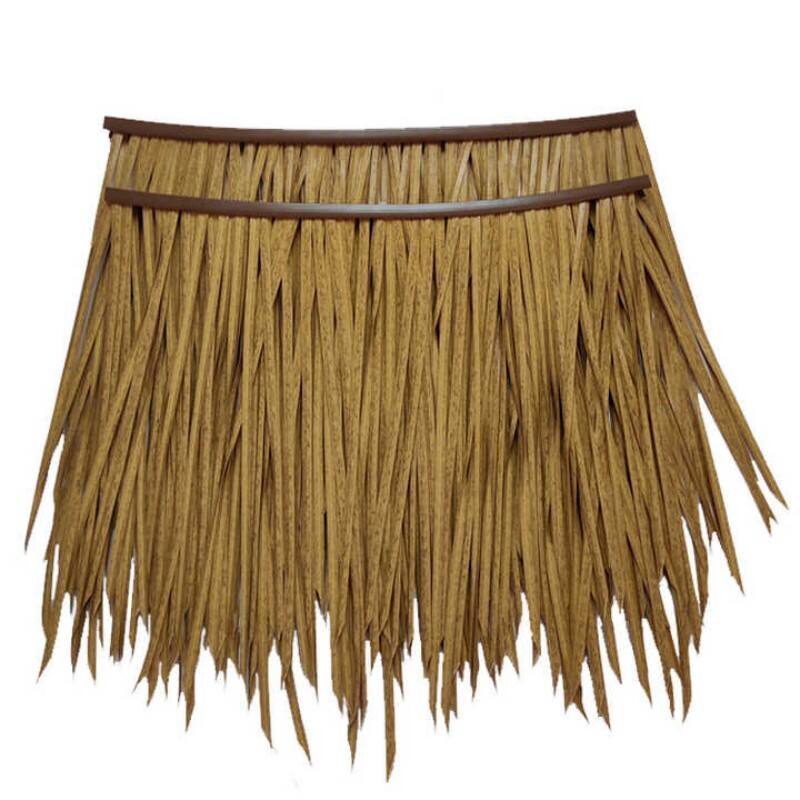
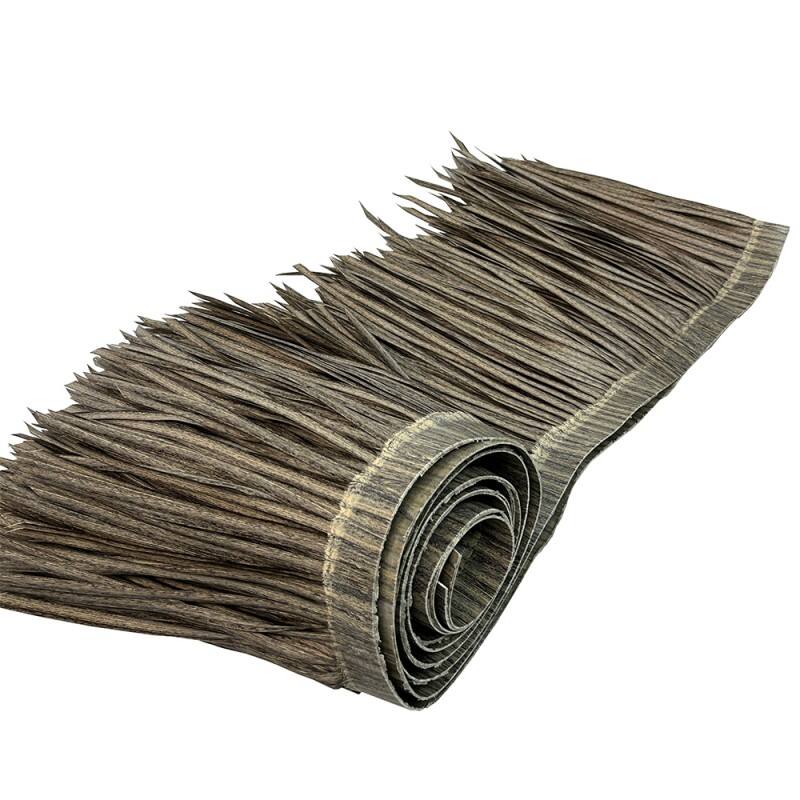
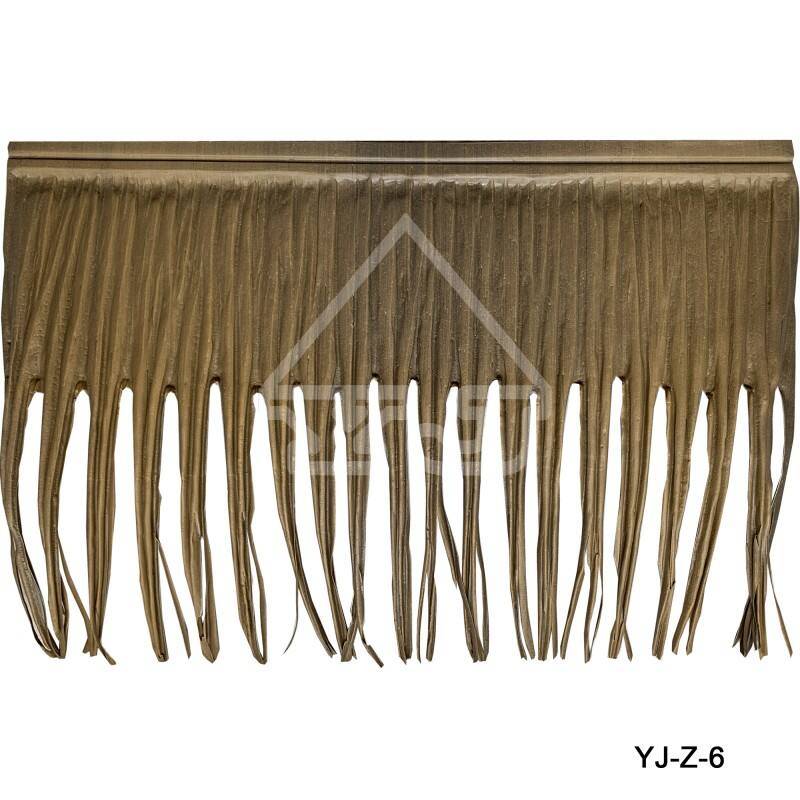
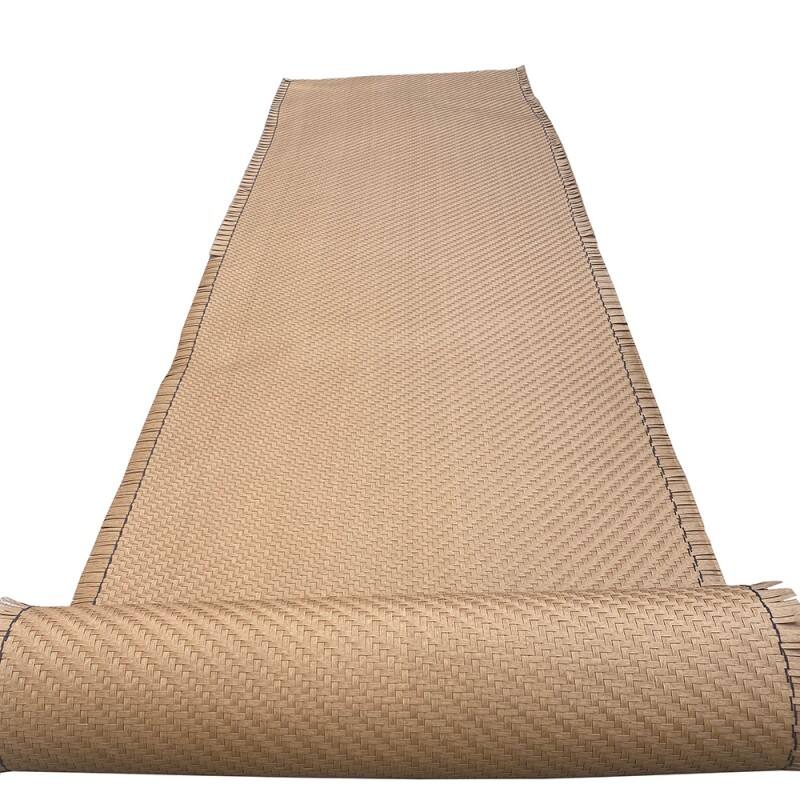
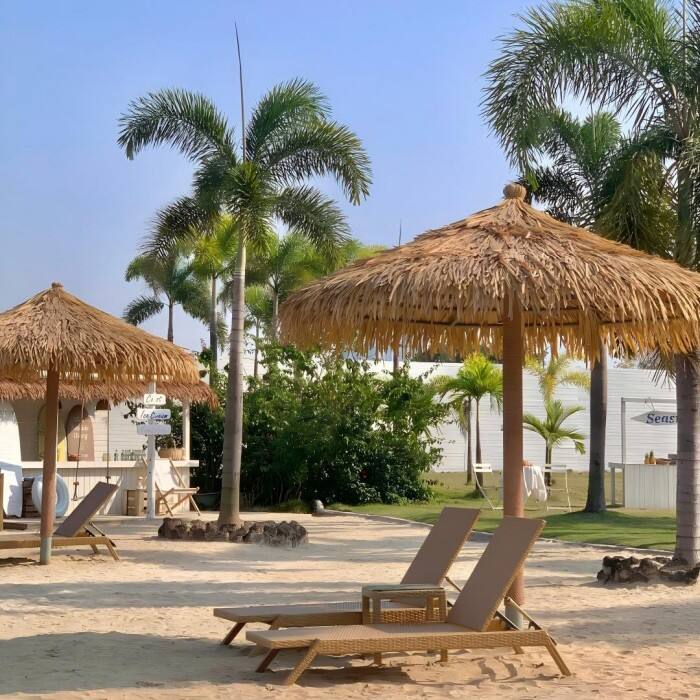
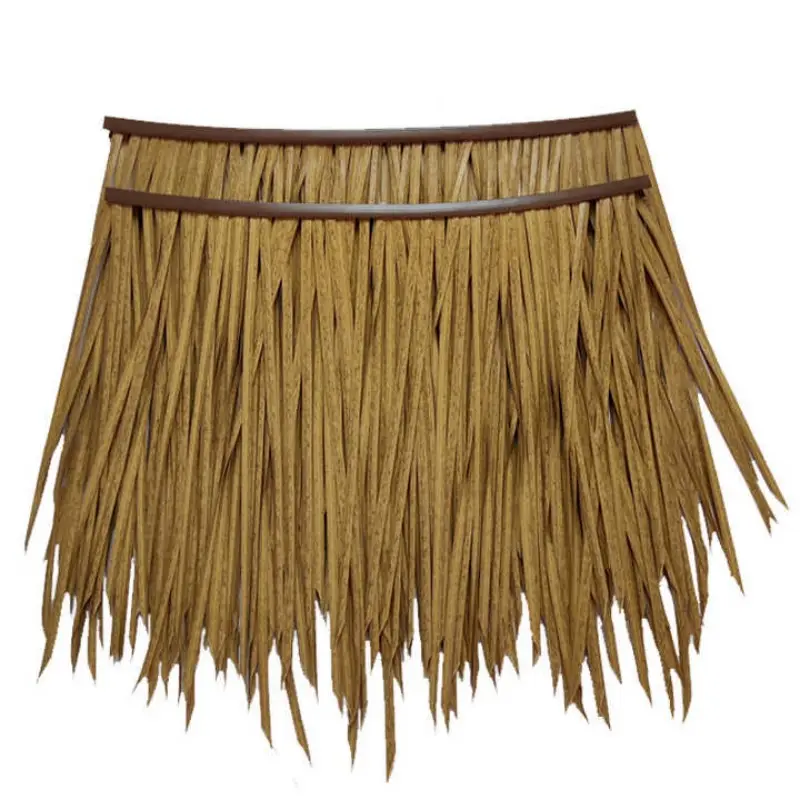
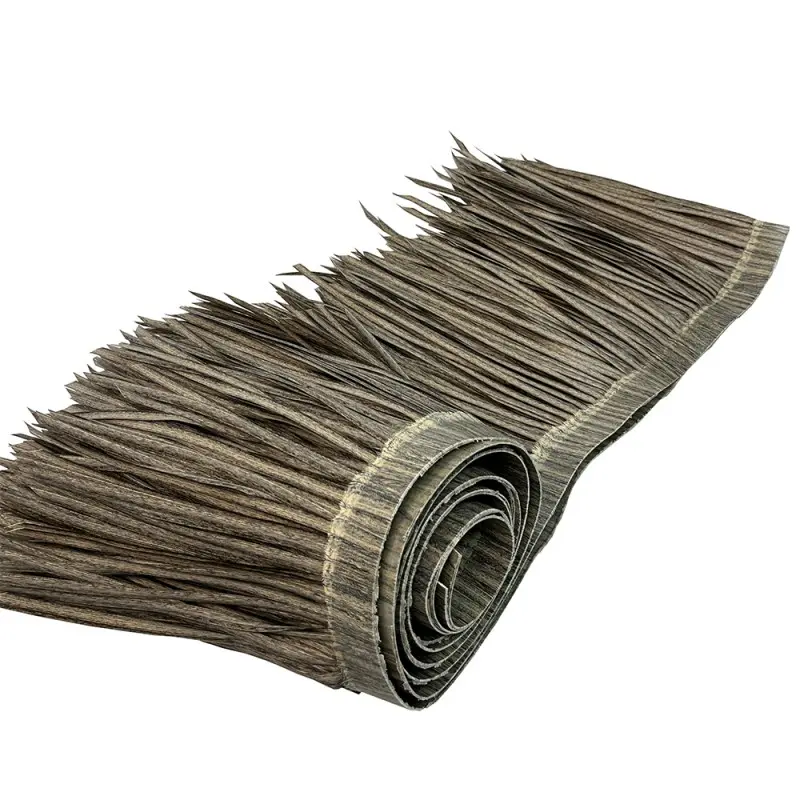
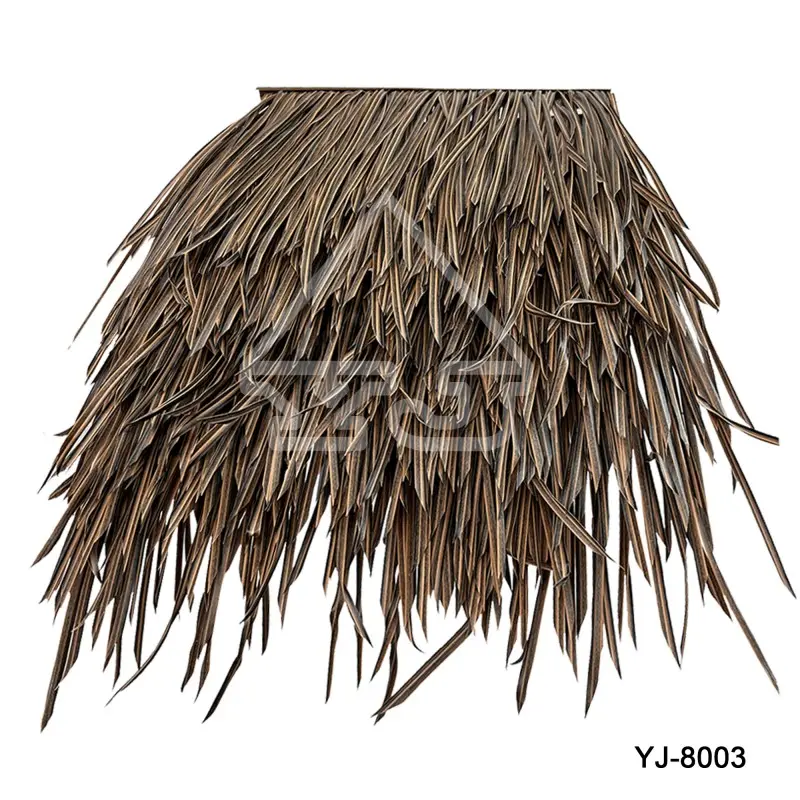
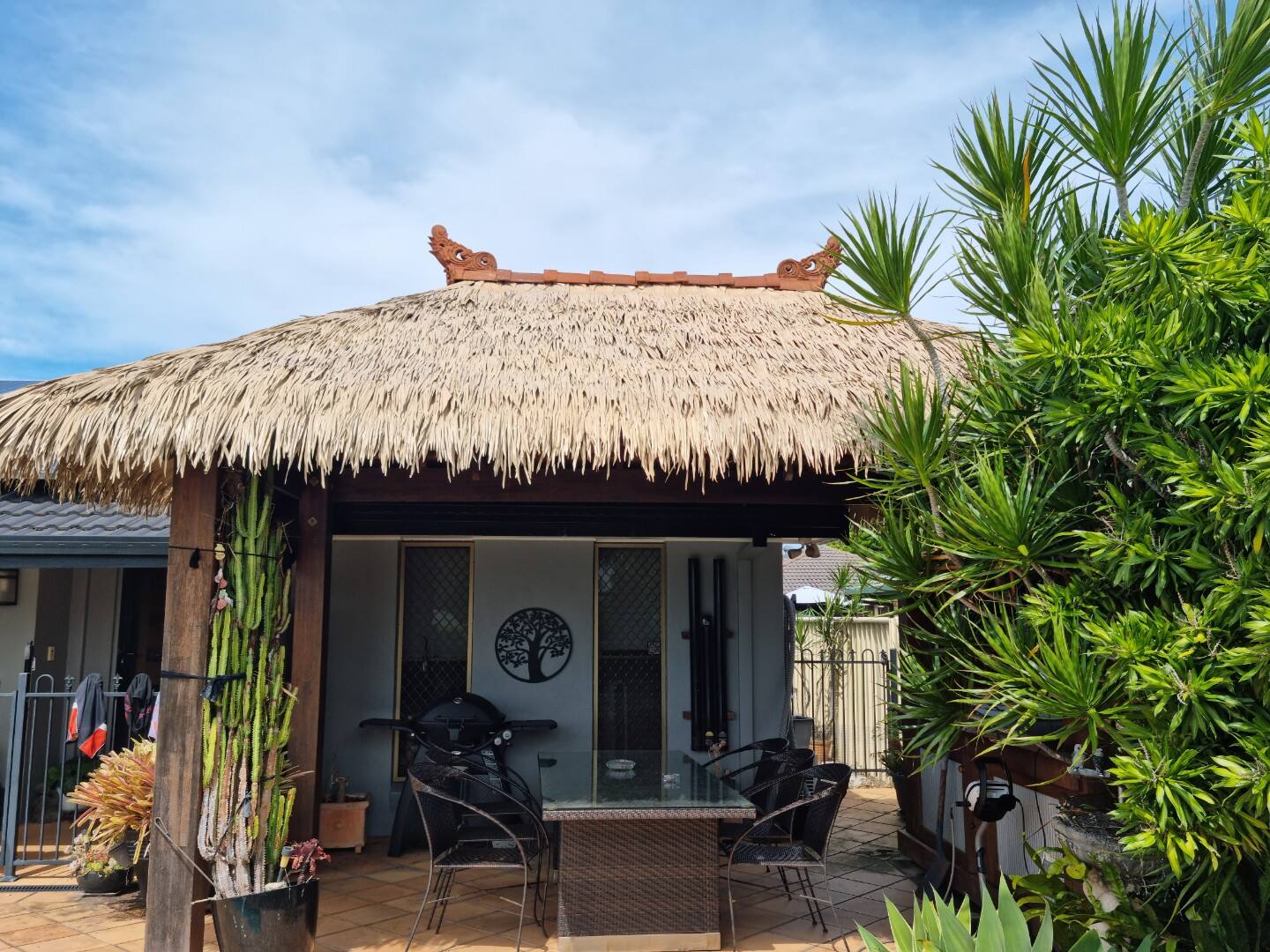
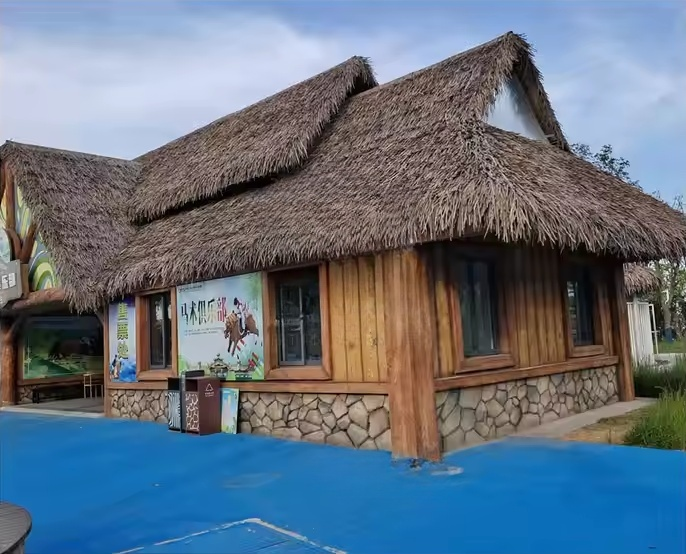
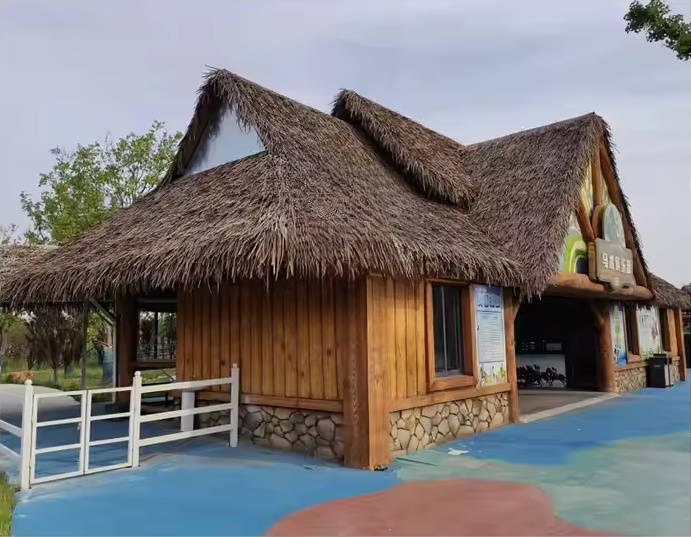
Artificial thatch roof material represents a revolutionary advancement in roofing technology, combining traditional aesthetics with modern durability and performance. This innovative synthetic alternative to natural thatch delivers the rustic charm and timeless appeal of traditional thatching while eliminating the inherent drawbacks of organic materials. The artificial thatch roof material consists of specially engineered synthetic fibers and polymers designed to replicate the appearance, texture, and layering patterns of authentic reed or straw thatch. The primary functions of artificial thatch roof material include weather protection, thermal insulation, and architectural enhancement. Unlike conventional roofing materials, this synthetic solution provides excellent water resistance through advanced hydrophobic treatments and interlocking installation systems. The material effectively sheds rainwater while maintaining breathability to prevent moisture accumulation and condensation issues. Technological features of artificial thatch roof material encompass UV-resistant coatings that prevent color fading and material degradation over extended periods. The manufacturing process incorporates fire-retardant additives to meet stringent building safety codes, addressing one of the major concerns associated with traditional thatch. Advanced polymer compositions ensure dimensional stability across temperature fluctuations, preventing warping, cracking, or shrinkage that commonly affects natural materials. Applications for artificial thatch roof material span residential, commercial, and hospitality sectors. Resort hotels frequently utilize this material to create authentic tropical atmospheres without maintenance concerns. Restaurants and entertainment venues incorporate artificial thatch roof material to establish distinctive themed environments. Residential applications include gazebos, pool houses, outdoor kitchens, and accent roofing for unique architectural elements. The material adapts to various climate conditions, making it suitable for installations in tropical, temperate, and arid environments. Installation flexibility allows for both new construction and retrofit applications, accommodating diverse architectural styles and structural requirements while delivering consistent visual appeal and performance reliability.

New Products

Artificial thatch roof material offers compelling advantages that make it superior to natural alternatives in numerous practical applications. The most significant benefit involves dramatically reduced maintenance requirements compared to traditional thatch roofing. Natural thatch demands regular replacement every 15-25 years, frequent repairs, and ongoing pest control measures. Artificial thatch roof material eliminates these concerns through engineered durability that extends service life beyond 30 years with minimal maintenance intervention. This longevity translates into substantial cost savings over the material's lifetime, making the initial investment economically advantageous. Fire resistance represents another crucial advantage of artificial thatch roof material. Traditional thatch poses significant fire hazards due to its organic composition and dry nature. Modern synthetic alternatives incorporate flame-retardant technologies that meet or exceed building code requirements, providing peace of mind for property owners and insurance companies. This fire resistance often qualifies installations for reduced insurance premiums, further enhancing financial benefits. Weather resistance capabilities of artificial thatch roof material surpass natural options significantly. The synthetic composition resists moisture absorption, preventing rot, mold, and structural degradation. UV-stable polymers maintain color integrity and material strength despite prolonged sun exposure. Wind resistance improves through consistent material properties and secure fastening systems, reducing storm damage risks. Pest immunity provides additional practical advantages, as synthetic materials do not attract insects, rodents, or birds that commonly infest natural thatch. This eliminates expensive pest control treatments and prevents structural damage from nesting activities. Installation efficiency represents another key advantage of artificial thatch roof material. Standardized dimensions and lightweight construction reduce installation time and labor costs compared to traditional methods requiring specialized thatching skills. The material ships efficiently and stores compactly, reducing transportation and warehousing expenses. Color consistency ensures uniform appearance across large installations, avoiding the natural variation challenges of organic materials. Environmental benefits include sustainable manufacturing processes and recyclable end-of-life disposal options, supporting green building initiatives while delivering superior performance characteristics that exceed traditional material capabilities.

Latest News

How to Choose a High-Quality Synthetic Thatch Roof for Commercial Projects

24

Nov

How to Choose a High-Quality Synthetic Thatch Roof for Commercial Projects

Selecting the right roofing material for commercial projects requires careful consideration of durability, aesthetics, and long-term performance. A synthetic thatch roof offers an ideal solution for businesses seeking the authentic appearance of trad...
View More
What Are the Trends in Cottage Thatched Construction for 2025

25

Dec

What Are the Trends in Cottage Thatched Construction for 2025

The cottage thatched construction industry is experiencing a remarkable transformation as we approach 2025, with innovative materials and sustainable practices reshaping traditional building methods. Modern homeowners and resort developers are increa...
View More
Applications of Cottage Thatched in Rural Vacation Homes

23

Dec

Applications of Cottage Thatched in Rural Vacation Homes

Rural vacation homes have experienced a remarkable resurgence as travelers seek authentic experiences away from bustling urban centers. Among the most captivating architectural elements that define these retreats is the traditional cottage thatched r...
View More
Performance Differences Between Synthetic Thatch and Natural Thatch

11

Dec

Performance Differences Between Synthetic Thatch and Natural Thatch

Traditional thatched roofing has evolved significantly over the centuries, transitioning from purely natural materials to innovative synthetic alternatives that offer enhanced durability and performance. Modern construction projects increasingly face...
View More

Get a Free Quote

Our representative will contact you soon.
Email
Name
Company Name
Message
0/1000

artificial thatch roof material

Exceptional Longevity and Cost-Effectiveness

Exceptional Longevity and Cost-Effectiveness

The exceptional longevity of artificial thatch roof material represents one of its most compelling advantages, delivering unmatched cost-effectiveness over traditional roofing solutions. This synthetic alternative boasts an impressive service life exceeding 30 years under normal environmental conditions, significantly surpassing the 15-25 year replacement cycle required for natural thatch. The extended lifespan results from advanced polymer engineering that resists degradation from UV radiation, temperature fluctuations, moisture exposure, and atmospheric pollutants. Unlike organic materials that deteriorate through biological processes, artificial thatch roof material maintains structural integrity and aesthetic appeal throughout its extended service period. The cost-effectiveness becomes particularly evident when analyzing total ownership expenses over multiple decades. Traditional thatch requires substantial ongoing investments including regular repairs, pest control treatments, fire prevention measures, and eventual complete replacement. Property owners typically face significant maintenance costs every 3-5 years, with major renovations needed every decade. Artificial thatch roof material eliminates these recurring expenses through engineered durability and stability. The initial investment recovers within the first replacement cycle of natural alternatives, while subsequent years represent pure savings. Insurance considerations further enhance cost-effectiveness, as many providers offer premium reductions for fire-resistant synthetic materials compared to combustible natural thatch. Labor costs decrease substantially due to standardized installation procedures that do not require specialized thatching expertise. The material's lightweight properties reduce structural support requirements, potentially lowering overall construction costs. Additionally, artificial thatch roof material maintains consistent appearance without the natural weathering and discoloration that necessitates premature replacement for aesthetic reasons. This longevity advantage particularly benefits commercial applications where maintenance disruptions impact business operations. Resort properties, restaurants, and entertainment venues rely on continuous availability and attractive appearance to maintain customer satisfaction and revenue streams.
Superior Weather Resistance and Climate Adaptability

Superior Weather Resistance and Climate Adaptability

Superior weather resistance stands as a defining characteristic of artificial thatch roof material, enabling reliable performance across diverse climate conditions and extreme weather events. This synthetic solution addresses the fundamental vulnerability of natural thatch to moisture, wind, and temperature variations through engineered material properties and advanced manufacturing techniques. The hydrophobic surface treatments repel water effectively while maintaining vapor permeability to prevent condensation issues. This balanced moisture management prevents the rot, mold, and structural deterioration that commonly plague organic thatching materials in humid or rainy climates. Wind resistance capabilities exceed natural alternatives through consistent material density and secure fastening systems. Traditional thatch suffers from irregular fiber orientation and varying density that creates weak points susceptible to wind uplift. Artificial thatch roof material features uniform construction with engineered attachment points that distribute wind loads evenly across the roof structure. Testing confirms wind resistance ratings appropriate for hurricane-prone regions and high-wind environments. Temperature stability represents another crucial weather resistance advantage, as synthetic materials resist expansion, contraction, and thermal cycling damage. Natural thatch experiences dimensional changes with temperature variations, leading to gaps, loose sections, and structural instability. Artificial thatch roof material maintains consistent dimensions across temperature ranges from sub-freezing to extreme heat, ensuring continuous weather protection. UV resistance protects against solar degradation that rapidly damages untreated natural materials. Advanced polymer formulations include UV stabilizers that prevent color fading, fiber breakdown, and surface deterioration even under intense tropical sun exposure. This UV protection maintains both functional performance and aesthetic appeal throughout the material's service life. Hail impact resistance surpasses organic materials through flexible polymer construction that absorbs impact energy without cracking or puncturing. The material's recovery properties allow it to return to original shape after impact, maintaining roof integrity and weather seal. Climate adaptability extends artificial thatch roof material applications to regions where natural thatch would fail, including areas with extreme temperature swings, high humidity, intense UV exposure, or frequent severe weather events.
Enhanced Safety and Building Code Compliance

Enhanced Safety and Building Code Compliance

Enhanced safety features and building code compliance represent critical advantages of artificial thatch roof material, addressing the most significant concerns associated with traditional thatching applications. Fire safety stands as the primary safety enhancement, with synthetic materials incorporating flame-retardant additives that meet or exceed international building standards. Unlike natural thatch, which presents extreme fire hazards due to dry organic composition, artificial thatch roof material achieves fire resistance ratings suitable for commercial and residential applications in fire-prone areas. This fire resistance results from carefully engineered polymer matrices that char rather than ignite, creating a protective barrier that prevents flame spread. The material typically achieves Class A fire ratings, the highest classification for roofing materials, enabling installation in areas where natural thatch would be prohibited by fire codes. Building code compliance extends beyond fire safety to include structural load calculations, wind uplift resistance, and installation standards. Artificial thatch roof material provides predictable engineering properties that simplify structural design and permit approval processes. The consistent material properties enable accurate load calculations, while standardized installation procedures ensure reliable performance and code compliance. Many jurisdictions prohibit natural thatch installation due to fire risks, but artificial alternatives meet safety requirements while preserving desired aesthetic characteristics. Safety benefits include elimination of pest-related health hazards common with natural thatch. Rodents, insects, and birds that nest in organic materials can transmit diseases and create unsanitary conditions. Artificial thatch roof material provides no habitat for pests, maintaining healthier indoor environments and reducing disease transmission risks. Installation safety improves through lighter weight materials and standardized procedures that reduce worker injury risks compared to traditional thatching methods. The synthetic material's predictable properties eliminate surprises during installation, while lighter weight reduces structural loads and handling hazards. Maintenance safety benefits include reduced need for roof access and repairs that put workers at risk. The material's durability eliminates frequent maintenance requirements that expose workers to fall hazards and unsafe working conditions. Insurance compliance often requires fire-resistant roofing materials, making artificial thatch roof material essential for obtaining property coverage in high-risk areas where traditional thatch would void insurance policies or result in prohibitive premiums.

Get a Free Quote

Our representative will contact you soon.
Email
Name
Company Name
Message
0/1000