Premium Synthetic Thatch Panels - Durable, Fire-Safe Roofing Solutions

Get a Free Quote

Our representative will contact you soon.
Email
Name
Company Name
Message
0/1000

synthetic thatch panels

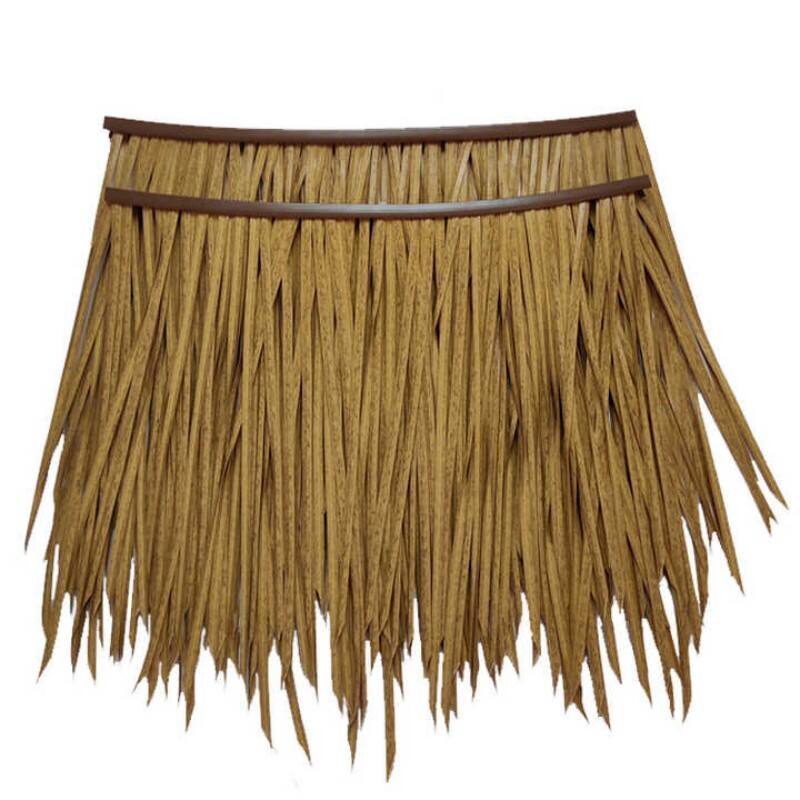
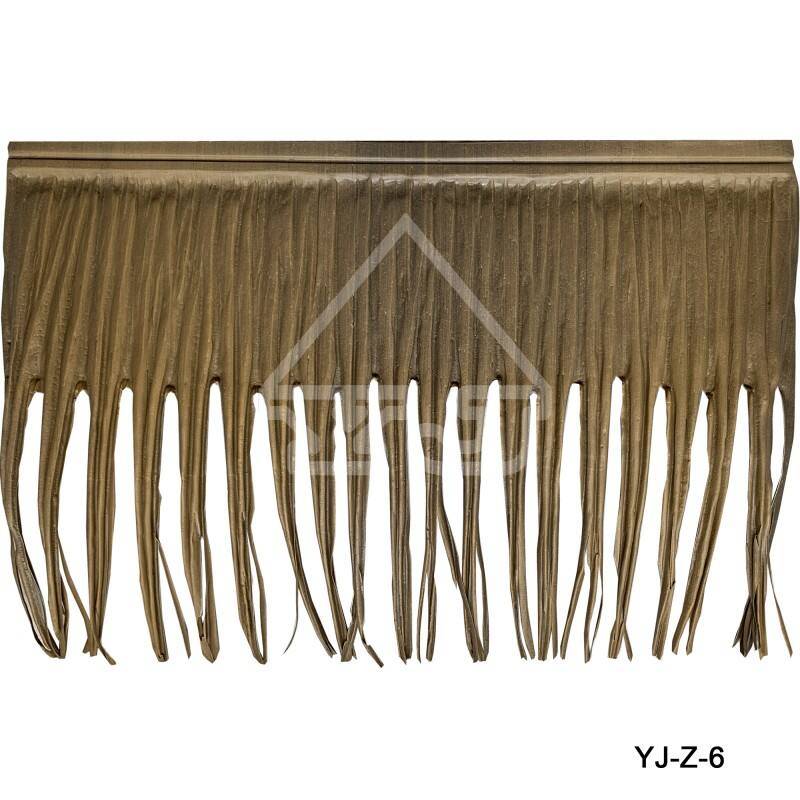
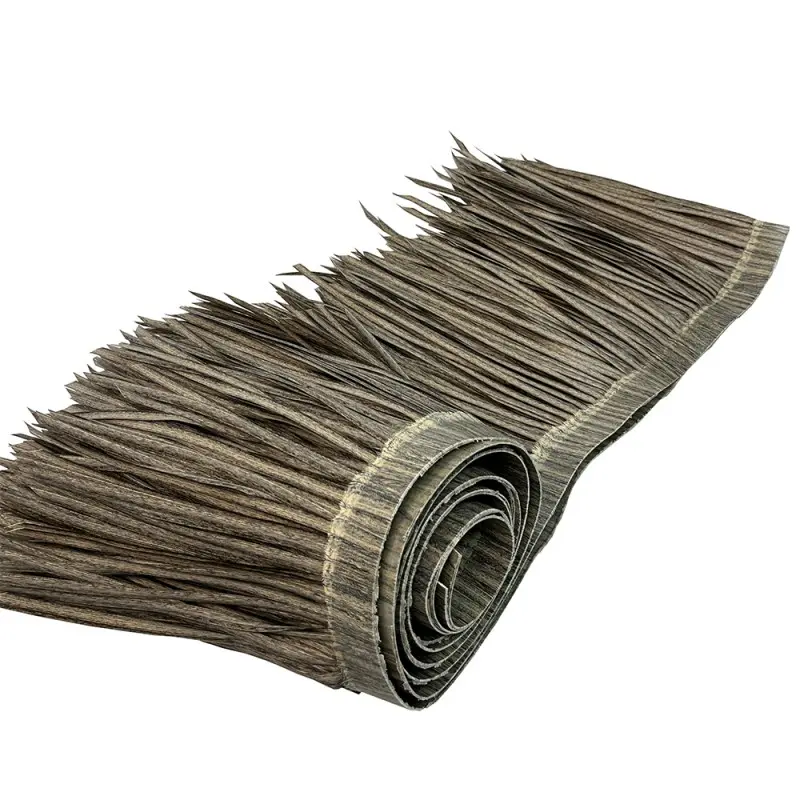
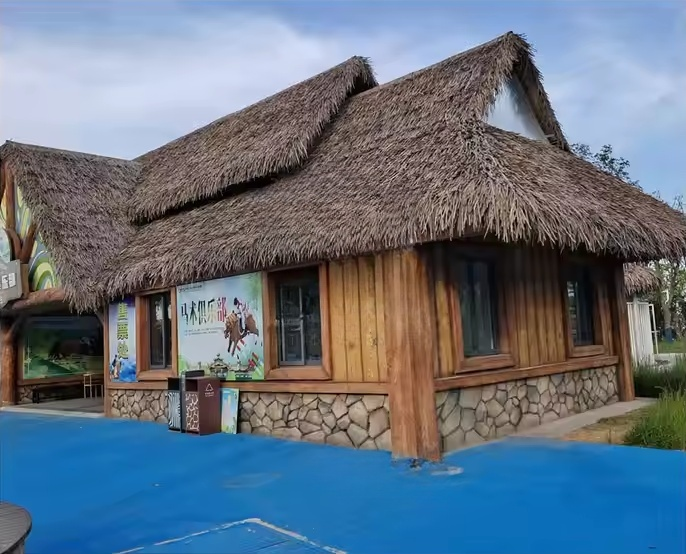
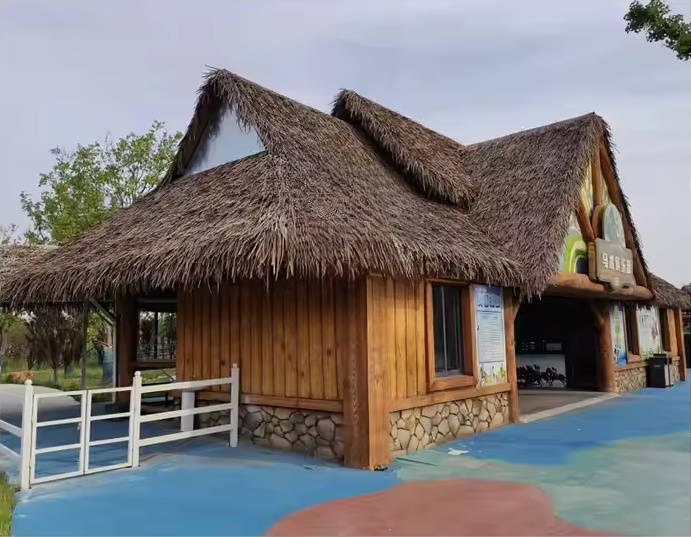
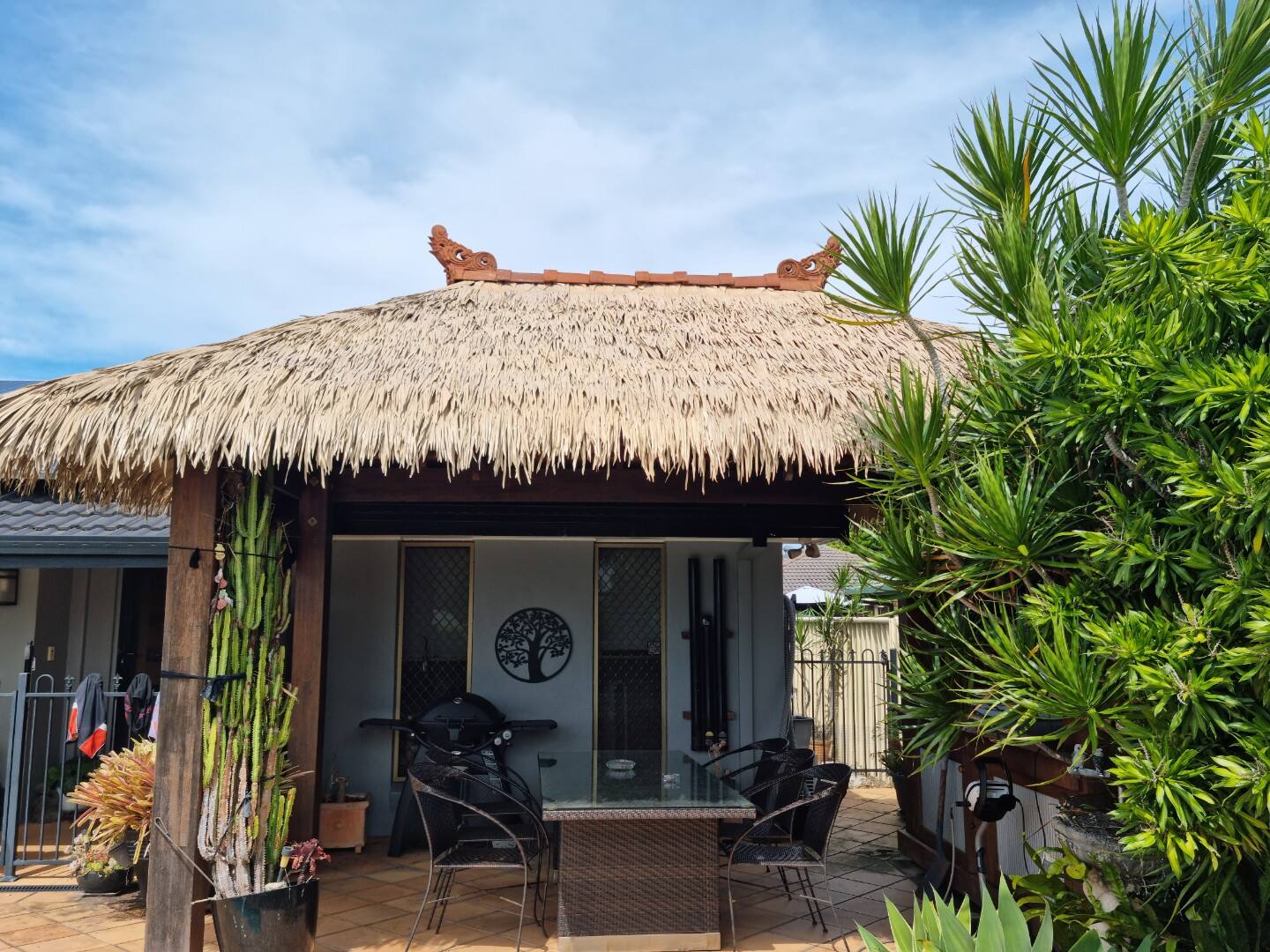
Synthetic thatch panels represent a revolutionary advancement in roofing and decorative construction materials, offering the authentic appearance of traditional thatched roofing without the associated maintenance challenges and structural limitations. These innovative panels are meticulously engineered using high-grade polymer materials and advanced UV-resistant compounds that replicate the natural texture, color variations, and organic feel of genuine straw thatch. The manufacturing process involves sophisticated molding techniques that capture every detail of traditional thatching patterns, creating panels that are virtually indistinguishable from natural materials when properly installed. The main functions of synthetic thatch panels encompass both aesthetic enhancement and practical protection, serving as waterproof roofing systems for residential homes, commercial establishments, and themed entertainment venues. Technologically, these panels incorporate multi-layer construction with integrated drainage channels, interlocking edge systems for seamless installation, and fire-retardant properties that exceed building code requirements in most jurisdictions. The surface treatment includes specialized coatings that resist algae growth, prevent color fading, and maintain structural integrity under extreme weather conditions including high winds, heavy rainfall, and temperature fluctuations. Applications for synthetic thatch panels span diverse architectural projects including tropical resort buildings, tiki bars, garden pavilions, pool houses, outdoor kitchens, and themed restaurants seeking authentic tropical or rustic aesthetics. The panels are also extensively used in zoo exhibits, theme parks, and cultural centers where traditional appearance must be maintained while ensuring visitor safety and structural durability. Installation flexibility allows these panels to be mounted on various substrate materials including plywood, metal roofing, and concrete surfaces, making them suitable for both new construction and renovation projects where traditional thatch would be impractical or prohibited by local building codes.

New Products

The primary advantage of synthetic thatch panels lies in their exceptional durability compared to natural thatch materials, eliminating the need for frequent replacement and ongoing maintenance that traditional straw roofing demands. Property owners save substantial money over time because synthetic thatch panels resist pest infestations, mold growth, and weather deterioration that plague natural alternatives. These panels maintain their appearance and structural integrity for decades without requiring the specialized craftsmen and expensive materials needed for traditional thatch repairs. Fire safety represents another crucial benefit, as synthetic thatch panels meet strict fire resistance standards that natural materials cannot achieve, providing peace of mind for property owners and satisfying insurance requirements that often exclude buildings with combustible roofing materials. Installation proves significantly faster and more cost-effective than traditional thatching methods, reducing labor costs and project timelines while achieving consistent quality results. Professional contractors can install synthetic thatch panels using standard roofing tools and techniques, eliminating the need for specialized thatch craftsmen who are increasingly rare and expensive to hire. Weather resistance surpasses natural materials dramatically, as synthetic panels withstand hurricane-force winds, torrential rains, and extreme temperature variations without deteriorating or requiring emergency repairs. The panels resist UV damage, preventing the fading and brittleness that affects natural thatch exposed to intense sunlight over extended periods. Maintenance requirements are minimal, requiring only occasional cleaning with standard pressure washing equipment to remove accumulated debris and restore original appearance. Environmental benefits include eliminating the harvest pressure on natural thatch materials while providing a recyclable alternative that reduces waste generation. Color consistency remains uniform across all panels, avoiding the natural variations and aging patterns that can create uneven appearance in traditional thatch installations. Weight advantages make synthetic panels suitable for structures that cannot support the heavy load requirements of water-saturated natural thatch, expanding architectural possibilities for tropical-themed designs. Insurance benefits include lower premiums due to fire resistance and reduced liability exposure, making properties more attractive to insurance providers and potentially qualifying for specialized coverage discounts.

Practical Tips

How to Enhance Commercial Building Durability with Synthetic Palm Leaf Thatch

27

Nov

How to Enhance Commercial Building Durability with Synthetic Palm Leaf Thatch

Commercial buildings in tropical and subtropical regions face unique challenges when it comes to maintaining aesthetic appeal while ensuring long-term durability. Traditional roofing and decorative materials often fall short when exposed to intense U...
View More
How to Evaluate Cost-Effectiveness of Artificial Thatch Roof for Commercial Projects

12

Nov

How to Evaluate Cost-Effectiveness of Artificial Thatch Roof for Commercial Projects

Commercial property developers and architects increasingly turn to alternative roofing solutions that combine aesthetic appeal with long-term durability. The artificial thatch roof has emerged as a compelling option for tropical resorts, entertainmen...
View More
Trends in Using Rattan Weave Materials for Furniture and Roof Decoration

06

Nov

Trends in Using Rattan Weave Materials for Furniture and Roof Decoration

The design world is experiencing a remarkable renaissance in natural materials, with rattan weave materials emerging as a dominant force in contemporary furniture and architectural applications. This revival represents more than just aesthetic prefer...
View More
Applications of Cottage Thatched in Rural Vacation Homes

23

Dec

Applications of Cottage Thatched in Rural Vacation Homes

Rural vacation homes have experienced a remarkable resurgence as travelers seek authentic experiences away from bustling urban centers. Among the most captivating architectural elements that define these retreats is the traditional cottage thatched r...
View More

Get a Free Quote

Our representative will contact you soon.
Email
Name
Company Name
Message
0/1000

synthetic thatch panels

Superior Weather Protection and Longevity

Superior Weather Protection and Longevity

Synthetic thatch panels deliver unmatched weather protection through advanced engineering that addresses every vulnerability found in natural thatching materials. The multi-layer construction incorporates a waterproof base layer that prevents moisture penetration while maintaining breathability to prevent condensation buildup that could damage underlying structures. Surface treatments include specialized polymer coatings that create a barrier against UV radiation, preventing the photodegradation that causes natural materials to become brittle and deteriorate over time. Wind resistance testing demonstrates that properly installed synthetic thatch panels can withstand sustained winds exceeding 150 miles per hour without lifting or separating, far exceeding the capabilities of traditional straw thatch that becomes vulnerable to wind damage as it ages and loosens. The interlocking panel design creates a continuous protective barrier that eliminates the gaps and weak points common in hand-laid natural thatch, ensuring consistent protection across the entire roof surface. Temperature stability allows these panels to maintain their structural properties in extreme heat and cold, preventing the expansion and contraction cycles that cause natural materials to crack and separate. Hail resistance protects against impact damage that would penetrate or dislodge natural thatch, maintaining roof integrity during severe weather events. The drainage system built into each panel efficiently channels water away from the structure, preventing the moisture retention that leads to rot and pest problems in organic materials. Color stability ensures that the aesthetic appeal remains consistent year after year, avoiding the weathered gray appearance that develops in untreated natural thatch. This superior weather protection translates into long-term value for property owners who avoid the recurring costs of storm damage repairs and premature replacement that natural thatch requires. Professional warranties often extend for decades, providing financial protection and demonstrating manufacturer confidence in the product's durability and performance under real-world conditions.
Fire Safety and Building Code Compliance

Fire Safety and Building Code Compliance

Fire safety represents the most critical advantage of synthetic thatch panels, addressing the primary concern that prevents many property owners from achieving the desired thatched roof aesthetic. Natural thatch materials are inherently combustible and create significant fire hazards that modern building codes increasingly restrict or prohibit, particularly in areas prone to wildfires or dense urban environments. Synthetic thatch panels undergo rigorous fire testing to achieve Class A fire ratings, the highest safety classification available for roofing materials, ensuring compliance with the most stringent building codes and insurance requirements. The fire-retardant properties are engineered into the base materials rather than applied as surface treatments, providing permanent protection that does not degrade over time or wash away during cleaning and maintenance procedures. Self-extinguishing characteristics mean that even if exposed to ignition sources, synthetic thatch panels will not support flame spread and will cease burning when the ignition source is removed, preventing the rapid fire progression that makes natural thatch extremely dangerous. Smoke production testing demonstrates minimal toxic emissions compared to burning natural materials, improving safety for occupants during fire events and reducing environmental impact. Building inspectors readily approve synthetic thatch installations because they meet or exceed safety standards, eliminating the permit delays and restrictions often associated with natural thatch proposals. Insurance benefits include lower premiums and broader coverage options, as insurance companies recognize the reduced fire risk and are willing to provide standard coverage that may be denied or limited for natural thatch installations. Emergency responder safety improves significantly because synthetic panels do not create the intense heat and rapid flame spread associated with burning natural materials, allowing firefighters to work more effectively in emergency situations. Property values benefit from improved safety ratings and insurance acceptability, making buildings more attractive to potential buyers and lenders who might otherwise avoid properties with combustible roofing materials.
Cost-Effective Installation and Maintenance

Cost-Effective Installation and Maintenance

The installation and maintenance advantages of synthetic thatch panels create substantial cost savings throughout the building lifecycle, making them an economically superior choice for property owners seeking thatched aesthetics without ongoing financial burdens. Installation efficiency stems from the standardized panel sizes and interlocking systems that allow experienced roofing contractors to complete projects using familiar tools and techniques, eliminating the specialized labor costs associated with traditional thatch craftsmen who require years of training and command premium wages. Project timelines reduce dramatically compared to hand-laid natural thatch, which requires weather-dependent installation periods and meticulous layering processes that can extend construction schedules for weeks or months. Synthetic panels can be installed in various weather conditions, preventing costly project delays and allowing construction to proceed on schedule regardless of seasonal variations. Material handling proves simpler and safer, as lightweight synthetic panels require less structural support and create fewer jobsite hazards compared to the heavy, loose materials used in traditional thatching. Quality control improves through factory manufacturing that ensures consistent dimensions, color matching, and performance characteristics across all panels, eliminating the variability inherent in natural materials that can lead to installation problems and aesthetic inconsistencies. Maintenance costs remain minimal throughout the product lifespan, requiring only periodic cleaning and occasional panel replacement if damage occurs, compared to the extensive ongoing maintenance that natural thatch demands including regular re-layering, pest control, and weather damage repairs. Skilled labor availability eliminates dependency on increasingly rare thatch craftsmen, ensuring that maintenance and repairs can be performed by standard roofing professionals available in most markets. Warranty coverage provides financial protection against defects and performance issues, transferring risk from property owners to manufacturers who stand behind their products with comprehensive guarantees. Long-term value calculations demonstrate significant savings over time when comparing total ownership costs including initial installation, ongoing maintenance, repairs, and eventual replacement, making synthetic thatch panels a sound financial investment for property owners seeking sustainable roofing solutions.

Get a Free Quote

Our representative will contact you soon.
Email
Name
Company Name
Message
0/1000