synthetic thatch roofing material
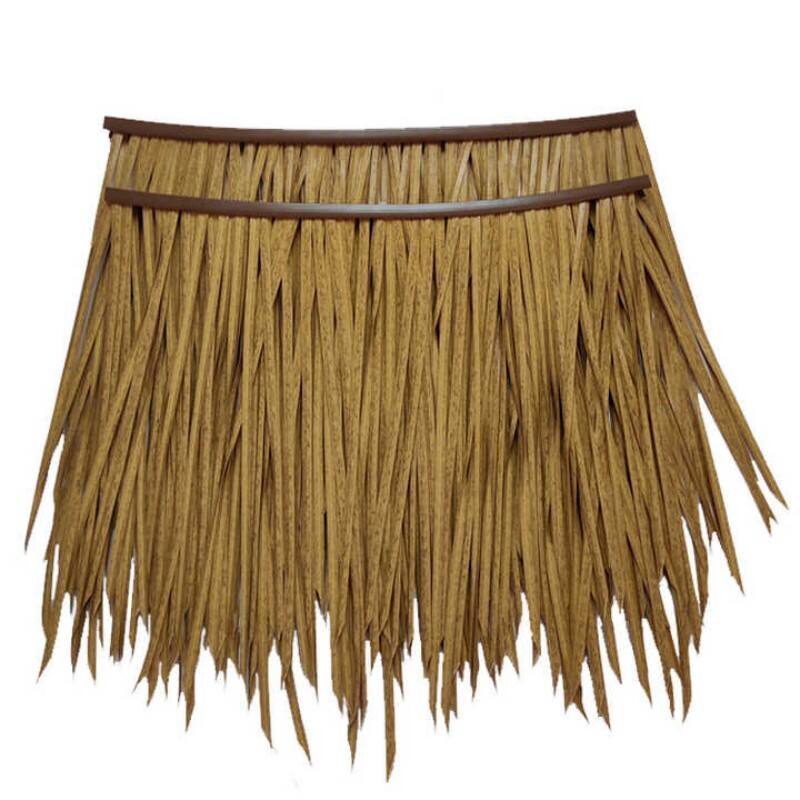
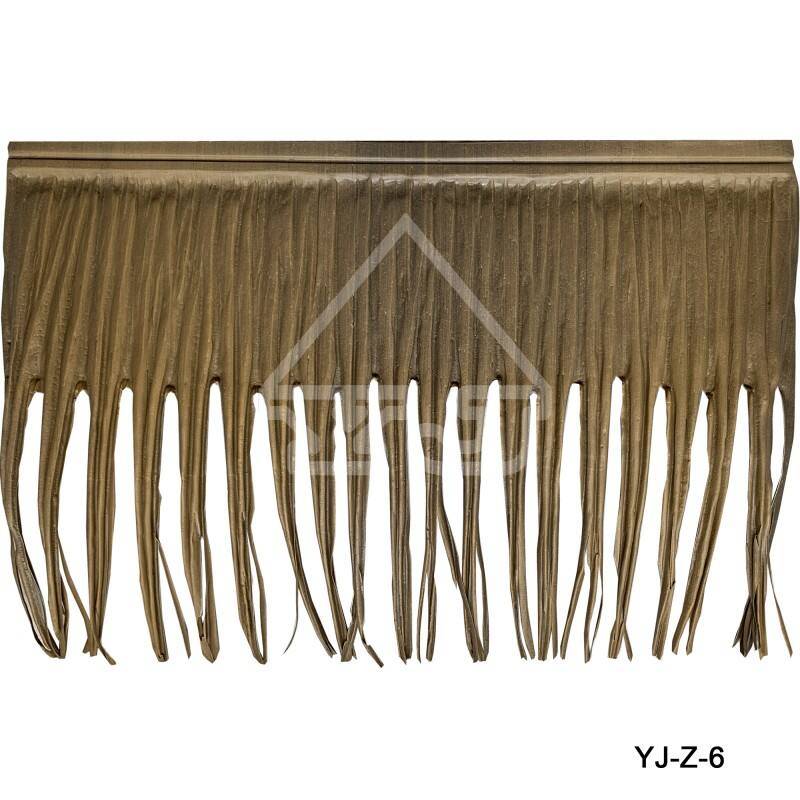
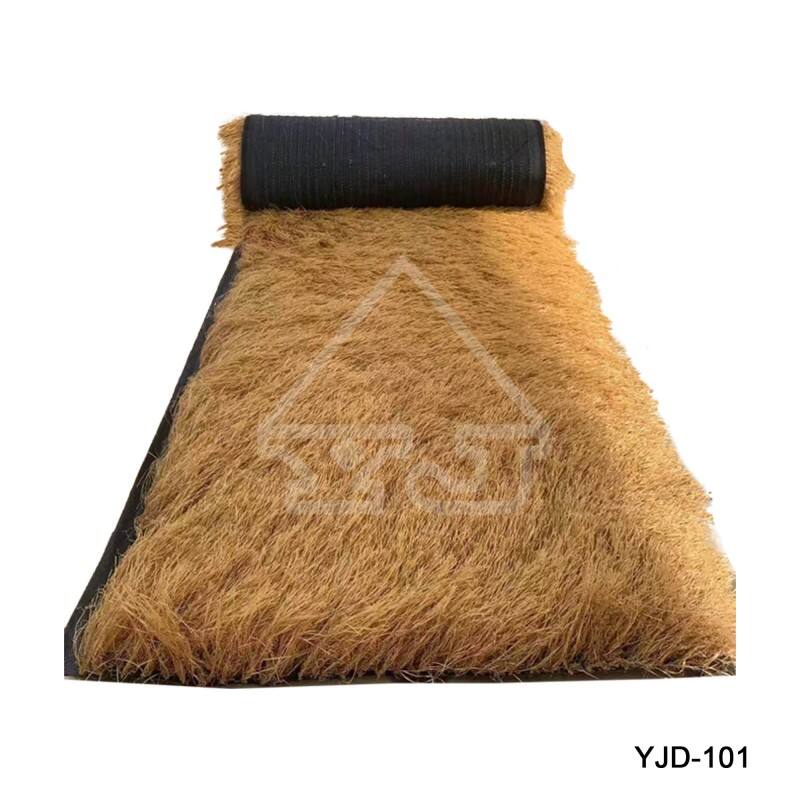
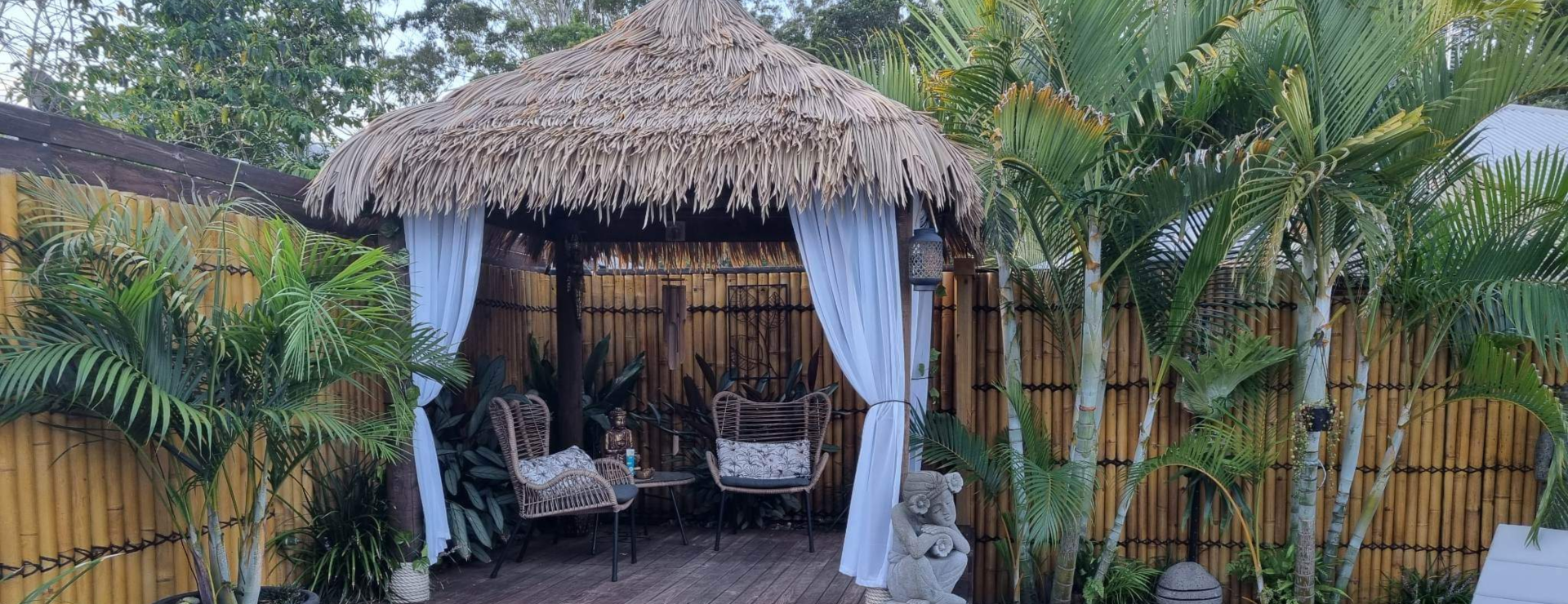
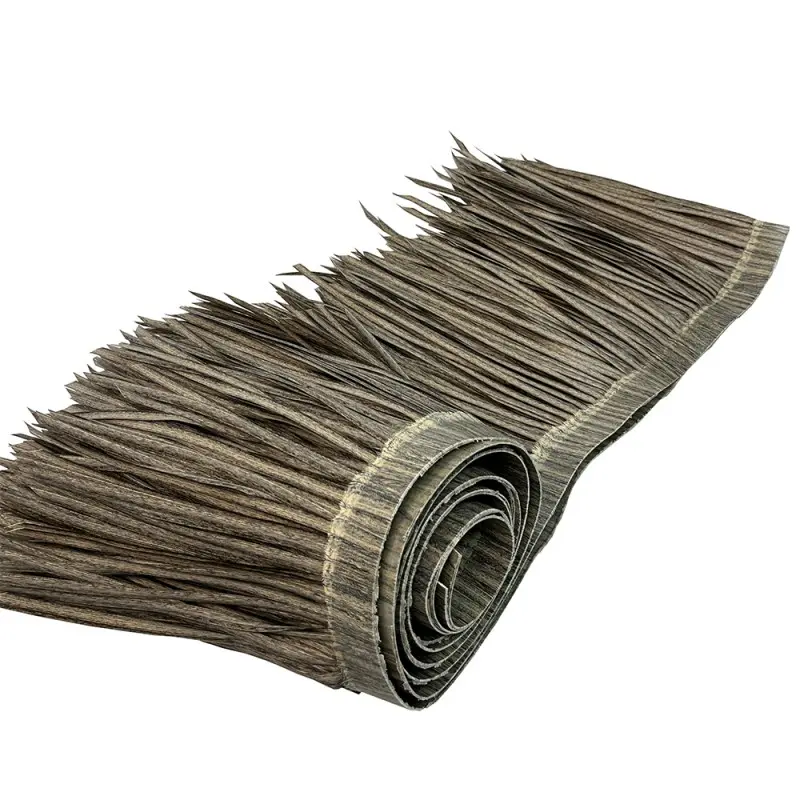
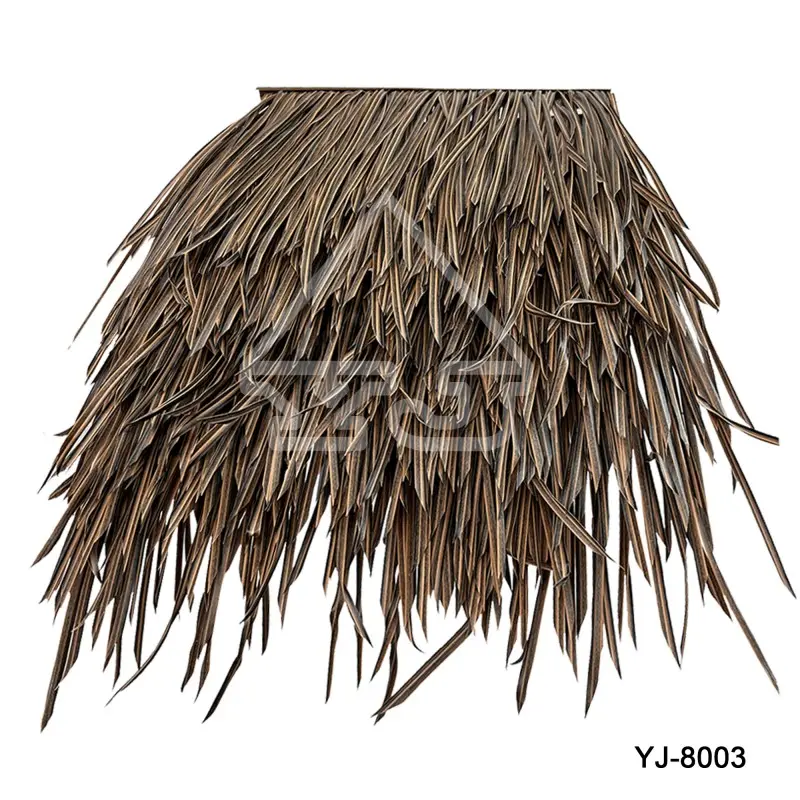
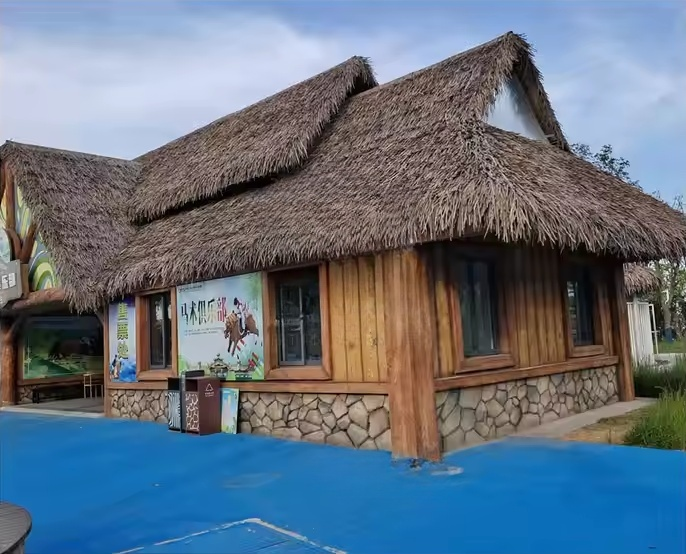
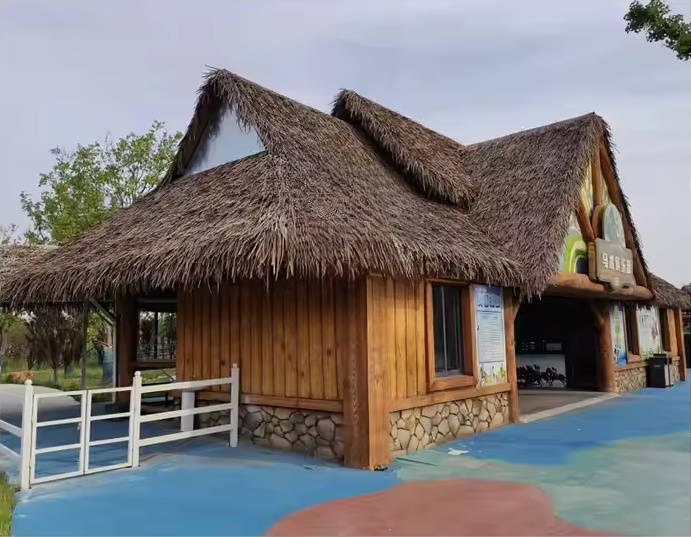
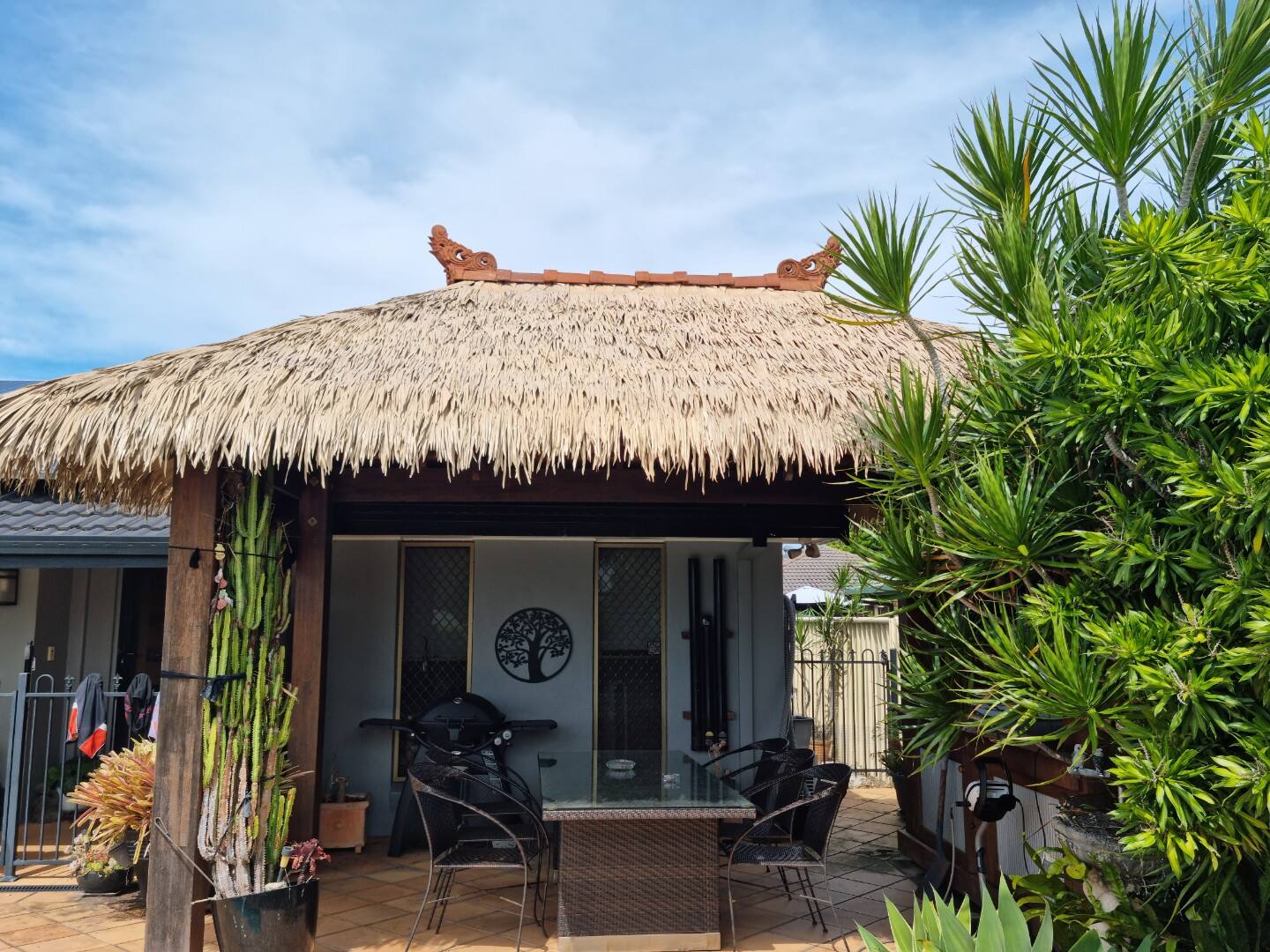
Synthetic thatch roofing material represents a revolutionary advancement in construction technology, offering property owners an authentic thatched appearance without the traditional maintenance challenges. This innovative roofing solution combines cutting-edge polymer science with architectural aesthetics to create a durable, weather-resistant alternative to natural thatch. The synthetic thatch roofing material utilizes high-grade polyethylene and advanced UV-stabilized compounds that resist fading, cracking, and deterioration from environmental exposure. The manufacturing process incorporates precision molding techniques that replicate the organic texture and visual characteristics of traditional reed and straw thatching. Each synthetic thatch roofing material component undergoes rigorous quality testing to ensure consistent performance across various climate conditions. The primary functions include comprehensive weather protection, thermal insulation enhancement, and aesthetic appeal preservation. The technological features encompass fire-resistant properties, integrated drainage systems, and modular installation capabilities. The synthetic thatch roofing material demonstrates exceptional longevity, typically lasting 25-30 years compared to natural thatch requiring replacement every 10-15 years. Applications span residential cottages, commercial hospitality venues, theme parks, restaurants, and heritage restoration projects. The material excels in coastal environments where salt air would rapidly degrade natural materials. Installation versatility allows application over various substrate types including plywood, OSB, and concrete decking. The synthetic thatch roofing material maintains consistent coloration and texture throughout its lifespan, eliminating the natural weathering variations that affect traditional materials. Environmental considerations include recyclability at end-of-life and reduced harvesting pressure on natural reed beds. The lightweight construction reduces structural loading requirements compared to heavy clay tiles or slate alternatives.
 EN
EN