synthetic tiki hut roofing material
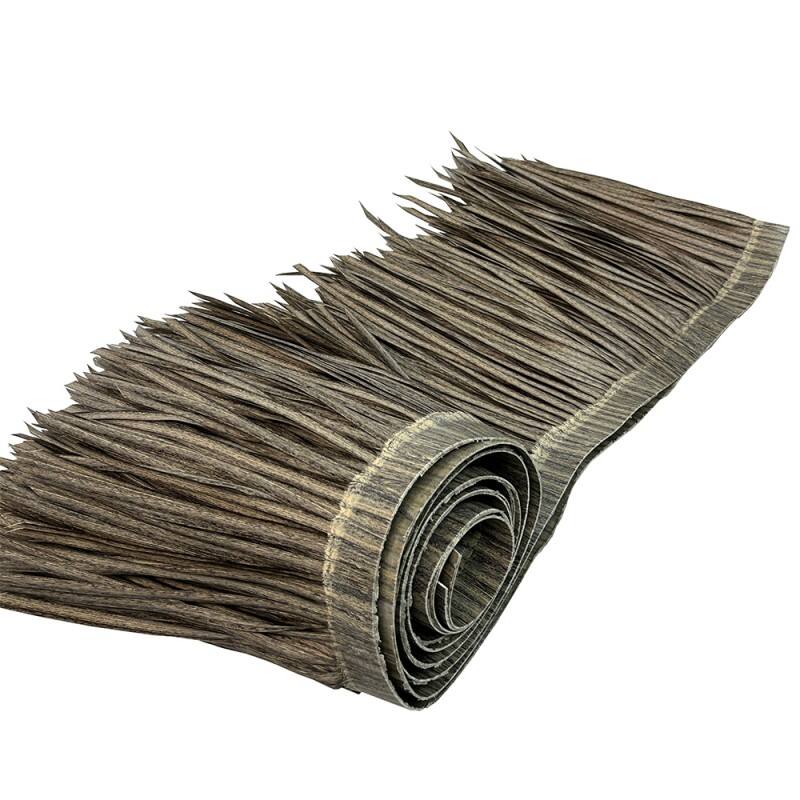
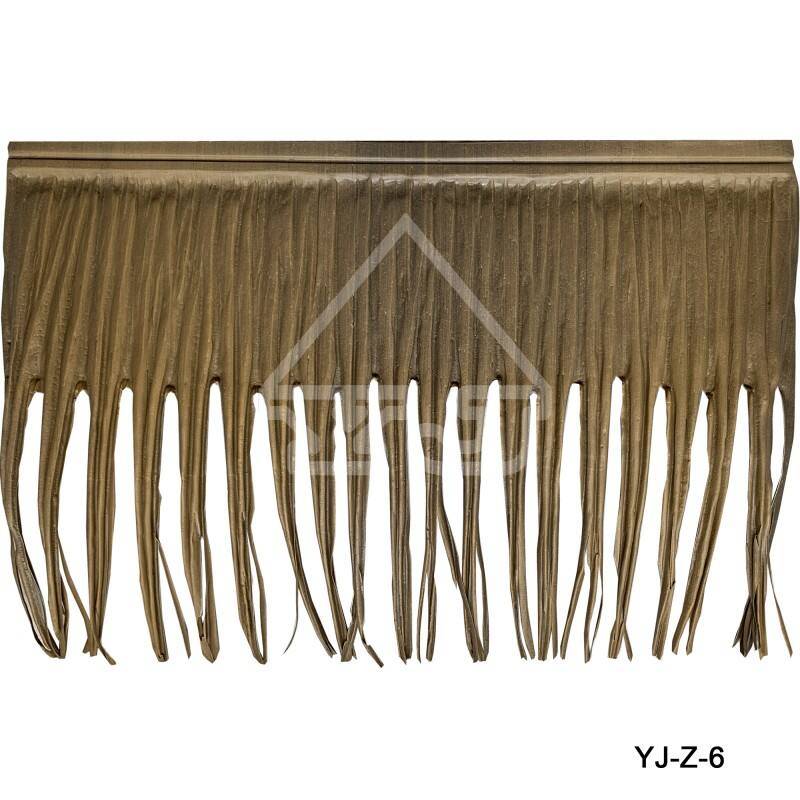
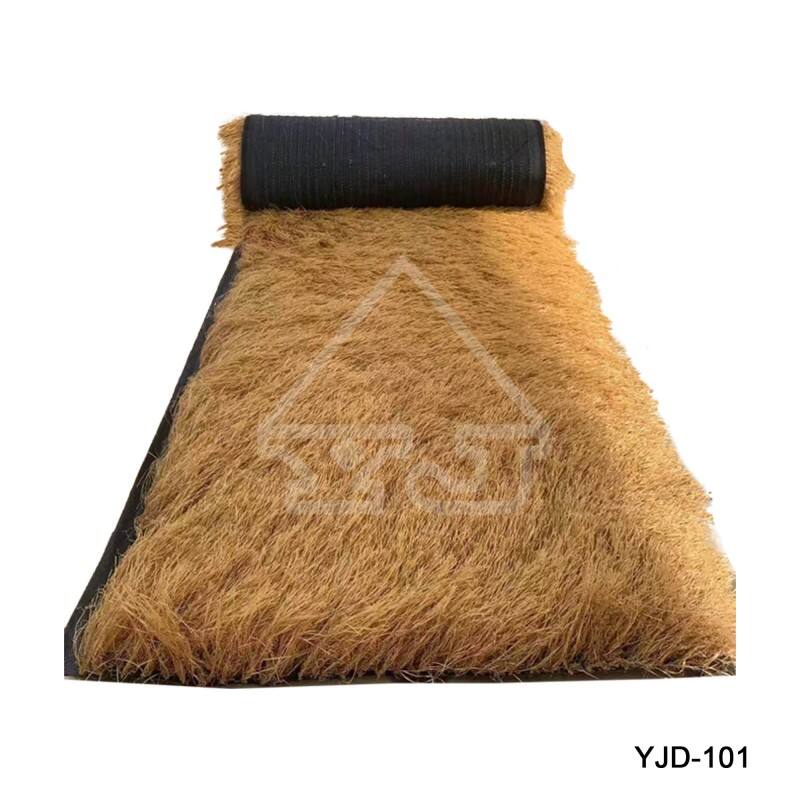
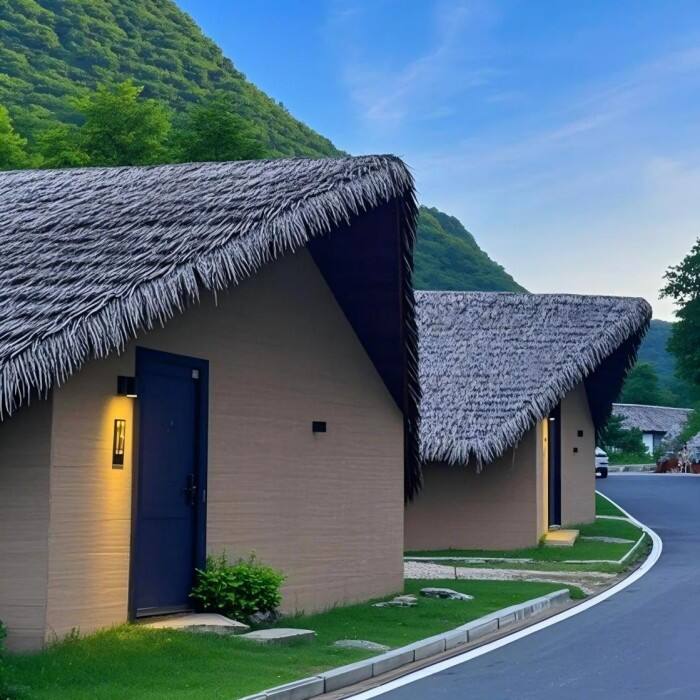
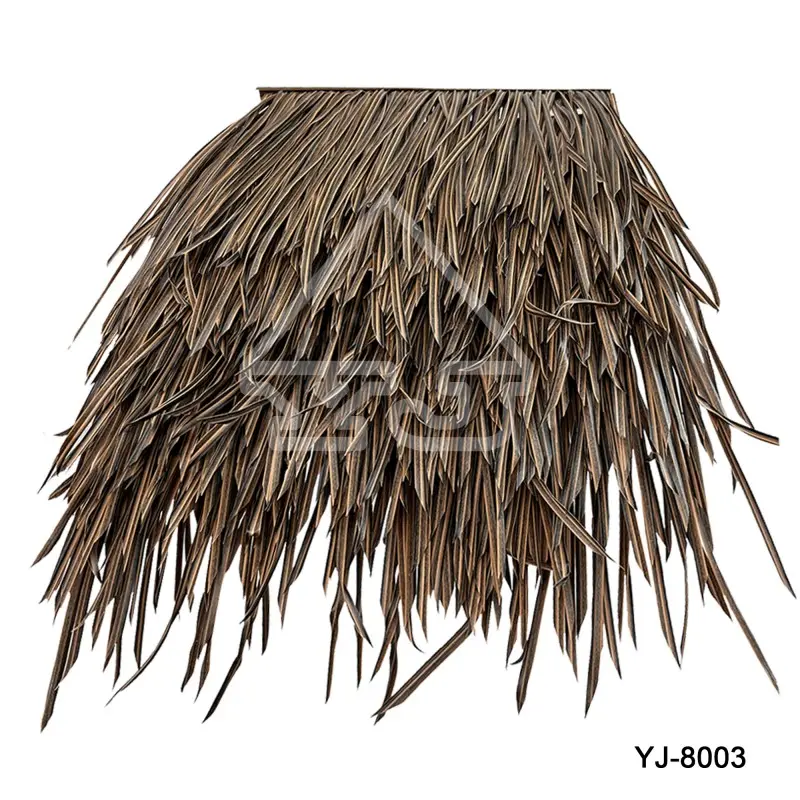
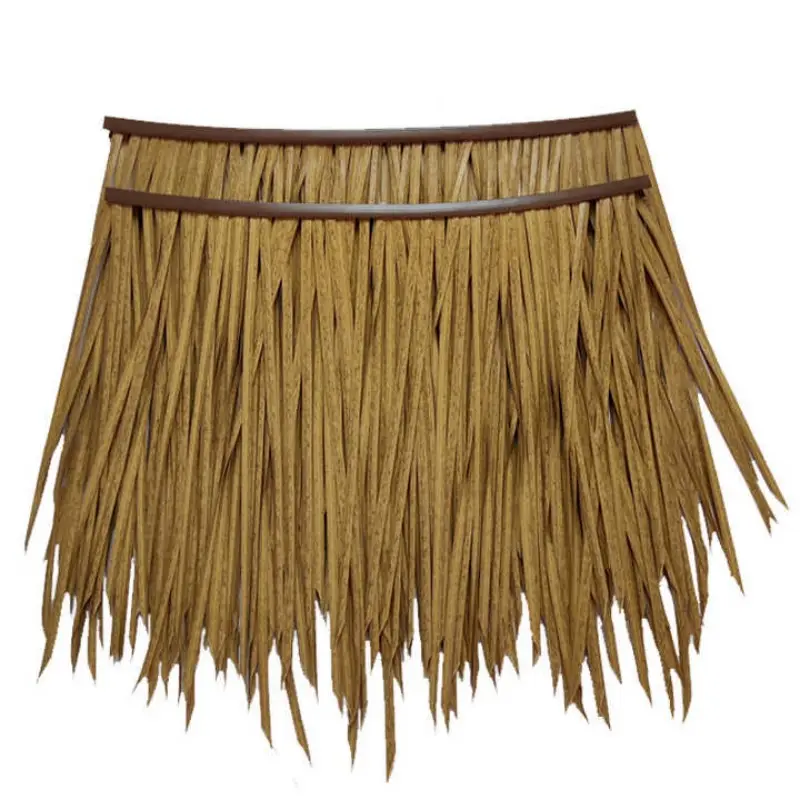
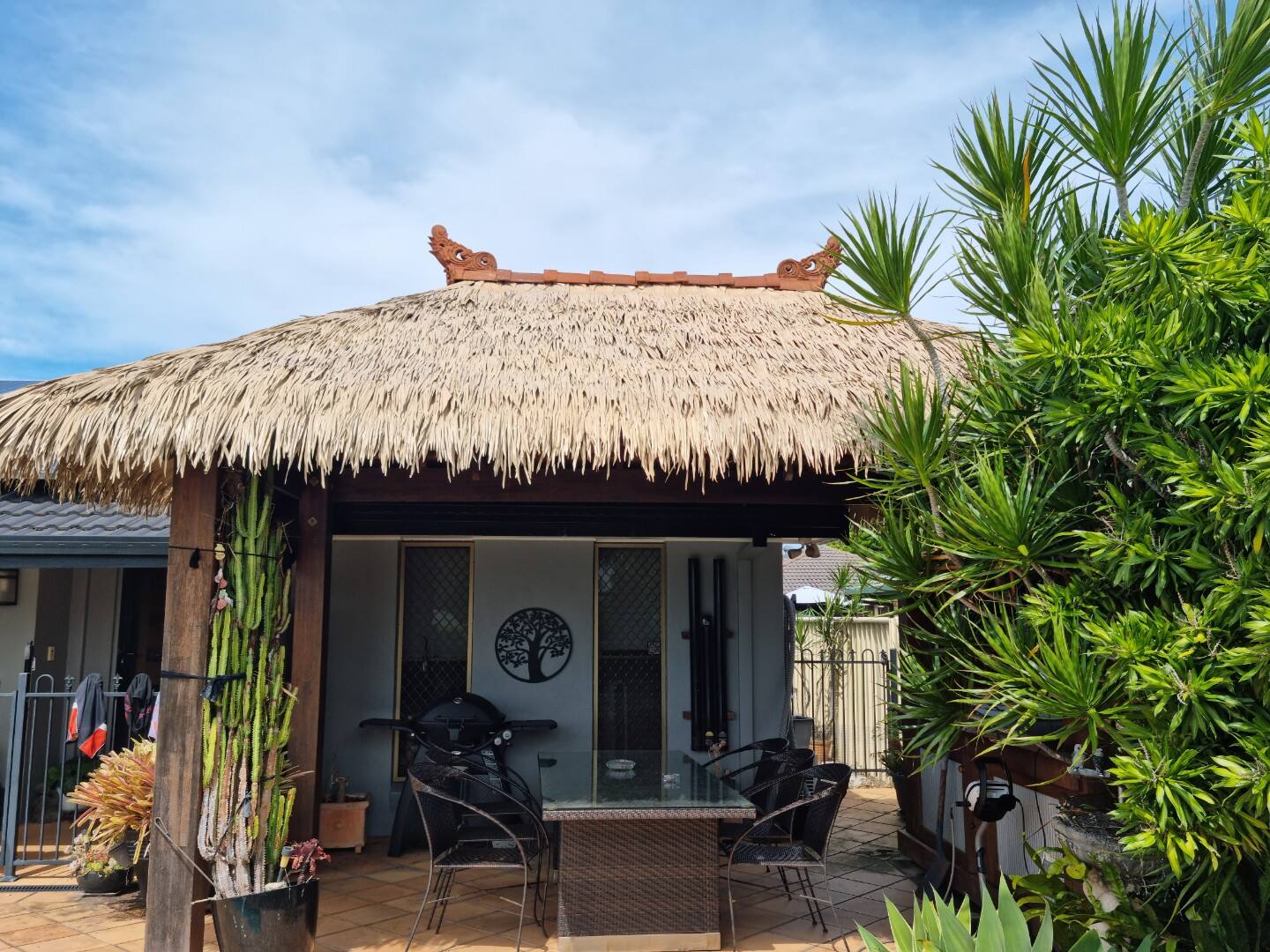
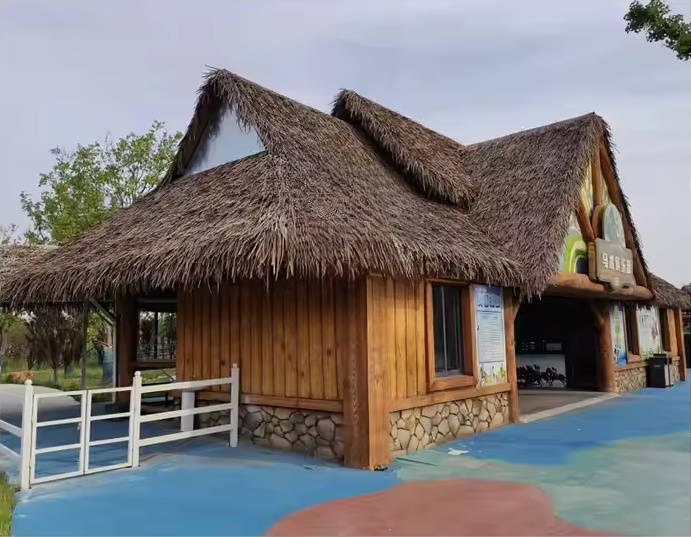
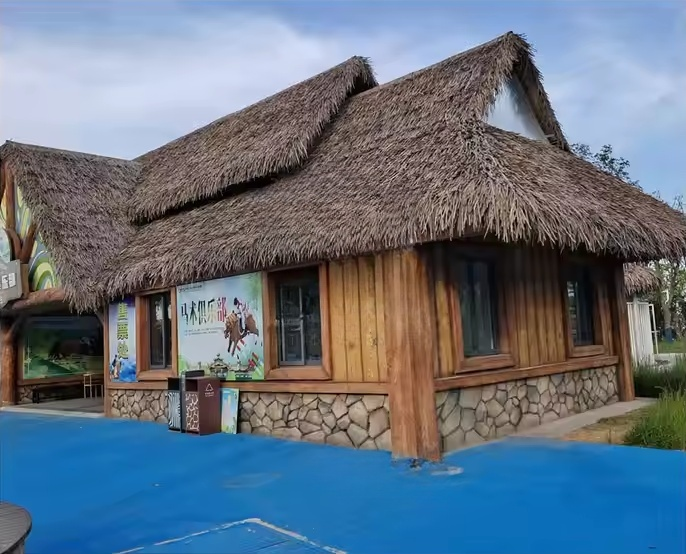
Synthetic tiki hut roofing material represents a revolutionary advancement in tropical-themed construction, combining the authentic aesthetic appeal of traditional palm thatch with modern engineering excellence. This innovative roofing solution addresses the growing demand for durable, weather-resistant materials that maintain the distinctive island charm characteristic of authentic tiki structures. The synthetic tiki hut roofing material utilizes advanced polymer technology and UV-stabilized compounds to create a product that mimics the natural texture, color variations, and organic appearance of genuine palm fronds while eliminating the inherent vulnerabilities of organic materials. The primary function centers on providing comprehensive weather protection while preserving the exotic visual appeal that defines tiki architecture. Technological features include fire-resistant properties, enhanced wind uplift resistance, and integrated drainage systems that prevent water accumulation. The material incorporates antimicrobial treatments that inhibit mold, mildew, and pest infiltration, addressing common concerns associated with natural thatching materials. Manufacturing processes ensure consistent quality control, dimensional stability, and color retention throughout extended exposure cycles. Applications span residential pool areas, commercial resort installations, restaurant patios, entertainment venues, and hospitality environments where tropical ambiance remains essential. The synthetic tiki hut roofing material offers versatile installation options, accommodating various structural configurations and architectural requirements. Professional contractors appreciate the standardized dimensions and predictable performance characteristics that streamline installation procedures. The material demonstrates exceptional longevity compared to traditional alternatives, maintaining structural integrity and visual appeal across multiple seasons without requiring frequent replacement or extensive maintenance interventions. Environmental considerations include recyclable components and reduced harvesting pressure on natural palm resources, supporting sustainable construction practices while delivering superior performance standards that meet contemporary building codes and safety regulations.
 EN
EN