Premium Synthetic Thatch Roof Supplier - Durable, Fire-Safe & Weather-Resistant Roofing Solutions

Get a Free Quote

Our representative will contact you soon.
Email
Name
Company Name
Message
0/1000

synthetic thatch roof supplier

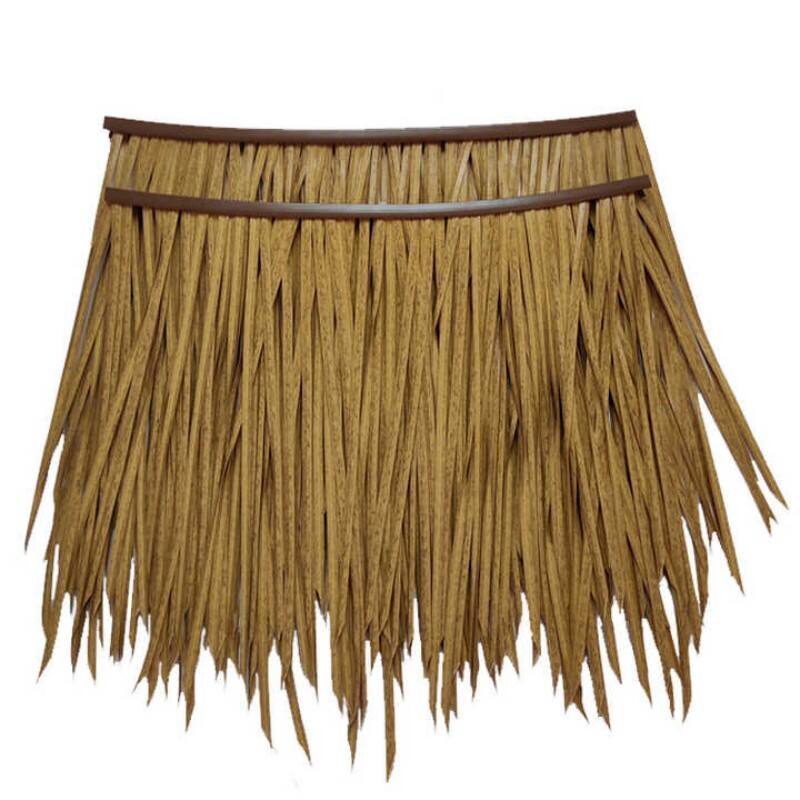
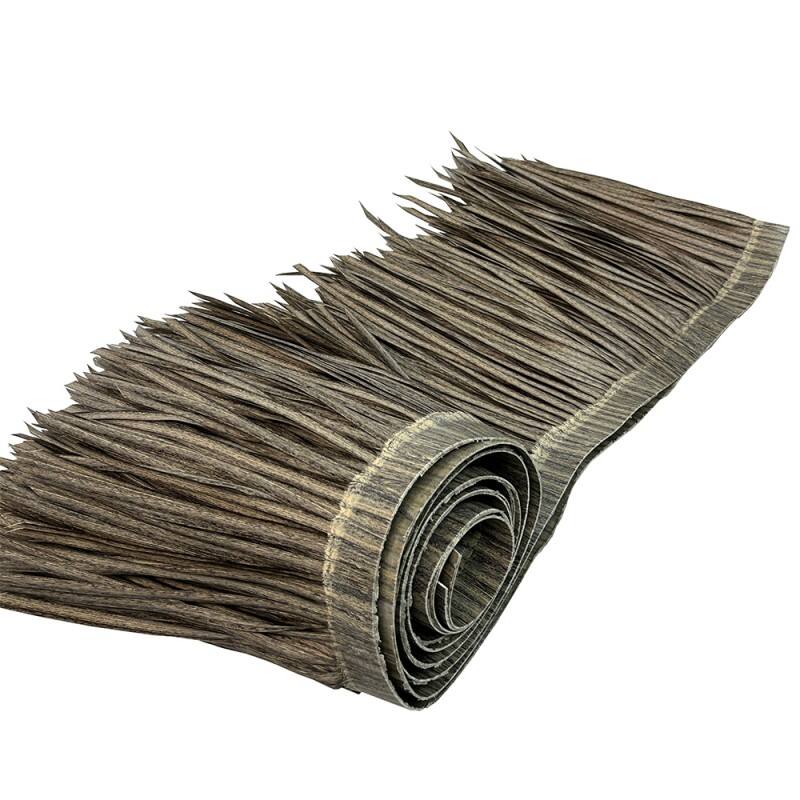
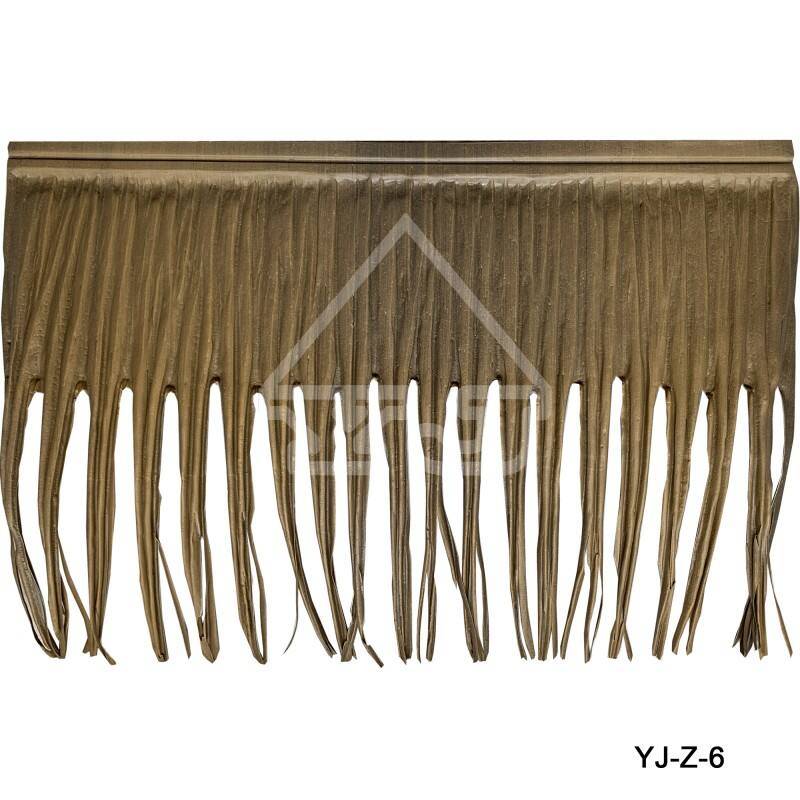
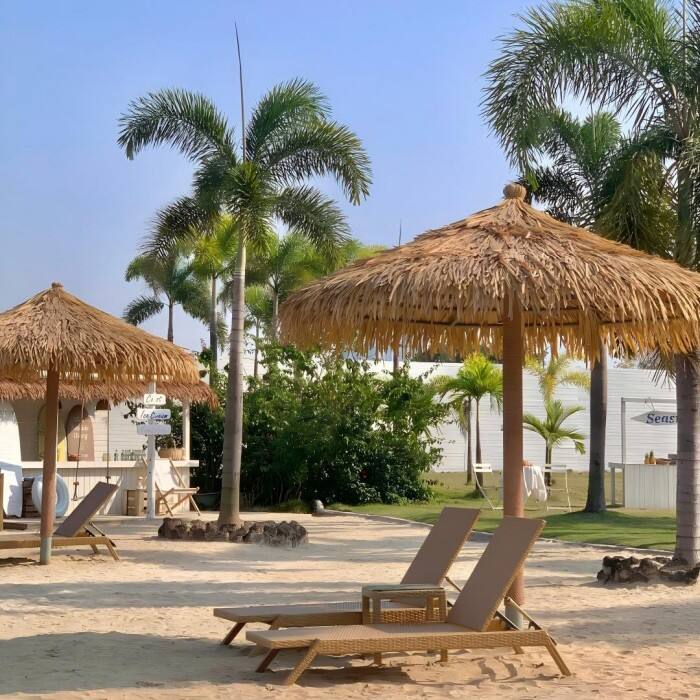
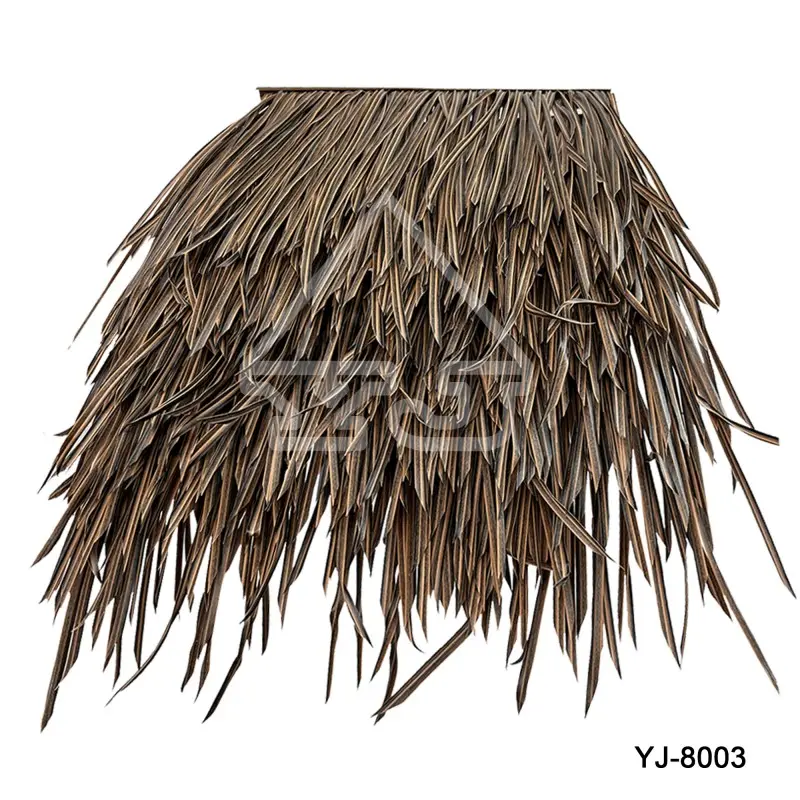
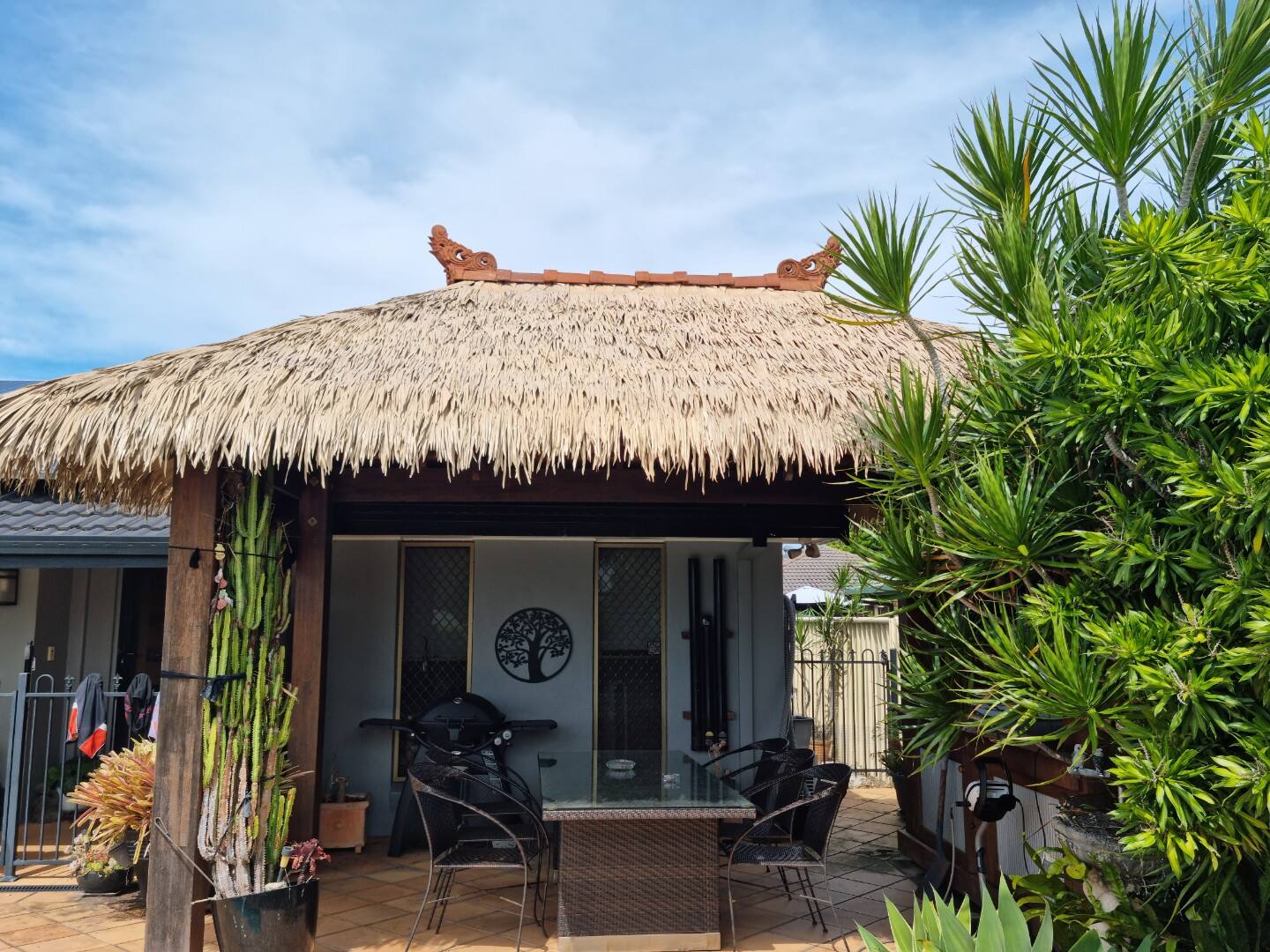
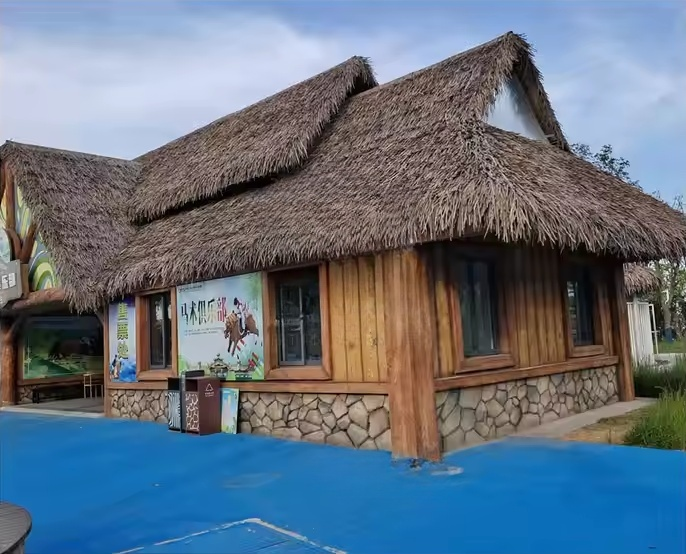
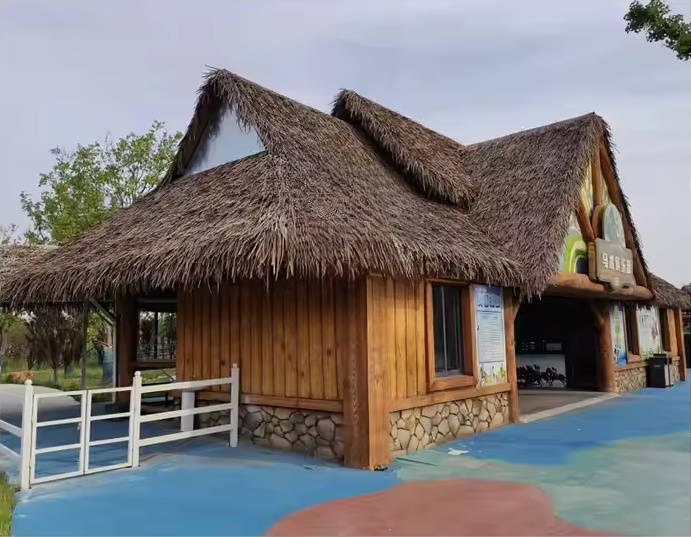
A synthetic thatch roof supplier represents a revolutionary advancement in roofing technology, offering property owners the aesthetic appeal of traditional thatched roofing without the inherent challenges and maintenance requirements. These specialized suppliers provide engineered roofing materials that perfectly replicate the natural appearance of straw, reed, or palm thatch while delivering superior performance characteristics. The synthetic thatch roof supplier industry has emerged as a response to growing demand for sustainable, durable, and cost-effective roofing solutions that maintain architectural authenticity. Modern synthetic thatch materials utilize advanced polymer compositions, UV-resistant treatments, and fire-retardant technologies to create products that surpass natural thatch in virtually every performance metric. The primary function of a synthetic thatch roof supplier involves manufacturing, distributing, and supporting the installation of these innovative roofing systems. Key technological features include advanced extrusion processes that create realistic texture variations, color-fast treatments that prevent fading, and modular designs that simplify installation procedures. These suppliers typically offer comprehensive product ranges including ridge caps, underlayment systems, and specialized fasteners designed specifically for synthetic thatch applications. The applications span residential properties, commercial developments, resort facilities, theme parks, and heritage restoration projects where authentic appearance must be balanced with practical performance requirements. A reputable synthetic thatch roof supplier maintains extensive quality control protocols, provides detailed installation guidelines, and offers technical support throughout the project lifecycle. The materials produced by these suppliers demonstrate exceptional resistance to weather extremes, pest infiltration, and fire hazards while requiring minimal maintenance compared to natural alternatives. Distribution networks established by synthetic thatch roof suppliers ensure product availability across diverse geographical markets, supporting both large-scale commercial projects and individual residential installations through authorized dealers and certified installers.

New Products

The advantages provided by a synthetic thatch roof supplier extend far beyond simple material provision, delivering comprehensive value propositions that transform traditional roofing approaches. Cost-effectiveness represents the most immediate benefit, as synthetic materials eliminate the recurring expenses associated with natural thatch maintenance, replacement, and pest control treatments. Property owners experience significant long-term savings through reduced labor costs, extended replacement intervals, and elimination of specialized maintenance requirements that plague natural thatch installations. Durability advantages offered by synthetic thatch roof suppliers include materials engineered to withstand decades of exposure without degradation, cracking, or color loss. These products resist moisture penetration, preventing the rot and decay issues that necessitate frequent natural thatch replacement cycles. Fire safety improvements represent critical advantages, as synthetic materials incorporate flame-retardant properties that meet stringent building codes and insurance requirements, often resulting in reduced premium costs for property owners. Weather resistance capabilities ensure consistent performance across diverse climate conditions, from intense UV exposure to heavy precipitation and extreme temperature fluctuations. The synthetic thatch roof supplier provides materials that maintain structural integrity and appearance regardless of environmental stressors that would compromise natural alternatives. Installation efficiency advantages include lightweight materials that reduce structural load requirements and streamlined installation processes that minimize labor time and complexity. Synthetic thatch roof suppliers offer standardized components that ensure consistent quality and simplified inventory management for contractors and property owners. Customization capabilities allow these suppliers to provide color matching, texture variations, and specialized profiles that accommodate unique architectural requirements while maintaining authentic appearances. Environmental benefits include sustainable manufacturing processes that utilize recycled materials and eliminate the harvesting pressures associated with natural thatch production. Maintenance advantages encompass self-cleaning properties, resistance to moss and algae growth, and elimination of pest harboring issues that create ongoing problems with natural thatch systems. Technical support provided by synthetic thatch roof suppliers ensures proper installation techniques, warranty protection, and ongoing performance optimization throughout the product lifecycle.

Tips And Tricks

How to Choose a High-Quality Synthetic Thatch Roof for Commercial Projects

24

Nov

How to Choose a High-Quality Synthetic Thatch Roof for Commercial Projects

Selecting the right roofing material for commercial projects requires careful consideration of durability, aesthetics, and long-term performance. A synthetic thatch roof offers an ideal solution for businesses seeking the authentic appearance of trad...
View More
Trends in Using Rattan Weave Materials for Furniture and Roof Decoration

06

Nov

Trends in Using Rattan Weave Materials for Furniture and Roof Decoration

The design world is experiencing a remarkable renaissance in natural materials, with rattan weave materials emerging as a dominant force in contemporary furniture and architectural applications. This revival represents more than just aesthetic prefer...
View More
Durability and Maintenance Methods of Rattan Weave

17

Dec

Durability and Maintenance Methods of Rattan Weave

Rattan weave has emerged as one of the most sought-after materials in contemporary architecture and interior design, offering a perfect blend of natural aesthetics and functional durability. This versatile material combines traditional craftsmanship ...
View More
Performance Differences Between Synthetic Thatch and Natural Thatch

11

Dec

Performance Differences Between Synthetic Thatch and Natural Thatch

Traditional thatched roofing has evolved significantly over the centuries, transitioning from purely natural materials to innovative synthetic alternatives that offer enhanced durability and performance. Modern construction projects increasingly face...
View More

Get a Free Quote

Our representative will contact you soon.
Email
Name
Company Name
Message
0/1000

synthetic thatch roof supplier

Advanced Weather Resistance Technology

Advanced Weather Resistance Technology

The weather resistance technology developed by leading synthetic thatch roof suppliers represents a groundbreaking achievement in roofing material engineering, providing unparalleled protection against environmental challenges that traditionally compromise roofing systems. This advanced technology incorporates multiple protective layers, each serving specific functions in defending against moisture infiltration, UV degradation, thermal cycling, and chemical exposure. The outer surface features specialized polymer compounds that create hydrophobic properties, causing water to bead and roll off rather than penetrating the material structure. This prevents the moisture-related issues that plague natural thatch, including rot, mold development, and structural weakening that necessitate frequent replacements. UV stabilization technology embedded throughout the material prevents color fading, brittleness, and surface degradation even under intense solar exposure conditions. The synthetic thatch roof supplier utilizes proprietary formulations that maintain flexibility and appearance integrity for decades, eliminating the bleaching and deterioration common in natural materials. Thermal expansion management systems accommodate temperature fluctuations without creating stress fractures or dimensional changes that compromise installation integrity. The materials demonstrate exceptional performance across temperature ranges from arctic conditions to tropical heat, maintaining consistent properties that ensure reliable protection regardless of climate variations. Wind resistance capabilities engineered into these materials include interlocking designs and enhanced fastening systems that prevent uplift and displacement during severe weather events. The synthetic thatch roof supplier provides materials tested to withstand hurricane-force winds and extreme weather conditions that would devastate natural thatch installations. Chemical resistance properties protect against acid rain, salt spray, and atmospheric pollutants that cause premature aging in conventional roofing materials. This comprehensive weather resistance technology delivers long-term value through extended service life, reduced maintenance requirements, and consistent performance that protects underlying structures while maintaining aesthetic appeal throughout the product lifecycle.
Fire Safety and Building Code Compliance

Fire Safety and Building Code Compliance

Fire safety represents a paramount concern addressed comprehensively by synthetic thatch roof suppliers through advanced flame-retardant technologies and rigorous building code compliance protocols that ensure maximum protection for properties and occupants. The fire safety advantages provided by these suppliers include materials engineered to meet or exceed the most stringent fire resistance standards established by international building codes and insurance industry requirements. Synthetic materials incorporate flame-retardant additives throughout their composition, creating self-extinguishing properties that prevent fire spread and eliminate the catastrophic fire risks associated with natural thatch installations. The synthetic thatch roof supplier conducts extensive fire testing protocols that demonstrate superior performance compared to natural alternatives, providing documentation necessary for building permits, insurance coverage, and occupancy certifications. These materials achieve Class A fire ratings, the highest classification available for roofing materials, ensuring compliance with commercial building codes and residential safety standards. The fire-resistant properties remain effective throughout the material lifecycle, unlike temporary treatments that degrade over time, providing consistent protection that maintains its effectiveness indefinitely. Building code compliance advantages include materials that satisfy prescriptive requirements for fire-resistant construction, allowing architects and contractors to specify synthetic thatch without compromising safety standards or requiring expensive fire suppression systems. The synthetic thatch roof supplier provides comprehensive documentation including test reports, certifications, and installation guidelines that streamline the approval process with building officials and insurance underwriters. Fire safety features also include materials that do not produce toxic fumes when exposed to heat, protecting occupants during emergency situations and meeting indoor air quality standards. Insurance benefits derived from these fire safety features often include reduced premium costs, expanded coverage options, and elimination of restrictions commonly applied to natural thatch installations. The synthetic thatch roof supplier ensures that all products maintain their fire-resistant properties under various installation conditions and environmental exposures, providing long-term safety assurance that protects both property values and occupant welfare throughout the building lifecycle.
Sustainable Manufacturing and Environmental Benefits

Sustainable Manufacturing and Environmental Benefits

The environmental benefits delivered by synthetic thatch roof suppliers extend far beyond individual installations, creating positive impacts on global ecosystems, resource conservation, and sustainable building practices that address critical environmental challenges facing the construction industry. Sustainable manufacturing processes employed by these suppliers utilize recycled materials as primary feedstock, diverting waste streams from landfills while reducing demand for virgin raw materials. The synthetic thatch roof supplier implements closed-loop manufacturing systems that minimize waste generation, optimize energy consumption, and eliminate harmful emissions associated with traditional roofing material production. Resource conservation advantages include elimination of natural thatch harvesting, which protects wetland ecosystems, preserves wildlife habitats, and prevents soil erosion associated with intensive reed and straw cultivation. The synthetic alternative prevents depletion of natural resources while providing unlimited availability that supports growing construction demands without environmental compromise. Carbon footprint reduction represents a significant environmental benefit, as synthetic materials require lower transportation energy due to their lightweight properties and longer service life that reduces replacement frequency. The synthetic thatch roof supplier creates materials that sequester carbon throughout their extended lifecycle while eliminating methane emissions associated with decomposing natural thatch materials. Recyclability features ensure that synthetic thatch materials can be reclaimed and reprocessed at the end of their service life, creating circular economy benefits that prevent waste accumulation and preserve natural resources. Water conservation advantages include elimination of irrigation requirements for natural thatch cultivation and reduced stormwater management issues through improved drainage characteristics. The synthetic thatch roof supplier provides materials that support green building certification programs including LEED, BREEAM, and other sustainability standards that recognize environmental benefits. Indoor air quality improvements result from materials that do not harbor allergens, mold, or pest infestations that compromise occupant health and require chemical treatments. These comprehensive environmental benefits position synthetic thatch as a responsible choice for environmentally conscious property owners who seek to minimize their ecological impact while maintaining aesthetic preferences and performance requirements throughout the building lifecycle.

Get a Free Quote

Our representative will contact you soon.
Email
Name
Company Name
Message
0/1000