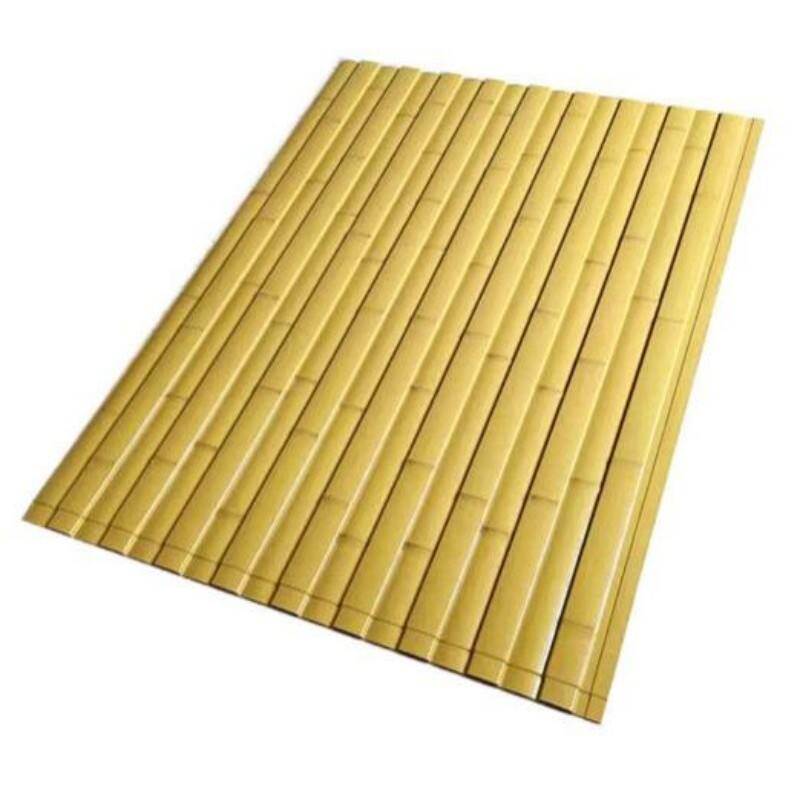
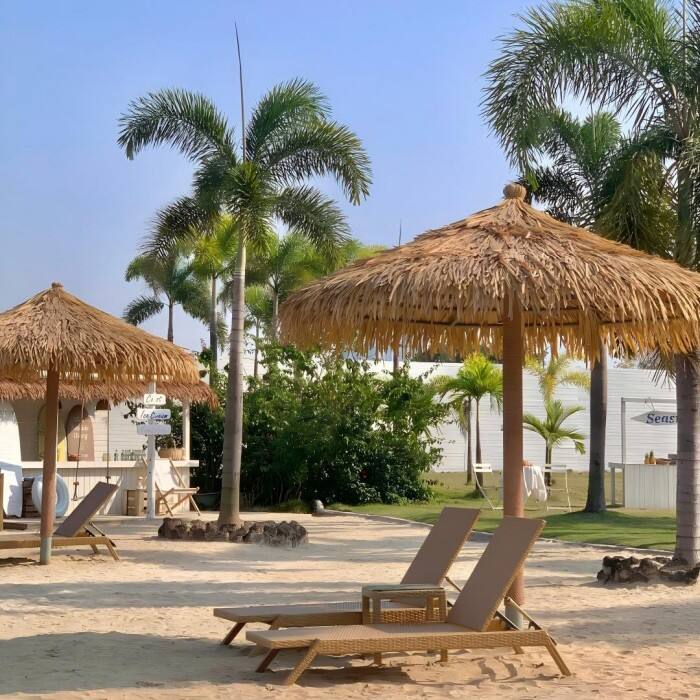
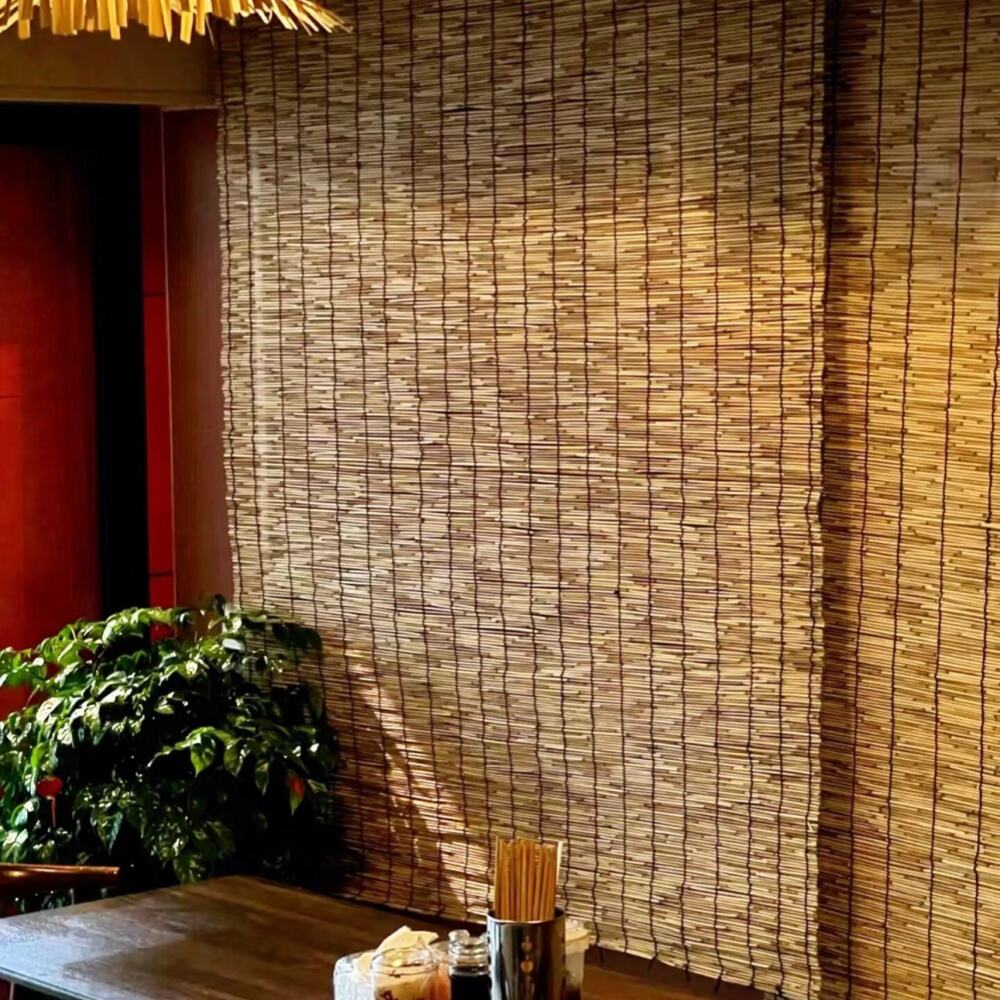
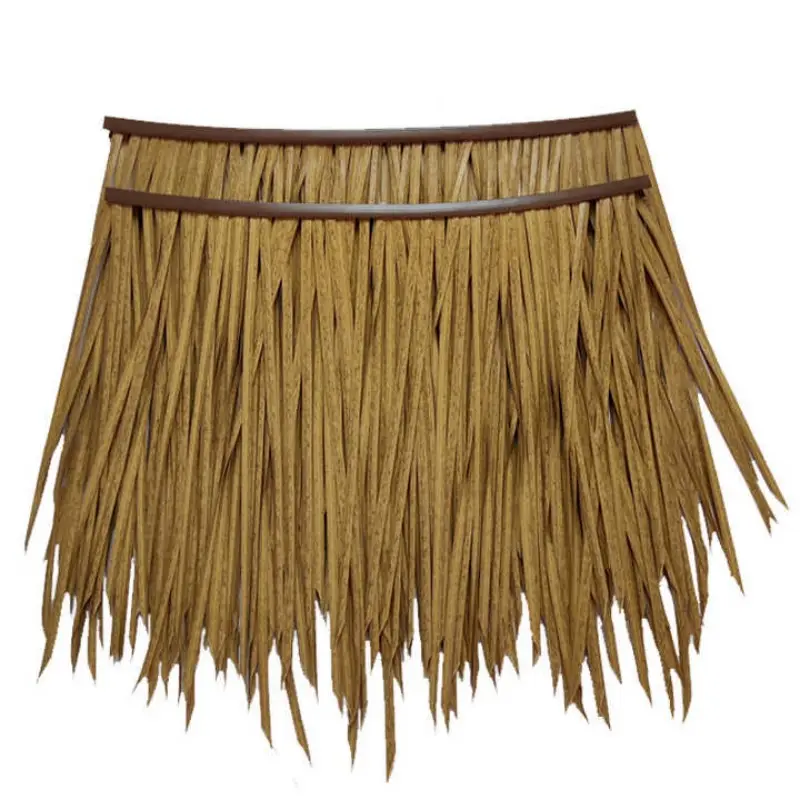
Premium Plastic Thatch Roofing Material - Durable, Authentic, Weather-Resistant Synthetic Thatch

Get a Free Quote

Our representative will contact you soon.
Email
Name
Company Name
Message
0/1000

plastic thatch roofing material

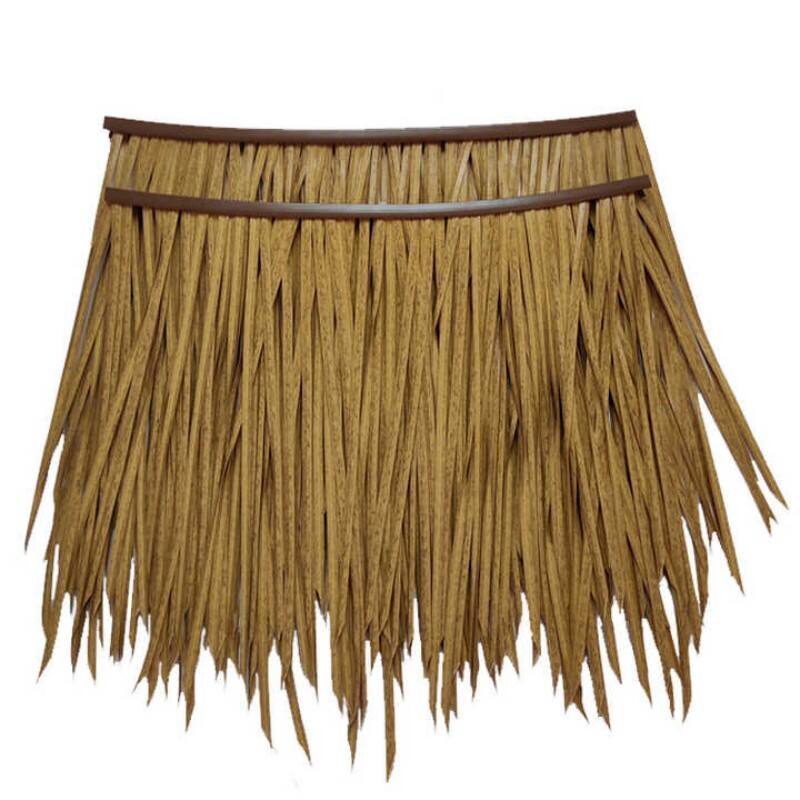
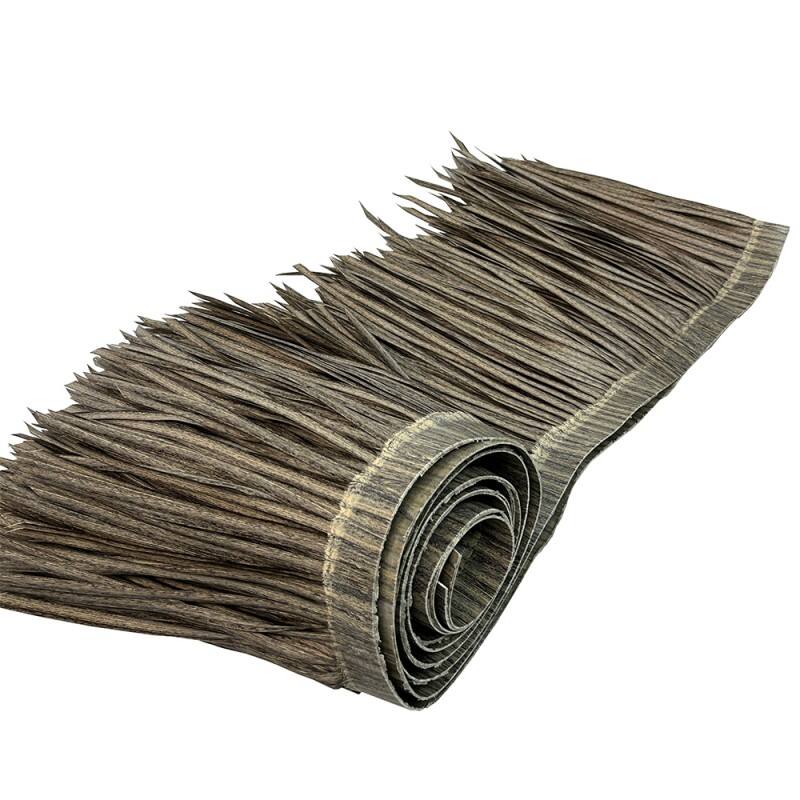
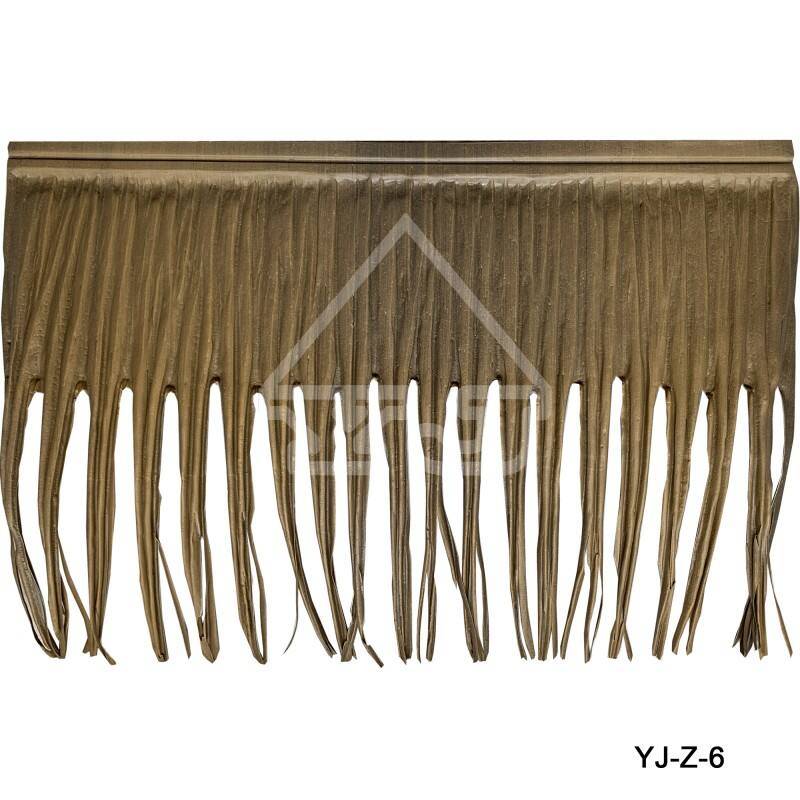
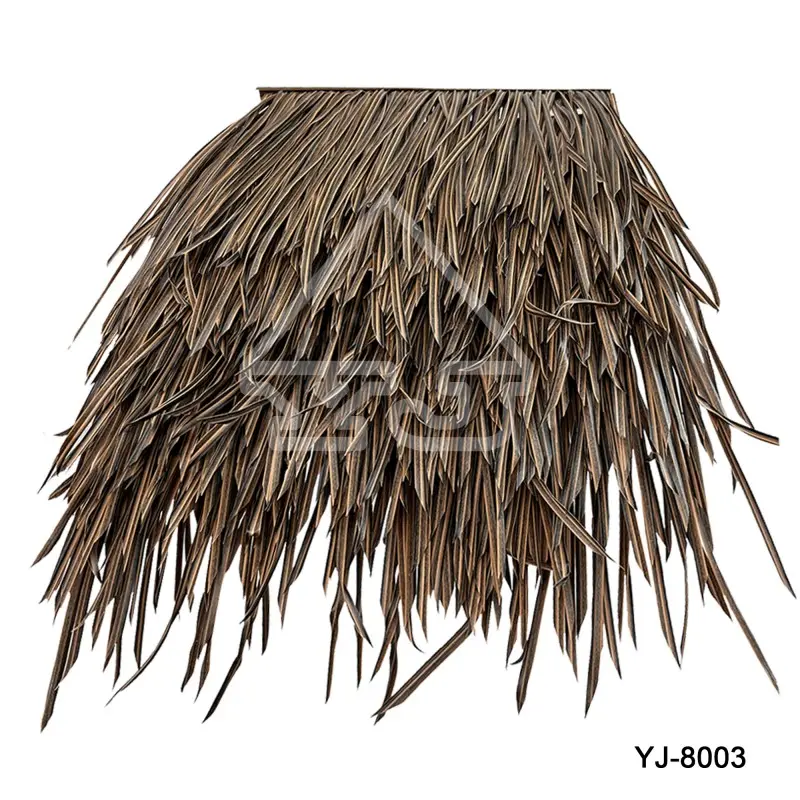
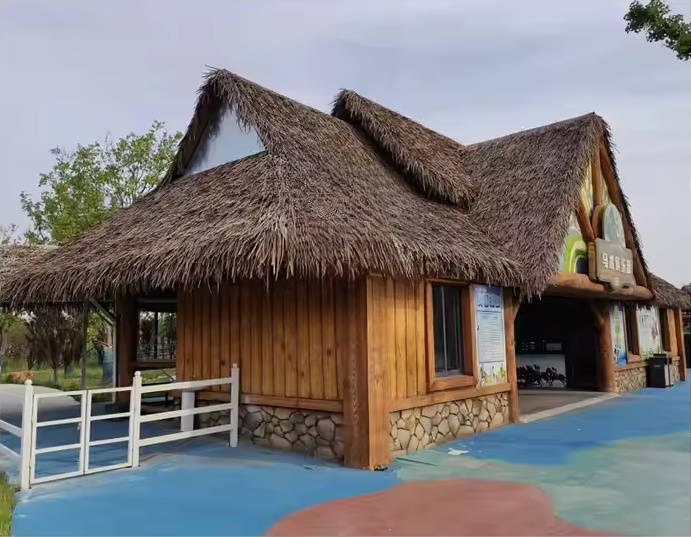
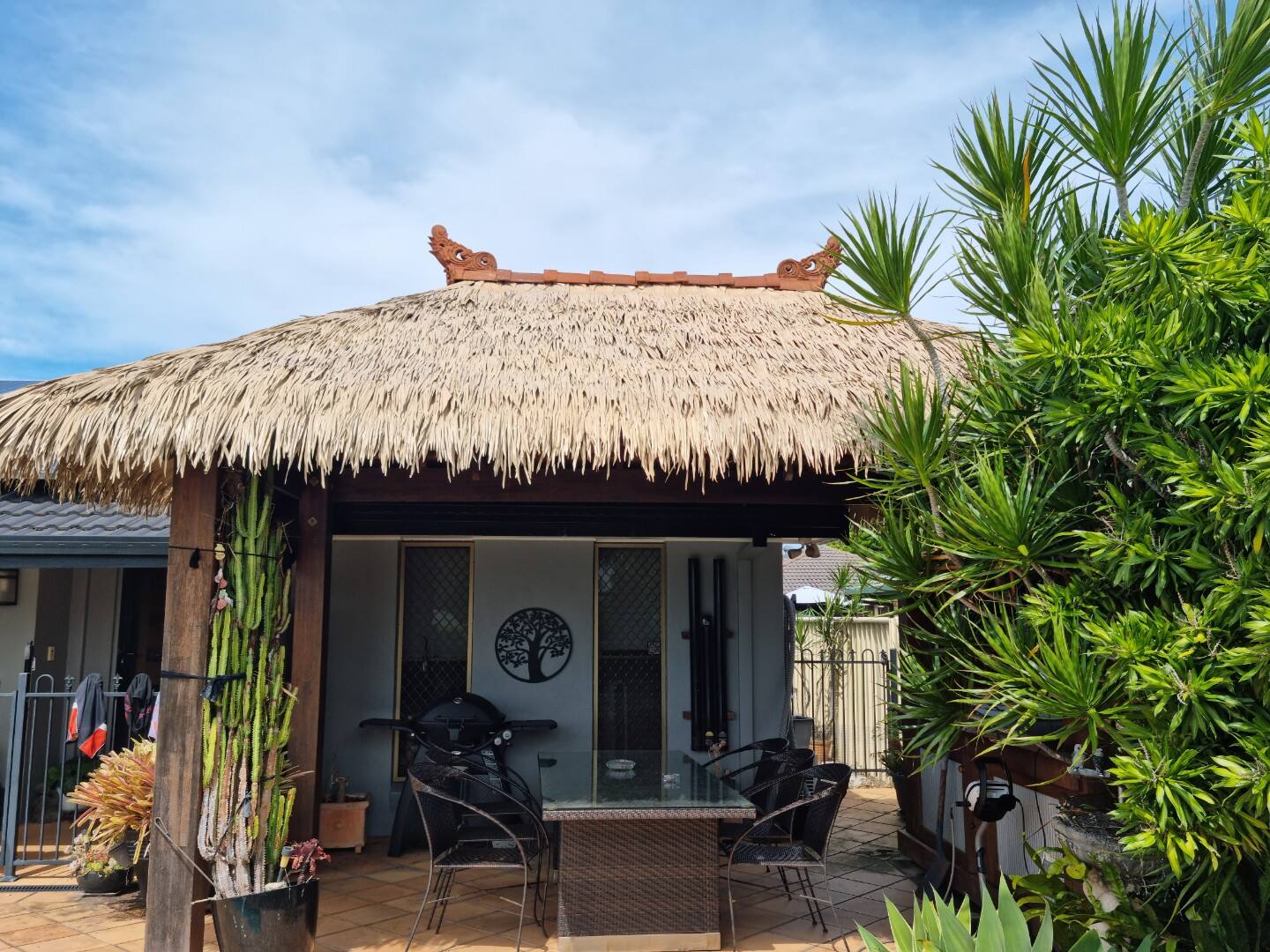
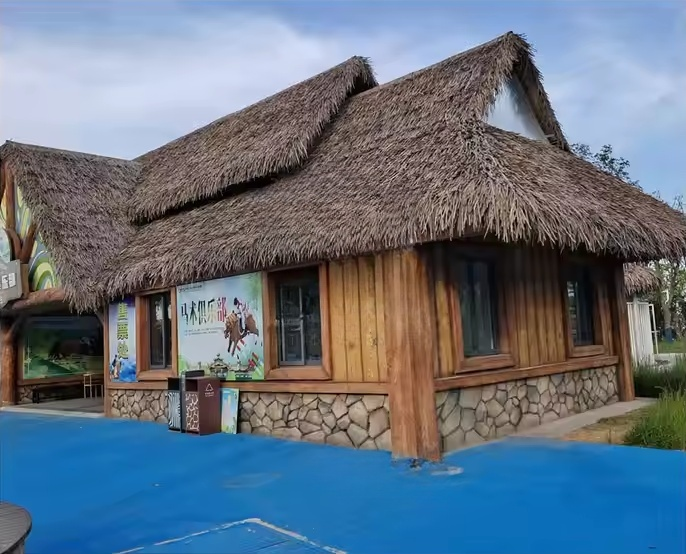
Plastic thatch roofing material represents a revolutionary advancement in sustainable construction technology, combining the aesthetic appeal of traditional thatched roofs with modern durability and performance. This innovative roofing solution utilizes high-grade synthetic polymers engineered to replicate the natural appearance of palm fronds, bamboo leaves, or reed bundles while delivering superior weather resistance and longevity. The plastic thatch roofing material serves multiple essential functions in contemporary architecture, primarily providing weather protection, thermal insulation, and visual enhancement for residential and commercial structures. Its technological features include UV-stabilized compounds that prevent color fading and material degradation, flame-retardant additives for enhanced fire safety, and lightweight construction that reduces structural load requirements. The manufacturing process incorporates advanced extrusion techniques that create realistic textures and color variations, ensuring each panel mimics natural thatch characteristics. Applications for plastic thatch roofing material span diverse sectors including tropical resort construction, themed restaurants, residential housing in coastal environments, outdoor entertainment venues, and eco-tourism facilities. The material excels in harsh environmental conditions where traditional thatch would deteriorate rapidly, making it ideal for beachfront properties, poolside structures, and outdoor kitchens. Installation versatility allows integration with various underlayment systems and structural frameworks, accommodating both new construction and renovation projects. The plastic thatch roofing material maintains consistent performance across temperature extremes, humidity variations, and exposure to salt air, making it particularly valuable for marine environments. Quality manufacturing standards ensure each panel meets rigorous testing protocols for wind uplift resistance, water penetration prevention, and impact tolerance, providing reliable protection for underlying structures and occupants.

New Product Releases

Plastic thatch roofing material delivers exceptional durability that surpasses traditional thatching materials by decades, eliminating the need for frequent replacements and costly maintenance cycles. This synthetic alternative resists insect infestations, mold growth, and rodent damage that commonly plague natural thatch installations, ensuring consistent protection without deterioration. The material maintains structural integrity under extreme weather conditions, including hurricanes, heavy rainfall, and prolonged sun exposure, providing reliable shelter where organic alternatives would fail. Installation simplicity represents another significant advantage, as plastic thatch roofing material requires minimal specialized tools and training compared to traditional thatching techniques. Professional contractors can complete installations faster and more efficiently, reducing labor costs and project timelines while maintaining high quality standards. The lightweight nature of plastic thatch roofing material reduces structural engineering requirements, allowing installation on buildings that cannot support heavier roofing systems without extensive reinforcement. Color retention technology prevents fading and discoloration over time, maintaining aesthetic appeal for years without requiring refinishing or replacement. Fire resistance properties provide enhanced safety compared to natural thatch, meeting building code requirements in areas where organic materials pose fire hazards. Environmental benefits include reduced harvesting pressure on natural palm and reed populations, supporting conservation efforts while providing sustainable building solutions. Cost-effectiveness emerges through reduced maintenance expenses, extended lifespan, and lower insurance premiums in many regions due to improved fire ratings. The plastic thatch roofing material offers design flexibility with various color options, panel sizes, and texture patterns, enabling architects to achieve desired aesthetic outcomes while meeting functional requirements. Easy cleaning and maintenance require only basic washing with water and mild detergents, eliminating specialized treatment needs. Weather resistance includes protection against UV degradation, thermal cycling, moisture penetration, and wind uplift, ensuring consistent performance across diverse climate conditions. The material supports sustainable construction practices by providing long-term solutions that reduce replacement frequency and associated environmental impacts.

Practical Tips

How to Choose a High-Quality Synthetic Thatch Roof for Commercial Projects

24

Nov

How to Choose a High-Quality Synthetic Thatch Roof for Commercial Projects

Selecting the right roofing material for commercial projects requires careful consideration of durability, aesthetics, and long-term performance. A synthetic thatch roof offers an ideal solution for businesses seeking the authentic appearance of trad...
View More
Trends in Using Rattan Weave Materials for Furniture and Roof Decoration

06

Nov

Trends in Using Rattan Weave Materials for Furniture and Roof Decoration

The design world is experiencing a remarkable renaissance in natural materials, with rattan weave materials emerging as a dominant force in contemporary furniture and architectural applications. This revival represents more than just aesthetic prefer...
View More
What Are the Trends in Cottage Thatched Construction for 2025

25

Dec

What Are the Trends in Cottage Thatched Construction for 2025

The cottage thatched construction industry is experiencing a remarkable transformation as we approach 2025, with innovative materials and sustainable practices reshaping traditional building methods. Modern homeowners and resort developers are increa...
View More
Performance Differences Between Synthetic Thatch and Natural Thatch

11

Dec

Performance Differences Between Synthetic Thatch and Natural Thatch

Traditional thatched roofing has evolved significantly over the centuries, transitioning from purely natural materials to innovative synthetic alternatives that offer enhanced durability and performance. Modern construction projects increasingly face...
View More

Get a Free Quote

Our representative will contact you soon.
Email
Name
Company Name
Message
0/1000

plastic thatch roofing material

Unmatched Weather Resistance and Longevity

Unmatched Weather Resistance and Longevity

The superior weather resistance of plastic thatch roofing material stems from advanced polymer engineering that withstands environmental challenges that destroy natural alternatives within years. This synthetic solution incorporates UV-stabilized additives that prevent molecular breakdown under intense sunlight, maintaining structural integrity and appearance for decades without replacement. The material resists moisture absorption that causes rot and decay in organic thatch, eliminating common failure modes that require frequent repairs and replacements. Hurricane-force winds that devastate traditional thatched roofs pose minimal threat to properly installed plastic thatch roofing material, which meets or exceeds wind uplift standards required by coastal building codes. Temperature extremes that cause expansion, contraction, and cracking in other roofing materials have negligible impact on engineered plastic thatch panels, ensuring consistent protection across seasonal variations. Salt air exposure that accelerates corrosion and deterioration in coastal environments cannot penetrate the non-porous surface of plastic thatch roofing material, making it ideal for beachfront properties and marine applications. The material maintains flexibility and impact resistance even after years of exposure, preventing brittle failure modes common in aged roofing systems. Quality manufacturing processes ensure each panel contains consistent additive distribution and polymer density, eliminating weak points that could compromise performance over time. Testing protocols verify resistance to thermal cycling, freeze-thaw conditions, and chemical exposure from air pollutants, demonstrating reliability across diverse environmental conditions. This exceptional durability translates to significant cost savings over the building lifecycle, as property owners avoid repeated replacement costs and maintenance expenses associated with natural thatch alternatives. Insurance companies recognize these performance advantages through reduced premiums for structures using plastic thatch roofing material in high-risk weather zones.
Authentic Aesthetic Appeal with Design Versatility

Authentic Aesthetic Appeal with Design Versatility

Plastic thatch roofing material achieves remarkable visual authenticity through sophisticated manufacturing techniques that replicate natural textures, colors, and dimensional characteristics of traditional thatching materials. Advanced molding processes create realistic surface variations that mirror the irregular patterns found in palm fronds, bamboo leaves, and reed bundles, ensuring installations maintain the charm and character of authentic thatched roofs. Color formulation technology produces natural-looking variations within each panel, avoiding the uniform appearance that characterizes lower-quality synthetic alternatives. The manufacturing process incorporates multiple color layers and surface treatments that create depth and visual interest comparable to naturally weathered thatch materials. Design flexibility allows architects and designers to specify custom colors, panel dimensions, and installation patterns that complement specific architectural styles and environmental settings. The plastic thatch roofing material accommodates various ridge treatments, edge details, and transition solutions that maintain visual continuity with traditional construction methods. Installation techniques support curved surfaces, complex roof geometries, and integration with dormers or skylights without compromising aesthetic quality. The material works seamlessly with other natural materials like bamboo, wood, and stone, enabling comprehensive design themes for resort properties, restaurants, and residential projects. Texture variations available include fine, medium, and coarse options that simulate different palm species and regional thatching traditions. Color stability ensures long-term aesthetic appeal without the gradual graying or bleaching that affects natural thatch installations over time. Professional installation techniques create seamless transitions between panels, eliminating visible joints that could detract from authentic appearance. The plastic thatch roofing material supports creative applications including accent walls, pergolas, and outdoor structures where natural thatch would be impractical or unsustainable.
Easy Installation and Minimal Maintenance Requirements

Easy Installation and Minimal Maintenance Requirements

The streamlined installation process for plastic thatch roofing material significantly reduces labor costs and project complexity compared to traditional thatching methods that require specialized craftsmen and extensive time commitments. Standardized panel dimensions and connection systems enable faster installation using conventional roofing tools and techniques familiar to most contractors. Lightweight panels reduce physical demands on installation crews while minimizing structural load requirements that could necessitate expensive reinforcement for existing buildings. Pre-engineered attachment points and overlap patterns ensure proper installation alignment and weather sealing without requiring extensive field measurements or custom fitting. The plastic thatch roofing material accommodates standard underlayment systems and flashing details, integrating seamlessly with conventional waterproofing methods and building envelope systems. Installation flexibility allows work to continue in various weather conditions that would halt traditional thatching projects, reducing schedule delays and cost overruns. Quality control advantages emerge through consistent panel dimensions and properties that eliminate field sorting and selection processes required for natural materials. Maintenance requirements for plastic thatch roofing material remain minimal throughout its service life, requiring only periodic washing with water and mild detergents to remove accumulated dirt and debris. Unlike natural thatch that requires regular treatment for insect prevention, fire retardation, and preservation, synthetic alternatives maintain their properties without chemical applications or specialized care. Inspection procedures involve simple visual assessments for panel security and drainage function, eliminating the need for specialized knowledge about organic material degradation patterns. Repair processes use standard roofing techniques and readily available replacement panels, avoiding the sourcing challenges and seasonal availability issues associated with natural thatching materials. The material resists damage from common maintenance activities like gutter cleaning and equipment installation, reducing the risk of costly repairs from routine building maintenance operations.

Get a Free Quote

Our representative will contact you soon.
Email
Name
Company Name
Message
0/1000