Building a Thatched Roof: Complete Guide to Sustainable, Energy-Efficient Roofing Solutions

Get a Free Quote

Our representative will contact you soon.
Email
Name
Company Name
Message
0/1000

building a thatched roof

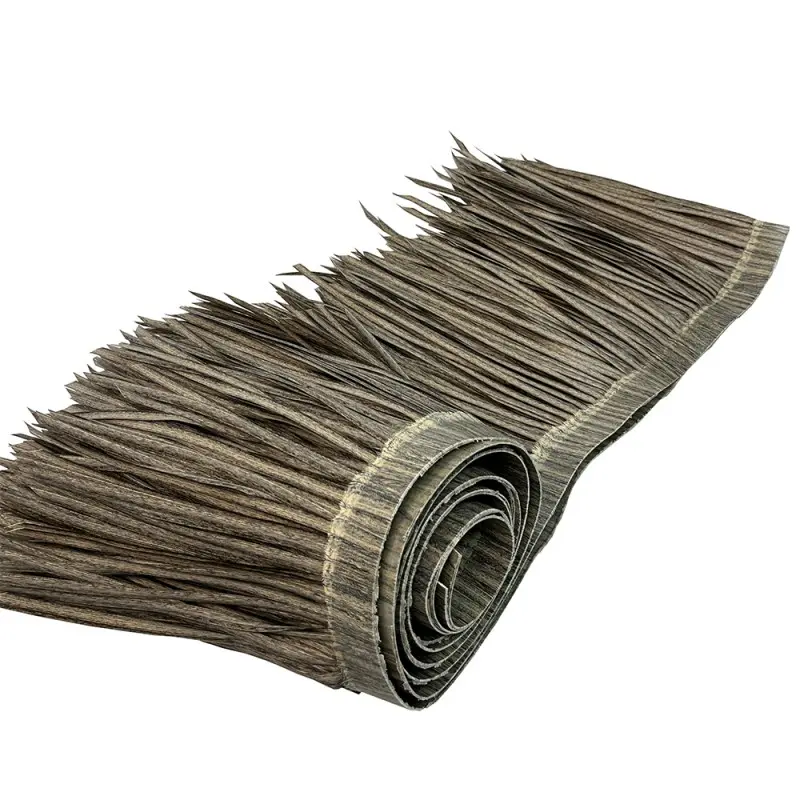
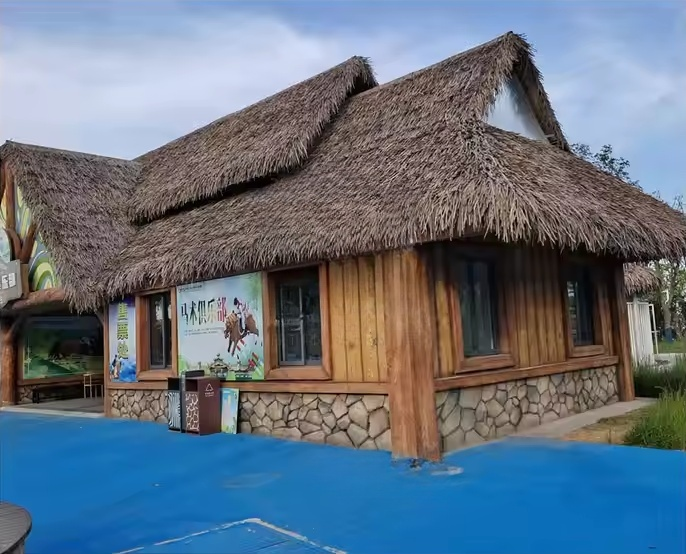
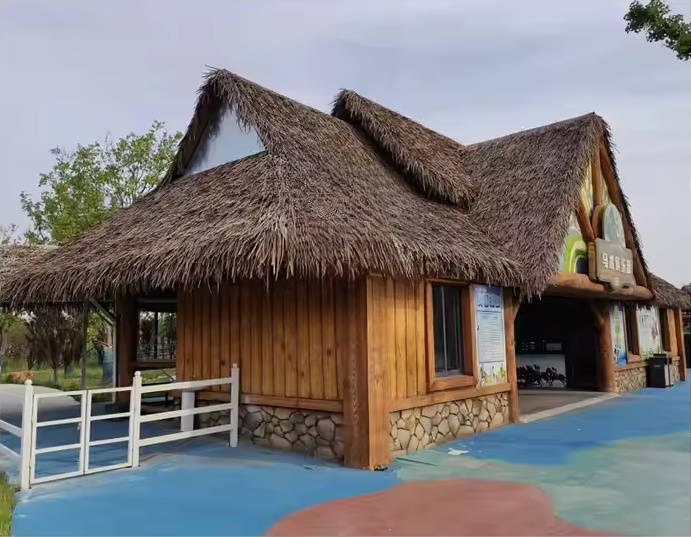
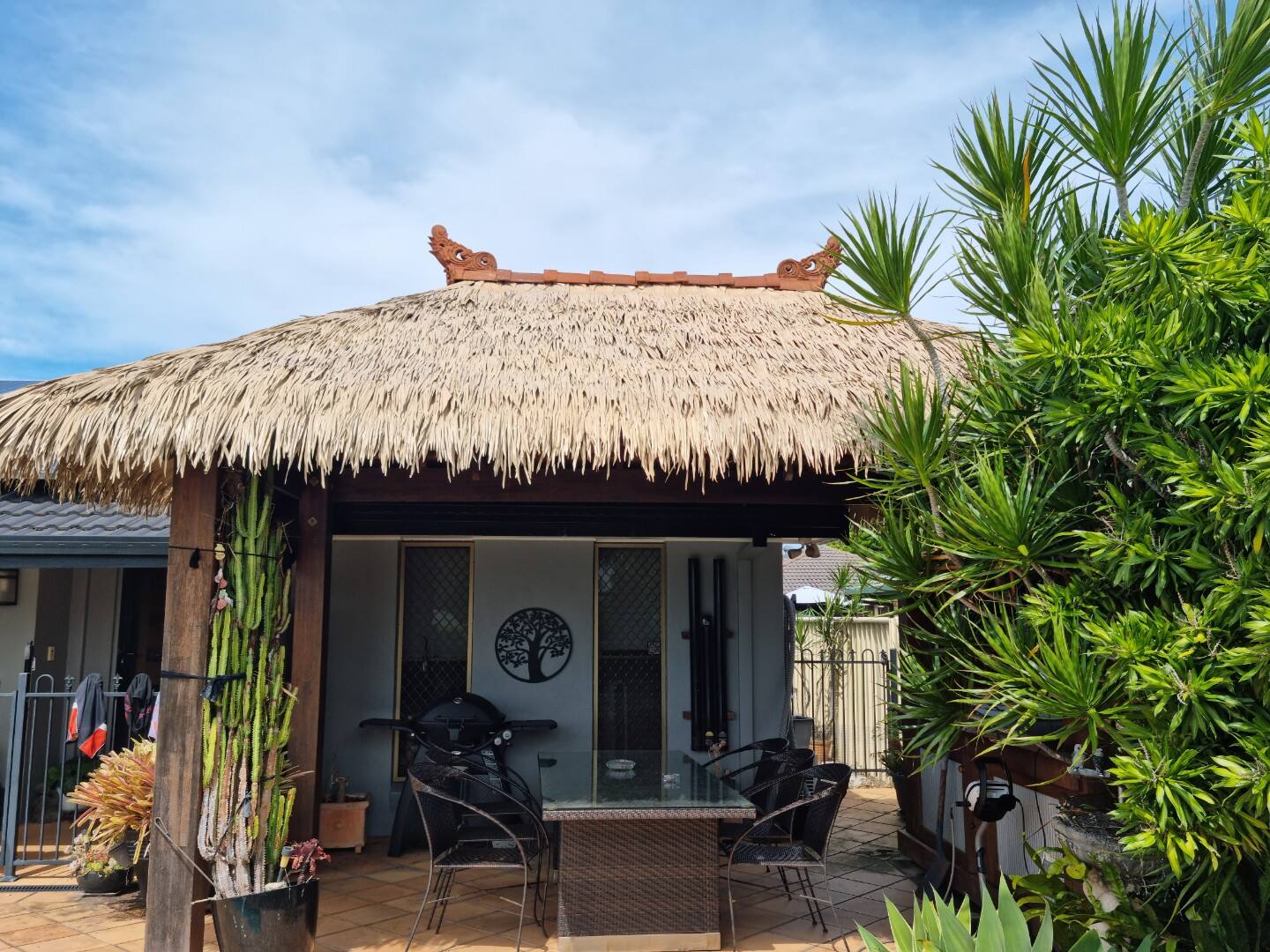
Building a thatched roof represents one of humanity's oldest and most sustainable roofing techniques, combining traditional craftsmanship with remarkable functionality. This ancient construction method involves layering dried organic materials such as straw, reed, sedge, or palm leaves to create a weatherproof barrier that has protected homes for thousands of years. The process of building a thatched roof requires specialized knowledge and skilled artisans who understand the intricate techniques passed down through generations. The main functions of building a thatched roof extend far beyond simple weather protection. These roofs provide exceptional insulation properties, maintaining comfortable indoor temperatures throughout seasonal changes while reducing energy consumption significantly. The thick layers of organic material create natural air pockets that trap heat during winter months and provide cooling effects during summer periods. Additionally, building a thatched roof offers superior water management through its steep pitch design, which allows rainwater to flow quickly away from the structure without penetrating the interior layers. The technological features involved in building a thatched roof showcase sophisticated engineering principles developed over centuries. The construction process begins with creating a sturdy framework capable of supporting the substantial weight of the thatching materials. Skilled craftsmen then apply successive layers of organic material using specific laying patterns that ensure optimal water resistance and structural integrity. The ridge construction represents the most critical technological aspect, requiring precise techniques to prevent water infiltration while maintaining proper ventilation. Modern applications of building a thatched roof have expanded beyond traditional rural cottages to include luxury homes, eco-resorts, restaurants, and cultural heritage projects. Contemporary architects increasingly incorporate thatched roofing into sustainable building designs, recognizing its environmental benefits and aesthetic appeal. The versatility of building a thatched roof makes it suitable for various architectural styles, from traditional English cottages to modern eco-friendly structures seeking authentic natural materials and sustainable construction methods.

New Products

The advantages of building a thatched roof extend across environmental, economic, and practical dimensions, making it an increasingly attractive option for modern construction projects. From an environmental perspective, building a thatched roof utilizes completely renewable and biodegradable materials that leave minimal carbon footprint compared to manufactured roofing alternatives. The organic materials used in building a thatched roof require no industrial processing, chemical treatments, or energy-intensive manufacturing processes, resulting in significantly reduced environmental impact. When properly maintained, a thatched roof can last between 25 to 60 years, and at the end of its lifecycle, the materials decompose naturally without creating harmful waste. The thermal performance advantages of building a thatched roof surpass many conventional roofing systems. The thick layers of organic material provide exceptional insulation values, often achieving R-values between 30 to 50, depending on the thickness and material type. This superior insulation reduces heating and cooling costs substantially, with homeowners typically experiencing 20-30% reduction in energy bills. During winter months, building a thatched roof retains heat effectively, while summer conditions benefit from natural cooling properties that prevent excessive heat buildup in living spaces. The aesthetic advantages of building a thatched roof create unique visual appeal that enhances property values and architectural character. These roofs blend harmoniously with natural landscapes, providing organic curves and textures that manufactured materials cannot replicate. The craftsmanship involved in building a thatched roof creates distinctive patterns and ridge details that serve as artistic focal points, transforming ordinary structures into architectural masterpieces. Property values typically increase significantly with authentic thatched roofing, as these features are highly sought after by buyers seeking character properties. Maintenance advantages of building a thatched roof include the ability to perform partial repairs without replacing entire sections. Unlike rigid roofing systems that require complete replacement when damaged, thatched roofs allow for localized repairs using traditional techniques. Skilled craftsmen can replace damaged areas, extend the roof's lifespan, and maintain its authentic appearance through regular maintenance schedules. The flexibility of organic materials used in building a thatched roof also provides superior performance during extreme weather conditions, as the materials can flex and move without cracking or breaking like rigid alternatives.

Latest News

How to Enhance Commercial Building Durability with Synthetic Palm Leaf Thatch

27

Nov

How to Enhance Commercial Building Durability with Synthetic Palm Leaf Thatch

Commercial buildings in tropical and subtropical regions face unique challenges when it comes to maintaining aesthetic appeal while ensuring long-term durability. Traditional roofing and decorative materials often fall short when exposed to intense U...
View More
How to Evaluate Cost-Effectiveness of Artificial Thatch Roof for Commercial Projects

12

Nov

How to Evaluate Cost-Effectiveness of Artificial Thatch Roof for Commercial Projects

Commercial property developers and architects increasingly turn to alternative roofing solutions that combine aesthetic appeal with long-term durability. The artificial thatch roof has emerged as a compelling option for tropical resorts, entertainmen...
View More
What Are the Trends in Cottage Thatched Construction for 2025

25

Dec

What Are the Trends in Cottage Thatched Construction for 2025

The cottage thatched construction industry is experiencing a remarkable transformation as we approach 2025, with innovative materials and sustainable practices reshaping traditional building methods. Modern homeowners and resort developers are increa...
View More
Applications of Cottage Thatched in Rural Vacation Homes

23

Dec

Applications of Cottage Thatched in Rural Vacation Homes

Rural vacation homes have experienced a remarkable resurgence as travelers seek authentic experiences away from bustling urban centers. Among the most captivating architectural elements that define these retreats is the traditional cottage thatched r...
View More

Get a Free Quote

Our representative will contact you soon.
Email
Name
Company Name
Message
0/1000

building a thatched roof

Exceptional Natural Insulation Performance

Exceptional Natural Insulation Performance

The exceptional natural insulation performance achieved through building a thatched roof represents one of its most compelling advantages for modern homeowners seeking energy-efficient solutions. When building a thatched roof, the thick layers of organic materials create an intricate network of air pockets that function as highly effective thermal barriers. This natural insulation system typically achieves R-values ranging from 30 to 50, significantly outperforming many conventional insulation materials while providing year-round comfort and substantial energy savings. The science behind this superior insulation lies in the cellular structure of the organic materials used in building a thatched roof. Straw, reed, and other thatching materials contain hollow stems and natural air chambers that trap warm air during cold weather and prevent heat transfer during hot conditions. This dual-season performance makes building a thatched roof particularly valuable in regions with extreme temperature variations, as the roof naturally adapts to seasonal changes without requiring additional heating or cooling systems. The thickness factor plays a crucial role in the insulation effectiveness of building a thatched roof. Traditional construction methods involve laying materials in layers ranging from 12 to 18 inches thick, creating a substantial thermal mass that moderates temperature fluctuations throughout the day. This thermal mass effect means that interior temperatures remain more stable, reducing the workload on heating and cooling systems and resulting in lower energy consumption. Homeowners who invest in building a thatched roof frequently report energy savings of 25-40% compared to conventional roofing systems. The breathability of materials used in building a thatched roof provides additional comfort benefits beyond simple insulation values. Unlike synthetic insulation materials that can trap moisture and create condensation problems, organic thatching materials naturally regulate humidity levels by allowing excess moisture to escape while maintaining thermal performance. This natural ventilation system prevents the formation of ice dams, reduces the risk of mold and mildew, and creates healthier indoor air quality for occupants.
Sustainable and Environmentally Friendly Construction

Sustainable and Environmentally Friendly Construction

The sustainable and environmentally friendly aspects of building a thatched roof align perfectly with contemporary green building initiatives and environmental consciousness. When building a thatched roof, constructors utilize completely renewable resources that require minimal processing and leave virtually no carbon footprint during production. The materials commonly used, including wheat straw, water reed, sedge, and other organic substances, are agricultural byproducts or naturally harvested materials that would otherwise decompose or require disposal. This circular economy approach makes building a thatched roof one of the most environmentally responsible roofing choices available. The carbon sequestration benefits of building a thatched roof contribute significantly to environmental sustainability efforts. The organic materials used in construction continue to store carbon throughout their service life, effectively removing CO2 from the atmosphere for decades. Research indicates that a typical thatched roof can sequester between 5-10 tons of carbon dioxide equivalent during its lifespan, making building a thatched roof a carbon-negative construction choice. This environmental benefit becomes increasingly valuable as communities and individuals seek ways to reduce their environmental impact and combat climate change. Local sourcing opportunities associated with building a thatched roof support regional economies while reducing transportation-related emissions. Many thatching materials can be sourced within 50-100 miles of construction sites, particularly in agricultural regions where wheat, rye, or reed crops are commonly grown. This local sourcing approach eliminates the need for long-distance transportation of heavy roofing materials, further reducing the environmental impact of building a thatched roof while supporting local farmers and suppliers. The biodiversity benefits of building a thatched roof extend beyond the construction phase into the roof's operational life. Mature thatched roofs often become habitat for various bird species, insects, and small mammals, contributing to local ecosystem health and biodiversity preservation. The organic materials provide nesting opportunities and food sources, creating living roofs that actively support wildlife populations. At the end of their service life, materials from building a thatched roof decompose naturally without creating environmental waste, completing the sustainable lifecycle and potentially enriching soil for future agricultural use.

Superior Weather Resistance and Longevity

Superior Weather Resistance and Longevity

The superior weather resistance and longevity achieved through building a thatched roof demonstrate the remarkable durability of this traditional construction method when executed with proper craftsmanship and quality materials. The engineering principles behind building a thatched roof create a sophisticated water management system that has protected structures for centuries, proving its effectiveness across diverse climate conditions and weather extremes. The steep pitch design essential to building a thatched roof, typically ranging from 45 to 50 degrees, ensures rapid water runoff that prevents moisture penetration into the underlying structure. The layered construction technique used in building a thatched roof creates multiple overlapping barriers that shed water progressively, similar to scales on a fish or feathers on a bird. This natural shedding action directs water away from vulnerable areas while allowing the outer layers to dry quickly after rain events. The organic materials used in building a thatched roof possess natural water-resistant properties that improve with age and weathering, creating increasingly effective barriers over time. Reed, in particular, develops a hard outer surface when exposed to weather elements, forming a protective shell that can last 60-80 years with minimal maintenance. The flexibility inherent in building a thatched roof materials allows the structure to withstand extreme weather conditions that might damage rigid roofing systems. During high winds, the organic materials flex and move naturally without cracking or breaking, while the deep embedment techniques used in building a thatched roof anchor materials securely to prevent uplift. Snow load performance of building a thatched roof exceeds many conventional systems due to the materials' ability to distribute weight evenly across the entire surface area. The insulation properties also prevent ice dam formation by maintaining consistent roof temperatures that allow snow to slide off naturally rather than accumulating in problematic areas. Professional maintenance schedules for building a thatched roof typically involve annual inspections and minor repairs that extend the roof's lifespan significantly. Unlike manufactured roofing materials that deteriorate uniformly and require complete replacement, building a thatched roof allows for targeted maintenance that addresses specific areas while preserving the majority of the original construction. This maintenance approach makes building a thatched roof economically viable over decades, with total lifecycle costs often lower than conventional roofing alternatives when properly maintained.

Get a Free Quote

Our representative will contact you soon.
Email
Name
Company Name
Message
0/1000