natural rattan weave
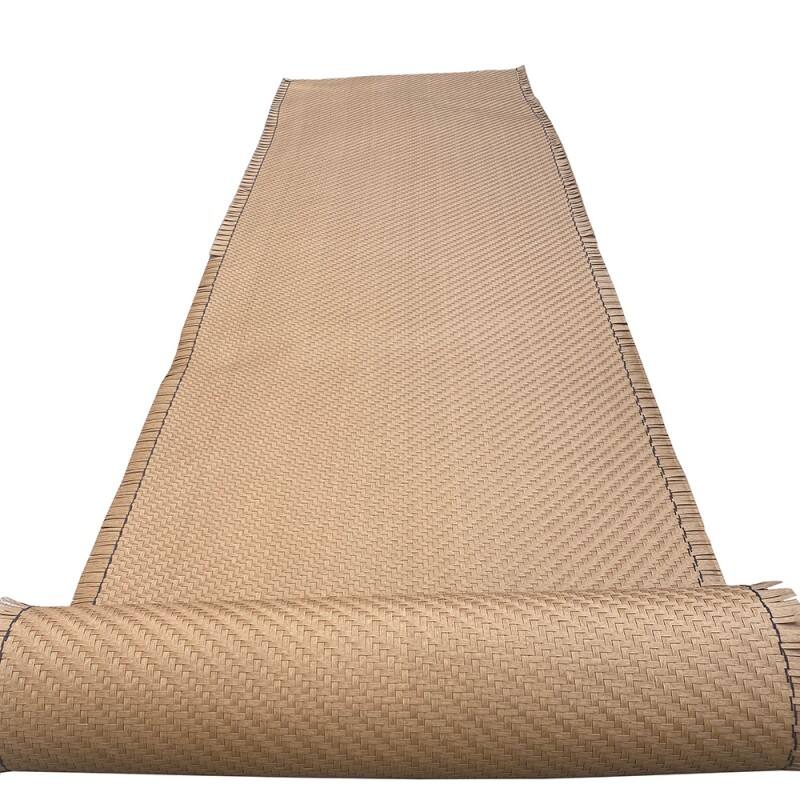
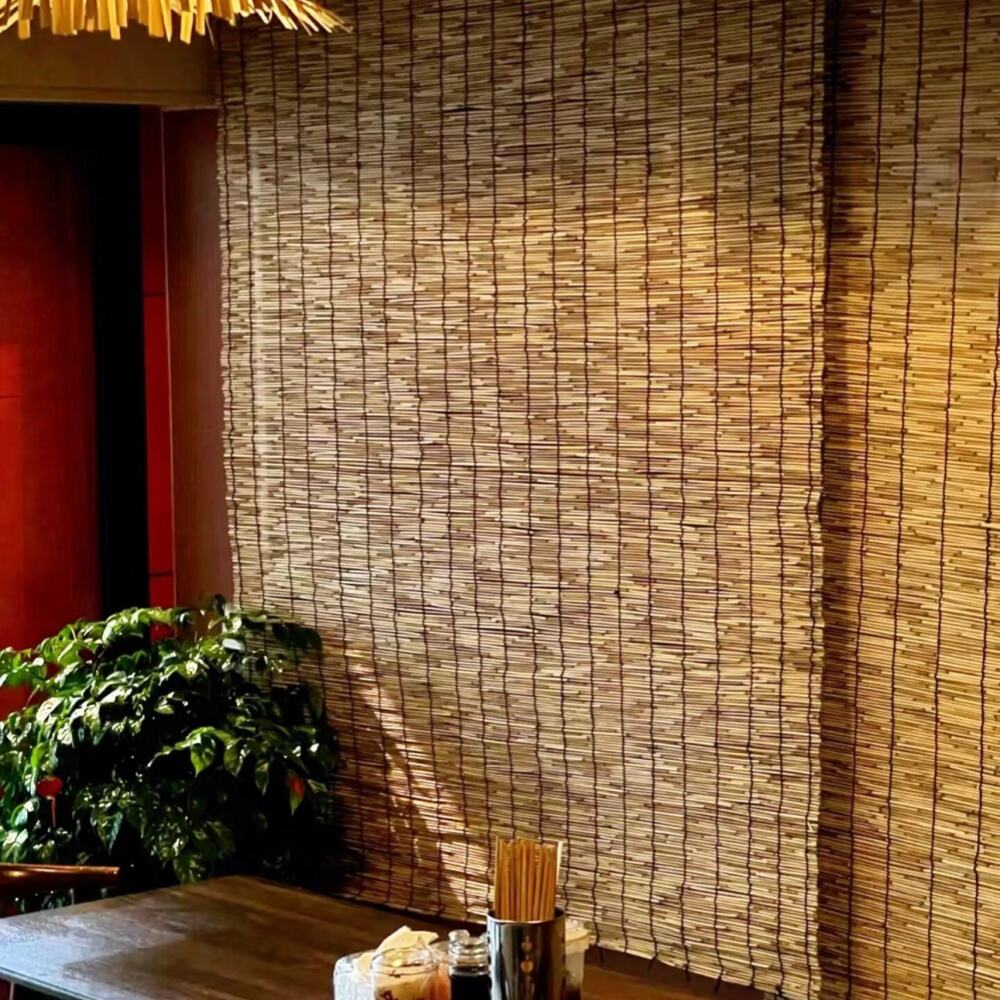
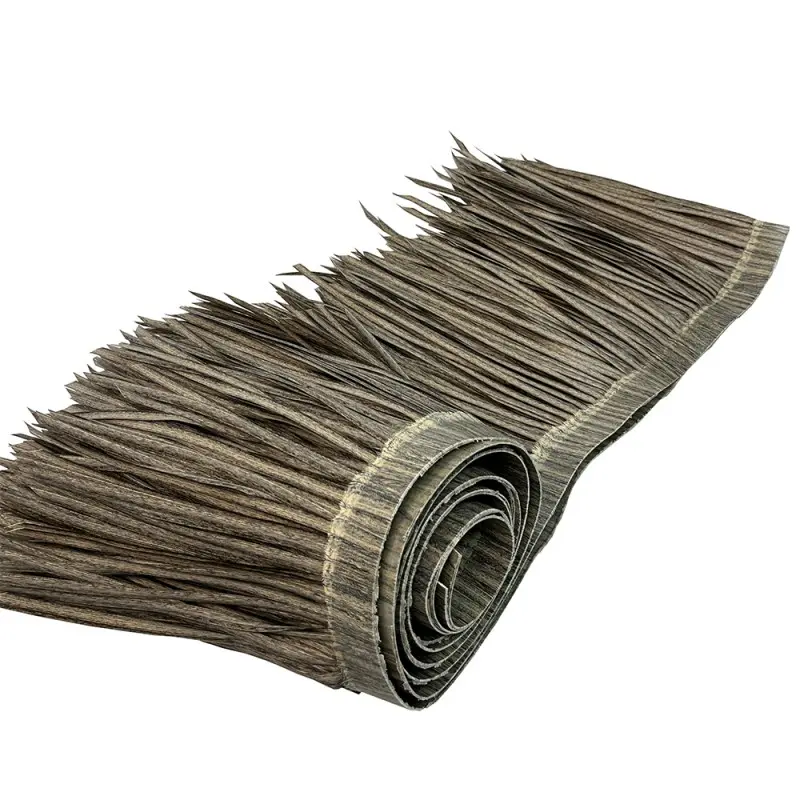
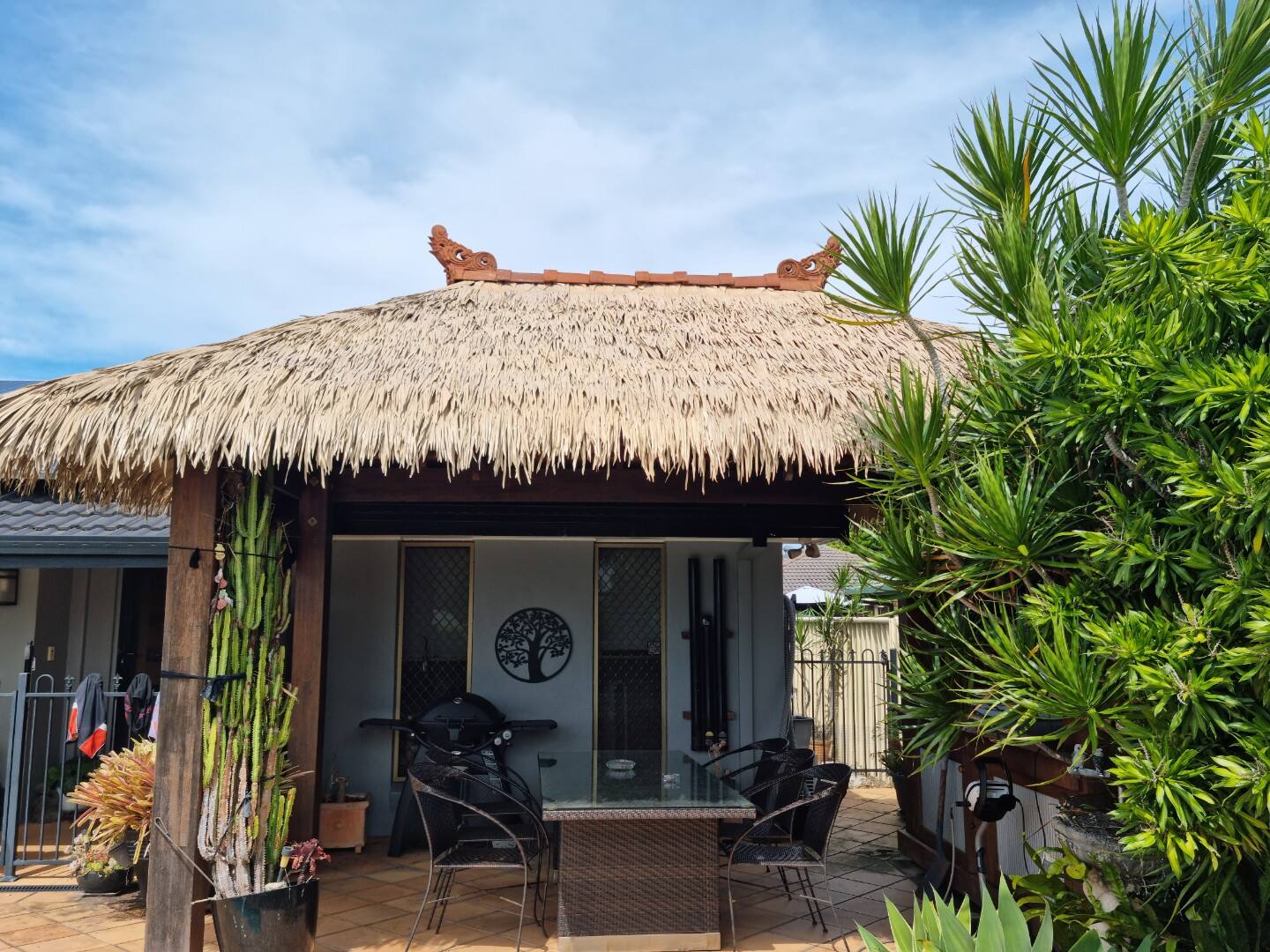
Natural rattan weave represents a sophisticated craftsmanship technique that transforms raw rattan canes into durable, aesthetically pleasing furniture and decorative items. This traditional weaving method harnesses the inherent flexibility and strength of natural rattan fibers, creating products that seamlessly blend functionality with organic beauty. The natural rattan weave process involves carefully selecting premium rattan materials, which are then skillfully interlaced using time-honored techniques passed down through generations of artisans. The main functions of natural rattan weave extend beyond mere construction, serving as both a structural foundation and decorative element that defines the character of rattan furniture. This weaving technique provides essential support for seating surfaces, backrests, and storage compartments while simultaneously creating visually appealing patterns that enhance the overall aesthetic appeal. Technological features of natural rattan weave include precise tension control during the weaving process, ensuring consistent spacing and optimal strength distribution across the entire surface. The interlocking pattern created through natural rattan weave provides exceptional durability, allowing the finished product to withstand regular use while maintaining its structural integrity over extended periods. Applications for natural rattan weave span numerous industries and settings, from residential furniture including chairs, tables, and storage baskets to commercial applications in restaurants, hotels, and outdoor spaces. The versatility of natural rattan weave makes it suitable for both indoor and outdoor environments, though proper treatment and maintenance can significantly extend its lifespan in various conditions. Modern manufacturers have embraced natural rattan weave techniques while incorporating contemporary design elements, creating hybrid pieces that appeal to diverse consumer preferences. The eco-friendly nature of natural rattan weave aligns perfectly with current sustainability trends, as rattan is a rapidly renewable resource that requires minimal processing compared to synthetic alternatives, making it an environmentally conscious choice for discerning consumers.
 EN
EN