Complete Guide to Rattan Weave Types: Sustainable Furniture Solutions & Design Applications

Get a Free Quote

Our representative will contact you soon.
Email
Name
Company Name
Message
0/1000

rattan weave types

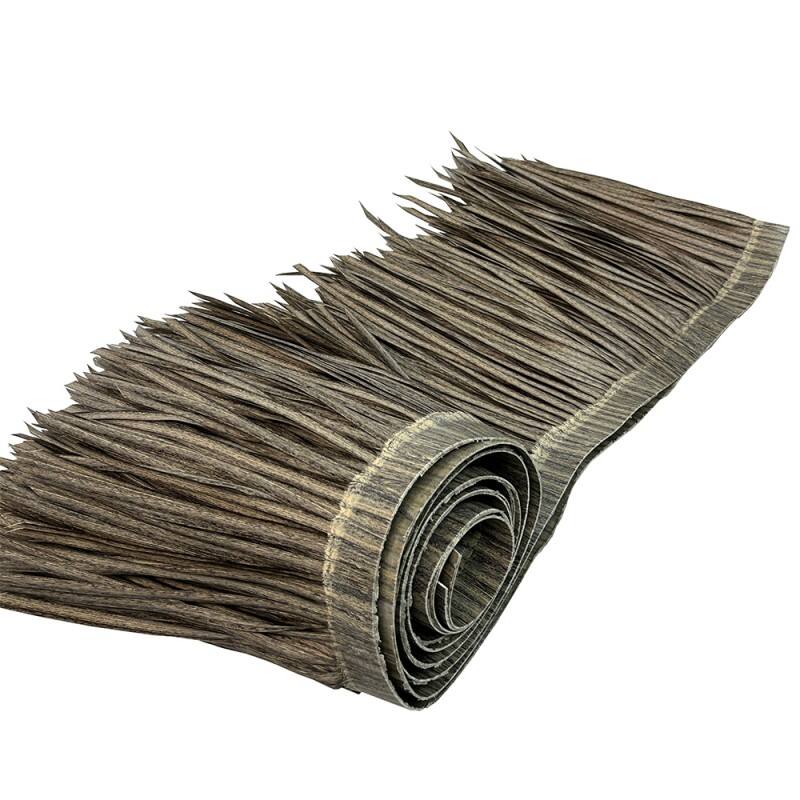
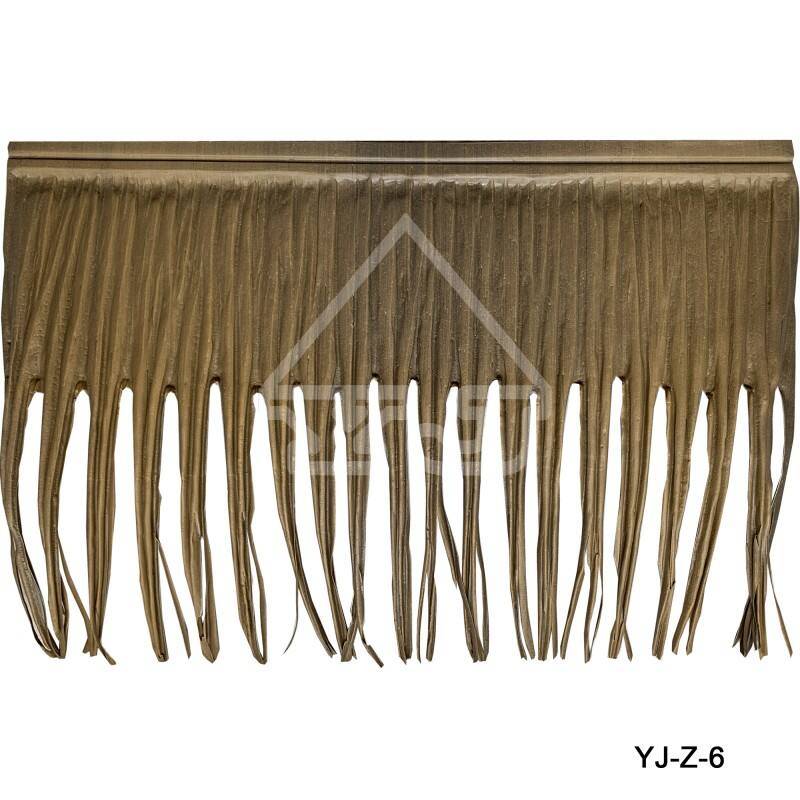
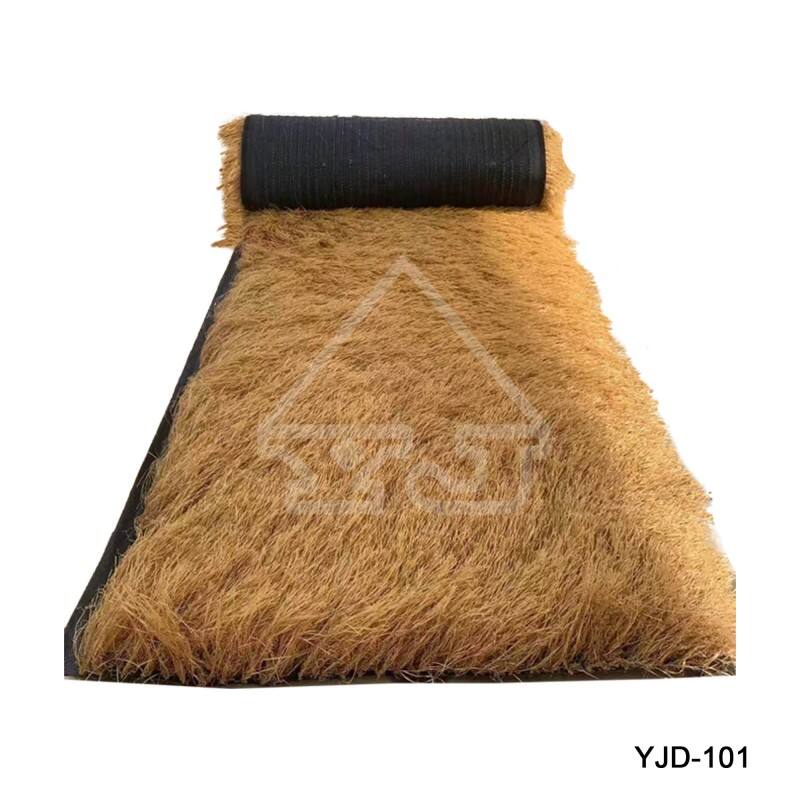
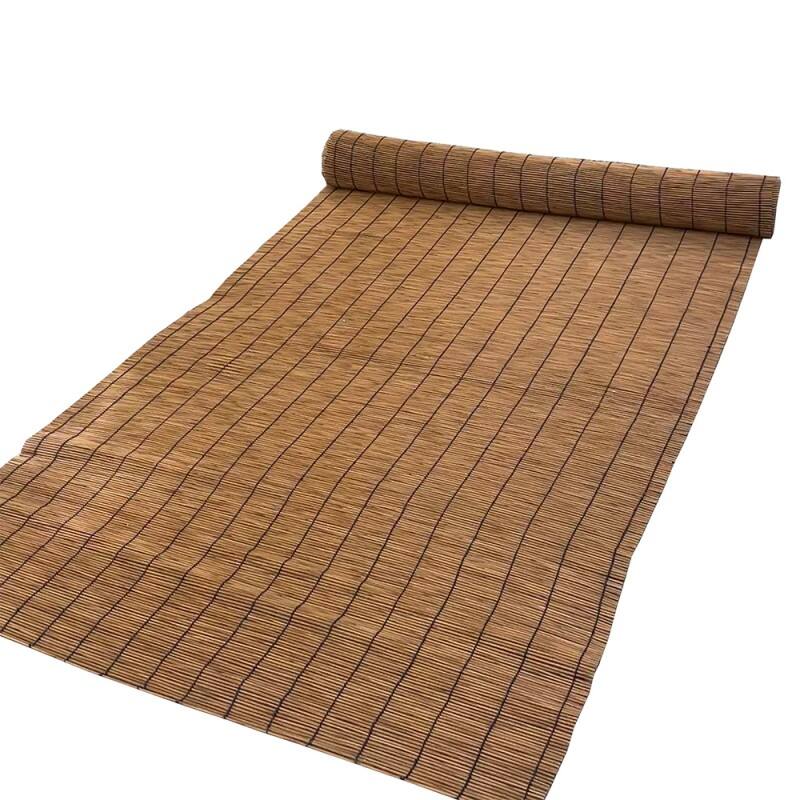
Rattan weave types represent a sophisticated collection of traditional and contemporary techniques that transform natural rattan materials into durable, aesthetically pleasing surfaces and structures. These weaving methodologies encompass various patterns including tight weaves, open weaves, basket weaves, and herringbone configurations, each serving distinct functional and decorative purposes. The primary function of rattan weave types lies in creating flexible yet robust material compositions suitable for furniture manufacturing, architectural elements, and decorative applications. Technological features of these weaving techniques include precise tension control, strategic strand placement, and systematic interlacing patterns that maximize structural integrity while maintaining visual appeal. The weaving process involves carefully prepared rattan strips that undergo controlled humidity treatment to ensure optimal flexibility during manipulation. Advanced rattan weave types incorporate varying strand thicknesses and densities to achieve specific performance characteristics such as enhanced breathability, increased load-bearing capacity, or improved weather resistance. Applications span residential and commercial furniture including chairs, sofas, tables, and storage solutions, as well as architectural features like room dividers, ceiling panels, and decorative wall treatments. Modern manufacturing processes have refined traditional rattan weave types through mechanized production methods that maintain consistency while preserving artisanal quality. These techniques enable mass production without compromising the inherent characteristics that make rattan weave types desirable for contemporary design applications. The versatility of different weave patterns allows designers to select appropriate techniques based on specific project requirements, whether prioritizing durability, aesthetics, or functional performance. Quality rattan weave types demonstrate exceptional longevity when properly maintained, making them cost-effective solutions for both residential and commercial environments. The natural properties of rattan combined with expert weaving techniques result in materials that adapt to environmental conditions while maintaining structural stability and visual consistency over extended periods.

New Products

Rattan weave types offer remarkable durability that surpasses many synthetic alternatives, providing customers with long-lasting furniture and decorative elements that maintain their structural integrity for decades. This exceptional longevity translates directly into cost savings, as consumers avoid frequent replacements and enjoy sustained value from their initial investment. The natural flexibility inherent in rattan weave types allows furniture to withstand daily use without developing cracks or structural failures common in rigid materials. Environmental sustainability stands as another compelling advantage, as rattan grows rapidly and regenerates without requiring replanting, making rattan weave types an eco-conscious choice for environmentally aware consumers. The harvesting process actually promotes forest health by encouraging continued growth, positioning rattan weave types as a genuinely renewable resource. Aesthetic versatility enables rattan weave types to complement diverse interior design styles, from traditional to contemporary, providing designers and homeowners with flexible options that adapt to changing decor preferences. The natural texture and warm tones of rattan weave types create inviting atmospheres that synthetic materials cannot replicate, enhancing the overall ambiance of living and working spaces. Comfort represents a significant practical benefit, as rattan weave types naturally conform to body contours while providing adequate support, making furniture more enjoyable for extended use. The breathable nature of these weave patterns promotes air circulation, preventing heat buildup and moisture retention that can cause discomfort in non-ventilated seating. Maintenance requirements for rattan weave types remain minimal, requiring only periodic dusting and occasional conditioning treatments to preserve appearance and performance. This low-maintenance characteristic appeals to busy consumers who appreciate beautiful furnishings without demanding care routines. Weight advantages make rattan weave types ideal for situations requiring portable or easily rearranged furniture, as pieces remain sturdy yet manageable for repositioning. The natural antimicrobial properties of rattan contribute to healthier indoor environments by resisting bacterial growth and odor retention. Customization possibilities allow manufacturers to create rattan weave types in various colors and finishes, meeting specific aesthetic requirements while maintaining the material's inherent benefits. These advantages collectively position rattan weave types as superior choices for consumers seeking sustainable, durable, and aesthetically pleasing solutions for their furniture and decorative needs.

Tips And Tricks

How to Enhance Commercial Building Durability with Synthetic Palm Leaf Thatch

27

Nov

How to Enhance Commercial Building Durability with Synthetic Palm Leaf Thatch

Commercial buildings in tropical and subtropical regions face unique challenges when it comes to maintaining aesthetic appeal while ensuring long-term durability. Traditional roofing and decorative materials often fall short when exposed to intense U...
View More
How to Choose a High-Quality Synthetic Thatch Roof for Commercial Projects

24

Nov

How to Choose a High-Quality Synthetic Thatch Roof for Commercial Projects

Selecting the right roofing material for commercial projects requires careful consideration of durability, aesthetics, and long-term performance. A synthetic thatch roof offers an ideal solution for businesses seeking the authentic appearance of trad...
View More
Trends in Using Rattan Weave Materials for Furniture and Roof Decoration

06

Nov

Trends in Using Rattan Weave Materials for Furniture and Roof Decoration

The design world is experiencing a remarkable renaissance in natural materials, with rattan weave materials emerging as a dominant force in contemporary furniture and architectural applications. This revival represents more than just aesthetic prefer...
View More
Performance Differences Between Synthetic Thatch and Natural Thatch

11

Dec

Performance Differences Between Synthetic Thatch and Natural Thatch

Traditional thatched roofing has evolved significantly over the centuries, transitioning from purely natural materials to innovative synthetic alternatives that offer enhanced durability and performance. Modern construction projects increasingly face...
View More

Get a Free Quote

Our representative will contact you soon.
Email
Name
Company Name
Message
0/1000

rattan weave types

Superior Structural Engineering Through Traditional Craftsmanship

Superior Structural Engineering Through Traditional Craftsmanship

Rattan weave types demonstrate exceptional structural engineering principles that have been refined through centuries of traditional craftsmanship, resulting in remarkably strong yet flexible constructions that outperform many modern synthetic alternatives. The intricate interlacing patterns characteristic of quality rattan weave types distribute mechanical stress evenly across the entire surface, preventing localized failure points that commonly plague other materials. This distributed load management system allows furniture pieces to support substantial weight while maintaining their original shape and structural integrity over extended periods. The engineering excellence of rattan weave types becomes particularly evident in seating applications, where the natural give and recovery properties of the weave absorb impact forces while providing consistent support. Traditional artisans developed these weaving techniques through generations of experimentation and refinement, creating methods that maximize the inherent strength properties of rattan fibers while accommodating the material's natural flexibility. Modern manufacturing has preserved these time-tested principles while introducing quality control measures that ensure consistent performance across production runs. The three-dimensional nature of rattan weave types creates internal frameworks that resist deformation under load, much like engineered composite materials but using entirely natural components. This structural sophistication allows manufacturers to create furniture pieces that meet or exceed safety standards while maintaining the organic aesthetic that consumers increasingly prefer. The self-reinforcing nature of properly executed rattan weave types means that stress on individual strands is shared throughout the weave matrix, significantly extending the service life compared to materials that rely on single-point connections or adhesive bonds. Quality control in rattan weave types involves careful selection of fiber diameters, moisture content management, and precise tension control during the weaving process, ensuring that each piece meets demanding structural requirements. The result is furniture and decorative elements that provide reliable performance while showcasing the natural beauty and sophisticated engineering principles that make rattan weave types the preferred choice for discerning consumers who value both form and function in their living and working environments.
Unmatched Versatility for Contemporary Design Applications

Unmatched Versatility for Contemporary Design Applications

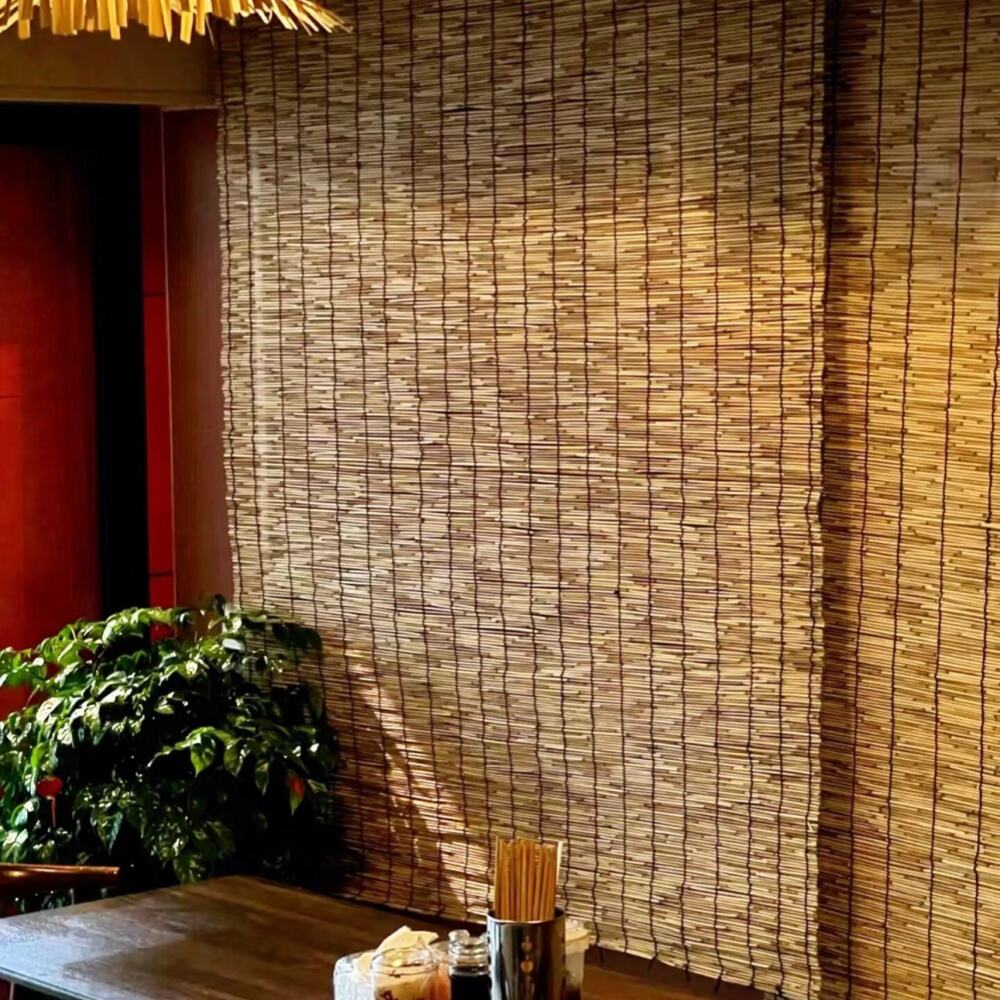
Rattan weave types offer unprecedented design versatility that enables seamless integration into virtually any contemporary interior or exterior environment, making them invaluable tools for designers seeking to create cohesive yet distinctive spaces. The broad spectrum of weaving patterns available within rattan weave types ranges from tight, formal configurations suitable for executive office environments to loose, casual patterns perfect for relaxed residential settings. This adaptability extends beyond mere aesthetic considerations, as different rattan weave types provide varying degrees of opacity, texture, and structural characteristics that can be strategically selected to achieve specific functional and visual objectives. Contemporary designers appreciate how rattan weave types can serve as neutral backdrops that highlight other design elements while simultaneously functioning as striking focal points when used in larger applications or bold patterns. The natural color variations inherent in rattan materials allow rattan weave types to coordinate effortlessly with both warm and cool color palettes, eliminating the common design challenge of selecting materials that complement diverse color schemes. Modern finishing techniques have expanded the aesthetic possibilities of rattan weave types through staining, painting, and specialized treatments that preserve the material's natural texture while achieving precise color matching requirements. The scalability of rattan weave types makes them suitable for applications ranging from small decorative accents to large architectural installations, providing consistency across diverse project scales. Lighting interaction represents another crucial versatility aspect, as rattan weave types create intriguing shadow patterns and diffused illumination effects that add depth and visual interest to interior spaces. The material's ability to age gracefully ensures that rattan weave types develop character over time rather than appearing worn or dated, making them intelligent long-term design investments. Seasonal adaptability allows rattan weave types to transition effectively between different decorative themes without requiring replacement, supporting sustainable design practices while maintaining visual relevance. The compatibility of rattan weave types with both traditional and contemporary manufacturing techniques enables custom applications that meet specific project requirements while maintaining cost effectiveness. This remarkable versatility positions rattan weave types as essential elements in contemporary design portfolios, offering designers and consumers reliable solutions that adapt to changing needs while consistently delivering superior aesthetic and functional performance.
Exceptional Environmental Sustainability and Health Benefits

Exceptional Environmental Sustainability and Health Benefits

Rattan weave types represent the pinnacle of environmentally sustainable material choices, offering consumers the opportunity to make responsible purchasing decisions without compromising on quality, durability, or aesthetic appeal. The sustainability profile of rattan weave types begins with the rapid growth characteristics of rattan plants, which can be harvested every few years without killing the parent plant, creating a truly renewable resource that supports continuous production without environmental degradation. This regenerative harvesting process actually benefits forest ecosystems by encouraging biodiversity and providing economic incentives for forest conservation, making rattan weave types active contributors to environmental protection rather than passive neutral choices. The production processes involved in creating rattan weave types require minimal energy consumption compared to synthetic alternatives, as the materials undergo primarily mechanical processing without demanding high-temperature treatments or chemical transformations that characterize petroleum-based products. Carbon footprint analysis reveals that rattan weave types actively sequester carbon throughout their service life, continuing to store atmospheric carbon dioxide that was absorbed during the plant's growth phase, making furniture and decorative items carbon-negative products. Health benefits associated with rattan weave types include natural antimicrobial properties that resist bacterial growth and fungal development, contributing to healthier indoor air quality without requiring chemical treatments or artificial additives. The breathable nature of rattan weave types promotes air circulation that helps regulate humidity levels and prevent the stagnant conditions that can harbor allergens and irritants common in synthetic materials. End-of-life disposal presents no environmental challenges, as rattan weave types can be composted or biodegraded naturally without releasing harmful chemicals or requiring specialized disposal facilities. The absence of volatile organic compounds in natural rattan weave types eliminates the off-gassing concerns associated with many manufactured materials, supporting better indoor air quality and reducing exposure to potentially harmful chemicals. Local sourcing opportunities for rattan weave types support regional economies and reduce transportation-related environmental impacts while providing consumers with traceable, responsibly sourced products. The durability characteristics of quality rattan weave types extend product lifespans significantly beyond typical synthetic alternatives, reducing replacement frequency and associated environmental impacts of manufacturing and disposal cycles. These comprehensive environmental and health advantages position rattan weave types as optimal choices for conscious consumers seeking to minimize their ecological footprint while maintaining high standards for product performance and aesthetic quality.

Get a Free Quote

Our representative will contact you soon.
Email
Name
Company Name
Message
0/1000