Complete Guide to Different Rattan Weaves: Types, Benefits, and Applications for Modern Furniture

Get a Free Quote

Our representative will contact you soon.
Email
Name
Company Name
Message
0/1000

different rattan weaves

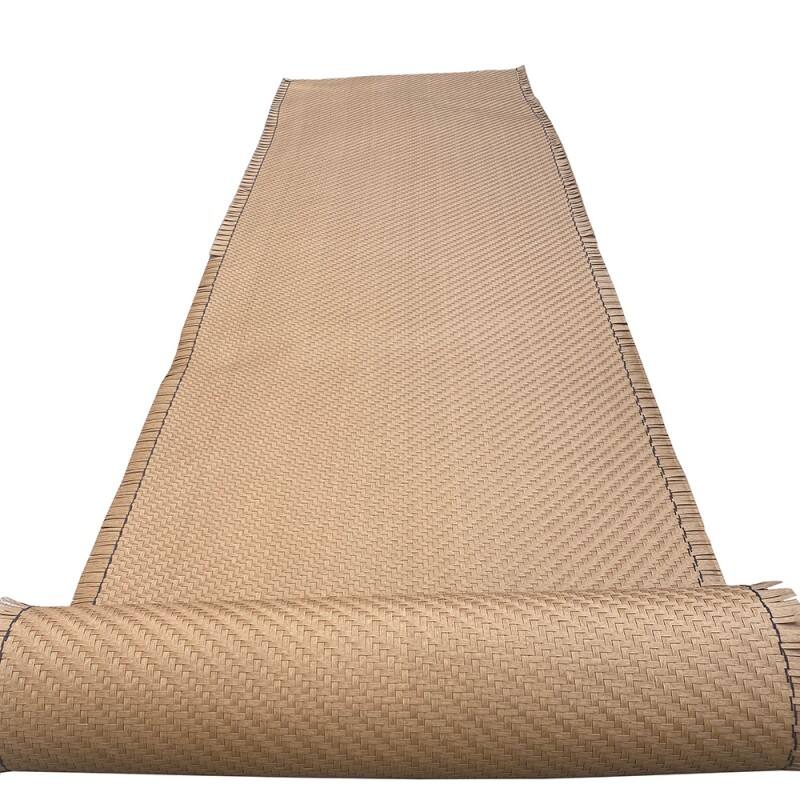
Different rattan weaves represent a fascinating blend of traditional craftsmanship and modern furniture design, offering diverse patterns that cater to various aesthetic preferences and functional requirements. The art of rattan weaving encompasses numerous techniques, each producing distinct visual effects and structural characteristics that make furniture pieces both beautiful and durable. Understanding different rattan weaves helps consumers make informed decisions when selecting furniture for their homes, offices, or commercial spaces. The most common rattan weaving patterns include tight weave, open weave, basket weave, herringbone weave, and diamond weave, each serving specific purposes and offering unique visual appeal. Tight weave patterns create smooth, uniform surfaces that provide excellent support and comfort, making them ideal for seating applications where consistent backing is essential. Open weave designs allow for better air circulation and create interesting light patterns, perfect for decorative screens or outdoor furniture where ventilation is important. Basket weave techniques produce classic, timeless appearances that complement both traditional and contemporary interior designs, while herringbone patterns add sophisticated geometric interest to furniture pieces. Diamond weave creates elegant, intricate patterns that serve as focal points in room settings. The technological features of different rattan weaves involve precise interlacing techniques that determine the final product's strength, flexibility, and appearance. Skilled artisans manipulate rattan strands using time-tested methods, ensuring proper tension and alignment throughout the weaving process. Modern manufacturing has enhanced these traditional techniques with quality control measures and standardized processes, resulting in consistent, high-quality furniture pieces. Applications for different rattan weaves span residential, commercial, and hospitality sectors, with each weaving style suited to specific furniture types and environmental conditions. The versatility of different rattan weaves makes them suitable for indoor and outdoor use, depending on the specific weaving technique and finishing processes applied during manufacturing.

New Products

Different rattan weaves offer numerous advantages that make them exceptional choices for furniture manufacturing and interior design applications. The primary benefit lies in their remarkable durability, as properly executed rattan weaving creates furniture pieces that withstand daily use while maintaining their structural integrity for decades. This longevity translates to excellent value for consumers, as quality rattan furniture often outlasts synthetic alternatives while requiring minimal maintenance throughout its lifespan. The natural flexibility inherent in different rattan weaves provides superior comfort compared to rigid materials, as the woven structure adapts to body contours and distributes weight evenly across seating surfaces. This ergonomic advantage makes rattan furniture particularly suitable for extended use in both residential and commercial settings. Environmental sustainability represents another significant advantage of different rattan weaves, as rattan grows rapidly and can be harvested without destroying the parent plant, making it a renewable resource that supports eco-friendly manufacturing practices. The lightweight nature of rattan furniture allows for easy rearrangement and transportation, giving users flexibility in space planning and interior design changes. Different rattan weaves also excel in temperature regulation, as the natural material and open weaving structures promote air circulation, keeping surfaces cool in warm weather and comfortable year-round. The aesthetic versatility of various weaving patterns enables seamless integration with diverse interior design styles, from tropical and bohemian to modern and minimalist themes. Cost-effectiveness emerges as a practical advantage, as different rattan weaves provide premium appearance and functionality at more accessible price points compared to solid wood or metal alternatives. The natural antimicrobial properties of rattan contribute to healthier indoor environments, while the material's resistance to insects and decay ensures long-term performance. Maintenance simplicity stands out as a key advantage, as most rattan furniture requires only regular dusting and occasional cleaning with mild soap solutions. The repair-friendly nature of different rattan weaves allows for localized fixes when damage occurs, extending furniture lifespan and reducing replacement costs. Color retention capabilities mean that different rattan weaves maintain their appearance over time, resisting fading and discoloration that commonly affect other materials.

Practical Tips

How Material Choices Affect the Durability and Appearance of Synthetic Thatch

18

Nov

How Material Choices Affect the Durability and Appearance of Synthetic Thatch

The selection of materials in synthetic thatch manufacturing plays a crucial role in determining both the longevity and aesthetic appeal of these roofing solutions. Modern synthetic thatch products have revolutionized the construction industry by off...
View More
How to Evaluate Cost-Effectiveness of Artificial Thatch Roof for Commercial Projects

12

Nov

How to Evaluate Cost-Effectiveness of Artificial Thatch Roof for Commercial Projects

Commercial property developers and architects increasingly turn to alternative roofing solutions that combine aesthetic appeal with long-term durability. The artificial thatch roof has emerged as a compelling option for tropical resorts, entertainmen...
View More
Performance Differences Between Synthetic Thatch and Natural Thatch

11

Dec

Performance Differences Between Synthetic Thatch and Natural Thatch

Traditional thatched roofing has evolved significantly over the centuries, transitioning from purely natural materials to innovative synthetic alternatives that offer enhanced durability and performance. Modern construction projects increasingly face...
View More
Fire-Resistant and Waterproof Advantages of Synthetic Thatch Roof

05

Dec

Fire-Resistant and Waterproof Advantages of Synthetic Thatch Roof

Modern construction materials have revolutionized the roofing industry, offering innovative solutions that combine traditional aesthetics with contemporary performance standards. The synthetic thatch roof represents one of the most significant advanc...
View More

Get a Free Quote

Our representative will contact you soon.
Email
Name
Company Name
Message
0/1000

different rattan weaves

Superior Structural Integrity Through Advanced Weaving Techniques

Superior Structural Integrity Through Advanced Weaving Techniques

The structural integrity achieved through different rattan weaves represents one of the most compelling reasons to choose this furniture option for both residential and commercial applications. Advanced weaving techniques create interlocking patterns that distribute stress and weight across multiple connection points, resulting in furniture pieces that can support substantial loads while maintaining their shape and stability over extended periods. The interwoven nature of different rattan weaves creates a natural shock absorption system that responds to movement and pressure without compromising the overall structural framework. This engineering advantage becomes particularly evident in seating furniture, where the woven rattan structure flexes slightly under weight while providing consistent support and comfort. The multi-directional strength created by different rattan weaves exceeds that of many solid materials, as the interlaced fibers work together to resist forces from multiple angles simultaneously. Professional furniture makers leverage these structural properties by selecting specific weaving patterns based on the intended use and load requirements of each piece. Tight weave patterns maximize load-bearing capacity for heavy-duty applications, while looser weaves provide enhanced flexibility for comfort-focused designs. The joint-free construction inherent in different rattan weaves eliminates common failure points found in traditional joinery methods, reducing the likelihood of loosening or separation over time. Quality control in weaving tension ensures that each strand contributes optimally to the overall structural performance, creating furniture that maintains its integrity even under challenging conditions. The natural elasticity of rattan fibers, when properly incorporated into different rattan weaves, allows furniture to accommodate thermal expansion and contraction without developing stress fractures or permanent deformation. This structural reliability makes different rattan weaves particularly valuable for outdoor furniture applications, where temperature variations and environmental stresses demand superior durability. Investment protection becomes a natural outcome of this structural integrity, as furniture built with properly executed different rattan weaves maintains its functionality and appearance far longer than alternatives constructed with inferior materials or techniques.
Exceptional Comfort Through Ergonomic Design Flexibility

Exceptional Comfort Through Ergonomic Design Flexibility

The ergonomic advantages provided by different rattan weaves create unparalleled comfort levels that adapt to individual user needs and preferences, making this furniture choice ideal for extended use in various settings. The inherent flexibility of woven rattan structures allows furniture surfaces to conform naturally to body contours, providing personalized support that solid materials cannot match. Different rattan weaves create micro-adjustments in response to body weight and positioning, distributing pressure evenly across contact surfaces and reducing the development of pressure points that cause discomfort during prolonged sitting or reclining. This adaptive quality makes furniture constructed with different rattan weaves particularly beneficial for individuals who spend extended periods seated, whether for work, dining, or relaxation purposes. The breathable nature of woven rattan surfaces promotes air circulation around the body, preventing heat buildup and moisture accumulation that commonly occur with upholstered or solid surface materials. Temperature regulation through different rattan weaves creates year-round comfort, keeping users cool in warm weather while avoiding the cold sensation associated with metal or plastic alternatives. The natural give and spring of properly executed different rattan weaves provide dynamic support that adjusts to movement, allowing users to shift positions comfortably without losing structural support. This responsiveness proves especially valuable in office environments, where prolonged sitting requires furniture that accommodates natural movement patterns. The tactile experience of different rattan weaves adds sensory comfort through their smooth, natural texture that feels pleasant against skin and clothing. Acoustic benefits emerge from the sound-dampening properties of woven rattan, which absorbs vibrations and reduces noise transmission compared to hard surface materials. The psychological comfort associated with natural materials enhances the overall user experience, as different rattan weaves create connections to nature that promote relaxation and well-being. Customization possibilities within different rattan weaves allow manufacturers to adjust firmness levels and support characteristics to meet specific comfort requirements. The durability of comfort features ensures that the ergonomic benefits of different rattan weaves persist throughout the furniture's lifespan, maintaining their supportive qualities even after years of regular use.
Environmental Sustainability and Renewable Resource Benefits

Environmental Sustainability and Renewable Resource Benefits

The environmental sustainability achieved through different rattan weaves positions this furniture choice as a responsible option for environmentally conscious consumers and businesses seeking to reduce their ecological footprint. Rattan cultivation requires minimal environmental intervention, as these climbing palms grow naturally in tropical forests without depleting soil nutrients or requiring extensive irrigation systems. The harvesting process for different rattan weaves supports forest conservation efforts, as rattan can be collected without cutting down trees or disturbing root systems, allowing continued growth and forest regeneration. This sustainable harvesting approach contrasts sharply with timber logging practices that often result in deforestation and habitat destruction. The rapid growth rate of rattan plants, typically reaching maturity within five to seven years, makes them an exceptionally renewable resource for different rattan weaves production. Carbon footprint reduction becomes a natural outcome of choosing furniture made with different rattan weaves, as the growing plants actively absorb carbon dioxide from the atmosphere while requiring minimal processing energy compared to synthetic alternatives. Local community support emerges as an additional environmental benefit, as rattan harvesting and weaving for different rattan weaves often provides sustainable income sources for indigenous communities in tropical regions, encouraging forest preservation through economic incentives. The biodegradable nature of different rattan weaves ensures that furniture reaches end-of-life without creating persistent waste problems, as natural decomposition returns materials to the environment without harmful residues. Manufacturing processes for different rattan weaves typically require less energy than metal or plastic furniture production, reducing overall environmental impact while supporting cleaner manufacturing practices. Transportation efficiency improves due to the lightweight nature of rattan furniture, reducing fuel consumption and emissions during shipping and distribution. The longevity of properly constructed different rattan weaves reduces replacement frequency, minimizing resource consumption and waste generation over time. Chemical treatment requirements remain minimal for different rattan weaves, as natural properties provide inherent resistance to insects and decay without extensive chemical processing. Ecosystem preservation benefits from rattan cultivation, as these plants support biodiversity by providing habitat and food sources for various wildlife species while maintaining forest canopy structure that protects against soil erosion and climate regulation disruption.

Get a Free Quote

Our representative will contact you soon.
Email
Name
Company Name
Message
0/1000