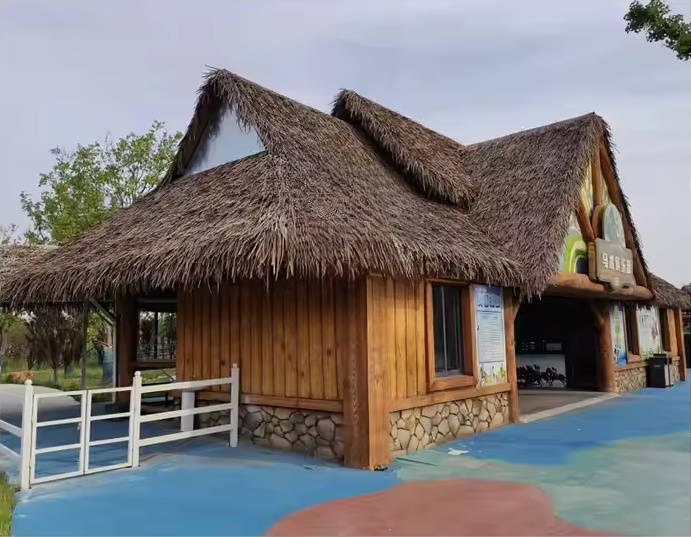
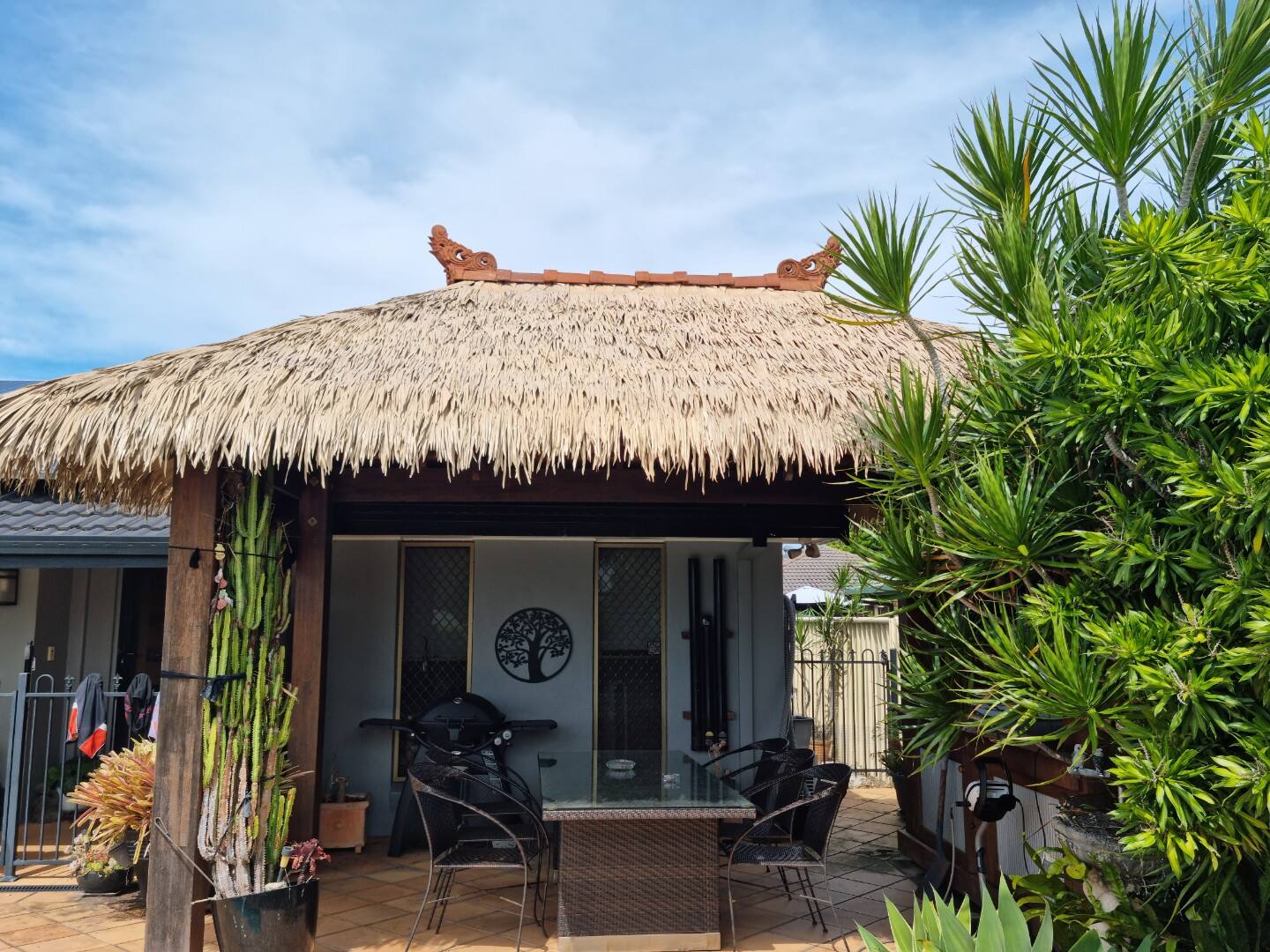
synthetic rattan weave
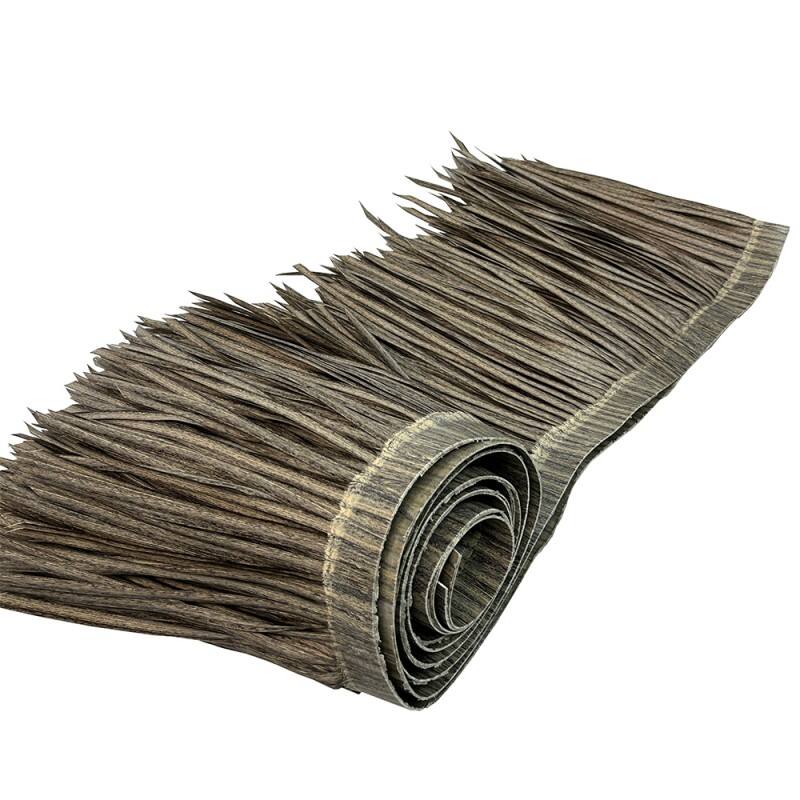
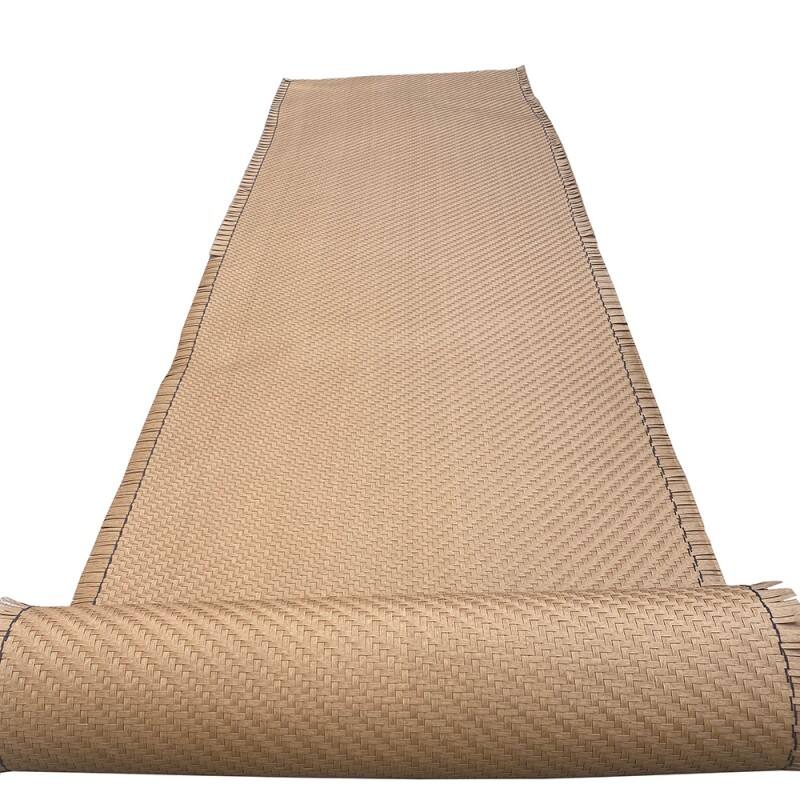
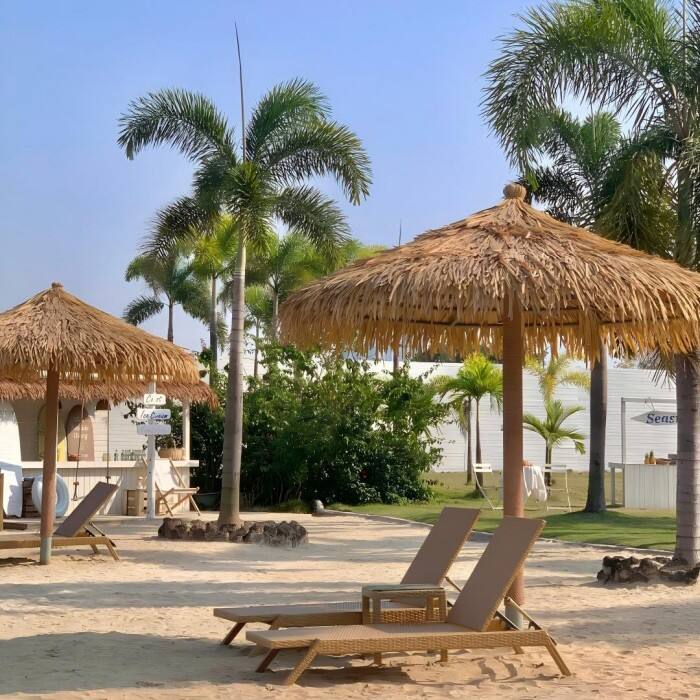
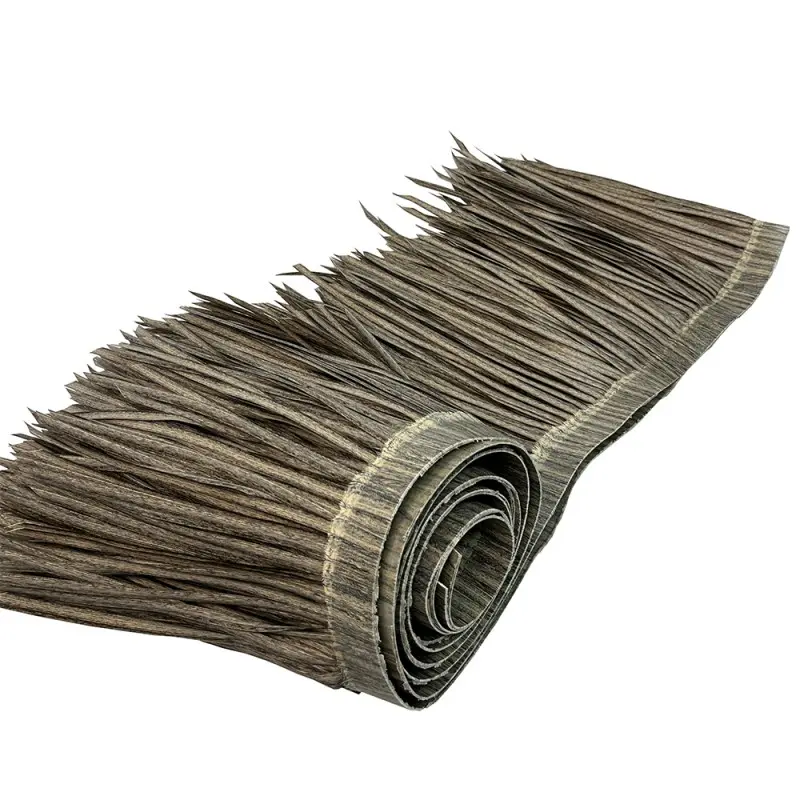
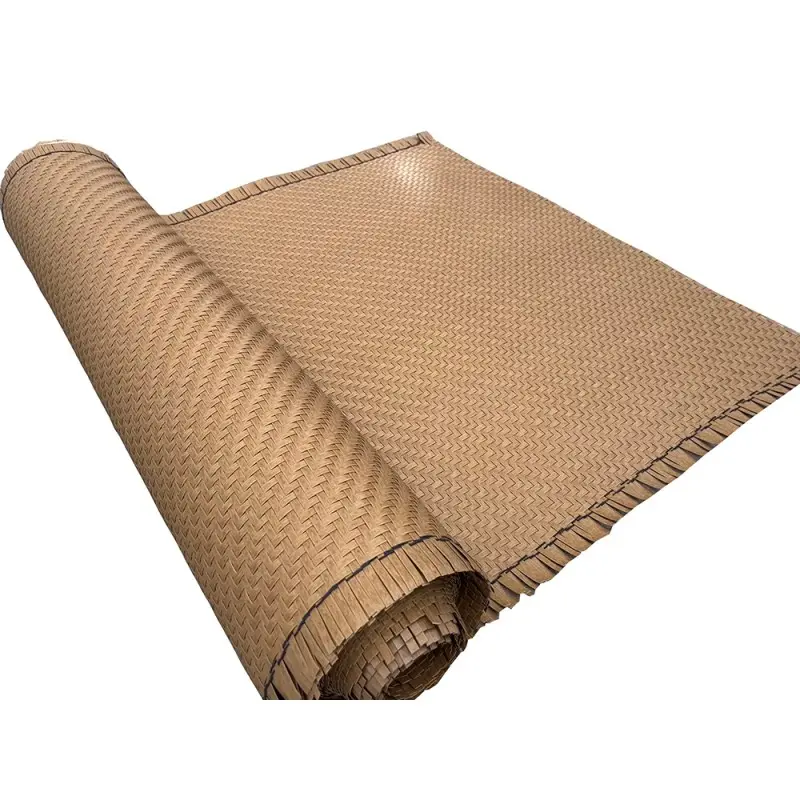
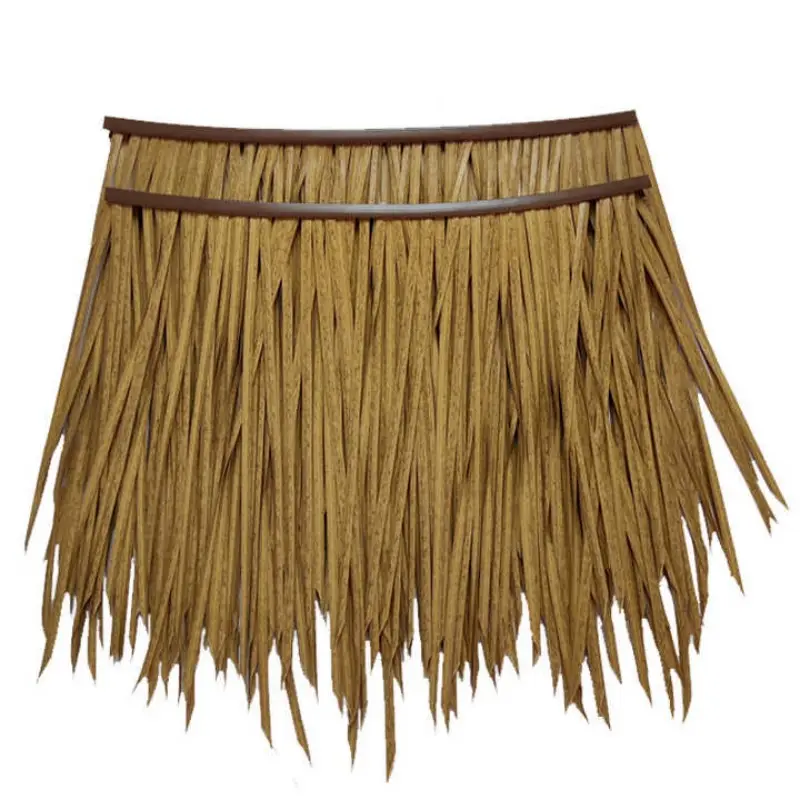
Synthetic rattan weave represents a revolutionary advancement in modern furniture and decorative materials, offering an exceptional alternative to traditional natural rattan. This innovative material combines cutting-edge polymer technology with sophisticated manufacturing techniques to create a versatile weaving solution that addresses the limitations of organic rattan while enhancing durability and performance. The synthetic rattan weave consists of high-density polyethylene or polypropylene fibers that are expertly engineered to replicate the authentic appearance and texture of natural rattan, while providing superior resistance to environmental factors. The main functions of synthetic rattan weave include providing structural support for outdoor and indoor furniture, creating decorative elements for architectural applications, and serving as a sustainable material for various craft projects. Its technological features encompass UV stabilization that prevents color fading and material degradation, moisture resistance that eliminates concerns about mold and mildew formation, and temperature stability that maintains structural integrity across extreme weather conditions. The weave pattern can be customized to achieve different aesthetic effects, from tight, uniform patterns to more relaxed, organic-looking arrangements. Manufacturing processes involve precision extrusion technology that ensures consistent fiber diameter and strength, followed by specialized weaving techniques that create seamless, professional-grade results. Applications for synthetic rattan weave span numerous industries, including outdoor furniture manufacturing, where it forms the primary material for chairs, tables, and decorative panels. Interior design applications utilize synthetic rattan weave for room dividers, ceiling treatments, and accent walls that require natural-looking textures without maintenance concerns. Commercial applications include restaurant patios, hotel lobbies, and retail environments where durability and aesthetic appeal must coexist. The material also finds extensive use in residential settings, particularly in covered patios, sunrooms, and indoor spaces where homeowners desire the warm, organic appearance of rattan without the associated upkeep requirements.
 EN
EN