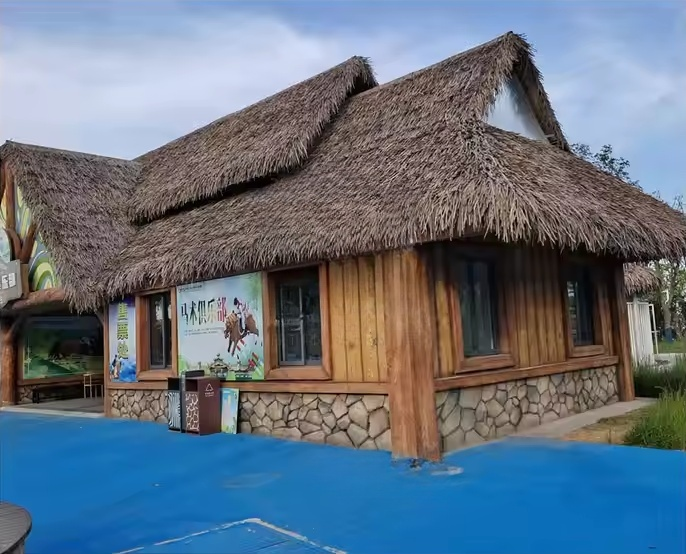
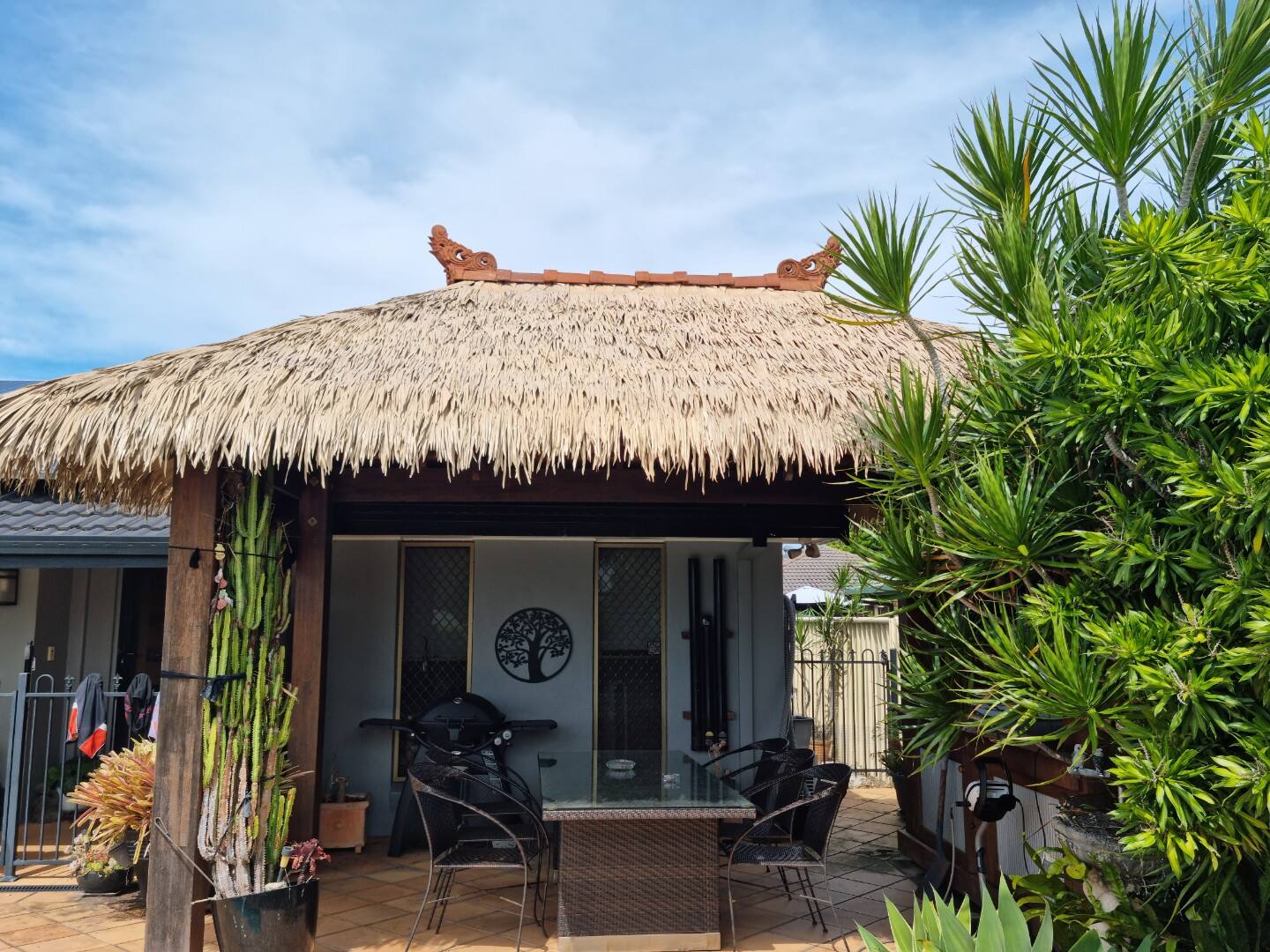
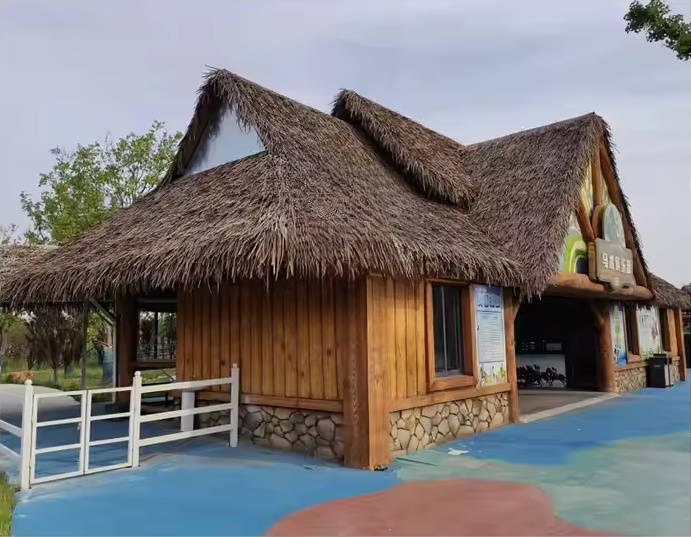
tropical thatch roof
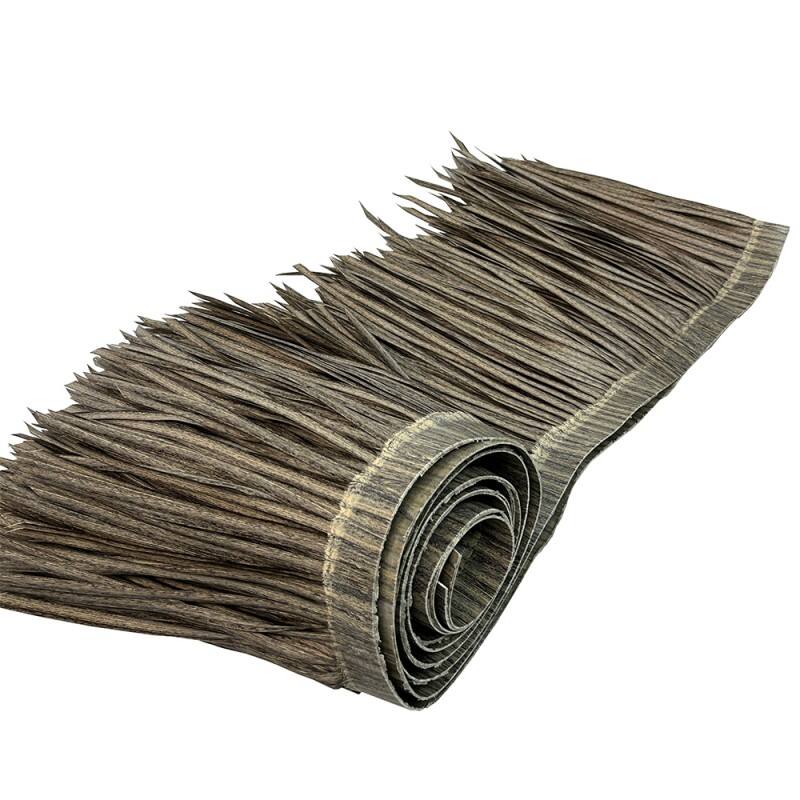
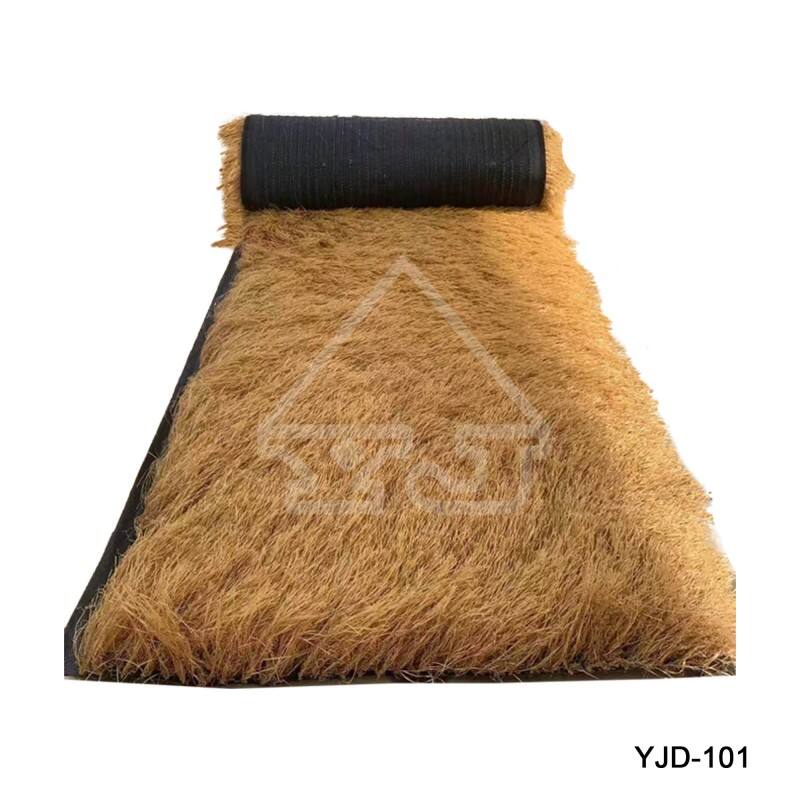
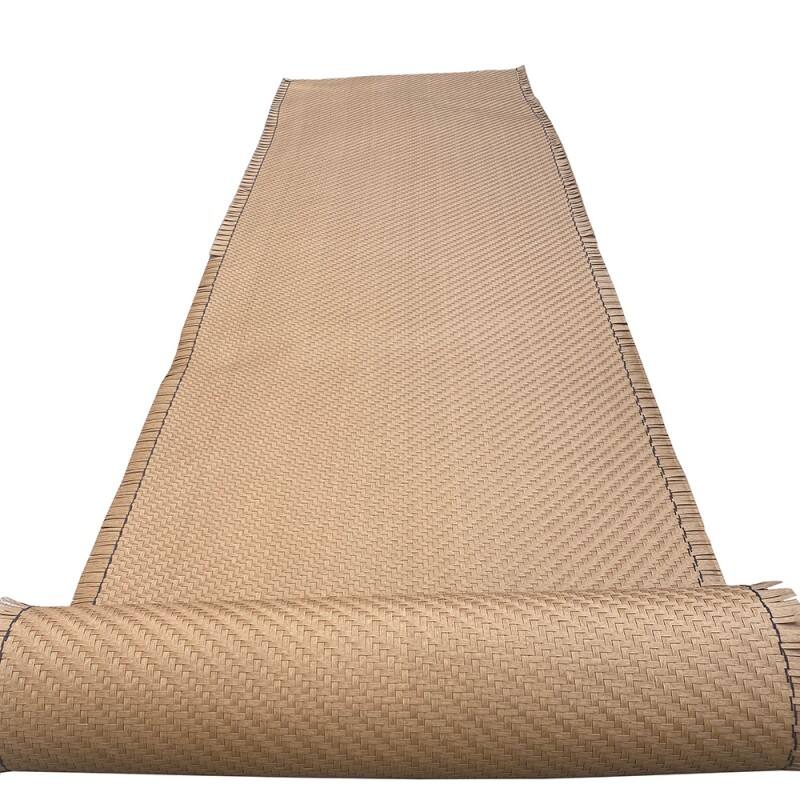
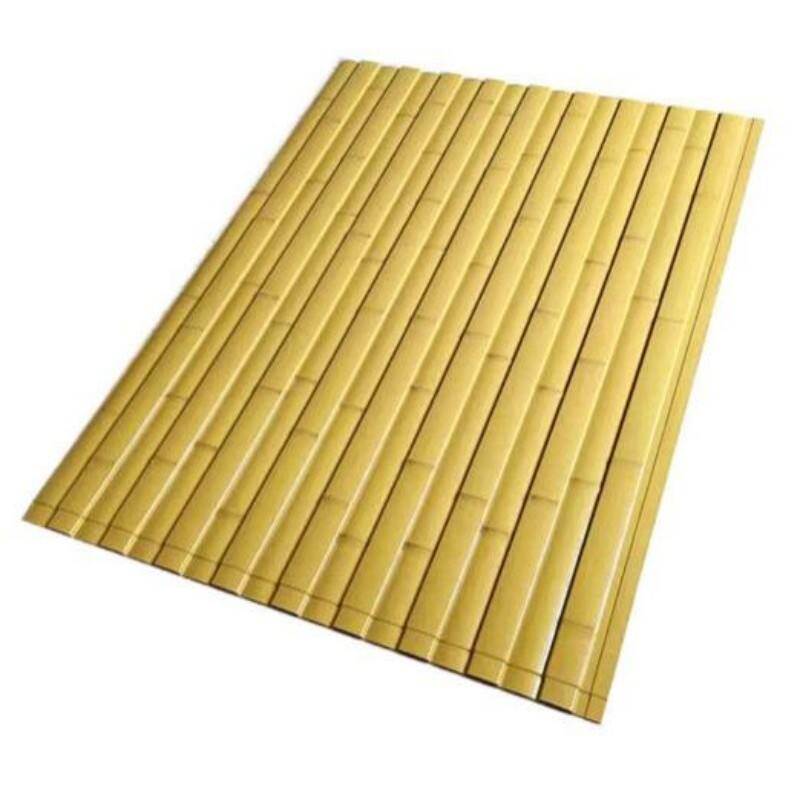
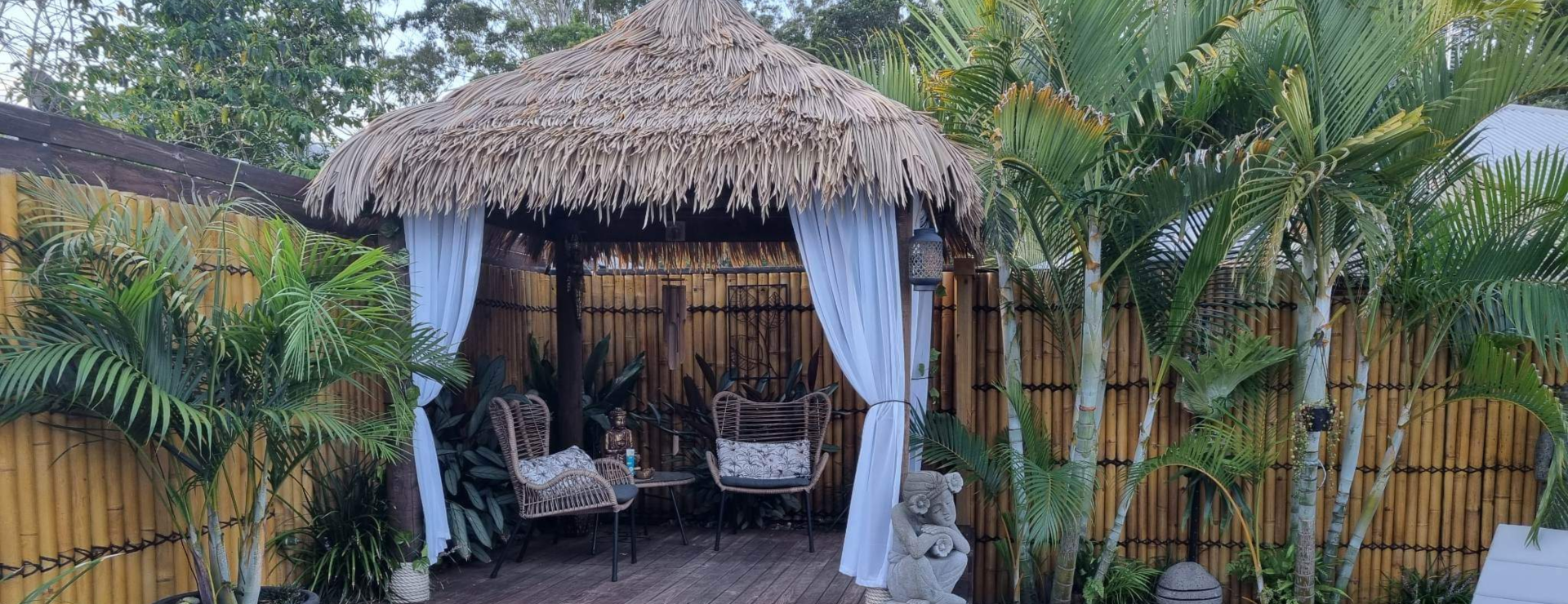
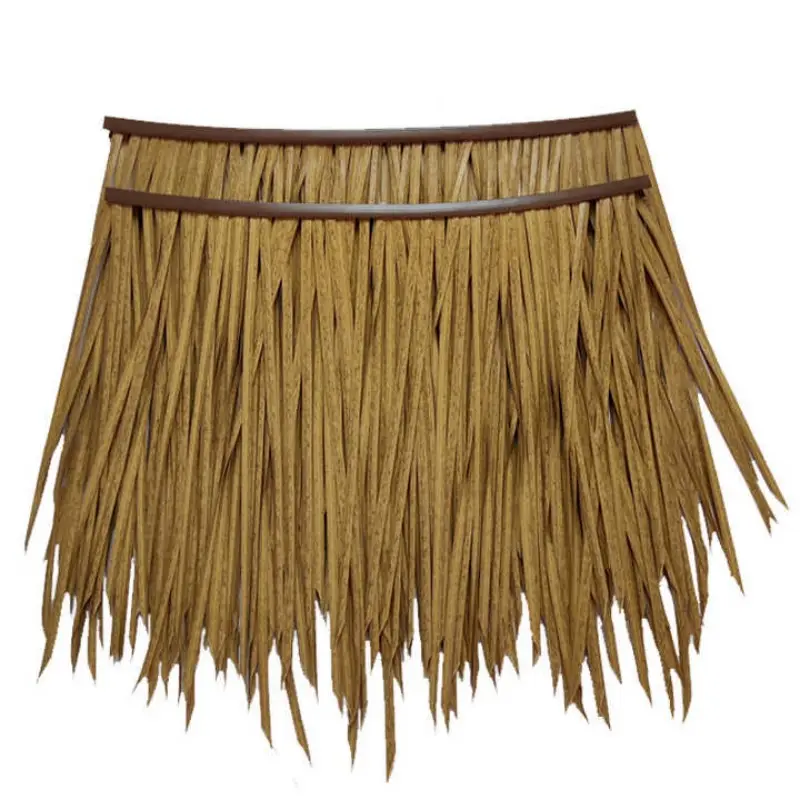
The tropical thatch roof represents a time-honored roofing solution that combines traditional craftsmanship with exceptional performance in warm, humid climates. This natural roofing system utilizes carefully selected organic materials such as palm fronds, bamboo, dried grasses, and other indigenous plant fibers to create a durable and weather-resistant covering. The tropical thatch roof functions as an excellent thermal barrier, maintaining comfortable interior temperatures while effectively managing moisture and precipitation. Its technological features include natural ventilation properties that allow air circulation beneath the thatching materials, preventing heat buildup and condensation issues common in tropical environments. The layered construction method ensures water runoff while creating multiple defense layers against wind-driven rain. Modern tropical thatch roof installations incorporate advanced techniques such as treated support structures, improved binding methods, and strategic drainage systems that enhance longevity and performance. Applications for tropical thatch roof systems span residential homes, resort accommodations, restaurants, cultural centers, and eco-tourism facilities throughout tropical and subtropical regions. The material composition varies by location, utilizing locally sourced materials like coconut palm leaves, water reed, wheat straw, or specialized synthetic alternatives designed to replicate natural thatch appearance and function. Installation requires skilled craftsmen who understand proper layering techniques, appropriate material selection, and regional climate considerations. The tropical thatch roof provides natural insulation properties that significantly reduce cooling costs compared to conventional metal or tile roofing systems. Fire-retardant treatments and pest-resistant preparations ensure modern tropical thatch roof installations meet contemporary safety standards while preserving authentic aesthetic appeal. Maintenance protocols involve periodic inspection, selective replacement of worn sections, and preventive treatments that extend operational lifespan beyond traditional expectations.
 EN
EN