Thatched Roof Building: Sustainable Architecture with Superior Insulation and Unique Character

Get a Free Quote

Our representative will contact you soon.
Email
Name
Company Name
Message
0/1000

thatched roof building

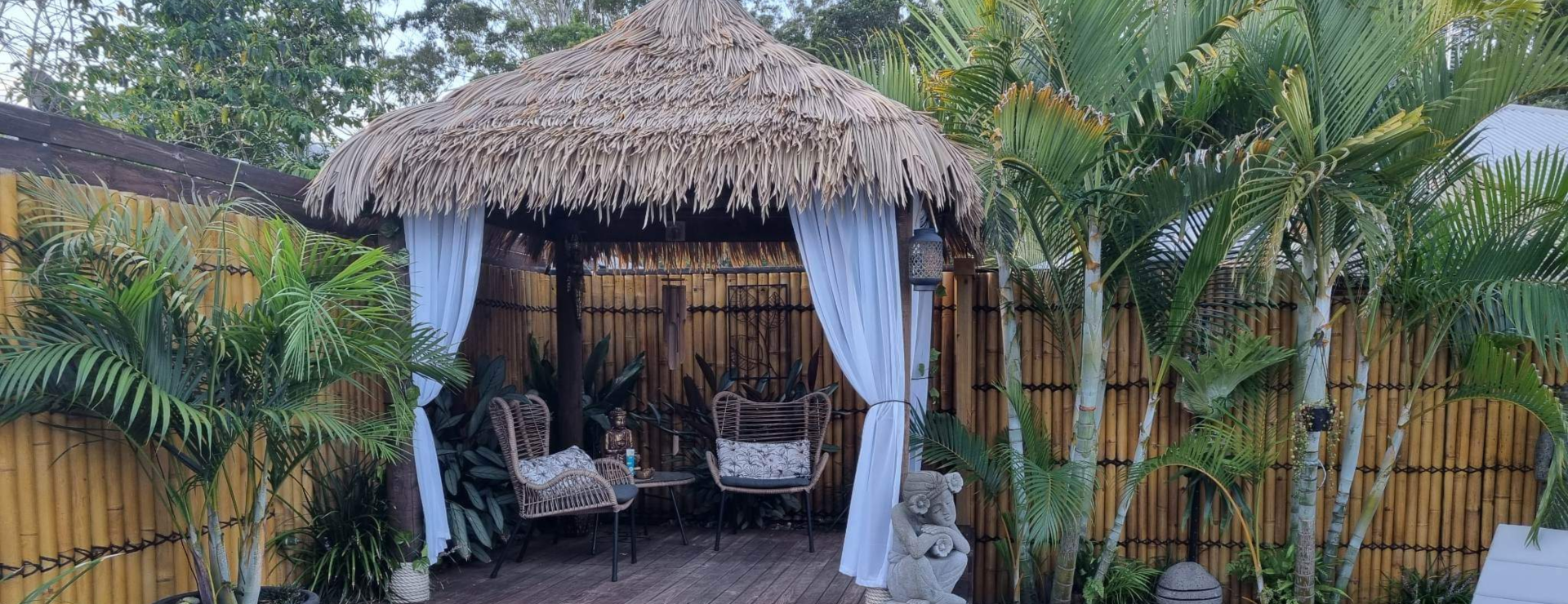
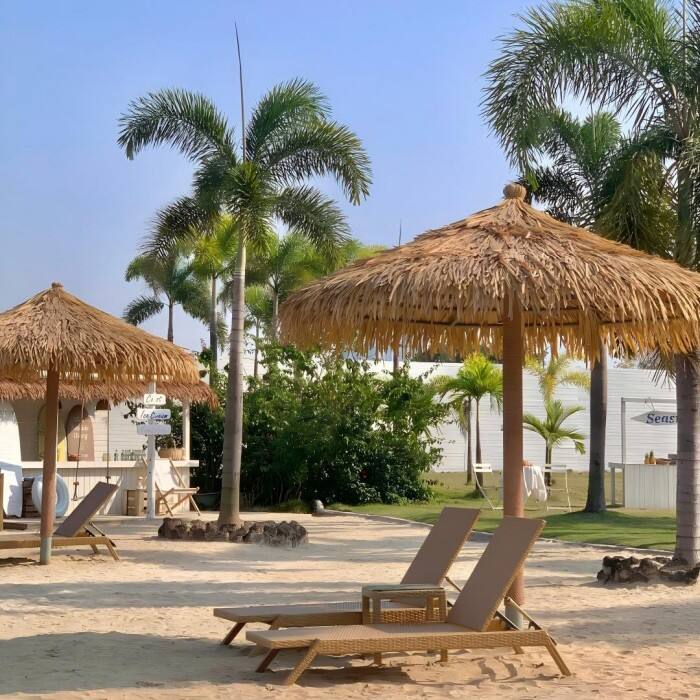
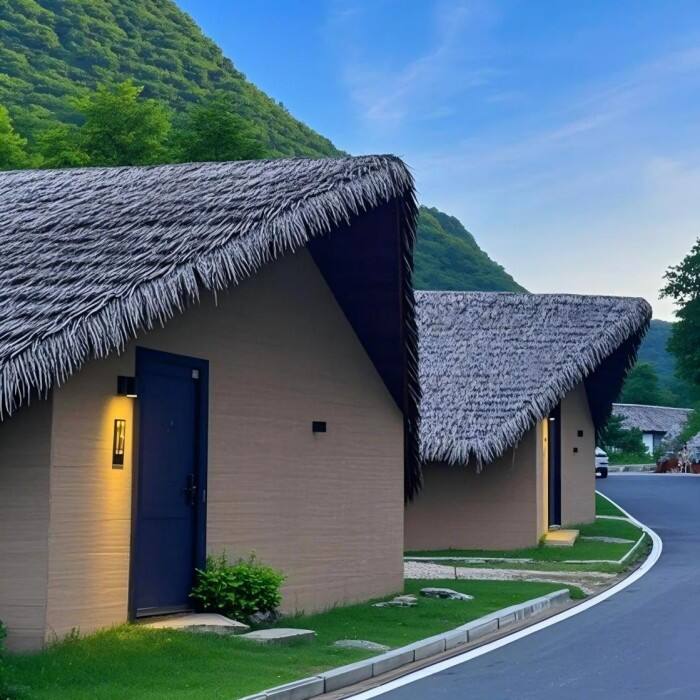
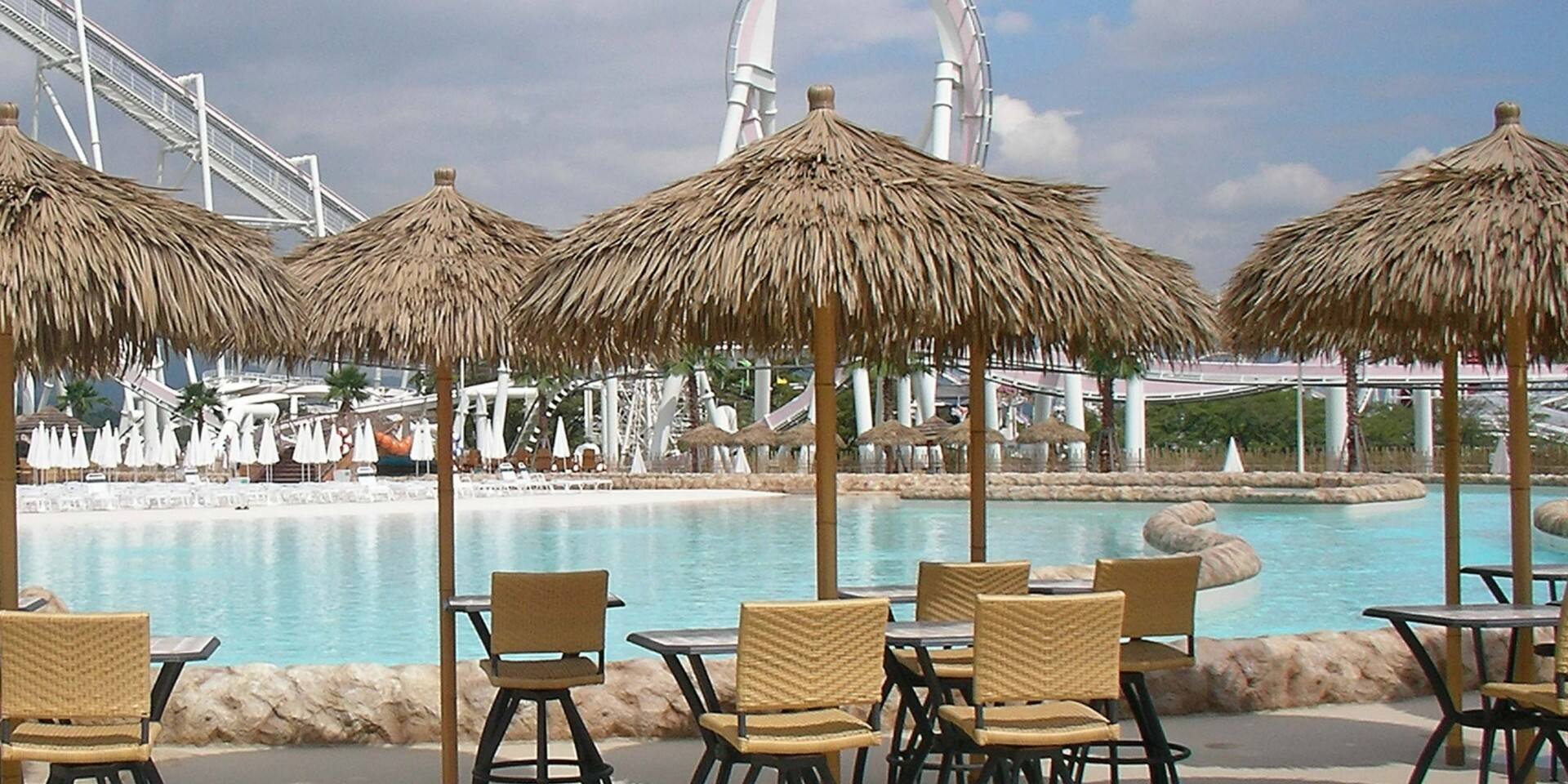
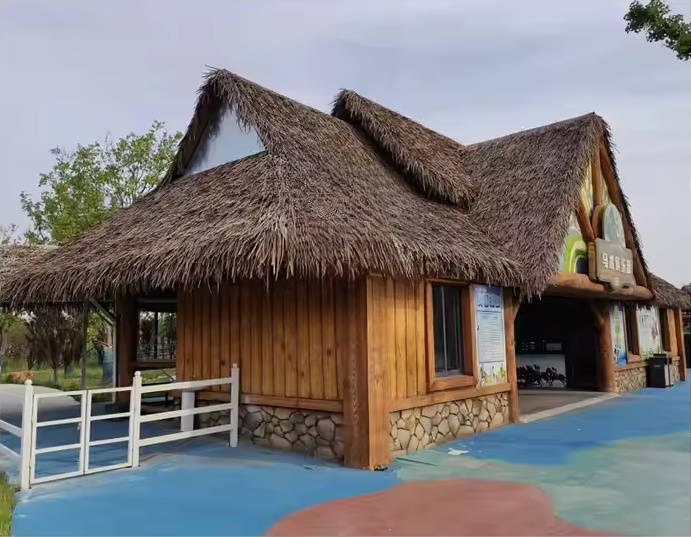
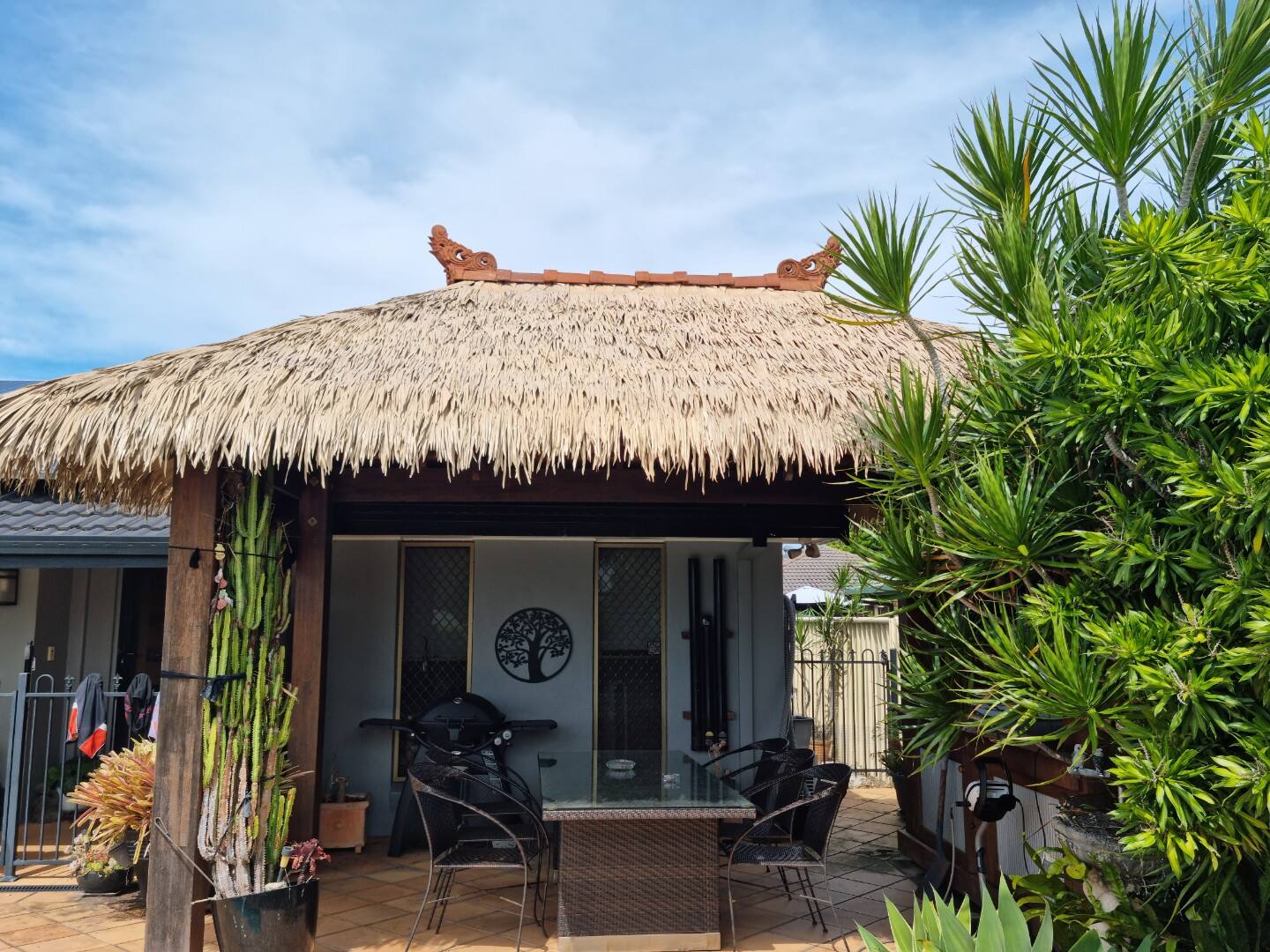
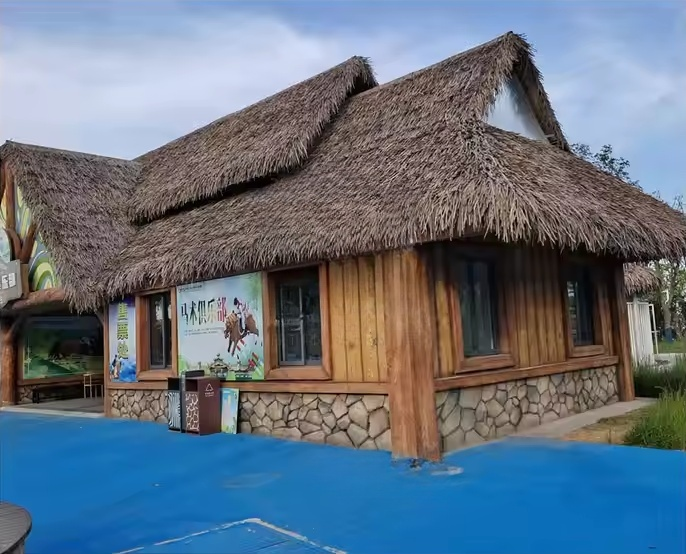
Thatched roof building represents one of humanity's oldest and most sustainable construction methods, combining traditional craftsmanship with remarkable functionality. A thatched roof building utilizes natural materials like straw, reed, or palm leaves to create protective roofing systems that have sheltered communities for thousands of years. The main function of a thatched roof building centers on providing superior weather protection while maintaining excellent thermal performance throughout seasonal changes. These structures excel in rural and eco-conscious environments where sustainability meets practicality. The technological features of thatched roof building construction involve layering organic materials in overlapping patterns that channel water away from the interior while allowing air circulation. Expert thatchers employ specialized techniques passed down through generations, creating roofs with slopes typically ranging from 45 to 60 degrees for optimal water runoff. The applications of thatched roof building extend beyond residential homes to include restaurants, hotels, visitor centers, and cultural heritage sites. Modern thatched roof building projects often incorporate contemporary structural elements like steel frames or engineered timber while preserving the aesthetic and functional benefits of traditional thatching. The construction process requires skilled craftsmen who understand material properties, local climate conditions, and building regulations. Today's thatched roof building designs can integrate modern amenities including electrical systems, plumbing, and insulation while maintaining authentic appearance. These buildings commonly feature in tourism destinations, sustainable architecture projects, and heritage preservation initiatives. The versatility of thatched roof building design allows for various architectural styles from English cottages to tropical resort structures. Installation requires careful consideration of fire safety measures, proper ventilation systems, and regular maintenance schedules. The enduring popularity of thatched roof building construction demonstrates its effectiveness in creating comfortable, environmentally responsible living spaces that connect occupants with natural materials and traditional building wisdom.

New Product Releases

The advantages of thatched roof building construction offer compelling benefits that modern property owners increasingly value in today's environmentally conscious market. A thatched roof building delivers exceptional insulation properties naturally, keeping interiors cool during summer months and warm throughout winter seasons without relying heavily on mechanical heating or cooling systems. This natural climate control significantly reduces energy consumption and utility costs for homeowners. The thatched roof building materials source renewably from agricultural byproducts like wheat straw or water reed, making them incredibly sustainable compared to manufactured roofing materials that require energy-intensive production processes. Property owners choose thatched roof building options because these structures create distinctive architectural character that increases property value and market appeal. The aesthetic charm of a thatched roof building attracts tourists, supports local heritage tourism, and enhances neighborhood character in ways that conventional roofing cannot match. Maintenance of a thatched roof building, while specialized, proves cost-effective over the long term because natural materials can be locally sourced and repairs typically involve partial replacement rather than complete roof overhaul. The construction flexibility of thatched roof building allows architects to create unique curved lines, complex shapes, and organic forms that complement landscape features beautifully. Sound insulation represents another significant advantage of thatched roof building design, as the thick layers of natural materials absorb noise from rain, wind, and external sources more effectively than hard roofing materials. Environmental benefits of thatched roof building extend beyond material sustainability to include carbon sequestration, biodiversity support for small wildlife, and complete recyclability at end of life. The breathability of thatched roof building materials prevents condensation problems and promotes healthy indoor air quality by allowing natural moisture regulation. Fire safety improvements in modern thatched roof building incorporate treated materials and proper installation techniques that meet contemporary building standards. Skilled craftsmen who specialize in thatched roof building create employment opportunities that preserve traditional trades while meeting modern construction demands. The longevity of well-maintained thatched roof building structures often exceeds conventional roofing materials, with some examples lasting over a century with proper care and periodic maintenance.

Latest News

How to Enhance Commercial Building Durability with Synthetic Palm Leaf Thatch

27

Nov

How to Enhance Commercial Building Durability with Synthetic Palm Leaf Thatch

Commercial buildings in tropical and subtropical regions face unique challenges when it comes to maintaining aesthetic appeal while ensuring long-term durability. Traditional roofing and decorative materials often fall short when exposed to intense U...
View More
How to Choose a High-Quality Synthetic Thatch Roof for Commercial Projects

24

Nov

How to Choose a High-Quality Synthetic Thatch Roof for Commercial Projects

Selecting the right roofing material for commercial projects requires careful consideration of durability, aesthetics, and long-term performance. A synthetic thatch roof offers an ideal solution for businesses seeking the authentic appearance of trad...
View More
How Material Choices Affect the Durability and Appearance of Synthetic Thatch

18

Nov

How Material Choices Affect the Durability and Appearance of Synthetic Thatch

The selection of materials in synthetic thatch manufacturing plays a crucial role in determining both the longevity and aesthetic appeal of these roofing solutions. Modern synthetic thatch products have revolutionized the construction industry by off...
View More
How to Evaluate Cost-Effectiveness of Artificial Thatch Roof for Commercial Projects

12

Nov

How to Evaluate Cost-Effectiveness of Artificial Thatch Roof for Commercial Projects

Commercial property developers and architects increasingly turn to alternative roofing solutions that combine aesthetic appeal with long-term durability. The artificial thatch roof has emerged as a compelling option for tropical resorts, entertainmen...
View More

Get a Free Quote

Our representative will contact you soon.
Email
Name
Company Name
Message
0/1000

thatched roof building

Superior Natural Insulation Performance

Superior Natural Insulation Performance

The thermal efficiency of thatched roof building construction surpasses many conventional roofing systems through the inherent properties of natural materials used in traditional thatching methods. A properly constructed thatched roof building creates multiple air pockets within the layered organic materials, forming an effective insulation barrier that regulates interior temperatures naturally throughout the year. This thermal mass effect means that thatched roof building occupants experience comfortable indoor environments with minimal reliance on artificial heating or cooling systems. During hot summer months, the thick thatched roof building materials absorb heat slowly and release it gradually, preventing rapid temperature fluctuations that plague buildings with metal or tile roofing. The breathable nature of thatched roof building materials allows moisture vapor to escape naturally, preventing condensation buildup that can lead to mold, mildew, or structural damage in conventional buildings. Research studies demonstrate that thatched roof building structures maintain more stable indoor temperatures compared to other roofing types, resulting in energy savings of up to 30 percent annually for heating and cooling costs. The natural ventilation properties of thatched roof building design create continuous air movement that enhances comfort while reducing the need for mechanical ventilation systems. Property owners investing in thatched roof building construction often report lower utility bills and improved indoor air quality compared to their previous conventional homes. The insulation performance of thatched roof building materials improves over time as the organic fibers settle and compact naturally, creating even more effective thermal barriers. Modern thatched roof building projects can integrate additional insulation materials beneath the thatch layer while preserving the aesthetic and functional benefits of traditional construction methods.
Sustainable Environmental Impact

Sustainable Environmental Impact

The environmental advantages of thatched roof building construction position these structures as leaders in sustainable architecture and green building practices. A thatched roof building utilizes renewable agricultural waste products that would otherwise be burned or disposed of in landfills, transforming these materials into valuable construction resources. The carbon footprint of thatched roof building materials remains significantly lower than manufactured roofing products because natural materials require minimal processing and transportation from local sources. Harvesting materials for thatched roof building actually supports agricultural ecosystems by providing farmers with additional income streams from crop residues like wheat straw, rice straw, or water reed. The production process for thatched roof building materials consumes virtually no fossil fuels compared to energy-intensive manufacturing required for asphalt shingles, metal roofing, or concrete tiles. At the end of their useful life, thatched roof building materials decompose naturally and can be composted or returned to agricultural fields as organic matter, creating a complete circular economy cycle. The biodiversity benefits of thatched roof building extend to supporting small wildlife populations, as properly maintained thatch provides nesting opportunities for beneficial insects and birds without compromising structural integrity. Water management around thatched roof building sites improves through natural material absorption and gradual release, reducing stormwater runoff that can cause erosion or flooding in conventional developments. The local sourcing potential of thatched roof building materials reduces transportation emissions while supporting regional economies and preserving traditional craft knowledge. Modern sustainable design principles integrate seamlessly with thatched roof building techniques, allowing architects to achieve green building certifications while maintaining authentic traditional aesthetics. Carbon sequestration occurs naturally in thatched roof building materials throughout their service life, as organic fibers continue to store atmospheric carbon captured during plant growth.
Unique Architectural Character and Value

Unique Architectural Character and Value

The distinctive visual appeal and architectural character of thatched roof building design create unmatched property value and market differentiation in today's competitive real estate landscape. A well-executed thatched roof building commands premium pricing due to its unique aesthetic that cannot be replicated with conventional roofing materials or modern construction techniques. The organic curves and natural textures of thatched roof building construction create architectural interest that enhances property curb appeal and neighborhood character significantly. Tourism businesses particularly benefit from thatched roof building design because these structures attract visitors seeking authentic cultural experiences and photogenic accommodations that stand out from generic commercial buildings. The craftsmanship visible in thatched roof building construction demonstrates quality and attention to detail that appeals to discerning buyers who value artisanal work over mass-produced building elements. Historical associations with thatched roof building design evoke feelings of heritage, tradition, and connection to natural landscapes that resonate strongly with modern consumers seeking authentic experiences. The design flexibility of thatched roof building allows architects to create curved ridges, rounded dormers, and organic shapes that complement natural surroundings in ways that rigid conventional roofing cannot achieve. Property photography featuring thatched roof building exteriors generates higher engagement on real estate listings and tourism marketing materials compared to standard architectural imagery. The rarity of skilled thatched roof building craftsmen adds exclusivity value to properties while ensuring that these structures remain distinctive in their local markets. Insurance companies increasingly recognize the value preservation aspects of properly maintained thatched roof building construction, with some offering specialized coverage that acknowledges their unique market position. The storytelling potential of thatched roof building ownership appeals to buyers who want properties with interesting histories and cultural significance that extend beyond mere functional shelter. Modern interior design works exceptionally well with thatched roof building exteriors, creating striking contrasts between contemporary amenities and traditional roofing that appeal to sophisticated buyers seeking unique lifestyle experiences.

Get a Free Quote

Our representative will contact you soon.
Email
Name
Company Name
Message
0/1000