Premium Handwoven Rattan Furniture: Sustainable, Durable & Beautiful Natural Home Decor

Get a Free Quote

Our representative will contact you soon.
Email
Name
Company Name
Message
0/1000

handwoven rattan

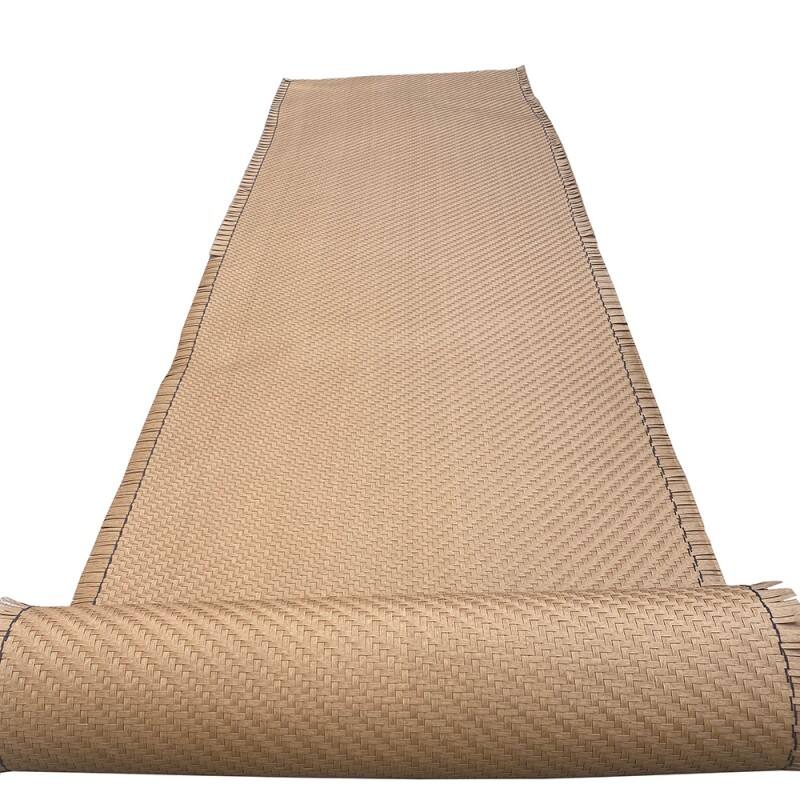
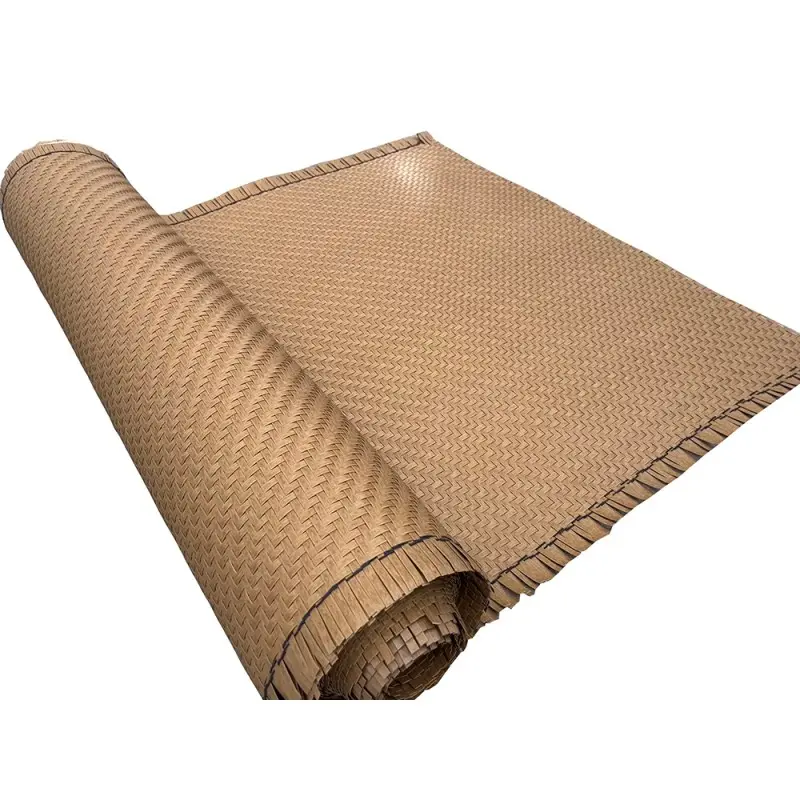
Handwoven rattan represents a timeless craft that transforms natural rattan canes into beautiful, functional products through traditional weaving techniques. This sustainable material originates from climbing palm species found primarily in tropical regions of Asia and Africa. The handwoven rattan process involves careful selection of premium rattan canes, which are then stripped, cleaned, and prepared for intricate weaving patterns that have been passed down through generations. The main functions of handwoven rattan encompass both decorative and practical applications, serving as elegant furniture pieces, storage solutions, and architectural elements. Technological features of handwoven rattan include its remarkable flexibility, allowing artisans to create complex curves and patterns while maintaining structural integrity. The material exhibits excellent tensile strength, making it suitable for weight-bearing applications such as chairs, tables, and storage baskets. Temperature resistance is another key technological feature, as handwoven rattan maintains its shape and properties across various climatic conditions. The natural fiber structure provides inherent breathability, making it ideal for furniture in humid environments. Applications of handwoven rattan span residential, commercial, and hospitality sectors. In homes, handwoven rattan appears in dining sets, living room furniture, bedroom accessories, and outdoor furniture collections. Commercial applications include restaurant seating, hotel lobby furniture, and retail display fixtures. The hospitality industry particularly values handwoven rattan for its durability and aesthetic appeal in tropical and contemporary design themes. Modern applications have expanded to include lighting fixtures, room dividers, and architectural panels. The versatility of handwoven rattan allows designers to incorporate it into both traditional and contemporary settings, making it a preferred choice for interior designers seeking sustainable, visually appealing materials that offer long-lasting performance and natural beauty.

New Product Releases

Handwoven rattan offers numerous compelling advantages that make it an exceptional choice for discerning consumers seeking quality, sustainability, and aesthetic appeal. The durability of handwoven rattan stands as its primary benefit, with properly maintained pieces lasting decades while retaining their structural integrity and visual charm. Unlike mass-produced alternatives, handwoven rattan develops character over time, becoming more beautiful with age rather than showing signs of deterioration. The lightweight nature of handwoven rattan makes it incredibly practical for everyday use, allowing easy rearrangement of furniture pieces without requiring multiple people or special equipment. This portability extends to outdoor applications where handwoven rattan furniture can be moved seasonally or repositioned for optimal comfort and functionality. Environmental sustainability represents a major advantage, as handwoven rattan comes from rapidly renewable rattan palms that regenerate quickly without requiring replanting. The harvesting process actually benefits forest ecosystems by encouraging biodiversity and providing income for local communities who practice traditional sustainable forestry methods. The production of handwoven rattan generates minimal carbon footprint compared to synthetic materials or hardwood alternatives. Comfort is another significant advantage, as the natural flexibility of handwoven rattan provides ergonomic support that adapts to body contours while maintaining proper posture. The breathable nature of rattan prevents heat buildup, ensuring comfortable seating even in warm climates. Maintenance requirements remain minimal, with regular dusting and occasional cleaning sufficient to keep handwoven rattan looking pristine. The natural resistance to insects and moisture makes handwoven rattan particularly suitable for various environments without requiring chemical treatments. Cost-effectiveness becomes apparent over time, as the longevity of handwoven rattan provides excellent value compared to frequently replaced cheaper alternatives. The timeless aesthetic appeal ensures that handwoven rattan pieces never go out of style, making them sound investments for homes and commercial spaces. Customization possibilities allow consumers to choose from various weaving patterns, finishes, and sizes to match specific design requirements and personal preferences.

Tips And Tricks

How to Choose a High-Quality Synthetic Thatch Roof for Commercial Projects

24

Nov

How to Choose a High-Quality Synthetic Thatch Roof for Commercial Projects

Selecting the right roofing material for commercial projects requires careful consideration of durability, aesthetics, and long-term performance. A synthetic thatch roof offers an ideal solution for businesses seeking the authentic appearance of trad...
View More
Trends in Using Rattan Weave Materials for Furniture and Roof Decoration

06

Nov

Trends in Using Rattan Weave Materials for Furniture and Roof Decoration

The design world is experiencing a remarkable renaissance in natural materials, with rattan weave materials emerging as a dominant force in contemporary furniture and architectural applications. This revival represents more than just aesthetic prefer...
View More
Durability and Maintenance Methods of Rattan Weave

17

Dec

Durability and Maintenance Methods of Rattan Weave

Rattan weave has emerged as one of the most sought-after materials in contemporary architecture and interior design, offering a perfect blend of natural aesthetics and functional durability. This versatile material combines traditional craftsmanship ...
View More
Performance Differences Between Synthetic Thatch and Natural Thatch

11

Dec

Performance Differences Between Synthetic Thatch and Natural Thatch

Traditional thatched roofing has evolved significantly over the centuries, transitioning from purely natural materials to innovative synthetic alternatives that offer enhanced durability and performance. Modern construction projects increasingly face...
View More

Get a Free Quote

Our representative will contact you soon.
Email
Name
Company Name
Message
0/1000

handwoven rattan

Exceptional Durability and Longevity

Exceptional Durability and Longevity

The exceptional durability and longevity of handwoven rattan sets it apart from contemporary furniture alternatives, making it a wise investment for both residential and commercial applications. The inherent strength of rattan canes, combined with traditional weaving techniques perfected over centuries, creates furniture pieces that withstand daily use while maintaining their structural integrity and aesthetic appeal. Unlike synthetic materials that deteriorate under UV exposure or wooden furniture that may crack or warp over time, handwoven rattan demonstrates remarkable resilience against environmental stresses. The natural fiber composition allows for flexibility under load, preventing the brittle failure common in rigid materials. This flexibility extends the lifespan significantly, as handwoven rattan can accommodate weight variations and movement without permanent deformation. Professional artisans employ time-tested joining methods that distribute stress evenly throughout the structure, eliminating weak points that could lead to premature failure. The aging process actually enhances the beauty of handwoven rattan, as the natural patina develops depth and character that synthetic materials cannot replicate. Proper care involves simple maintenance routines that preserve the material for generations, making handwoven rattan pieces potential family heirlooms. The durability advantage becomes particularly evident in high-traffic commercial environments where furniture endures constant use. Restaurants, hotels, and retail establishments report that handwoven rattan furniture maintains its appearance and functionality long after other materials require replacement. Climate resilience further contributes to longevity, as handwoven rattan performs well in various humidity levels and temperature ranges without degrading. This durability translates to significant cost savings over time, as the initial investment in quality handwoven rattan furniture pays dividends through years of reliable service without replacement costs.
Sustainable and Eco-Friendly Production

Sustainable and Eco-Friendly Production

The sustainable and eco-friendly production of handwoven rattan represents a responsible choice for environmentally conscious consumers who seek to minimize their ecological footprint while acquiring beautiful, functional furniture. Rattan palms grow rapidly in their natural tropical habitats, reaching maturity in just a few years compared to hardwood trees that require decades to mature. The harvesting process actually benefits forest ecosystems by promoting healthy growth and maintaining biodiversity, as sustainable rattan collection encourages the preservation of tropical forests where these valuable plants thrive. Local communities have developed sophisticated sustainable harvesting practices that ensure continuous regeneration while providing economic opportunities for traditional craftspeople. The handwoven rattan production process requires minimal energy input compared to industrial manufacturing, relying primarily on human skill and simple tools rather than energy-intensive machinery. This low-impact production method significantly reduces the carbon footprint associated with furniture creation, making handwoven rattan an excellent choice for green building projects and environmentally responsible interior design. The absence of chemical treatments in traditional handwoven rattan production further enhances its environmental credentials, as natural rattan possesses inherent properties that resist insects and moisture without requiring toxic preservatives. End-of-life disposal presents no environmental concerns, as handwoven rattan biodegrades naturally without releasing harmful substances into soil or water systems. The sustainable supply chain supporting handwoven rattan production often involves fair trade practices that ensure artisans receive appropriate compensation while maintaining traditional skills that might otherwise disappear. Conservation organizations recognize handwoven rattan production as a model for sustainable resource utilization that provides economic incentives for forest preservation. The renewable nature of rattan ensures that future generations will have access to this remarkable material, making handwoven rattan furniture a truly sustainable choice that supports both environmental protection and cultural preservation.
Versatile Design Applications and Aesthetic Appeal

Versatile Design Applications and Aesthetic Appeal

The versatile design applications and aesthetic appeal of handwoven rattan make it an indispensable material for interior designers, architects, and homeowners seeking to create spaces that combine natural beauty with functional excellence. The inherent flexibility of rattan allows artisans to create an virtually unlimited variety of weaving patterns, from tight, dense weaves that provide solid surfaces to open, airy patterns that create interesting light and shadow effects. This design versatility enables handwoven rattan to complement diverse architectural styles, from traditional tropical designs to contemporary minimalist aesthetics. The natural golden-brown color of handwoven rattan provides a warm, inviting foundation that harmonizes with virtually any color palette, while various finishing techniques can modify the appearance to match specific design requirements. Texture variations achieved through different weaving techniques add visual interest and tactile appeal, creating focal points that enhance overall room composition. The organic curves possible with handwoven rattan introduce softness to spaces dominated by hard edges and geometric lines, providing essential balance in modern interior design. Lighting applications showcase the translucent qualities of handwoven rattan, creating beautiful patterns when illuminated while providing gentle, diffused light that enhances ambiance. Architectural applications extend beyond furniture to include room dividers, ceiling treatments, and wall panels that introduce natural elements while maintaining functionality. The scale adaptability of handwoven rattan allows for both intimate personal items and large-scale installations that can transform entire spaces. Cultural authenticity adds depth to design narratives, as handwoven rattan carries the heritage of traditional craftsmanship that resonates with consumers seeking meaningful connections to artisanal traditions. Custom design possibilities enable architects and designers to specify unique pieces that perfectly fit their vision while supporting traditional craft communities. The photogenic qualities of handwoven rattan make spaces more appealing in photographs, an increasingly important consideration in the age of social media marketing for hospitality and retail businesses.

Get a Free Quote

Our representative will contact you soon.
Email
Name
Company Name
Message
0/1000