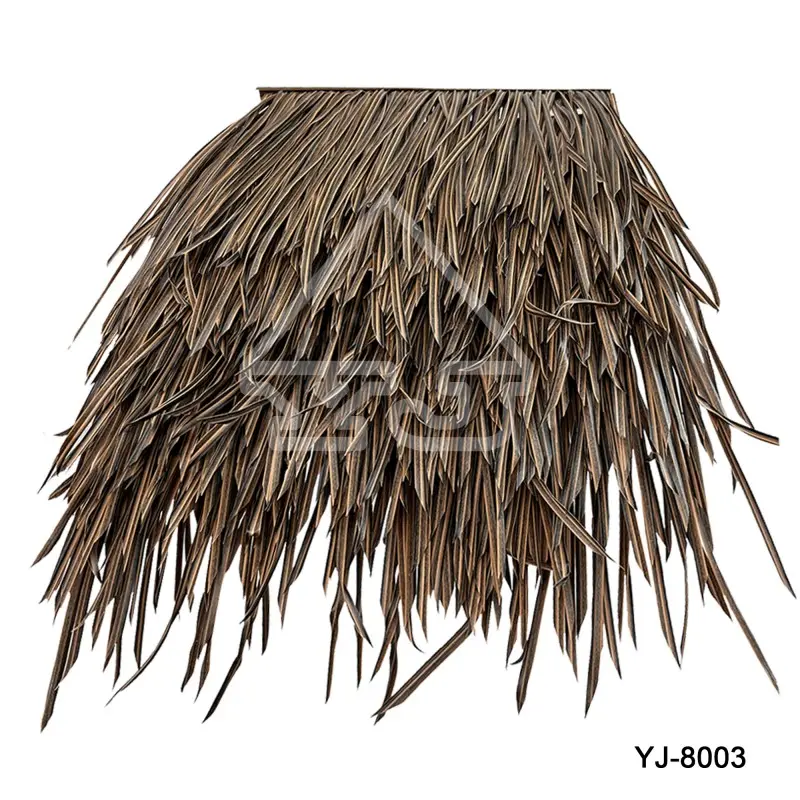
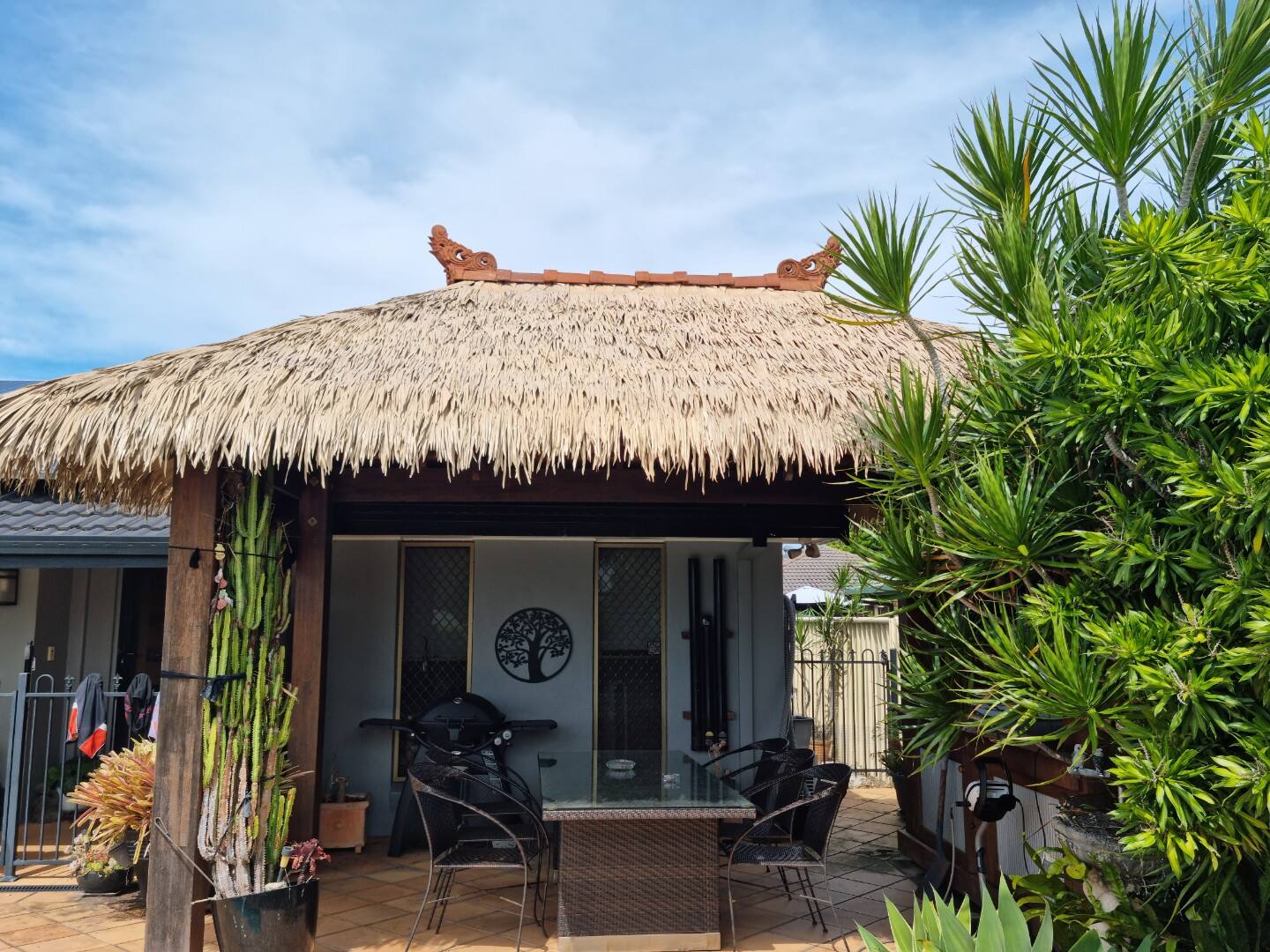
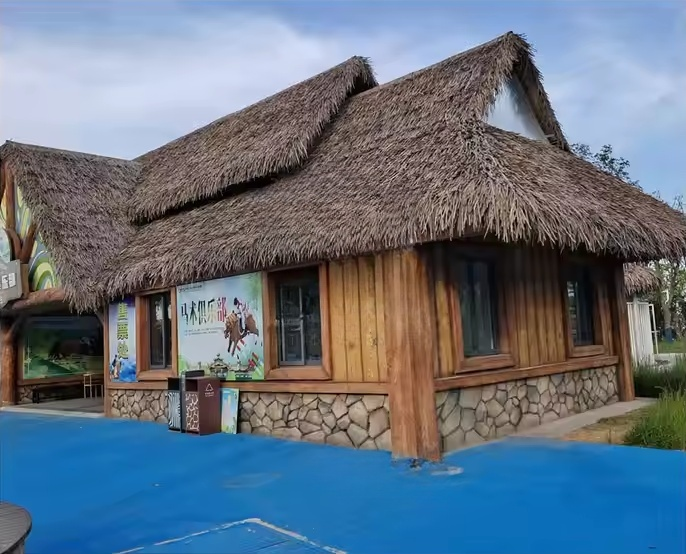
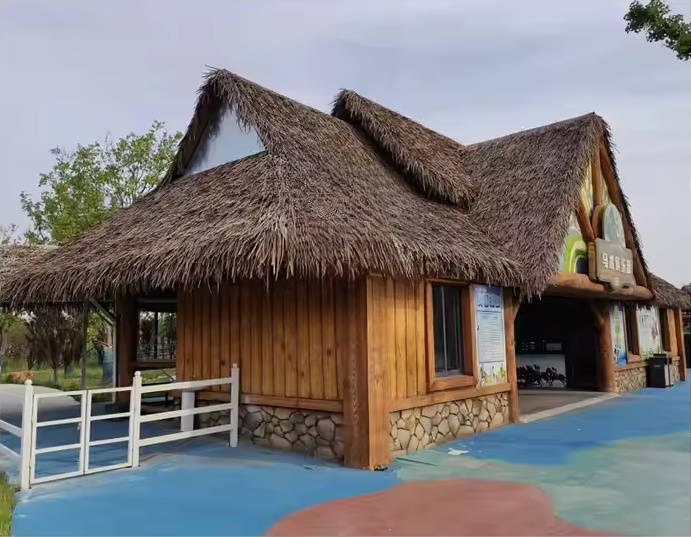
Premium Rattan Weaving Material - Sustainable, Durable & Versatile Natural Fiber for Crafts & Furniture

Get a Free Quote

Our representative will contact you soon.
Email
Name
Company Name
Message
0/1000

rattan weaving material

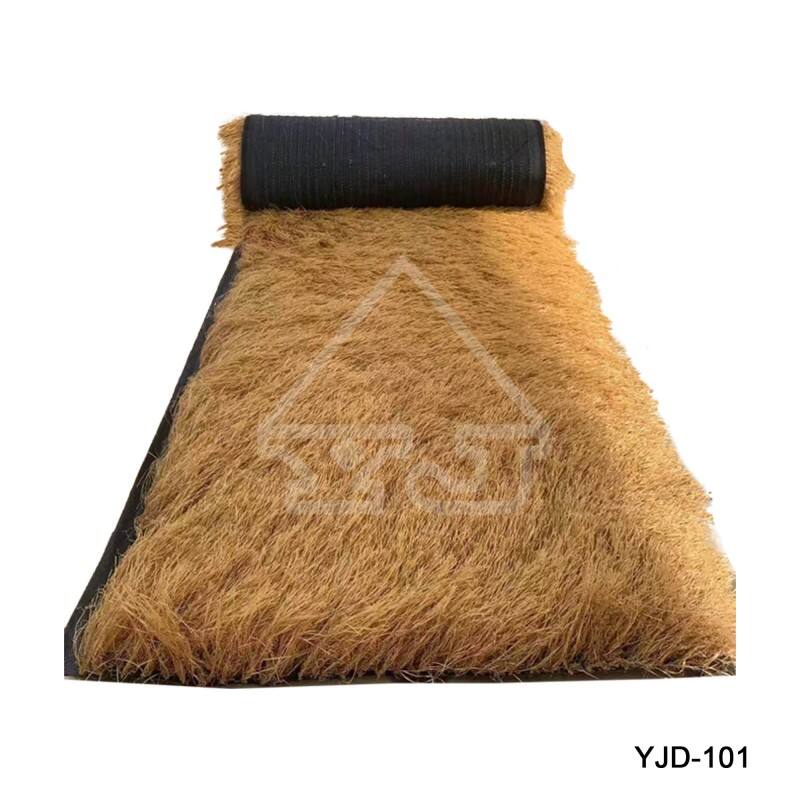
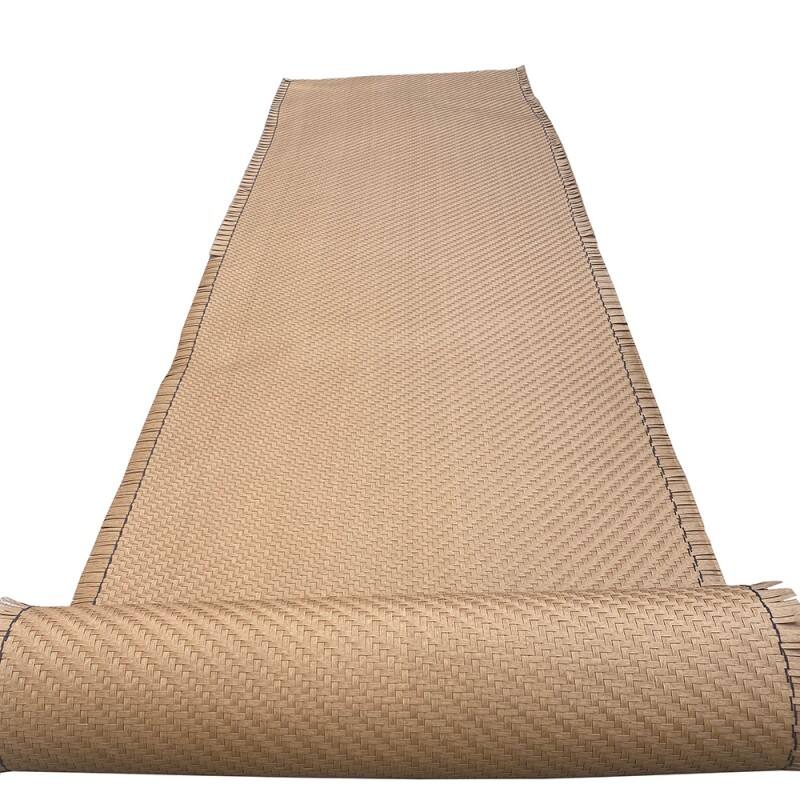
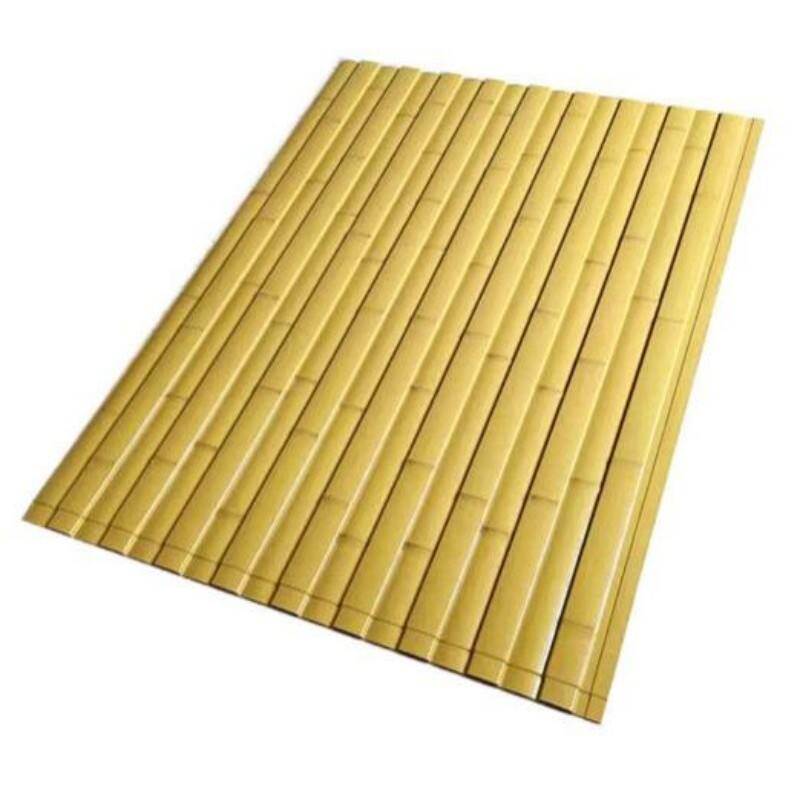
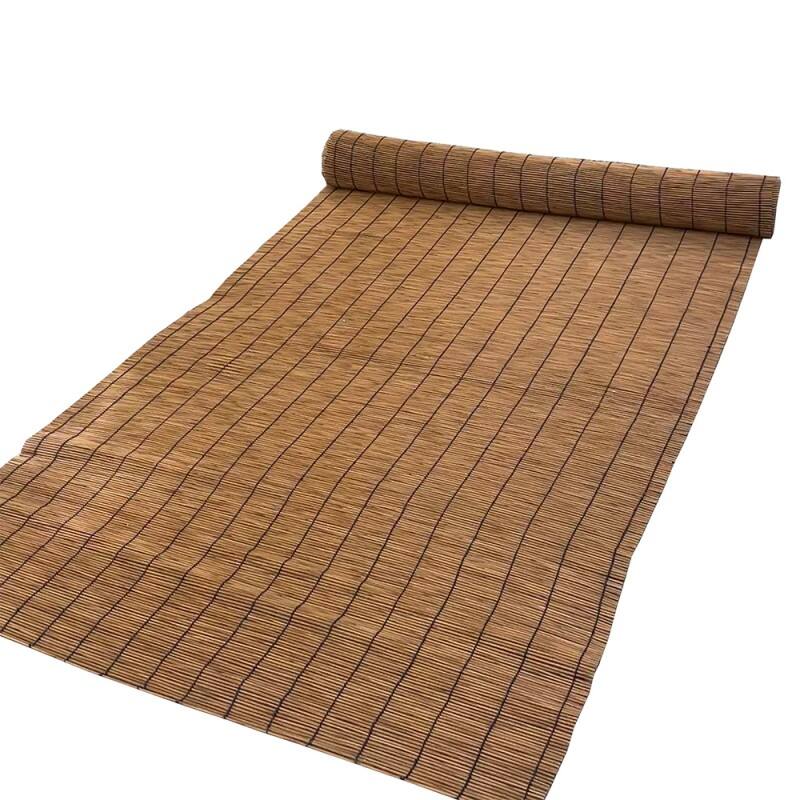
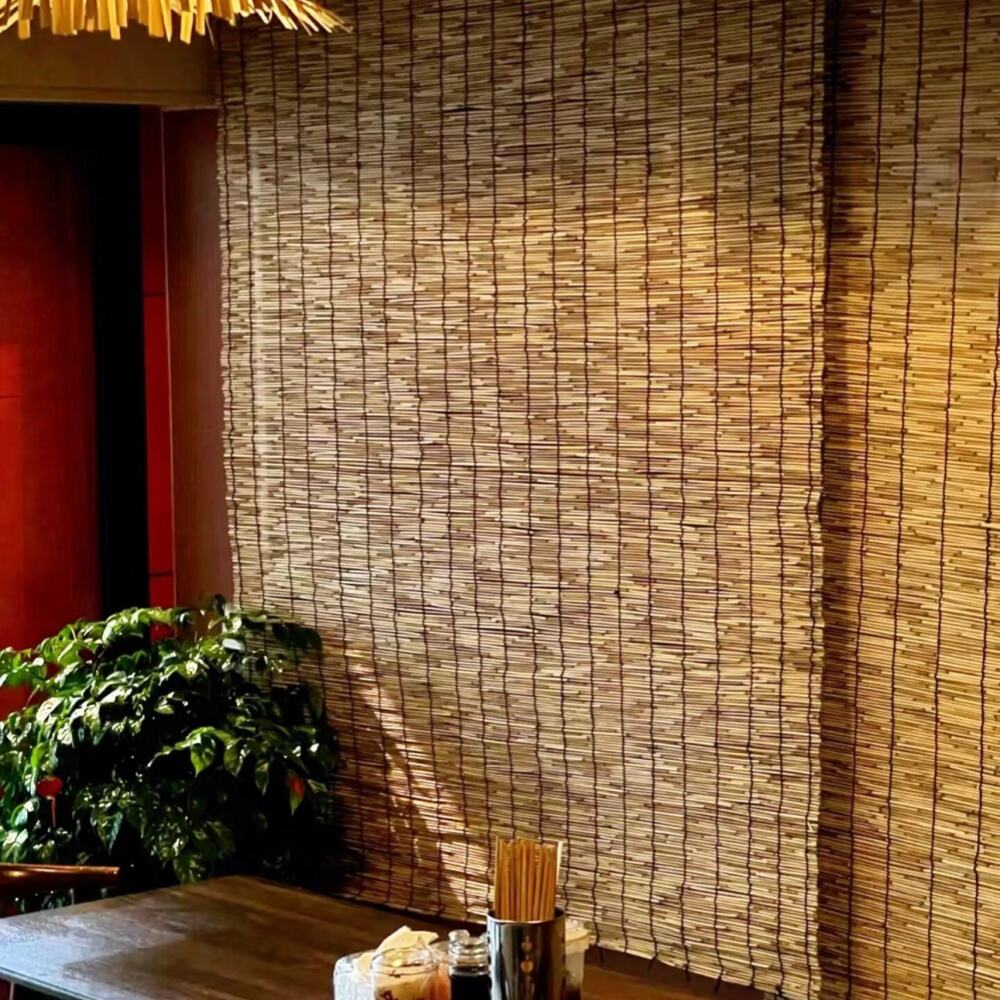
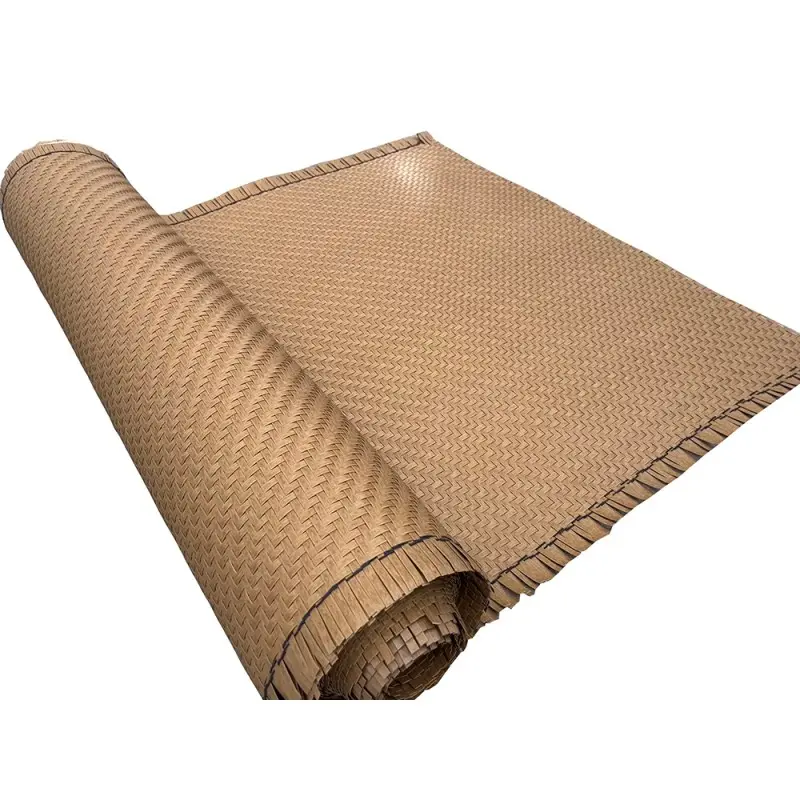
Rattan weaving material represents one of nature's most versatile and sustainable crafting resources, derived from climbing palm plants found primarily in tropical regions across Southeast Asia, Africa, and Australia. This remarkable natural fiber has been utilized for centuries in traditional handicrafts and modern furniture manufacturing due to its exceptional flexibility, strength, and aesthetic appeal. The rattan weaving material consists of processed rattan canes that are harvested, cleaned, and prepared specifically for weaving applications, offering craftspeople and manufacturers an eco-friendly alternative to synthetic materials. The primary functions of rattan weaving material encompass furniture construction, decorative arts, basketry, and architectural elements. Its technological features include remarkable tensile strength, natural water resistance, and excellent workability that allows for intricate weaving patterns and complex three-dimensional forms. The material exhibits superior durability when properly treated, maintaining its structural integrity for decades while developing an attractive patina over time. Rattan weaving material applications span residential furniture including chairs, tables, and storage solutions, commercial installations such as restaurant seating and hotel decor, and artistic creations ranging from sculptures to functional art pieces. The material's lightweight nature combined with its robust construction makes it ideal for both indoor and outdoor applications. Modern processing techniques have enhanced the traditional properties of rattan weaving material, introducing improved UV resistance and moisture protection while preserving the natural characteristics that make this material so desirable. The sustainable harvesting practices associated with rattan cultivation contribute to forest conservation efforts, as rattan plants grow naturally in tropical forests without requiring deforestation. This renewable resource regenerates quickly, making rattan weaving material an environmentally responsible choice for conscious consumers and manufacturers seeking sustainable alternatives to conventional materials.

New Product Recommendations

Rattan weaving material offers numerous practical benefits that make it an exceptional choice for both professional craftspeople and DIY enthusiasts. The material provides outstanding durability that surpasses many synthetic alternatives, ensuring long-lasting products that maintain their appearance and functionality for years. This natural fiber demonstrates remarkable flexibility, allowing craftspeople to create curved designs and intricate patterns that would be impossible with rigid materials. The lightweight properties of rattan weaving material make finished products easy to move and rearrange, while still providing excellent structural support for everyday use. One significant advantage lies in the material's natural resistance to moisture and humidity, making it suitable for various climate conditions without requiring extensive protective treatments. The breathable nature of rattan weaving material promotes air circulation, preventing the buildup of moisture that can lead to mold or mildew in furniture and decorative items. This characteristic makes rattan products particularly comfortable for seating applications, as they remain cool in warm weather and provide natural ventilation. The aesthetic appeal of rattan weaving material cannot be overstated, as it brings warmth and natural beauty to any space while complementing both traditional and contemporary design styles. The material accepts stains and finishes readily, allowing for customization to match specific color schemes and design preferences. Environmental benefits represent another crucial advantage, as rattan weaving material comes from rapidly renewable sources that support sustainable forestry practices and local economies in producing regions. The harvesting process actually encourages forest growth rather than destruction, making this material choice beneficial for ecological conservation. Cost-effectiveness adds practical value, as rattan weaving material typically costs less than comparable synthetic materials while offering superior longevity and performance. The material requires minimal maintenance throughout its lifespan, needing only occasional cleaning and periodic conditioning to maintain optimal condition. Working with rattan weaving material proves straightforward for craftspeople of all skill levels, as the material responds well to traditional weaving techniques and accepts modifications easily. The natural variation in color and texture found in rattan weaving material creates unique character in finished products, ensuring that no two pieces are exactly alike while maintaining consistent quality and performance standards.

Latest News

Trends in Using Rattan Weave Materials for Furniture and Roof Decoration

06

Nov

Trends in Using Rattan Weave Materials for Furniture and Roof Decoration

The design world is experiencing a remarkable renaissance in natural materials, with rattan weave materials emerging as a dominant force in contemporary furniture and architectural applications. This revival represents more than just aesthetic prefer...
View More
What Are the Trends in Cottage Thatched Construction for 2025

25

Dec

What Are the Trends in Cottage Thatched Construction for 2025

The cottage thatched construction industry is experiencing a remarkable transformation as we approach 2025, with innovative materials and sustainable practices reshaping traditional building methods. Modern homeowners and resort developers are increa...
View More
Durability and Maintenance Methods of Rattan Weave

17

Dec

Durability and Maintenance Methods of Rattan Weave

Rattan weave has emerged as one of the most sought-after materials in contemporary architecture and interior design, offering a perfect blend of natural aesthetics and functional durability. This versatile material combines traditional craftsmanship ...
View More
Performance Differences Between Synthetic Thatch and Natural Thatch

11

Dec

Performance Differences Between Synthetic Thatch and Natural Thatch

Traditional thatched roofing has evolved significantly over the centuries, transitioning from purely natural materials to innovative synthetic alternatives that offer enhanced durability and performance. Modern construction projects increasingly face...
View More

Get a Free Quote

Our representative will contact you soon.
Email
Name
Company Name
Message
0/1000

rattan weaving material

Superior Durability and Longevity Performance

Superior Durability and Longevity Performance

The exceptional durability of rattan weaving material sets it apart from alternative crafting materials, offering unmatched longevity that justifies its selection for both residential and commercial applications. This natural fiber demonstrates remarkable resistance to everyday wear and tear, maintaining structural integrity even under constant use conditions that would compromise lesser materials. The inherent strength of rattan weaving material comes from its unique cellular structure, which provides flexibility without sacrificing load-bearing capacity, making it ideal for furniture construction and decorative elements that must withstand regular handling. Professional furniture makers consistently choose rattan weaving material for high-traffic commercial environments because it resists cracking, splitting, and deterioration that commonly affects synthetic alternatives. The material's ability to flex and bend without breaking ensures that woven products can accommodate movement and stress without permanent damage, extending the useful life of finished items significantly. When properly maintained, rattan weaving material can last for decades while maintaining its original appearance and functionality, providing exceptional value for consumers seeking long-term investments in quality furnishings. The natural aging process of rattan weaving material actually enhances its beauty over time, developing rich patina and character that synthetic materials cannot replicate. This durability extends to various environmental conditions, as rattan weaving material adapts well to temperature fluctuations and humidity changes without warping or deteriorating. The robust nature of this material makes it particularly suitable for outdoor applications where exposure to elements would quickly damage less resilient alternatives. Professional restoration experts often work with vintage rattan pieces that remain structurally sound after many years of use, demonstrating the exceptional longevity that customers can expect from rattan weaving material products. The investment value of choosing rattan weaving material becomes evident over time, as the initial cost proves minimal compared to the replacement expenses associated with less durable alternatives that require frequent replacement or repair.
Exceptional Flexibility and Design Versatility

Exceptional Flexibility and Design Versatility

The remarkable flexibility of rattan weaving material opens unlimited creative possibilities for artisans and manufacturers, enabling the production of complex designs and intricate patterns that showcase both traditional craftsmanship and modern innovation. This natural material bends and curves effortlessly during the weaving process, allowing craftspeople to create flowing, organic shapes that complement contemporary interior design trends while honoring traditional weaving techniques passed down through generations. The pliable nature of rattan weaving material makes it possible to construct three-dimensional forms with smooth transitions and elegant curves that rigid materials simply cannot achieve, resulting in furniture and decorative pieces with superior aesthetic appeal and ergonomic comfort. Professional designers particularly value rattan weaving material for its ability to adapt to various construction methods, from tight, dense weaves that create solid surfaces to loose, open patterns that emphasize texture and visual interest. The material responds beautifully to steam bending and shaping techniques, enabling the creation of complex geometric forms and sculptural elements that push the boundaries of traditional basket weaving and furniture construction. This versatility extends to color and finish options, as rattan weaving material readily accepts dyes, stains, and protective coatings, allowing for complete customization to match specific design requirements and personal preferences. The natural variation in rattan weaving material thickness and texture provides additional design opportunities, as craftspeople can combine different grades and preparations of the material to create visual contrast and tactile interest within single projects. Modern manufacturers appreciate how rattan weaving material integrates seamlessly with other materials including metal frameworks, wooden supports, and fabric elements, enabling hybrid designs that capitalize on the best properties of multiple materials. The forgiving nature of rattan weaving material allows for design modifications during construction, as mistakes can often be corrected and patterns can be adjusted without compromising the overall integrity of the project. This adaptability makes rattan weaving material ideal for custom work where client specifications may evolve during the creation process, ensuring satisfaction with final results while maintaining project timelines and budgets.
Environmental Sustainability and Eco-Friendly Benefits

Environmental Sustainability and Eco-Friendly Benefits

Rattan weaving material stands as a premier example of sustainable manufacturing practices, offering consumers an environmentally responsible choice that supports conservation efforts while delivering superior performance and aesthetic value. The harvesting process for rattan weaving material actually promotes forest health and biodiversity, as rattan plants grow naturally as climbing vines in tropical forest understories without requiring land clearing or deforestation practices associated with other materials. This symbiotic relationship between rattan cultivation and forest conservation creates positive environmental impact, encouraging the preservation of natural habitats while providing economic opportunities for local communities in producing regions. The rapid growth rate of rattan plants ensures renewable supply chains that can meet increasing demand without depleting natural resources, as mature rattan canes can be harvested every few years while the root systems continue producing new growth indefinitely. Unlike synthetic materials that require energy-intensive manufacturing processes and petroleum-based raw materials, rattan weaving material processing relies primarily on traditional techniques that minimize carbon footprint and environmental impact throughout production cycles. The biodegradable nature of rattan weaving material means that products eventually return to the earth naturally at the end of their useful lives, avoiding the persistent waste problems associated with non-biodegradable synthetic alternatives that accumulate in landfills and natural environments. Consumers choosing rattan weaving material support sustainable forestry practices that maintain ecological balance while providing livelihood opportunities for indigenous communities who have traditionally managed rattan resources for generations. The carbon sequestration benefits of rattan forests contribute to climate change mitigation efforts, as these plants absorb atmospheric carbon dioxide throughout their growth cycles while producing the raw materials for beautiful, functional products. Modern certification programs ensure that rattan weaving material comes from responsibly managed sources that meet strict environmental and social standards, providing consumers with confidence that their purchases support positive environmental outcomes. The local processing and traditional harvesting methods associated with rattan weaving material production typically involve minimal mechanization and chemical treatments, further reducing environmental impact while preserving traditional knowledge and cultural practices that have sustained these industries for centuries.

Get a Free Quote

Our representative will contact you soon.
Email
Name
Company Name
Message
0/1000