Premium Rattan Weaving Pattern Solutions - Sustainable, Durable & Versatile Design Options

Get a Free Quote

Our representative will contact you soon.
Email
Name
Company Name
Message
0/1000

rattan weaving pattern

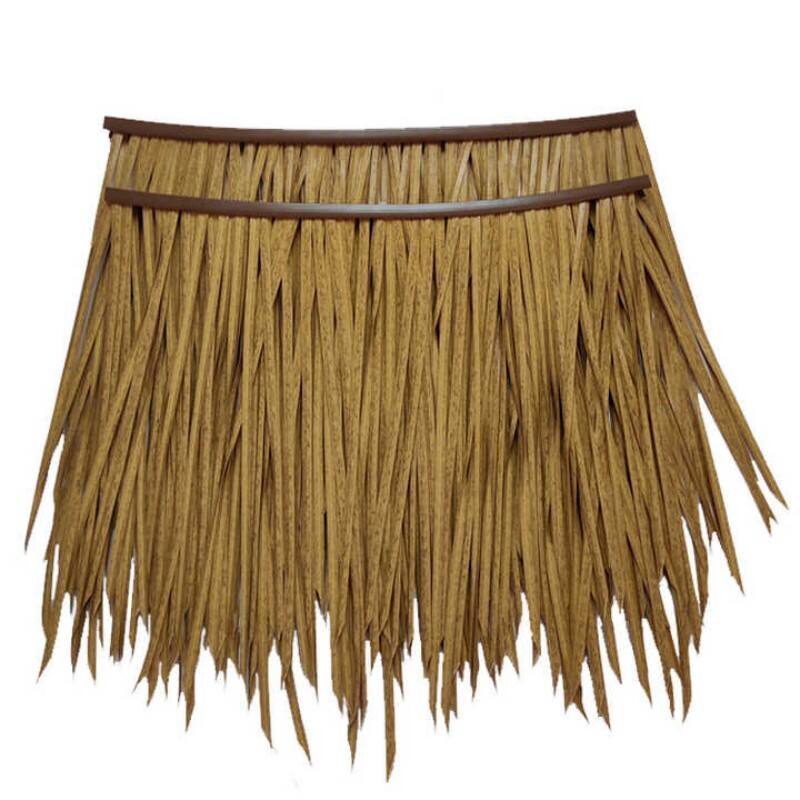
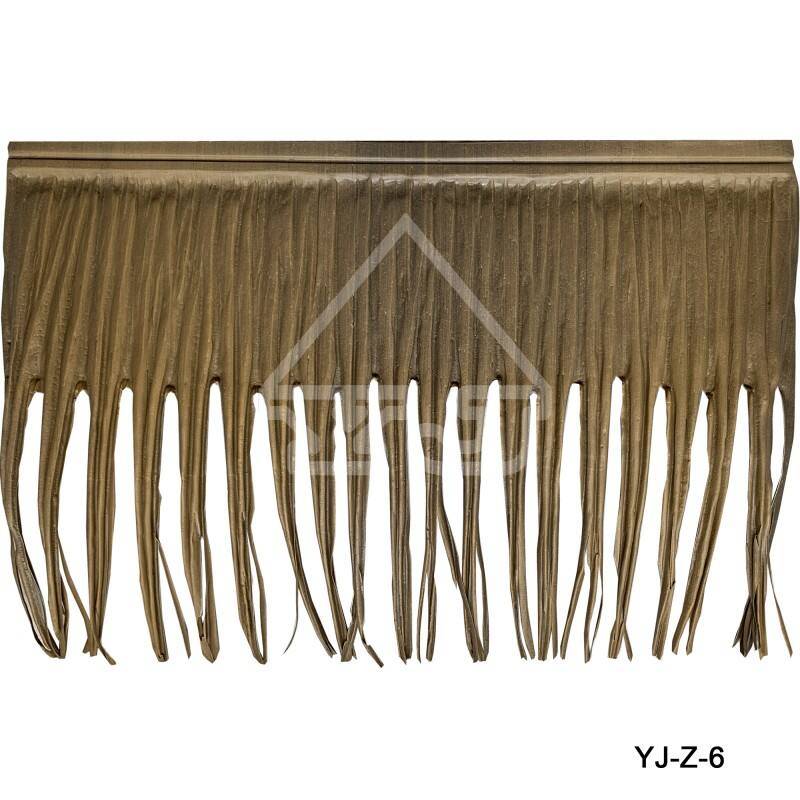
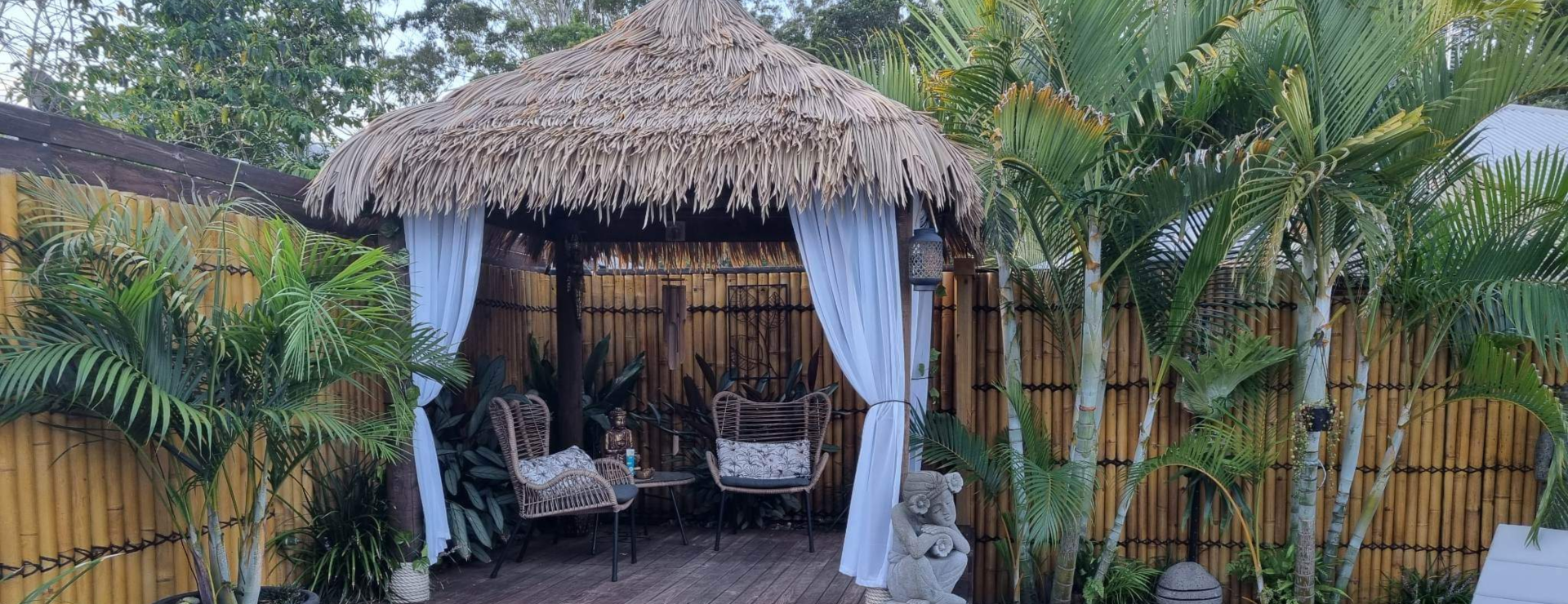
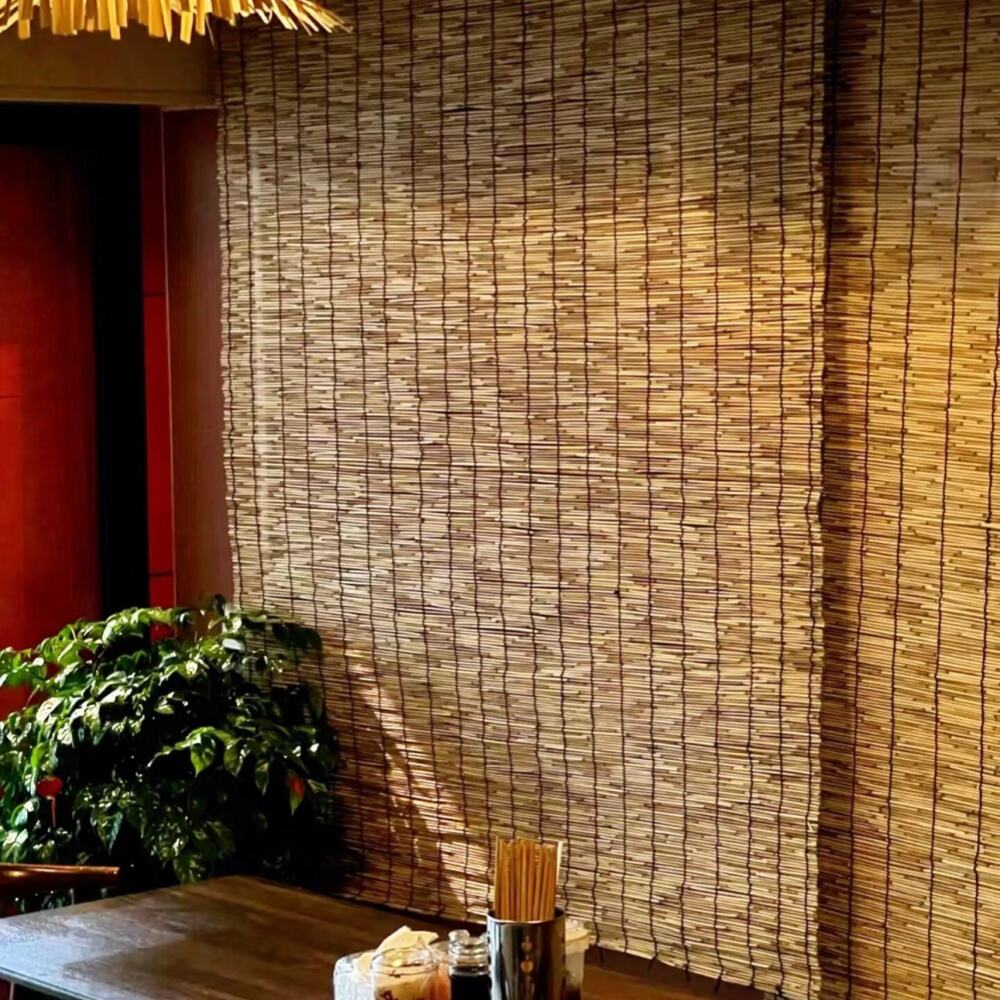
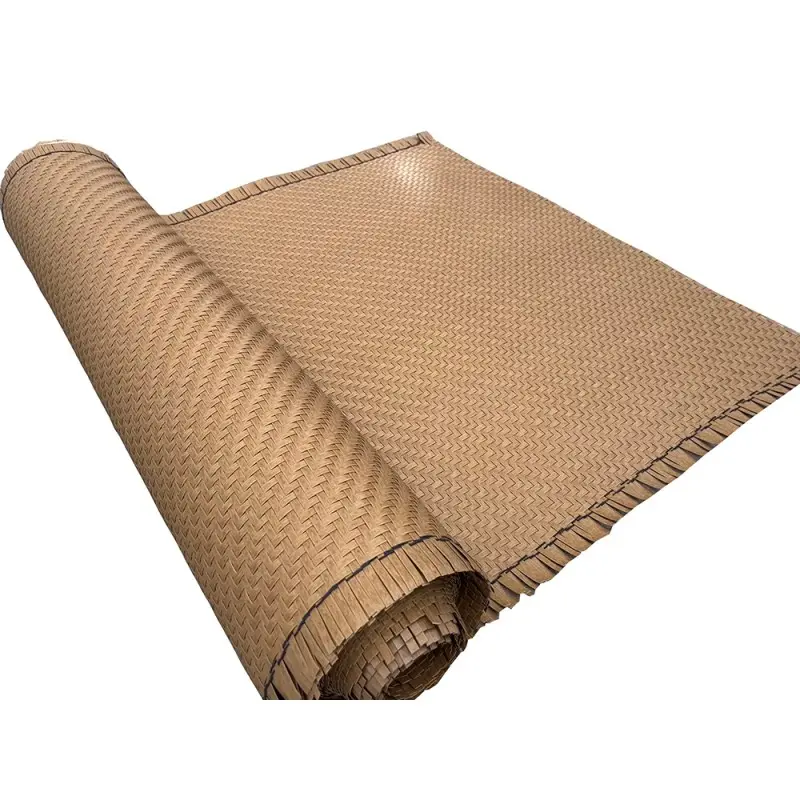
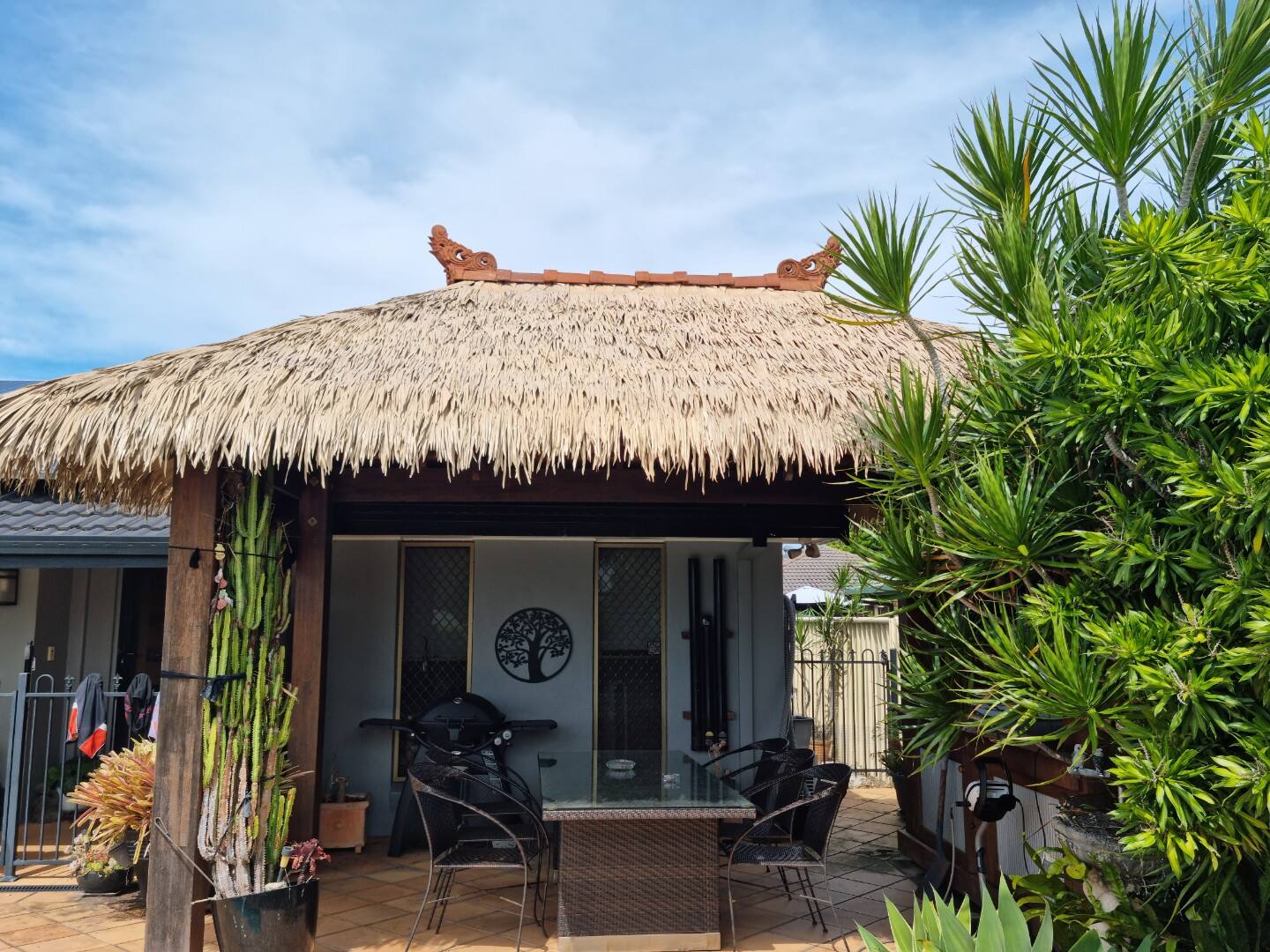
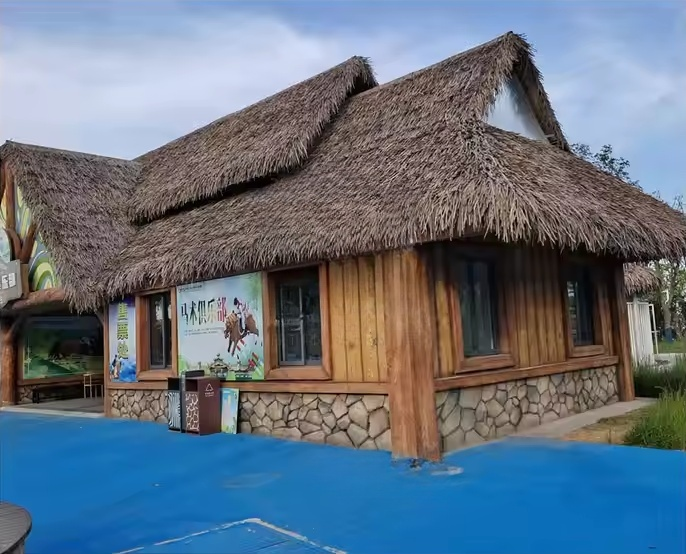
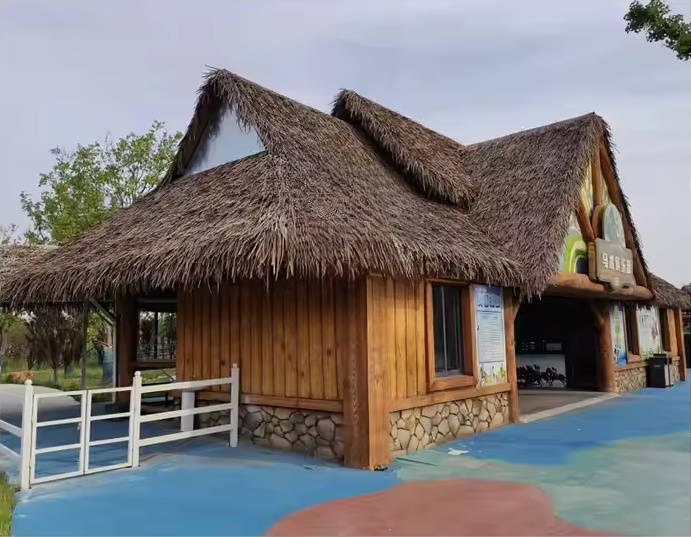
The rattan weaving pattern represents a sophisticated crafting technique that transforms natural rattan fibers into durable, flexible, and aesthetically pleasing structures. This traditional method involves interlacing rattan strips in systematic arrangements to create strong, lightweight materials suitable for furniture, baskets, decorative items, and architectural elements. The rattan weaving pattern capitalizes on rattan's inherent properties of flexibility, strength, and natural beauty while providing enhanced structural integrity through strategic interlacing techniques. The primary functions of rattan weaving patterns encompass structural support, aesthetic enhancement, and functional versatility. These patterns distribute weight evenly across surfaces, preventing stress concentration points that could lead to material failure. The technological features of rattan weaving patterns include precise spacing calculations, tension control mechanisms, and moisture management systems. Advanced weaving techniques incorporate multiple rattan strand thicknesses, creating graduated strength zones that optimize performance for specific applications. The interlocking nature of these patterns creates natural expansion joints that accommodate temperature and humidity variations without compromising structural integrity. Applications for rattan weaving patterns span residential furniture, commercial installations, outdoor structures, and artistic creations. Modern manufacturing processes have refined traditional rattan weaving patterns through computerized design systems and automated production equipment. Quality control measures ensure consistent pattern execution, maintaining the balance between aesthetic appeal and functional performance. The rattan weaving pattern industry continues evolving through sustainable harvesting practices, innovative finishing techniques, and hybrid material combinations that expand application possibilities while preserving traditional craftsmanship values.

Popular Products

Rattan weaving patterns deliver exceptional durability that surpasses many synthetic alternatives while maintaining environmental sustainability credentials that modern consumers increasingly demand. The natural flexibility of rattan allows these patterns to withstand dynamic loads and environmental stresses without cracking or breaking, making them ideal for high-use applications. This resilience translates directly into cost savings for consumers who invest in rattan weaving pattern products, as replacement frequencies decrease significantly compared to alternative materials. The breathability inherent in rattan weaving patterns creates superior comfort in furniture applications, allowing air circulation that prevents moisture buildup and maintains user comfort across varying climate conditions. Manufacturing processes for rattan weaving patterns require minimal energy consumption compared to plastic or metal alternatives, resulting in lower carbon footprints and reduced environmental impact. The lightweight characteristics of rattan weaving patterns facilitate easy transportation, installation, and repositioning, providing practical benefits for both commercial and residential users. Maintenance requirements for rattan weaving pattern products remain minimal, typically requiring only periodic cleaning and occasional protective treatments to maintain optimal appearance and performance. The natural antimicrobial properties of rattan contribute to healthier indoor environments by inhibiting bacterial and fungal growth, particularly beneficial for furniture and storage applications. Aesthetic versatility allows rattan weaving patterns to complement diverse design styles, from traditional to contemporary, providing designers and consumers with flexible styling options. Cost effectiveness emerges through competitive pricing structures that reflect efficient production processes and abundant raw material availability. The renewable nature of rattan ensures sustainable supply chains that support long-term product availability while promoting responsible forestry practices. Customization capabilities enable manufacturers to adjust rattan weaving patterns for specific applications, accommodating unique dimensional requirements, load specifications, and aesthetic preferences without significant cost premiums.

Practical Tips

How to Enhance Commercial Building Durability with Synthetic Palm Leaf Thatch

27

Nov

How to Enhance Commercial Building Durability with Synthetic Palm Leaf Thatch

Commercial buildings in tropical and subtropical regions face unique challenges when it comes to maintaining aesthetic appeal while ensuring long-term durability. Traditional roofing and decorative materials often fall short when exposed to intense U...
View More
Trends in Using Rattan Weave Materials for Furniture and Roof Decoration

06

Nov

Trends in Using Rattan Weave Materials for Furniture and Roof Decoration

The design world is experiencing a remarkable renaissance in natural materials, with rattan weave materials emerging as a dominant force in contemporary furniture and architectural applications. This revival represents more than just aesthetic prefer...
View More
Durability and Maintenance Methods of Rattan Weave

17

Dec

Durability and Maintenance Methods of Rattan Weave

Rattan weave has emerged as one of the most sought-after materials in contemporary architecture and interior design, offering a perfect blend of natural aesthetics and functional durability. This versatile material combines traditional craftsmanship ...
View More
Performance Differences Between Synthetic Thatch and Natural Thatch

11

Dec

Performance Differences Between Synthetic Thatch and Natural Thatch

Traditional thatched roofing has evolved significantly over the centuries, transitioning from purely natural materials to innovative synthetic alternatives that offer enhanced durability and performance. Modern construction projects increasingly face...
View More

Get a Free Quote

Our representative will contact you soon.
Email
Name
Company Name
Message
0/1000

rattan weaving pattern

Superior Structural Integrity Through Advanced Interlacing Technology

Superior Structural Integrity Through Advanced Interlacing Technology

The rattan weaving pattern employs sophisticated interlacing technology that creates unparalleled structural integrity through distributed load management and enhanced material cohesion. This advanced technique involves precisely calculated intersection points where individual rattan strands cross, creating a network of mutual support that amplifies the strength characteristics of each component fiber. The engineering principles behind rattan weaving patterns utilize tension distribution mechanics that prevent localized stress concentrations, significantly extending product lifespan and maintaining consistent performance under varying load conditions. Manufacturing precision ensures that each intersection point maintains optimal contact pressure, preventing slippage while allowing controlled flexibility that accommodates natural material expansion and contraction cycles. The interlacing geometry creates natural shock absorption properties that protect both the structure and its contents from impact damage, making rattan weaving pattern products exceptionally suitable for high-traffic environments and dynamic loading scenarios. Quality control protocols verify intersection alignment accuracy, ensuring that each rattan weaving pattern maintains consistent strength characteristics throughout its entire surface area. Advanced testing procedures validate load-bearing capacities under multiple stress vectors, confirming that these patterns exceed industry standards for structural performance. The redundant support network inherent in rattan weaving patterns provides fail-safe characteristics where individual strand failure does not compromise overall structural integrity, offering users enhanced safety margins and extended service life. This technological sophistication transforms traditional craftsmanship into modern engineering solutions that meet contemporary performance requirements while preserving the natural aesthetic appeal that makes rattan weaving patterns distinctively attractive.
Environmental Sustainability and Renewable Resource Management

Environmental Sustainability and Renewable Resource Management

Rattan weaving patterns represent pinnacle environmental sustainability through responsible renewable resource management that supports both ecological preservation and economic development in source communities. The harvesting process for rattan follows sustainable forestry principles that promote forest regeneration while providing consistent raw material supplies for manufacturing operations. Unlike synthetic alternatives that require petroleum-based inputs and energy-intensive production processes, rattan weaving patterns utilize naturally occurring materials that sequester carbon throughout their growth cycle and continue providing environmental benefits during their functional lifespan. The biodegradable nature of rattan ensures that end-of-life disposal creates no persistent environmental contamination, allowing products to return safely to natural cycles without releasing toxic compounds or contributing to landfill accumulation. Manufacturing processes for rattan weaving patterns consume minimal energy compared to alternative materials, reducing carbon footprints and supporting climate change mitigation efforts. The lightweight characteristics of finished rattan weaving pattern products decrease transportation energy requirements, further reducing environmental impact across supply chain operations. Sustainable harvesting practices employed in rattan cultivation support biodiversity preservation by maintaining forest ecosystem integrity while providing economic incentives for conservation activities. Local communities benefit from rattan weaving pattern industries through employment opportunities that encourage forest preservation rather than destructive land use alternatives. Quality certification programs ensure that rattan sources meet environmental standards while supporting fair trade practices that promote social sustainability alongside environmental protection. The renewable growth cycle of rattan plants enables continuous production without depleting natural resources, creating truly sustainable manufacturing systems that can operate indefinitely without environmental degradation. These environmental advantages position rattan weaving patterns as responsible choices for environmentally conscious consumers seeking high-performance products that align with sustainability values.
Versatile Design Adaptability for Diverse Application Requirements

Versatile Design Adaptability for Diverse Application Requirements

The versatile design adaptability of rattan weaving patterns enables seamless integration across diverse application requirements while maintaining consistent performance characteristics and aesthetic appeal. This flexibility stems from the inherent modularity of weaving techniques that allow manufacturers to adjust pattern density, strand thickness, and geometric configurations to meet specific functional and aesthetic requirements without compromising structural integrity. Custom design capabilities accommodate unique dimensional specifications for specialized applications, enabling architects and designers to incorporate rattan weaving patterns into projects ranging from intimate residential spaces to large-scale commercial installations. The scalability of manufacturing processes supports both small-batch custom orders and high-volume production runs, providing cost-effective solutions for diverse market segments while maintaining quality consistency across all production scales. Pattern variation options include tight weaves for maximum durability, loose weaves for enhanced breathability, and decorative weaves that prioritize aesthetic impact while maintaining functional performance. Color customization through natural staining processes allows rattan weaving patterns to complement existing design schemes without requiring synthetic coatings that could compromise environmental benefits or natural material properties. The compatibility of rattan weaving patterns with various finishing techniques enables surface treatments that enhance weather resistance, fire retardancy, or antimicrobial properties depending on application requirements. Hybrid manufacturing approaches combine rattan weaving patterns with complementary materials such as metal frameworks or synthetic reinforcements, expanding application possibilities while preserving the natural aesthetic that distinguishes these products. Installation flexibility accommodates both permanent mounting systems and removable configurations, providing users with options for seasonal changes or evolving spatial requirements. The dimensional stability of properly executed rattan weaving patterns ensures consistent performance across varying environmental conditions, making them suitable for both indoor and outdoor applications without requiring different manufacturing specifications or specialized maintenance procedures.

Get a Free Quote

Our representative will contact you soon.
Email
Name
Company Name
Message
0/1000