wicker weaving
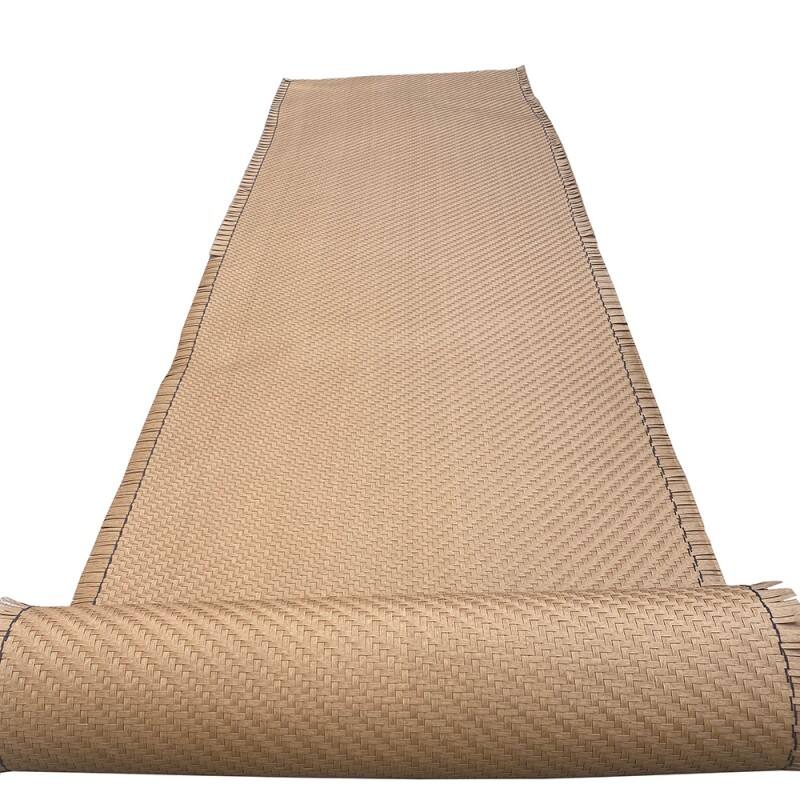
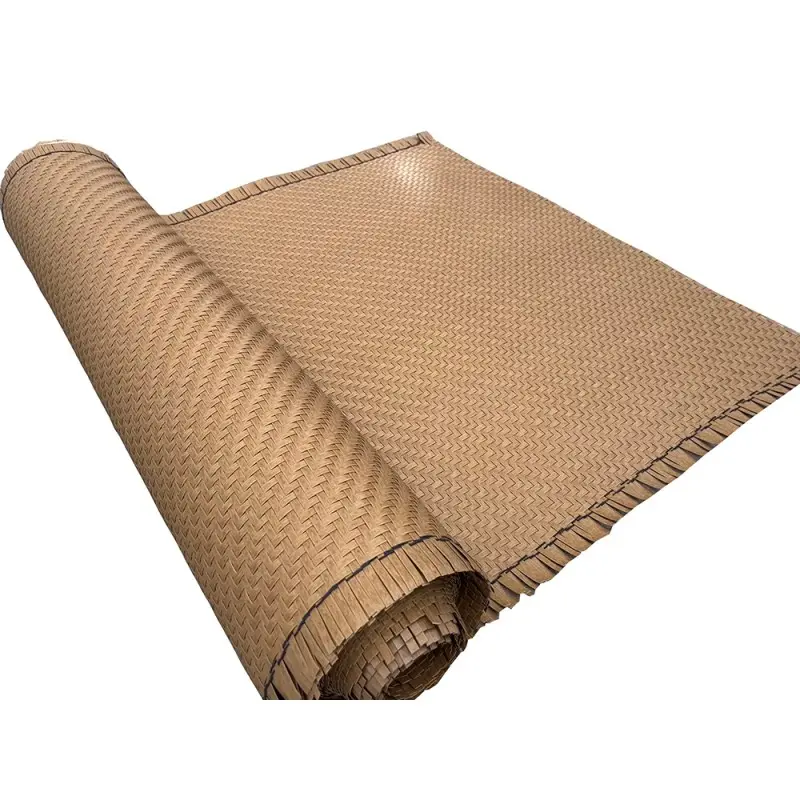
Wicker weaving represents one of humanity's oldest and most versatile crafting techniques, involving the interlacing of flexible materials to create functional and decorative items. This traditional method primarily uses natural materials such as willow branches, rattan, bamboo, reed, and various other pliable plant fibers. The core function of wicker weaving lies in transforming raw organic materials into durable, lightweight structures that serve both practical and aesthetic purposes. The technological foundation of wicker weaving relies on understanding material properties, moisture content management, and precise interlacing patterns that ensure structural integrity. Craftspeople must master various weaving techniques including plain weave, twill patterns, and specialized border finishes that determine the final product's strength and appearance. The process begins with material preparation, where harvested fibers undergo soaking, splitting, and sizing to achieve optimal flexibility. Modern wicker weaving incorporates both traditional hand techniques and contemporary tools that enhance precision and efficiency. Temperature and humidity control during the weaving process significantly impacts the final product quality, as materials must maintain proper moisture levels for effective manipulation. Applications for wicker weaving span numerous industries and household uses, from furniture manufacturing to decorative arts. Outdoor furniture represents a major application sector, where wicker weaving creates weather-resistant seating, tables, and storage solutions. Interior design increasingly embraces wicker weaving for its natural aesthetic and sustainable appeal. Basket making remains a cornerstone application, producing containers for storage, transportation, and display purposes. Architectural elements incorporating wicker weaving include room dividers, lighting fixtures, and decorative panels that add organic texture to modern spaces. The versatility of wicker weaving extends to specialized applications such as fishing traps, agricultural containers, and artistic installations. Contemporary designers integrate wicker weaving into fashion accessories, creating handbags, jewelry, and footwear that showcase the technique's adaptability.
 EN
EN