Natural Thatch Roofing: Sustainable, Energy-Efficient Traditional Roofing Solutions

Get a Free Quote

Our representative will contact you soon.
Email
Name
Company Name
Message
0/1000

natural thatch roofing

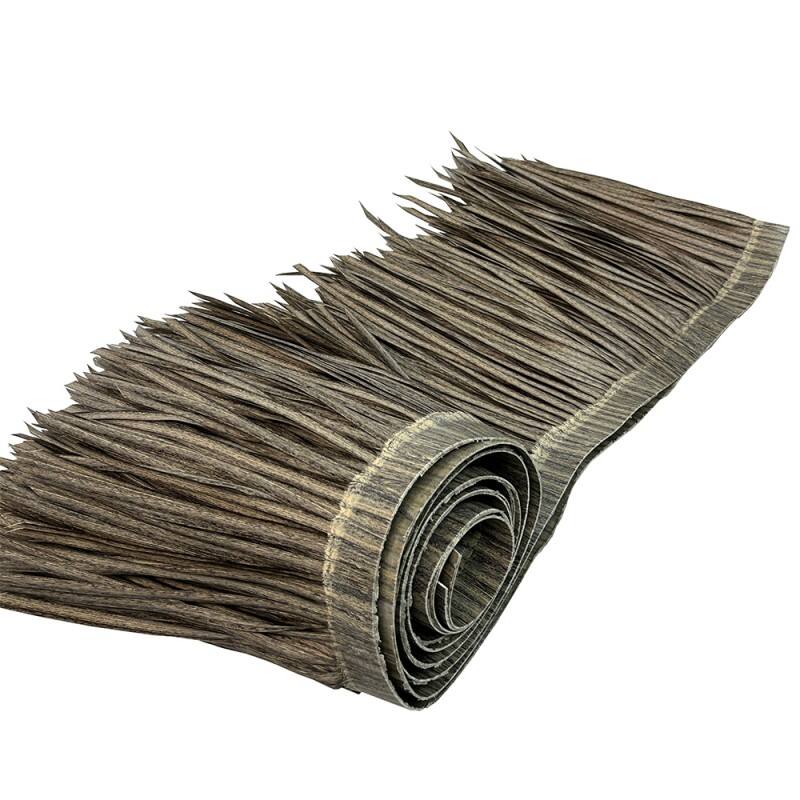
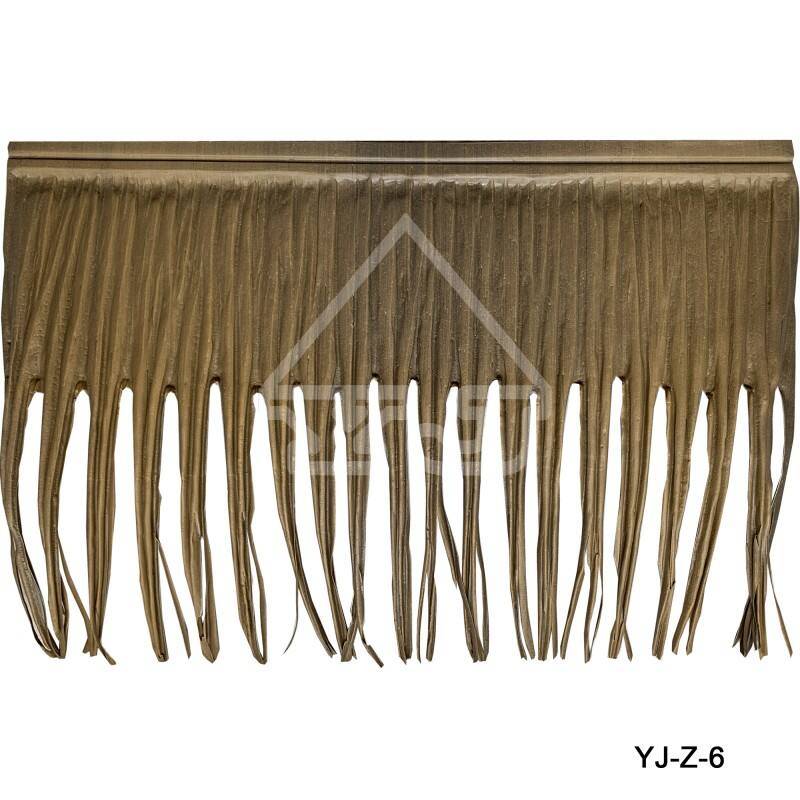
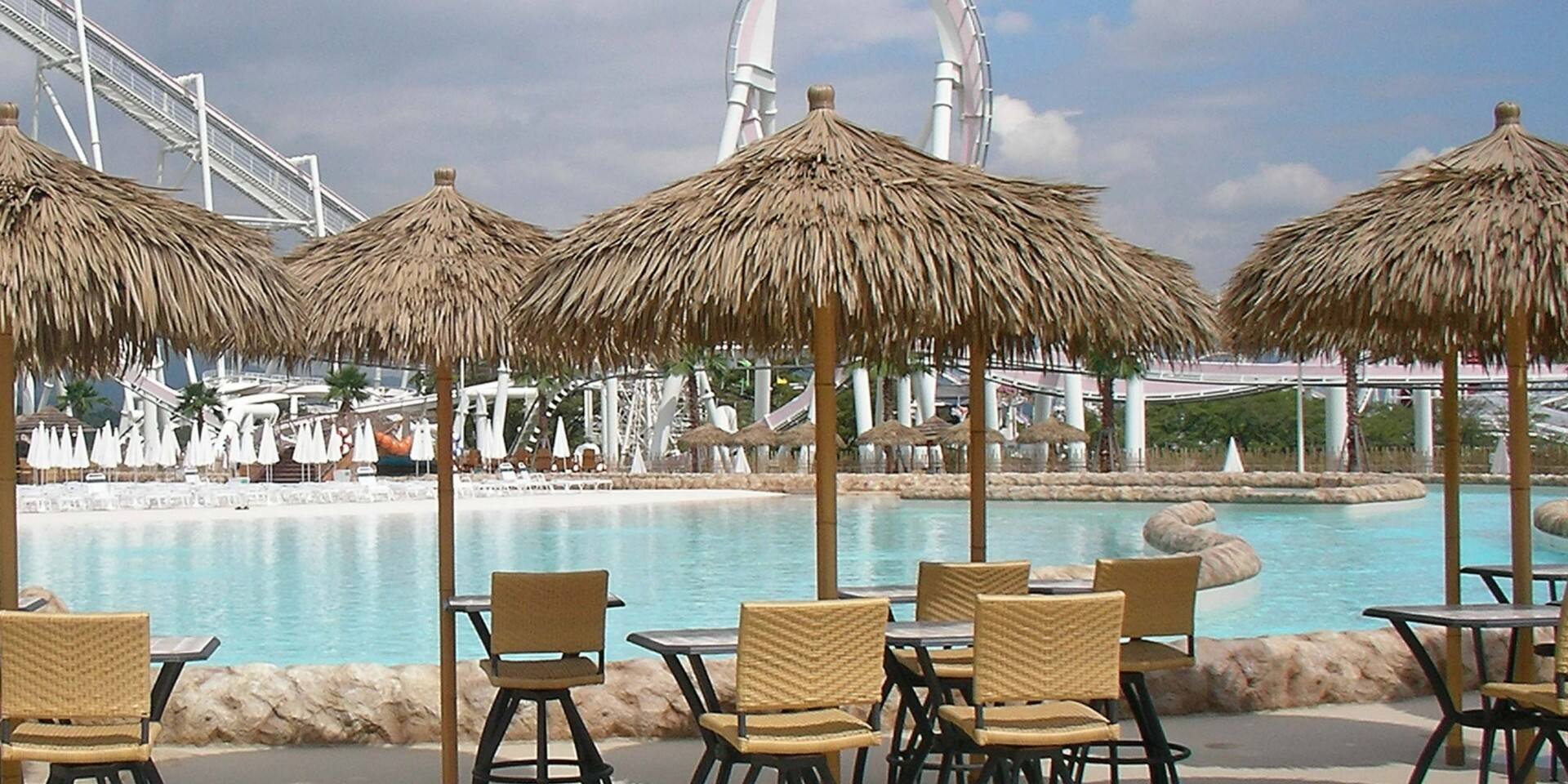
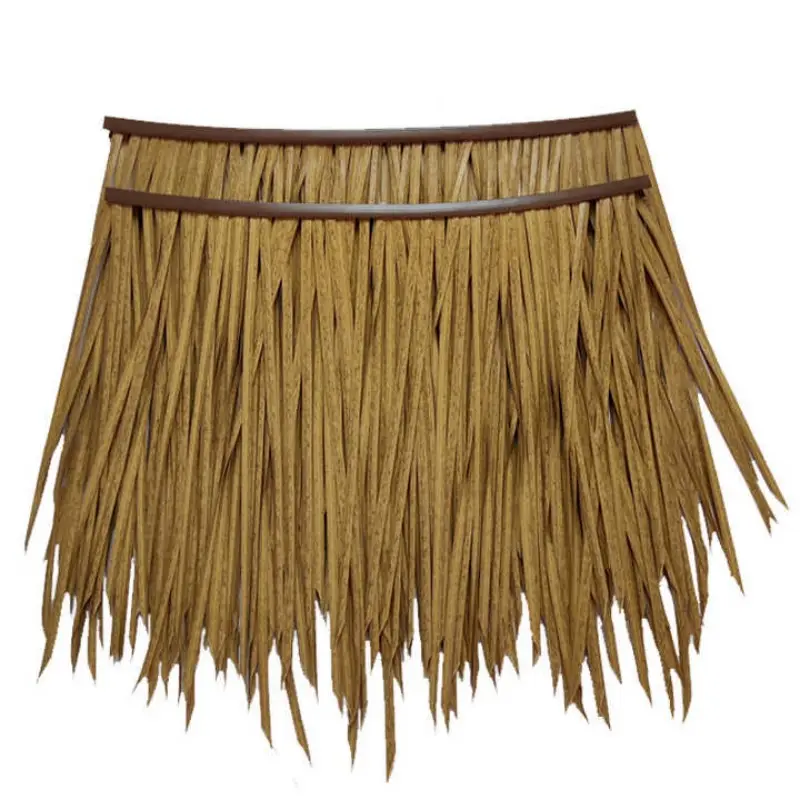
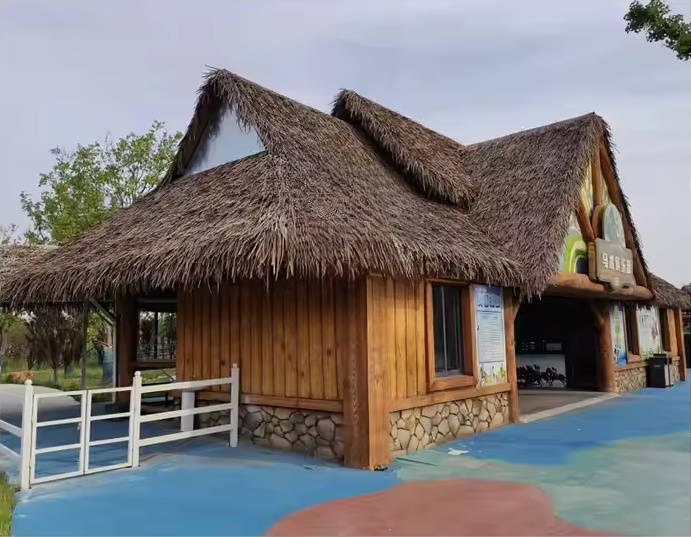
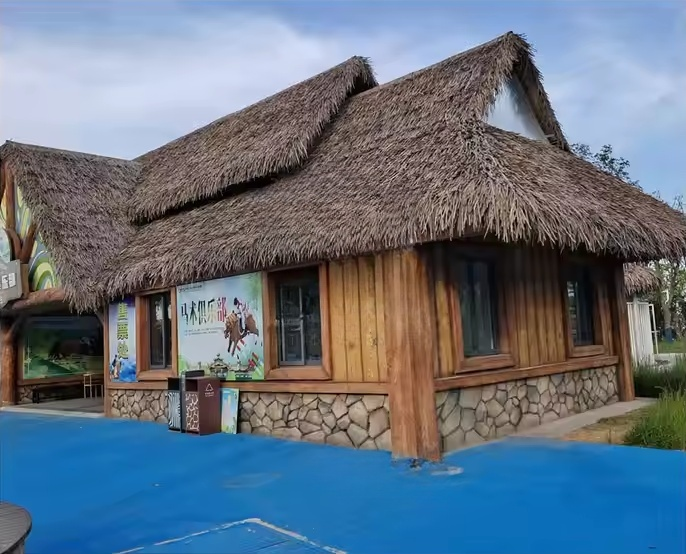
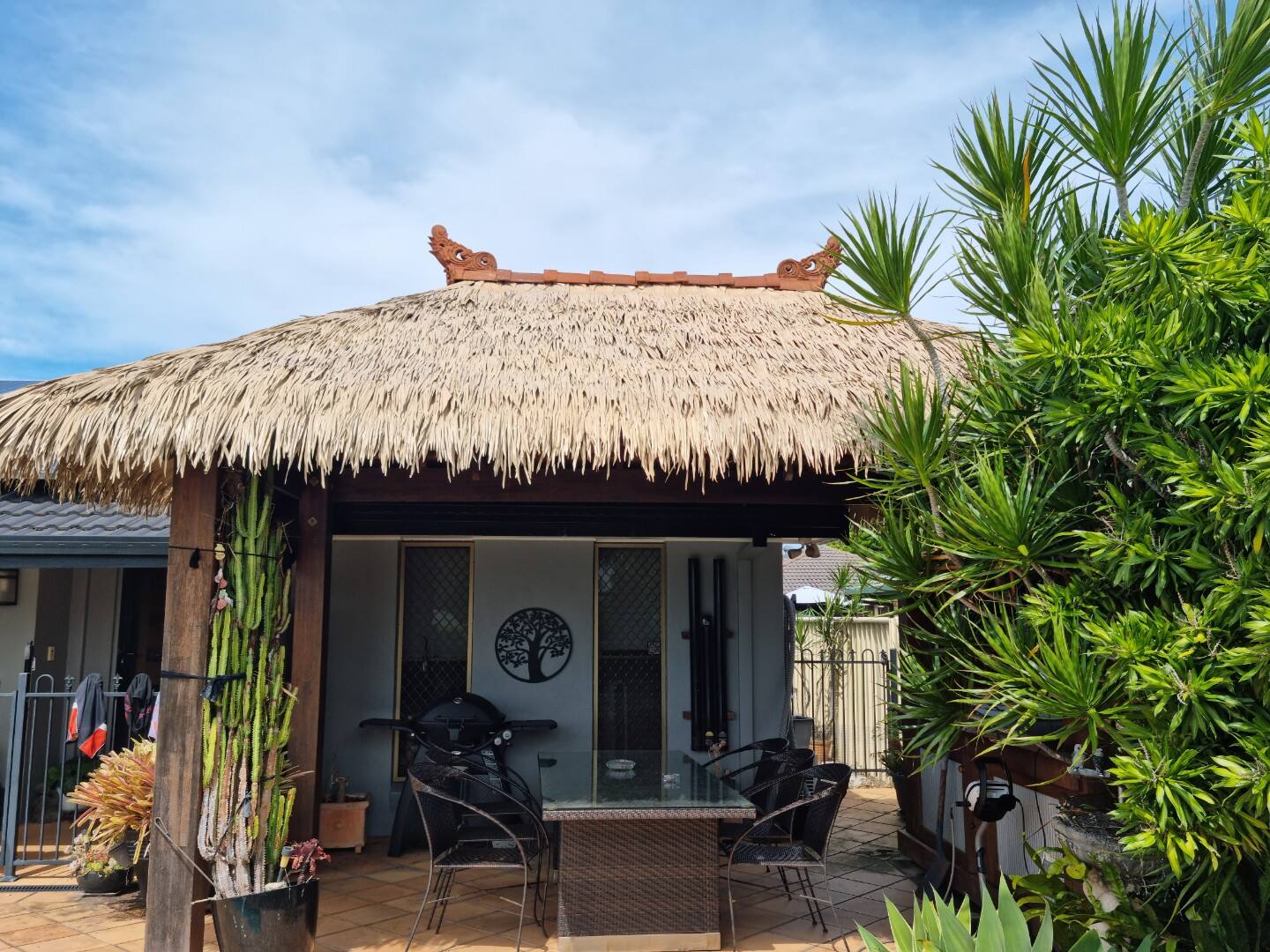
Natural thatch roofing represents one of humanity's oldest and most sustainable building techniques, utilizing organic materials like straw, reed, palm leaves, and grass to create protective roof coverings. This traditional roofing method has evolved over millennia, demonstrating remarkable resilience and adaptability across diverse climates and architectural styles. Natural thatch roofing systems primarily function as weatherproof barriers that shield buildings from rain, snow, wind, and harsh sunlight while providing exceptional insulation properties. The technological features of natural thatch roofing include its layered construction method, where skilled craftsmen carefully arrange organic materials in overlapping patterns that create natural water-shedding channels. The installation process requires specialized knowledge of material preparation, laying techniques, and proper angle calculations to ensure optimal water runoff. Modern natural thatch roofing incorporates advanced underlayment systems and fire-retardant treatments while maintaining traditional aesthetic appeal. The primary applications of natural thatch roofing span residential homes, commercial establishments, hospitality venues, and cultural heritage buildings. Rural cottages, eco-resorts, restaurants, and museums frequently choose natural thatch roofing for its authentic appearance and environmental benefits. Contemporary architects increasingly specify natural thatch roofing for sustainable building projects that prioritize renewable materials and energy efficiency. The versatility of natural thatch roofing allows for various ridge styles, decorative elements, and regional adaptations that reflect local building traditions. Geographic applications range from English countryside cottages to tropical beach resorts, demonstrating the global appeal and functionality of natural thatch roofing systems. The material selection for natural thatch roofing depends on local availability, climate conditions, and specific performance requirements, with wheat straw, water reed, and long straw being popular choices for different regions and applications.

New Products

Natural thatch roofing offers exceptional insulation properties that significantly reduce energy costs throughout the year. The thick layer of organic materials creates an effective thermal barrier that keeps buildings cool during summer months and warm during winter seasons. Property owners experience substantial savings on heating and cooling expenses because natural thatch roofing maintains consistent indoor temperatures without requiring extensive mechanical climate control systems. The breathable nature of natural thatch roofing allows moisture regulation, preventing condensation buildup that commonly plagues conventional roofing materials. Environmental sustainability makes natural thatch roofing an ideal choice for eco-conscious homeowners and developers committed to reducing carbon footprints. The renewable organic materials used in natural thatch roofing systems decompose naturally at the end of their lifecycle, unlike synthetic roofing products that contribute to landfill waste. Manufacturing processes for natural thatch roofing require minimal energy consumption compared to industrial production of metal, tile, or asphalt roofing alternatives. Aesthetic appeal represents another significant advantage of natural thatch roofing, creating distinctive architectural character that enhances property values and visual interest. The organic textures and natural color variations of natural thatch roofing complement both traditional and contemporary building designs, offering timeless beauty that ages gracefully. Durability and longevity characterize properly installed natural thatch roofing systems, with quality installations lasting 20-50 years depending on materials and maintenance practices. The flexible nature of natural thatch roofing accommodates building movement and settling without cracking or breaking like rigid roofing materials. Weather resistance capabilities of natural thatch roofing include excellent wind resistance due to the interlocked fiber structure that distributes loads evenly across the roof surface. Sound insulation benefits create peaceful indoor environments by dampening external noise from traffic, aircraft, and weather events. Natural thatch roofing requires fewer synthetic chemicals and preservatives compared to treated lumber or manufactured roofing products, promoting healthier indoor air quality for occupants.

Tips And Tricks

How to Evaluate Cost-Effectiveness of Artificial Thatch Roof for Commercial Projects

12

Nov

How to Evaluate Cost-Effectiveness of Artificial Thatch Roof for Commercial Projects

Commercial property developers and architects increasingly turn to alternative roofing solutions that combine aesthetic appeal with long-term durability. The artificial thatch roof has emerged as a compelling option for tropical resorts, entertainmen...
View More
Durability and Maintenance Methods of Rattan Weave

17

Dec

Durability and Maintenance Methods of Rattan Weave

Rattan weave has emerged as one of the most sought-after materials in contemporary architecture and interior design, offering a perfect blend of natural aesthetics and functional durability. This versatile material combines traditional craftsmanship ...
View More
Performance Differences Between Synthetic Thatch and Natural Thatch

11

Dec

Performance Differences Between Synthetic Thatch and Natural Thatch

Traditional thatched roofing has evolved significantly over the centuries, transitioning from purely natural materials to innovative synthetic alternatives that offer enhanced durability and performance. Modern construction projects increasingly face...
View More
Fire-Resistant and Waterproof Advantages of Synthetic Thatch Roof

05

Dec

Fire-Resistant and Waterproof Advantages of Synthetic Thatch Roof

Modern construction materials have revolutionized the roofing industry, offering innovative solutions that combine traditional aesthetics with contemporary performance standards. The synthetic thatch roof represents one of the most significant advanc...
View More

Get a Free Quote

Our representative will contact you soon.
Email
Name
Company Name
Message
0/1000

natural thatch roofing

Exceptional Thermal Performance and Energy Efficiency

Exceptional Thermal Performance and Energy Efficiency

Natural thatch roofing delivers outstanding thermal performance that surpasses many conventional roofing materials through its unique structural composition and organic properties. The thick layer of densely packed organic fibers creates multiple air pockets that function as natural insulation, effectively regulating indoor temperatures throughout seasonal variations. This exceptional thermal barrier reduces heat transfer by up to 60% compared to standard roofing materials, resulting in significant energy savings for property owners. During hot summer months, natural thatch roofing prevents excessive heat penetration, maintaining cooler indoor environments without over-reliance on air conditioning systems. The organic materials absorb and slowly release heat, creating a natural temperature moderation effect that enhances comfort while reducing energy consumption. Winter performance equally impressive, as natural thatch roofing retains interior warmth by minimizing heat loss through the roof structure. The breathable characteristics of natural thatch roofing prevent moisture buildup and condensation issues that commonly affect sealed roofing systems, maintaining healthy indoor air quality. Property owners report 30-50% reductions in heating and cooling costs after installing natural thatch roofing systems, with payback periods typically ranging from 5-8 years depending on local energy prices. The thermal mass properties of natural thatch roofing contribute to stable indoor temperatures by absorbing temperature fluctuations and gradually releasing stored thermal energy. Professional installation ensures optimal thermal performance by maintaining proper thickness, density, and layering techniques specific to local climate conditions. Modern natural thatch roofing incorporates advanced underlayment systems that enhance thermal efficiency while preserving traditional aesthetic qualities and environmental benefits that make this roofing choice increasingly popular among energy-conscious builders.
Sustainable and Environmentally Responsible Building Solution

Sustainable and Environmentally Responsible Building Solution

Natural thatch roofing represents the pinnacle of sustainable construction practices, utilizing 100% renewable organic materials that support environmental conservation and carbon footprint reduction. The harvesting process for natural thatch roofing materials involves cutting mature grasses and reeds that regenerate annually, creating a truly renewable resource cycle that supports local ecosystems and agricultural communities. Unlike synthetic roofing materials that require energy-intensive manufacturing processes and produce harmful emissions, natural thatch roofing materials grow naturally through photosynthesis, actually removing carbon dioxide from the atmosphere during their growth phase. The production and transportation of natural thatch roofing materials generate minimal environmental impact compared to manufacturing processes for metal, asphalt, or concrete roofing alternatives. Local sourcing opportunities for natural thatch roofing reduce transportation emissions while supporting regional economies and traditional craft skills. End-of-lifecycle disposal presents no environmental concerns since natural thatch roofing materials decompose completely, returning nutrients to soil systems without creating landfill waste or toxic residues. Biodiversity benefits emerge from natural thatch roofing cultivation, as reed beds and grasslands provide habitat for wildlife, birds, and beneficial insects that contribute to healthy ecosystems. Water management advantages include natural stormwater absorption by thatch crops during growing seasons, reducing flood risks and supporting groundwater recharge in agricultural areas. The carbon sequestration potential of natural thatch roofing extends beyond the growing phase, as installed materials continue storing captured carbon throughout their service life. Sustainable harvesting practices ensure renewable resource availability for future generations while maintaining traditional land management techniques that have sustained rural communities for centuries. Environmental certifications and green building standards increasingly recognize natural thatch roofing as a preferred sustainable material option for projects seeking LEED credits or similar environmental recognition programs.
Distinctive Aesthetic Appeal and Cultural Heritage Value

Distinctive Aesthetic Appeal and Cultural Heritage Value

Natural thatch roofing creates unparalleled aesthetic appeal that transforms ordinary buildings into architectural masterpieces with distinctive character and timeless charm. The organic textures, natural color variations, and handcrafted appearance of natural thatch roofing provide visual interest that synthetic materials cannot replicate, enhancing property values and creating memorable impressions for residents and visitors. Skilled thatchers employ traditional techniques passed down through generations to create decorative ridge patterns, sculptural elements, and regional styling that reflects local cultural heritage and craftsmanship traditions. The weathering process of natural thatch roofing develops beautiful patina effects over time, with color transitions from golden harvested tones to elegant silver-gray hues that complement surrounding landscapes and architectural elements. Customization possibilities with natural thatch roofing include various thickness applications, ridge decorations, and finishing techniques that allow property owners to achieve specific aesthetic goals while maintaining authentic traditional appearances. Tourism and hospitality industries particularly value natural thatch roofing for creating authentic experiences that attract visitors seeking connection with cultural heritage and traditional building methods. The romantic appeal of natural thatch roofing enhances residential properties by creating storybook cottage aesthetics that never go out of style, making homes more attractive to potential buyers and increasing market desirability. Photogenic qualities of natural thatch roofing make properties popular subjects for photography, marketing materials, and architectural publications, providing additional promotional value for commercial establishments. Regional variations in natural thatch roofing techniques create opportunities for architectural diversity while honoring local building traditions and available materials, from English longstraw methods to tropical palm thatching styles. The artisanal nature of natural thatch roofing installation preserves traditional craft skills and provides meaningful employment for skilled craftspeople who maintain these important cultural traditions. Property owners gain satisfaction from supporting traditional building methods while creating distinctive homes that stand out from conventional developments and contribute to architectural heritage preservation.

Get a Free Quote

Our representative will contact you soon.
Email
Name
Company Name
Message
0/1000