thatch roofing
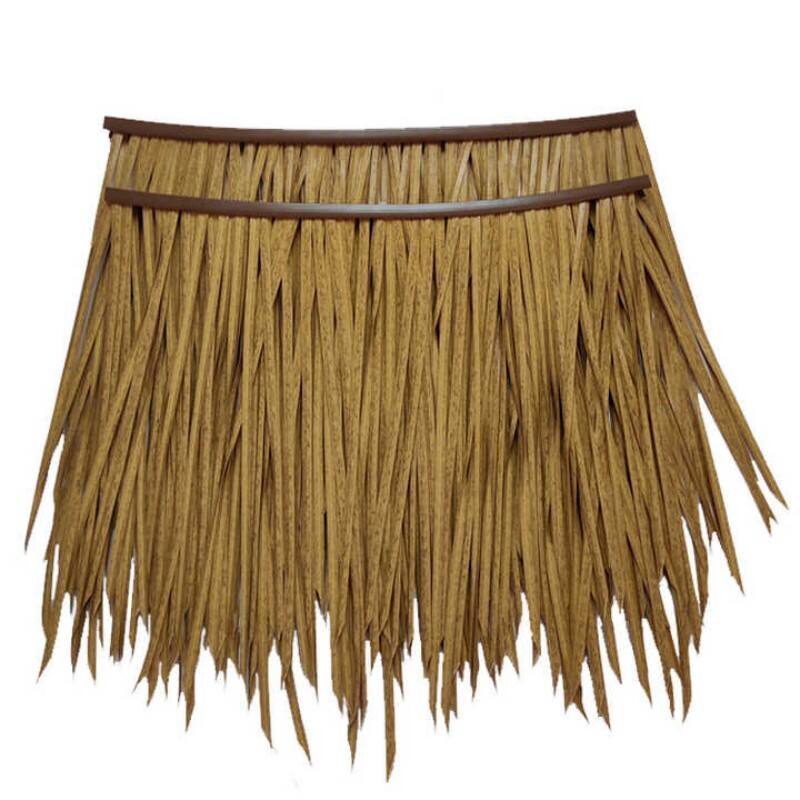
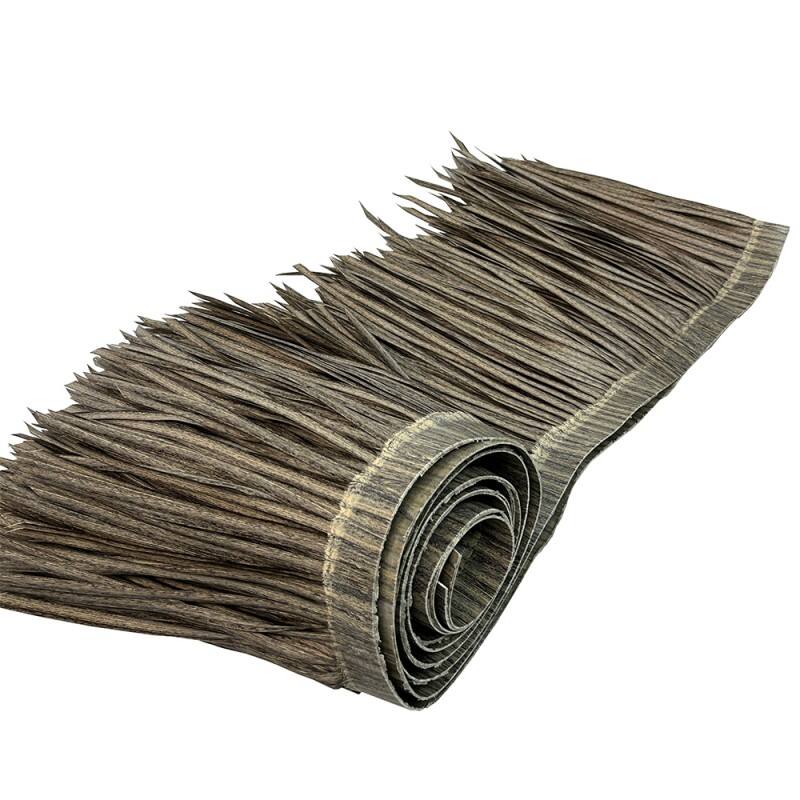
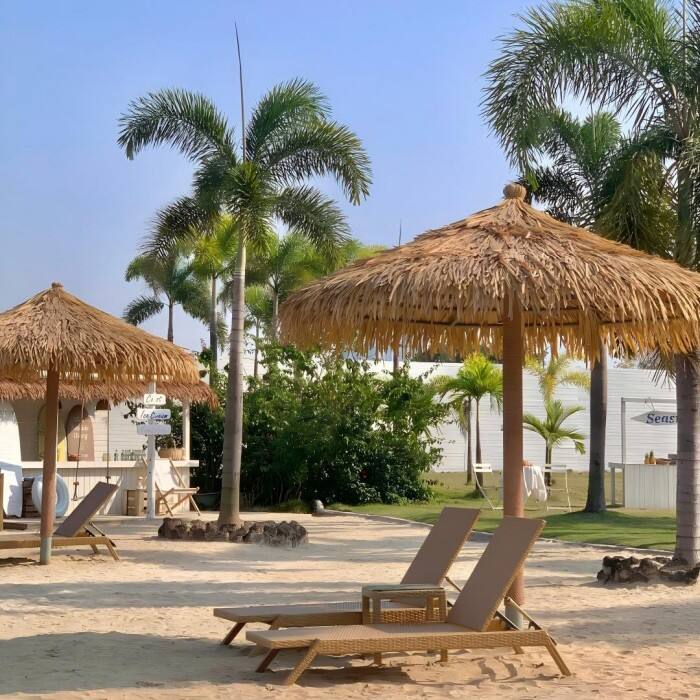
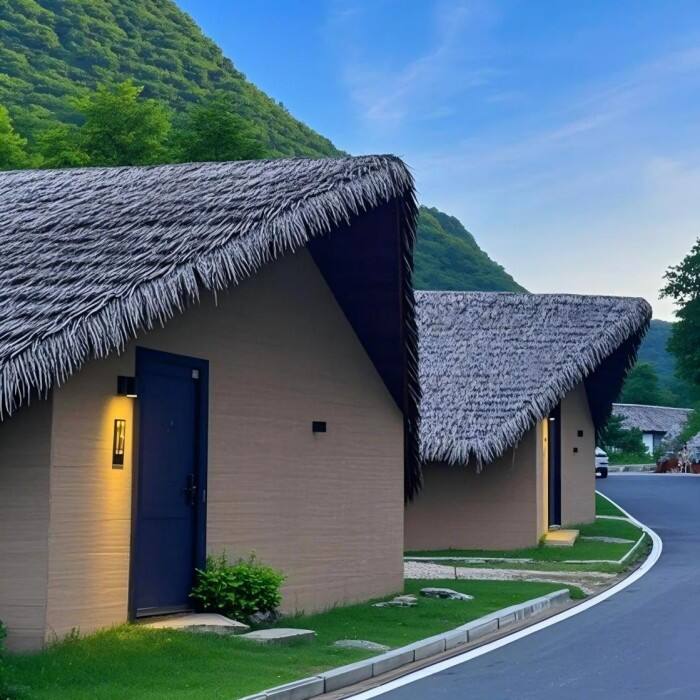
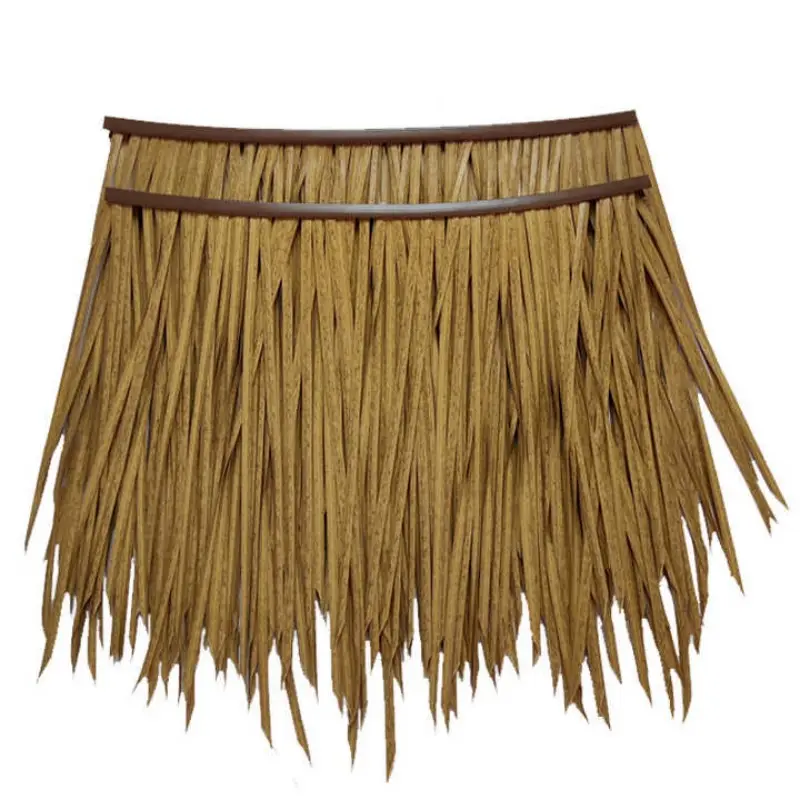
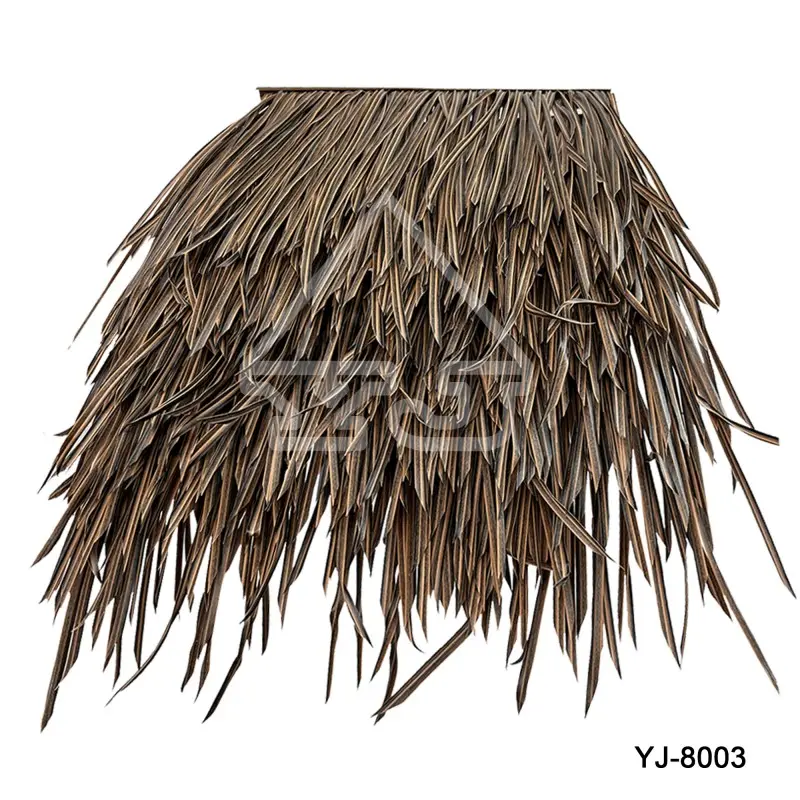
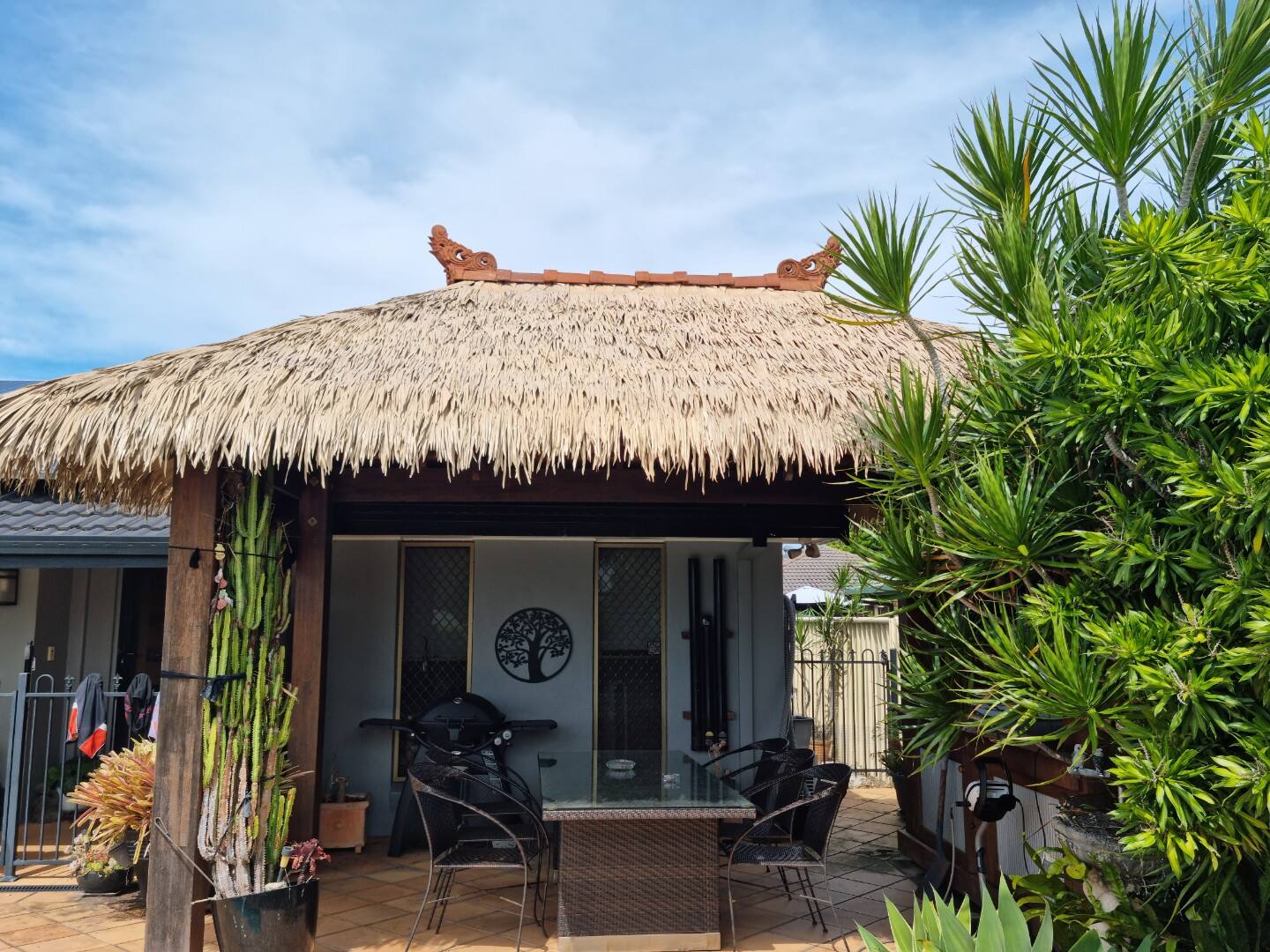
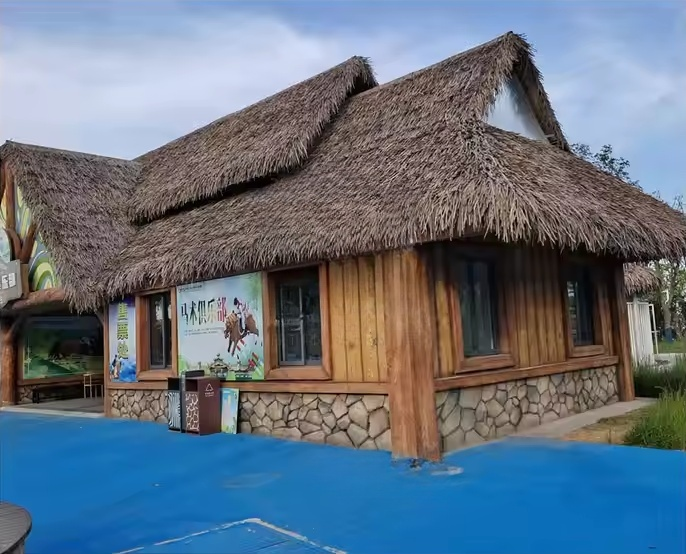
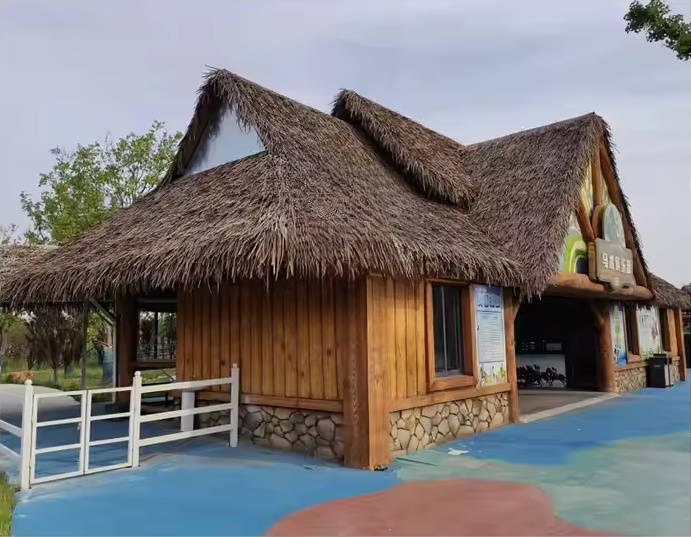
Thatch roofing represents one of humanity's oldest and most sustainable building techniques, utilizing natural materials such as straw, reed, palm leaves, or grass to create protective overhead coverage for residential and commercial structures. This traditional roofing method involves carefully layering organic materials in overlapping patterns that effectively shed water while providing exceptional insulation properties. The primary function of thatch roofing centers on weather protection, creating a barrier against rain, snow, wind, and extreme temperatures through its dense, interwoven construction. Technological features of thatch roofing include its natural breathability, which allows moisture vapor to escape while preventing water penetration, and its remarkable thermal mass properties that maintain consistent indoor temperatures throughout seasonal changes. The installation process requires specialized craftsmanship, where skilled thatchers use time-tested techniques to secure materials using wire, wooden battens, or traditional binding methods. Modern thatch roofing applications extend beyond rural cottages to include luxury resorts, eco-friendly developments, restaurants, and heritage restoration projects. The versatility of thatch roofing materials allows adaptation to various architectural styles and climate conditions worldwide. Contemporary applications often incorporate fire-retardant treatments and improved underlayment systems to meet current building codes while preserving traditional aesthetics. Thatch roofing excels in regions with abundant natural materials and moderate precipitation levels, making it particularly suitable for coastal areas, temperate climates, and tropical environments. The technology behind effective thatch roofing relies on proper pitch angles, typically ranging from 45 to 50 degrees, ensuring optimal water runoff and longevity. Quality thatch roofing installations can last 15 to 40 years depending on materials used, local weather conditions, and maintenance practices, making it a viable long-term roofing solution for environmentally conscious property owners seeking authentic, sustainable building materials.
 EN
EN