synthetic thatch roof exporter
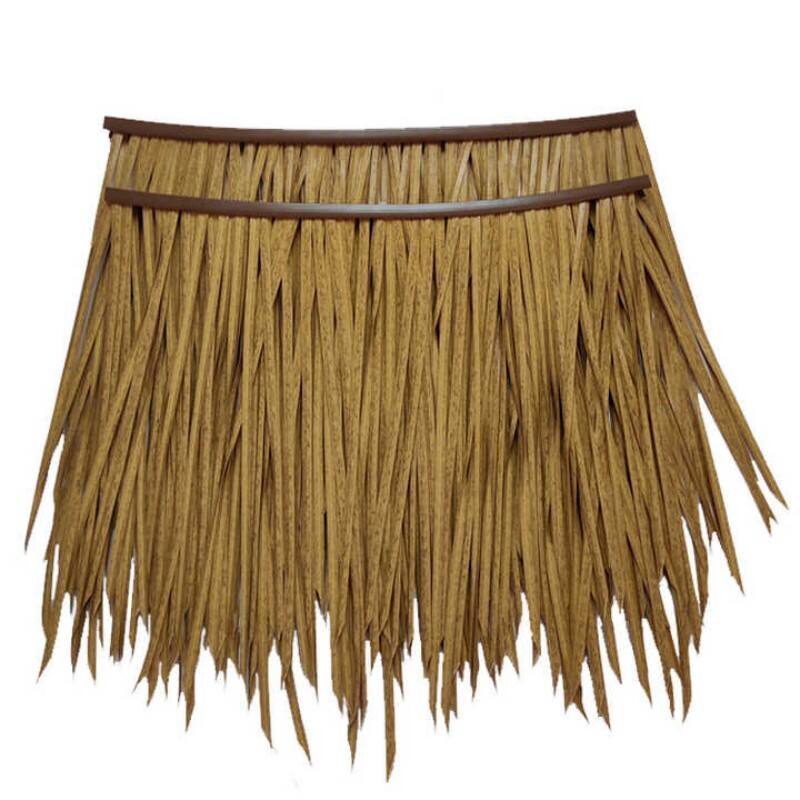
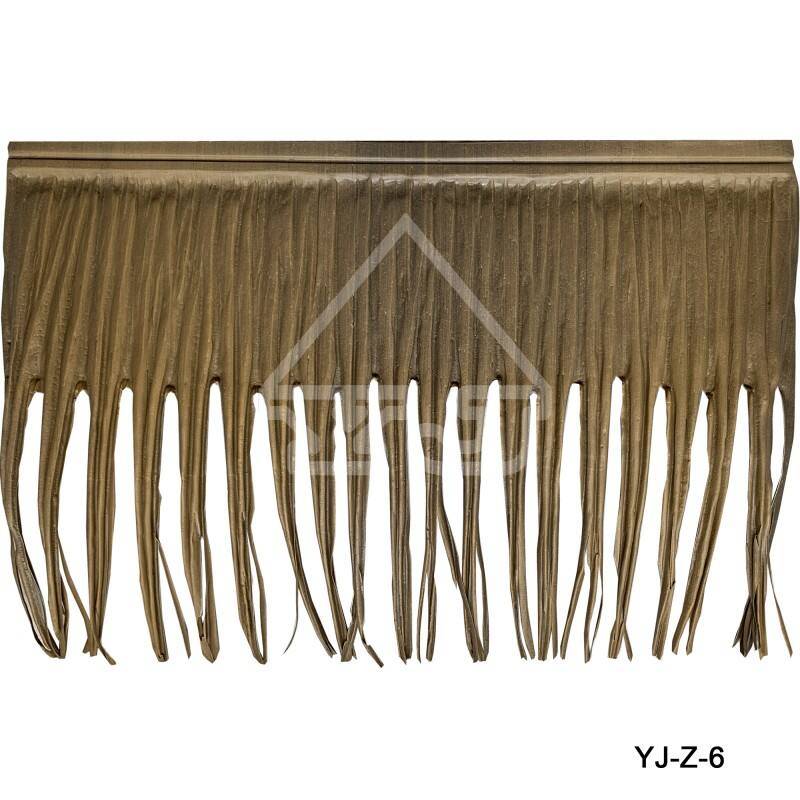
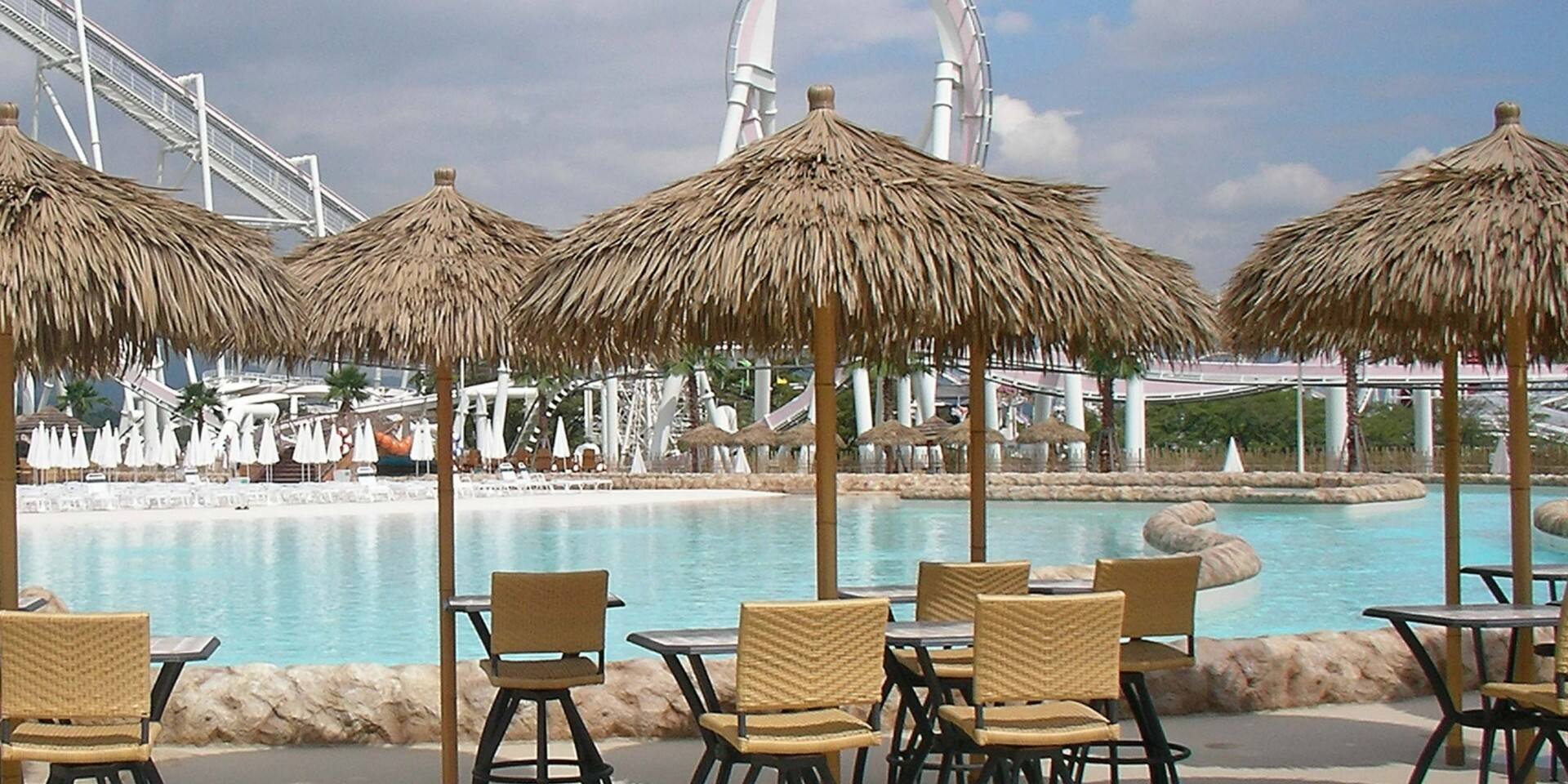
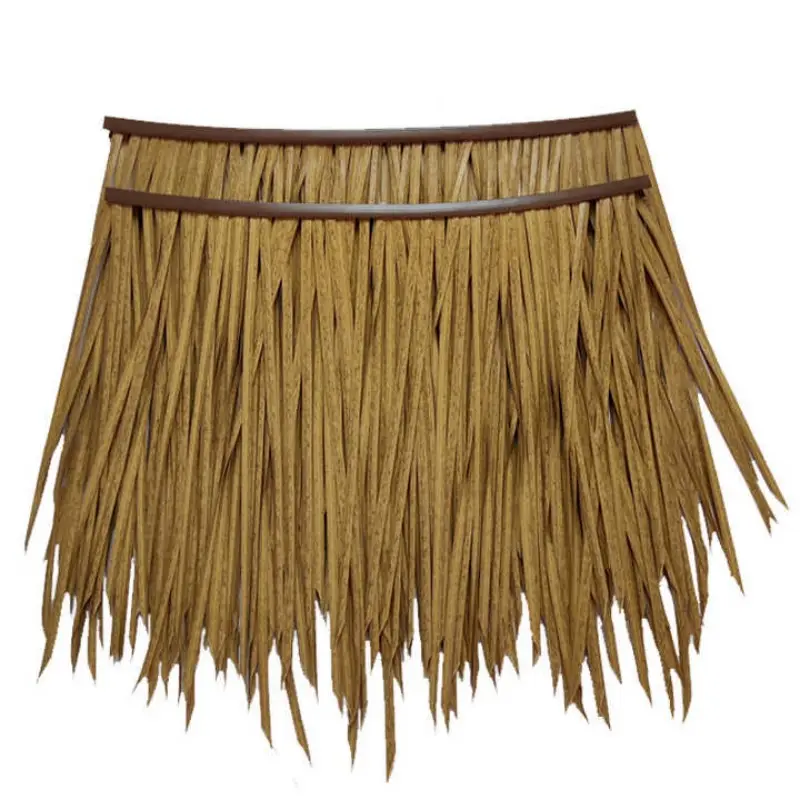
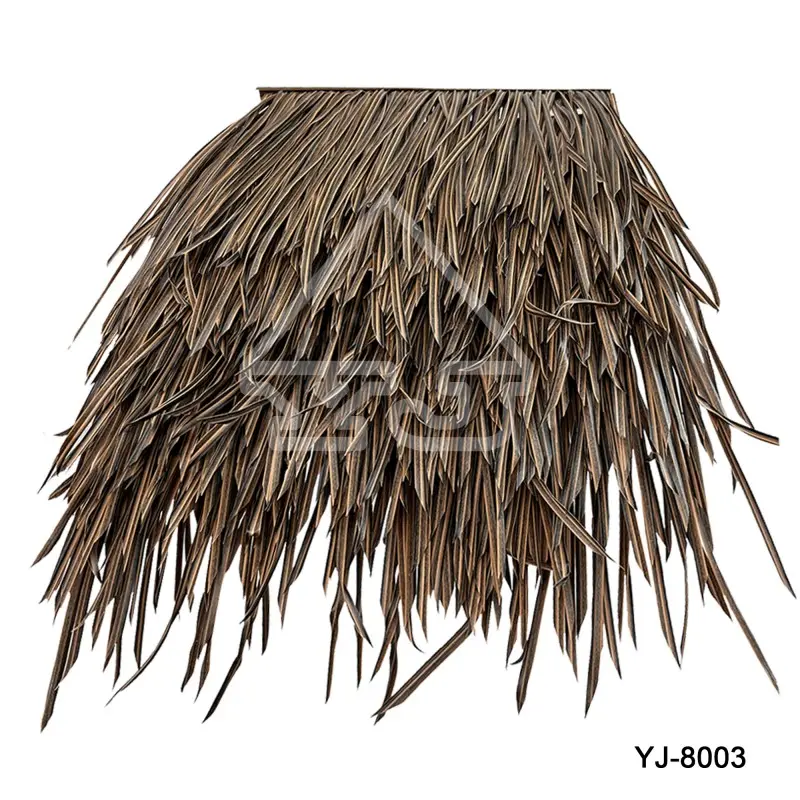
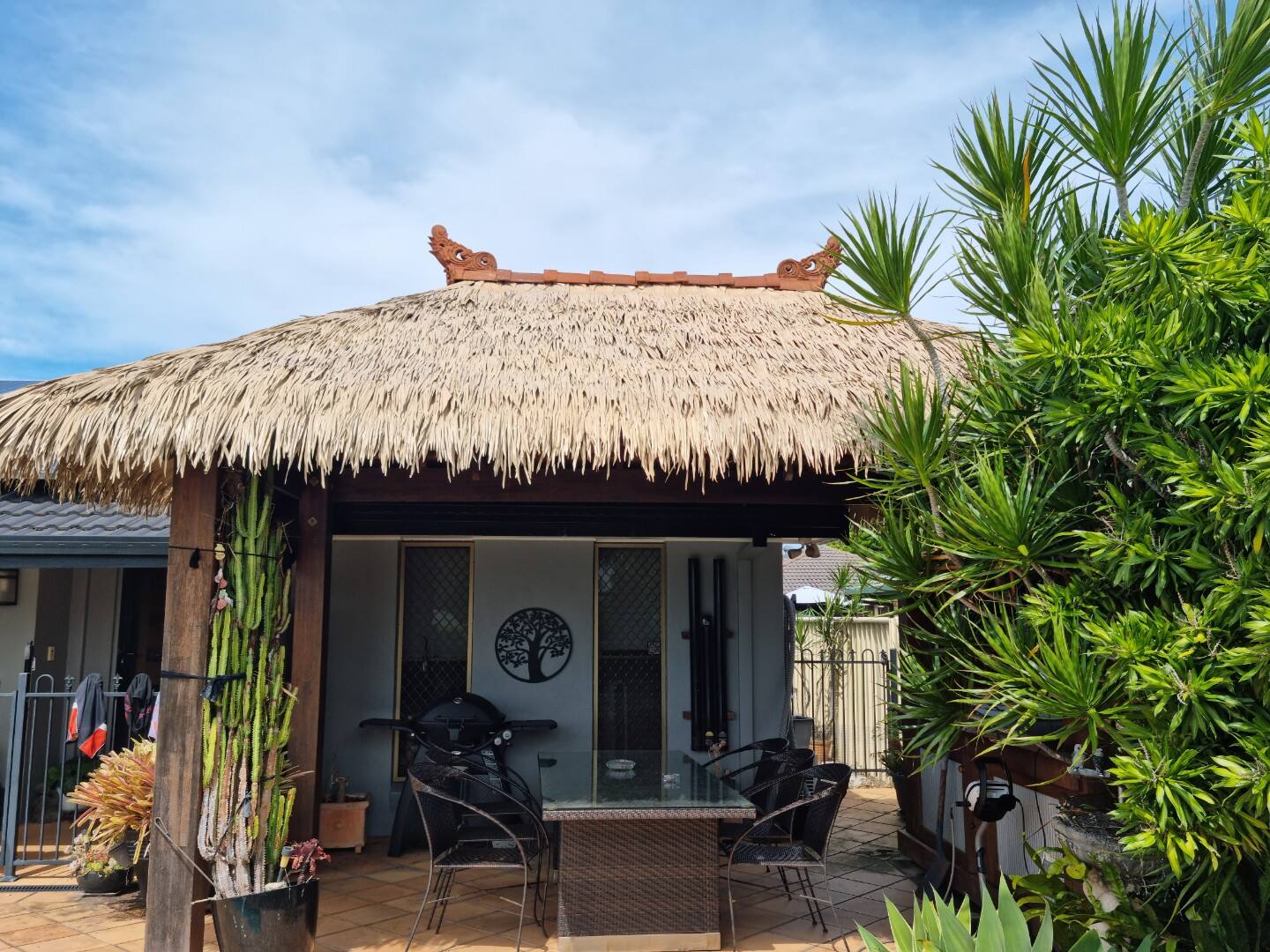
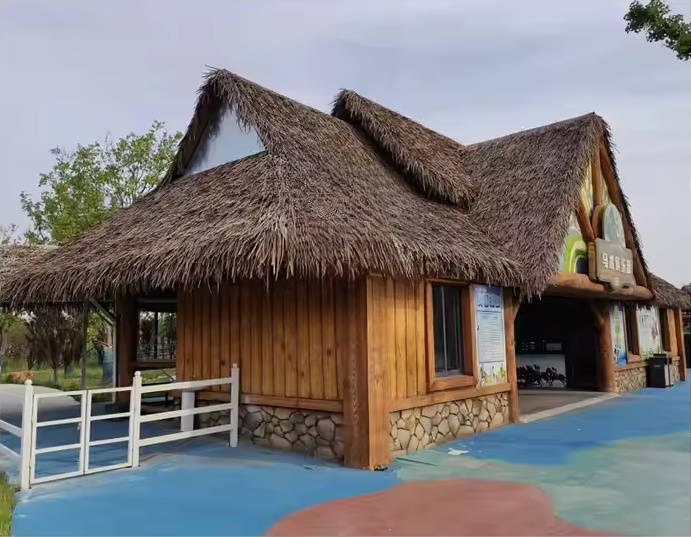
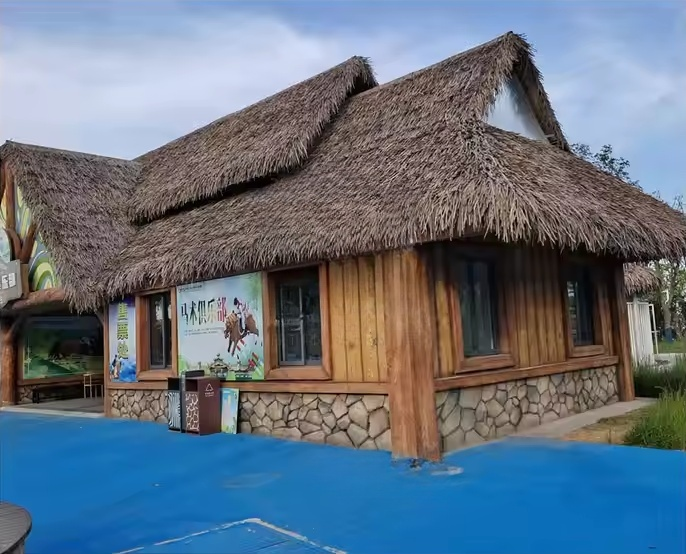
A synthetic thatch roof exporter represents a specialized business entity that manufactures, distributes, and supplies artificial thatching materials to global markets. These exporters have revolutionized traditional roofing solutions by developing advanced synthetic alternatives that replicate the aesthetic appeal of natural thatch while eliminating many inherent drawbacks. The primary function of a synthetic thatch roof exporter involves creating realistic-looking roofing materials using durable polymers, recycled plastics, and weather-resistant compounds. These companies employ sophisticated manufacturing processes that combine injection molding, UV stabilization treatments, and color-matching technologies to produce thatch panels that closely resemble natural reed, straw, or palm materials. The technological features of modern synthetic thatch include fire-retardant properties, fade-resistant coloration systems, interlocking panel designs, and lightweight construction that reduces structural load requirements. Advanced synthetic thatch roof exporters utilize computer-aided design software to create custom panel configurations, ensuring seamless installation across various architectural styles. The manufacturing process incorporates multi-layer construction techniques that enhance durability while maintaining authentic texture and appearance. Applications for synthetic thatch roofing span residential developments, commercial hospitality projects, theme parks, restaurants, resorts, and architectural restoration projects. These exporters serve markets worldwide, providing solutions for tropical resort construction, heritage building renovations, and contemporary homes seeking distinctive roofing aesthetics. The export business model involves establishing distribution networks, maintaining quality control standards, and providing technical support for installation teams. Leading synthetic thatch roof exporters invest heavily in research and development to improve product longevity, weather resistance, and installation efficiency. They work closely with architects, contractors, and property developers to customize solutions that meet specific regional requirements and building codes.
 EN
EN