Synthetic vs Natural Thatch Appearance: Complete Comparison Guide for Modern Roofing Solutions

Get a Free Quote

Our representative will contact you soon.
Email
Name
Company Name
Message
0/1000

synthetic vs natural thatch appearance

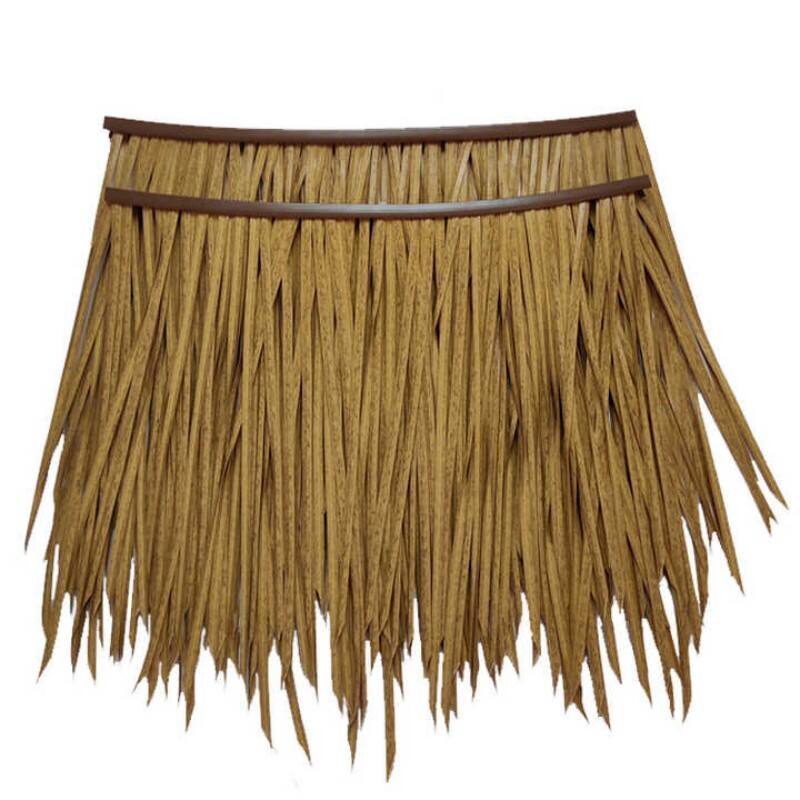
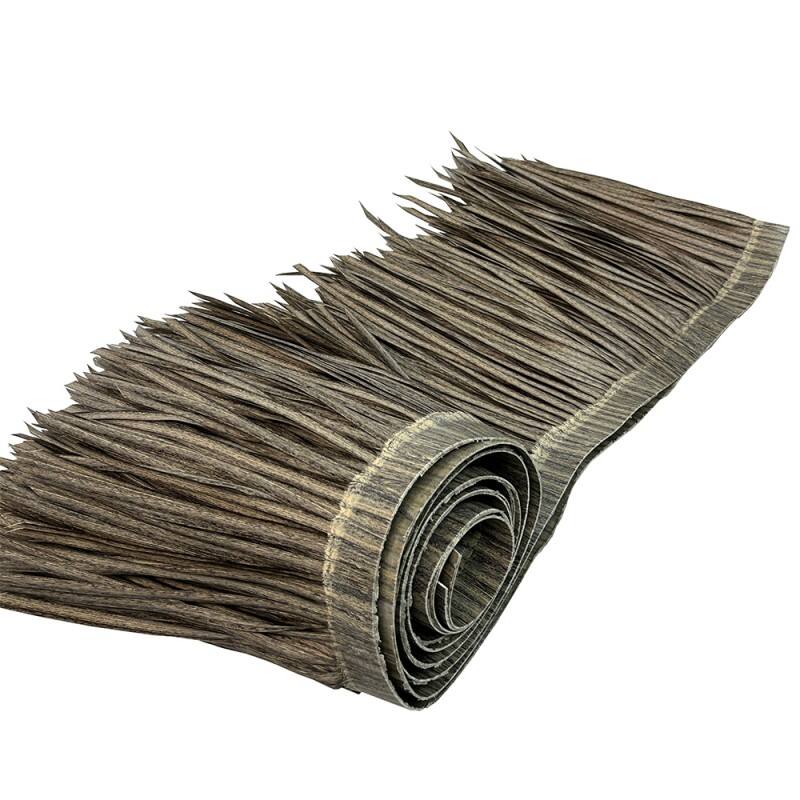
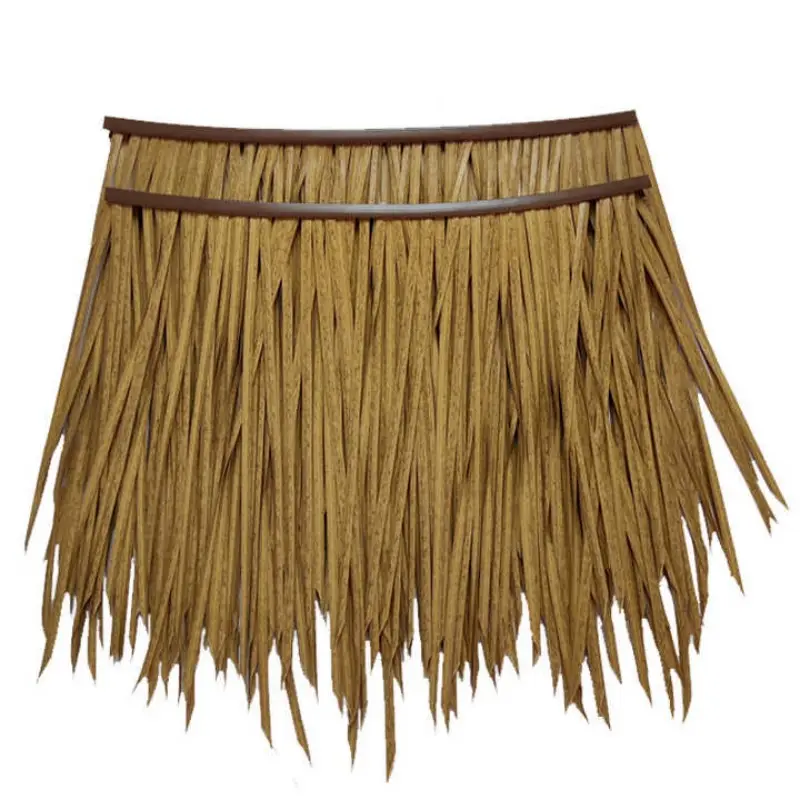
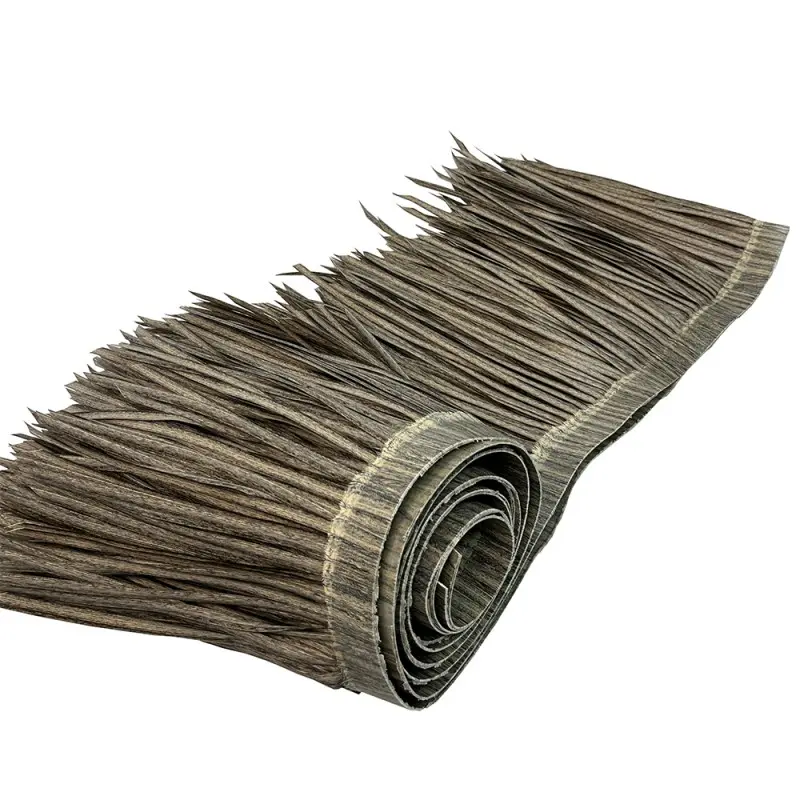
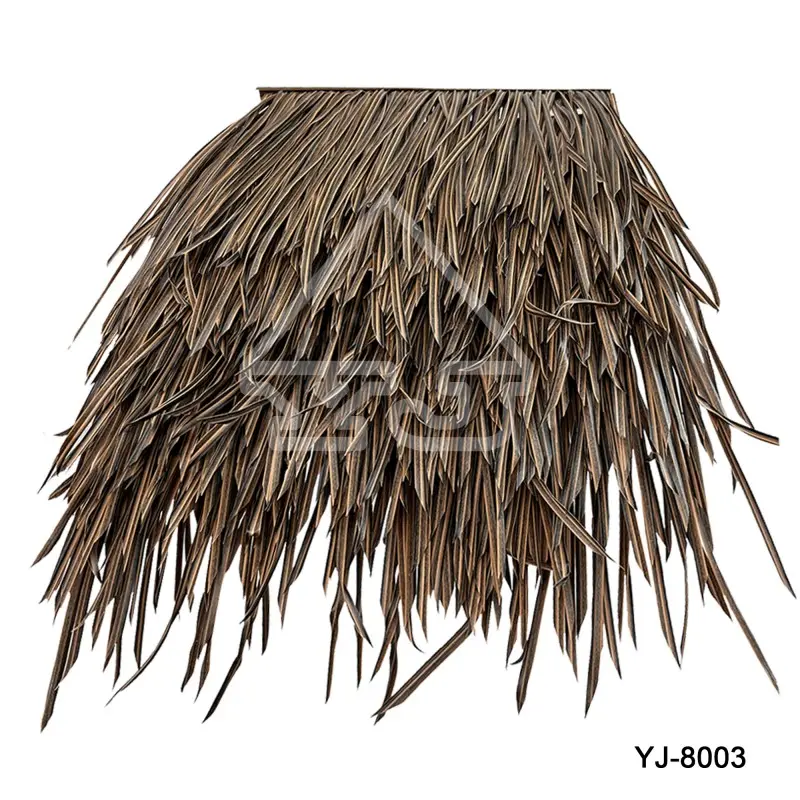
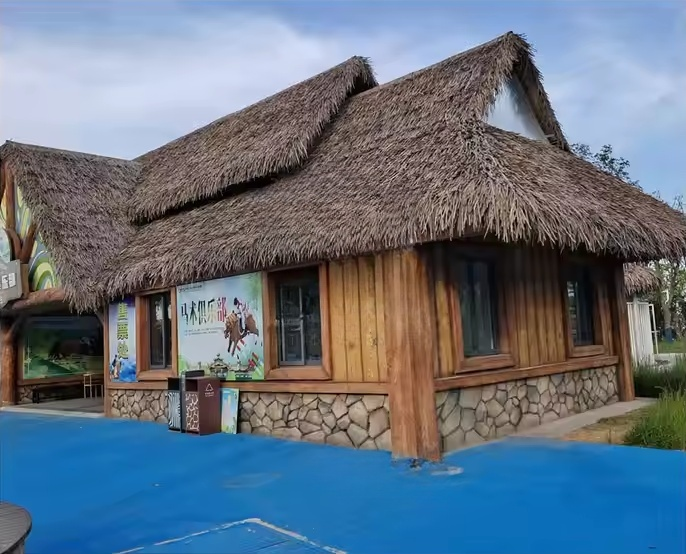
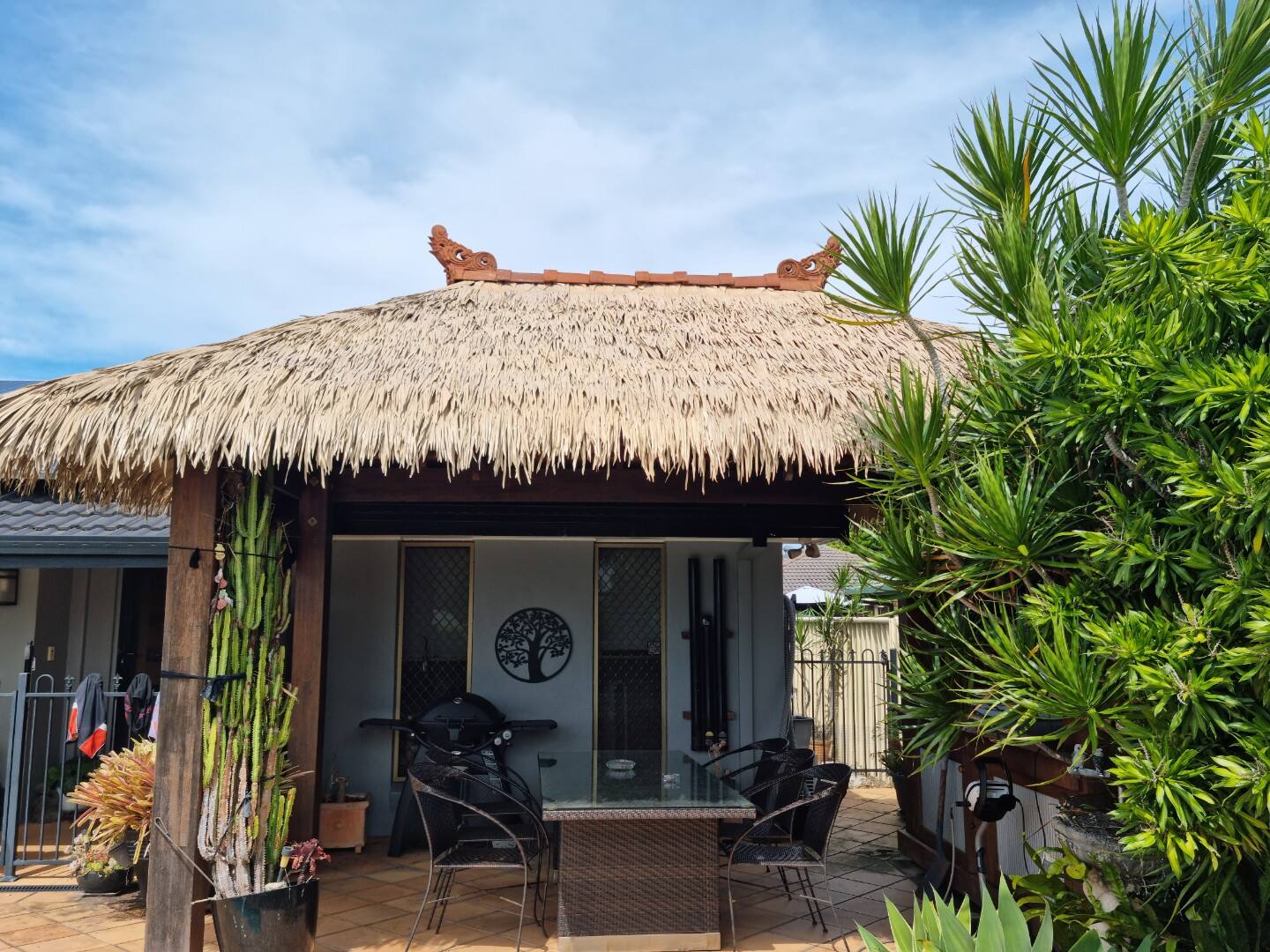
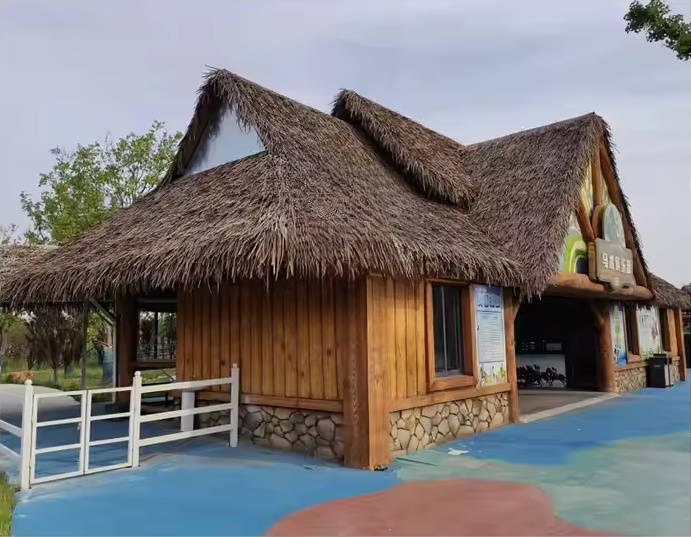
The synthetic vs natural thatch appearance represents a fascinating evolution in roofing materials, where modern manufacturing meets traditional aesthetics. Natural thatch roofing has been used for centuries, crafted from organic materials such as straw, reed, palm leaves, or water reed, creating distinctive rustic charm and excellent insulation properties. However, synthetic thatch appearance materials have emerged as revolutionary alternatives that replicate the visual appeal of traditional thatching while addressing many inherent limitations of organic materials. Synthetic thatch systems utilize advanced polymer technologies, UV-resistant compounds, and specialized manufacturing processes to create products that closely mimic the texture, color variations, and layered appearance of authentic thatch. These synthetic alternatives incorporate fire-resistant properties, enhanced durability, and weather-resistant characteristics that natural materials cannot match. The main functions of both synthetic and natural thatch appearance include providing weather protection, thermal insulation, and distinctive architectural character that transforms ordinary structures into visually striking buildings. Technological features of synthetic options include precision-engineered profiles, interlocking systems, lightweight composition, and color-fast properties that maintain appearance integrity over extended periods. Natural thatch offers breathability, organic texture variations, and traditional craftsmanship appeal that connects buildings to historical roofing traditions. Applications for synthetic vs natural thatch appearance span residential properties, commercial establishments, resort facilities, theme parks, restaurants, and cultural centers where authentic aesthetic appeal is desired. The synthetic vs natural thatch appearance comparison reveals significant differences in maintenance requirements, longevity, installation complexity, and overall lifecycle costs, making the choice between these options dependent on specific project requirements, budget constraints, environmental conditions, and aesthetic preferences that property owners prioritize for their particular applications.

New Products

The advantages of synthetic vs natural thatch appearance become apparent when examining practical benefits that directly impact property owners and project developers. Synthetic thatch materials offer superior durability compared to natural alternatives, typically lasting 20-30 years without significant degradation, while natural thatch requires replacement every 10-15 years depending on climate conditions and maintenance practices. Weather resistance represents another crucial advantage of synthetic options, as these materials resist moisture absorption, preventing rot, mold, and pest infestations that commonly affect organic thatching materials. Fire safety provides compelling reasons to choose synthetic alternatives, since these materials incorporate flame-retardant properties that meet modern building codes, whereas natural thatch presents inherent fire risks that require additional safety measures and may limit insurance options. Maintenance requirements differ dramatically between synthetic vs natural thatch appearance options, with synthetic materials requiring minimal upkeep beyond occasional cleaning, while natural thatch demands regular inspection, repair, and professional maintenance to preserve structural integrity and appearance. Installation advantages favor synthetic materials due to standardized components, lightweight construction, and simplified installation processes that reduce labor costs and project timelines compared to traditional thatching that requires specialized craftsmen and extensive installation periods. Cost considerations reveal long-term financial benefits of synthetic alternatives despite higher initial investment, as reduced maintenance, extended lifespan, and lower replacement frequency create superior value propositions over time. Environmental factors also influence the synthetic vs natural thatch appearance decision, with synthetic options offering consistent performance regardless of climate conditions, humidity levels, or temperature fluctuations that can severely impact natural materials. Aesthetic consistency represents another practical advantage of synthetic materials, maintaining uniform color and texture without the natural weathering, fading, or biological changes that occur with organic thatching. Design flexibility allows synthetic thatch appearance products to accommodate various architectural styles, installation angles, and structural requirements that might challenge traditional thatching methods, providing architects and builders with greater creative freedom while achieving desired visual outcomes.

Latest News

Trends in Using Rattan Weave Materials for Furniture and Roof Decoration

06

Nov

Trends in Using Rattan Weave Materials for Furniture and Roof Decoration

The design world is experiencing a remarkable renaissance in natural materials, with rattan weave materials emerging as a dominant force in contemporary furniture and architectural applications. This revival represents more than just aesthetic prefer...
View More
What Are the Trends in Cottage Thatched Construction for 2025

25

Dec

What Are the Trends in Cottage Thatched Construction for 2025

The cottage thatched construction industry is experiencing a remarkable transformation as we approach 2025, with innovative materials and sustainable practices reshaping traditional building methods. Modern homeowners and resort developers are increa...
View More
Applications of Cottage Thatched in Rural Vacation Homes

23

Dec

Applications of Cottage Thatched in Rural Vacation Homes

Rural vacation homes have experienced a remarkable resurgence as travelers seek authentic experiences away from bustling urban centers. Among the most captivating architectural elements that define these retreats is the traditional cottage thatched r...
View More
Performance Differences Between Synthetic Thatch and Natural Thatch

11

Dec

Performance Differences Between Synthetic Thatch and Natural Thatch

Traditional thatched roofing has evolved significantly over the centuries, transitioning from purely natural materials to innovative synthetic alternatives that offer enhanced durability and performance. Modern construction projects increasingly face...
View More

Get a Free Quote

Our representative will contact you soon.
Email
Name
Company Name
Message
0/1000

synthetic vs natural thatch appearance

Superior Weather Protection and Longevity Performance

Superior Weather Protection and Longevity Performance

The synthetic vs natural thatch appearance comparison reveals significant performance differences in weather protection and longevity that directly impact property investment returns and maintenance responsibilities. Synthetic thatch materials excel in harsh weather conditions, maintaining structural integrity and aesthetic appeal through extreme temperature variations, heavy precipitation, strong winds, and prolonged UV exposure that would damage natural alternatives. Advanced polymer formulations used in synthetic thatch appearance products incorporate weather-resistant additives, UV stabilizers, and impact-resistant compounds that prevent cracking, fading, splitting, or deterioration even after years of exposure to challenging environmental conditions. Natural thatch, while traditionally effective in moderate climates, suffers from moisture retention issues that lead to rot, decay, and structural weakening over time, particularly in humid or frequently wet environments. The longevity advantage of synthetic materials becomes evident through extended warranty periods, typically ranging from 15-25 years, compared to natural thatch that may require partial replacement within 5-10 years and complete replacement within 15 years. Synthetic vs natural thatch appearance materials also demonstrate superior resistance to biological threats including insects, rodents, birds, and microorganisms that commonly infest organic thatching, creating ongoing maintenance challenges and potential health hazards. Wind resistance capabilities of synthetic alternatives exceed natural materials due to engineered interlocking systems and secure fastening methods that prevent uplift or displacement during storms, whereas natural thatch can be vulnerable to wind damage that compromises entire roof sections. Temperature stability represents another crucial advantage, as synthetic materials maintain dimensional stability across wide temperature ranges without expansion, contraction, or warping that affects natural organic materials, ensuring consistent performance and appearance throughout seasonal changes and extreme weather events that would otherwise compromise traditional thatching systems.
Cost-Effectiveness and Maintenance Advantages

Cost-Effectiveness and Maintenance Advantages

The financial implications of synthetic vs natural thatch appearance extend far beyond initial purchase prices, encompassing lifecycle costs, maintenance requirements, and long-term value propositions that significantly impact total ownership expenses. Synthetic thatch materials provide exceptional cost-effectiveness through reduced maintenance demands, eliminating regular treatments, repairs, and replacements that natural thatch requires to maintain acceptable condition and appearance standards. Professional maintenance for natural thatch includes annual inspections, ridge repairs, spot replacements, pest control treatments, and periodic complete re-thatching that can cost thousands of dollars annually, while synthetic alternatives require only basic cleaning and occasional inspection to maintain optimal performance. Labor cost advantages favor synthetic options due to standardized installation procedures that reduce skilled craftsman requirements and project duration compared to traditional thatching that demands specialized expertise and extensive time commitments for proper installation. Insurance considerations also impact the synthetic vs natural thatch appearance decision, as synthetic fire-resistant materials often qualify for reduced premiums and broader coverage options, while natural thatch may result in higher insurance costs or coverage limitations due to fire risk concerns. Replacement frequency differences create substantial long-term savings, with synthetic materials lasting 2-3 times longer than natural alternatives, reducing the frequency of major roof renovations and associated disruption costs. Hidden costs associated with natural thatch include structural reinforcement requirements to support heavy wet thatch loads, specialized flashings and ventilation systems, and potential building modifications to accommodate traditional installation methods, whereas synthetic materials integrate easily with standard roofing systems without requiring extensive structural changes. Return on investment calculations consistently favor synthetic thatch appearance materials when considering total lifecycle costs, maintenance savings, insurance benefits, and extended service life that deliver superior value propositions for property owners seeking long-term financial benefits while maintaining desired aesthetic appeal and architectural character.
Design Flexibility and Installation Efficiency

Design Flexibility and Installation Efficiency

The design flexibility and installation advantages of synthetic vs natural thatch appearance materials provide architects, builders, and property owners with unprecedented creative freedom while simplifying construction processes and reducing project complexity. Synthetic thatch systems offer modular components that accommodate various roof geometries, including complex angles, curved surfaces, dormer windows, and architectural features that would challenge traditional thatching methods or require extensive custom work. Color consistency and customization options available with synthetic materials enable precise matching to design specifications without the natural variations that occur in organic materials, allowing for coordinated color schemes and architectural cohesion that meets specific aesthetic requirements. Installation efficiency represents a crucial advantage of synthetic alternatives, with standardized components, pre-engineered fastening systems, and lightweight construction that reduces installation time by 50-70% compared to traditional thatching methods that require skilled craftsmen and extensive manual labor. The synthetic vs natural thatch appearance comparison reveals significant differences in installation requirements, with synthetic systems designed for compatibility with standard roofing practices and conventional tools, while natural thatch demands specialized knowledge, traditional techniques, and unique installation procedures that limit contractor availability and increase project costs. Weight considerations favor synthetic materials that typically weigh 80% less than natural thatch, eliminating structural reinforcement requirements and reducing load calculations that simplify building design and construction planning processes. Quality control advantages of synthetic production ensure consistent material properties, dimensional accuracy, and performance characteristics across entire roof installations, whereas natural materials exhibit inherent variations in quality, thickness, and durability that can create performance inconsistencies. Weather-independent installation capabilities allow synthetic thatch appearance projects to proceed in various weather conditions without the sensitivity to moisture and temperature that affects natural material installation, reducing project delays and scheduling complications. Retrofit applications particularly benefit from synthetic alternatives due to simplified attachment methods and reduced structural requirements that enable thatch appearance additions to existing buildings without major renovations or structural modifications typically required for authentic thatching installations.

Get a Free Quote

Our representative will contact you soon.
Email
Name
Company Name
Message
0/1000