Synthetic vs Natural Thatch Lifespan: Complete Durability and Cost Comparison Guide

Get a Free Quote

Our representative will contact you soon.
Email
Name
Company Name
Message
0/1000

synthetic vs natural thatch lifespan

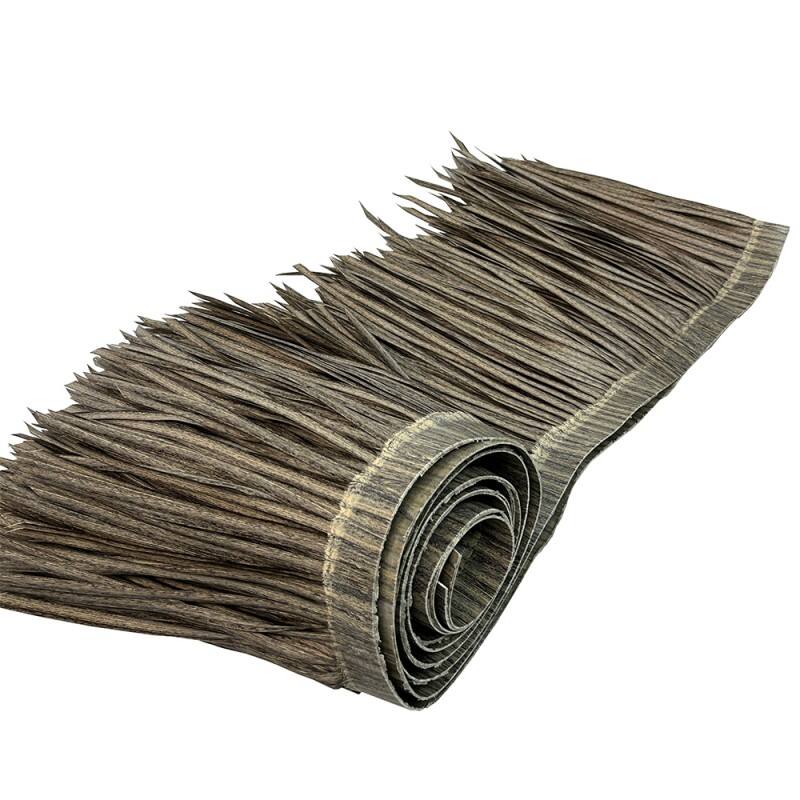
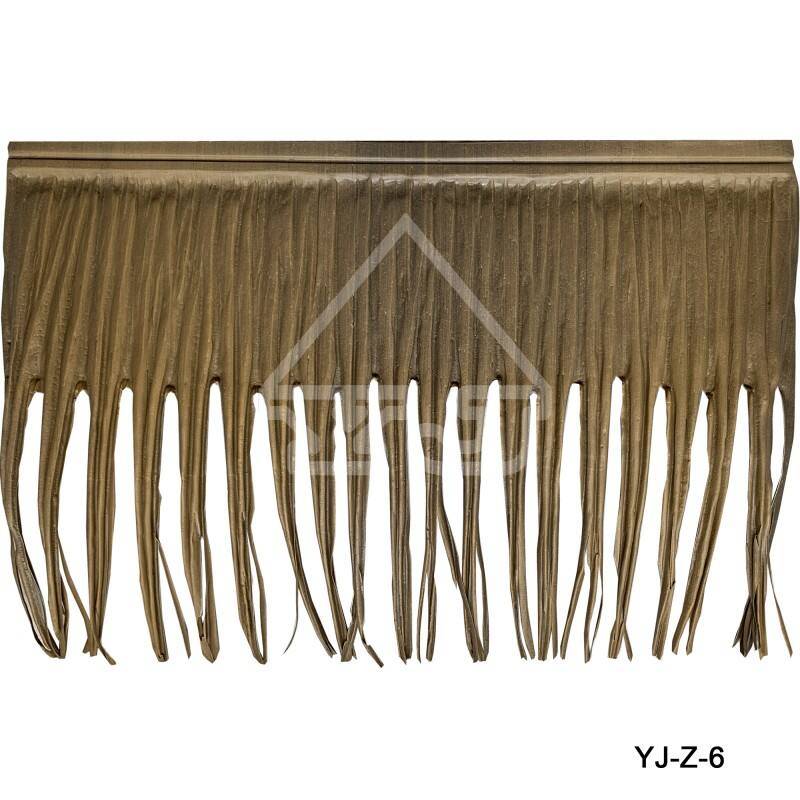
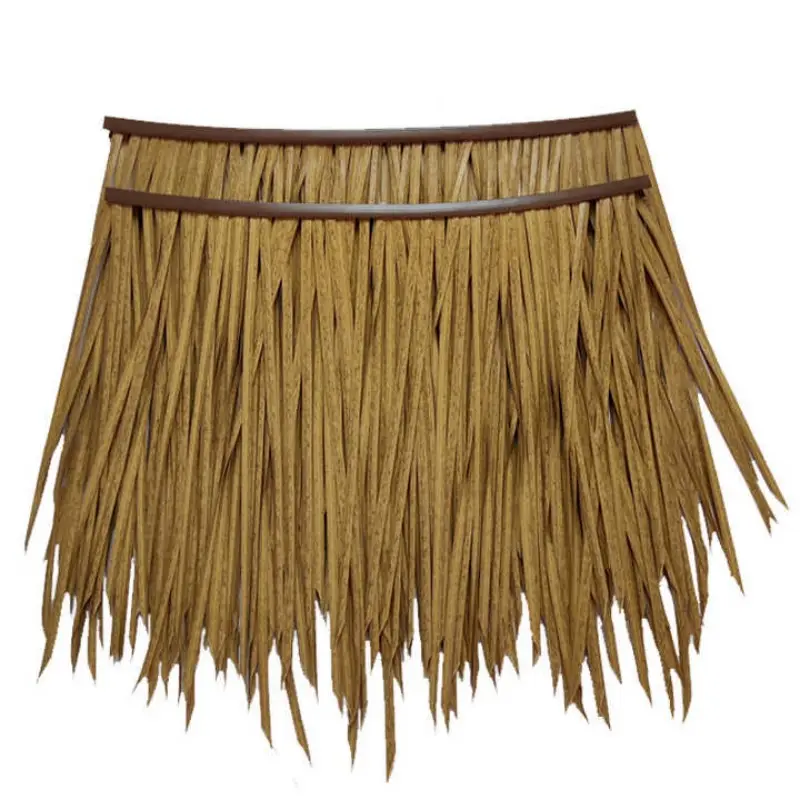
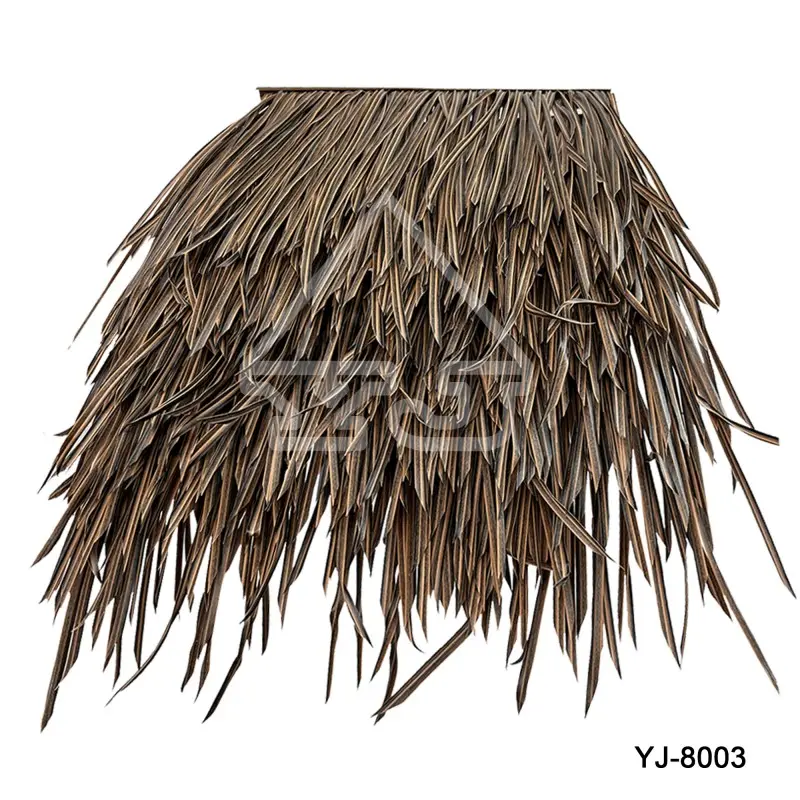
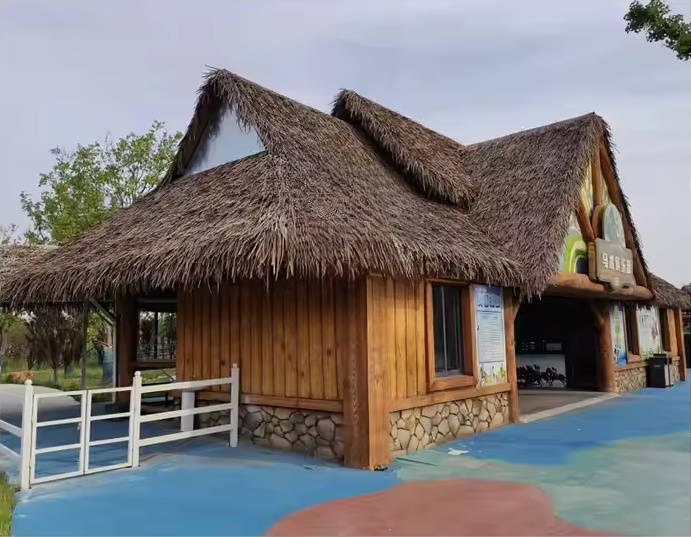
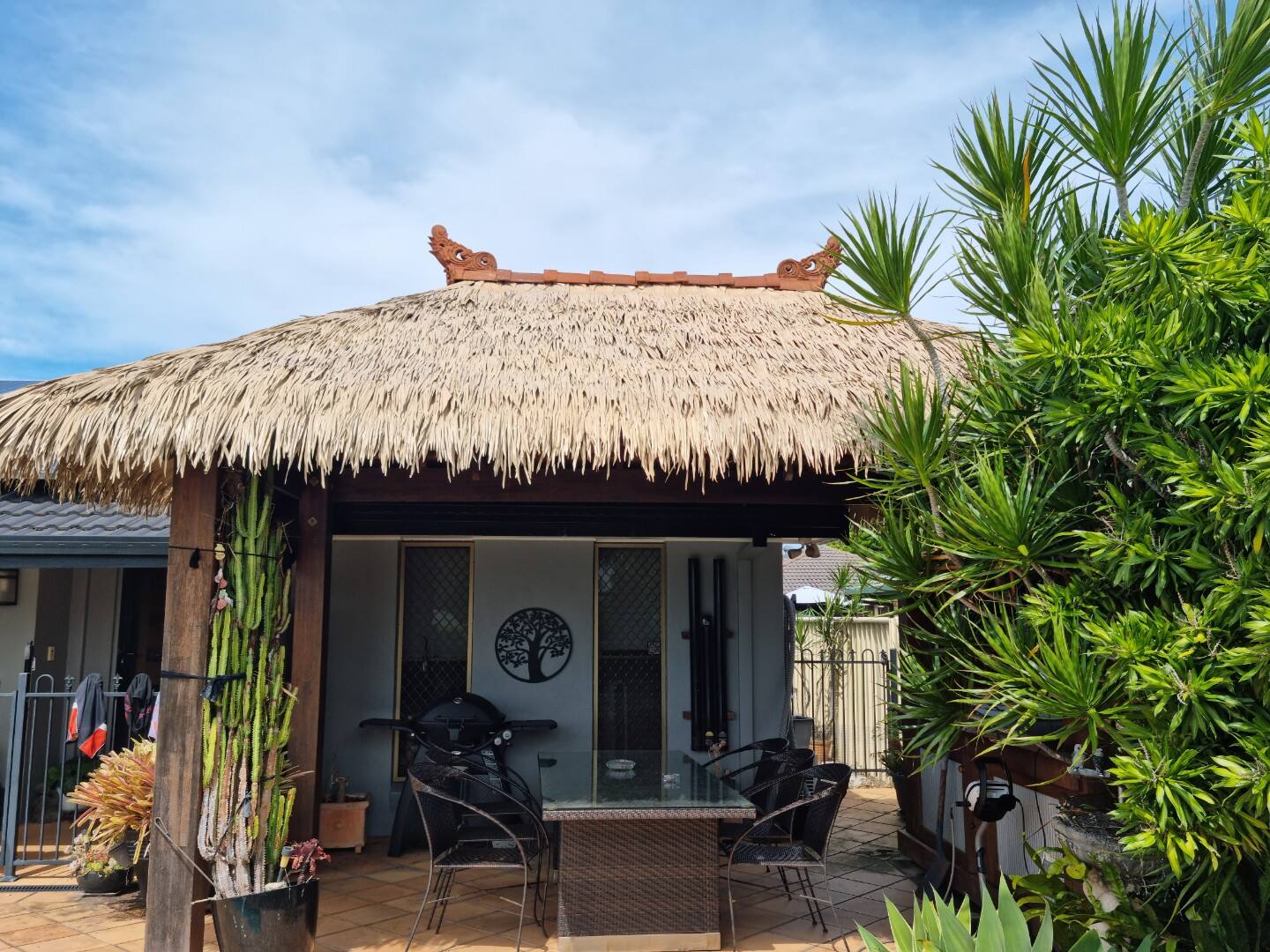
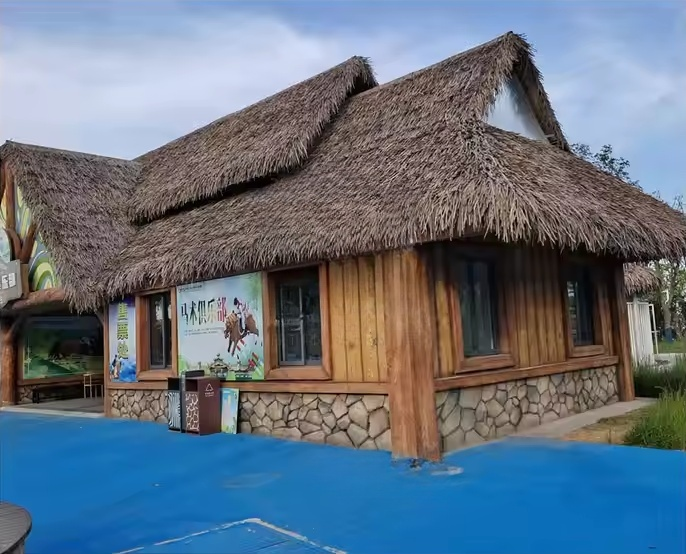
The synthetic vs natural thatch lifespan comparison represents a crucial decision factor for property owners considering roofing materials that deliver both aesthetic appeal and long-term performance. Natural thatch, traditionally crafted from water reed, wheat straw, or palm fronds, typically maintains its structural integrity and weatherproofing capabilities for fifteen to thirty years depending on climate conditions, installation quality, and maintenance practices. The synthetic vs natural thatch lifespan debate intensifies when examining synthetic alternatives, which utilize advanced polymer compounds, UV-resistant materials, and engineered fibers to replicate traditional appearances while extending service life to forty to sixty years. These technological innovations incorporate fire-retardant properties, moisture resistance, and dimensional stability that surpass conventional organic materials. The main functions encompass weather protection, thermal insulation, architectural authenticity, and structural load distribution across supporting frameworks. Technological features distinguish synthetic options through injection-molded components, interlocking systems, color-fast pigmentation, and integrated ventilation channels that prevent moisture accumulation. Natural materials provide superior breathability, traditional craftsmanship appeal, and biodegradable disposal options. Applications span residential cottages, commercial resort properties, theme park structures, restaurant pavilions, and cultural heritage buildings requiring authentic appearances. The synthetic vs natural thatch lifespan consideration extends beyond mere durability to encompass maintenance frequency, replacement costs, environmental impact, and regulatory compliance. Installation complexity varies significantly, with synthetic systems offering standardized components and simplified attachment methods, while natural materials demand specialized artisan skills and traditional techniques. Performance characteristics differ substantially regarding wind resistance, fire safety ratings, insect deterrence, and color retention over extended exposure periods. Cost analysis reveals natural materials require lower initial investment but higher long-term maintenance expenses, whereas synthetic alternatives demand greater upfront costs while delivering reduced lifecycle expenses through extended synthetic vs natural thatch lifespan advantages.

New Product Recommendations

The synthetic vs natural thatch lifespan advantages become immediately apparent when examining practical benefits that directly impact property owners' investment returns and maintenance responsibilities. Synthetic thatch materials deliver exceptional longevity, typically lasting forty to sixty years compared to natural materials' fifteen to thirty-year service life, effectively doubling the replacement interval and significantly reducing long-term roofing expenses. This extended synthetic vs natural thatch lifespan translates into substantial cost savings over decades of ownership, eliminating frequent re-thatching projects that require specialized labor and material sourcing. Fire resistance represents another compelling advantage, as synthetic options incorporate flame-retardant compounds that meet stringent building codes and insurance requirements, while natural materials present inherent combustibility risks that increase liability concerns and premium costs. Weather durability surpasses traditional expectations through engineered polymer compositions that resist UV degradation, moisture absorption, and thermal expansion, maintaining structural integrity and visual appearance regardless of extreme temperature fluctuations or precipitation levels. The synthetic vs natural thatch lifespan benefits extend to maintenance simplicity, requiring only periodic cleaning with standard pressure washing equipment instead of specialized re-bundling, patching, and ridge replacement procedures demanded by organic materials. Installation efficiency improves dramatically through standardized components and mechanical fastening systems that reduce labor time and skill requirements, making synthetic options accessible to broader contractor networks without specialized thatching expertise. Color consistency remains stable throughout the synthetic vs natural thatch lifespan, eliminating concerns about weathering, fading, or uneven aging that affects natural materials' aesthetic appeal over time. Pest resistance provides additional value by preventing insect infestation, rodent nesting, and bird damage that commonly compromise natural thatch integrity and require costly remediation efforts. Environmental considerations favor synthetic materials in specific applications where harvest sustainability, transportation emissions, and disposal impacts outweigh recyclability benefits. Insurance advantages include lower premiums, broader coverage options, and reduced claim frequencies due to improved fire ratings and storm resistance characteristics. Property values benefit from synthetic vs natural thatch lifespan advantages through reduced maintenance disclosure requirements and extended warranty periods that appeal to potential buyers seeking low-maintenance ownership experiences.

Latest News

How to Enhance Commercial Building Durability with Synthetic Palm Leaf Thatch

27

Nov

How to Enhance Commercial Building Durability with Synthetic Palm Leaf Thatch

Commercial buildings in tropical and subtropical regions face unique challenges when it comes to maintaining aesthetic appeal while ensuring long-term durability. Traditional roofing and decorative materials often fall short when exposed to intense U...
View More
How Material Choices Affect the Durability and Appearance of Synthetic Thatch

18

Nov

How Material Choices Affect the Durability and Appearance of Synthetic Thatch

The selection of materials in synthetic thatch manufacturing plays a crucial role in determining both the longevity and aesthetic appeal of these roofing solutions. Modern synthetic thatch products have revolutionized the construction industry by off...
View More
What Are the Trends in Cottage Thatched Construction for 2025

25

Dec

What Are the Trends in Cottage Thatched Construction for 2025

The cottage thatched construction industry is experiencing a remarkable transformation as we approach 2025, with innovative materials and sustainable practices reshaping traditional building methods. Modern homeowners and resort developers are increa...
View More
Performance Differences Between Synthetic Thatch and Natural Thatch

11

Dec

Performance Differences Between Synthetic Thatch and Natural Thatch

Traditional thatched roofing has evolved significantly over the centuries, transitioning from purely natural materials to innovative synthetic alternatives that offer enhanced durability and performance. Modern construction projects increasingly face...
View More

Get a Free Quote

Our representative will contact you soon.
Email
Name
Company Name
Message
0/1000

synthetic vs natural thatch lifespan

Superior Durability and Weather Resistance Performance

Superior Durability and Weather Resistance Performance

The synthetic vs natural thatch lifespan advantage becomes most pronounced when examining durability characteristics under challenging environmental conditions that test roofing materials beyond normal expectations. Synthetic thatch systems utilize advanced polymer engineering and UV-stabilized compounds that maintain structural integrity for four to six decades, significantly exceeding natural materials' typical fifteen to twenty-five year service life even under optimal maintenance conditions. This remarkable synthetic vs natural thatch lifespan differential stems from engineered resistance to moisture absorption, thermal cycling, and photodegradation that gradually compromise organic fibers over time. Premium synthetic materials incorporate titanium dioxide pigments and hindered amine light stabilizers that prevent color fading and polymer chain breakdown even under intense tropical sunlight exposure. Weather resistance extends beyond UV protection to encompass superior performance during severe storm events, with synthetic components maintaining attachment integrity under wind loads exceeding one hundred fifty miles per hour, while natural thatch typically requires replacement after major weather disturbances. The synthetic vs natural thatch lifespan benefits include consistent performance across diverse climate zones, from humid subtropical regions where natural materials suffer from accelerated decay to arid desert environments where brittleness and cracking compromise traditional thatching. Freeze-thaw cycling presents particular challenges for natural materials, causing expansion stress and fiber separation that reduces effective weatherproofing, while synthetic alternatives maintain flexibility and dimensional stability across temperature ranges from negative forty to positive one hundred sixty degrees Fahrenheit. Moisture management capabilities distinguish synthetic systems through integrated drainage channels and vapor barriers that prevent water accumulation and subsequent structural damage, extending the synthetic vs natural thatch lifespan through proactive moisture control rather than reactive replacement strategies. Quality synthetic products undergo rigorous accelerated aging tests equivalent to thirty years of natural exposure, demonstrating consistent performance characteristics that justify extended warranty coverage and reduce long-term ownership risks associated with premature failure or unexpected replacement needs.
Cost-Effective Long-Term Investment Strategy

Cost-Effective Long-Term Investment Strategy

The synthetic vs natural thatch lifespan economics present compelling financial advantages that transform initial material costs into long-term investment returns through reduced replacement frequency and maintenance requirements. Natural thatch typically requires complete replacement every fifteen to twenty-five years depending on environmental conditions and maintenance quality, creating cyclical expenses that compound over extended ownership periods. Synthetic alternatives deliver exceptional value through service lives extending forty to sixty years, effectively eliminating multiple replacement cycles and associated labor costs that significantly impact total ownership expenses. The synthetic vs natural thatch lifespan calculation reveals substantial savings when factoring installation labor, material transportation, disposal fees, and temporary accommodation costs during replacement projects. Professional thatching services command premium rates due to specialized skill requirements and limited craftsman availability, often exceeding standard roofing costs by three to five times for equivalent coverage areas. Synthetic installation utilizes conventional roofing techniques and standard contractor capabilities, reducing labor costs and expanding contractor selection options that promote competitive pricing. Maintenance expenses differ dramatically between materials, with natural thatch requiring annual inspections, periodic repairs, ridge rebuilding, and weather-related remediation that accumulate substantial costs throughout the synthetic vs natural thatch lifespan comparison period. Synthetic systems need only routine cleaning and occasional component replacement, typically costing less than ten percent of natural material maintenance requirements over equivalent timeframes. Insurance implications affect long-term costs through premium adjustments based on fire resistance ratings and claim history patterns, with synthetic materials qualifying for reduced rates and broader coverage options. Property tax assessments may reflect extended synthetic vs natural thatch lifespan benefits through improved durability classifications and reduced depreciation rates compared to natural materials requiring frequent replacement. Energy efficiency contributions provide additional cost benefits through superior insulation properties and consistent thermal performance that reduce heating and cooling expenses throughout extended service lives. Financing advantages include longer loan terms, lower interest rates, and improved property valuations that recognize synthetic materials' extended lifespan and reduced maintenance obligations, making synthetic vs natural thatch lifespan advantages financially quantifiable and economically justified for prudent property investors.
Enhanced Safety and Regulatory Compliance Benefits

Enhanced Safety and Regulatory Compliance Benefits

The synthetic vs natural thatch lifespan advantages extend significantly into safety performance and regulatory compliance areas that increasingly influence building permit approvals and insurance coverage availability in fire-prone regions and urban environments. Natural thatch materials present inherent fire hazards that restrict their use in many jurisdictions and require expensive fire suppression systems, specialized insurance policies, and regular safety inspections that add substantial compliance costs throughout their service life. Synthetic alternatives incorporate advanced flame-retardant compounds and self-extinguishing properties that meet or exceed Class A fire ratings, providing superior protection against ember attacks, external ignition sources, and fire spread scenarios that threaten both structures and surrounding properties. The synthetic vs natural thatch lifespan benefits include consistent fire resistance performance that doesn't degrade over time, unlike natural materials where aging, drying, and weathering increase combustibility and reduce safety margins. Building code compliance becomes significantly easier with synthetic materials that satisfy modern construction standards for fire resistance, structural loading, wind uplift resistance, and seismic performance requirements that may prohibit natural thatch installation in certain areas. Emergency response capabilities improve substantially with synthetic materials that provide firefighters safer operational conditions and more predictable fire behavior compared to natural thatch that can produce rapid flame spread and intense heat generation. The synthetic vs natural thatch lifespan advantages include reduced liability exposure for property owners, insurance carriers, and neighboring properties through improved fire containment and slower ignition characteristics. Toxic emission concerns that historically affected synthetic materials have been addressed through advanced polymer formulations that produce lower smoke density and reduced toxic gas generation compared to many natural materials during combustion events. Structural safety benefits include consistent load-bearing characteristics and predictable aging patterns that enable accurate structural engineering calculations and reliable performance assessments throughout extended service lives. Wind resistance testing demonstrates superior attachment strength and component integrity under extreme weather conditions, reducing collapse risks and associated liability concerns. The synthetic vs natural thatch lifespan comparison reveals substantial safety advantages through pest resistance that eliminates rodent nesting, insect colonies, and bird activities that can compromise natural thatch integrity and create additional safety hazards through structural weakening and fire risk accumulation over time.

Get a Free Quote

Our representative will contact you soon.
Email
Name
Company Name
Message
0/1000