Synthetic vs Natural Thatch for Resorts: Complete Comparison Guide 2024

Get a Free Quote

Our representative will contact you soon.
Email
Name
Company Name
Message
0/1000

synthetic vs natural thatch for resorts

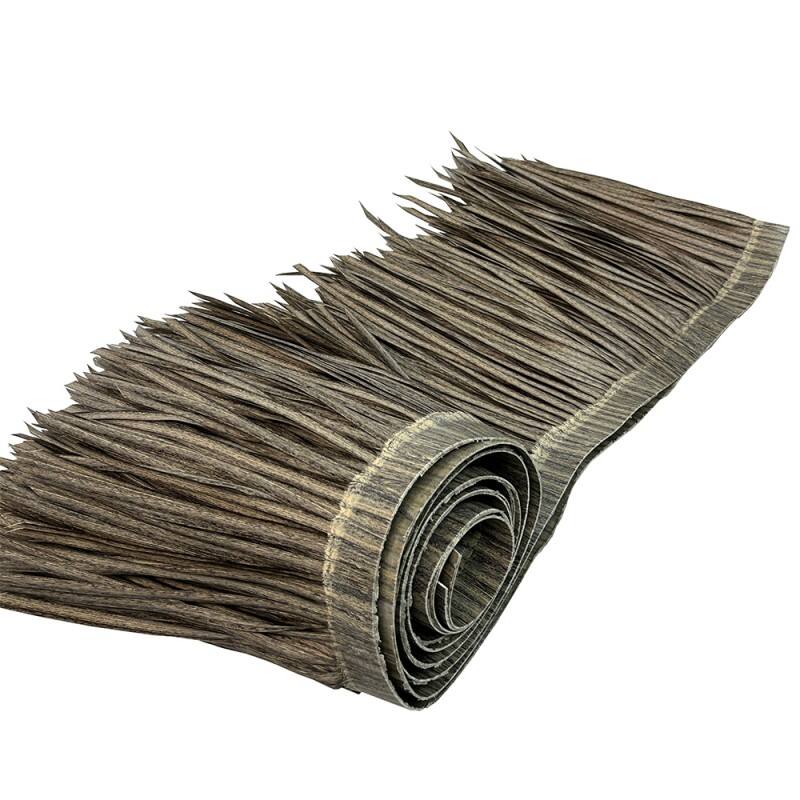
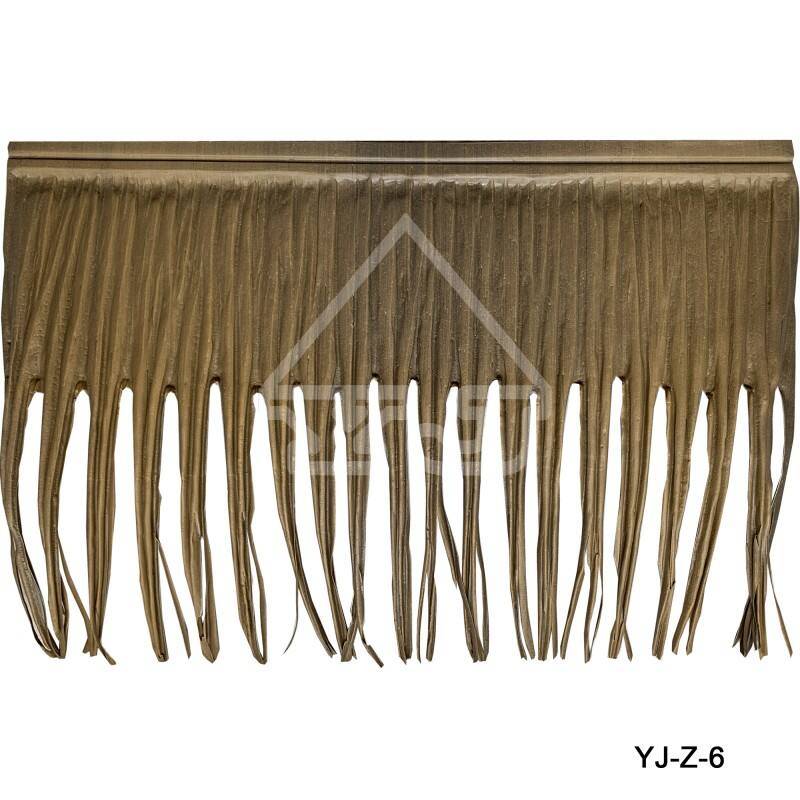
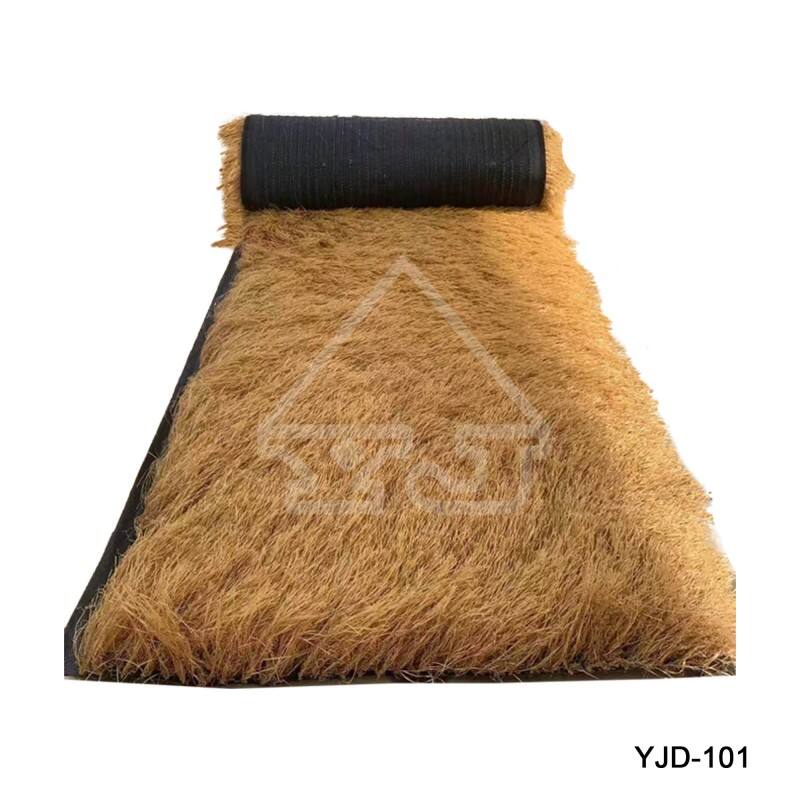
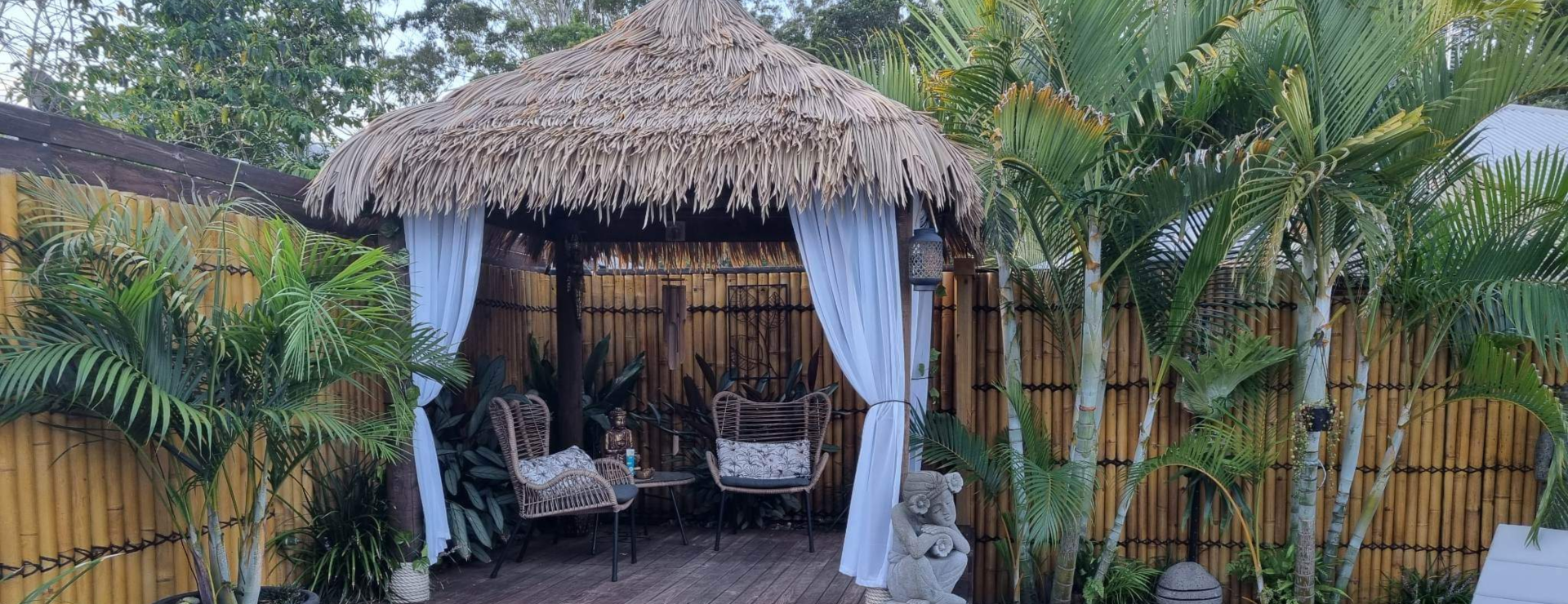
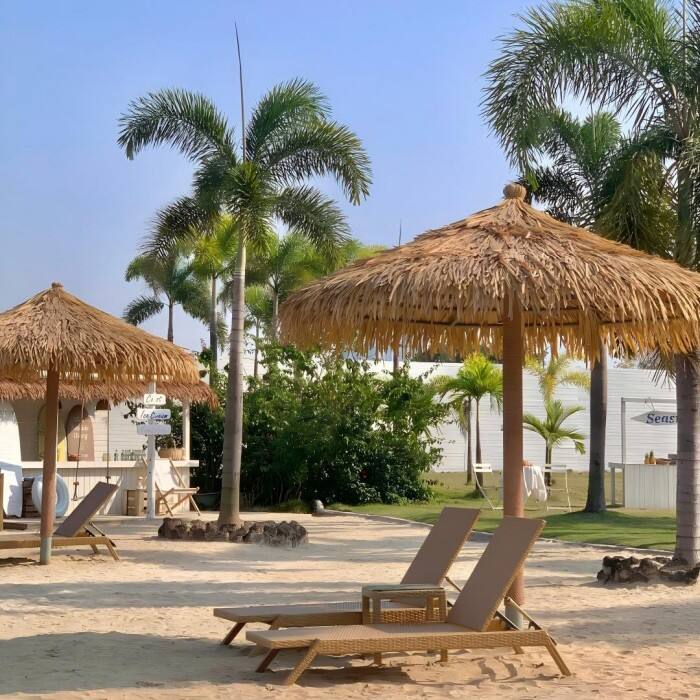
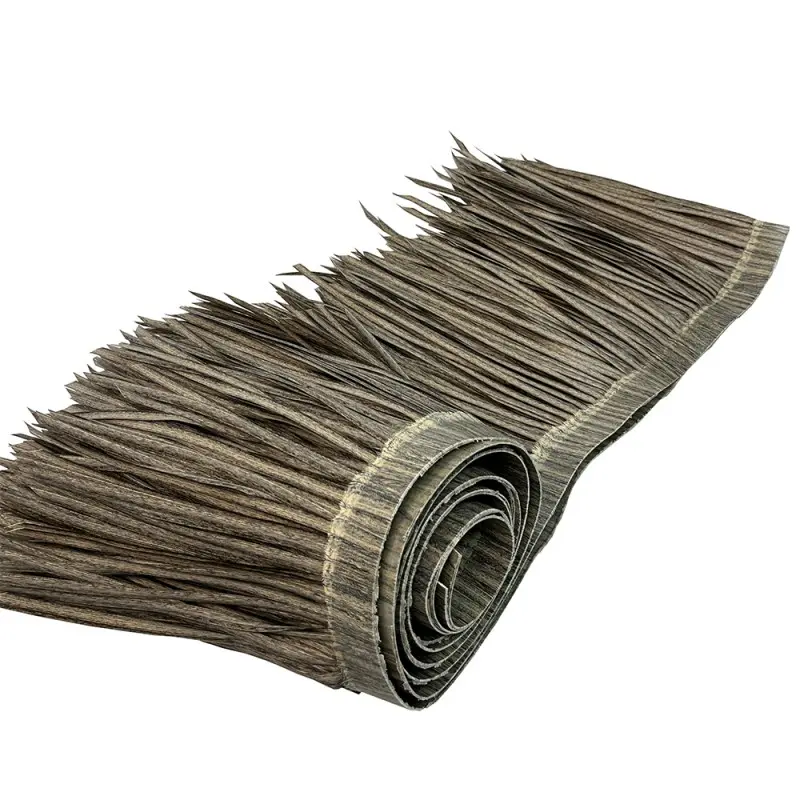
Resort owners face a critical decision when selecting roofing materials for their tropical accommodations: synthetic vs natural thatch for resorts. This choice significantly impacts both aesthetic appeal and long-term operational costs. Natural thatch, traditionally crafted from palm fronds, water reed, or wheat straw, provides authentic tropical ambiance that guests expect from exotic destinations. However, synthetic alternatives have revolutionized the hospitality industry by offering superior performance characteristics while maintaining visual authenticity. Synthetic vs natural thatch for resorts represents a fundamental shift in building materials technology. Modern synthetic thatch incorporates advanced polymer compounds and UV-resistant additives that replicate natural textures and colors. These materials undergo rigorous testing to ensure they withstand harsh tropical conditions including hurricane-force winds, torrential rainfall, and intense solar radiation. The manufacturing process involves precision molding techniques that create realistic grain patterns and natural variations, making synthetic options virtually indistinguishable from traditional materials. Applications for synthetic vs natural thatch for resorts extend beyond simple roof coverings. Hotels utilize these materials for poolside cabanas, restaurant pavilions, spa treatment rooms, and beachfront villas. The versatility allows architects to maintain consistent tropical themes throughout entire resort complexes. Installation processes differ significantly between options, with synthetic materials requiring specialized mounting systems that ensure proper ventilation and drainage. Natural thatch demands traditional thatching techniques passed down through generations, requiring skilled craftsmen who understand layering patterns and binding methods. Maintenance requirements vary dramatically between synthetic vs natural thatch for resorts. Natural materials require periodic replacement every 8-15 years depending on climate conditions, while synthetic alternatives can last 25-50 years with minimal upkeep. Fire resistance represents another crucial consideration, as synthetic options typically meet international building codes for flame spread ratings, whereas natural thatch requires additional fire-retardant treatments and specialized insurance coverage.

New Product Recommendations

The comparison between synthetic vs natural thatch for resorts reveals compelling advantages that make synthetic options increasingly attractive to hospitality professionals. Cost efficiency stands as the primary benefit, with synthetic materials delivering substantial long-term savings despite higher initial investments. Resort operators save thousands annually on maintenance crews, replacement materials, and insurance premiums. Natural thatch requires constant attention from specialized workers who must replace damaged sections, treat pest infestations, and apply protective coatings. Synthetic alternatives eliminate these recurring expenses while providing consistent performance year after year. Durability represents another significant advantage when evaluating synthetic vs natural thatch for resorts. Synthetic materials resist common problems that plague natural alternatives including insect damage, rodent intrusion, and fungal growth. Termites cannot consume synthetic fibers, eliminating costly pest control treatments and structural repairs. Weather resistance surpasses natural materials by substantial margins, with synthetic options maintaining integrity through Category 5 hurricanes and extended drought conditions. This reliability ensures guest accommodations remain available throughout peak seasons, maximizing revenue potential. Fire safety benefits make synthetic vs natural thatch for resorts particularly appealing to safety-conscious operators. Synthetic materials often achieve Class A fire ratings, significantly reducing insurance costs and regulatory compliance issues. Natural thatch poses inherent fire risks that require expensive sprinkler systems, fire-retardant treatments, and higher insurance premiums. Guest safety improves dramatically with synthetic options, reducing liability concerns and potential litigation risks. Environmental considerations favor synthetic vs natural thatch for resorts in many scenarios. While natural materials appear more eco-friendly initially, their short lifespan creates ongoing environmental impact through frequent harvesting and transportation. Synthetic alternatives last decades longer, reducing overall resource consumption and waste generation. Many synthetic products incorporate recycled materials, contributing to circular economy principles. Color retention capabilities ensure synthetic vs natural thatch for resorts maintains attractive appearance throughout extended service life. Natural materials fade, discolor, and develop unsightly stains that detract from resort aesthetics. Synthetic options resist UV degradation and weathering, preserving vibrant colors and textures that enhance guest experiences. Installation flexibility allows synthetic materials to accommodate complex architectural designs that challenge traditional thatching methods. Curved surfaces, steep angles, and intricate patterns become achievable with synthetic vs natural thatch for resorts, enabling architects to create distinctive structures that differentiate properties from competitors.

Practical Tips

How to Enhance Commercial Building Durability with Synthetic Palm Leaf Thatch

27

Nov

How to Enhance Commercial Building Durability with Synthetic Palm Leaf Thatch

Commercial buildings in tropical and subtropical regions face unique challenges when it comes to maintaining aesthetic appeal while ensuring long-term durability. Traditional roofing and decorative materials often fall short when exposed to intense U...
View More
How to Choose a High-Quality Synthetic Thatch Roof for Commercial Projects

24

Nov

How to Choose a High-Quality Synthetic Thatch Roof for Commercial Projects

Selecting the right roofing material for commercial projects requires careful consideration of durability, aesthetics, and long-term performance. A synthetic thatch roof offers an ideal solution for businesses seeking the authentic appearance of trad...
View More
Applications of Cottage Thatched in Rural Vacation Homes

23

Dec

Applications of Cottage Thatched in Rural Vacation Homes

Rural vacation homes have experienced a remarkable resurgence as travelers seek authentic experiences away from bustling urban centers. Among the most captivating architectural elements that define these retreats is the traditional cottage thatched r...
View More
Performance Differences Between Synthetic Thatch and Natural Thatch

11

Dec

Performance Differences Between Synthetic Thatch and Natural Thatch

Traditional thatched roofing has evolved significantly over the centuries, transitioning from purely natural materials to innovative synthetic alternatives that offer enhanced durability and performance. Modern construction projects increasingly face...
View More

Get a Free Quote

Our representative will contact you soon.
Email
Name
Company Name
Message
0/1000

synthetic vs natural thatch for resorts

Superior Weather Resistance and Longevity

Superior Weather Resistance and Longevity

The most compelling advantage of synthetic vs natural thatch for resorts lies in exceptional weather resistance and extended lifespan that dramatically reduces operational costs and maintenance headaches. Synthetic thatch materials undergo extensive testing in controlled laboratory environments that simulate decades of exposure to extreme weather conditions including intense UV radiation, torrential rainfall, hurricane-force winds, and temperature fluctuations. These rigorous testing protocols ensure synthetic options maintain structural integrity and aesthetic appeal far longer than natural alternatives. Resort owners benefit from synthetic materials that resist common failure modes affecting natural thatch including wind uplift, water penetration, and thermal expansion damage. Advanced polymer formulations incorporate UV stabilizers that prevent color fading and material degradation even in tropical climates with intense solar exposure. The molecular structure of synthetic fibers resists breaking down under constant moisture cycles, eliminating the rot and decay that plague natural materials in humid environments. Hurricane resistance testing demonstrates synthetic vs natural thatch for resorts can withstand wind speeds exceeding 150 mph when properly installed, compared to natural thatch which typically fails at much lower wind velocities. This superior performance translates directly to reduced insurance premiums and fewer weather-related closures that impact revenue. Synthetic materials eliminate the need for frequent re-thatching projects that disrupt guest experiences and require significant capital expenditure every 8-12 years. The longevity advantage extends beyond simple durability to include consistent performance characteristics throughout the material's service life. Natural thatch deteriorates gradually, creating maintenance issues that compound over time including increased fire risk, pest intrusion, and water leakage. Synthetic alternatives maintain their protective properties and aesthetic appeal for 25-50 years with minimal intervention, allowing resort operators to focus resources on guest services rather than constant roof repairs. Installation quality remains consistent with synthetic vs natural thatch for resorts because materials arrive with standardized dimensions and properties, unlike natural materials that vary in quality and require skilled craftsmen to achieve proper installation.
Enhanced Fire Safety and Insurance Benefits

Enhanced Fire Safety and Insurance Benefits

Fire safety represents a critical consideration when evaluating synthetic vs natural thatch for resorts, with synthetic materials offering substantial advantages that protect guests, reduce liability, and lower insurance costs significantly. Natural thatch poses inherent fire risks due to its dry, combustible nature that can ignite rapidly and spread flames across entire structures within minutes. Insurance companies recognize these risks by imposing higher premiums, coverage limitations, and extensive safety requirements that increase operational costs substantially. Synthetic thatch materials typically achieve Class A fire ratings through advanced flame-retardant additives integrated during the manufacturing process, creating materials that resist ignition and self-extinguish when flame sources are removed. This superior fire performance enables resort operators to secure better insurance coverage at lower premiums while meeting stringent building codes and safety regulations. The fire-retardant properties remain effective throughout the material's service life, unlike natural thatch which becomes increasingly combustible as it ages and dries. Synthetic vs natural thatch for resorts creates measurable differences in evacuation times during emergency situations, as synthetic materials burn more slowly and produce less toxic smoke, providing guests and staff additional time to safely exit buildings. Emergency response protocols become more manageable with synthetic materials that don't create the rapid fire spread associated with natural thatch roofing. Fire marshal approvals come easier with synthetic options that meet or exceed local building codes, eliminating delays and additional compliance costs. The installation process for synthetic materials allows integration of fire suppression systems and smoke detection equipment without compromising aesthetic appeal or structural integrity. Resort operators benefit from reduced liability exposure when using synthetic vs natural thatch for resorts because improved fire safety reduces the likelihood of guest injuries and property damage claims. Legal protection improves significantly with materials that meet industry safety standards and demonstrate proactive risk management. Insurance claim processing becomes more straightforward with synthetic materials that provide documented fire ratings and testing certifications, expediting claim resolution and minimizing business interruption impacts.
Low Maintenance Requirements and Cost Efficiency

Low Maintenance Requirements and Cost Efficiency

The maintenance advantages of synthetic vs natural thatch for resorts create compelling economic benefits that justify initial investment costs through reduced labor expenses, eliminated replacement cycles, and simplified upkeep procedures. Natural thatch requires specialized craftsmen who possess traditional thatching skills increasingly difficult to find and expensive to retain, creating labor shortages that drive up maintenance costs and extend repair timelines. These skilled workers must regularly inspect roofing systems, replace damaged sections, apply protective treatments, and address pest infestations that threaten structural integrity. Synthetic alternatives eliminate most maintenance requirements through durable materials that resist common damage causes affecting natural thatch including insect infestation, rodent intrusion, fungal growth, and weathering degradation. Resort maintenance teams can handle routine cleaning and inspection tasks without specialized training or expensive equipment, reducing operational complexity and staffing requirements significantly. The simplified maintenance approach enables property managers to allocate resources toward guest-facing amenities rather than constant roof repairs and preventive treatments. Synthetic vs natural thatch for resorts eliminates the need for periodic re-thatching projects that typically occur every 8-15 years depending on climate conditions and material quality. These major renovation projects require significant capital investment, guest relocation, and extended construction timelines that disrupt operations and reduce revenue potential. Synthetic materials maintain performance characteristics throughout extended service life, avoiding the gradual deterioration that creates increasing maintenance needs as natural thatch ages. Pest control expenses disappear with synthetic options that provide no food source for insects, rodents, or birds that commonly infest natural thatch structures. Resort operators save thousands annually on extermination services, structural repairs, and preventive treatments required to maintain natural thatch systems. Cleaning procedures become standardized with synthetic materials that respond well to pressure washing and conventional cleaning agents, unlike natural thatch which requires gentle treatment to avoid damage. The cost predictability of synthetic vs natural thatch for resorts enables accurate budgeting and financial planning because maintenance expenses remain minimal and consistent throughout the material's service life, eliminating unexpected repair costs that strain operational budgets.

Get a Free Quote

Our representative will contact you soon.
Email
Name
Company Name
Message
0/1000